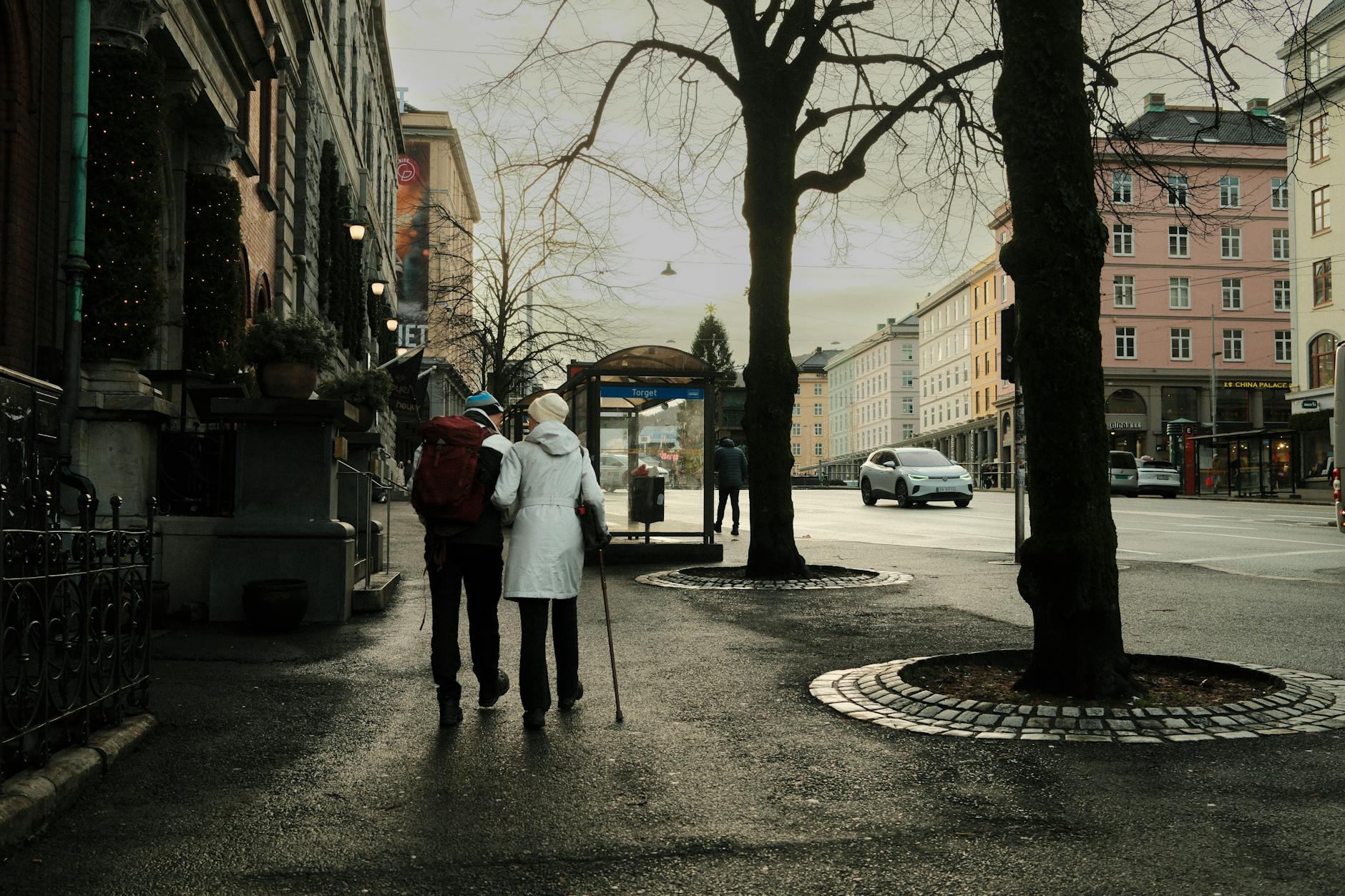
Oslo can work very well for older travelers because the city has strong infrastructure, good public transport, English-friendly services, and a manageable central core. The trip still needs careful design. Winter footing, short daylight, high prices, hotel access, walking distances, and museum pacing can all affect comfort. The goal is not to make the trip timid. It is to make the trip sustainable. An older traveler who chooses the right hotel, transfer, seasonal rhythm, and daily route can enjoy Oslo's waterfront, museums, parks, and cultural sites without spending the visit recovering from avoidable strain.
Choose lodging by access, not charm alone
An older traveler should choose an Oslo hotel by the full route from airport or station to room, then from room to the main daily activities. Elevator access, step-free entrance, bathroom layout, breakfast, quiet sleep, nearby pharmacy, taxi pickup, and short walks can matter more than a fashionable address.
A central hotel near Oslo S, the waterfront, Nationaltheatret, or a chosen museum route may reduce strain. But the correct answer depends on season, luggage, walking tolerance, and whether the traveler will use rail, taxi, or arranged transfer.
- Check elevator, entrance steps, bathroom setup, breakfast, taxi pickup, and quiet sleep.
- Choose the hotel around daily routes and arrival access, not only neighborhood appeal.
- Keep walks shorter in winter, with luggage, or after long flights.

Decide between airport rail, taxi, and arranged transfer
The airport rail can be efficient, but it is not automatically best for every older traveler. Luggage, mobility, weather, station distance, fatigue, and late arrival may make a taxi or arranged transfer more sensible. Conversely, a taxi can be expensive and slower in some conditions.
The traveler should know the station, platform, ticketing method, hotel walking route, and backup plan before arrival. The first transfer should be easy enough to do while tired.
- Compare airport rail, taxi, and arranged transfer by fatigue, luggage, weather, and cost.
- Confirm station route, ticketing, platform changes, and hotel walking distance.
- Use the simplest transfer when arrival is late, icy, or after a long flight.
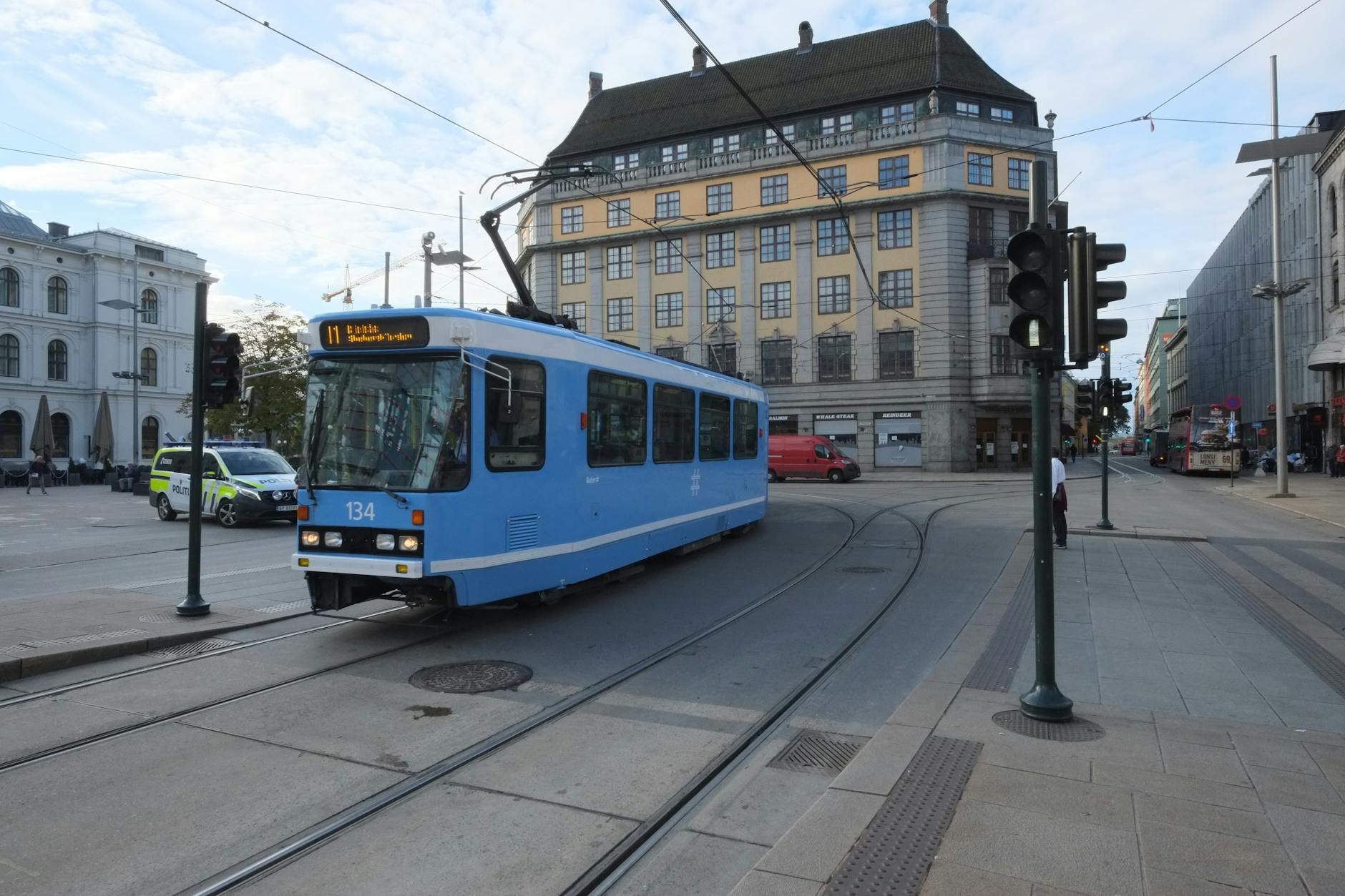
Treat winter footing and daylight as real constraints
Oslo can be beautiful in winter, but ice, snow, slush, darkness, wind, and cold can change walking tolerance. A route that looks easy in summer may be tiring or risky in January. Older travelers should pack footwear and layers for the actual conditions and avoid overloading short daylight windows.
In warmer months, long light can make pacing easier, but hills, waterfront wind, museum standing time, and long walks still matter. The itinerary should be built around sustainable effort rather than maximum coverage.
- Plan for ice, snow, slush, darkness, cold, wind, and shorter winter walking windows.
- Use footwear and layers that support stability, not only style.
- Keep daily routes realistic even when summer daylight makes the day feel longer.

Use museums, parks, and waterfront in measured blocks
Oslo's museums and waterfront sights can create long standing days if they are stacked too tightly. The Munch Museum, National Museum, City Hall, Opera House, Deichman Bjorvika, Vigeland Park, and harbor areas all ask for time and energy. An older traveler should group nearby stops and include seated breaks.
A strong day might be one museum, one meal, one short waterfront walk, and a simple return. The traveler should avoid treating every famous sight as mandatory.
- Group nearby museums and waterfront sights instead of crossing the city repeatedly.
- Plan seated breaks, meals, bathrooms, and short returns before fatigue builds.
- Choose fewer sights if that makes the day more enjoyable and safer.

Make transit comfortable before relying on it
Oslo's public transport can be useful, but older travelers should understand ticketing, platform access, escalators, walking between stops, service frequency, and how to sit or rest during the route. A traveler who is comfortable with transit may do very well. A traveler who is not should not learn every system under pressure.
Taxis can fill gaps, but cost and pickup points should be anticipated. The plan should identify when transit is sensible, when walking is fine, and when a taxi protects the day.
- Learn ticketing, platform access, stop locations, and transfer walking before depending on transit.
- Use taxis deliberately for late returns, bad weather, fatigue, or difficult connections.
- Avoid routes that require repeated stairs, long platforms, or rushed transfers.

Protect medical continuity, meals, and recovery
Older travelers should plan medication, prescriptions, travel insurance, medical contacts, hydration, meals, and recovery time before Oslo's daily plan is full. High prices can cause travelers to skip meals or delay taxis, but comfort and health should not depend on stubborn savings.
The traveler should also know pharmacy access, emergency process, hotel support, and how to handle a flare-up, fall, lost medication, or weather-related delay. A short trip is easier when the fallback plan is already known.
- Carry medication, prescriptions, insurance details, emergency contacts, and medical notes.
- Plan meals, hydration, rest, and taxis so health does not depend on improvisation.
- Know pharmacy locations and what to do if symptoms, fatigue, or weather disrupt the day.
When to order a short-term travel report
An older traveler with strong mobility, a central hotel, and flexible summer dates may not need a custom Oslo report. A report becomes useful when the trip involves winter conditions, mobility concerns, medical needs, expensive hotels, airport transfer uncertainty, museum priorities, or a need to balance Oslo with onward Norway travel.
The report should test hotel access, airport rail versus taxi, walking distances, winter footing, daylight, museum grouping, transit comfort, meals, bathrooms, medical fallback, recovery time, and what to cut. The value is an Oslo trip that remains dignified, comfortable, and practical.
- Order when mobility, winter, medical needs, hotel access, transfers, or museum pacing need testing.
- Provide dates, mobility level, hotel options, medical constraints, interests, and onward plans.
- Use the report to keep the trip enjoyable without relying on endurance.