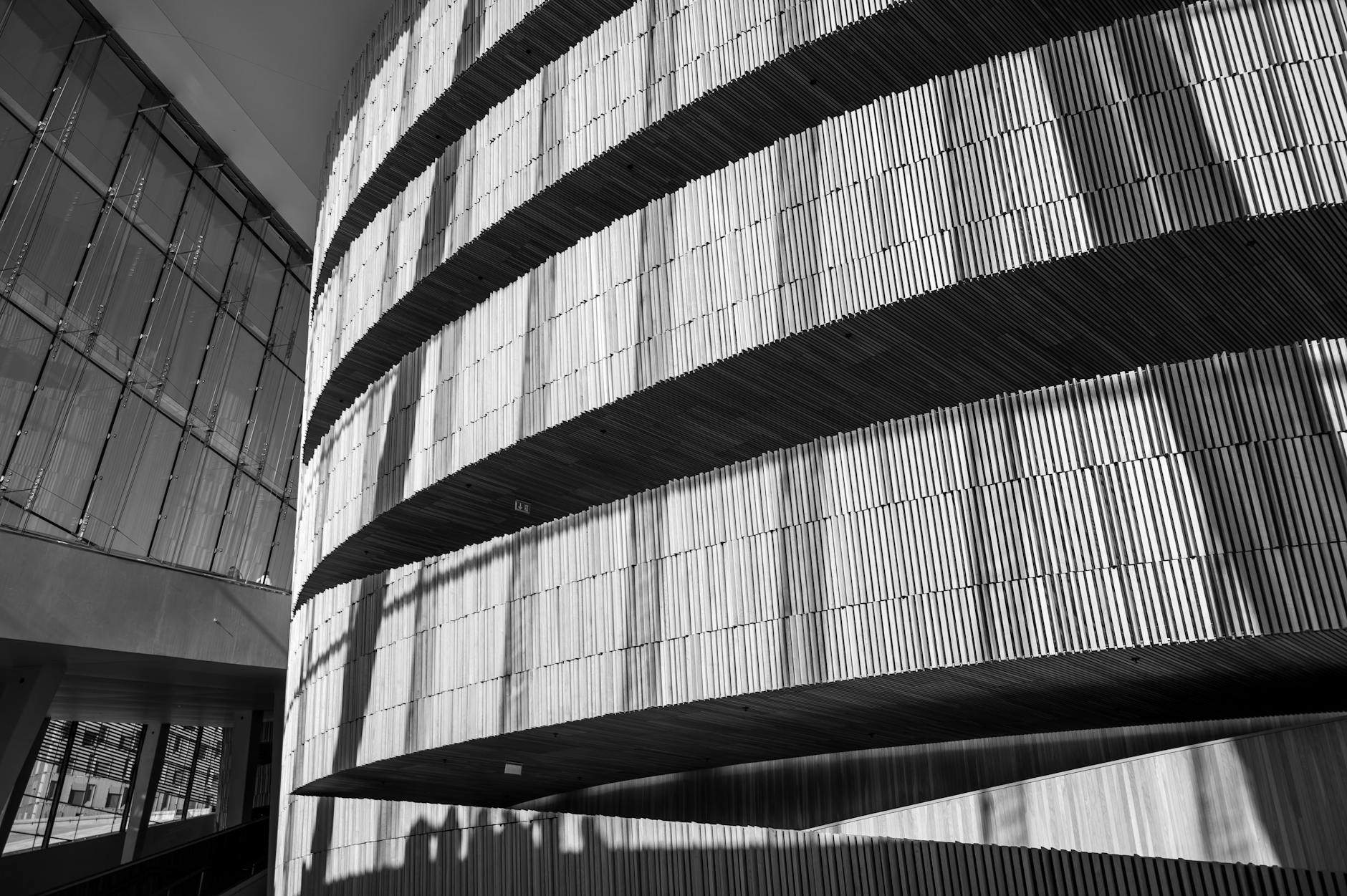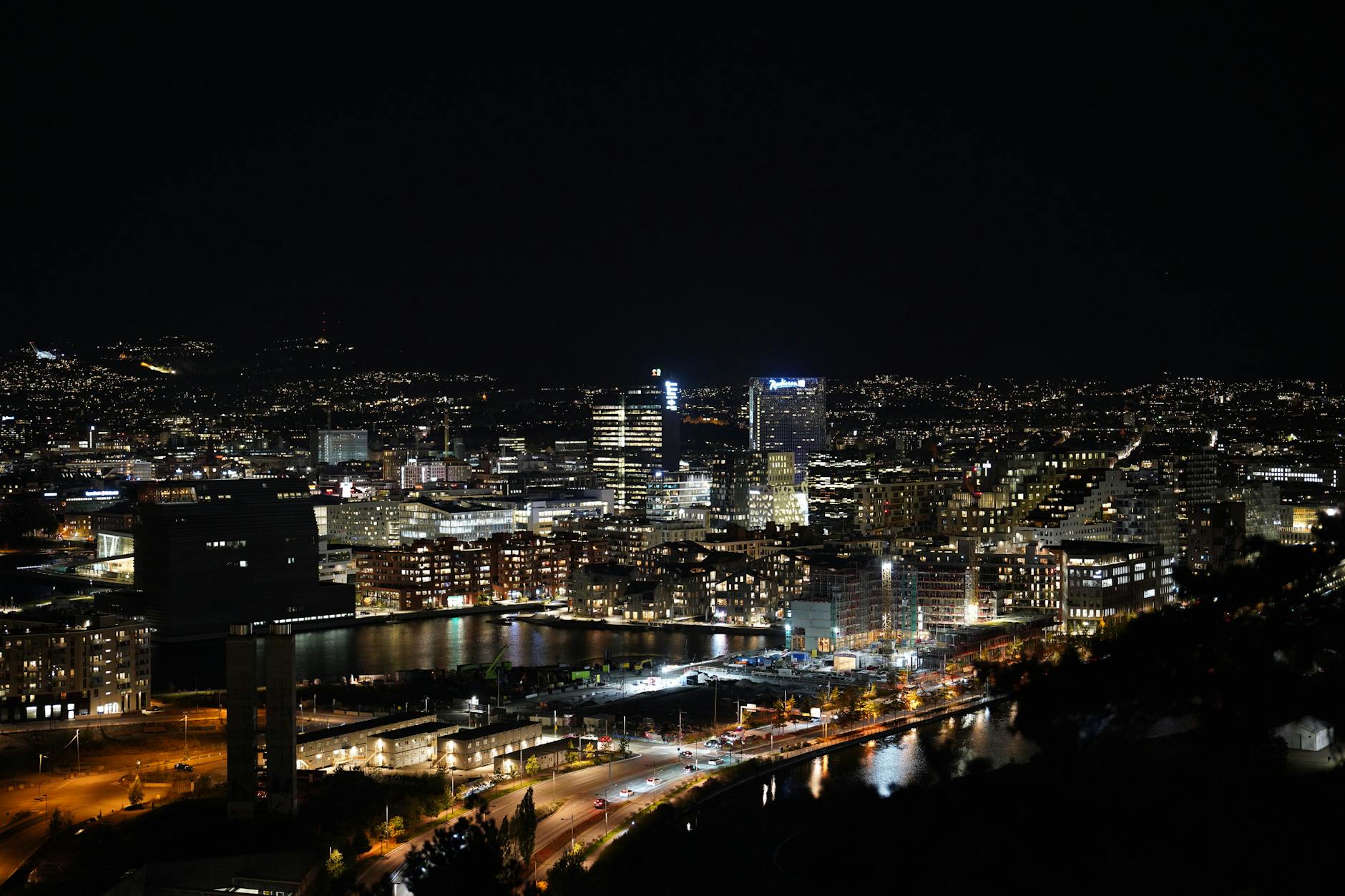
Oslo luxury is rarely loud. The city rewards travelers who value space, design, water, calm service, serious cultural access, and the ability to move through a compact capital without unnecessary friction. A luxury trip can work beautifully, but only if the traveler defines luxury in Oslo terms rather than importing expectations from Paris, London, or Dubai. The useful plan starts with the kind of experience the traveler wants: waterfront hotel, private dining, architecture, opera, fjord air, Nordic design, spa recovery, discreet meetings, or a polished stop before a wider Norway trip. That choice should drive the hotel, transfer, reservation, and weather strategy.
Define what luxury means in Oslo
A luxury traveler should decide whether Oslo is meant to feel private, cultural, restorative, design-led, food-focused, or seamlessly connected to the fjord and wider Norway. The city is excellent for understated comfort, architecture, waterfront walks, museums, and calm service. It is less suited to a trip built entirely around visible spectacle.
That definition matters because it changes every practical choice. A traveler who wants spa recovery and privacy may choose a different hotel than a traveler who wants a front-row waterfront base for restaurants, the Opera House, the Munch Museum, and evening walks.
- Decide whether the trip is about privacy, culture, design, dining, recovery, or waterfront access.
- Choose Oslo for calm polish rather than conspicuous luxury.
- Let the chosen luxury style drive lodging, reservations, transport, and pacing.
Choose the hotel by waterfront, privacy, and transfers
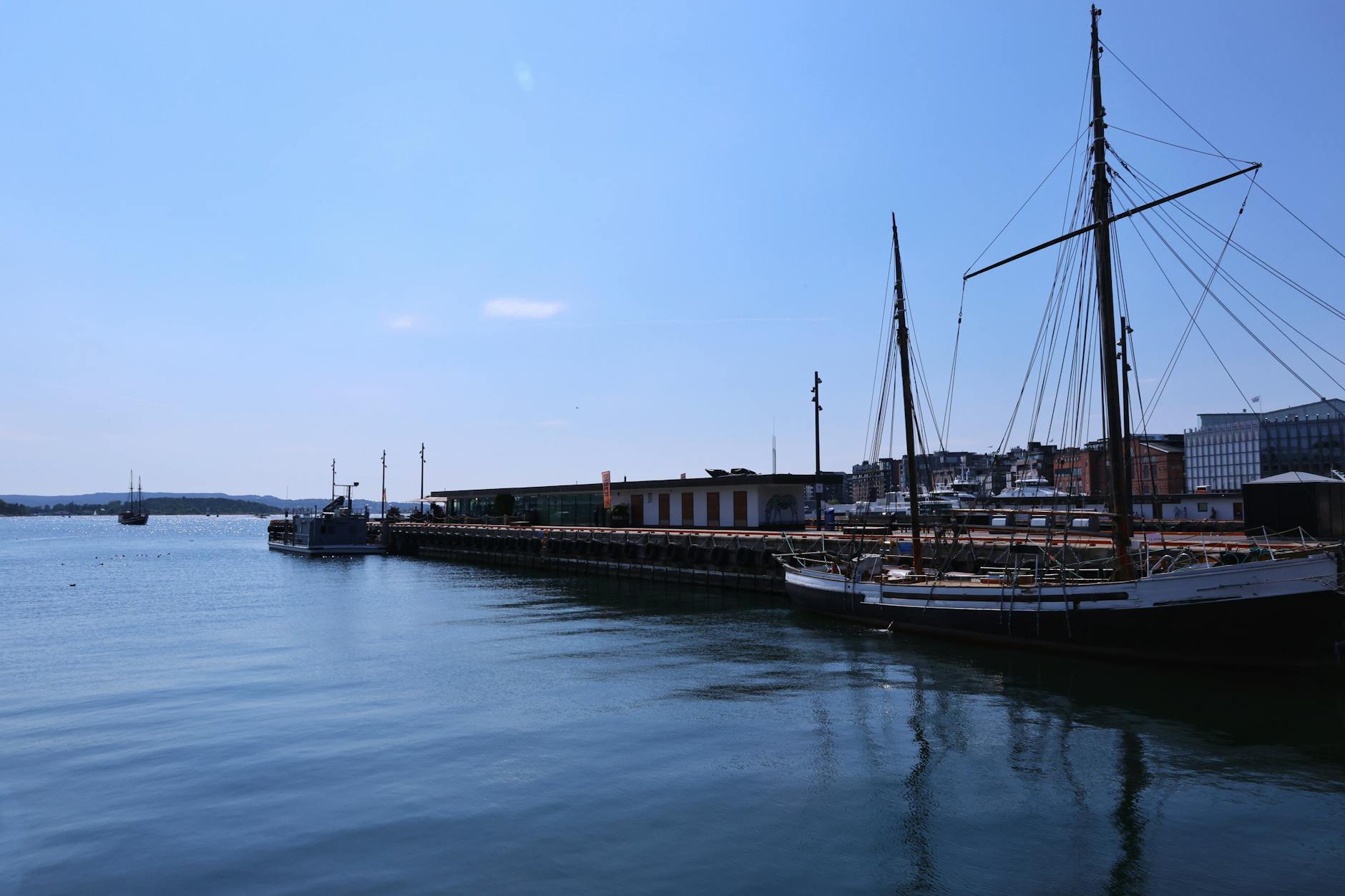
Oslo's luxury hotel decision should start with the full route from airport or rail arrival to the room, then from the room to dinners, museums, offices, and waterfront time. A central or waterfront hotel can be excellent, but the best location depends on whether the traveler wants Bjorvika, Aker Brygge, Tjuvholmen, the city center, or a quieter base.
The traveler should check suite layout, quiet sleep, service hours, spa or gym access, breakfast timing, car pickup, luggage handling, view quality, and winter walking routes. A premium room is not enough if every evening return is awkward or exposed to weather.
- Map hotel access from airport rail, private transfer, dinner, museums, and onward travel.
- Check suite layout, quiet sleep, service hours, breakfast, wellness access, and pickup points.
- Do not let a stylish address override privacy, weather, or transfer reliability.
Book dining and cultural access early
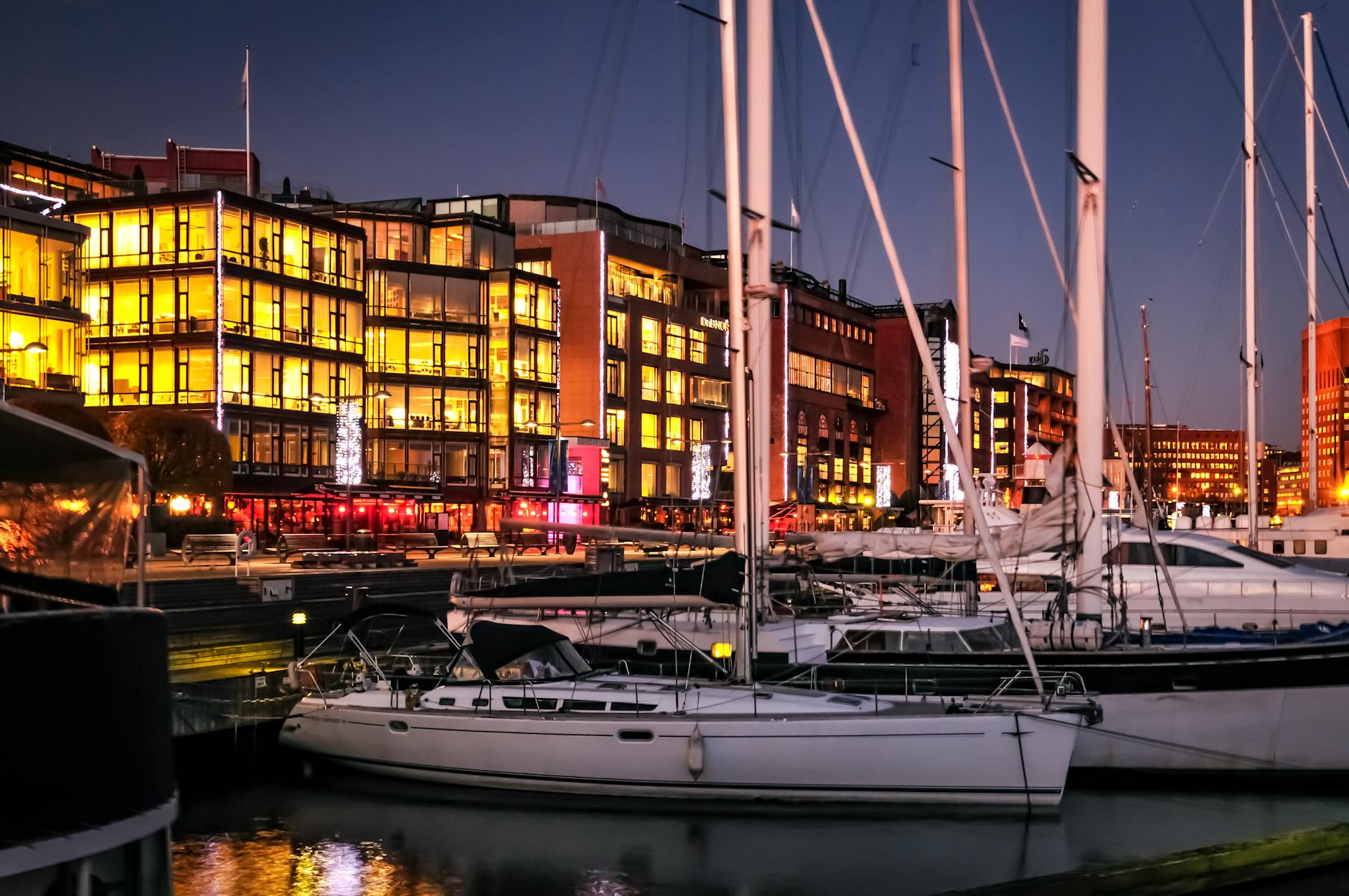
A high-end Oslo trip should not leave meals and cultural timing to chance. Fine dining, waterfront restaurants, museum hours, opera or concert schedules, private guides, and special access can all shape the trip. A short visit may only have two or three prime evening windows, so weak reservation timing can flatten the whole stay.
The traveler should decide which meals deserve commitment and which should remain flexible. Oslo can also be expensive, so the dining plan should match appetite, schedule, dress, transport, and the next morning's obligations.
- Reserve priority restaurants, performances, private guides, and museum timing early.
- Protect the best evening windows instead of filling them with improvised choices.
- Match dining ambition to transfer time, dress, fatigue, and the next day's schedule.
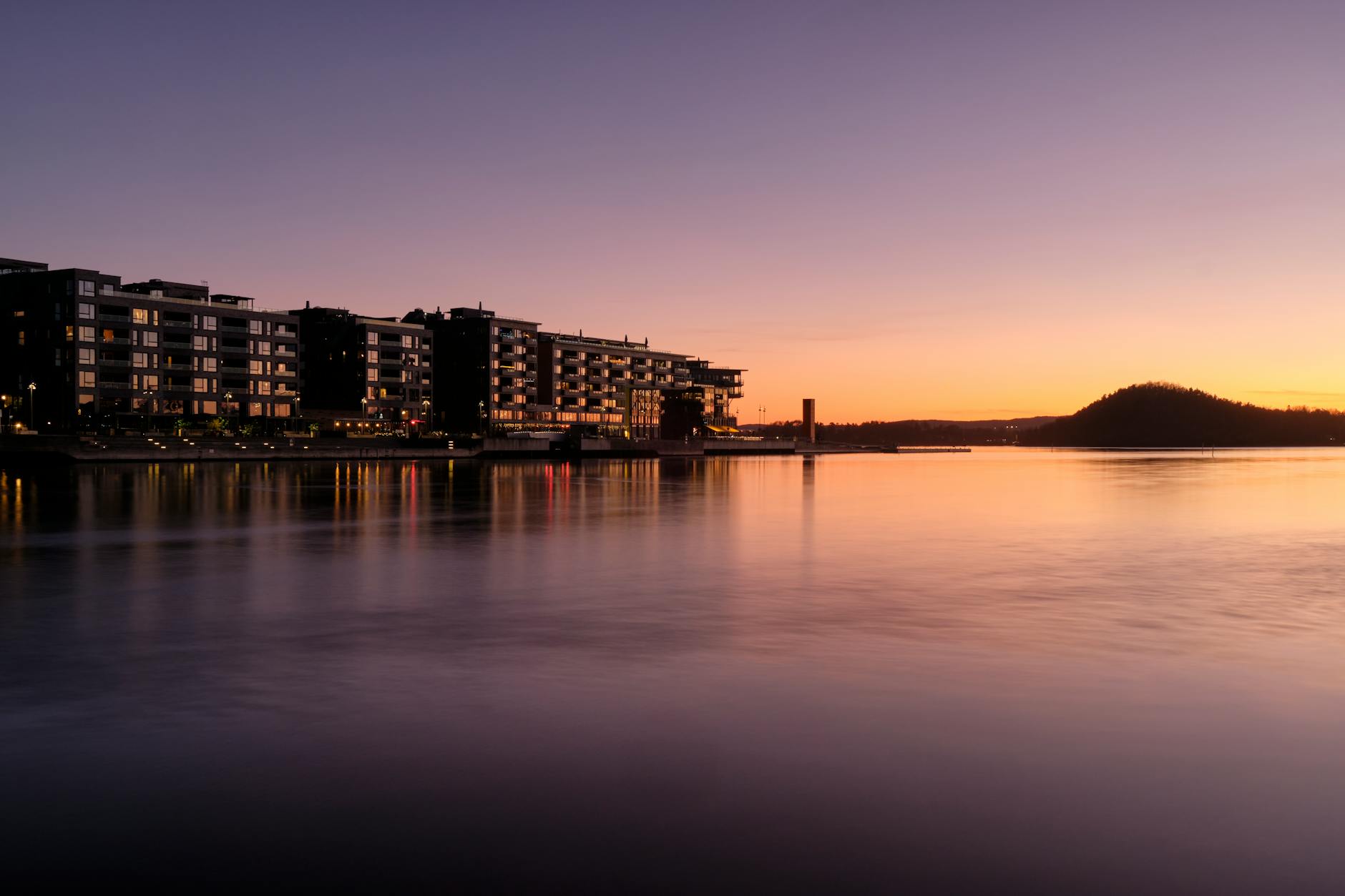
Treat weather and daylight as service variables
Weather is part of the luxury product in Oslo. Winter darkness, ice, snow, wind, rain, and short daylight can change the value of waterfront rooms, walking routes, outdoor dining, ferry time, and private transfers. Summer long light can make the city feel expansive, but it can also tempt the traveler to overextend evenings.
A polished itinerary should have seasonal alternates, not just a list of attractions. The traveler should know when to use a car, when to walk, when to build around museums, and when to leave space for a clear waterfront hour.
- Plan different luxury rhythms for winter darkness, summer light, rain, wind, and ice.
- Build alternates around museums, wellness, cars, and flexible waterfront time.
- Protect comfort with the right outerwear, footwear, and transfer choices.
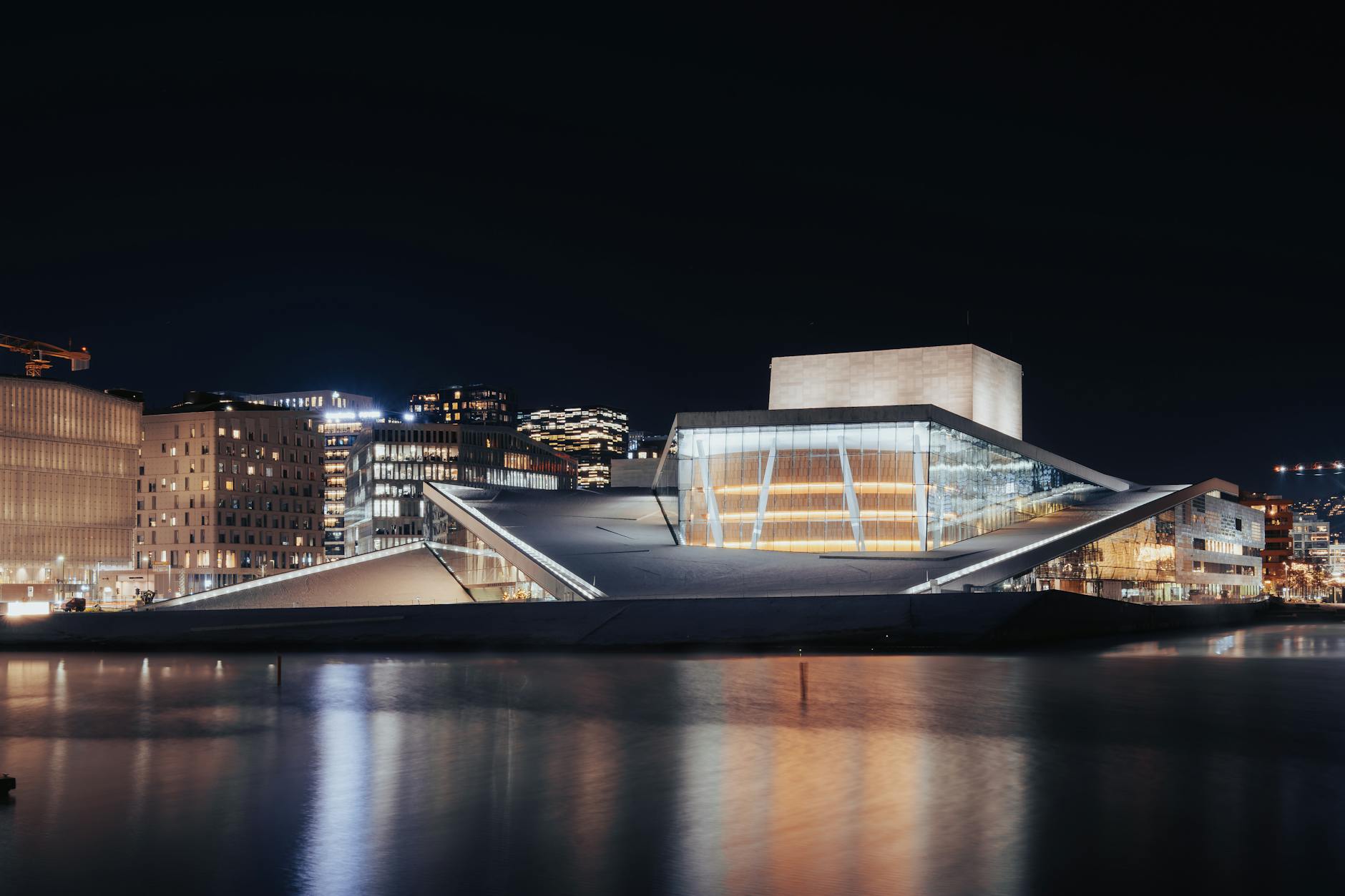
Use cars, rail, and walking selectively
Luxury in Oslo is not always a private car. The airport rail can be efficient, walking can be pleasant, ferries can be memorable, and cars can be valuable for late returns, poor weather, special dinners, mobility limits, or complex luggage. The point is to choose the mode that protects the day rather than defaulting to one style of movement.
The traveler should confirm pickup points, traffic risks, rail station access, luggage handling, ferry seasonality, and walking surfaces. A premium itinerary works best when transport feels intentional and almost invisible.
- Use private cars for weather, luggage, late evenings, mobility, or complicated timing.
- Use rail, walking, or ferries where they are genuinely smoother or more enjoyable.
- Confirm pickup points, station access, ferry schedules, and winter walking conditions.
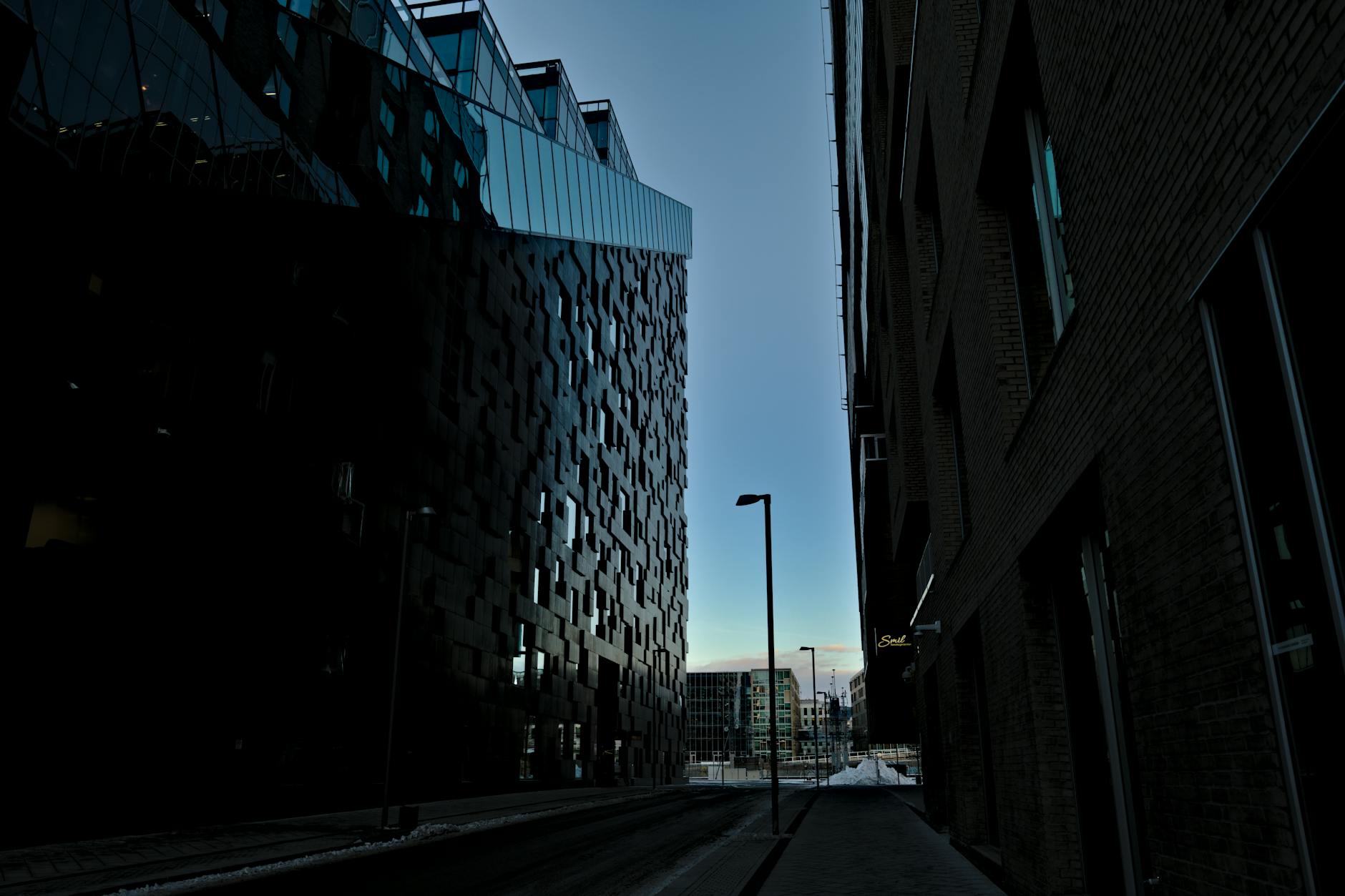
Protect privacy, wellness, and recovery
A luxury traveler may need more than comfortable lodging. Privacy, quiet breakfast, secure luggage, recovery after a long flight, spa time, gym access, medical continuity, dietary needs, and a calm workspace can all matter. Oslo's scale helps, but only when the day is not overfilled.
The traveler should plan recovery blocks with the same seriousness as restaurant reservations. A short Oslo stay can feel refined when there is enough room to sleep well, walk deliberately, eat properly, and return to the hotel before fatigue takes over.
- Check privacy, quiet sleep, wellness facilities, dietary needs, workspace, and luggage support.
- Schedule recovery time after long flights, late dinners, and weather-heavy days.
- Keep the itinerary spacious enough for the trip to feel premium rather than pressured.
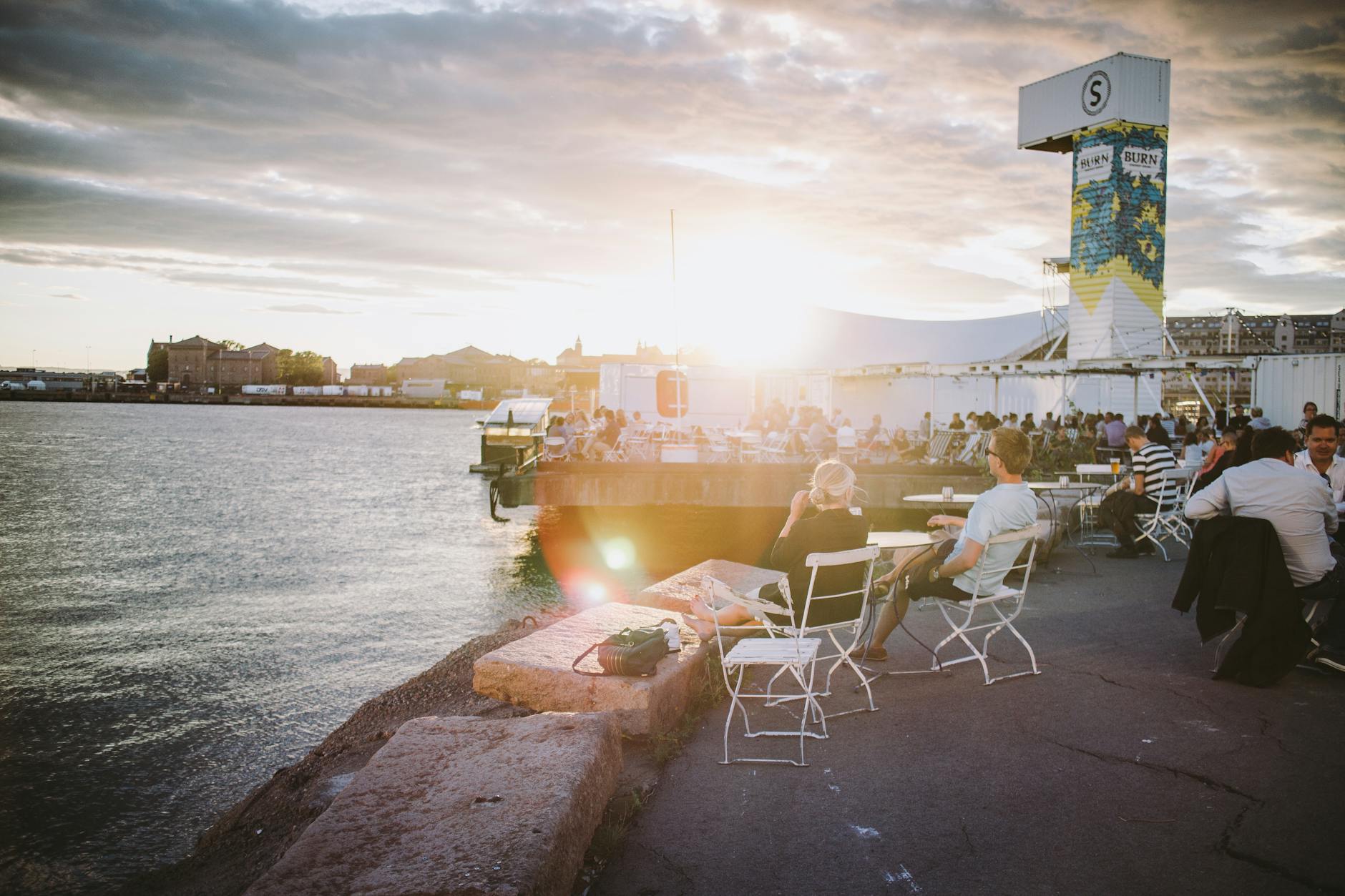
When to order a short-term travel report
A luxury traveler with flexible dates, a favorite hotel, and a relaxed schedule may not need a custom Oslo report. A report becomes useful when the trip is short, expensive, weather-sensitive, privacy-sensitive, tied to high-value dining or cultural access, or connected to onward Norway travel.
The report should test hotel location, airport rail versus private transfer, restaurant timing, waterfront access, cultural scheduling, winter comfort, wellness, privacy, medical fallback, cost exposure, and what to cut. The value is a luxury Oslo trip that feels deliberate instead of merely expensive.
- Order when hotel choice, weather, dining, privacy, culture, or onward travel needs testing.
- Provide dates, flight times, hotel options, dining priorities, budget, and comfort constraints.
- Use the report to make the trip polished, calm, and worth the premium spend.