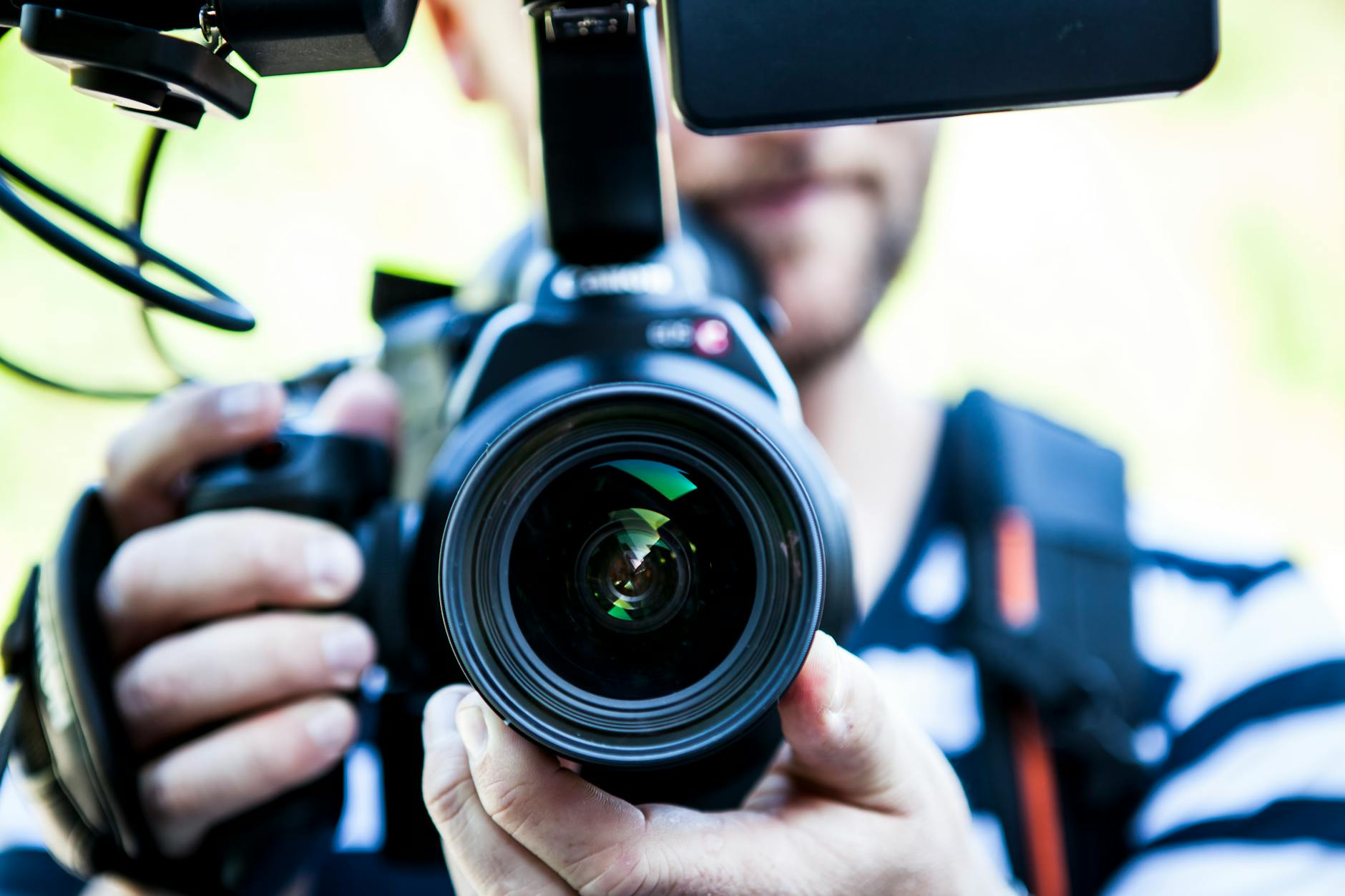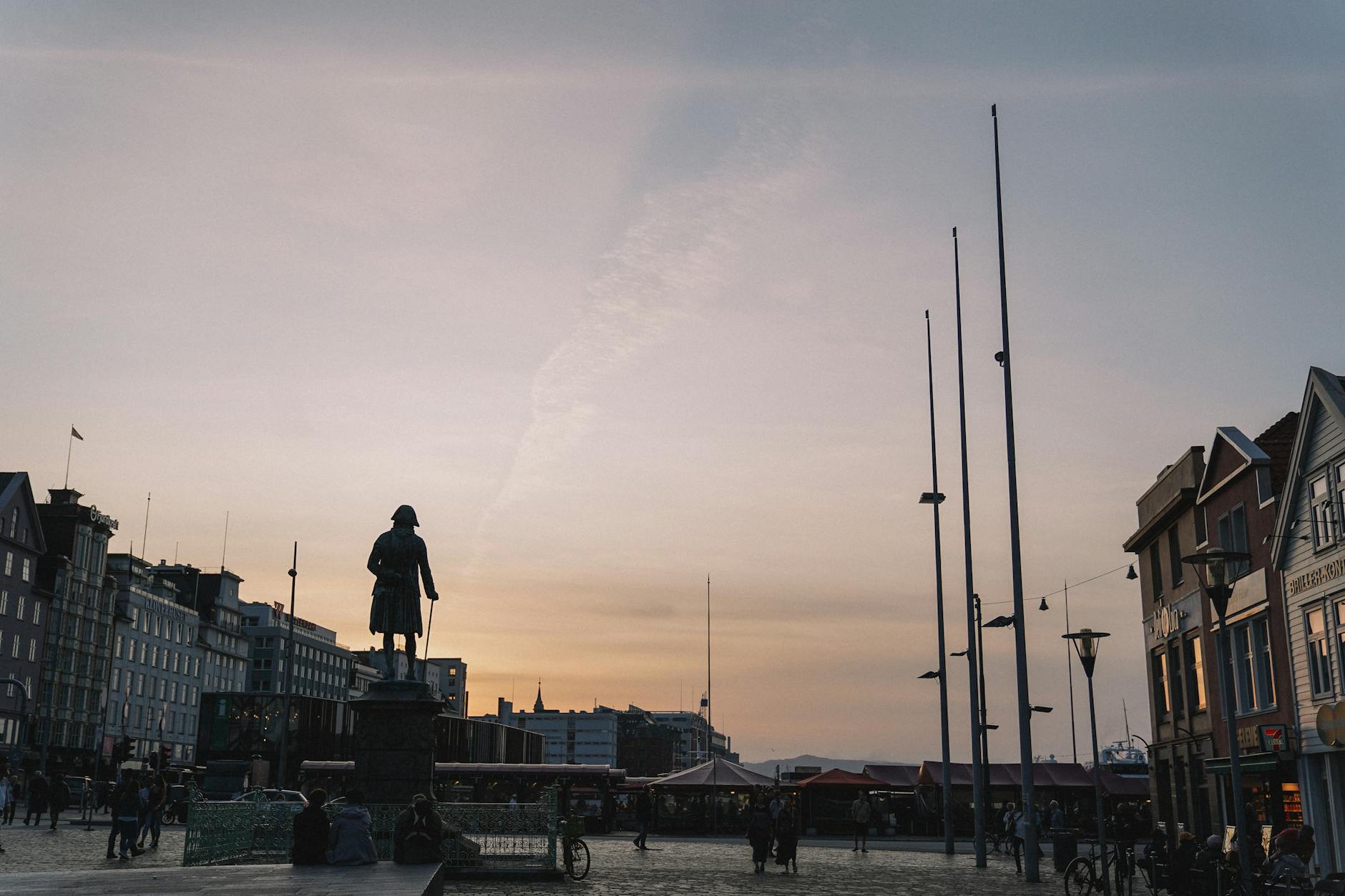
Oslo can be a useful reporting base because it is organized, politically accessible by many standards, English-friendly, and connected to national institutions, business districts, universities, cultural venues, and waterfront public space. It can still be difficult for a short assignment if the journalist arrives with a loose brief, weak source map, or no plan for winter movement and deadlines. The trip should be built around the reporting question. A politics story, energy interview, culture feature, climate piece, business profile, protest coverage, or Nordic lifestyle story each creates different needs for access, timing, equipment, translation, security, and recovery.
Define the assignment before booking
A journalist should arrive in Oslo with a clear assignment frame: who must be interviewed, what places must be seen, what records or background material are needed, and what can be handled remotely. A vague story idea can burn a short trip quickly because interview windows, institutional access, and daylight may not align.
The brief should also separate must-get reporting from nice-to-have color. Oslo offers many tempting angles, but a short trip needs a disciplined core. The travel plan should protect the story that justifies being in the city.
- Define the reporting question, required sources, locations, records, and deadlines before booking.
- Separate must-get interviews and scenes from optional color.
- Build the itinerary around the story, not around a generic city visit.

Map sources, institutions, and scene work
Oslo reporting may involve government offices, embassies, NGOs, universities, cultural institutions, energy or shipping contacts, business districts, immigrant communities, environmental groups, or public spaces. These are not all in the same part of the city. The journalist should map source locations, interview privacy needs, transit, and time between scenes.
A strong day might combine one formal interview, one field scene, and one background meeting. A weak day tries to cover every neighborhood because the city looks compact on a map.
- Map source offices, institutions, neighborhoods, public scenes, and interview settings.
- Check privacy and recording conditions before assuming a cafe or lobby will work.
- Sequence formal interviews and field reporting so neither is rushed.
Confirm access, credentials, and permissions
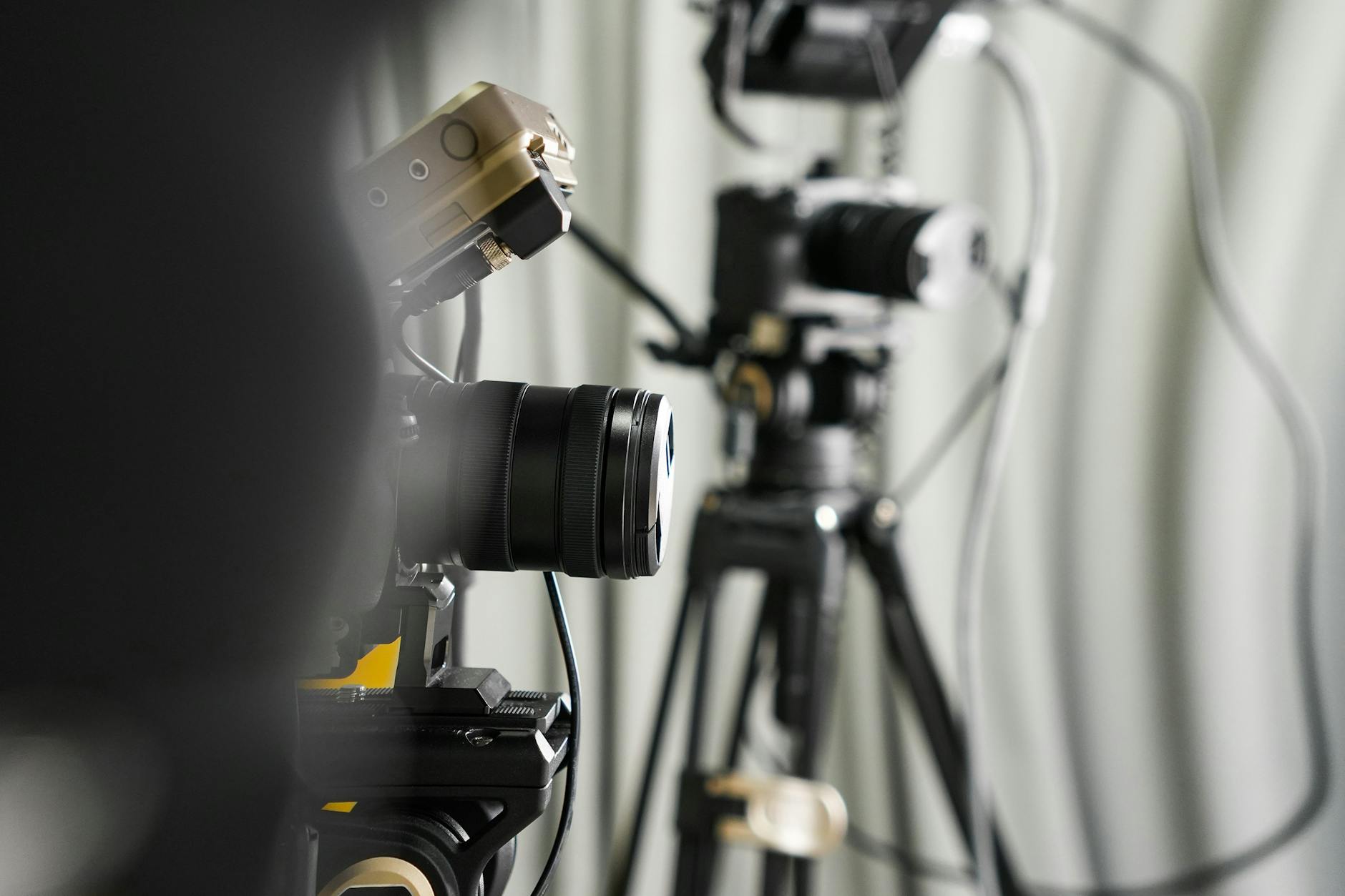
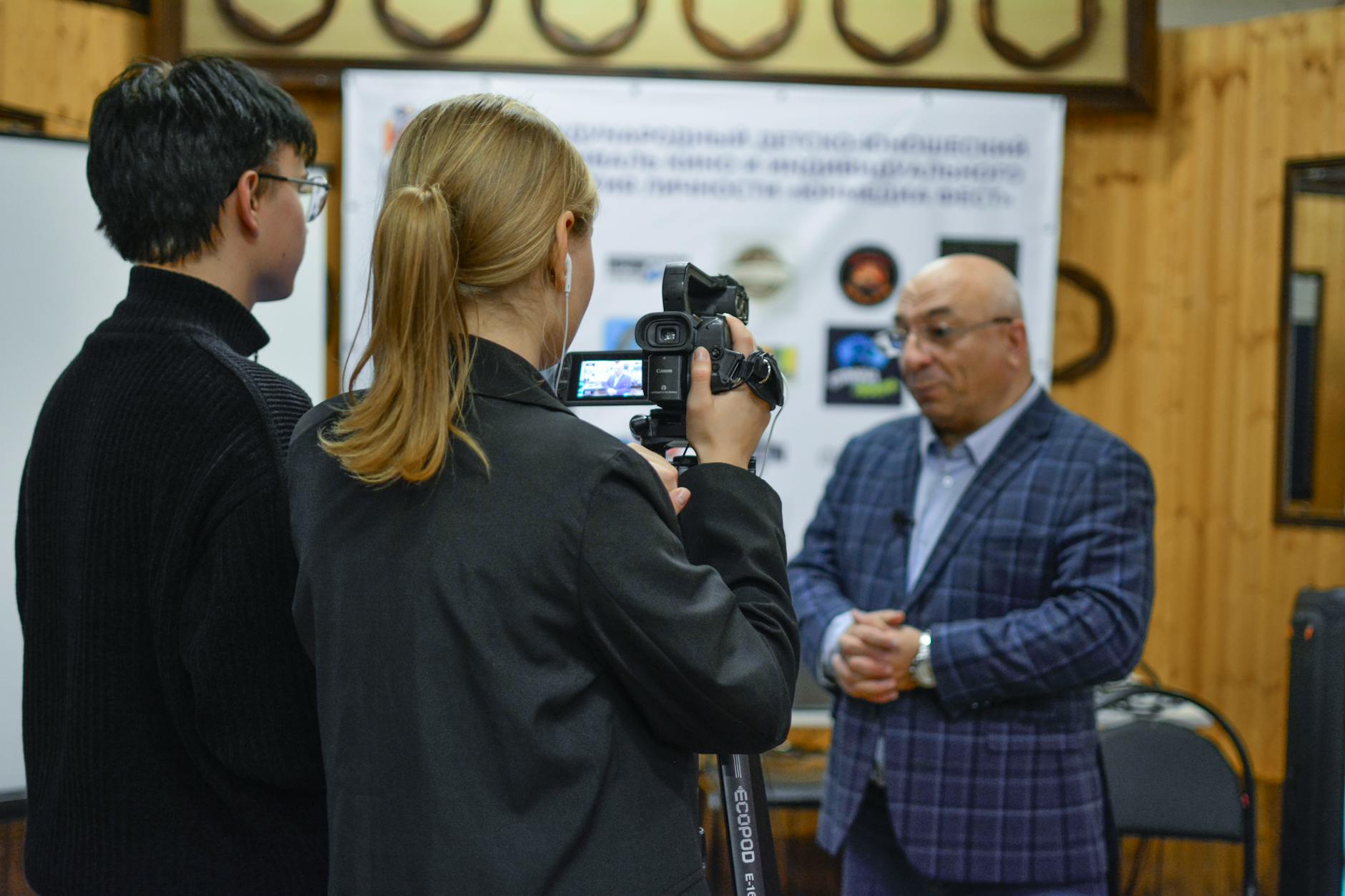
Journalists should clarify accreditation, appointment rules, press contacts, filming permissions, photography restrictions, security screening, and identification requirements before arrival. This matters for formal venues, events, government-related buildings, private offices, museums, and any situation involving vulnerable people or sensitive topics.
If filming or photography is part of the assignment, the journalist should confirm what is allowed in each location. Norway's openness does not mean every space is available for recording, and a small permission mistake can damage access.
- Confirm press contacts, appointments, identification, accreditation, and security procedures.
- Check filming, photography, audio recording, and location permissions separately.
- Carry backup proof of assignment and contact details for each formal visit.
Protect notes, recordings, and source confidence
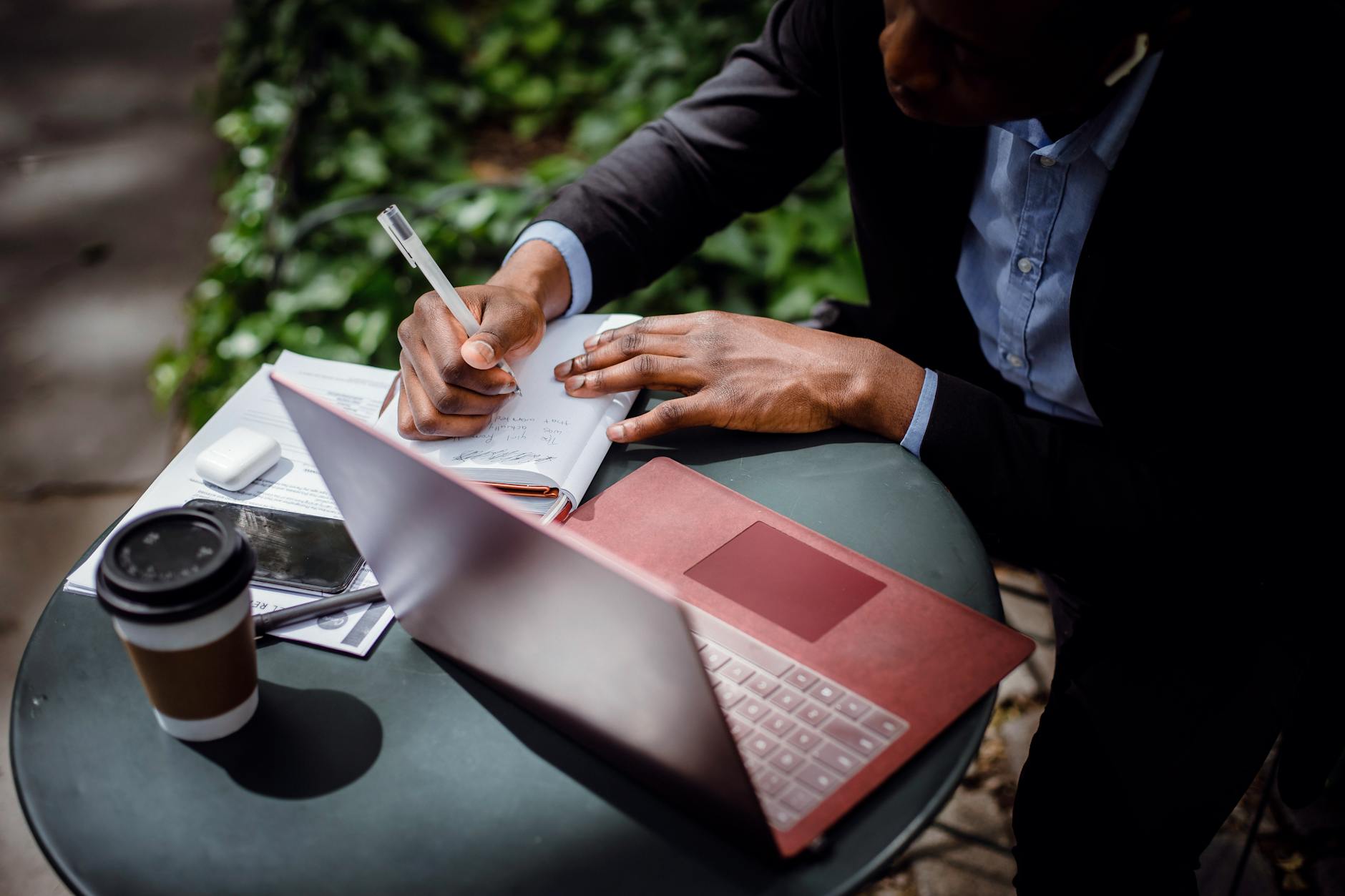
A journalist's Oslo trip may involve named interviews, off-record context, sensitive communities, confidential documents, recordings, photographs, and source contact information. The traveler should decide how files are backed up, encrypted, named, and transmitted before the first interview starts.
Public places are still public. Trains, cafes, hotel lobbies, restaurants, and taxis are not ideal for sensitive calls or notes. The journalist should protect sources by choosing appropriate settings and by avoiding careless public discussion.
- Plan backups, file naming, secure storage, transcription, and transmission before reporting starts.
- Keep sensitive calls, notes, recordings, and source names out of exposed public spaces.
- Use private rooms or controlled settings for vulnerable or confidential sources.
Pack equipment for weather and speed
Oslo weather can affect reporting equipment and pace. Winter cold, snow, ice, rain, wind, short daylight, wet gloves, and fogged lenses can change field work. Summer's long evenings can help with light but also tempt the journalist into overextending a reporting day.
The equipment plan should include chargers, adapters, batteries, memory, microphones, weather protection, headphones, mobile data, and a backup capture method. A short assignment leaves little room for a failed cable or dead recorder.
- Pack chargers, adapters, batteries, storage, microphones, headphones, and backup capture tools.
- Protect cameras, phones, notebooks, and audio gear from cold, rain, snow, and wind.
- Plan daylight and indoor alternatives for the actual month of travel.
Build deadline time into the city plan
A journalist should not assume writing, editing, transcription, photo filing, or producer calls can be squeezed into leftover time. Oslo days can fill with travel, interviews, weather delays, and source follow-up. The plan should reserve blocks for filing while details are fresh.
The hotel or workspace matters. Reliable Wi-Fi, a real desk, quiet calls, breakfast timing, late food, and laundry can affect output. A charming base that does not support work can weaken the assignment.
- Reserve time for transcription, writing, editing, filing, captions, and source follow-up.
- Choose lodging or workspace for Wi-Fi, quiet calls, desk setup, food, and recovery.
- Avoid a schedule that collects material but leaves no time to turn it into work.
When to order a short-term travel report
A journalist with one arranged interview and flexible timing may not need a custom Oslo report. A report becomes useful when the assignment includes several sources, sensitive meetings, winter field work, filming permissions, tight deadlines, multiple neighborhoods, high equipment needs, or uncertainty about where the story actually sits in the city.
The report should test source geography, appointment order, accreditation needs, filming and photography constraints, equipment and data plan, hotel work setup, weather, transport, deadline blocks, medical fallback, and what to cut. The value is an Oslo reporting trip that protects the story instead of just collecting appointments.
- Order when source geography, permissions, equipment, weather, or deadlines need testing.
- Provide assignment scope, source locations, interview windows, gear needs, deadlines, and constraints.
- Use the report to keep reporting quality ahead of itinerary volume.