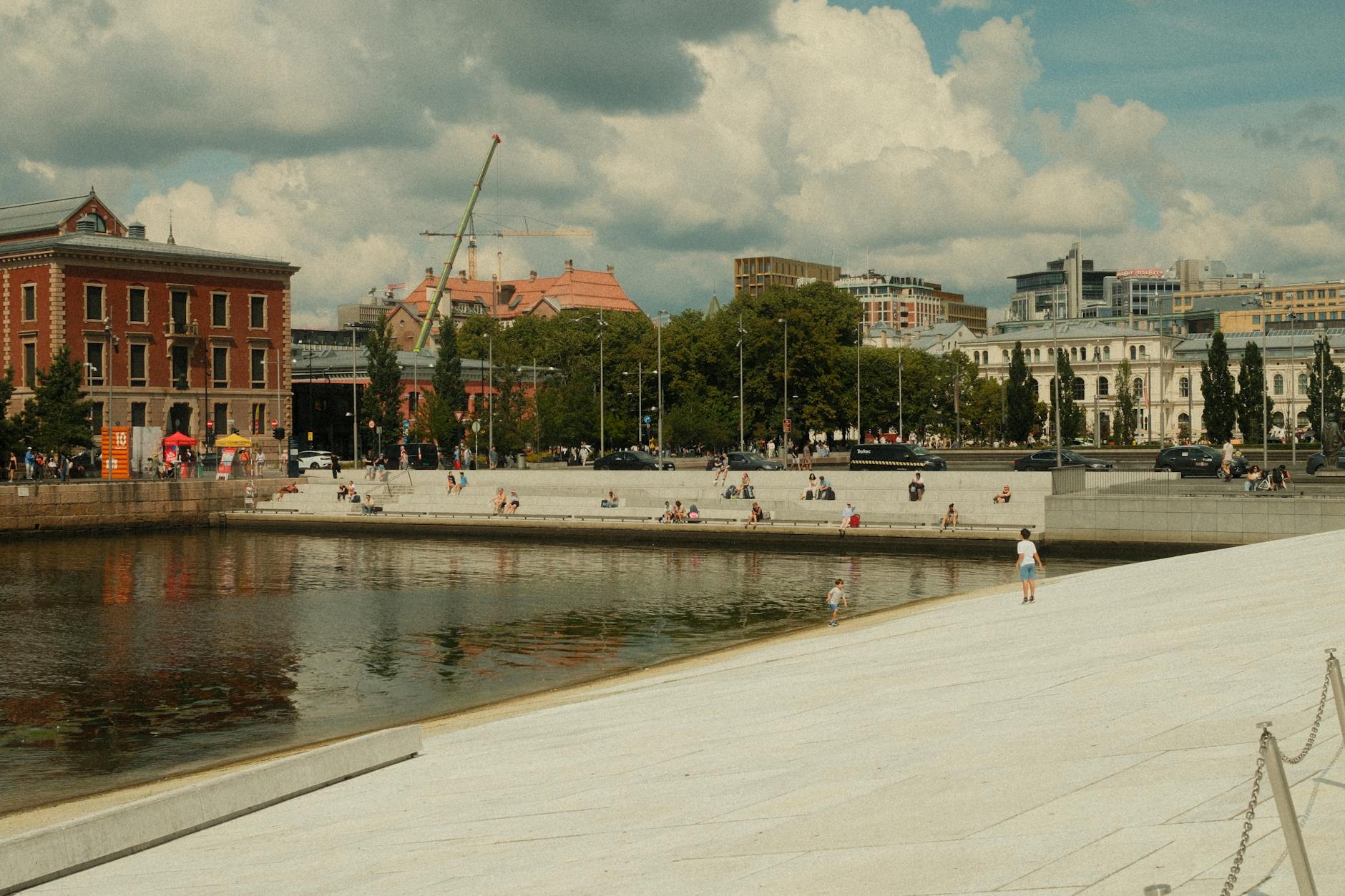
Oslo is approachable for a first-time visitor, but it is not a city to plan from generic Europe habits. The airport is far enough that rail matters, prices can surprise, seasons change the mood sharply, and the most visible attractions are spread across waterfront, central, park, and museum areas. A first visit works best when it is compact and deliberate. The traveler should decide what kind of first Oslo trip they want: architecture and waterfront, museums, family history, Nordic design, food, winter atmosphere, fjord views, or a calm introduction before traveling elsewhere in Norway. That choice should drive hotel location, daily pacing, and what to cut.
Start with a compact first-visit shape
A first-time visitor should avoid trying to turn Oslo into a full Norway sampler. The city is strong when the trip has a clear shape: waterfront and architecture, museum-heavy, winter city break, family visit, design and food, or a soft landing before fjord or mountain travel. A vague plan can become expensive and scattered.
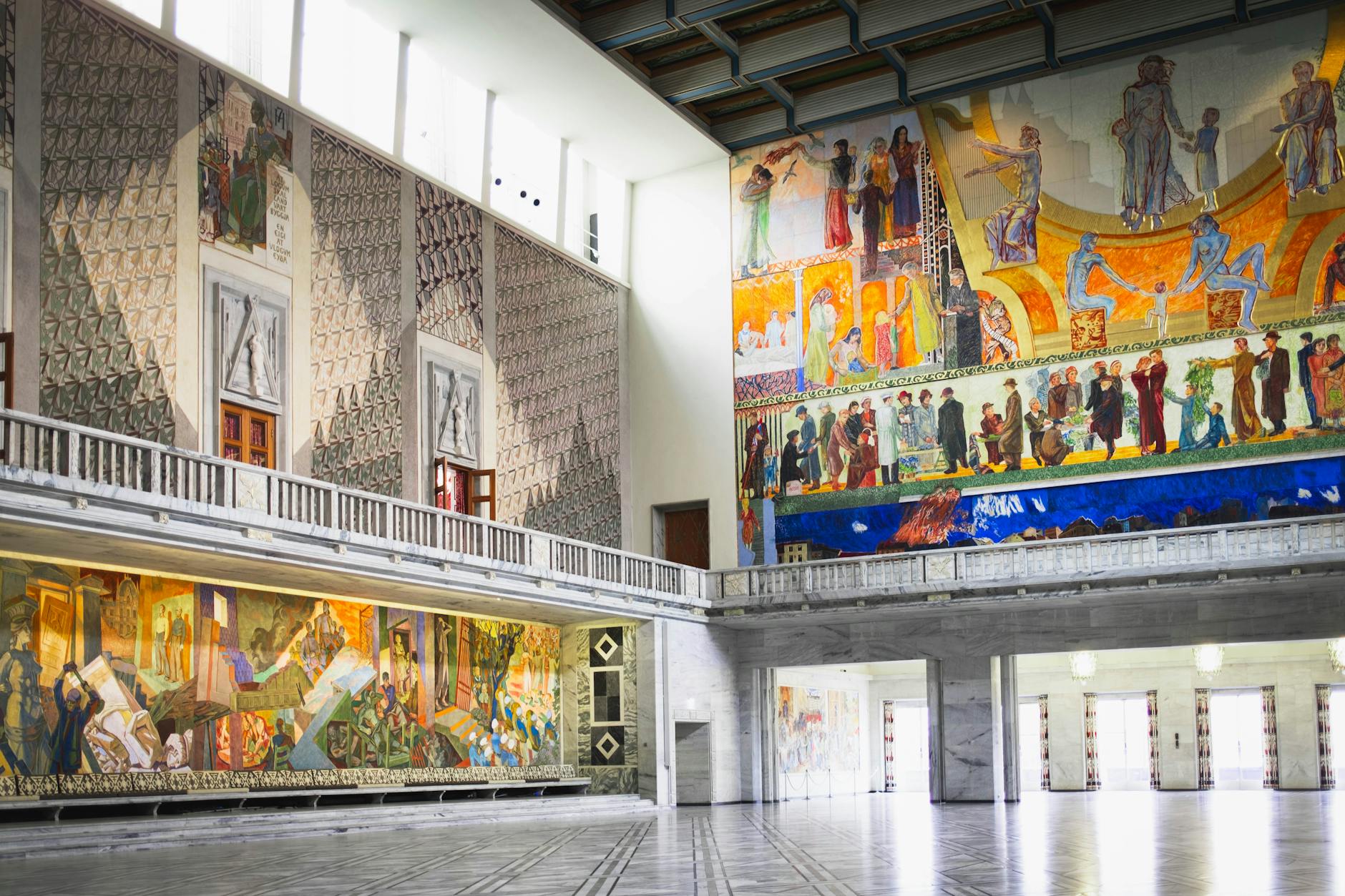
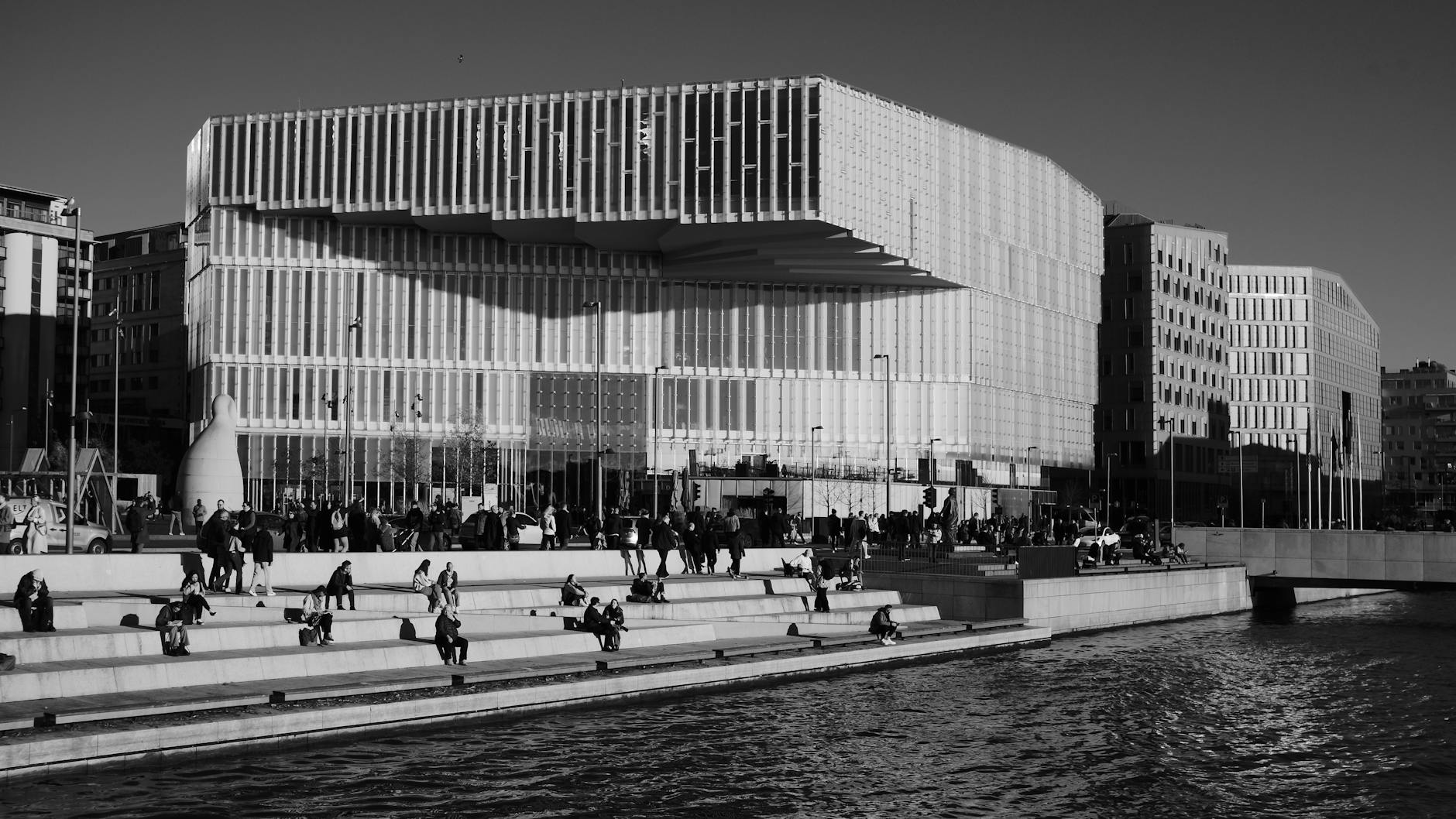
For a short stay, the first route should usually connect the hotel, Oslo S, the Opera House, Deichman Bjorvika, the Munch Museum, the City Hall waterfront, and one or two chosen neighborhoods. That gives the traveler a coherent city before adding farther stops.
- Choose the first-trip theme before filling the days with attractions.
- Build a compact route around hotel, airport rail, waterfront, and one or two neighborhoods.
- Save farther or weather-sensitive ideas until the core Oslo plan is stable.

Use airport rail and hotel location as the first filter
Oslo Airport is not a casual taxi hop for most travelers. The rail connection can be efficient, but the visitor should know ticketing, station choice, luggage handling, and the walk or transit link from station to hotel. A hotel that looks attractive online may be a poor first choice if arrival is late or winter conditions are difficult.
The first-time visitor should choose lodging around arrival, daily walking, transit confidence, evening returns, and the next onward move. Staying central can be worth the cost if it prevents confusion and wasted time.
- Confirm airport rail ticketing, station choice, luggage route, and hotel access.
- Choose lodging around first arrival and daily movement, not only room style.
- Treat late arrival, winter weather, and early onward travel as hotel-location constraints.
Plan by season, daylight, and weather
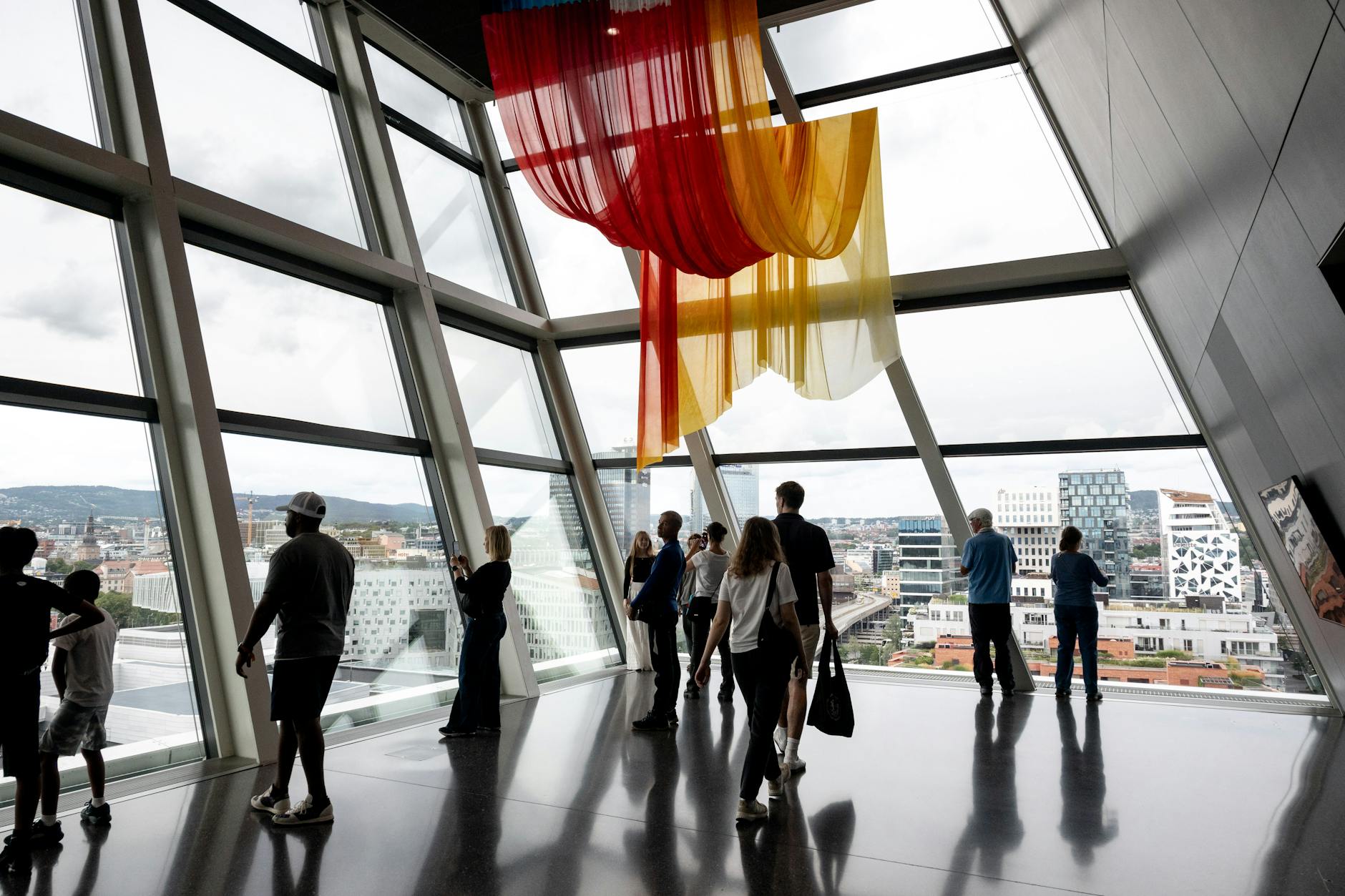
Oslo changes substantially by season. Winter can bring short days, cold, ice, snow, and indoor-heavy planning. Summer can bring long light, waterfront energy, and stronger outdoor options. Shoulder seasons can be beautiful but wet or changeable. A first-time plan should not ignore the month of travel.
The traveler should also consider clothing, footwear, museum hours, ferry schedules, park visits, and how much daylight is available for walking. A good Oslo plan gives weather a vote before the traveler arrives.
- Build different plans for winter darkness, summer long light, rain, wind, and icy walks.
- Check museum hours, ferry options, park value, and outdoor comfort by season.
- Pack shoes and layers for the actual month, not for a generic city break.
Budget before the city starts making decisions for you
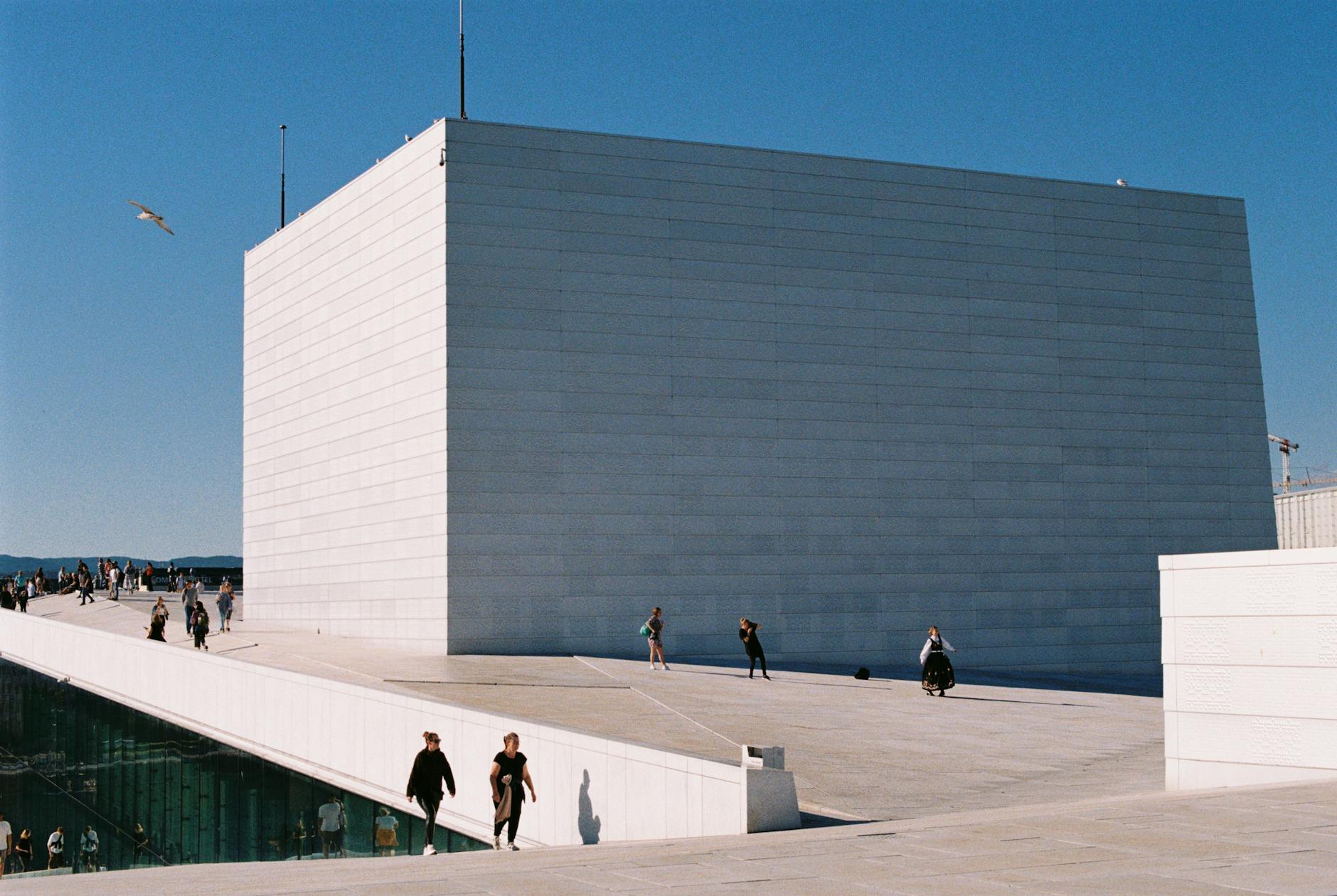
Oslo can feel easy until the traveler sees hotel rates, restaurant prices, drinks, taxis, and last-minute tickets. A first-time visitor should decide where money should go: central lodging, one excellent meal, museum admissions, transit, a fjord activity, or convenience. Without that decision, the trip can become a sequence of small expensive compromises.
The visitor should be ready for card-first payment norms, receipt needs, and the possibility that casual taxis or repeated cafe stops cost more than expected. Budget clarity reduces stress.
- Set realistic budgets for lodging, meals, museums, transit, taxis, and flexible extras.
- Use card payment confidently but keep account settings and receipt needs clear.
- Spend deliberately on the parts of Oslo that matter most to this first trip.
Choose museums and waterfront time carefully
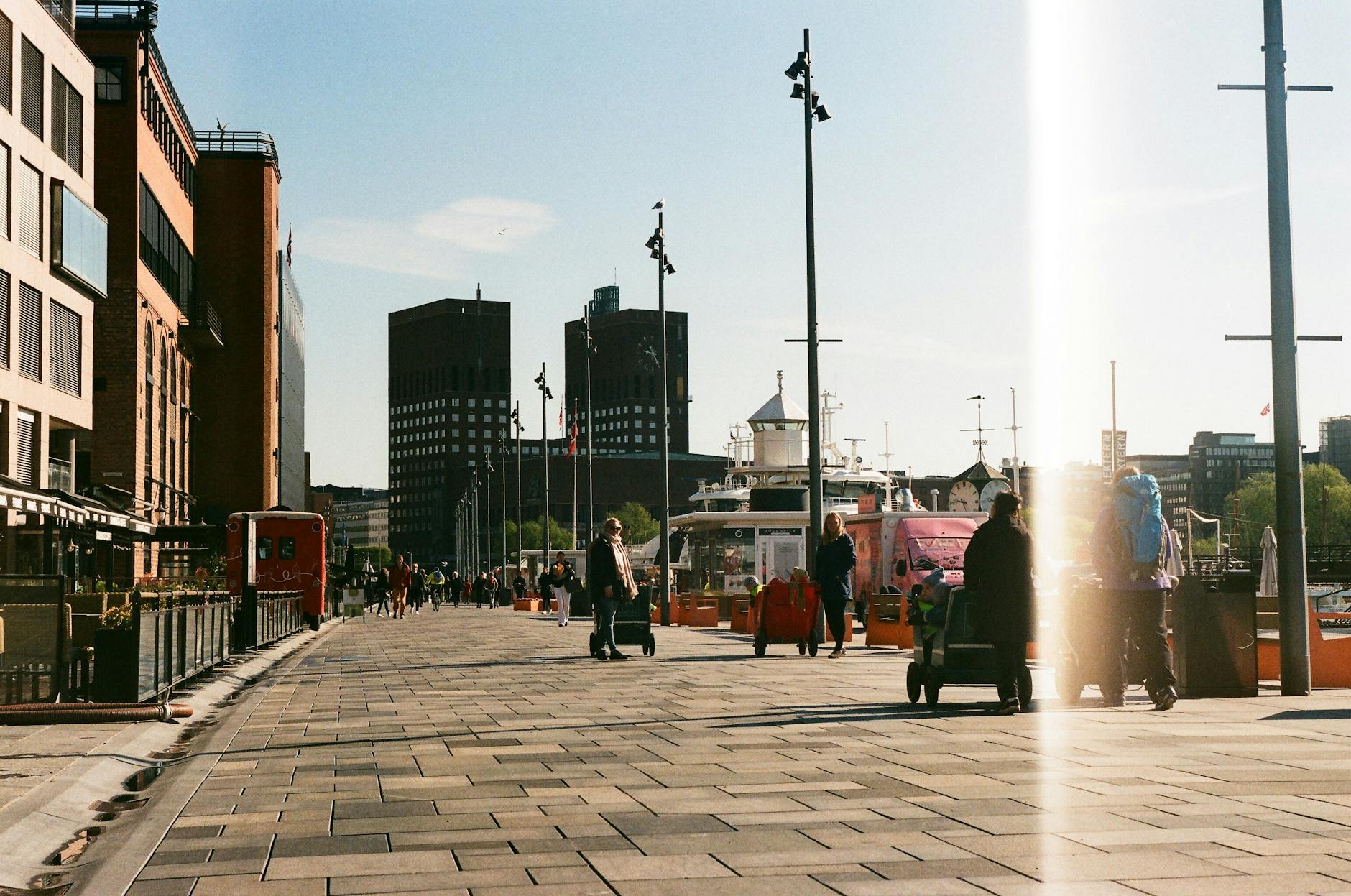
A first-time visitor can easily overbook Oslo's museums and waterfront architecture. The Opera House, Munch Museum, Deichman Bjorvika, City Hall, National Museum, Vigeland Park, and harbor areas can each justify time. They do not all need to be forced into one short stay.
The best plan groups nearby experiences and protects enough time to enjoy them. A museum-heavy day should include meals and rest. A waterfront-heavy day should consider wind, rain, and seasonal daylight.
- Group nearby sights instead of crossing the city for disconnected stops.
- Choose museums by actual interest, not by fear of missing a famous name.
- Give waterfront walks enough weather and daylight margin to be enjoyable.
Use transit, walking, and food with intent
Oslo is not hard to navigate, but the first-time visitor should still learn enough transit basics to avoid expensive taxis and avoidable walking mistakes. Trams, metro, buses, ferries, and walking routes can be useful if the traveler knows ticketing and timing. In winter, a route that looks walkable may need different shoes and more time.
Food should also be planned. A first visit can include casual bakeries, food halls, waterfront meals, hotel breakfast, and one deliberate dinner. Leaving every meal to chance can make Oslo feel more expensive and less satisfying than it needs to be.
- Learn basic transit ticketing and when walking is better than riding.
- Account for winter footing, hills, luggage, and evening returns.
- Plan a few meals deliberately so price and timing do not dominate the trip.
When to order a short-term travel report
A first-time visitor with flexible dates, a central hotel, and a relaxed pace may not need a custom Oslo report. A report becomes useful when the trip is short, expensive, weather-sensitive, tied to onward Norway travel, family needs, mobility limits, museum priorities, or uncertainty about where to stay.
The report should test airport rail, hotel location, seasonal conditions, first-day route, museum grouping, meal strategy, transit, walking distances, weather alternates, medical fallback, and what to cut. The value is a first Oslo trip that feels coherent rather than improvised.
- Order when dates, lodging, weather, budget, mobility, museums, or onward travel need testing.
- Provide dates, flight times, hotel options, interests, budget, constraints, and onward plans.
- Use the report to make the first visit compact, practical, and worth the cost.