
Oslo can be a rewarding family destination because it offers waterfront space, parks, museums, ferries, public transport, winter experiences, and a compact urban core. It can also become expensive and tiring if the family treats it like a checklist city without accounting for weather, daylight, room setup, meals, and children's energy. The family plan should start with logistics rather than attractions. How will everyone get from the airport to the hotel, where will luggage go, how far can children walk, what happens in rain or winter darkness, and which activities actually fit the ages traveling? Those answers shape the trip.
Choose a family base around arrival and daily radius
A family should choose an Oslo hotel or apartment around the full arrival route, room setup, elevator access, breakfast, nearby food, transit, and how easily everyone can return midday. A family room that saves money can still be wrong if it creates long walks with luggage, tired children, or winter gear.
The ideal base depends on ages and priorities. A waterfront stay can support museums and harbor walks. A central stay can simplify rail and transit. A quieter area may help sleep, but only if the daily radius remains realistic.
- Check room layout, elevator, breakfast, nearby food, laundry, and return routes.
- Choose lodging around airport arrival, daily walking radius, and midday reset needs.
- Avoid saving on a room if the location creates repeated family friction.
Match Oslo sights to ages and energy
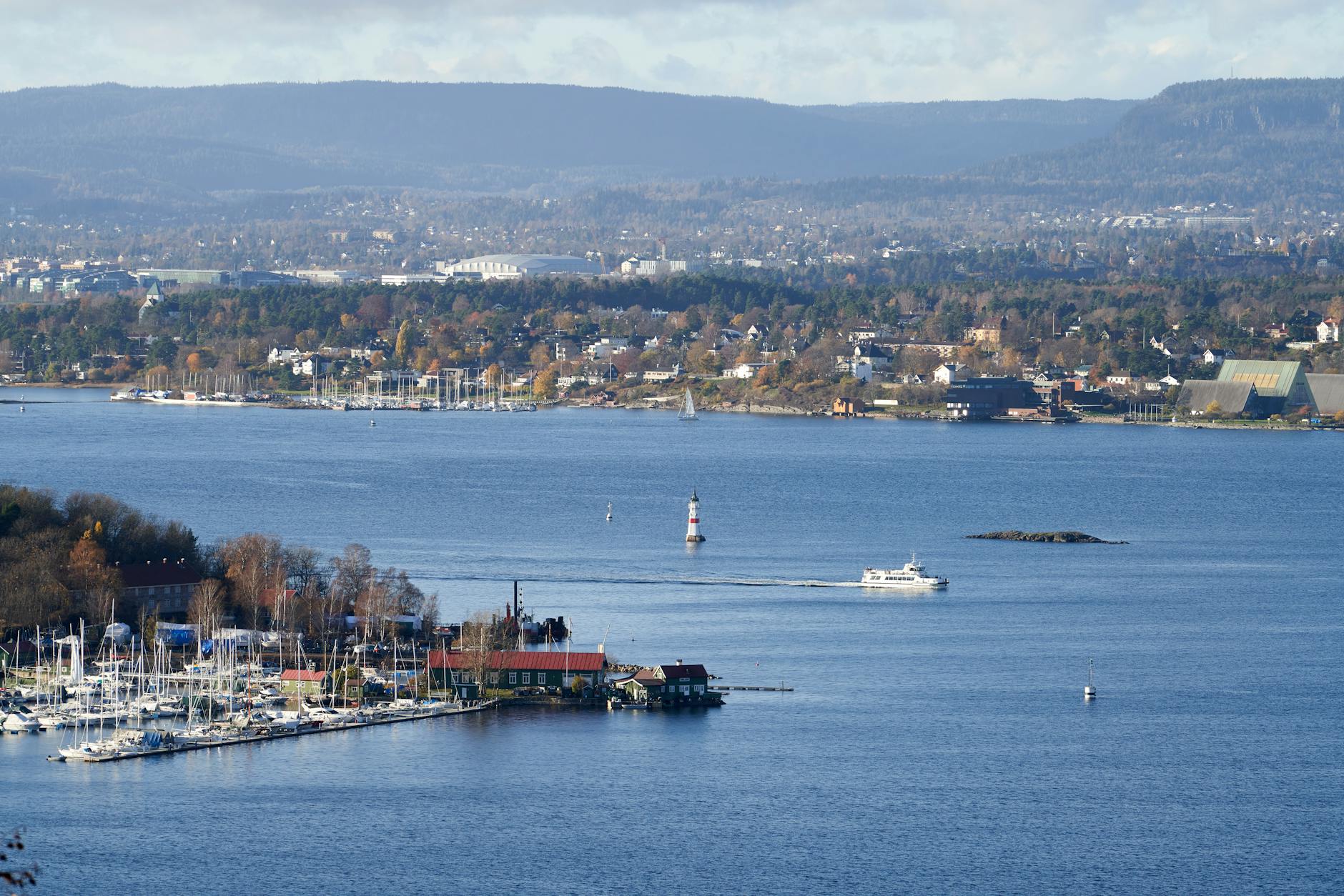
Oslo has strong family options, but not every museum, park, ferry, and waterfront route belongs in one short stay. The Munch Museum, National Museum, Opera House roof, Deichman Bjorvika, Vigeland Park, harbor ferries, and seasonal outdoor activities all ask for attention and stamina.
The family should choose experiences by age, interest, standing tolerance, and weather. A younger child may value parks, ferries, and short museum visits more than an adult-heavy cultural list. Teenagers may prefer design, food, waterfronts, and independent time.
- Choose sights by child age, attention span, standing tolerance, and actual interest.
- Group nearby stops instead of crossing Oslo repeatedly with tired children.
- Plan one main anchor per day, then add flexible smaller stops.
Plan weather, clothing, and daylight around children
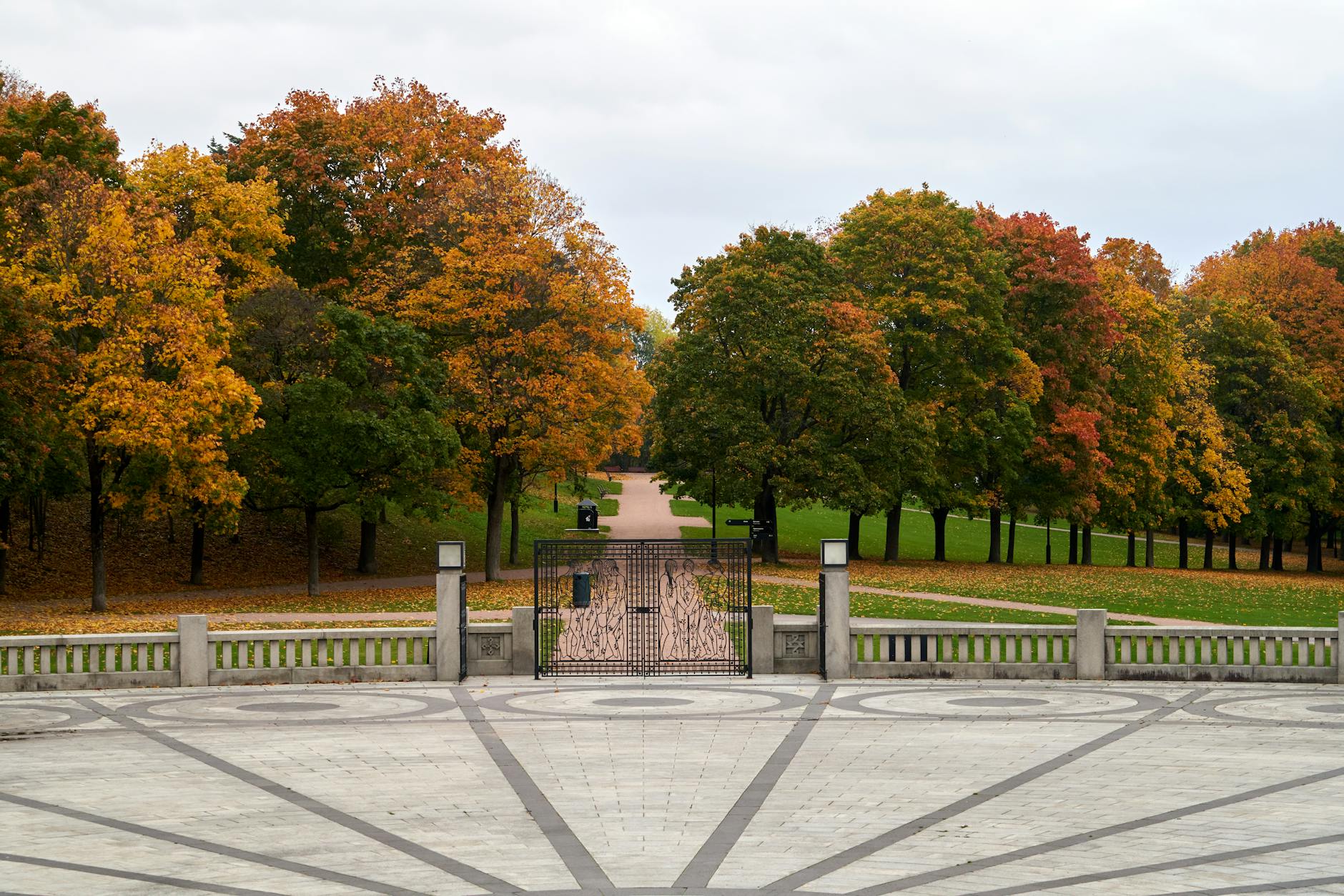
Oslo weather affects families more than solo adults because clothing, shoes, stroller use, nap timing, and bathroom stops all become group issues. Winter can bring short daylight, ice, snow, slush, and heavy outerwear. Summer can bring long light and easier outdoor time, but evenings can still run too late.
The family should pack for the actual month and build days that can pivot indoors. A good Oslo family itinerary makes bad weather inconvenient rather than trip-defining.
- Plan for winter darkness, snow, slush, ice, wind, rain, and summer long light.
- Pack footwear and layers that children can actually manage through the day.
- Keep indoor alternates ready near the hotel or main route.
Use transit, ferries, and walking without overloading the day
Oslo's transit system can help families, but it should be learned before the day becomes stressful. Tickets, stroller access, platform changes, ferry schedules, walking distances, and the route back to the hotel all matter. A ferry can be a highlight, but only if timing, weather, and return logistics are clear.
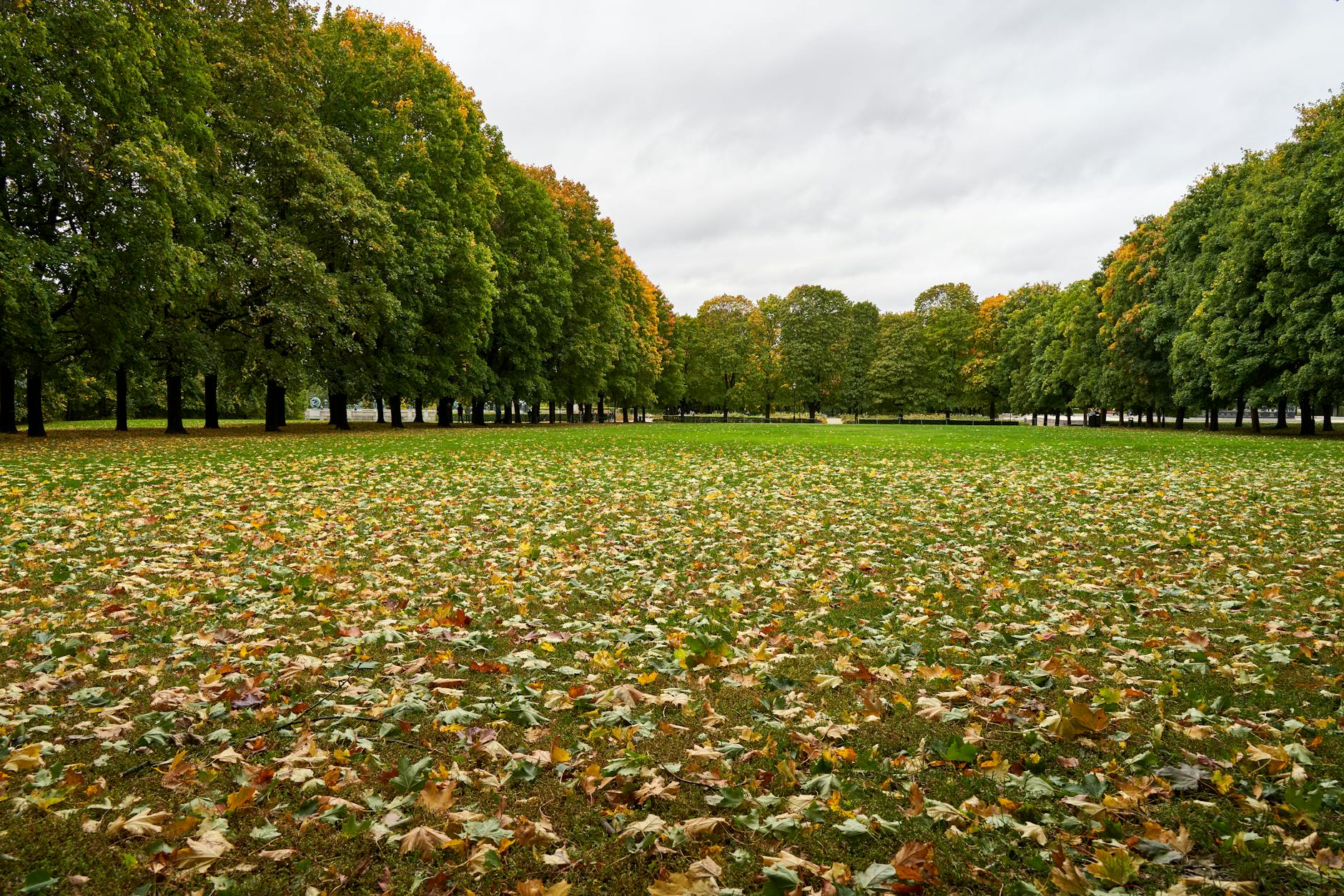
Walking is useful, especially around the waterfront and parks, but families should avoid chaining too many walkable segments together. Children experience distance cumulatively.
- Understand transit ticketing, stroller access, platforms, ferries, and return routes.
- Use ferries as planned experiences, not vague add-ons at the end of a tired day.
- Limit cumulative walking even when individual segments look short.
Budget for family meals, rooms, and tickets
Oslo can become expensive quickly for families. Larger rooms, multiple meals, snacks, museum tickets, transit, taxis, winter gear gaps, and spontaneous treats can all add up. A family should decide where spending improves the trip and where it can be kept simple.
Breakfast inclusion, nearby supermarkets, casual food options, and room setup can matter as much as famous restaurants. A family that controls food timing usually has a better day.
- Budget realistically for larger rooms, meals, snacks, tickets, taxis, and flexible extras.
- Check breakfast, nearby supermarkets, casual food, and room food rules.
- Spend on convenience when it protects children's energy and adult patience.
Protect sleep, bathrooms, and backup plans
Family travel improves when the small needs are planned. Sleep, naps, bathrooms, stroller parking, medication, snacks, warm-up stops, lost-item routines, and child-specific medical needs should be considered before the itinerary is full. Oslo is manageable, but a tired family can still unravel quickly.
The plan should include short returns, backup indoor stops, pharmacy awareness, and clear adult roles during transfers. This is especially important for families arriving from long flights or using Oslo as part of a wider Norway trip.
- Plan sleep, naps, bathrooms, snacks, warm-up stops, medication, and lost-item routines.
- Know nearby pharmacies, indoor fallbacks, and hotel support before a problem appears.
- Keep adult roles clear during airport transfers, ferries, crowds, and bad weather.

When to order a short-term travel report
A family with older children, flexible summer dates, and a central hotel may not need a custom Oslo report. A report becomes useful when the trip includes young children, winter conditions, expensive lodging decisions, stroller or mobility concerns, tight arrival timing, onward Norway travel, or disagreement about what to prioritize.
The report should test hotel location, room setup, airport transfer, walking radius, museums, parks, ferries, winter clothing, meal timing, bathrooms, medical fallback, nap or recovery windows, costs, and what to cut. The value is an Oslo family trip that feels manageable for everyone traveling.
- Order when children, winter, lodging, transfers, strollers, costs, or onward travel need testing.
- Provide dates, child ages, flight times, hotel options, budget, interests, and constraints.
- Use the report to protect family energy instead of relying on everyone to push through.