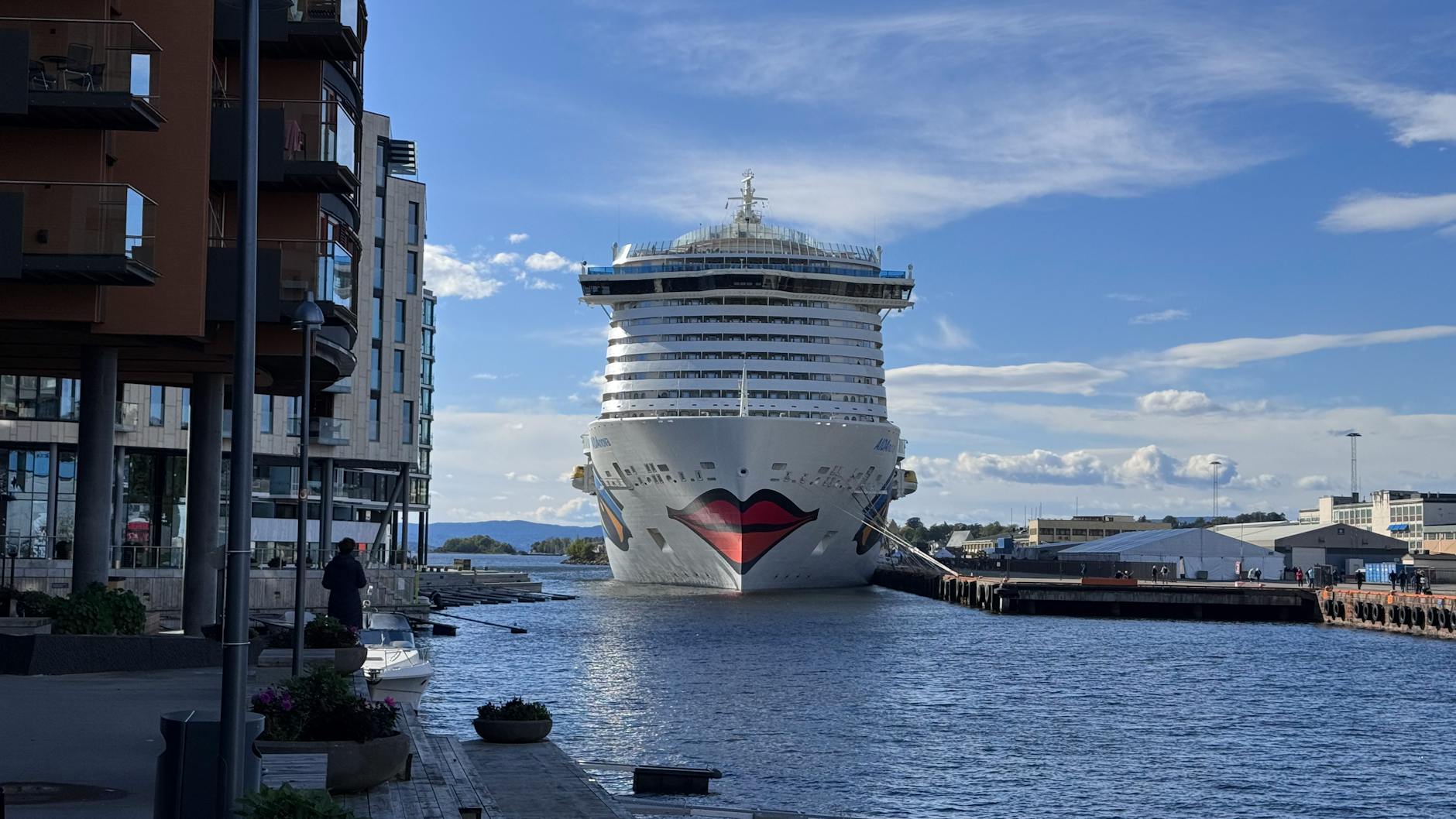
Oslo can be an unusually rewarding port call because the harbor sits close to museums, waterfront architecture, restaurants, parks, shopping streets, ferries, and central neighborhoods. That convenience can create a false sense of unlimited time. A cruise traveler still has to work backward from gangway time, terminal location, ship procedures, weather, mobility, and the final return buffer. The right Oslo port day is not a general city itinerary compressed into a few hours. It is a ship-timed plan that chooses a small number of experiences near a reliable route back to the vessel.
Start with the ship schedule, not the city map
A cruise traveler should build the Oslo day from the ship schedule first. Arrival time, gangway clearance, all-aboard time, tender or dock procedure, excursion meeting rules, and passport or security requirements decide how much city time exists. The published port window is not the same as usable sightseeing time.
The traveler should set a hard return-to-terminal time before choosing museums, restaurants, ferry rides, or neighborhoods. Oslo may look easy from the harbor, but the safest plan is still timed backward from the vessel.
- Separate the published port window from the usable time ashore.
- Confirm all-aboard time, gangway rules, security, and excursion meeting points.
- Set the return-to-terminal deadline before choosing what to see.
Treat the port location as the real base
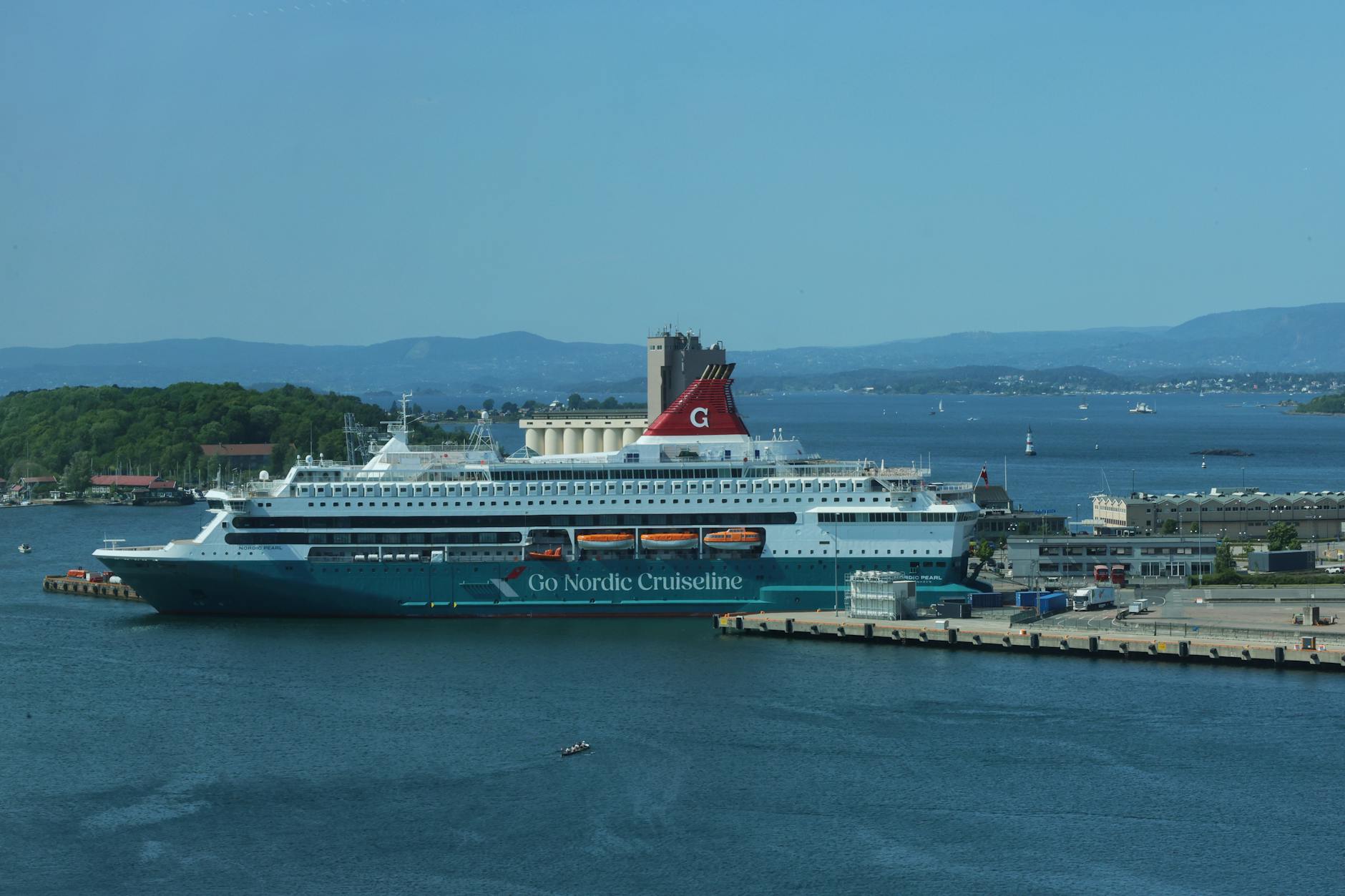
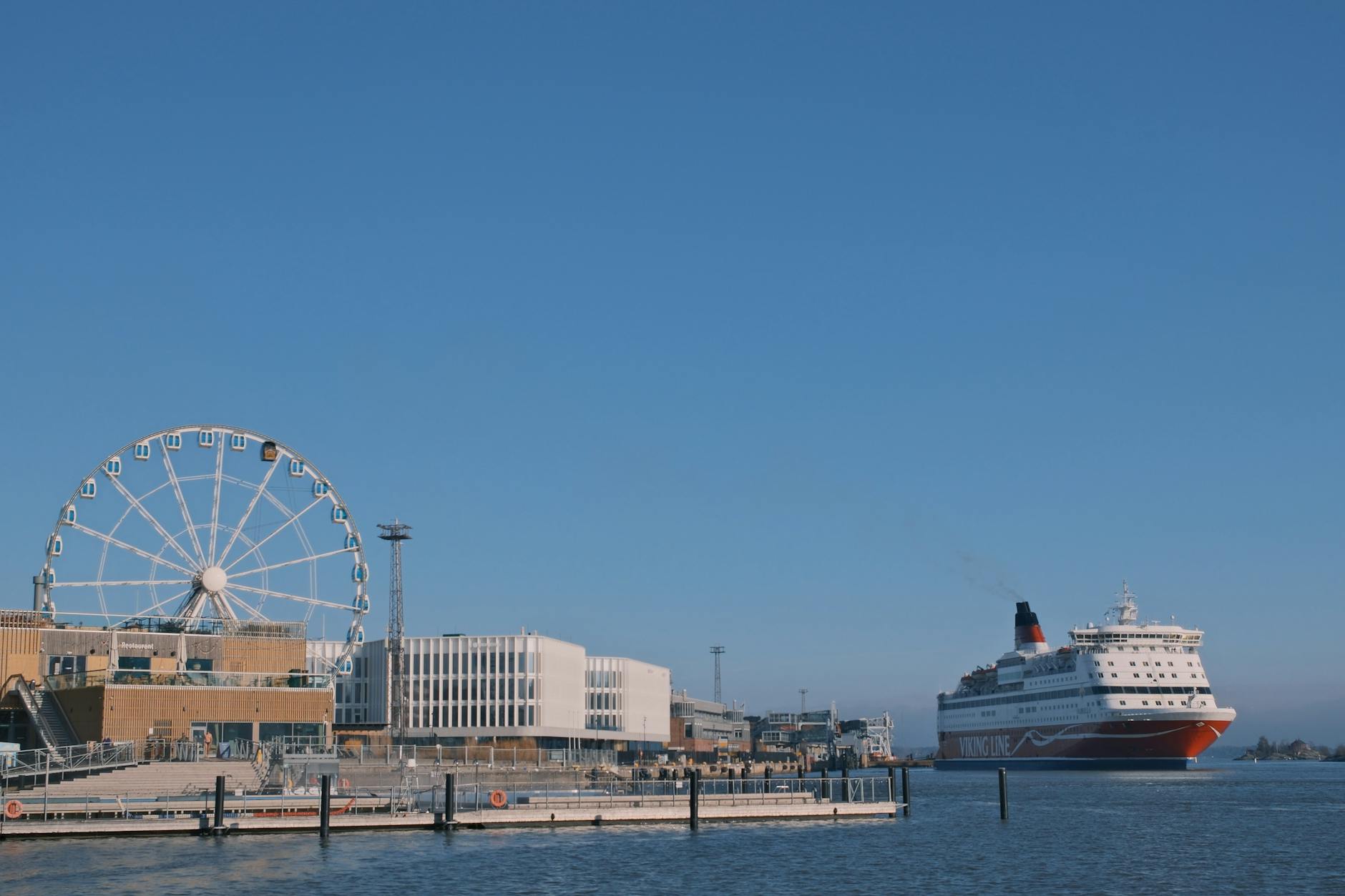
Oslo port calls can place travelers near the central waterfront, but the exact berth still matters. Walking distance, shuttle availability, taxi access, road closures, weather exposure, and the location of the terminal exit can change the day. A plan that assumes the ship is beside every attraction may become awkward if the dock is different from expected.
The traveler should identify the berth, the exit route, and the nearest reliable transport before arrival. That information decides whether the day should be mostly walkable, transit-based, taxi-supported, or anchored around an official excursion.
- Check the exact berth, terminal exit, shuttle, taxi, and walking conditions.
- Do not assume every Oslo port call starts at the same practical location.
- Choose a walkable, transit, taxi, or excursion plan based on the berth.
Choose a compact Oslo radius
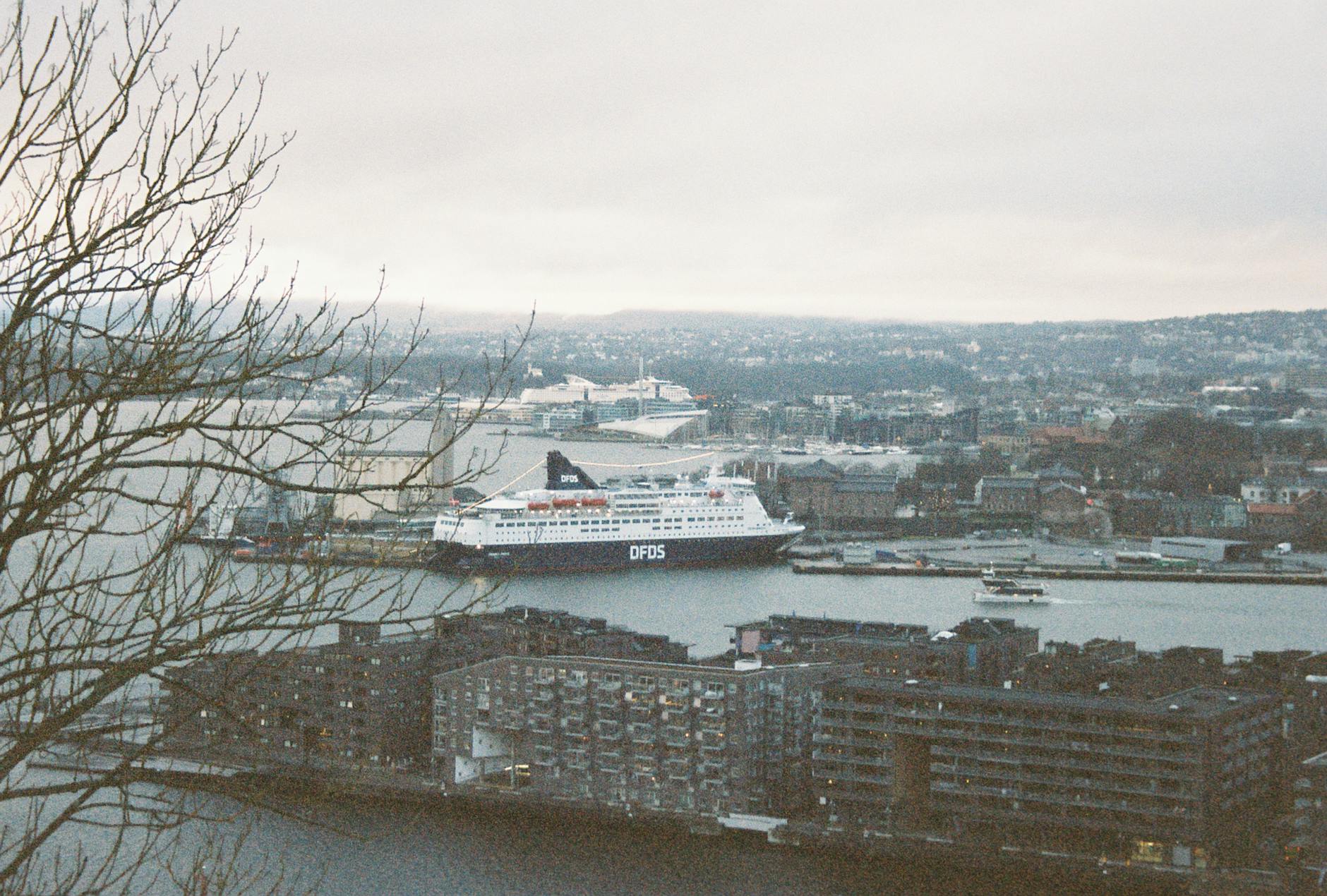
A strong Oslo port day usually benefits from a compact radius. Waterfront architecture, the opera house area, fortress views, central streets, museums, parks, restaurants, and harbor walks can fill the day without scattering the traveler across the city. The more distant the attraction, the more important the timing discipline becomes.
The traveler should choose one anchor experience and one flexible add-on. If the ship arrives late, weather shifts, or a museum visit takes longer than expected, the add-on can disappear without damaging the whole day.
- Pick one anchor experience and one optional add-on near a reliable return route.
- Keep distant attractions only when timing and transport are very clear.
- Avoid making Oslo a checklist when the ship controls the clock.
Be careful with ferries and fjord temptation
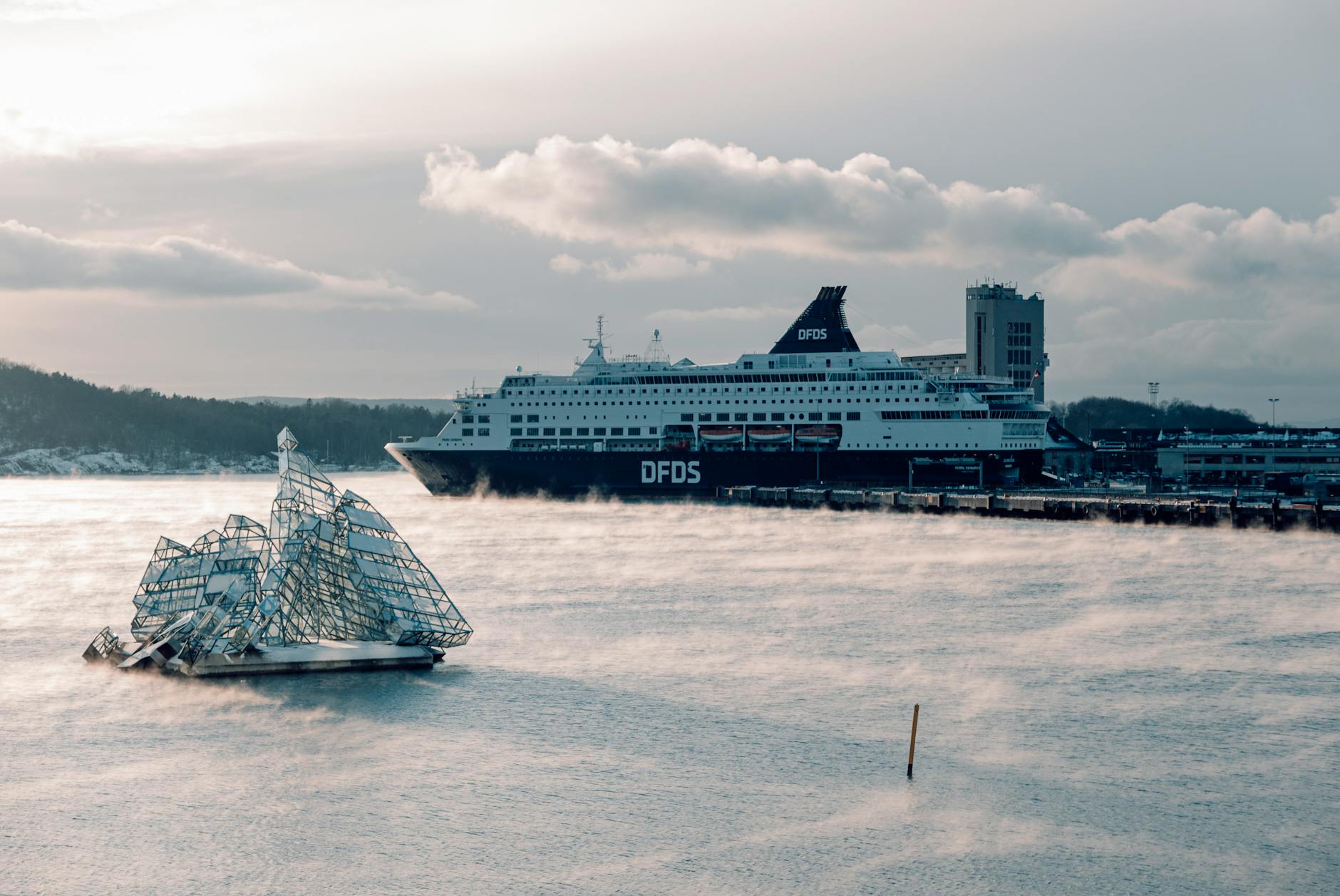
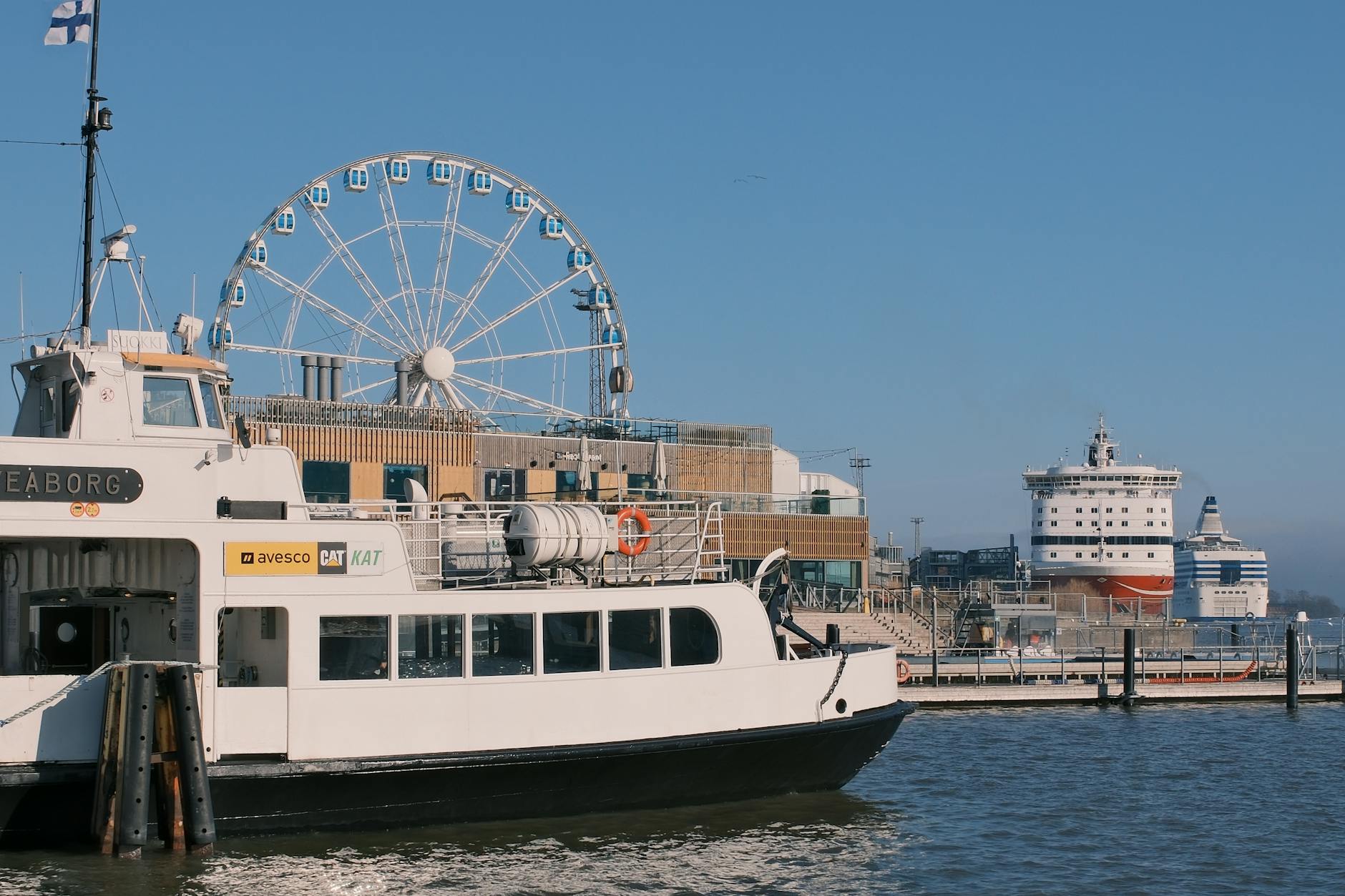
Oslo's waterfront can make ferry rides and fjord views very tempting for a port-call traveler. Those experiences may be excellent, but they should be checked against the exact sailing schedule, boarding point, weather, crowding, return options, and the ship deadline. A short scenic ride is still a timed transport commitment.
If the traveler wants a fjord or island element, it should be treated as the main plan rather than an improvised extra. The backup should be land-based and close to the terminal.
- Check ferry boarding points, frequency, weather, crowding, and return timing.
- Treat fjord or island travel as the main plan, not a casual add-on.
- Keep a land-based backup close to the port if conditions change.
Plan weather, footing, and mobility
A cruise passenger may step from a controlled ship environment into wind, rain, heat, ice, or uneven waterfront surfaces. Oslo can be very comfortable, but the port day may still involve cobbles, ramps, wet pavement, stairs, construction, winter footing, and long museum corridors. Mobility assumptions should be tested before arrival.
The traveler should pack the day bag for the actual forecast: layers, rain protection, comfortable shoes, medication, phone battery, payment card, and any mobility aids. A short port call leaves little time to solve preventable discomfort ashore.
- Plan for wind, rain, ice, wet pavement, stairs, ramps, and long walks.
- Pack layers, footwear, medication, battery, payment, and mobility aids.
- Choose attractions that fit the slowest realistic traveler in the group.
Decide food and museum choices before leaving the ship
A port call can be weakened by vague meal and museum decisions. Oslo restaurants may require time, cost more than expected, or sit farther from the terminal than planned. Museums can be excellent but may need ticket checks, opening-hour checks, and a realistic estimate of how long the visit will take.
The traveler should decide whether the day needs a proper meal ashore, a cafe stop, a market-style snack, or a return to the ship for food. The same discipline applies to museums: one strong visit is usually better than rushing through several.
- Choose the meal approach before leaving the ship.
- Check museum hours, tickets, distance, and visit duration for the exact date.
- Use one strong museum or cultural stop instead of a rushed sequence.
When to order a short-term travel report
A cruise passenger with a long port day, central berth, mild weather, and simple plans may not need a custom Oslo report. A report becomes useful when the port window is short, mobility is limited, winter weather is possible, ferries or museums are important, private touring is being considered, the traveler is balancing ship excursions against independent plans, or missing the return would be costly.
The report should test berth logistics, usable time ashore, transport, walking distance, ferry risk, museum fit, weather, food, mobility, backup plans, return buffer, and what to cut. The value is an Oslo port day that feels memorable without gambling against the ship schedule.
- Order when timing, berth logistics, ferries, museums, mobility, or weather need testing.
- Provide ship name, arrival and all-aboard times, berth notes, interests, and constraints.
- Use the report to protect the day from overreach and the final return from stress.