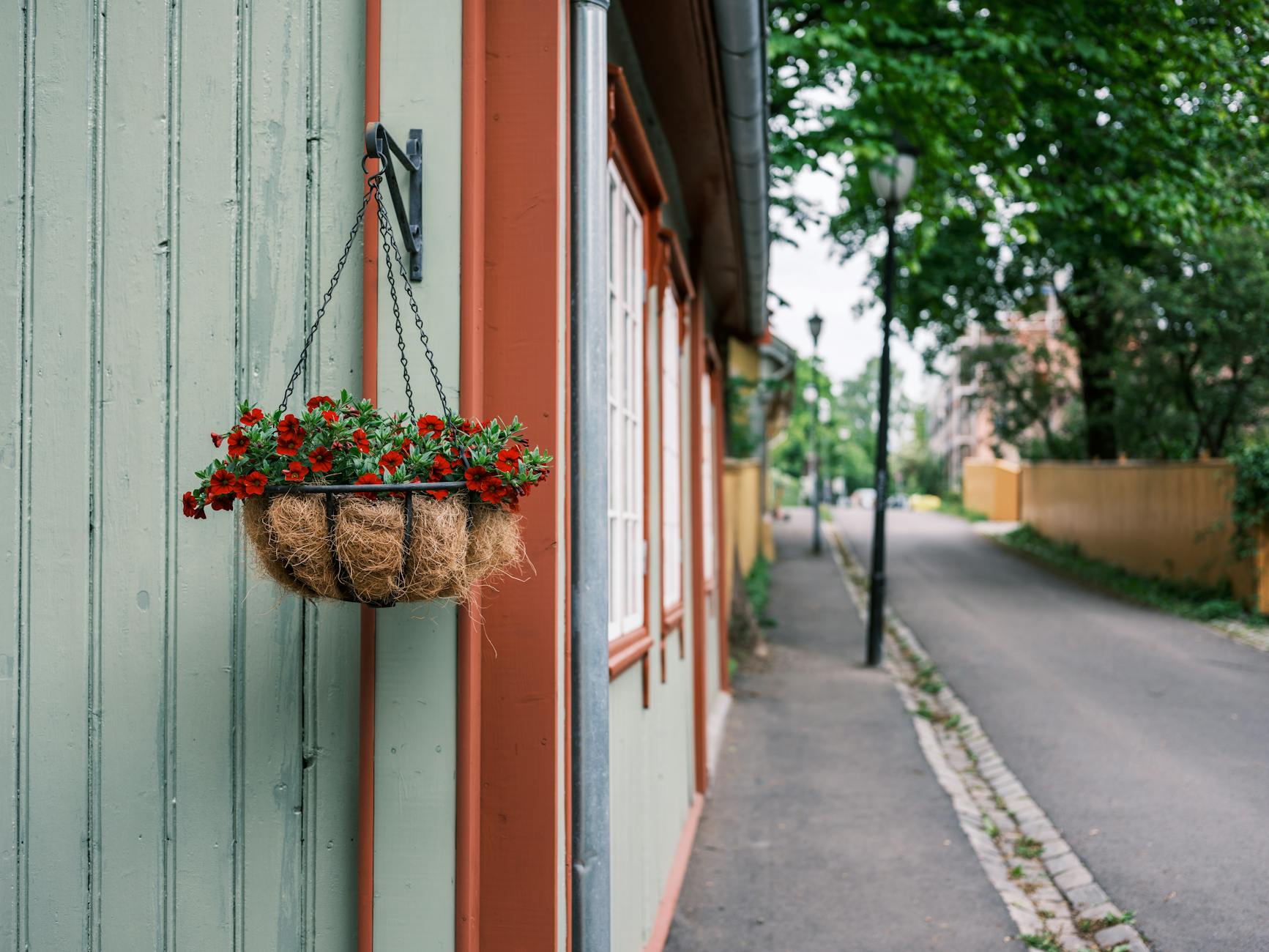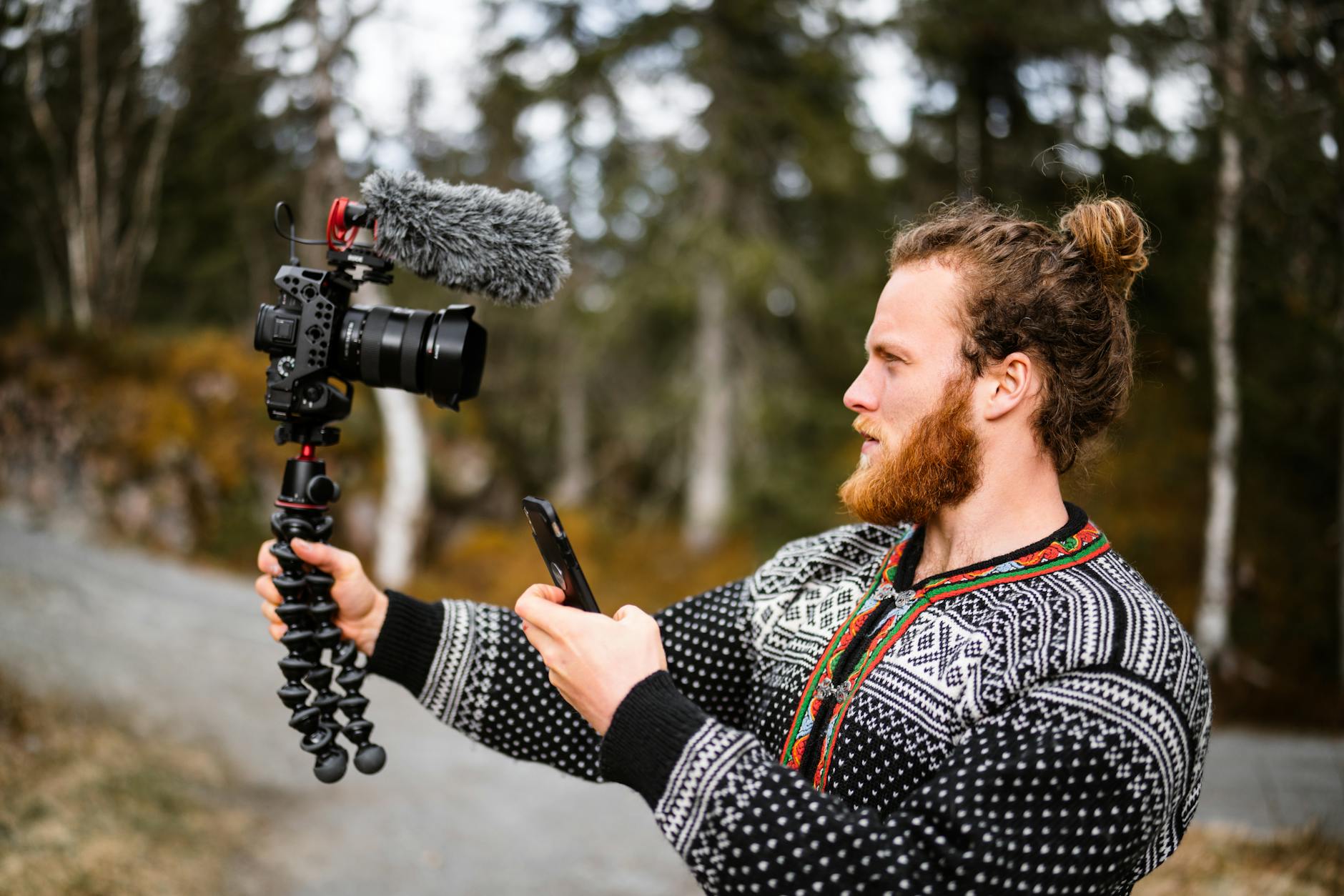
Oslo can be rewarding for a short content trip because it offers waterfront architecture, museums, neighborhoods, forests, ferries, winter atmosphere, summer light, and a clean visual identity. It is also easy to oversimplify. A creator who arrives with only a list of pretty places may lose time to weather, daylight, permissions, transport, equipment problems, and high costs. The plan should start with the creative brief. Is the traveler producing short video, still photography, travel writing, brand content, neighborhood reels, architecture coverage, food content, outdoor material, or a sponsored itinerary? The answer determines locations, timing, gear, permissions, editing blocks, and what should be cut.
Define the deliverables before the route
A content creator should define deliverables before choosing locations. A polished city guide, sponsored hotel sequence, architecture reel, food story, winter wardrobe shoot, ferry day, museum feature, and outdoor short all require different timing and permissions. Oslo should not be reduced to a generic scenic backdrop.
The creator should list required shots, formats, orientation, captions, brand obligations, usage rights, and publication deadlines. Once those are clear, the route can be built around usable output rather than a long list of attractive stops.
- Define deliverables, formats, shot list, usage needs, captions, deadlines, and brand obligations.
- Separate required content from optional city coverage.
- Build the itinerary around usable output, not just photogenic locations.
Match locations to season and daylight
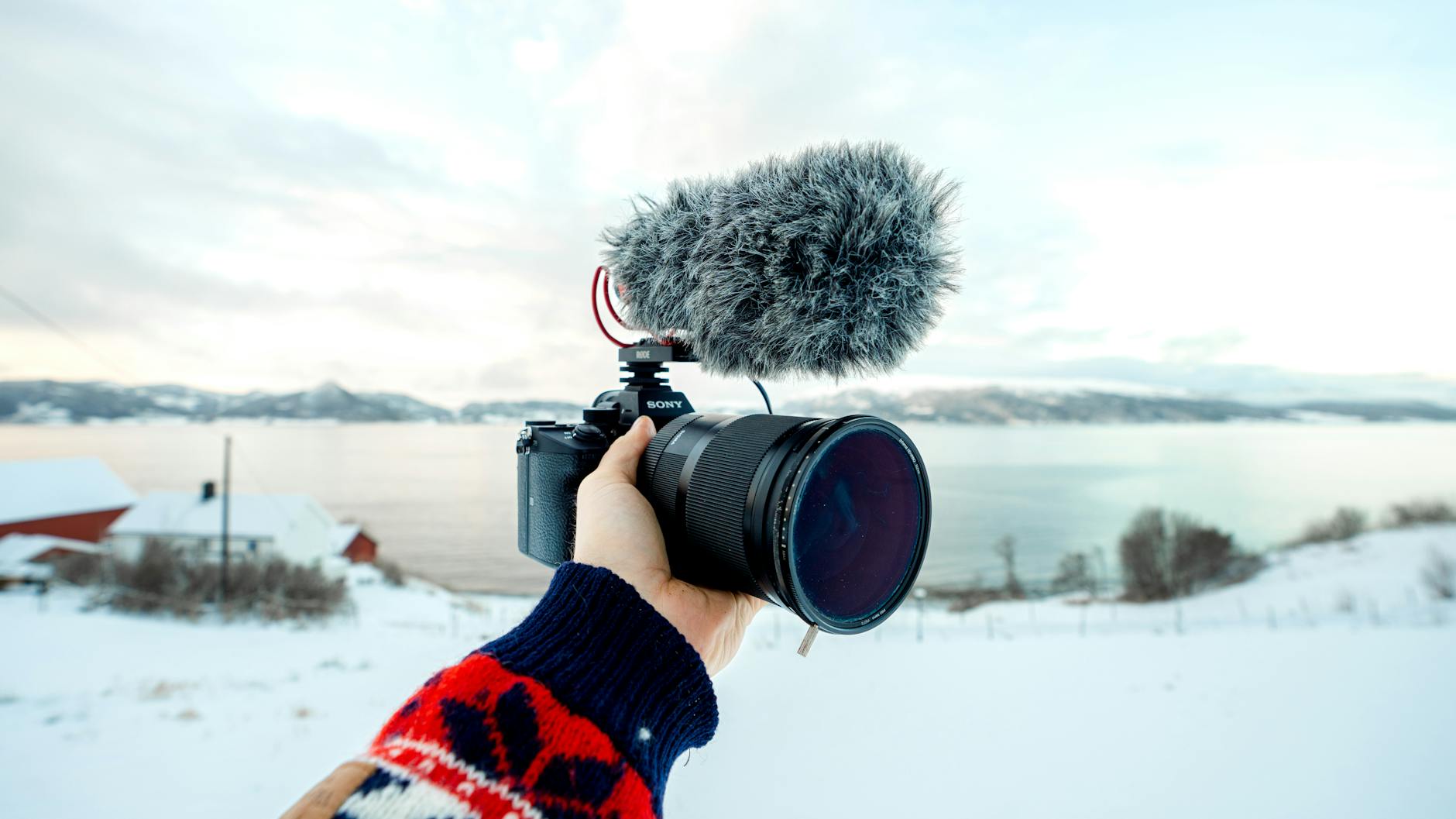
Oslo changes sharply by season. Winter can offer snow, low light, cozy interiors, and atmospheric streets, but it also brings ice, short daylight, cold batteries, and slower movement. Summer brings long evenings, waterfront life, ferries, and outdoor scenes, but popular areas can become crowded and schedules can stretch too late.
The creator should choose locations by the actual month: Opera House, Bjorvika, Aker Brygge, Tjuvholmen, Vigeland Park, museums, forest edges, harbor routes, cafes, and viewpoints will not all work equally well in every season.
- Plan locations around winter light, summer evenings, rain, wind, snow, and crowd patterns.
- Check whether each shot needs morning, dusk, night, indoor backup, or weather cover.
- Avoid a route that depends on perfect light at every stop.
Check permissions before filming
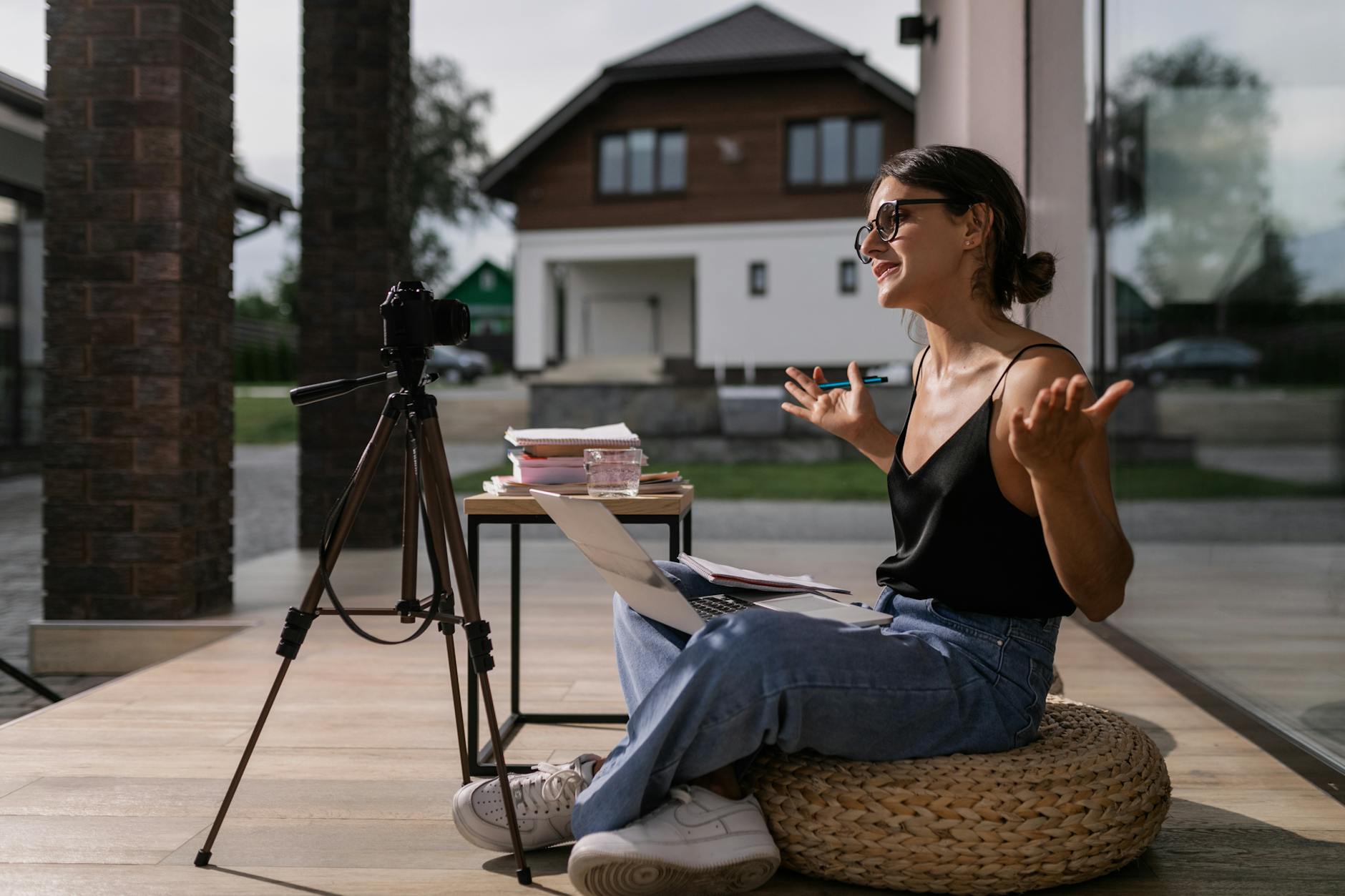
Content creation can cross boundaries quickly. The creator should check filming, tripod, drone, museum, commercial shoot, hotel, restaurant, event, and people-in-frame rules before arrival. Public-looking spaces may still have private rules, and sponsored work can trigger different expectations than personal travel content.
If the creator is filming people, vulnerable communities, children, staff, or private interiors, consent and usage should be clear. A short trip is not improved by capturing material that cannot be used ethically or legally.
- Check filming, tripod, drone, museum, hotel, restaurant, event, and commercial-use rules.
- Confirm consent and usage when people, staff, children, or private interiors are visible.
- Treat sponsored content as a different permission category from casual personal posting.
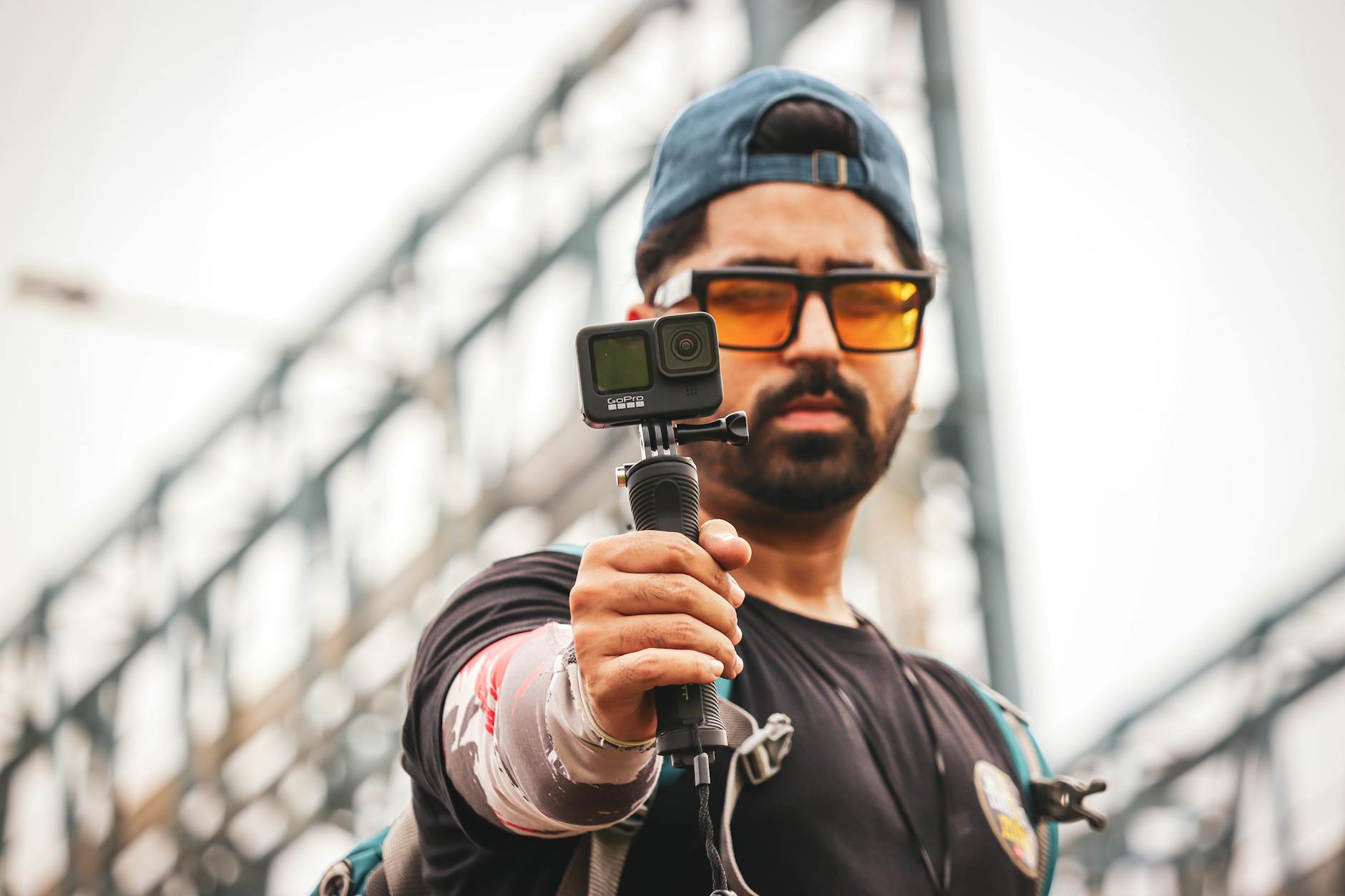
Protect gear from weather and movement
Oslo content work may involve cold batteries, wet lenses, slippery surfaces, wind noise, heavy coats, gloves, and repeated indoor-outdoor transitions. The gear plan should include batteries, memory, chargers, adapters, microphones, lens cloths, weather cover, power bank, and a backup phone workflow.
The creator should also plan how gear moves through the day. Carrying a tripod, gimbal, camera body, laptop, and winter clothing across several locations can make the itinerary slower and less discreet than expected.
- Pack batteries, memory, chargers, adapters, microphones, weather cover, and backup capture.
- Plan for cold batteries, wind audio, wet lenses, gloves, and indoor-outdoor transitions.
- Keep the route realistic for the amount of gear being carried.
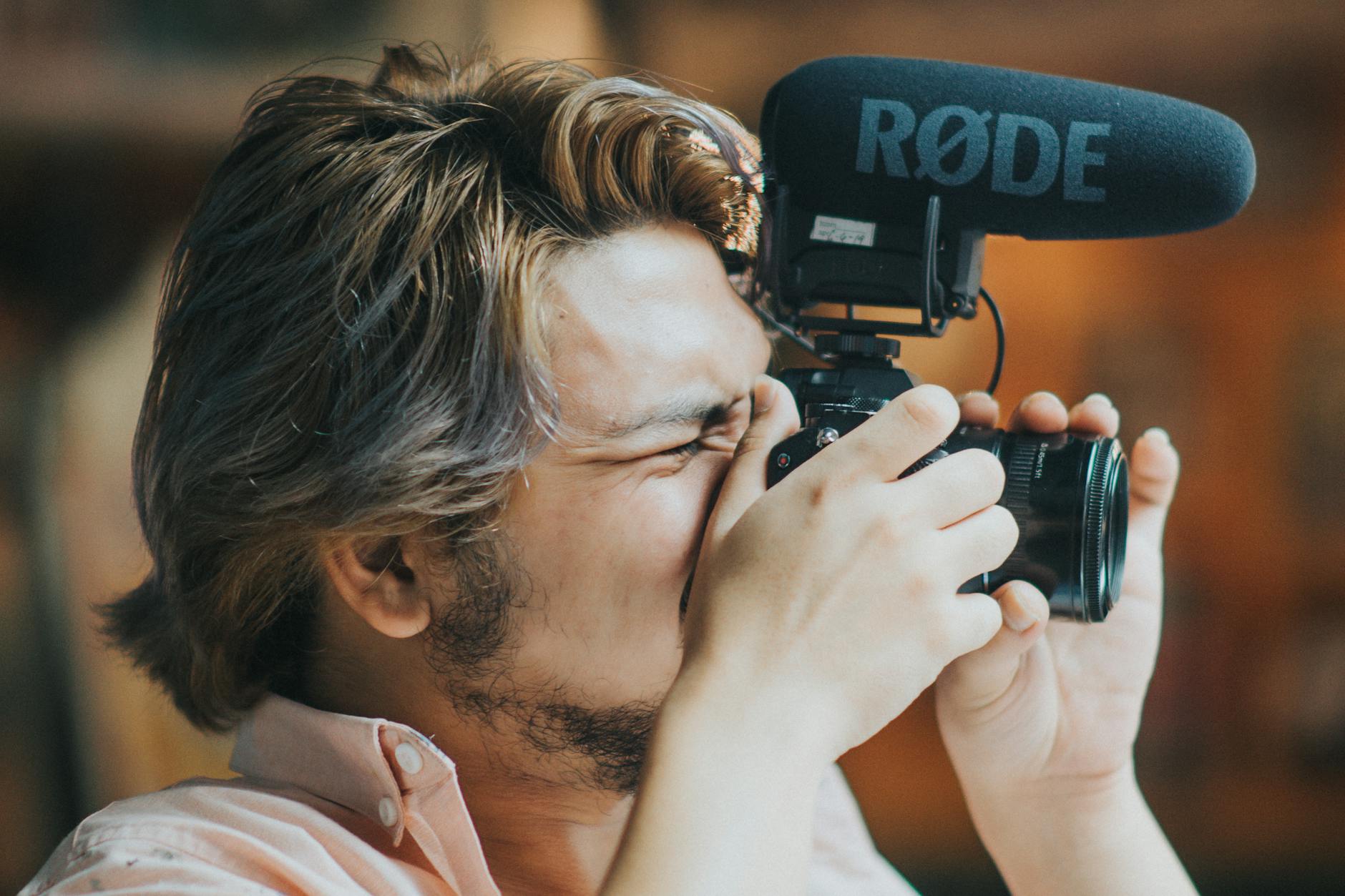
Use transit without losing the story
Oslo transit can help creators cover several visual zones, but transport should not become the story unless that is the brief. Trams, buses, metro, ferries, walking routes, and taxis all have a place. The creator should group locations by light, geography, gear burden, and editing needs.
A good Oslo content day might use fewer stops with stronger shot variety: waterfront architecture, one neighborhood sequence, one indoor backup, one food or culture stop, and one dusk scene. Too many scattered locations can produce thin material from each.
- Group locations by light, route, gear burden, and the actual creative brief.
- Use transit and ferries deliberately instead of chasing every possible visual area.
- Leave time for resets, backups, meals, and weather changes between shoots.
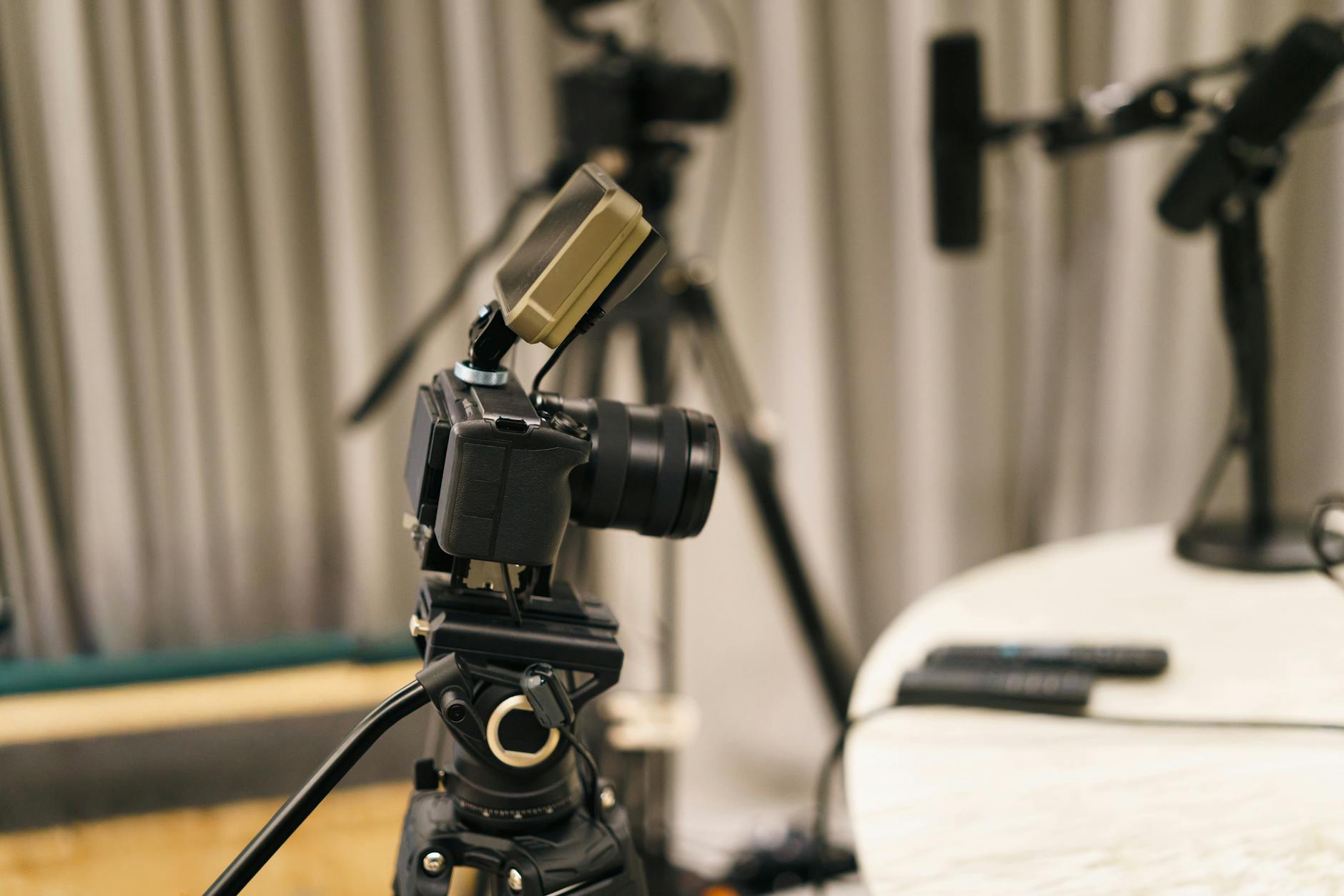
Plan editing, upload, and budget before posting
A content trip is not finished when the shots are captured. The creator needs a plan for backups, file transfer, editing, captions, disclosure language, client approvals, scheduled posts, and mobile data. Hotel Wi-Fi, cafe work, and late-night editing should be tested against the real workload.
Oslo costs can also change the creator's choices. Meals, cafes, taxis, museum tickets, storage, batteries, and last-minute gear are expensive. The creator should decide what spending produces better content and what is simply drift.
- Plan backups, editing blocks, captions, disclosures, approvals, uploads, and mobile data.
- Choose lodging and workspaces that support actual file handling and quiet calls.
- Budget for taxis, cafes, tickets, meals, storage, and gear without letting costs drift.
When to order a short-term travel report
A creator with flexible dates, personal content, and a simple route may not need a custom Oslo report. A report becomes useful when the trip has sponsored deliverables, winter dates, tight light windows, multiple neighborhoods, equipment burden, permission questions, budget pressure, hotel content needs, or uncertainty about which locations are worth keeping.
The report should test the creative brief, location sequence, daylight, weather, permissions, hotel work setup, transit, gear burden, upload workflow, cost exposure, medical fallback, and what to cut. The value is an Oslo content trip that produces decision-ready material instead of scattered footage.
- Order when deliverables, light, permissions, gear, winter, or budget needs testing.
- Provide creative brief, platforms, dates, locations, gear list, hotel options, and constraints.
- Use the report to protect usable output and remove fragile shooting assumptions.