
Oslo can be a strong consulting destination because the city is organized, English-friendly, punctual, and relatively easy to move through when the plan is precise. It can also expose weak assumptions quickly. A consultant who chooses the wrong hotel, underestimates winter transfers, or leaves no time for preparation can arrive technically on time but professionally depleted. The plan should start with the consulting work: workshop, discovery interviews, executive briefing, implementation support, board session, site visit, training, or sales-adjacent advisory. The work determines hotel location, arrival margin, materials, confidentiality needs, dinner choices, and what should be cut from the schedule.
Define the delivery purpose before booking
A consultant should identify the real purpose of the Oslo trip before booking flights or hotels. A two-hour executive briefing, a three-day workshop, discovery interviews, a site visit, or a troubleshooting session each creates different needs. The trip should be built around delivery quality, not just being present in the city.
This definition changes arrival timing, preparation blocks, meeting locations, client dinners, work materials, and whether the consultant can safely add any personal city time. A crowded itinerary can weaken the actual engagement.
- Name the consulting deliverable before choosing flights, hotel, or dinners.
- Match arrival and recovery time to the level of client-facing work.
- Protect preparation and follow-up time as part of the trip, not optional extras.
Map client geography precisely
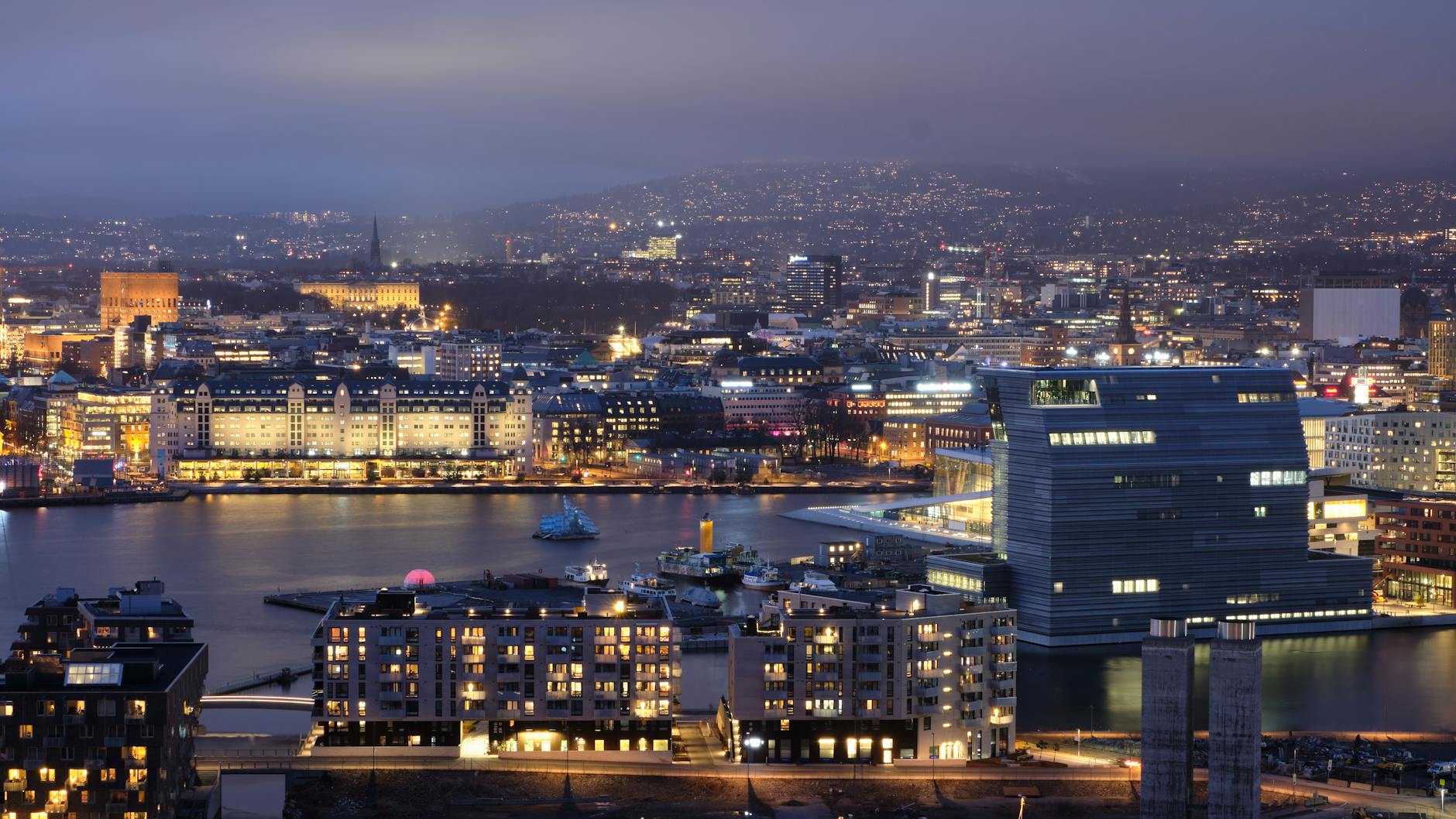
Oslo is manageable, but a consultant should not assume every client site is equally central. Meetings may be near Bjorvika, Barcode, Aker Brygge, Tjuvholmen, the city center, Lysaker, Fornebu, a campus area, or another office district. Hotel choice should follow the client geography.
The consultant should map meeting entrances, security process, visitor registration, dinner locations, and any secondary offices. A short walk in mild weather can become a poor choice in sleet, darkness, or with presentation materials.
- Map exact client addresses, entrances, security, dinner locations, and side meetings.
- Choose lodging around the work route rather than a generic central address.
- Check winter walking and taxi options for each client-facing movement.
Use airport rail and arrival margin carefully
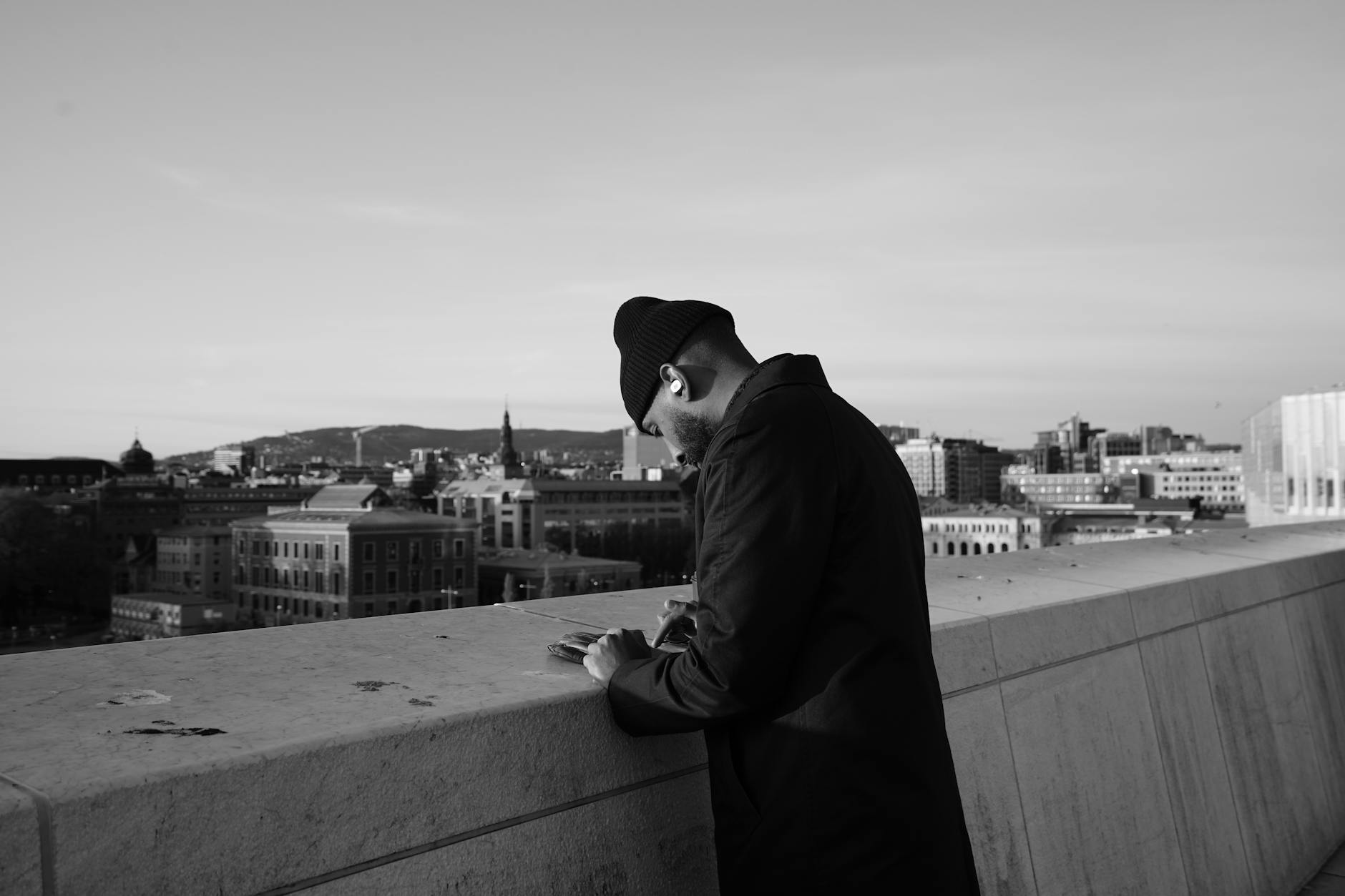
Oslo Airport rail can be a strong option for consultants, but it still needs a clear plan. The consultant should know station choice, ticketing, hotel walk, late-arrival backup, and how luggage or workshop materials will be handled. A late inbound flight before a morning workshop leaves little room for error.
Arrival margin should match the stakes. A high-value workshop, board presentation, or executive session may justify arriving earlier, choosing a closer hotel, or using a private transfer when the schedule is tight.
- Confirm airport rail, station choice, hotel access, luggage handling, and backup transport.
- Arrive earlier when the first session is high-value or materials-dependent.
- Avoid starting client work immediately after a fragile transfer plan.

Make the hotel support actual work
A consultant's hotel should be judged by work reliability: desk, Wi-Fi, quiet calls, breakfast timing, ironing, gym or recovery needs, late access, luggage storage, room temperature, and routes to the client site. A fashionable location is not enough if the room cannot support preparation and follow-up.
The consultant should also decide where confidential work can happen. Public cafes and hotel lobbies may be useful for light tasks, but client documents, sensitive calls, and strategy work need a more controlled setup.
- Check desk, Wi-Fi, quiet calls, breakfast, ironing, storage, and client-site routes.
- Protect confidential work from public spaces and weak hotel setups.
- Choose comfort and reliability before style when delivery quality is at stake.

Prepare materials, tech, and workshop flow
Consulting trips often depend on small technical details: adapters, slide backups, offline files, whiteboard plans, facilitation materials, secure cloud access, printed handouts, stakeholder lists, and note-taking systems. Oslo's infrastructure may be strong, but it cannot fix a missing file during a client workshop.
The consultant should also define the day flow: breaks, lunch, interview order, room layout, decision points, and how follow-up will be captured. Travel planning and delivery planning should reinforce each other.
- Prepare adapters, backup files, offline materials, secure access, and facilitation tools.
- Confirm room setup, break timing, stakeholder order, and decision points.
- Build a follow-up system before the first client conversation starts.
Respect punctuality, costs, and winter movement
Oslo professional settings generally reward punctuality and direct preparation. The consultant should build buffers for weather, darkness, icy sidewalks, wardrobe changes, visitor security, and client overruns. Being late because a transfer was too optimistic is avoidable.
Costs also matter. Hotels, taxis, client dinners, drinks, and last-minute changes can be expensive. The consultant should know expense rules before deciding whether to walk, ride, host dinner, or stay near the client.
- Add buffers for winter weather, security, walking, wardrobe, and meeting overruns.
- Check expense rules for hotels, taxis, meals, drinks, receipts, and currency conversion.
- Use convenience spending when it protects punctuality or delivery quality.

When to order a short-term travel report
A consultant with one familiar client site, a central hotel, and flexible timing may not need a custom Oslo report. A report becomes useful when the trip includes multiple client locations, winter travel, high-stakes workshops, confidential work needs, tight transfers, dinner obligations, expensive lodging decisions, or limited recovery time.
The report should test client geography, airport rail, hotel work setup, meeting routes, winter movement, tech and materials, confidentiality, client dinners, cost exposure, recovery blocks, medical fallback, and what to cut. The value is an Oslo consulting trip that protects the quality of the work.
- Order when client geography, winter, work setup, costs, or timing needs testing.
- Provide dates, flight times, client addresses, hotel options, work purpose, and constraints.
- Use the report to keep the consulting engagement focused and deliverable.