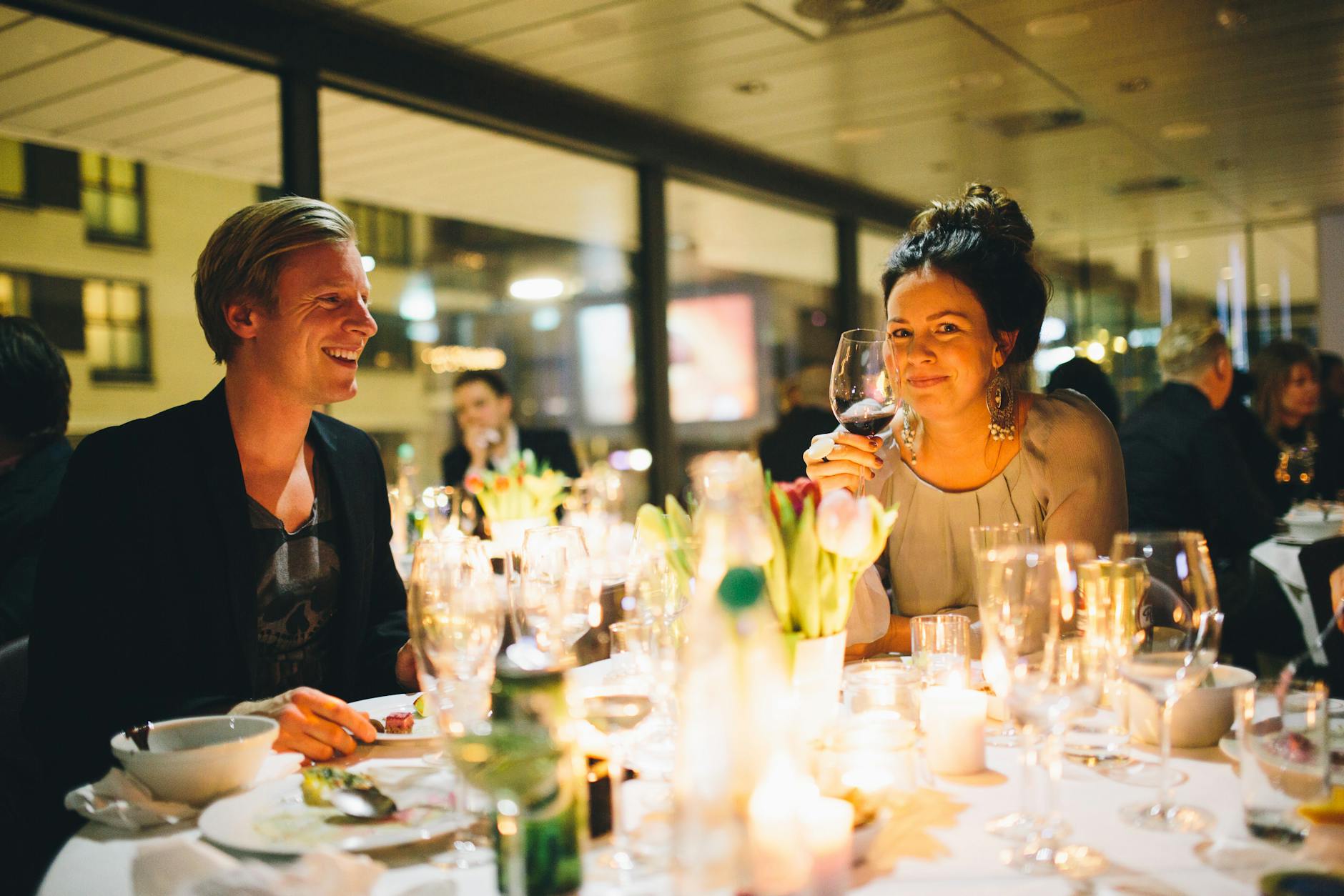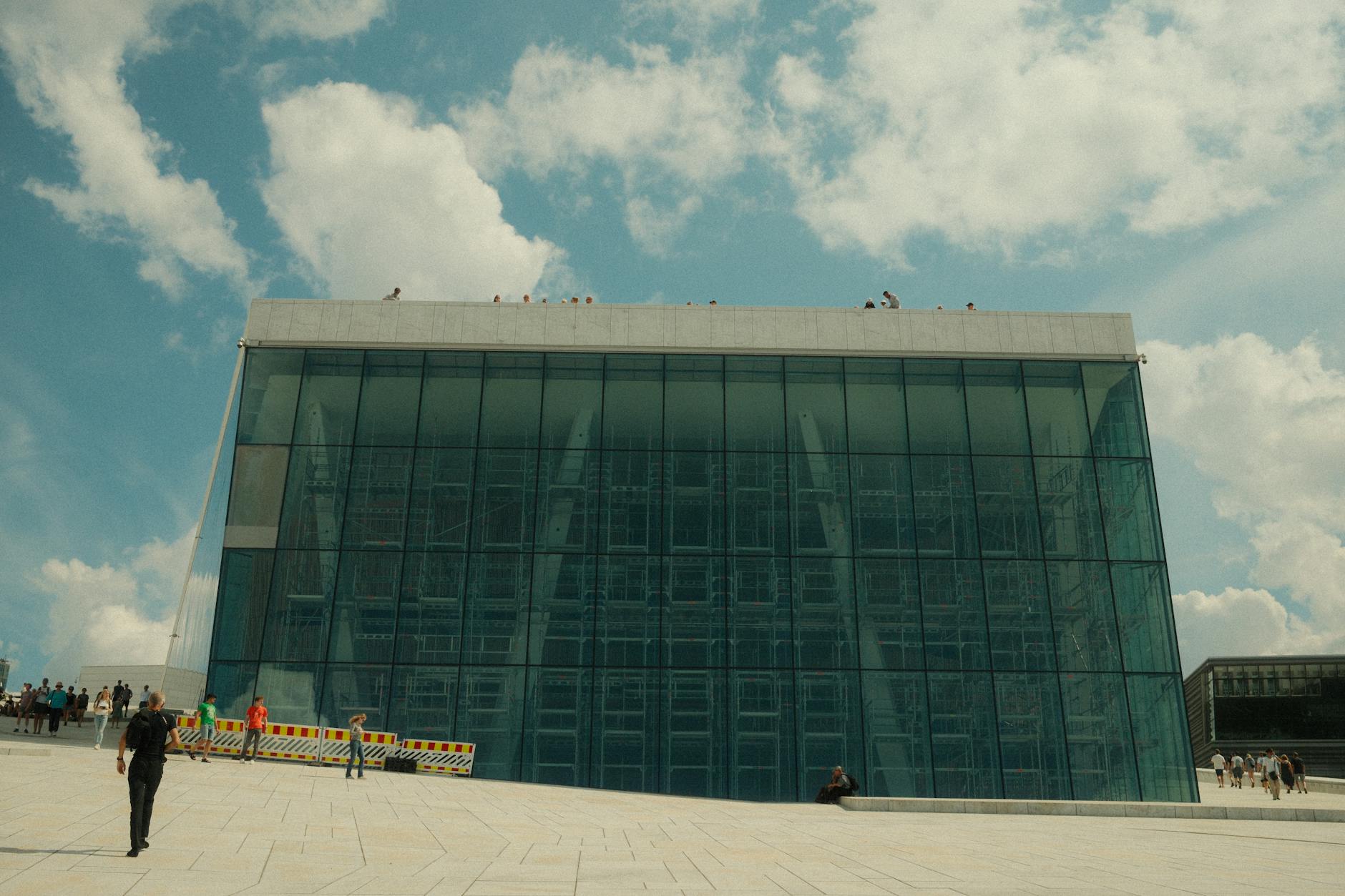
Oslo can be a practical conference city because it has strong airport links, modern venues, reliable public transport, English-friendly professional settings, and a compact waterfront core. It can also be expensive and weather-sensitive, and a conference schedule can make even a manageable city feel tight. The attendee should plan from the conference purpose outward. Is the trip about presenting, selling, recruiting, learning, networking, meeting partners, or supporting an executive? The answer changes the hotel, arrival time, materials, dinners, wardrobe, and how much of Oslo can realistically fit around the event.
Anchor the trip to venue geography
A conference attendee should start with the exact venue, not just the word Oslo. A meeting near Bjorvika, Oslo S, Aker Brygge, Tjuvholmen, the university areas, a waterfront hotel, or a suburban site can create very different hotel and transport choices. A central hotel may still be wrong if the venue or evening events sit elsewhere.
The attendee should map registration, sessions, exhibit hall, side meetings, sponsor dinners, receptions, and any office visits before booking lodging. Conference trips fail through repeated small transfers as often as through one major mistake.
- Map the venue, registration, receptions, side meetings, dinners, and office visits first.
- Choose lodging around the conference route, not only the best-looking central hotel.
- Check whether the venue is truly central, waterfront, campus-based, or outside the core.
Protect the first transfer and first session
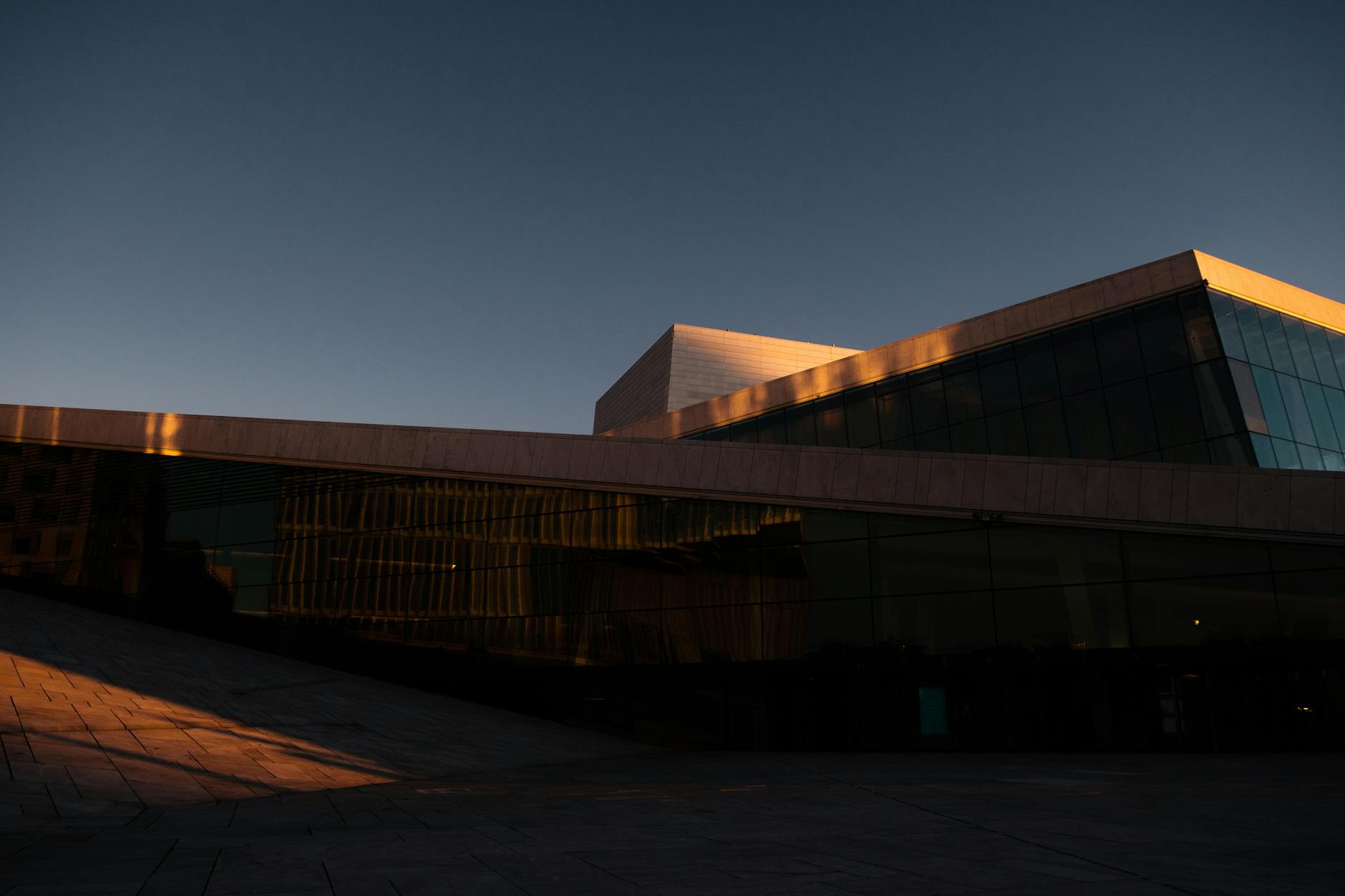
Oslo Airport rail can make arrival efficient, but a conference attendee still needs to test the first transfer. Luggage, display materials, winter clothing, late flights, badge pickup, and an early session can turn a simple airport link into a weak point. The hotel route should be clear before the traveler lands.
If the attendee presents or staffs a booth on the first day, arrival should include more margin than a leisure trip. Food, sleep, printing, badge pickup, and setup time all need space.
- Confirm airport rail, station choice, hotel walking route, and late-arrival backup.
- Leave margin for badge pickup, setup, printing, meals, sleep, and schedule changes.
- Avoid arriving so late that the first session depends on perfect logistics.
Plan materials, tech, and wardrobe like work equipment
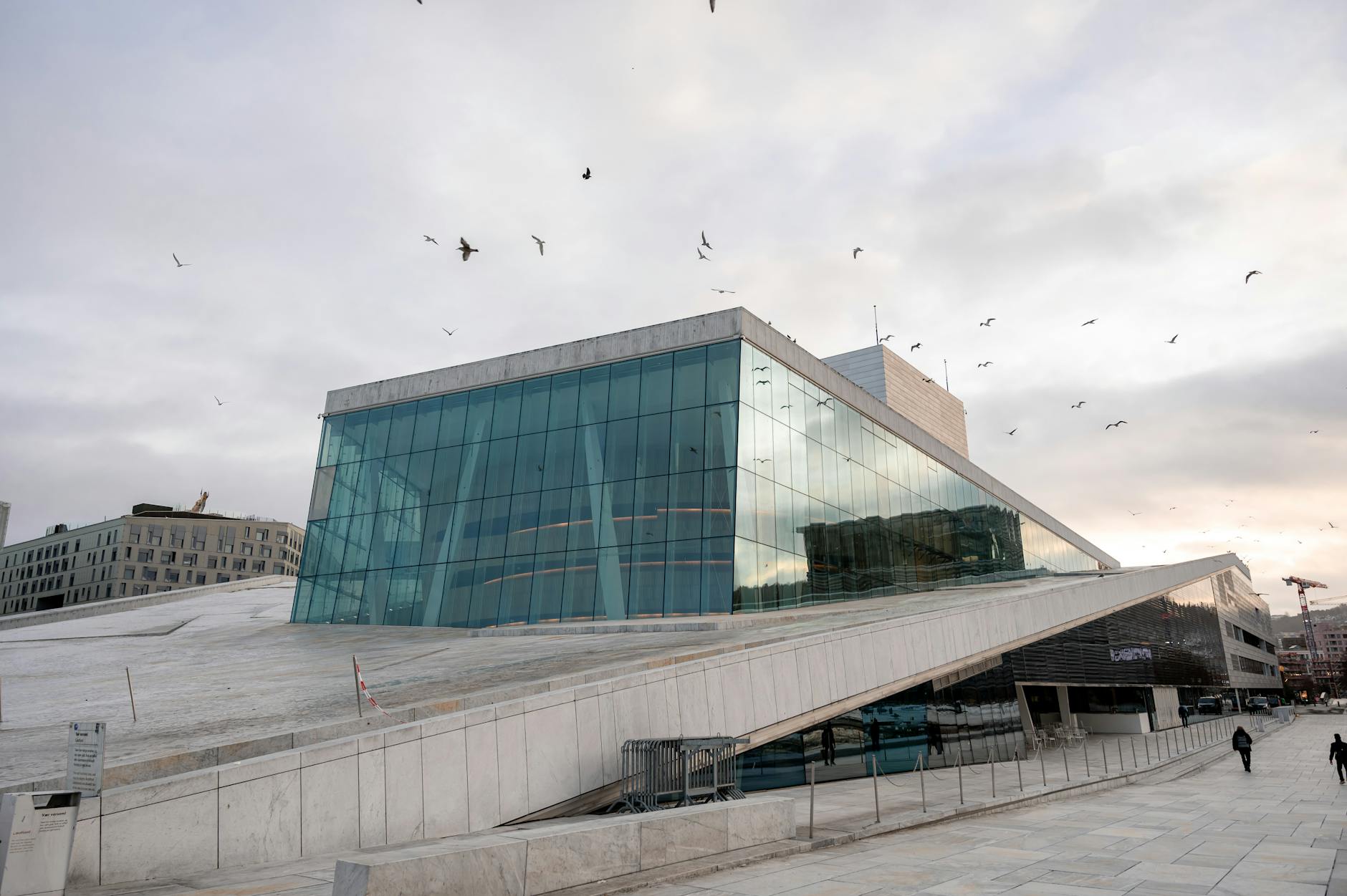
Conference travel often depends on practical details: laptop, adapters, slides, chargers, backup files, booth material, samples, name badges, QR codes, business cards, product collateral, and wardrobe that survives weather. Oslo's infrastructure cannot fix a missing cable or wet shoes before a client meeting.
The attendee should pack for the actual role. A listener, speaker, exhibitor, sponsor, recruiter, and executive support traveler each needs a different materials plan. Winter adds outerwear, shoe, and coat-storage questions.
- Prepare adapters, chargers, backup files, badges, collateral, samples, and offline copies.
- Pack wardrobe and shoes for venue standards, dinners, winter weather, and long standing.
- Treat conference materials as mission-critical luggage.
Budget for Oslo conference costs
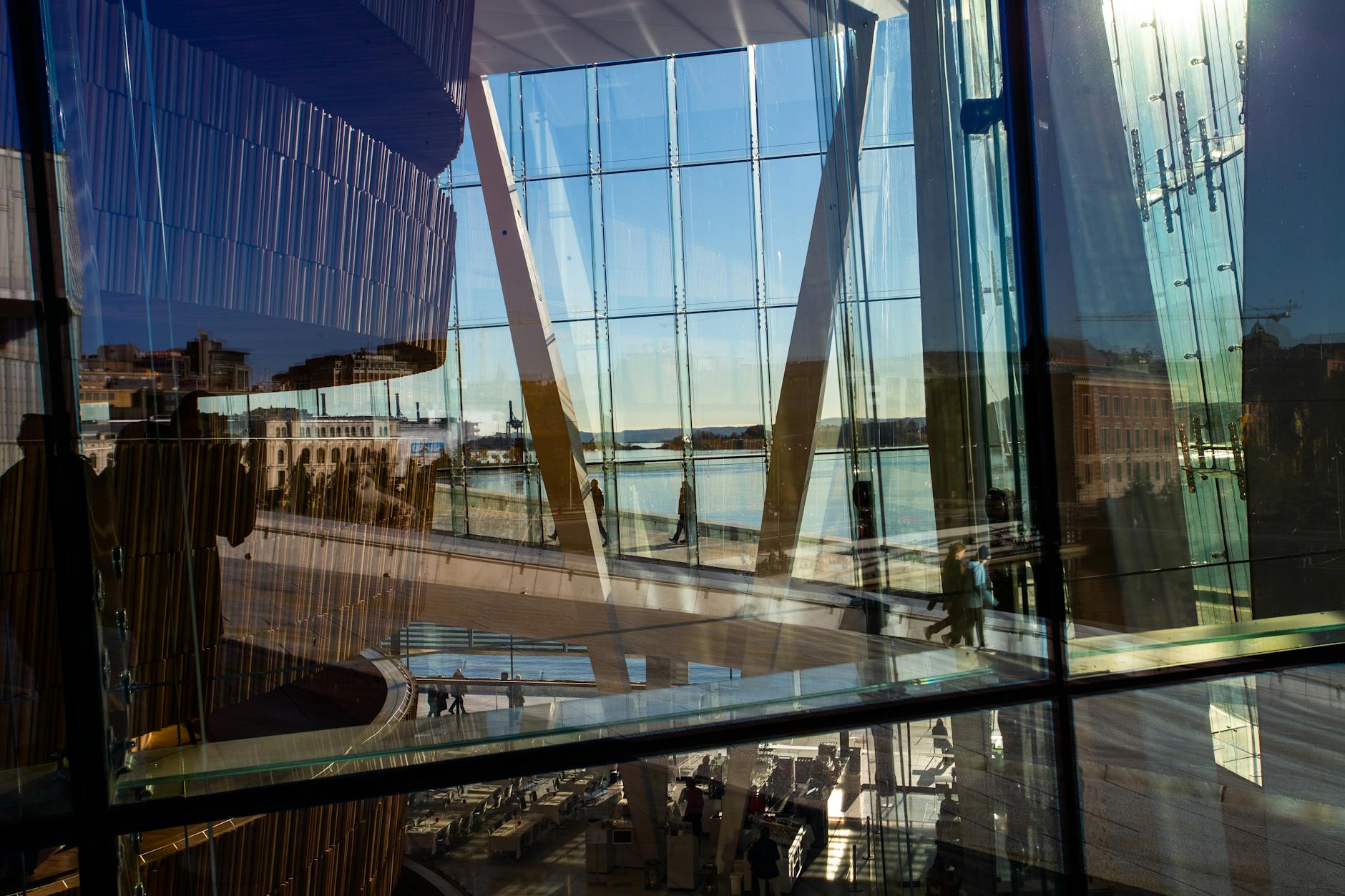
Oslo can be expensive for hotels, meals, coffee, taxis, drinks, and last-minute changes. A conference attendee should understand reimbursement rules before arrival, especially for client meals, alcohol, taxis, premium lodging, and receipts. Waiting until the event week can force awkward spending decisions.
The budget should protect the event's purpose. A useful networking dinner, taxi after a late reception, or hotel near the venue may be worth more than a cheaper choice that burns time and energy.
- Check reimbursement rules for lodging, meals, taxis, alcohol, receipts, and currency conversion.
- Budget for networking meals, sponsor events, coffee meetings, and late returns.
- Do not let high local costs undermine the reason for attending.
Use networking time without losing recovery
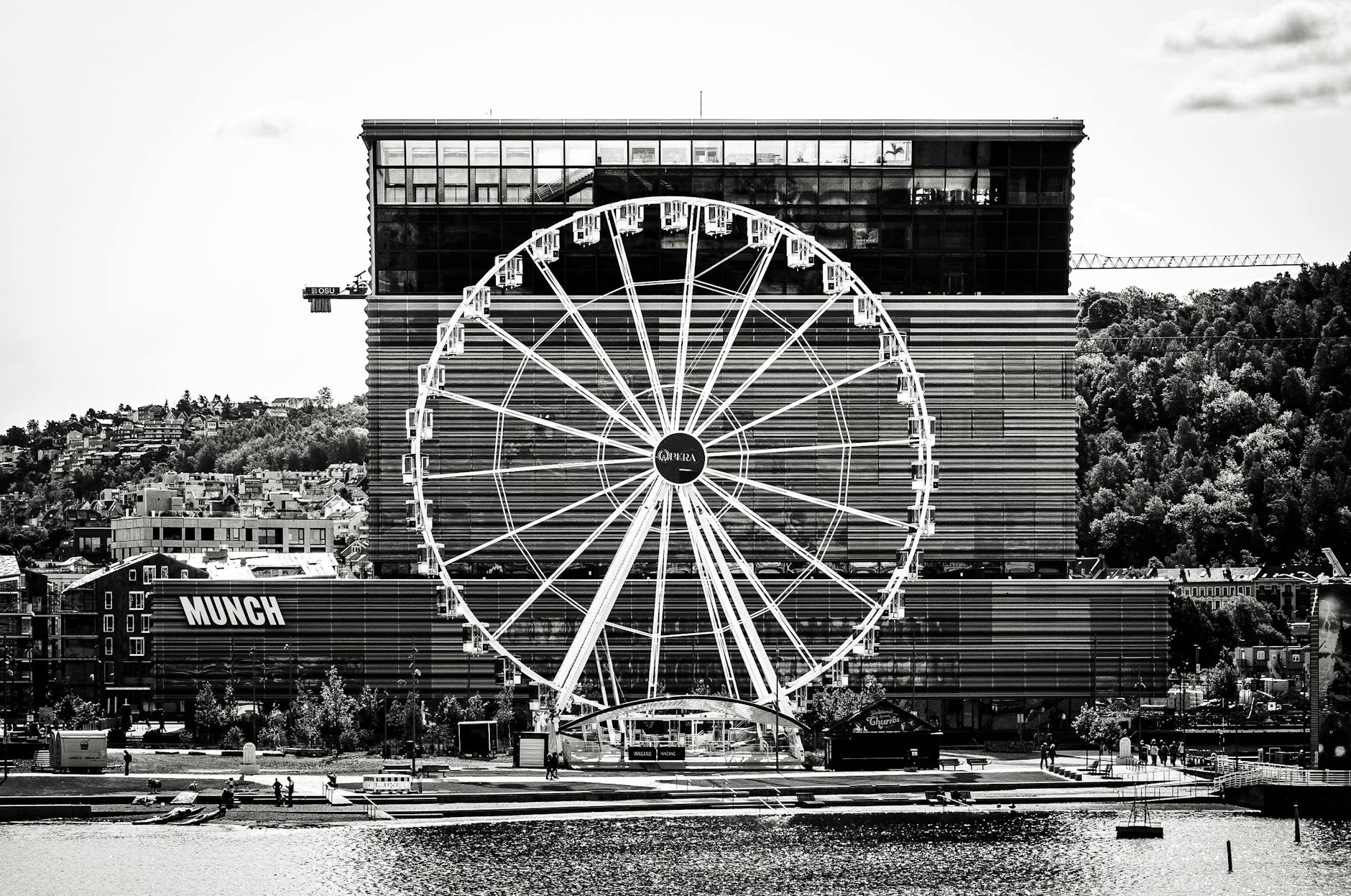
Conference value often happens outside the formal sessions: breakfast meetings, exhibit-floor conversations, coffee, dinners, receptions, and informal walks. In Oslo, these may be spread between the venue, hotels, waterfront restaurants, and the city center. The attendee should schedule important networking deliberately.
Recovery still matters. Long sessions, social pressure, weather, jet lag, and late dinners can reduce the attendee's effectiveness. A strong conference plan includes quiet work blocks and a realistic end to the evening.
- Prioritize the meetings, dinners, and receptions that support the trip purpose.
- Leave quiet blocks for follow-up, notes, email, and decompression.
- Avoid turning every evening into a commitment that weakens the next day.
Adapt to winter, daylight, and local movement
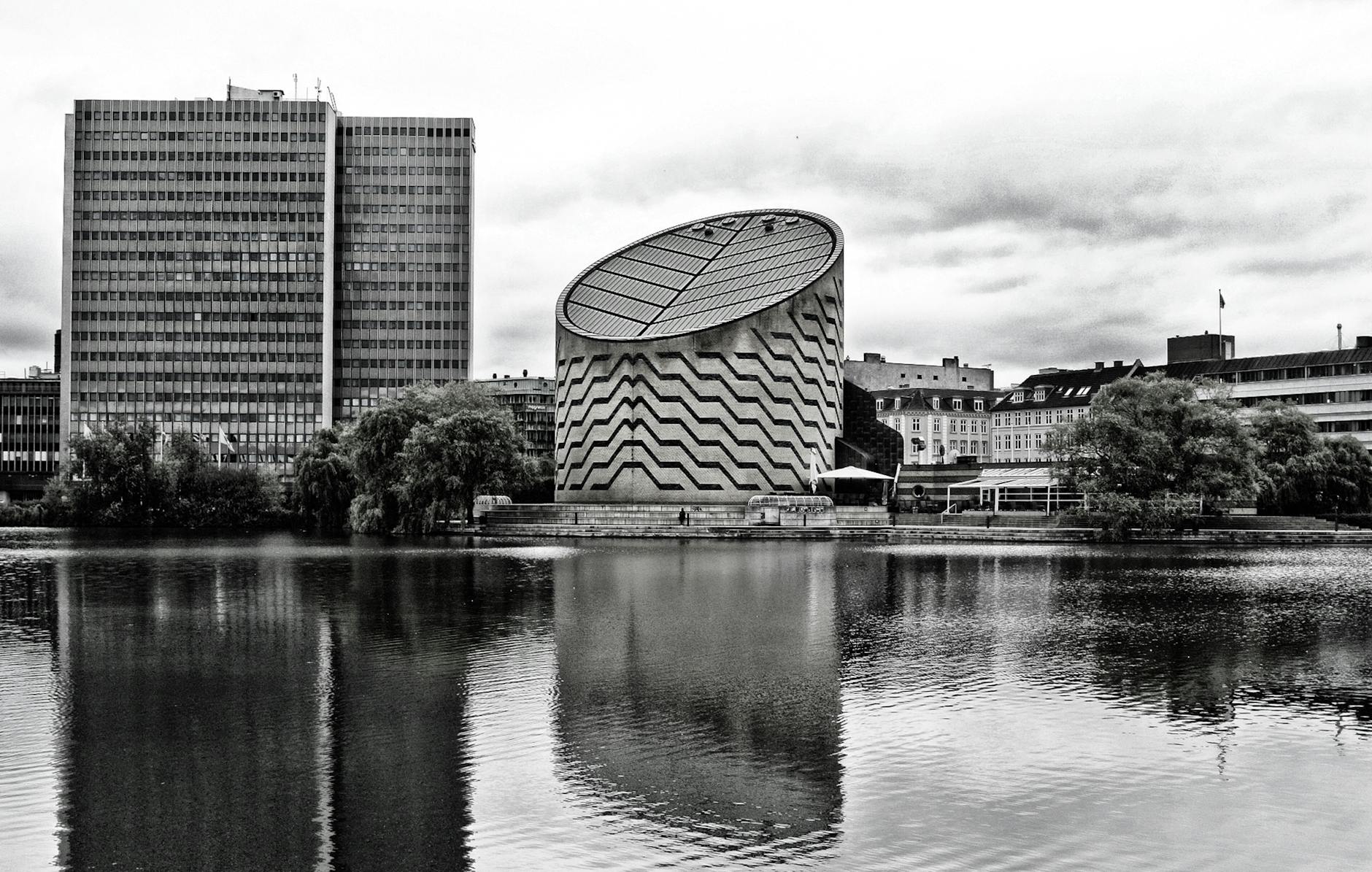
Season changes the conference experience. Winter can mean short daylight, icy sidewalks, heavy coats, slower walking, and more need for taxis. Summer can make waterfront events and late walks attractive, but the long light can also encourage overcommitment. The attendee should plan for the month, not for a generic city conference.
Movement between venue, hotel, dinner, and station should be tested. A ten-minute walk in dress shoes can be a different proposition in slush, wind, or darkness.
- Add buffers for winter darkness, ice, snow, slush, wind, coats, and slower walking.
- Check venue-to-hotel and dinner-to-hotel routes before relying on them.
- Use transit or taxis when they protect punctuality, appearance, or stamina.
When to order a short-term travel report
A conference attendee with a venue hotel, flexible arrival, and no critical obligations may not need a custom Oslo report. A report becomes useful when the trip includes a presentation, booth, executive support, tight arrival, winter weather, several side meetings, expensive lodging decisions, accessibility needs, or complex networking.
The report should test venue geography, airport rail, hotel access, registration timing, presentation materials, exhibit logistics, networking locations, winter movement, meal costs, medical fallback, recovery blocks, and what to cut. The value is a conference trip that protects the professional purpose from avoidable friction.
- Order when venue, presentation, booth, meetings, winter, budget, or access needs testing.
- Provide dates, venue, schedule, flight times, hotel options, role, materials, and constraints.
- Use the report to make the conference productive rather than merely attended.