
Oslo can be an efficient business destination, but it rewards precise planning. The airport rail link, compact central districts, strong English proficiency, modern waterfront, and business areas around Bjorvika, Barcode, Aker Brygge, Tjuvholmen, and the city center can make a short trip work well. They can also make travelers underestimate cost, weather, and timing. A business visitor should build the trip around the actual meeting geography: office location, client dinner, hotel work setup, airport train, winter conditions, and the next onward move. The goal is not to see Oslo in general. The goal is to arrive prepared, move cleanly, and avoid letting small logistics weaken the business purpose.
Anchor the trip to meeting geography
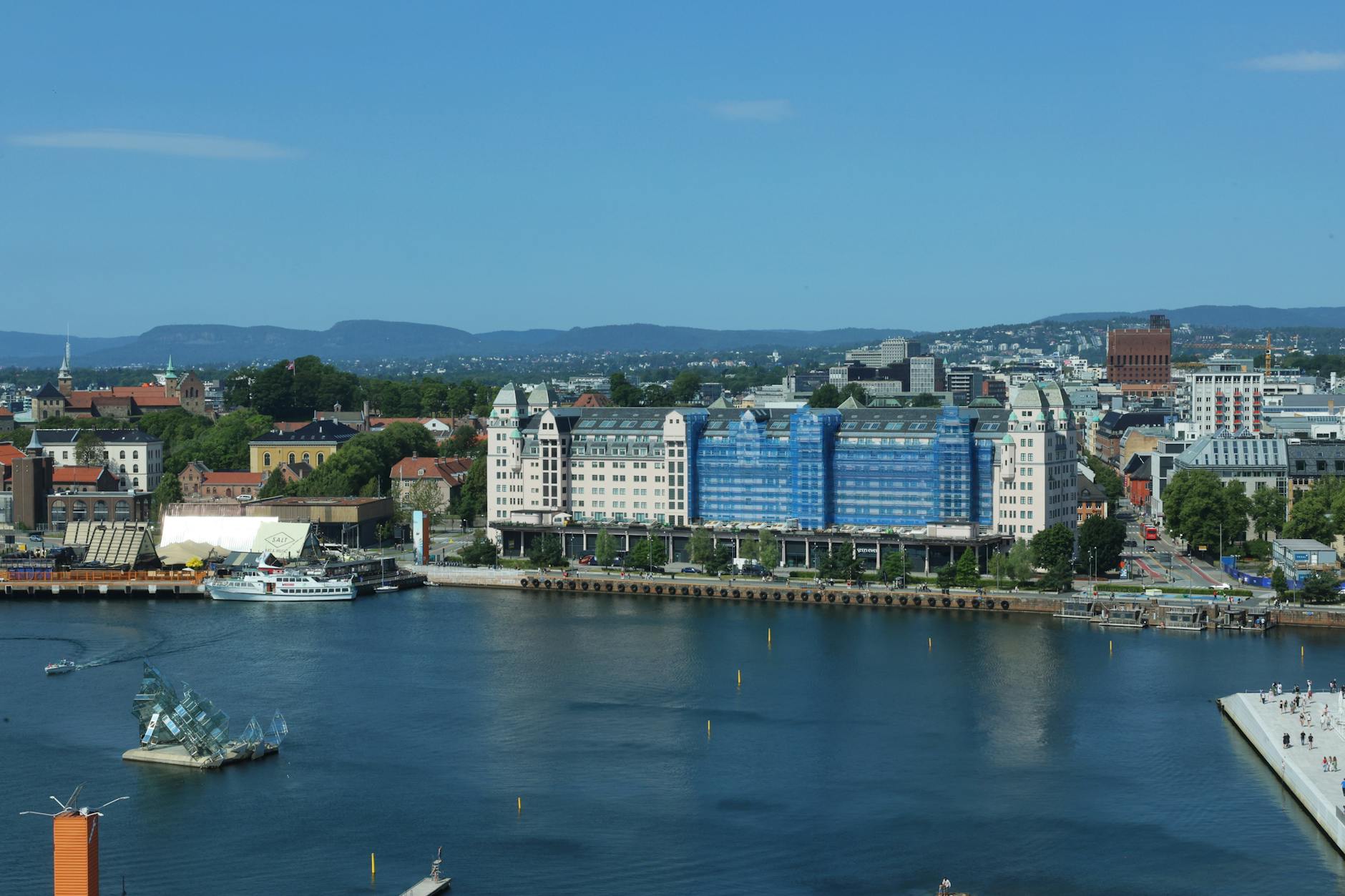
The first Oslo business decision is where the work actually happens. Bjorvika, Barcode, Aker Brygge, Tjuvholmen, the city center, Lysaker, Fornebu, and other office areas create different hotel and transport choices. A central hotel can still be wrong if the main meeting is across the city in winter weather.
The traveler should map office entrances, meeting times, client dinner location, airport rail access, and any side meetings before choosing a base. Oslo is not enormous, but business trips fail through small timing errors more often than through distance alone.
- Map exact office addresses, dinner locations, airport rail access, and side meetings first.
- Choose lodging around the work route, not only the most recognizable district.
- Check whether meetings are central, waterfront, Fornebu, Lysaker, or elsewhere.

Use the airport train deliberately
Oslo Airport can be highly workable for business travelers because rail links connect the airport and city efficiently. The traveler should still know which train they are using, how tickets work, where the hotel sits relative to Oslo S or Nationaltheatret, and what to do if the arrival is delayed late in the evening.
A business traveler with luggage, winter clothing, samples, presentation materials, or a tight first meeting should not rely on vague station familiarity. The first transfer should be treated as part of the workday.
- Confirm airport rail ticketing, station choice, hotel walking route, and late-arrival backup.
- Account for luggage, weather, presentation materials, and the first meeting start time.
- Do not assume a quick airport link removes the need for transfer planning.
Book a hotel that supports work
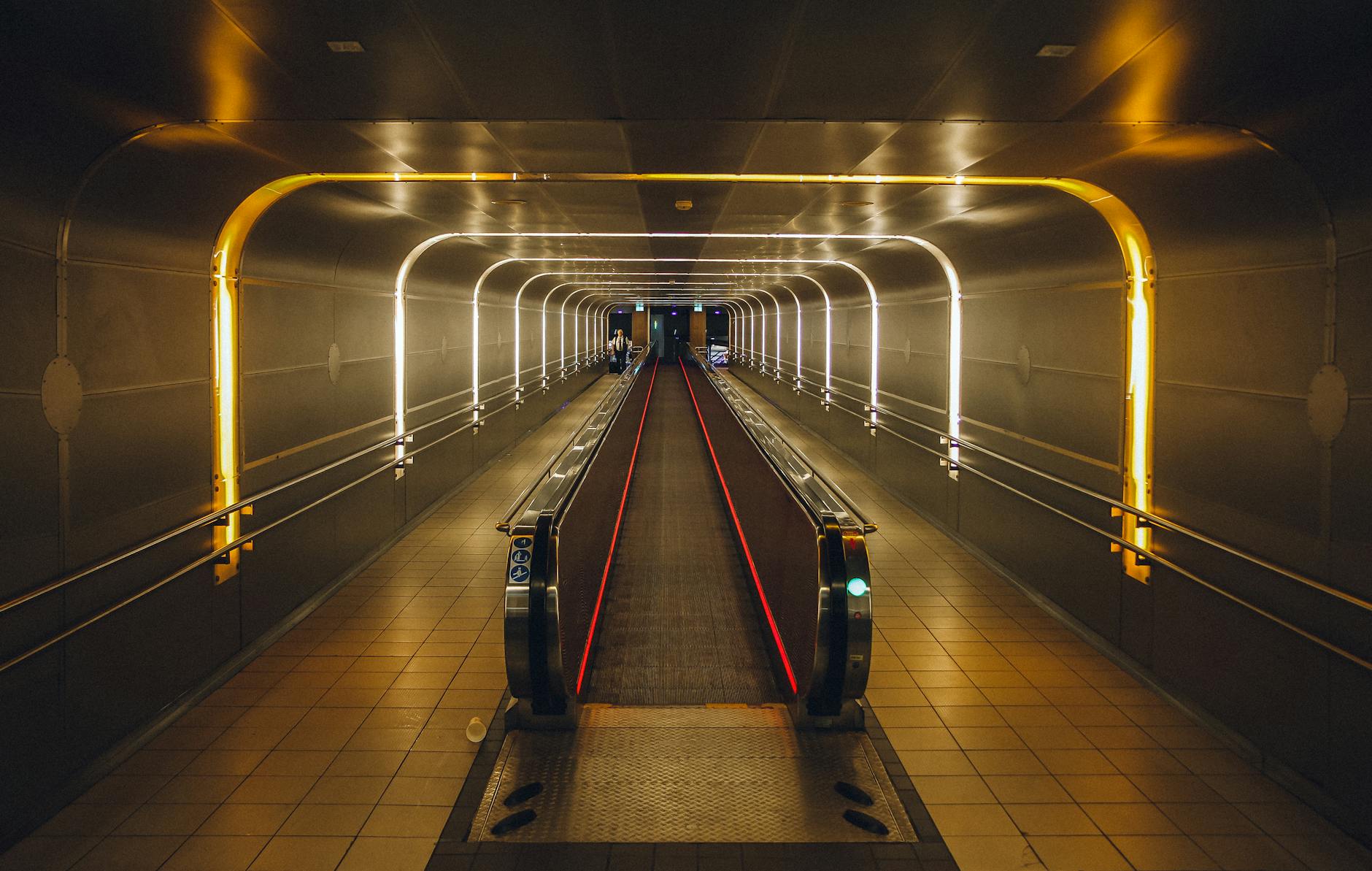
A business hotel in Oslo should be judged by work reliability: desk, Wi-Fi, breakfast timing, quiet calls, late check-in, room temperature, gym or recovery needs, ironing, luggage storage, and fast routes to the main meeting. A stylish waterfront location may be excellent, but only if it fits the schedule.
Winter changes the calculation. A short walk in May can be a different proposition in snow, slush, darkness, or wind. The traveler should know whether they can reach meetings professionally dressed without arriving overheated, soaked, or delayed.
- Check desk, Wi-Fi, quiet calls, breakfast, late access, luggage storage, and meeting routes.
- Test winter walking time, footwear, coat storage, and arrival appearance.
- Choose style only after the hotel passes the workday test.
Budget for Oslo costs and payment norms
Oslo can surprise business travelers with high costs for hotels, taxis, restaurants, drinks, and last-minute changes. The traveler should build the budget around actual local pricing rather than a generic Europe assumption. Expense rules should be checked before client dinners or urgent transport decisions.
Payment is generally card-friendly, but the traveler should still confirm card acceptance, foreign transaction settings, receipt requirements, VAT documentation, and whether company policy treats alcohol, taxis, and premium hotels differently. Cost control is easier before the meeting week begins.
- Estimate hotels, taxis, meals, drinks, last-minute changes, and client dinner costs realistically.
- Check card settings, receipt rules, VAT documentation, and expense policy before travel.
- Avoid letting high local costs force awkward decisions during the business day.
Respect punctuality, daylight, and weather
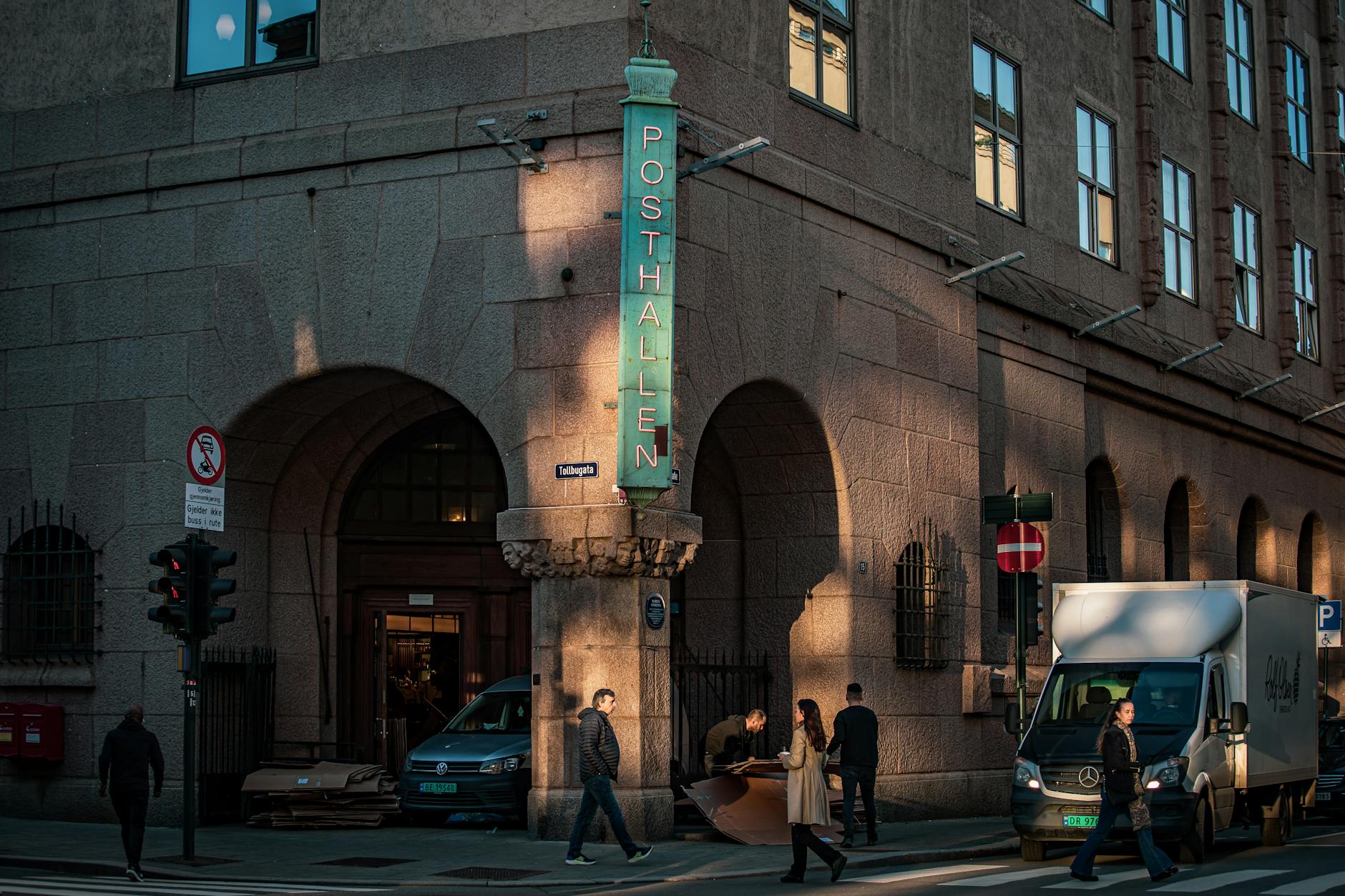
Oslo business culture generally rewards punctuality and direct preparation. A traveler should not build a schedule that depends on shaving every transfer to the minimum. Weather, darkness, icy sidewalks, wardrobe changes, and public transport adjustments can all affect the day, especially outside summer.
Daylight also matters for energy and scheduling. A winter business trip may feel compressed, while a summer trip can stretch social commitments late into long evenings. The traveler should decide where the day needs discipline and where it can be flexible.
- Add buffers for weather, darkness, winter walking, wardrobe, and public transport changes.
- Arrive early enough to avoid making local contacts wait.
- Plan client meals and evening commitments around the next work obligation.
Protect documents, tech, and contingency time
A business visitor may be carrying laptops, adapters, contracts, samples, credentials, confidential notes, presentation files, and backup devices. Oslo is manageable, but the traveler should still plan charging, secure storage, cloud access, offline files, and what happens if a bag is delayed or a laptop problem appears.
Contingency time is not wasted time. A short Oslo trip should leave enough room for one delayed arrival, one meeting overrun, one weather issue, or one client-requested change. A schedule with no slack turns small friction into business risk.
- Prepare adapters, offline files, secure storage, backup devices, and cloud access.
- Leave contingency time for delays, overruns, weather, and client changes.
- Keep the business purpose protected even if one logistical element shifts.
When to order a short-term travel report
A business visitor with one central meeting, a familiar hotel, and flexible timing may not need a custom Oslo report. A report becomes useful when the trip has several meeting sites, winter conditions, tight transfers, high-value negotiations, client dinners, onward travel, unusual equipment, or uncertainty about where to stay.
The report should test airport rail, hotel location, office geography, weather, walking routes, taxis, restaurant timing, expense pressure, work setup, contingency time, medical fallback, and what to cut. The value is an Oslo business trip that remains calm and productive when the schedule tightens.
- Order when meetings, transfers, winter weather, costs, or client obligations need testing.
- Provide dates, flight times, meeting addresses, hotel options, budget rules, and work constraints.
- Use the report to protect the business purpose from avoidable travel friction.