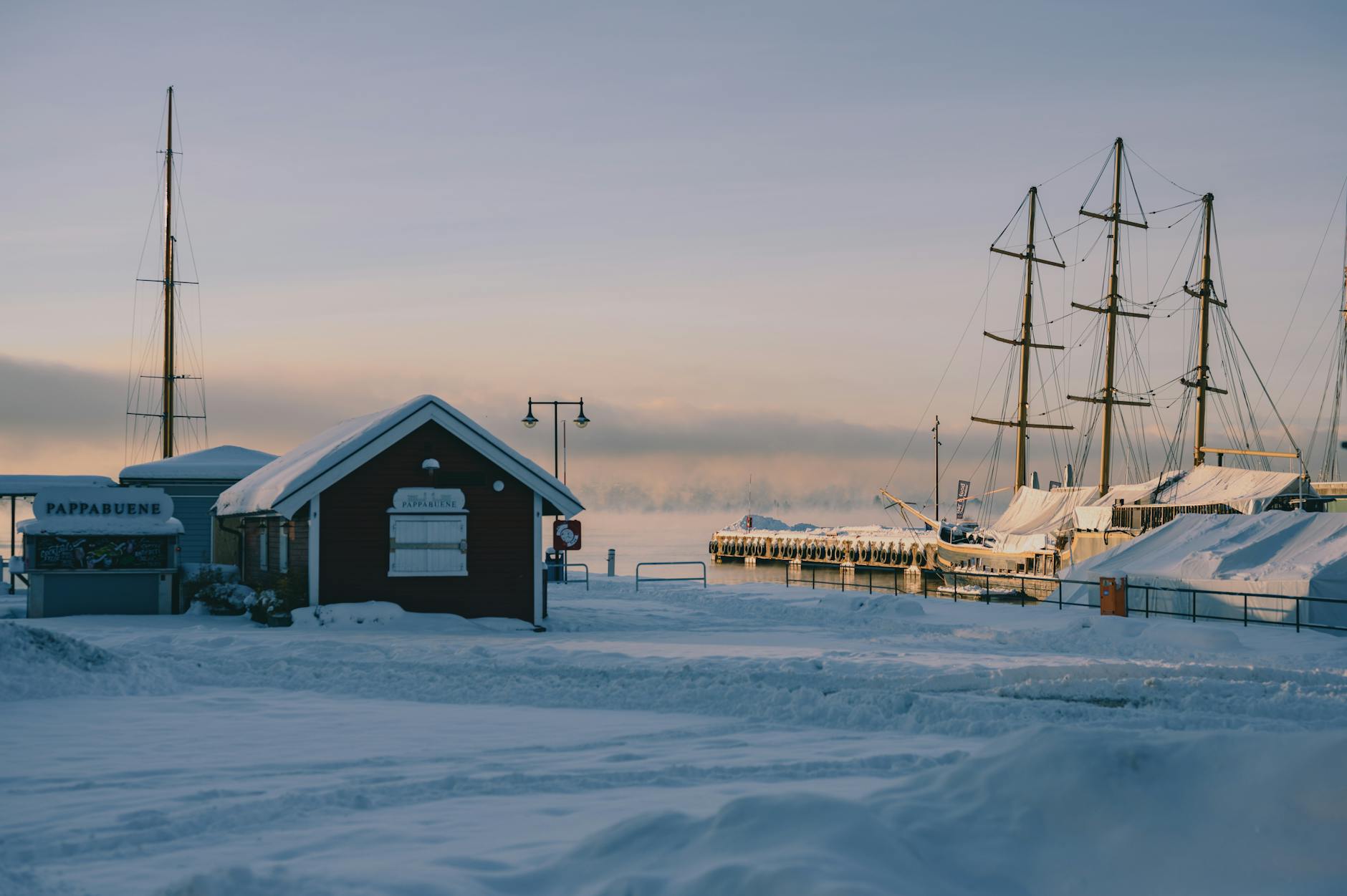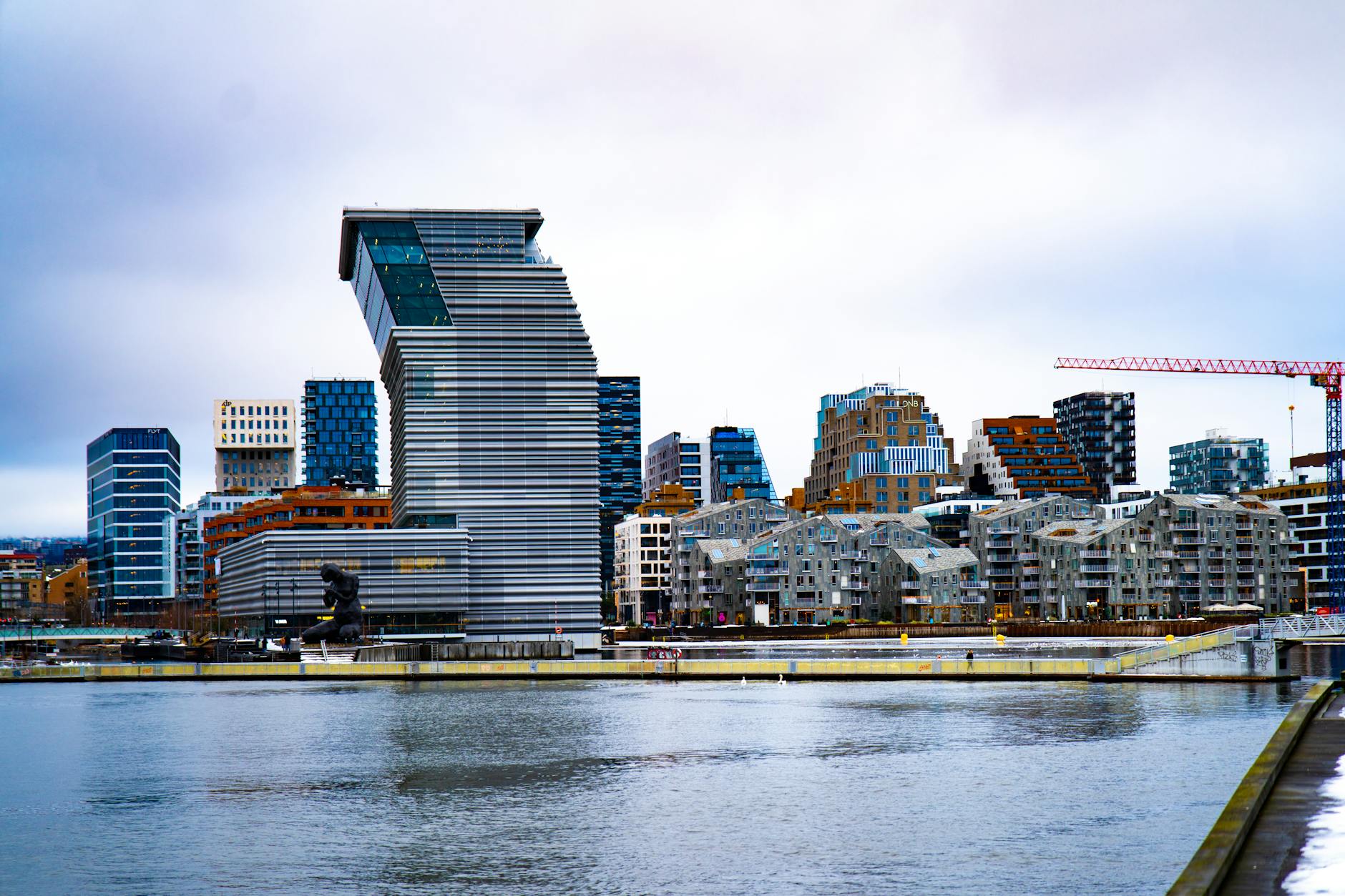
Oslo can be difficult for budget travelers because the city's baseline costs are high: lodging, meals, coffee, drinks, taxis, and last-minute changes can all add up quickly. It can still work on a tighter budget if the traveler plans around location, transit, food, free outdoor time, and selective paid sights. The goal is not to make Oslo cheap in an absolute sense. It is to avoid false savings. A poorly located room, unplanned meals, weak winter clothing, or repeated taxis can cost more than a deliberate, compact plan.
Price the real Oslo before booking
A budget traveler should price Oslo honestly before committing to flights. Hotels, hostels, apartments, food, museum tickets, transit, ferries, drinks, and taxis can be higher than expected. The traveler should know the likely daily cost, not just the cheapest bed price.
This is especially important for short trips. A low airfare can be misleading if lodging is expensive, arrival is late, meals are improvised, and weather forces paid convenience.
- Estimate lodging, food, transit, museums, ferries, taxis, and flexible extras before booking.
- Compare total trip cost, not just flight or room price.
- Keep a reserve for weather, fatigue, or late-arrival decisions.
Do not let cheap lodging create expensive movement
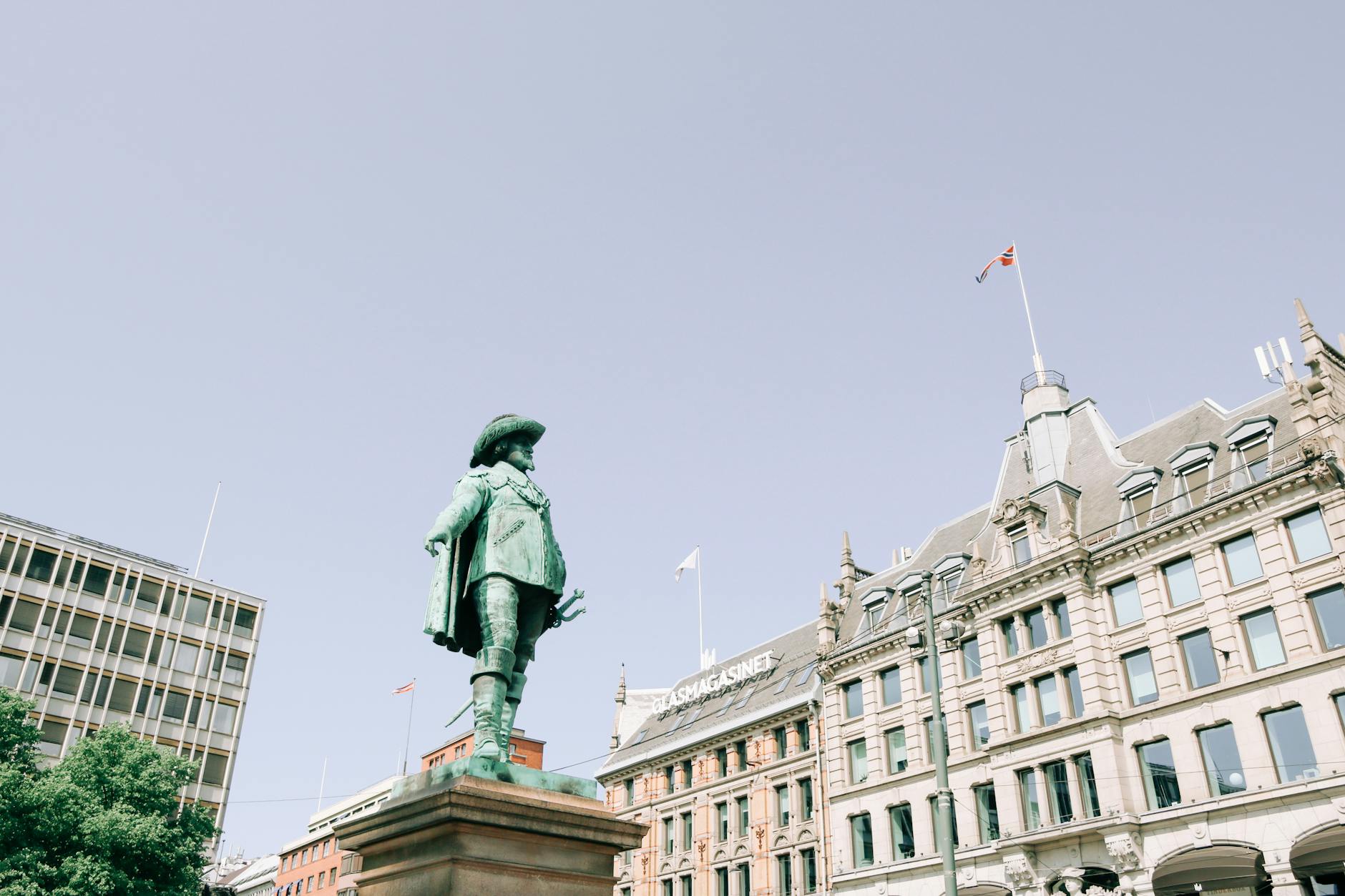
The cheapest lodging is not always the cheapest trip. A room far from airport rail, food, transit, or the main sightseeing route can create repeated fares, long walks, late taxis, or lost time. In winter, a distant or awkward base can be especially costly.
The budget traveler should compare location against the full day: arrival, breakfast, first sight, evening return, supermarket access, and onward travel. Paying slightly more for a useful base can reduce total friction.
- Evaluate lodging by arrival route, transit, food, evening return, and daily walking radius.
- Avoid remote savings that trigger taxis or repeated long transfers.
- Choose a base that keeps the main Oslo plan compact.
Use rail, transit, and walking with intent
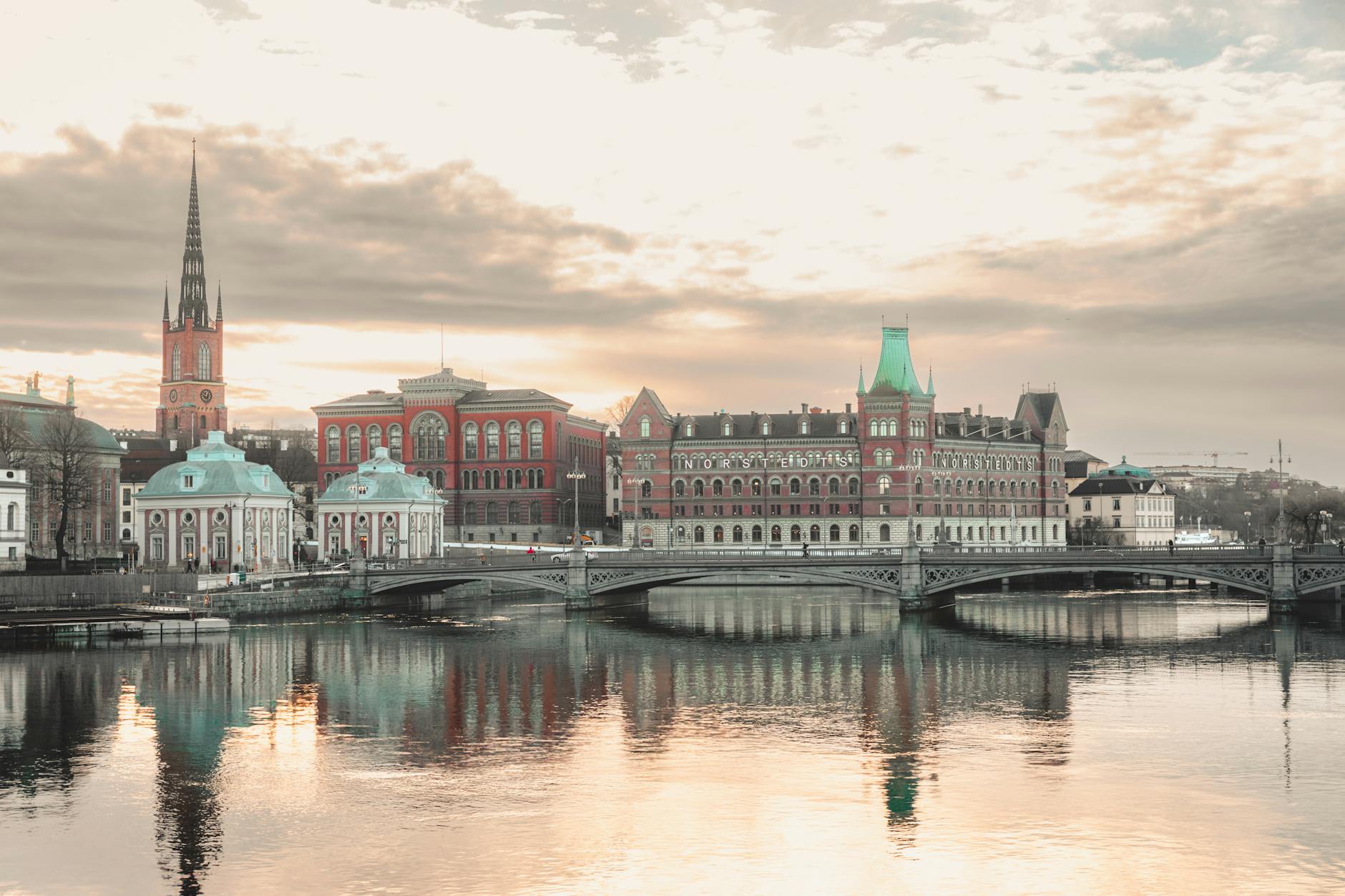
The airport rail, trams, buses, metro, ferries, and walking can help control Oslo costs. The traveler should understand ticketing, pass value, zones, station choice, and when walking is actually better than riding. A small amount of transit preparation can prevent unnecessary taxis.
Walking should still be realistic. Budget travelers sometimes push too far because walking is free. In Oslo, weather, hills, winter footing, and museum fatigue can make a free walk costly in energy.
- Learn airport rail, local transit ticketing, pass value, zones, and station choices.
- Use walking where it saves money without draining the day.
- Budget for the occasional taxi when it protects safety, sleep, or health.

Build days around free and low-cost Oslo
Oslo has budget-friendly strengths: waterfront walks, the Opera House exterior and roof, parks, City Hall area, public library time, neighborhood wandering, harbor views, seasonal markets, and carefully chosen ferry or transit rides. These can create a real trip without paying for every hour.
The traveler should still select a few paid experiences if they matter. One museum that fits the trip can be better value than trying to avoid every admission fee and leaving with a thin visit.
- Use waterfront walks, parks, public spaces, viewpoints, and neighborhoods as core experiences.
- Choose paid museums or activities selectively rather than avoiding all admission fees.
- Group free and paid stops by geography to avoid wasted fares.

Plan food before hunger gets expensive
Food is one of the easiest ways for a budget Oslo trip to drift. The traveler should identify hotel breakfast value, supermarkets, bakeries, casual food, food halls, picnic options, and which meal deserves a splurge. Wandering hungry in an expensive city rarely leads to the best choice.
Alcohol and repeated cafe stops can also change the budget quickly. The plan should make room for pleasure without letting every break become a surprise cost.
- Identify supermarkets, bakeries, casual meals, food halls, and breakfast value before arrival.
- Choose one or two deliberate food splurges if they matter.
- Track coffee, snacks, drinks, and late meals because small costs accumulate fast.
Do not save money by ignoring weather
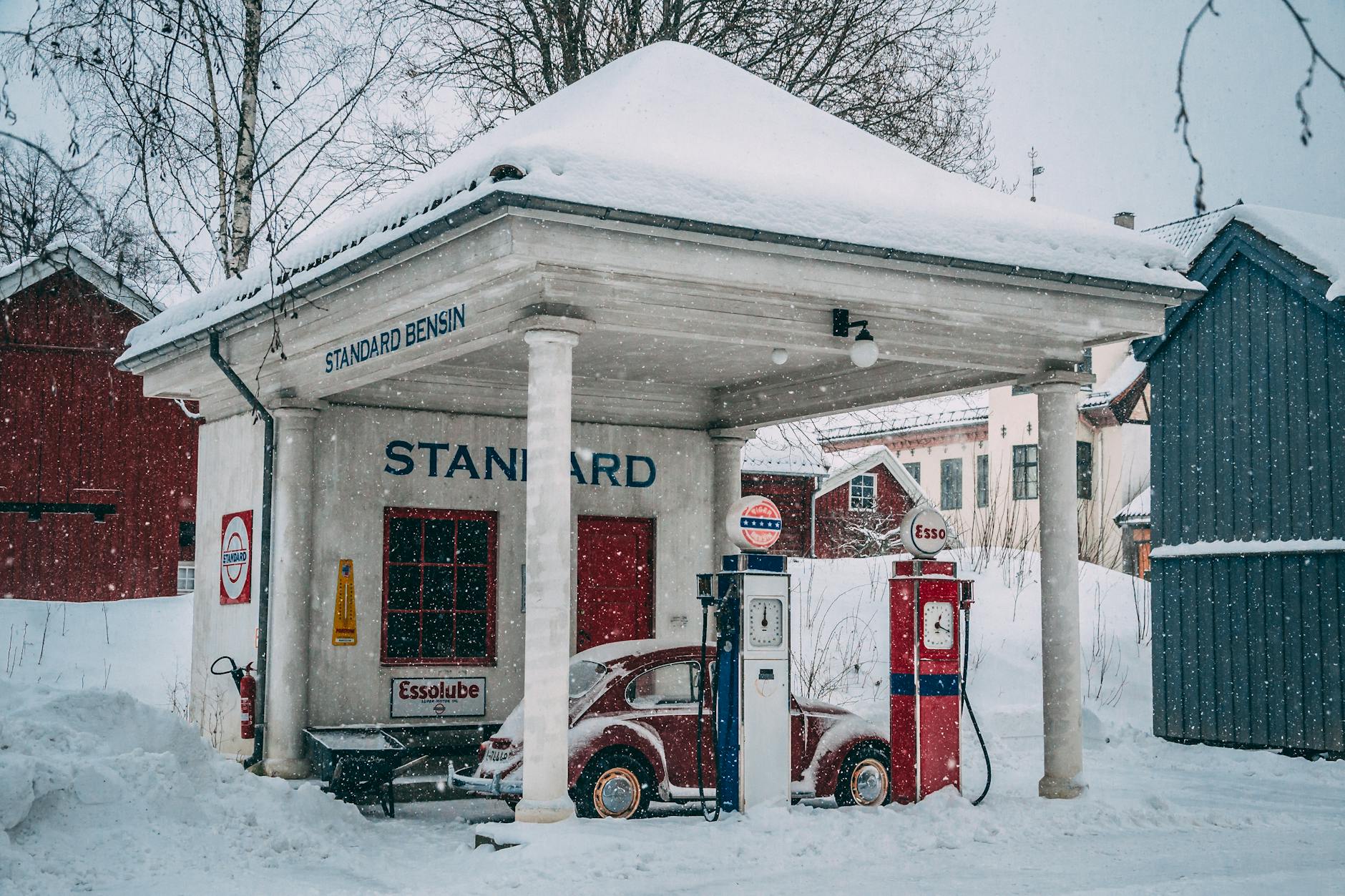
Weak clothing can become expensive in Oslo. Winter cold, ice, slush, rain, and wind can force taxis, shorten outdoor time, or send the traveler into paid indoor stops. Budget travelers should pack shoes and layers that let free walking and parks remain viable.
Season also affects daylight and ferry value. The cheapest plan is not always the same in January, May, and August. A good budget itinerary changes by month.
- Pack weather-appropriate shoes and layers so free outdoor time remains realistic.
- Build different plans for winter darkness, summer light, rain, and wind.
- Avoid false savings that lead to taxis, gear purchases, or miserable walking days.

When to order a short-term travel report
A budget traveler with flexible dates, simple lodging, and a relaxed summer plan may not need a custom Oslo report. A report becomes useful when the trip is short, winter-heavy, tied to expensive lodging decisions, dependent on public transport, or likely to suffer from false savings.
The report should test total cost, lodging location, airport rail, transit passes, free sights, paid museum choices, food strategy, walking distances, weather, taxi avoidance, medical fallback, and what to cut. The value is an Oslo trip that protects the budget without making the visit feel deprived.
- Order when lodging, transport, winter, food, museums, or total cost needs testing.
- Provide dates, flight times, lodging options, budget, interests, and comfort constraints.
- Use the report to avoid false savings and spend only where it changes the trip.