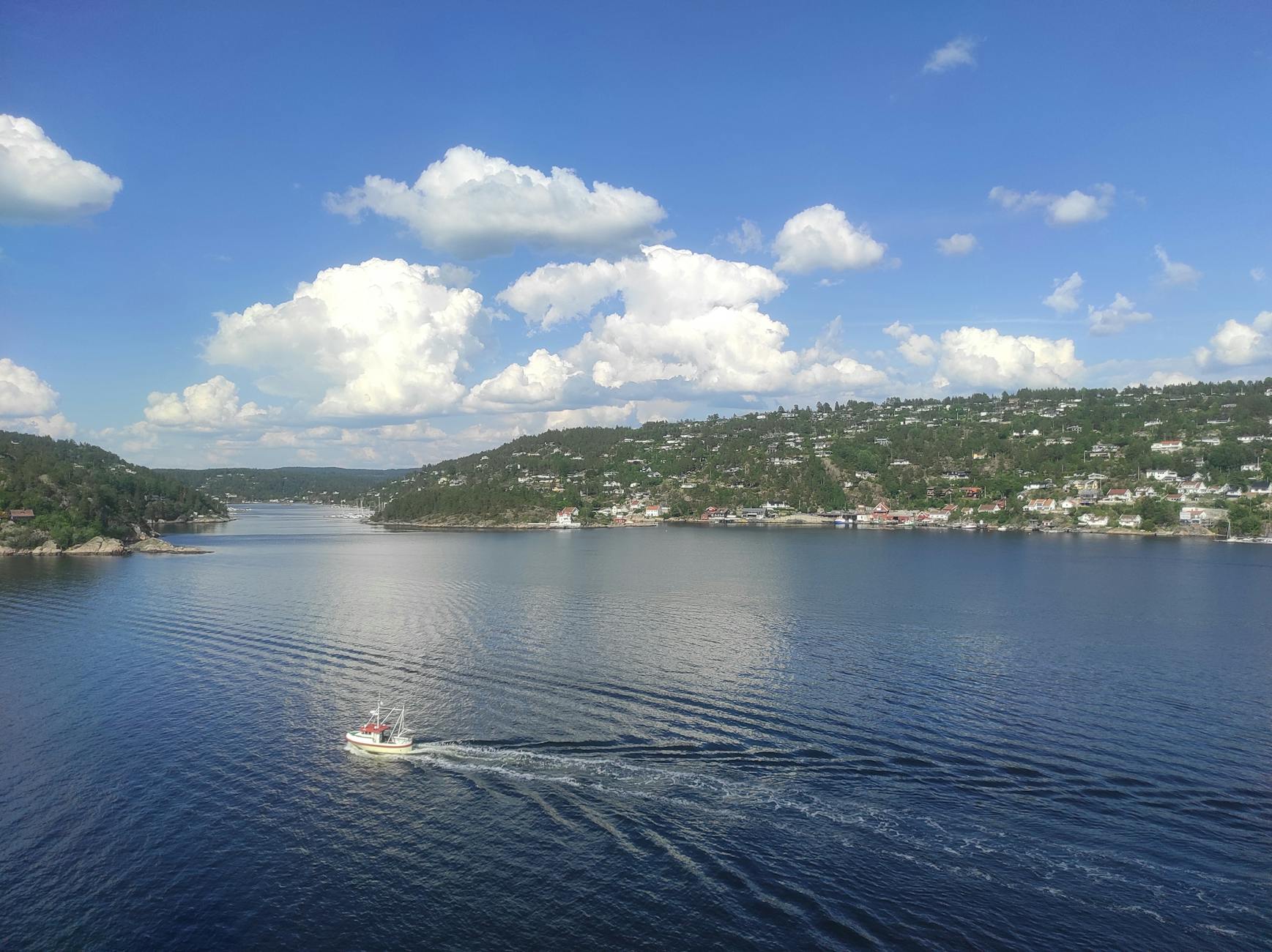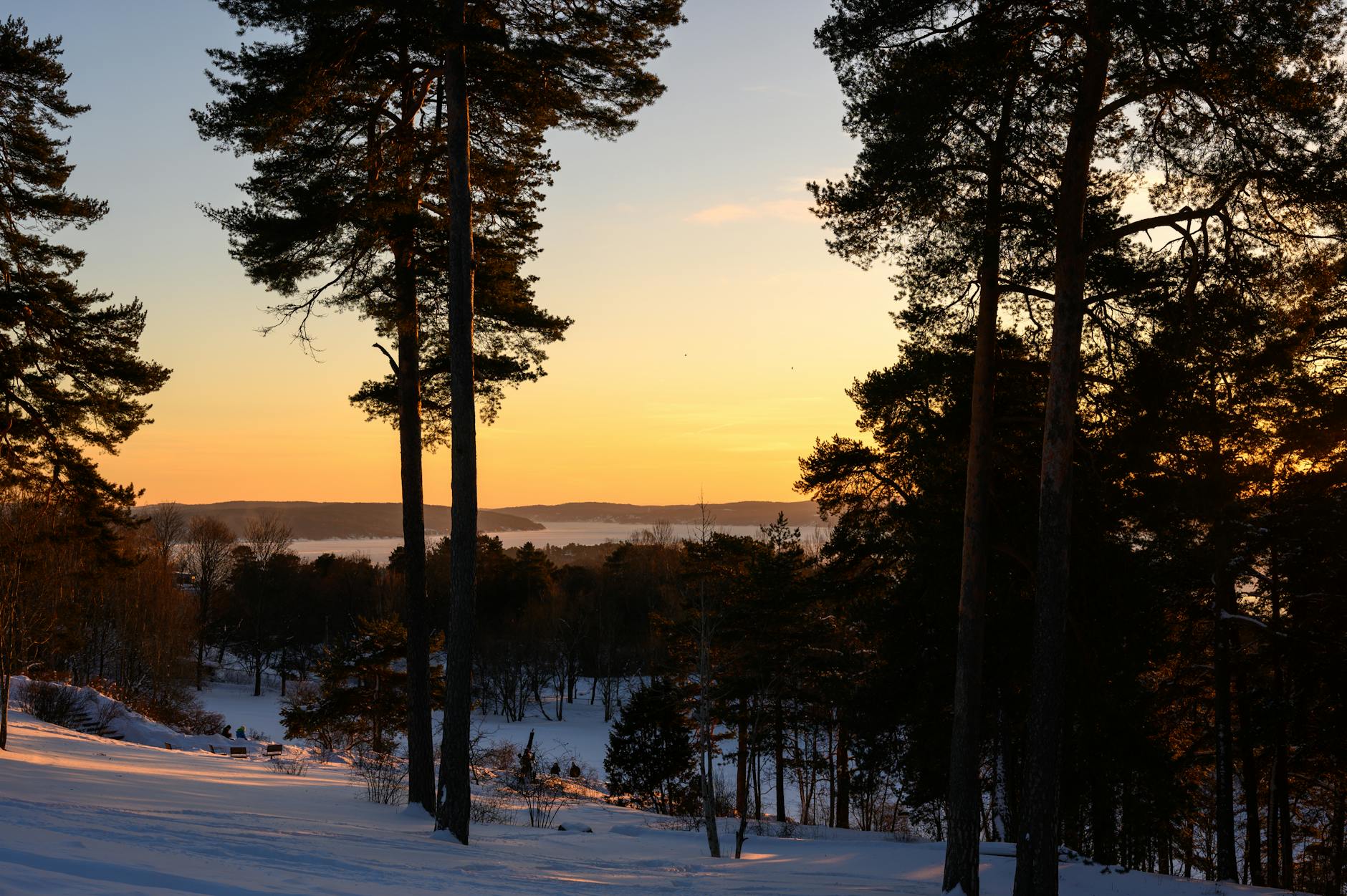
Oslo is unusually appealing for adventure and outdoor travelers because the city sits close to forest, fjord, islands, ski areas, waterfront paths, and easy transit. That convenience can create overconfidence. A visitor can move from a hotel to trails, ferries, cold water, or winter terrain quickly, but the outdoors still deserves real planning. The traveler should decide what kind of outdoor trip this is: forest walking, island hopping, kayaking, cold-water swimming, skiing, trail running, cycling, photography, or a city-and-nature sampler. Each version has different weather, gear, daylight, safety, and recovery needs.
Choose the outdoor objective by season
An outdoor traveler should start with the actual season, not a generic image of Norway. Oslo in January, May, August, and November can require very different plans. Snow, ice, short daylight, mud, wind, rain, swimming temperature, ferry schedules, and trail conditions all change the right objective.
The traveler should define one primary outdoor goal and one weather-safe backup. A short trip is stronger when it does one outdoor experience well than when it chases forest, fjord, islands, skiing, cycling, and museums in the same compressed schedule.
- Match the outdoor goal to the actual month, daylight, surface, water, and weather conditions.
- Choose one primary outdoor objective and one realistic backup.
- Avoid stacking too many outdoor categories into a short Oslo visit.
Understand the forest and fjord geography
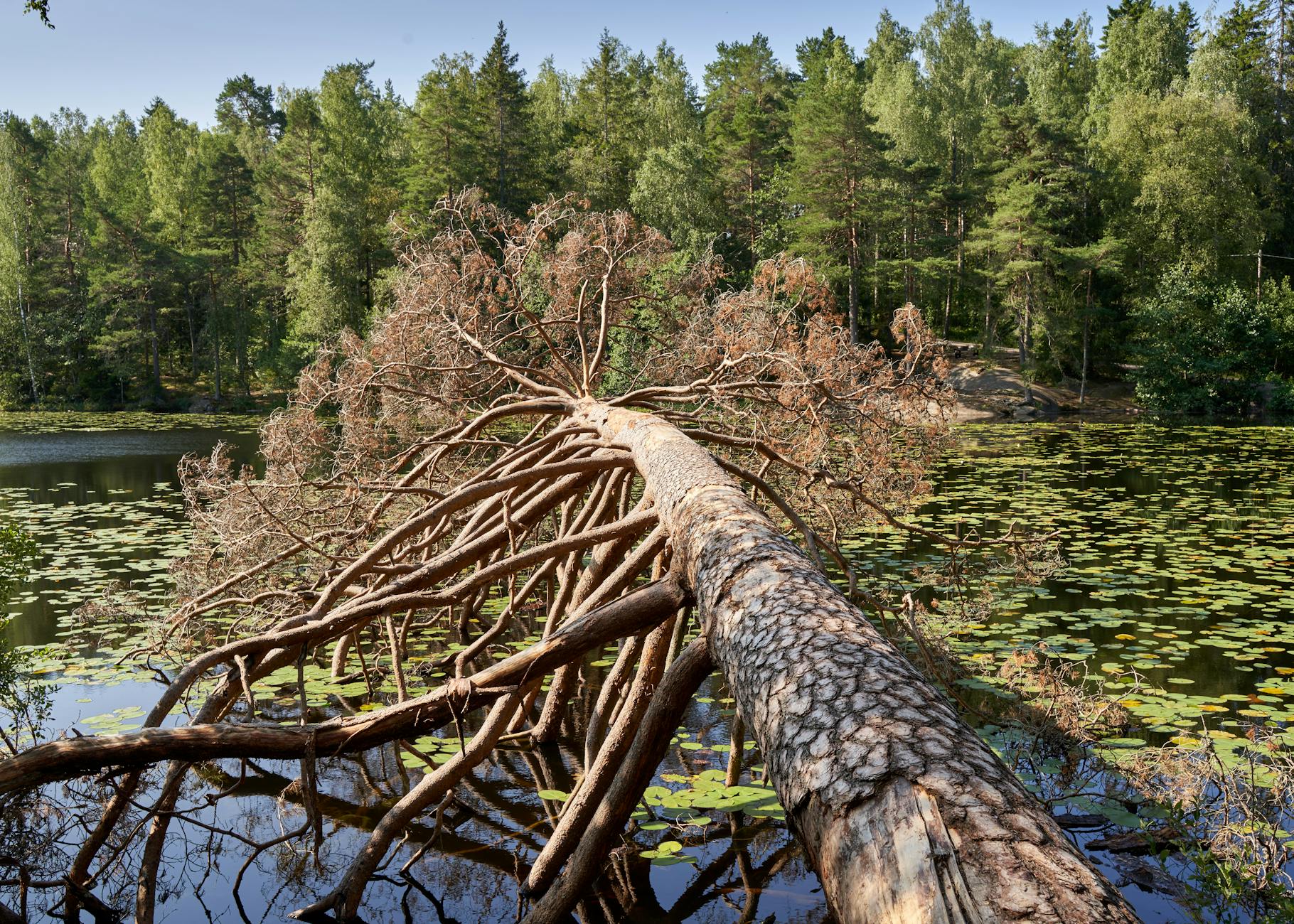
Oslo's outdoor appeal depends on geography. The marka forests, fjord islands, waterfront, lake areas, ski zones, and city parks are connected to the city, but they are not interchangeable. A forest day, island ferry day, waterfront run, and ski outing all require different transit and timing.
The traveler should decide whether the base needs to be near the station, waterfront, tram, metro, or a specific meeting point. A hotel that is excellent for restaurants may not be the best base for an early outdoor start.
- Separate forest, fjord, islands, waterfront, parks, and ski areas as different plans.
- Check transit links and last practical return before committing to an outdoor route.
- Choose lodging around the main outdoor start point when the trip is short.
Treat water and winter as real safety variables
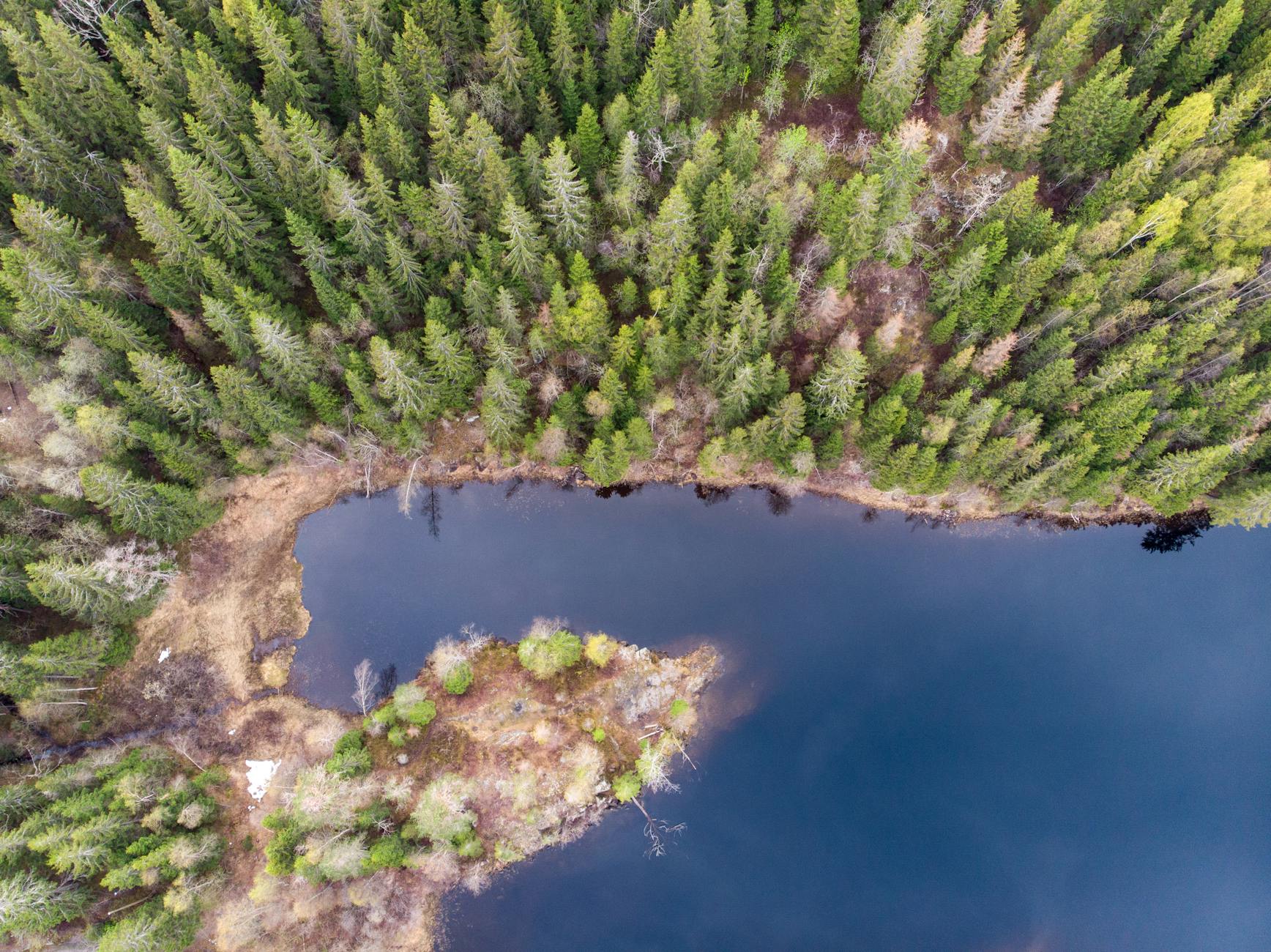
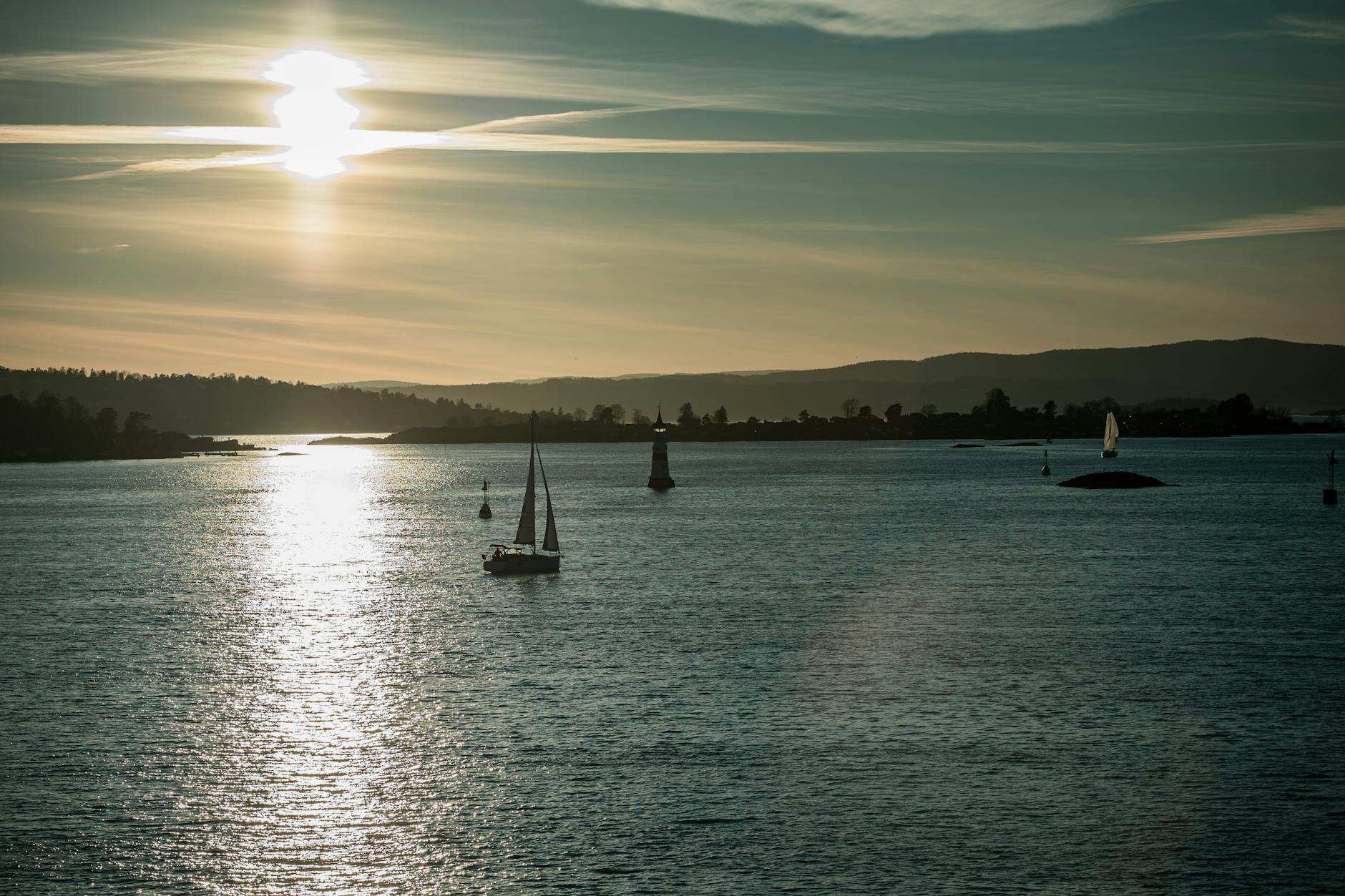
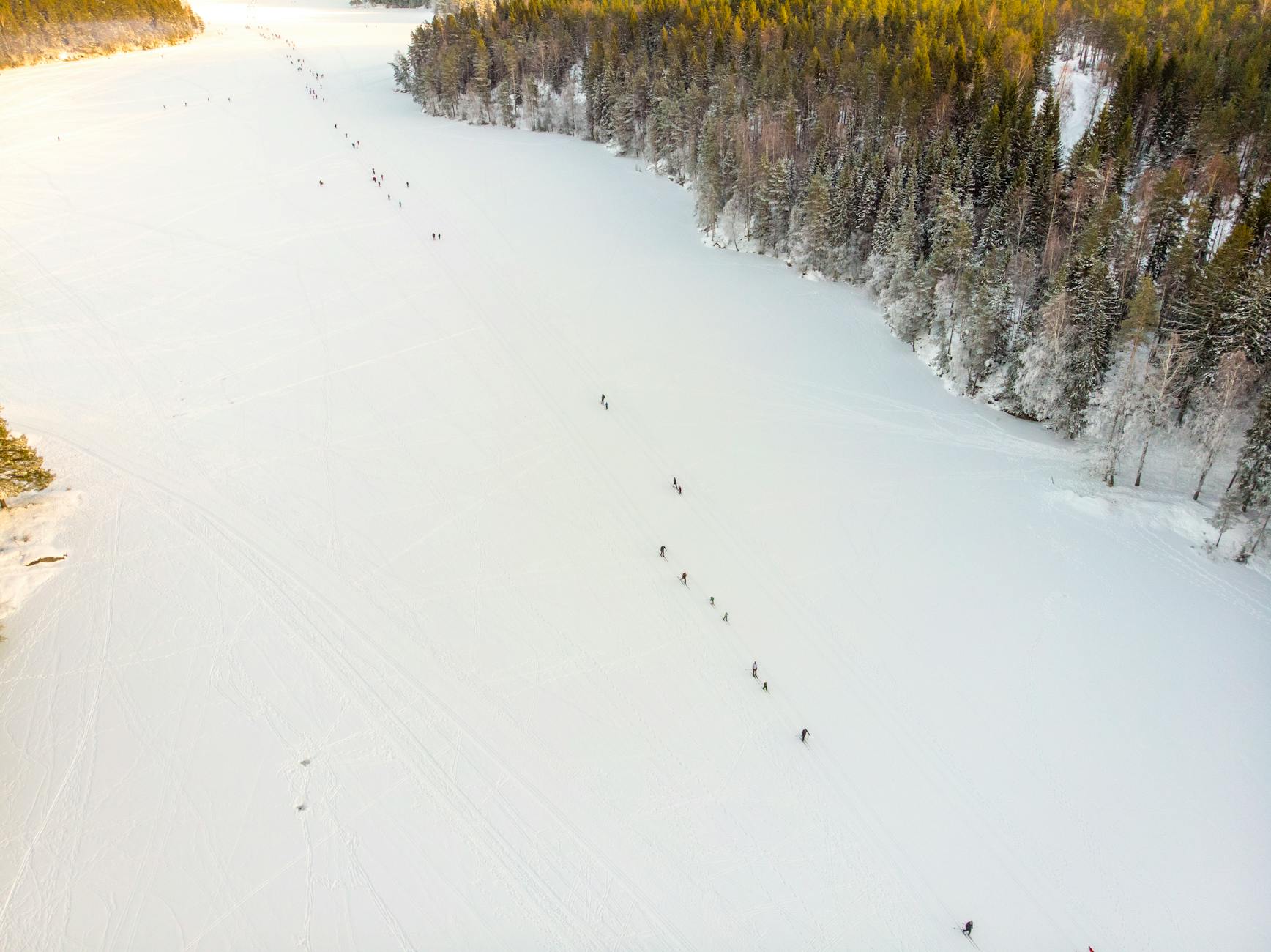
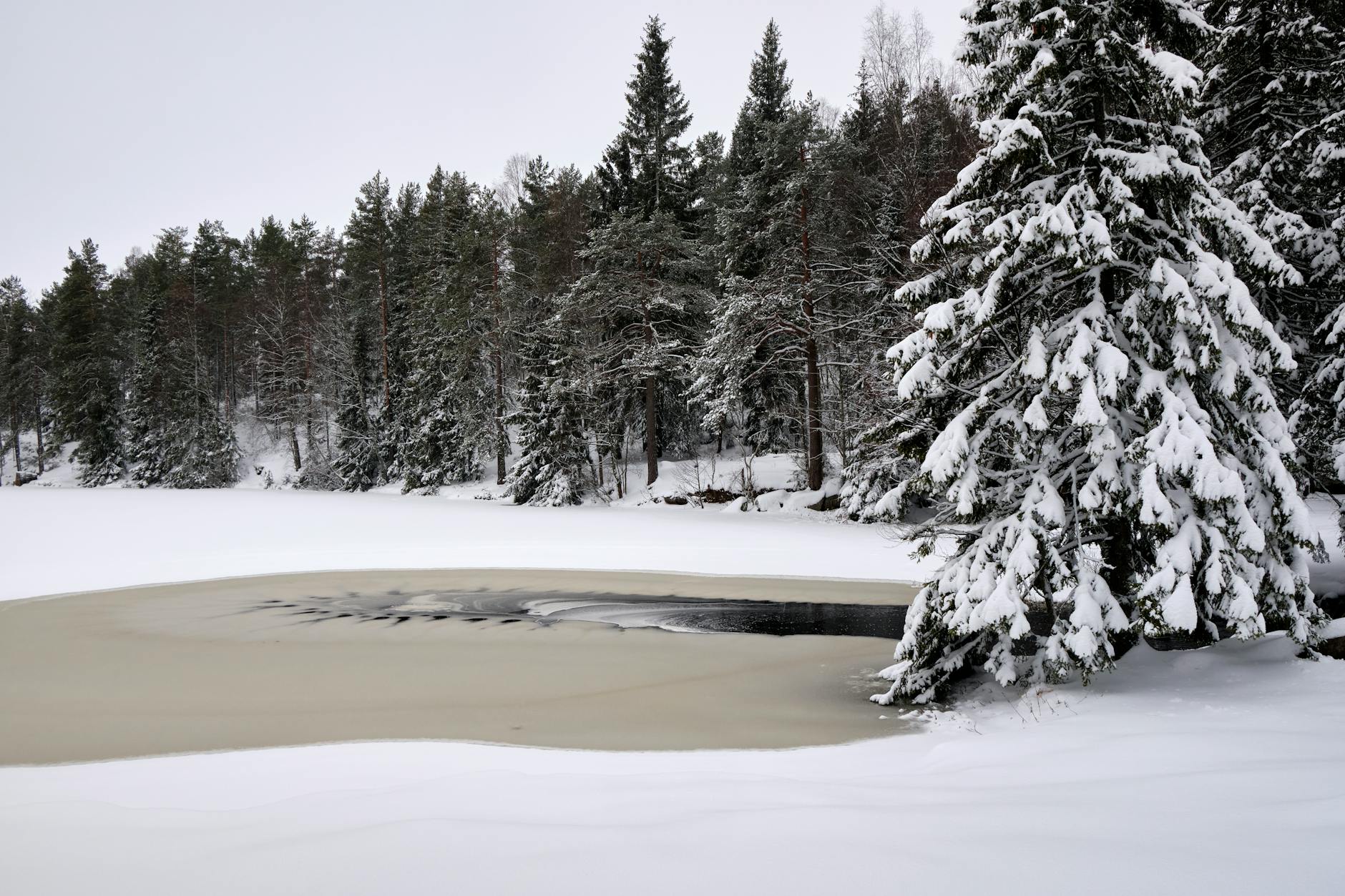
The fjord and winter landscape can look inviting while still carrying risk. Cold water, wind, ferry timing, slippery rocks, icy paths, short daylight, and fast weather changes should shape the plan. A traveler who is comfortable outdoors at home may still need different margins in Oslo.
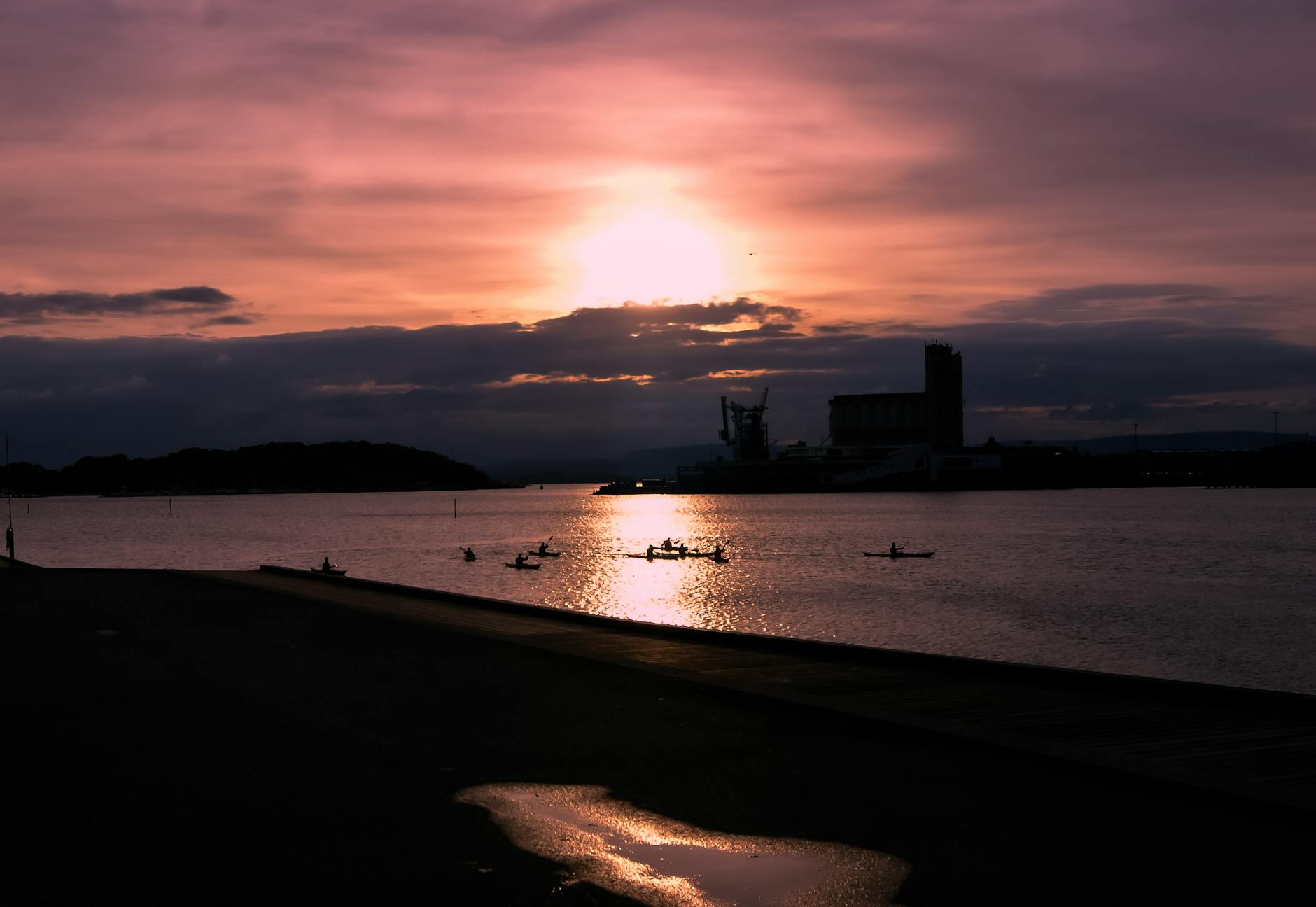
For kayaking, swimming, boating, winter walking, or skiing, the traveler should check local conditions, equipment quality, water temperature, route exposure, and emergency options. Adventure should be deliberate, not improvised from a pretty view.
- Check cold water, wind, ferry timing, ice, snow, daylight, and route exposure.
- Use proper gear and local guidance for kayaking, swimming, skiing, or winter routes.
- Keep an emergency and exit plan for outdoor activities beyond the waterfront.
Pack for the activity, not the postcard
Outdoor travelers should pack for the actual route and weather. Shoes, layers, gloves, rain shell, traction, water, snacks, dry bag, swim or sauna plan, phone battery, map access, and medication can all matter. Buying missing gear in Oslo can be expensive and time-consuming.
The packing list should also fit the rest of the trip. Wet clothing, muddy shoes, ski layers, or kayak gear can complicate hotel rooms, restaurants, transit, and flights if the traveler has not planned storage and drying time.
- Pack shoes, layers, rain shell, traction, water, snacks, dry bag, battery, and medication.
- Plan storage and drying time for wet, muddy, or bulky outdoor gear.
- Avoid relying on last-minute Oslo purchases for essential equipment.
Use transit and daylight conservatively
Oslo transit can make outdoor access feel easy, but daylight and return timing still matter. Metro, tram, bus, ferry, and walking links should be checked for the exact day, especially on weekends, holidays, winter days, and late afternoons. A route that starts easily can become awkward if the traveler misses the return rhythm.
The outdoor plan should include a turn-around time, indoor fallback, and a food plan. Fatigue and hunger make navigation worse, especially in cold or wet conditions.
- Check metro, tram, bus, ferry, and return timing for the exact date.
- Set a turn-around time based on daylight, weather, and energy.
- Include food, indoor fallback, and a clear route back to the hotel.
Balance city recovery with outdoor ambition
Outdoor travelers can underestimate recovery because Oslo makes nature feel close. A morning forest route, ferry day, or winter ski outing can still leave the traveler tired, wet, hungry, or behind on sleep. The city portion of the trip should account for that rather than assuming full energy every evening.
The traveler should decide which indoor experiences support recovery: sauna, quiet dinner, museum, hotel rest, simple cafe, or early night. The goal is not to reduce adventure. It is to protect the next day from the previous day's ambition.
- Leave recovery time after forest, fjord, ski, cycling, or water activities.
- Use meals, sauna, museums, hotel rest, and simple evenings as part of the outdoor plan.
- Do not let one ambitious day damage the rest of a short trip.
When to order a short-term travel report
An outdoor traveler with summer dates, flexible plans, and moderate goals may not need a custom Oslo report. A report becomes useful when the trip includes winter conditions, water activities, island ferries, ski plans, tight daylight, equipment questions, medical constraints, a mixed city-and-outdoor schedule, or uncertainty about which outdoor ambitions are realistic.
The report should test season, weather, route geography, transit, daylight, gear, safety margins, food, recovery, budget, medical fallback, and what to cut. The value is an Oslo outdoor trip that feels adventurous without depending on luck.
- Order when season, water, winter, gear, ferries, daylight, or safety needs testing.
- Provide dates, outdoor goals, fitness level, gear, hotel options, budget, and constraints.
- Use the report to turn Oslo's easy nature access into a realistic plan.