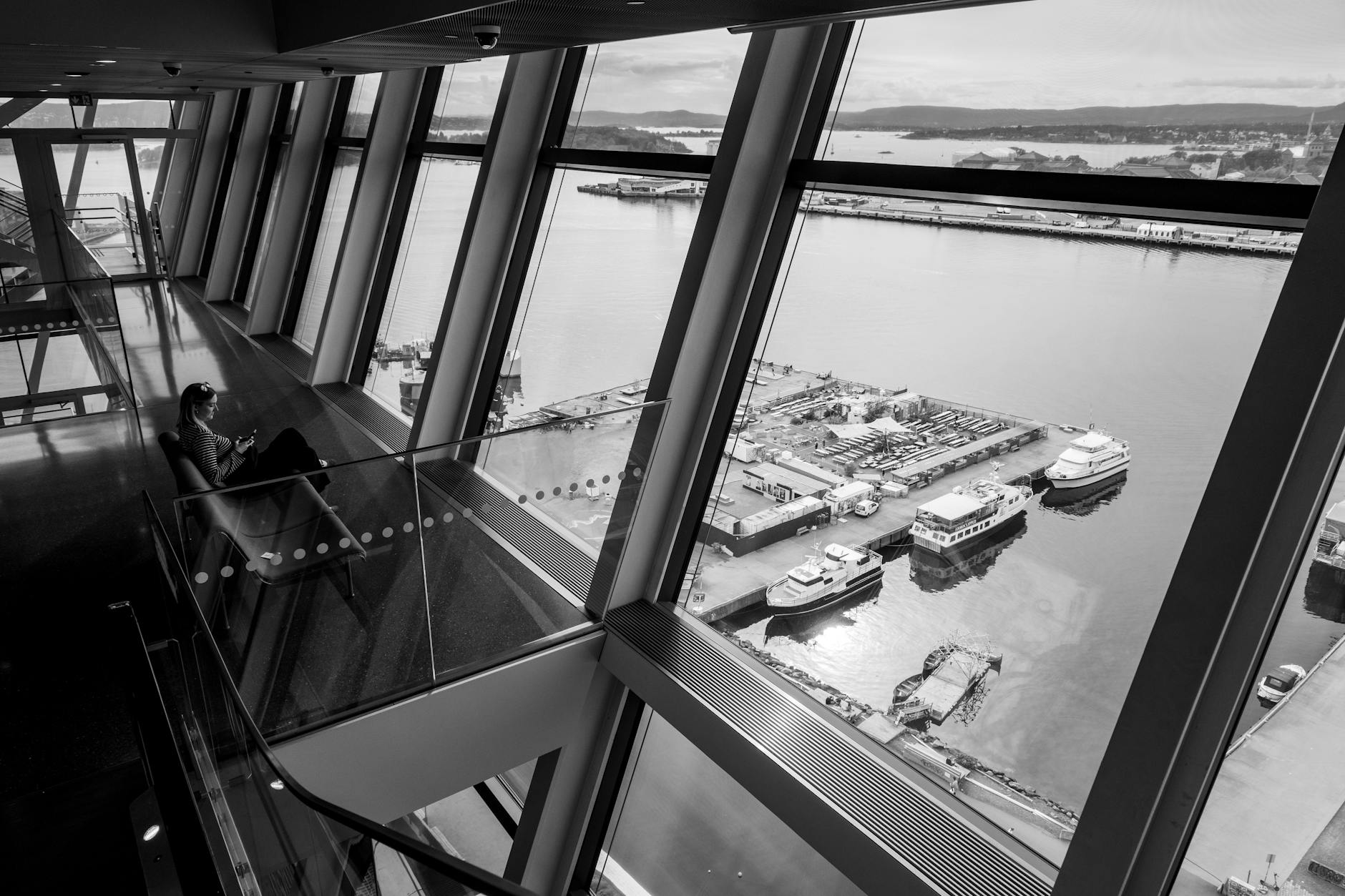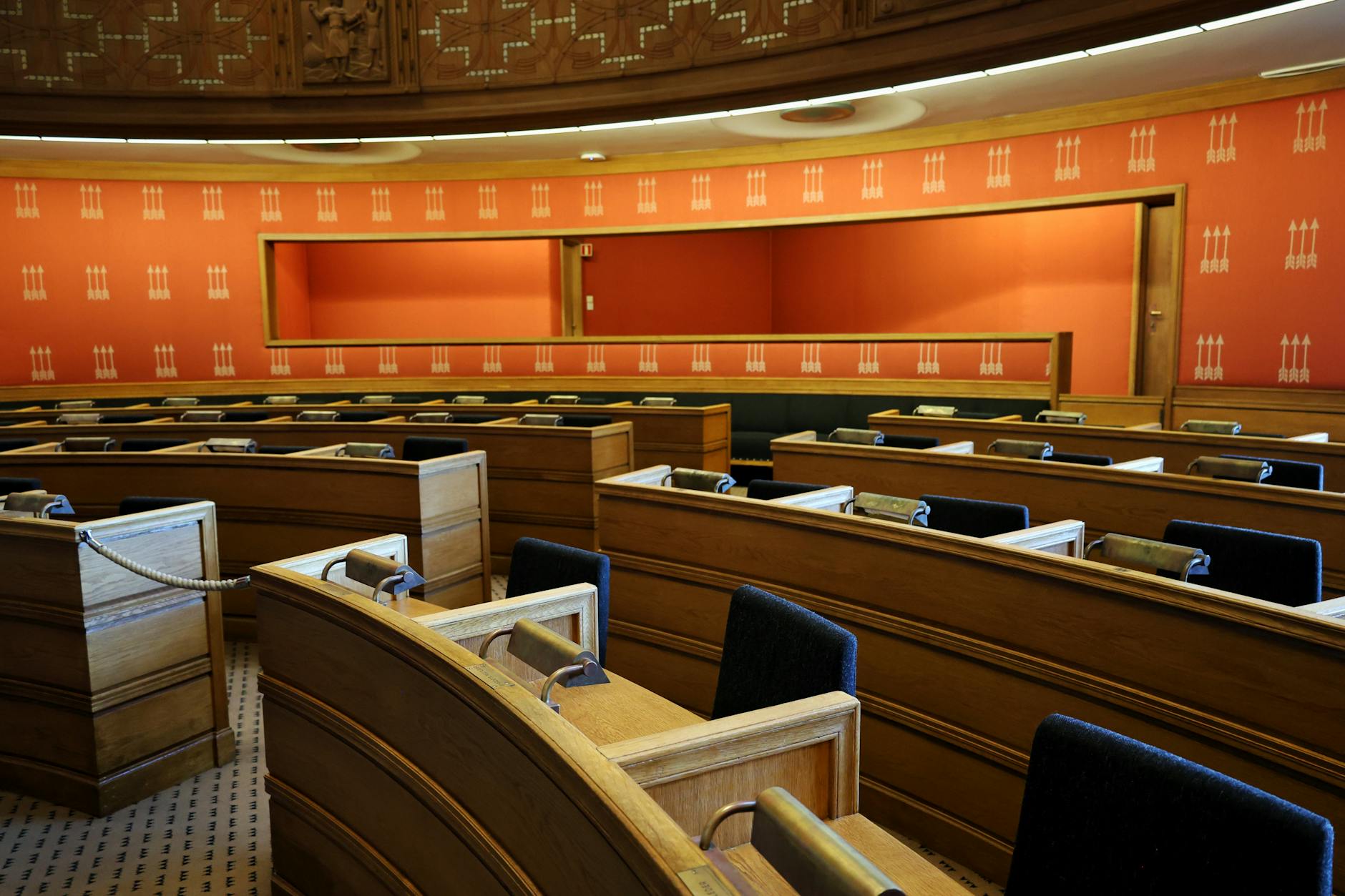
Oslo can be a strong academic conference destination because the city combines reliable infrastructure, English-friendly professional settings, university districts, modern waterfront venues, and straightforward airport rail. It can also be expensive, weather-sensitive, and unforgiving if the attendee assumes every Oslo address is equally convenient. The useful plan starts with the conference venue and the academic purpose. Is the trip built around presenting, interviewing, hiring, grant meetings, lab visits, poster sessions, workshops, or informal networking? The answer changes the hotel, arrival time, luggage plan, budget, and how much city time is realistic.
Anchor the trip to the venue and academic purpose
The first question is not whether Oslo is manageable. It is where the conference actually happens and what the attendee must accomplish there. A venue near Bjorvika, Oslo S, Aker Brygge, Blindern, OsloMet, a waterfront hotel, or a suburban campus can lead to different hotel and transport choices. A central-looking address may still create awkward transfers in winter.
The attendee should also name the academic purpose: presenting, recruiting, committee work, grant meetings, lab visits, poster sessions, or field-specific networking. A trip built around one keynote is different from a trip built around five fragile meetings.
- Map the exact venue, campus, side meetings, reception sites, and hotel options first.
- Define whether the trip is about presenting, recruiting, funding, collaboration, or attendance.
- Do not assume a central Oslo hotel is automatically close to the conference work.
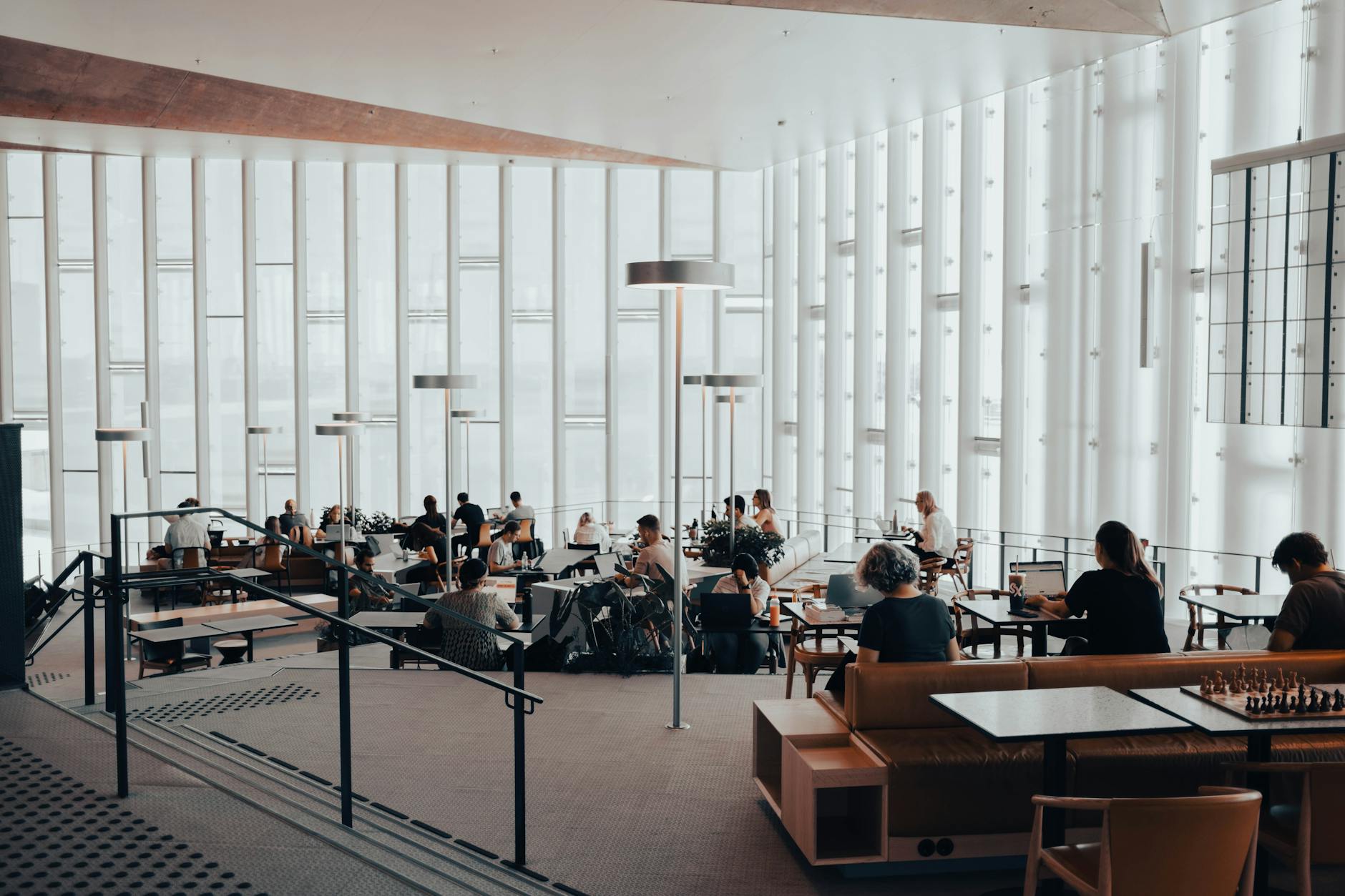
Use airport rail, arrival timing, and hotel access carefully
Oslo Airport rail can make arrival straightforward, but an academic attendee should still test the first transfer. Late flights, poster tubes, sample materials, laptops, winter clothing, unfamiliar stations, and a next-morning presentation all change the risk. The hotel should be chosen for the route from airport to room and from room to venue.
If the attendee arrives the night before presenting, the plan should include a margin for flight delay, food, printing problems, and sleep. A cheap hotel that forces a cold or confusing transfer can cost more than it saves.
- Confirm airport rail, station choice, hotel walk, and late-arrival backup before booking.
- Protect the night before presenting from delayed flights, poor food access, and weak sleep.
- Choose hotel access around luggage, poster tubes, winter weather, and conference start times.

Plan presentation, poster, and equipment logistics
Academic conference travel often fails through small equipment problems. The attendee should confirm slide format, adapters, backup files, poster size, printing options, badge pickup, storage, Wi-Fi, charging, remote presentation rules, and whether a laptop or room computer will be used. Oslo's infrastructure may be good, but that does not solve a missing cable or incompatible file.
Poster and sample logistics deserve special attention. A poster tube, teaching materials, demo equipment, or research samples can make transit, storage, and weather more complicated than a normal business trip.
- Check slide format, adapters, backup files, Wi-Fi, charging, and room setup.
- Confirm poster dimensions, local printing options, badge pickup, storage, and setup time.
- Carry critical academic materials in a way that survives luggage delay and winter weather.
Budget for Oslo without weakening networking
Oslo can be expensive for hotels, meals, coffee, taxis, and informal networking. A student, postdoc, early-career scholar, or grant-funded attendee should know the reimbursement rules before the trip. Daily spending can rise quickly if the attendee is trying to keep up with senior colleagues or international collaborators.
The budget should protect the parts of the conference that matter. A strategically chosen dinner, coffee, or reception can be worth more than a museum visit. At the same time, the attendee should avoid spending stress that makes the academic work harder.
- Check reimbursement rules for hotels, meals, taxis, alcohol, receipts, and currency conversion.
- Budget for coffee meetings, receptions, and meals that support the academic purpose.
- Avoid a hotel or commute choice that saves money while damaging attendance or networking.
Handle winter, daylight, and conference fatigue
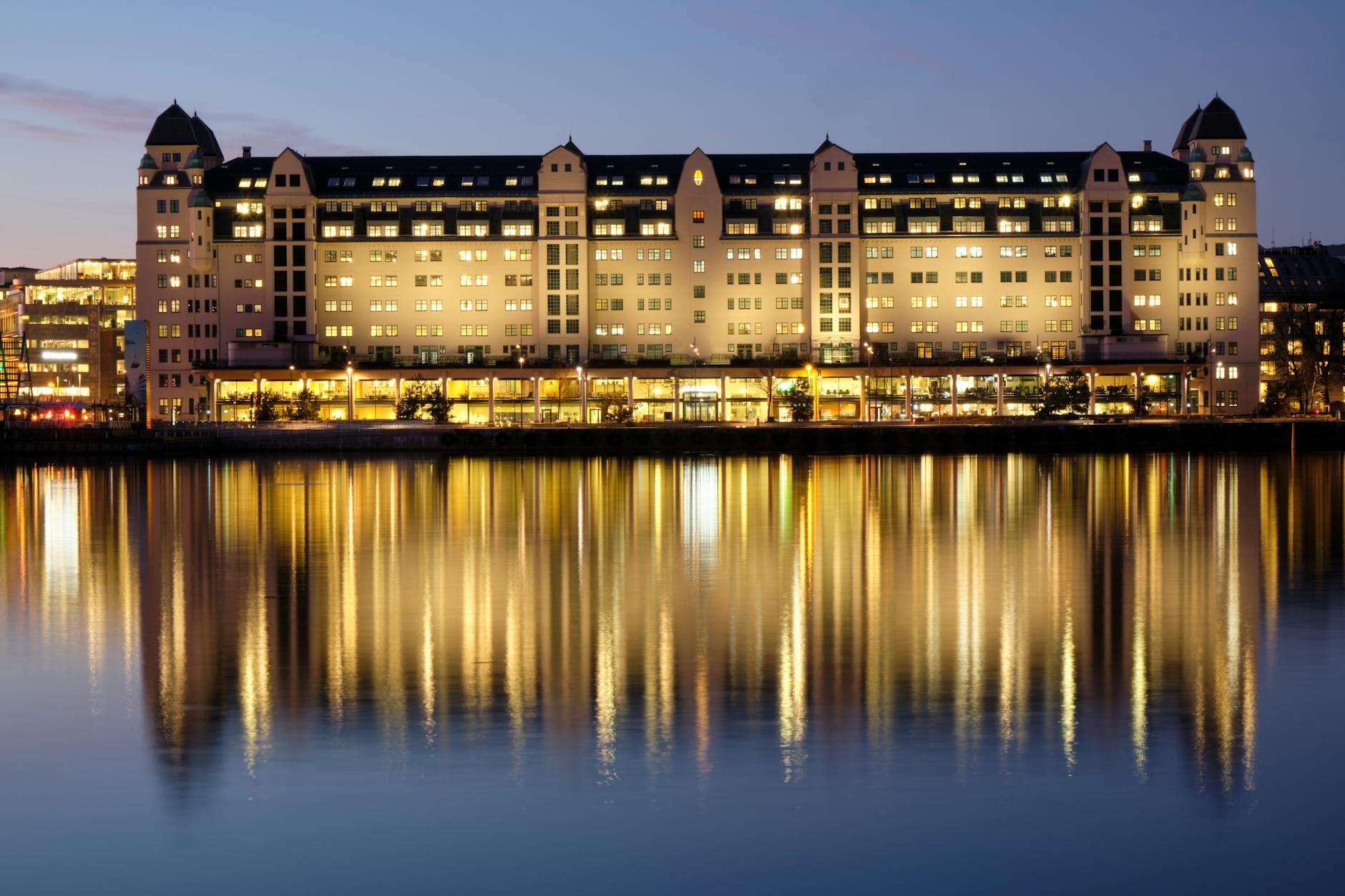
Season changes the Oslo conference experience. Winter can mean darkness, snow, slush, icy walking surfaces, heavier clothing, and slower outdoor movement. Summer can mean long light and more tempting evening plans. Either way, the attendee should not schedule every hour as if weather, daylight, and fatigue are irrelevant.
Conference fatigue is real. Presentations, networking, language shifts, social pressure, and jet lag can make the attendee less effective by day two. The plan should include quiet work blocks, meals, and a realistic evening rhythm.
- Add time for winter footwear, outerwear, darkness, icy walks, and slower transfers.
- Protect quiet blocks for email, notes, slide changes, and decompression.
- Do not let every evening event undermine the next conference day.
Use city time only when the schedule can support it
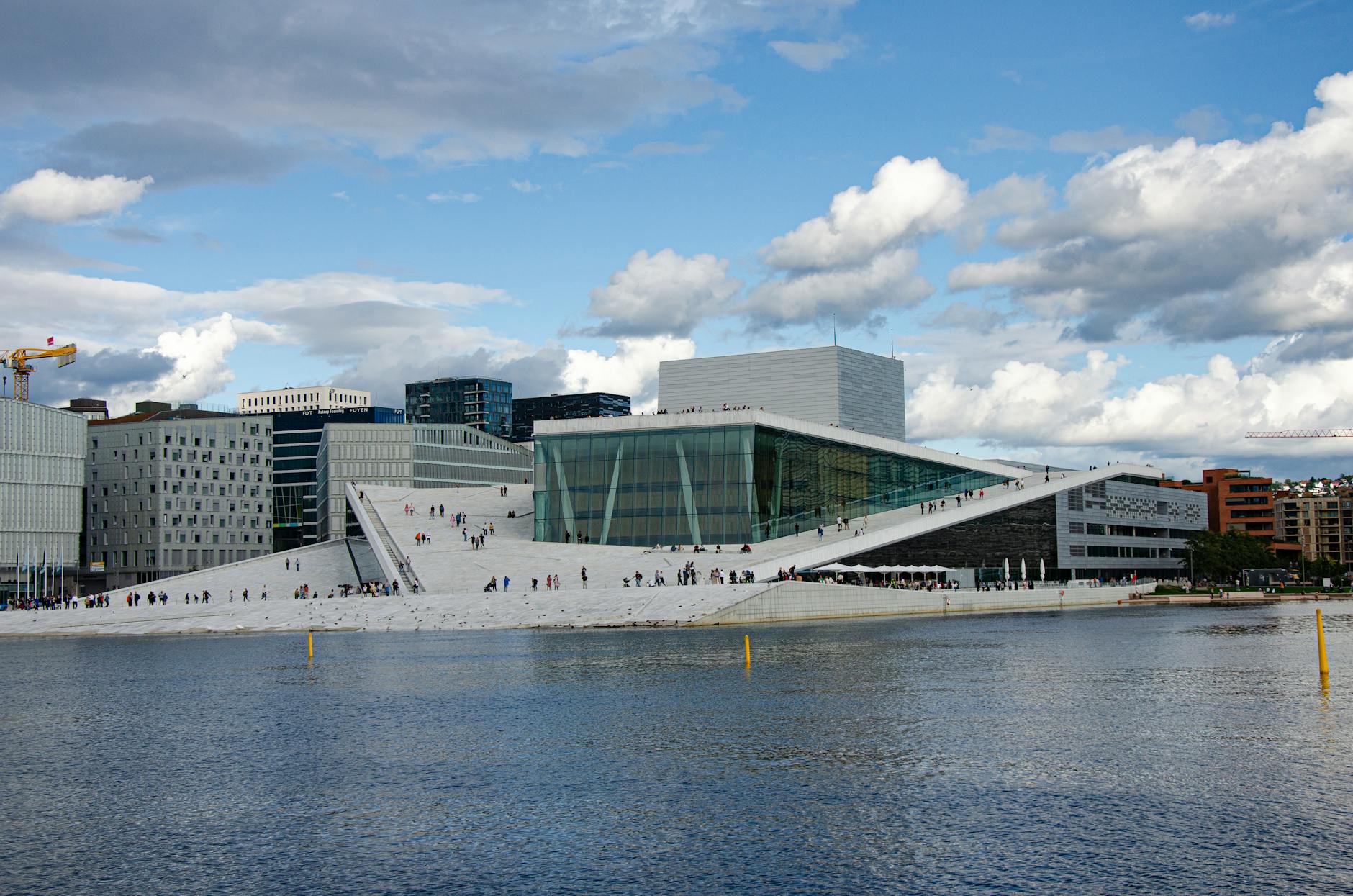
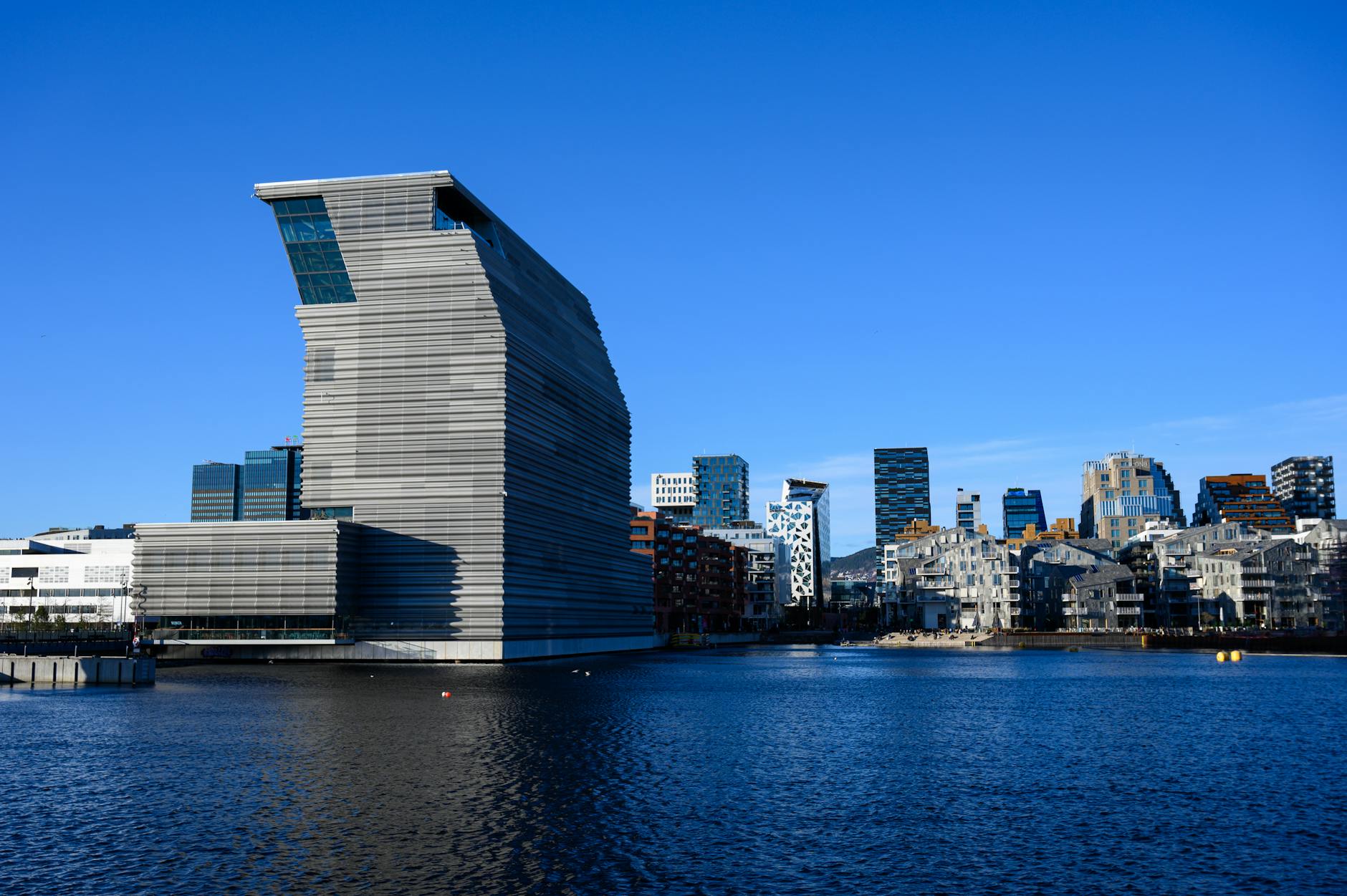
Oslo offers attractive conference-adjacent time: the Opera House roof, Deichman Bjorvika, the Munch Museum, the waterfront, the City Hall area, Vigeland Park, and fjord views. The attendee should decide whether city time supports the trip or simply fills exhaustion gaps. A rushed museum visit between sessions may be less valuable than a proper meal and a clear head.
The best city plan is usually small and near the conference route. A compact waterfront walk or one museum can fit better than a broad sightseeing list.
- Choose one or two city experiences near the venue or hotel route.
- Do not sacrifice presentation prep or networking for scattered sightseeing.
- Keep city time flexible around weather, fatigue, and meeting changes.
When to order a short-term travel report
An attendee with a simple venue hotel and no presentation may not need a custom Oslo report. A report becomes useful when the trip includes a presentation, poster, tight arrival, winter weather, several side meetings, a limited budget, accessibility needs, or uncertainty about where to stay.
The report should test airport rail, venue geography, hotel access, poster logistics, presentation equipment, winter movement, meal and networking costs, city add-ons, recovery time, medical fallback, and what to cut. The value is a conference trip that protects the academic purpose instead of merely reaching Oslo.
- Order when venue, presentation, poster, winter, side meetings, budget, or access needs testing.
- Provide conference venue, schedule, hotel options, arrival details, presentation needs, and constraints.
- Use the report to make the conference productive, not just possible.