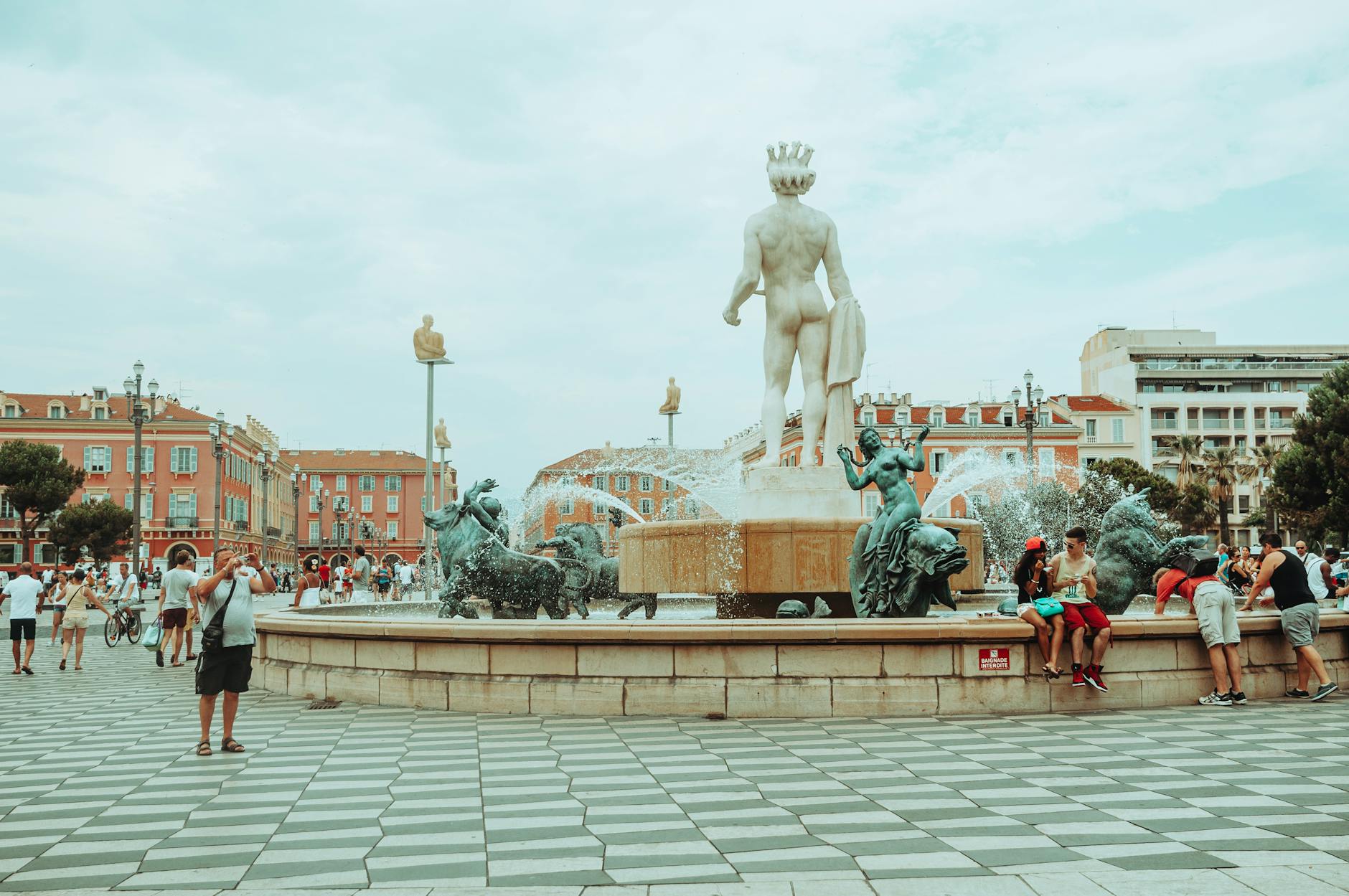
Nice can be a practical base for a short volunteer or NGO trip, but the Riviera setting can make the purpose look simpler than it is. The traveler may be supporting a nonprofit, community project, cultural program, environmental activity, refugee or migrant service, student group, faith-linked outreach, or an event that uses Nice as the operating base. Each version has different requirements. The strongest trip starts with the host, the assignment, and the daily operating plan. A good hotel near the beach is not enough if the placement is across town, the workday starts early, the traveler needs French, or the project has safeguarding rules. The goal is to make the traveler useful without creating extra work for the organization they are trying to help.
Verify the host and the actual assignment
A volunteer or NGO traveler should start by confirming who is responsible for them, what the assignment actually requires, where the daily work happens, and what the traveler is expected to bring. Nice has formal organizations, informal associations, student-linked projects, cultural groups, faith-linked work, and event-based volunteering. The traveler should not treat those as interchangeable.
Useful questions include: who supervises the work, what background checks or paperwork are needed, what language level is expected, what insurance applies, and what happens if the placement changes. A short trip can still create real responsibility for the host.
- Confirm the host, supervisor, assignment site, schedule, paperwork, and insurance expectations.
- Ask what language level, skills, clothing, documents, or training are actually required.
- Do not arrive with vague goodwill when the host needs a specific operating plan.
Choose lodging around the workday
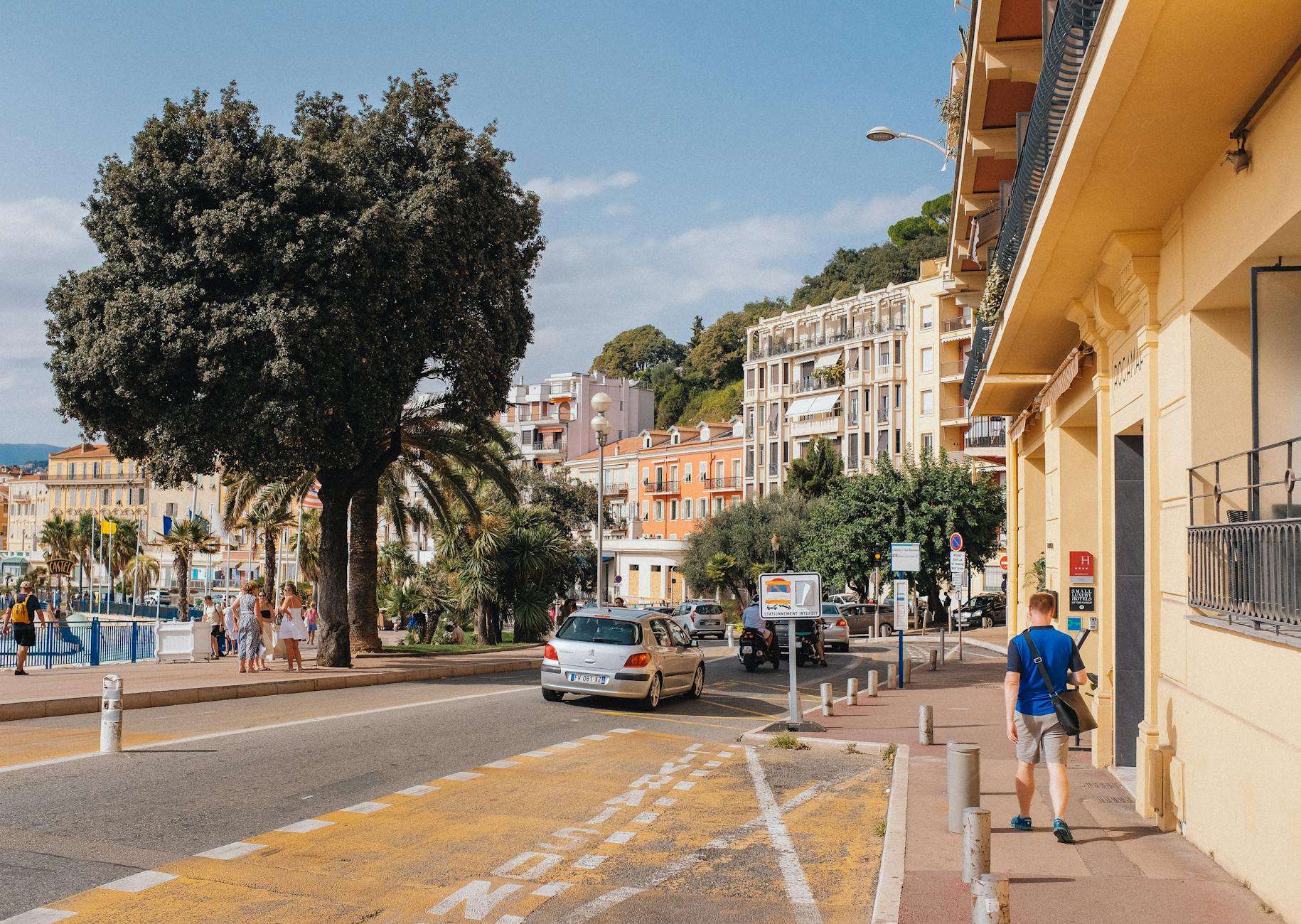
The lodging decision should follow the assignment, not the waterfront fantasy. A traveler working near a community site, school, association office, church, port area, market, or event venue may need a different base from a leisure visitor. Early starts, shared meals, public transport, taxi pickup, and evening returns should all be tested before booking.
A simple, reliable hotel or apartment near a repeatable route may be better than a beautiful address that makes the volunteer late, tired, or dependent on expensive taxis. If the host provides housing, the traveler should still understand access, curfew, kitchen, laundry, security, and transport.
- Book around the assignment site, daily start time, transport route, and evening return.
- Check host housing rules, access, kitchen, laundry, curfew, and local support.
- Do not let the beach location outrank reliability for the workday.
Plan arrival and orientation carefully
Nice's airport tram can be useful, but a volunteer or NGO traveler should not improvise the first transfer if they are carrying supplies, arriving late, or expected at an orientation. The first day should cover how to reach housing, who receives the traveler, how keys work, where the assignment starts, and what to do if the phone, luggage, or flight schedule fails.
Orientation should include practical and ethical information: local contact numbers, emergency process, transport rules, reporting lines, photography boundaries, data handling, and what the traveler should not do. Short assignments fail quickly when the traveler treats orientation as a formality.
- Preplan airport transfer, housing handoff, first meeting point, and backup contact route.
- Use orientation to clarify emergency process, reporting lines, photography, and data handling.
- Do not bring supplies, gifts, or equipment without the host's actual request.
Respect community boundaries
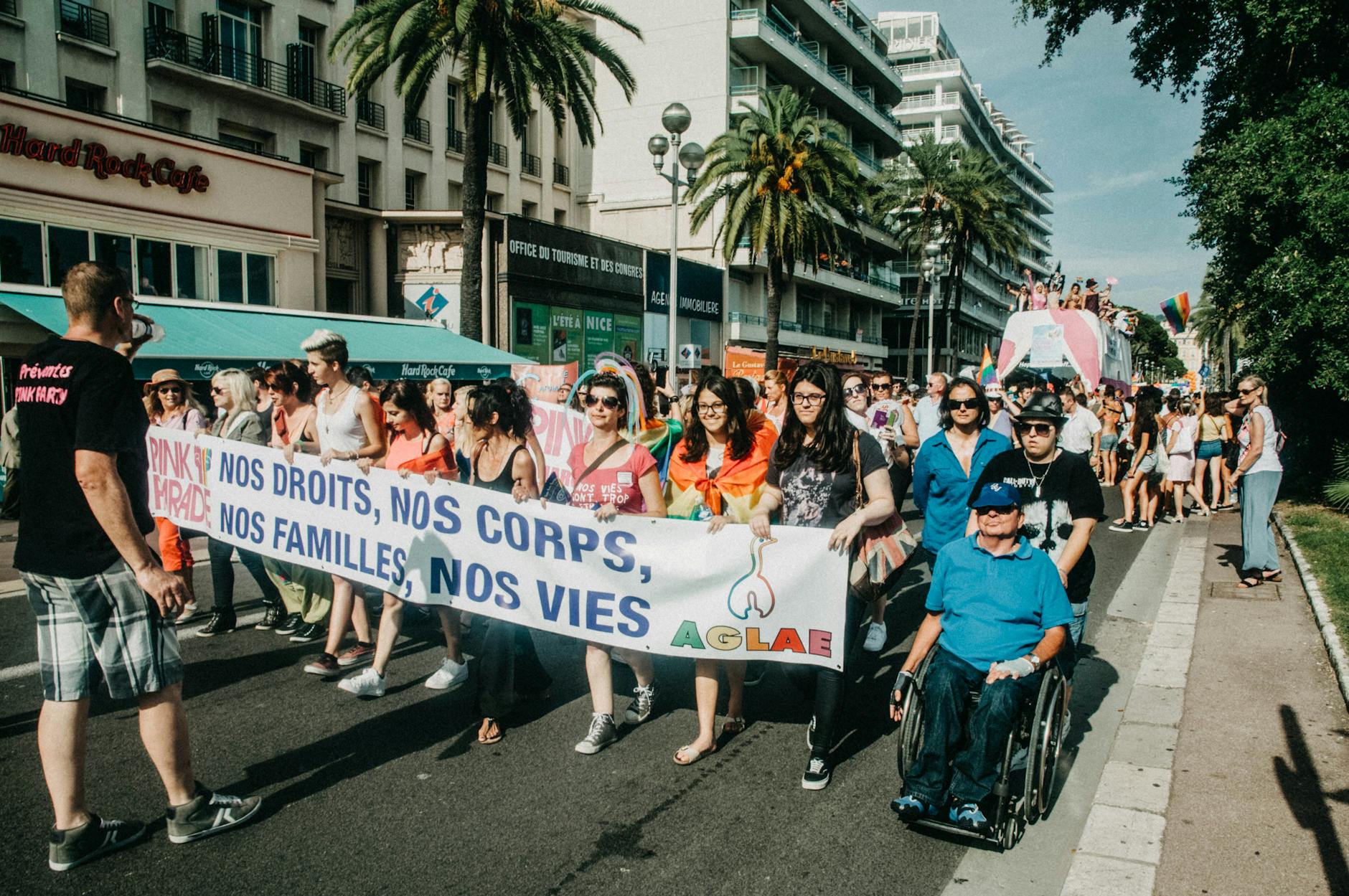
Volunteer and NGO travel is not ordinary sightseeing. The traveler may be entering spaces where people live, work, receive services, or discuss sensitive issues. Nice's visitor image can make it easy to forget that community settings are not props. The traveler should follow host guidance on introductions, photography, social media, gifts, religious or cultural context, and how to speak about the work afterward.
This is especially important when a project involves minors, vulnerable adults, migrants, medical needs, housing insecurity, or advocacy. A traveler can create harm even with good intentions if they ignore consent, privacy, or local leadership.
- Follow host rules on photography, social media, gifts, introductions, and public description of the work.
- Treat service sites and community spaces as private contexts, not content opportunities.
- Defer to local leadership when language, culture, or safeguarding questions arise.
Keep documents, language, and safeguarding clear
A volunteer or NGO traveler should know whether they need identity documents, host letters, insurance proof, background checks, consent forms, medical disclosures, or training certificates. They should also be honest about language ability. Nice can be visitor-friendly, but community work may require French or a clear interpreter plan.
Safeguarding is not only a long-term program issue. Even a short visit may involve rules about being alone with participants, handling personal information, transporting people, accepting invitations, or communicating outside the project. Those rules should be clear before the traveler is in the field.
- Confirm documents, insurance, background checks, host letters, and training requirements.
- Be honest about French ability and whether interpretation is available.
- Clarify safeguarding rules before any contact with participants or beneficiaries.
Budget for service, not just travel
Nice can be expensive for a traveler who assumed the volunteer label would make the trip cheap. The budget should include lodging, transit, simple meals, laundry, phone data, host-required supplies, emergency taxis, medical needs, and a modest reserve if the schedule changes. The traveler should not expect the host to absorb costs that were never agreed.
Health and fatigue matter too. Heat, long days, standing time, emotional work, unfamiliar food, and evening group plans can affect usefulness. A traveler who is exhausted or short on money may become another problem for the host to manage.
- Budget for lodging, meals, transit, laundry, phone data, supplies, and emergency transport.
- Protect sleep, hydration, medication, and recovery time during service days.
- Do not shift unexpected travel costs onto the host organization.

When to order a short-term travel report
A volunteer with a fully organized program, supervised housing, and clear airport pickup may not need a custom Nice report. A report becomes useful when the traveler is arranging independent housing, working with a new host, carrying supplies, navigating language constraints, traveling with medical or mobility needs, adding unsupervised Riviera time, or trying to understand whether the assignment logistics are realistic.
The report should test host location, housing, arrival route, daily transport, budget, language needs, safeguarding questions, medical fallback, evening movement, and what to cut. The value is a short volunteer trip that helps the host instead of asking the host to repair the traveler's weak plan.
- Order when host verification, housing, transport, language, health, or safeguarding needs testing.
- Provide host details, assignment site, schedule, housing options, arrival data, and constraints.
- Use the report to make the service trip operationally useful before arrival.