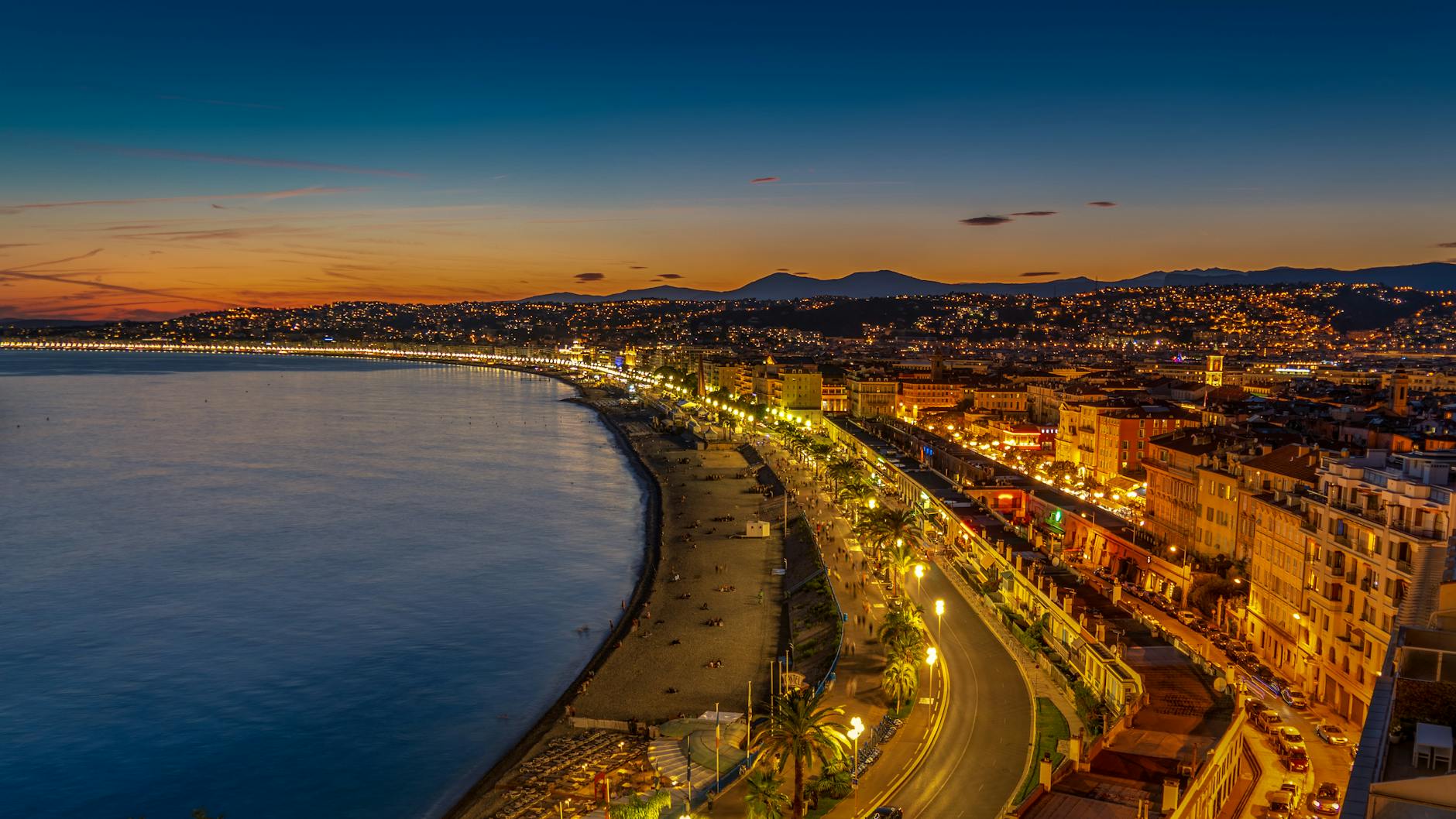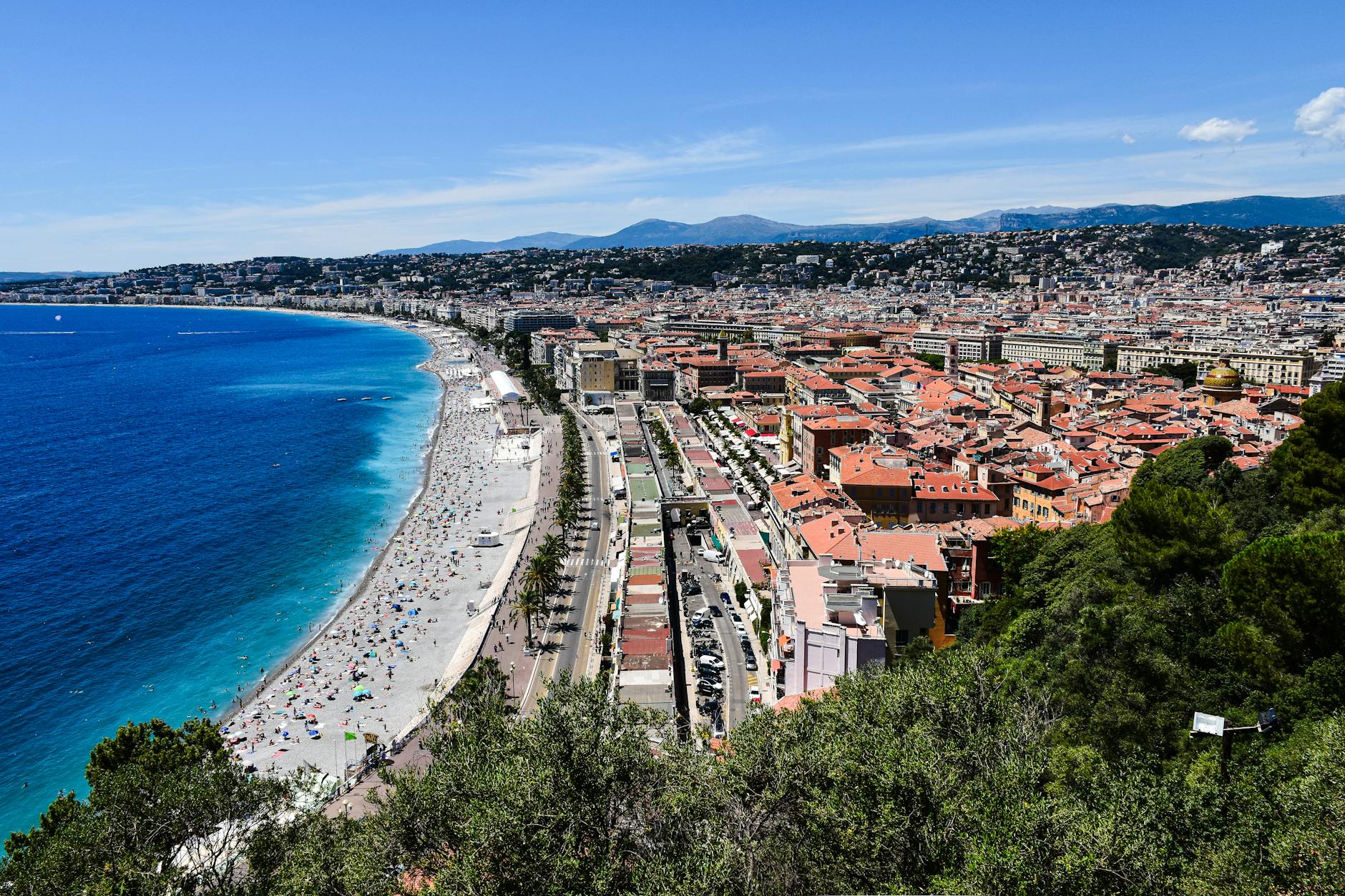
Nice can be one of the more workable Riviera bases for a traveler with mobility limitations, but that does not make it automatically easy. The Promenade des Anglais gives the city a broad, legible waterfront spine. The airport tram can simplify arrival for some travelers. Many hotels, restaurants, and waterfront routes are close to the places visitors want to use. Those advantages matter. The difficulty is that Nice changes quickly away from the easiest corridors. Old Nice has narrow lanes and uneven surfaces, Castle Hill introduces slope and stairs, beaches are pebbled rather than sandy, older buildings may have awkward entrances, and regional side trips can add station movement, hills, crowds, and heat. A successful short stay starts with access, not with a sightseeing list.
Start with the building, not the neighborhood name
A mobility-limited Nice trip should begin with the exact hotel or apartment. The traveler needs to know how the entrance works, whether there are steps before the elevator, whether the elevator reaches the room floor, whether taxis can stop close by, how the bathroom is arranged, and whether nearby meals are usable without a difficult walk. A good address on paper can still fail if the building itself creates friction every morning and evening.
The most useful hotel zones are the ones that connect the traveler to the waterfront, tram, restaurants, and practical services without turning every outing into a negotiation. A slightly less charming hotel with clear access, front-desk support, and predictable pickup may be better than an atmospheric stay in a lane that is hard to enter, hard to leave, or hard to return to after dark.
- Confirm entrance steps, elevator access, bathroom layout, and taxi pickup before booking.
- Prioritize nearby meals and a repeatable route back to the room.
- Do not assume a central Nice address is mobility-friendly without building-level detail.
Use the Promenade carefully, not lazily
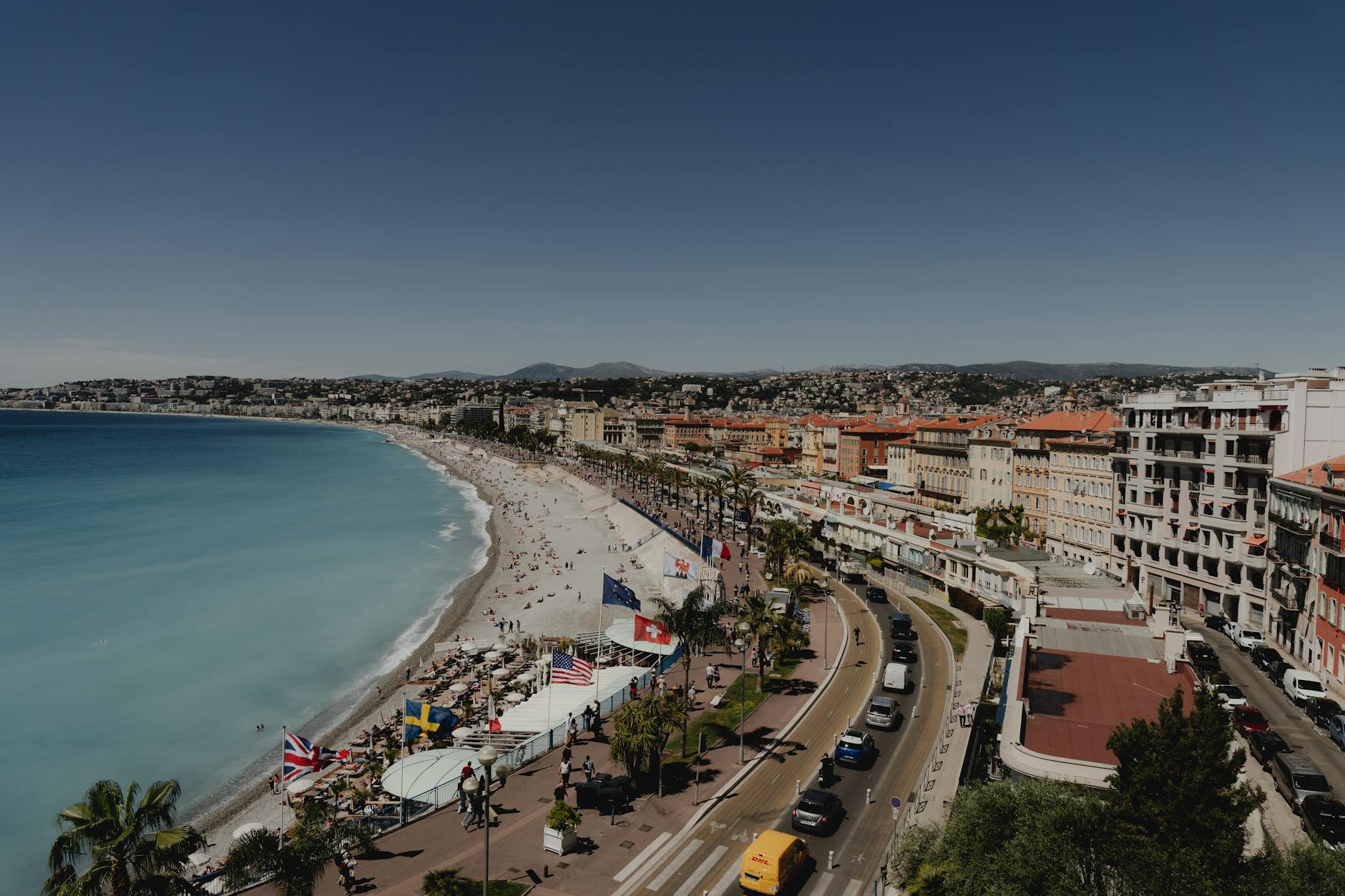
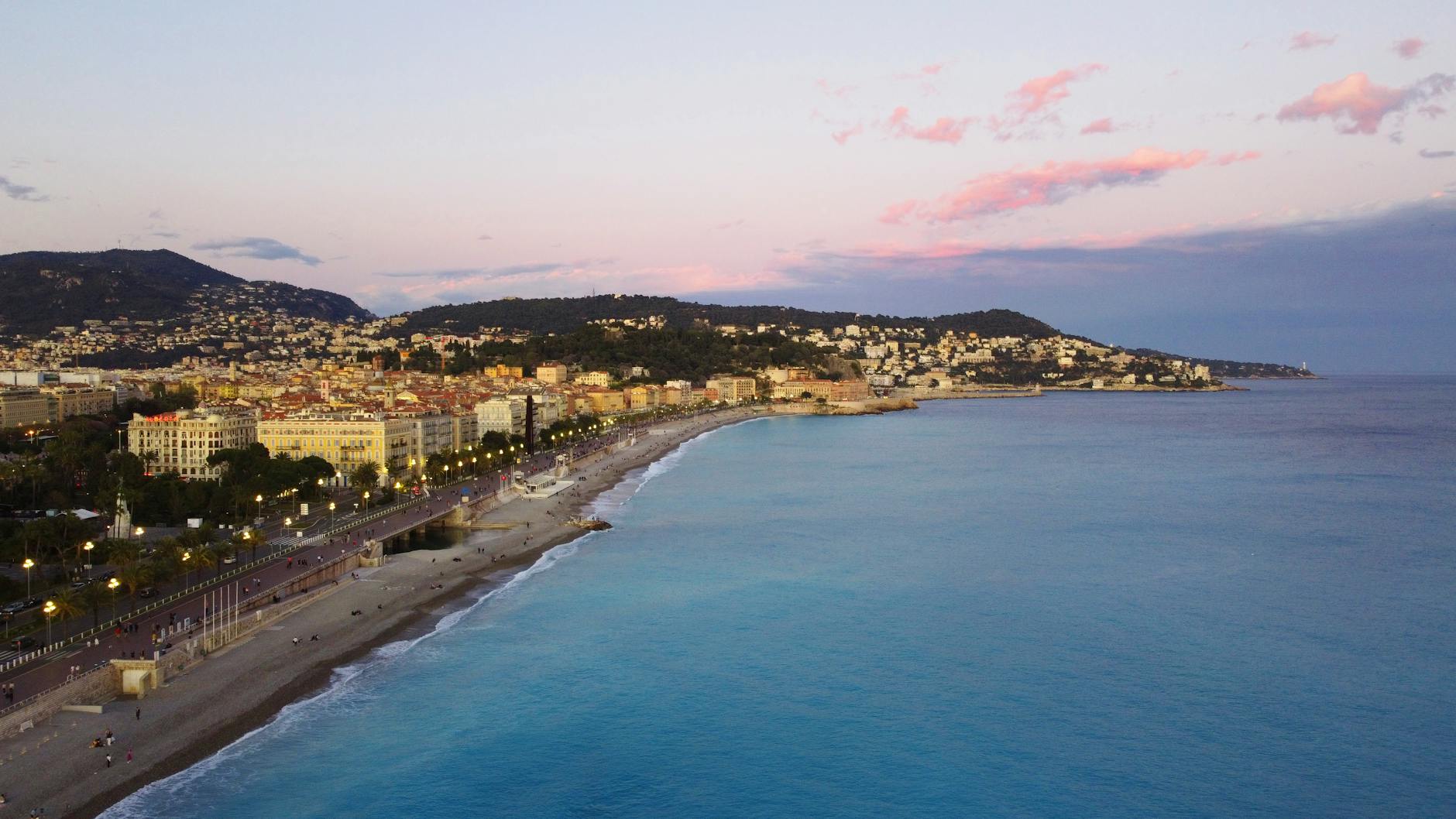
The Promenade des Anglais is one of Nice's strongest mobility advantages because it creates a broad, scenic, easy-to-understand corridor along the sea. For some travelers, it can carry much of the trip: waterfront views, benches, hotel access, restaurants, short taxi hops, and a sense of the city without constant lane changes. That should be used deliberately.
The mistake is assuming the Promenade solves the whole visit. Sun exposure, wind, distance, road crossings, crowds, event closures, and the distance between waterfront and hotel entrance still matter. A route that feels elegant in the morning may be tiring in afternoon heat. The traveler should build shorter out-and-back segments rather than treating the whole waterfront as one casual walk.
- Use the Promenade as the main easy corridor when it suits the traveler.
- Plan shorter segments instead of assuming long waterfront walks will feel easy.
- Account for sun, wind, crowds, road crossings, and the route back to the hotel.
Treat Old Nice and Castle Hill as choices
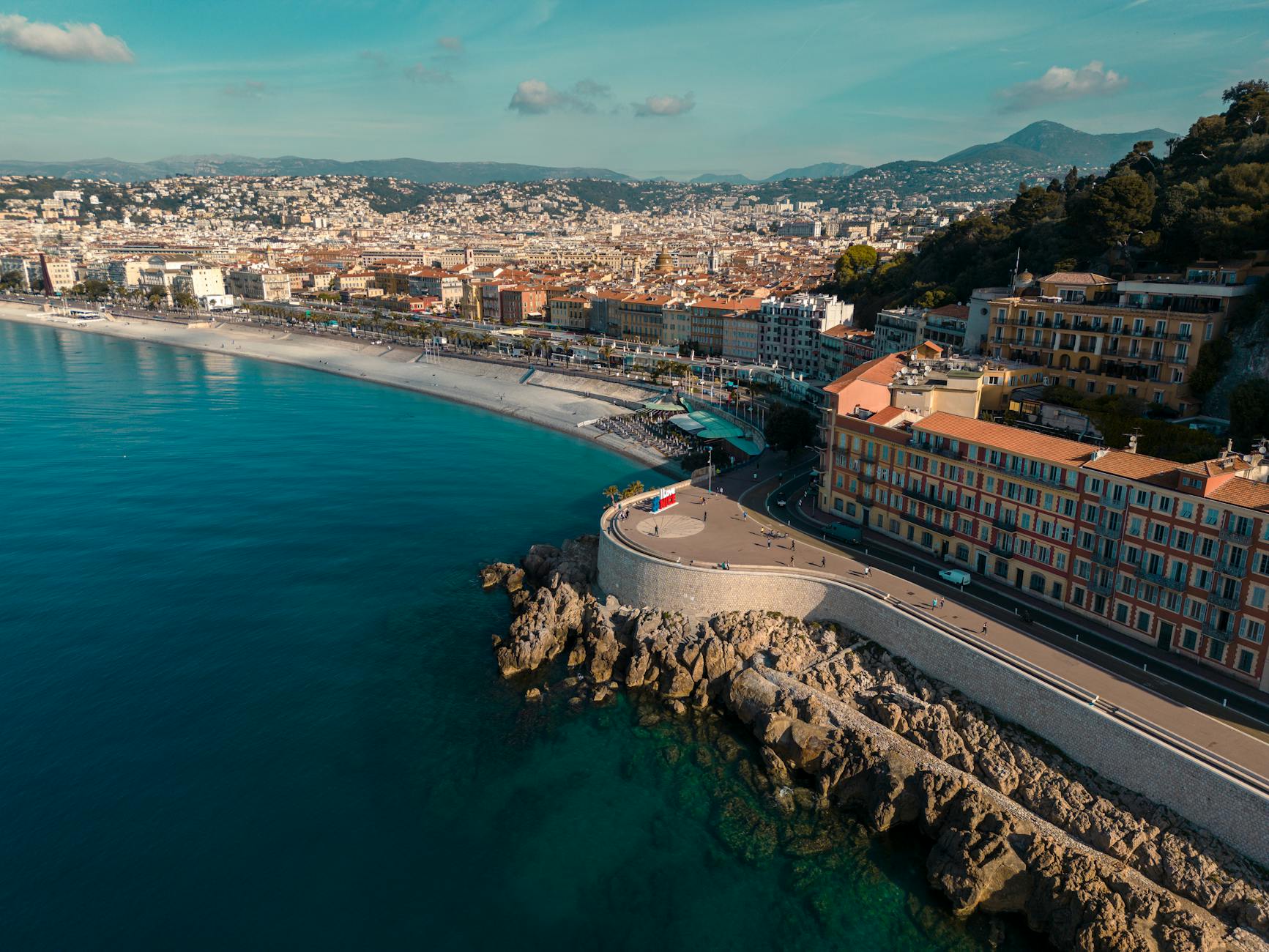
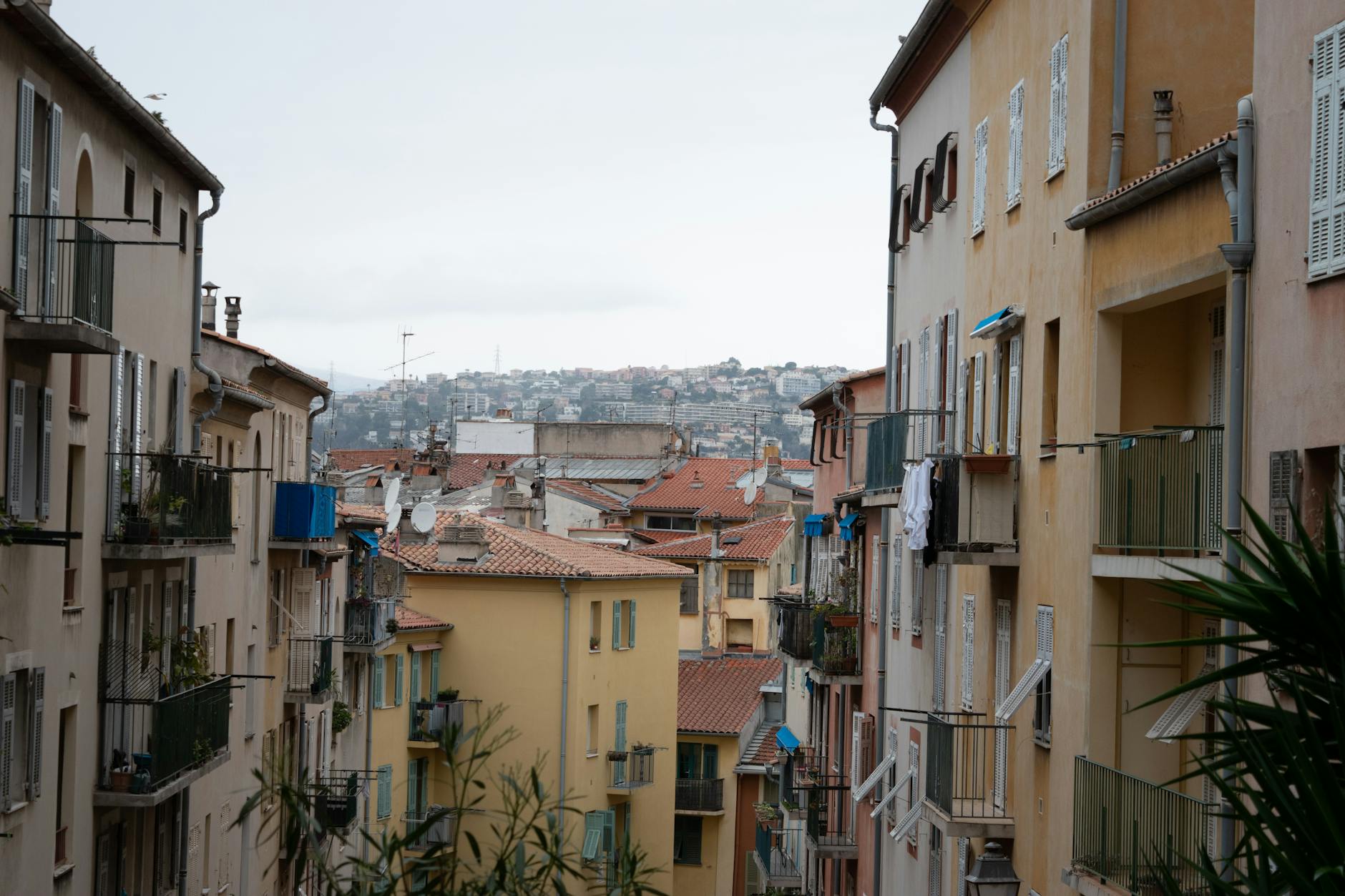
Old Nice is central to many visits, but it can be difficult for travelers with mobility limitations. Narrow streets, uneven paving, crowds, deliveries, restaurant furniture, and short but awkward route changes can make the area more demanding than it looks on a map. Castle Hill and the viewpoints above the old town add slope, stairs, elevator uncertainty, heat, and descent planning.
None of that means the traveler must skip these areas. It means they should be chosen with a route, timing, exit, and energy budget. A single manageable old-town meal or a carefully timed viewpoint attempt may be better than trying to fold Old Nice, the market, Castle Hill, the port, and the beach into one continuous day.
- Evaluate Old Nice for paving, crowds, restaurant access, and exit routes.
- Check viewpoint access and backup plans before committing to Castle Hill.
- Choose one manageable old-town experience instead of overloading the day.
Make arrival and departure boring
Nice's airport is close to the city, and the tram can be useful, but the best arrival plan is the one that works for this traveler with luggage, fatigue, weather, and timing. Some travelers can use the tram cleanly. Others should preplan a taxi, transfer, or hotel-arranged pickup because stairs, walking distance, ticketing, crowding, or baggage make public transport less realistic.
Departure deserves the same attention. A traveler who handles the first transfer well can still struggle on the final morning if checkout, bags, breakfast, tram access, or taxi pickup are left vague. The goal is to keep airport movement simple enough that the traveler's limited energy is saved for the trip itself.
- Choose between tram, taxi, and transfer based on luggage, fatigue, timing, and walking distance.
- Plan the exact first route before landing.
- Keep departure logistics as clear as arrival logistics.
Use trams, taxis, and trains selectively
Nice has useful public transport, but the traveler should test each movement by station access, platform distance, crowding, waiting exposure, ticketing, transfers, and the final walk. A tram or train route that looks short may still be awkward if the traveler has limited stamina or uses a cane, brace, rollator, wheelchair, or scooter.
Taxis should be treated as a planning tool, not a failure. A taxi for one hill, evening return, station transfer, or hot afternoon may protect the trip. Regional trains to Villefranche-sur-Mer, Monaco, Antibes, Cannes, or Menton should be evaluated by station access and route at both ends, not just by travel time.
- Assess each transit route by access, transfer burden, waiting conditions, and final walk.
- Use taxis for hills, late returns, heat, luggage, and energy protection.
- Test regional day trips at both ends before assuming they are easy.

Plan beach, heat, bathrooms, and recovery
Nice's beach is visually simple but physically specific. Pebbles, slopes into the water, limited shade, beach access points, changing needs, valuables, footwear, and the return route all matter. Some mobility-limited travelers may enjoy short waterfront time without swimming. Others may need a beach club, a different coastal town, or no beach plan at all.
Heat, bathrooms, seating, hydration, medications, and rest periods should be built into the itinerary. A realistic Nice day may include one main outing, one meal, and one recovery block. That is not a weak itinerary; it is how the trip stays pleasant instead of becoming an endurance test.
- Treat pebbled beaches, shade, footwear, valuables, and water access as planning issues.
- Build bathrooms, seating, hydration, medication timing, and hotel breaks into each day.
- Use fewer, better outings rather than turning the city into a stamina test.
When to order a short-term travel report
A traveler with mild limitations, a familiar hotel, and a simple waterfront plan may not need a custom Nice report. A report becomes useful when the traveler is comparing hotel entrances, using mobility aids, trying to include Old Nice or Castle Hill, adding Riviera side trips, traveling in summer heat, or coordinating companions with different walking speeds.
The report should test building access, arrival route, Promenade use, Old Nice feasibility, taxi and tram practicality, beach logistics, bathrooms, rest blocks, day-trip access, and what to cut. The value is a Nice plan based on actual movement capacity rather than hopeful assumptions about distance on a map.
- Order when hotel access, mobility aids, heat, side trips, or uneven routes need testing.
- Provide mobility details, hotel options, arrival time, must-do places, and walking limits.
- Use the report to shape the trip around real access rather than generic sightseeing advice.