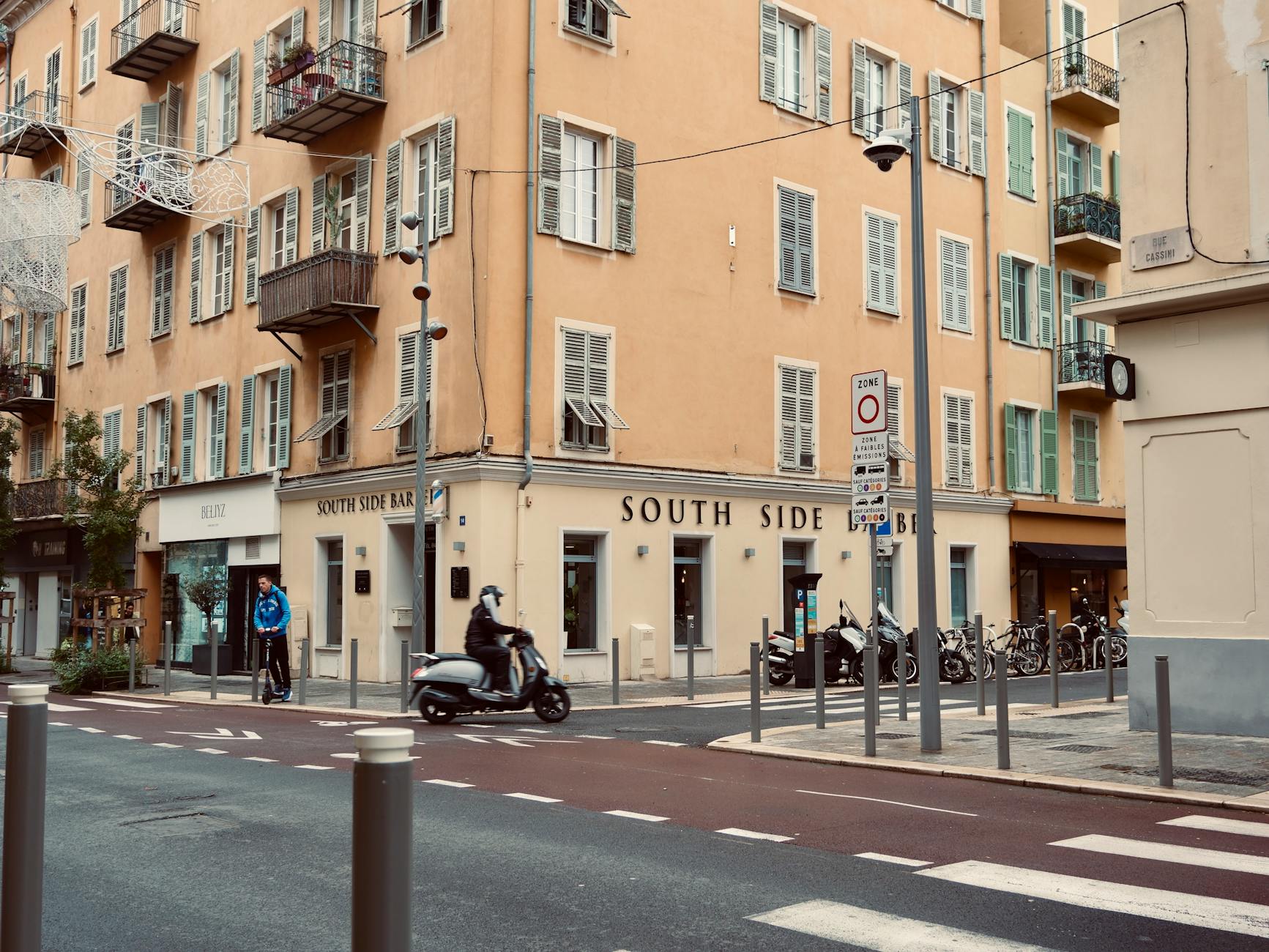
Nice can be manageable for travelers with medical constraints because it has strong visitor infrastructure, close airport access, trams, taxis, hotels, pharmacies, waterfront walking, and many ways to keep a short itinerary gentle. It can also be physically demanding if the traveler underestimates heat, pebbly beaches, old-town lanes, stairs, crowded transport, late meals, or regional day trips. The right plan begins with the traveler's condition and daily routine, not with the city checklist. Medication timing, hydration, meal access, sleep, mobility, medical documentation, insurance, and backup care should shape the itinerary before the traveler adds beach time, museums, or Riviera excursions.
Start with the medical routine
The traveler should map the trip around medication timing, meals, sleep, hydration, mobility, pain management, temperature sensitivity, bathroom access, and any monitoring needs. Nice may be easy in many ways, but a short trip can still disrupt a medical routine through late arrival, skipped meals, long walks, heat, or crowded transport.
The traveler should carry prescriptions, medication names, dosage information, insurance details, emergency contacts, and any relevant physician letters in a form that does not depend only on phone battery. The goal is to make ordinary decisions easier before the trip starts.
- Map medication, meals, sleep, hydration, mobility, bathrooms, and monitoring needs first.
- Carry prescriptions, dosage details, insurance information, and emergency contacts clearly.
- Avoid arrival and first-day plans that disrupt the medical routine immediately.

Choose lodging around recovery and access
The hotel or apartment should support the traveler's condition. Elevator access, air conditioning, quiet room, bathroom layout, fridge for medication or food, breakfast, proximity to pharmacies, taxi pickup, and a simple route to meals can be more important than charm. Old Nice may be atmospheric, but it can add lanes, noise, stairs, and uneven surfaces.
The traveler should also confirm check-in timing, luggage handling, and whether the room can serve as a real recovery base. A short rest window only helps if the hotel is easy to reach and comfortable enough to use.
- Check elevators, air conditioning, quiet, bathroom setup, fridge access, and breakfast.
- Choose a base near meals, pharmacies, taxi pickup, and simple routes.
- Make sure the room can support real recovery between outings.

Plan airport, tram, and taxi choices before arrival
Nice airport is close to the city, but the traveler should not decide the arrival route while tired. Tram may be practical for some travelers and wrong for others. Taxi, transfer, hotel car, or accessible vehicle may be worth the cost if luggage, fatigue, pain, temperature sensitivity, or mobility limits make the tram too demanding.
Inside the city, the traveler should identify when walking is acceptable, when tram access is realistic, and when a taxi should be the default. A medically constrained trip often succeeds because the traveler uses help early rather than after the day has already gone too far.
- Choose the arrival method before landing.
- Use taxi or transfer when luggage, fatigue, pain, heat, or mobility limits make transit risky.
- Decide in advance when taxis should replace walking or tram connections.

Respect heat, sun, and beach realities
Nice's sun and waterfront can be restorative, but heat and exposure can become medical issues. The traveler should plan water, shade, sunscreen, medication storage, rest breaks, and indoor alternatives. A long Promenade walk at the wrong time can be more demanding than it looks.
The beach also needs planning. Pebbles, uneven footing, paid clubs, stairs, swimming access, and belongings can all create strain. The traveler should decide whether beach time is a short view stop, a supervised club visit, or something to skip in favor of a safer waterfront meal.
- Plan water, shade, sunscreen, medication storage, and indoor alternatives.
- Avoid long exposed walks during high heat or low-energy periods.
- Treat pebble beaches, stairs, swimming, and belongings as practical constraints.

Know pharmacy and care pathways
The traveler should identify nearby pharmacies, hotel support, urgent-care options, and emergency procedures before the trip. This does not mean expecting trouble. It means removing uncertainty if symptoms, lost medication, heat stress, stomach trouble, or a minor injury changes the plan.
Language, brand names, prescription formats, insurance documents, and after-hours availability should be considered. A small amount of preparation can prevent a minor issue from consuming the whole short trip.
- Identify pharmacies, hotel support, urgent-care options, and emergency procedures.
- Carry medication names, prescriptions, insurance details, and relevant translations.
- Plan for after-hours needs before they become urgent.

Keep meals and day trips conditional
Meal timing can matter for medication, blood sugar, digestion, fatigue, and comfort. The traveler should plan reliable breakfast, simple fallback meals, dietary needs, seating, bathrooms, and proximity to the hotel. A famous restaurant is less useful if it creates a long wait or a difficult return.
Day trips should be treated as conditional, not mandatory. Monaco, Antibes, Eze, Villefranche-sur-Mer, or Cannes may work if transit, walking, heat, toilets, seating, and return timing fit the condition. The traveler should keep a no-trip alternative available.
- Plan meals around medication, blood sugar, digestion, seating, bathrooms, and return route.
- Choose day trips only when access, heat, walking, toilets, and return timing fit.
- Keep a low-effort Nice day ready if symptoms or fatigue change the plan.
When to order a short-term travel report
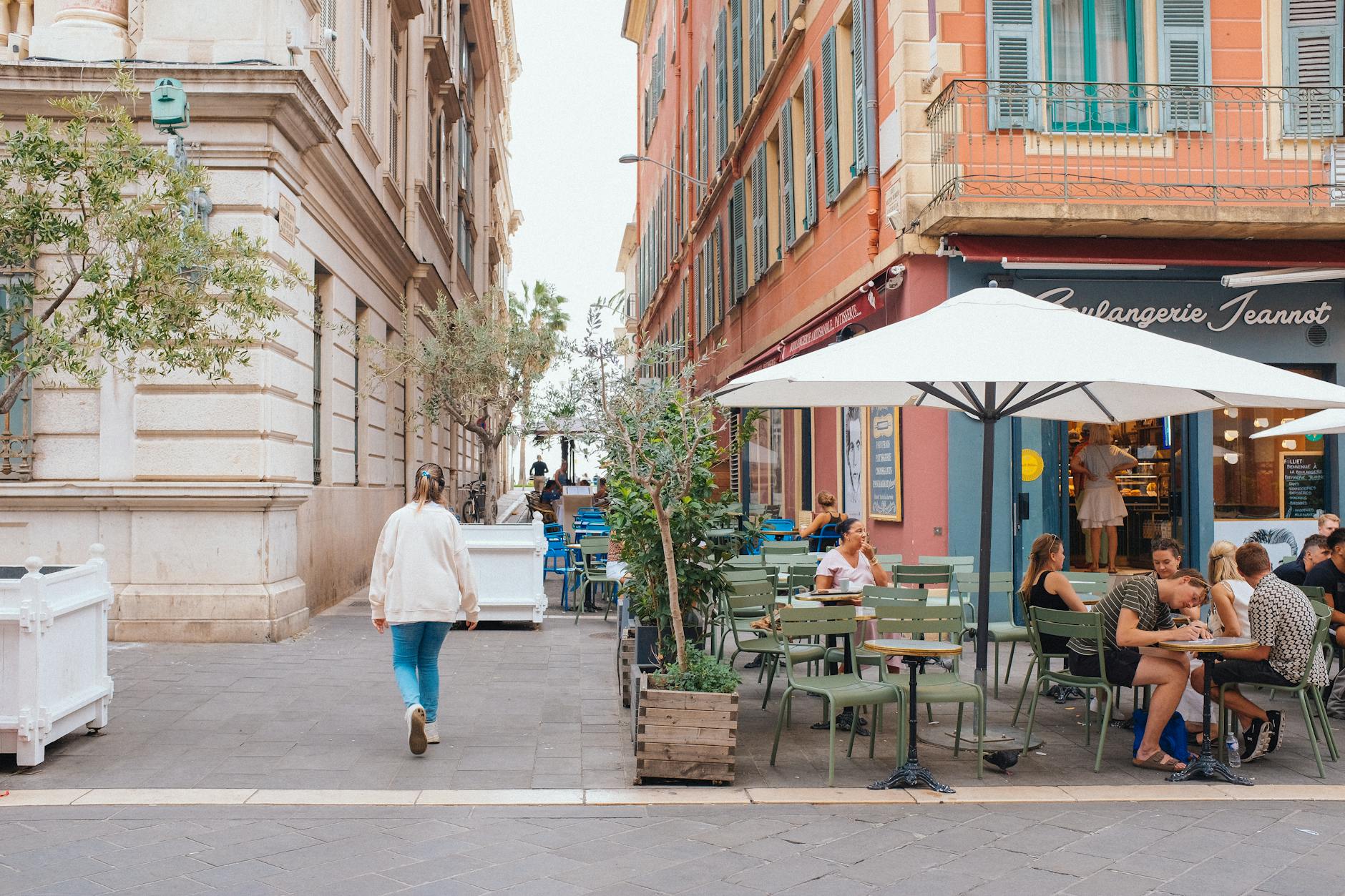
A traveler whose medical constraints are stable and whose Nice itinerary is very gentle may not need a custom report. A report becomes useful when medication timing, heat sensitivity, mobility, hotel choice, airport arrival, meal routines, beach plans, day trips, or care access need to be tested together.
The report should examine lodging comfort, arrival route, pharmacy and care pathways, heat exposure, walking load, meal timing, beach practicality, day-trip options, backup plans, and what to cut. The value is a Nice trip that protects the traveler's health routine while still making room for the best parts of the destination.
- Order when medical routines, hotel access, transfers, meals, heat, or day trips need testing.
- Provide dates, flights, hotel options, condition-related constraints, medication needs, and priorities.
- Use the report to protect health routines without defaulting to an empty itinerary.