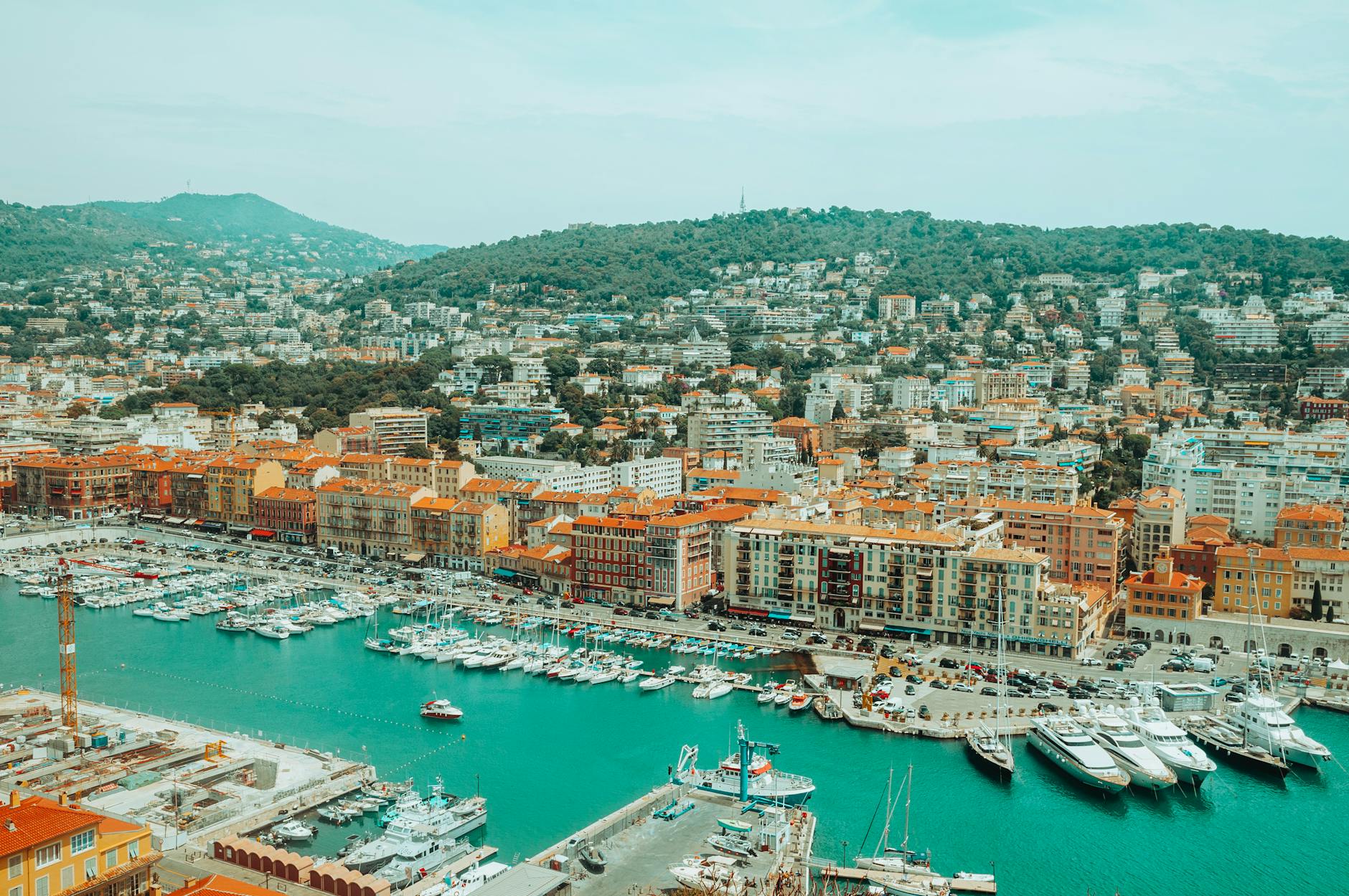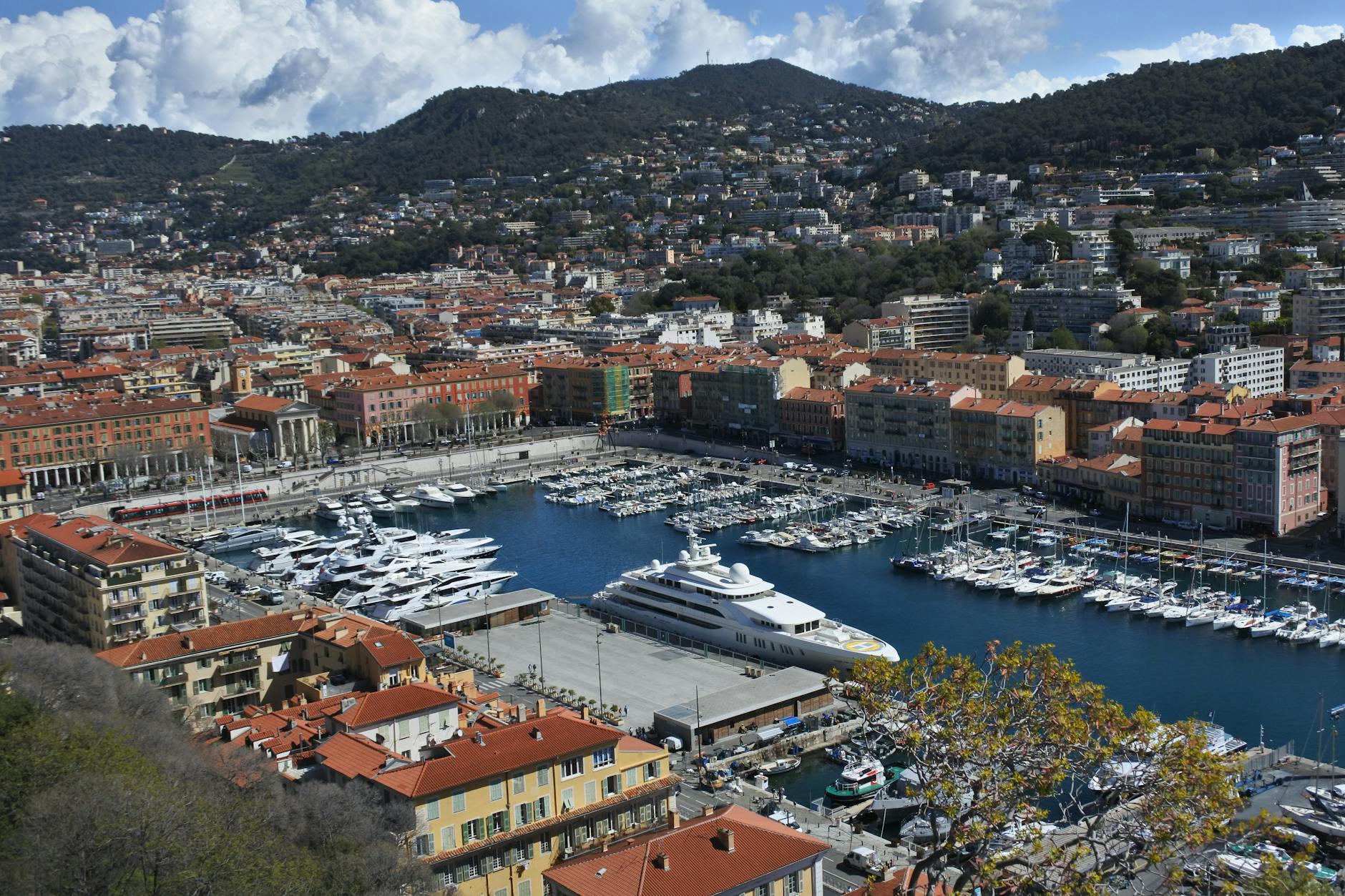
A trade-show trip to Nice needs more discipline than the location might suggest. The city can be convenient: the airport is close, the tram can simplify some movements, the waterfront offers clear orientation, and the broader Riviera gives the trip client appeal. But trade-show travel adds constraints that ordinary leisure travel does not have: booth materials, samples, badges, demonstrations, formal clothes, client meetings, evening events, and a narrow margin for delays. The right Nice plan starts with the show obligation and then decides how much Riviera atmosphere can be added without weakening that obligation. A hotel with a nice view is not enough if it complicates setup, morning movement, storage, or client dinners. The trip should be built as an operating plan with leisure fitted around it.
Anchor the trip to the exact venue
A Nice trade-show attendee should start with the specific venue, registration entrance, exhibitor access, setup window, teardown rules, and transport route. The event might be in a hotel, exhibition space, port-adjacent site, arena, university setting, or a nearby Riviera city using Nice as the base. Those differences change the hotel answer immediately.
The attendee should know whether materials can be shipped, where they can be stored, who can receive them, and how far the route is from taxi drop-off to the actual stand or meeting room. A short city distance is not the same as a smooth load-in path with banners, samples, demo equipment, or formal clothing.
- Confirm venue entrance, setup timing, storage, delivery rules, and teardown logistics.
- Choose the hotel after mapping the route from curb to booth or meeting room.
- Treat materials and equipment as part of the travel plan, not an afterthought.
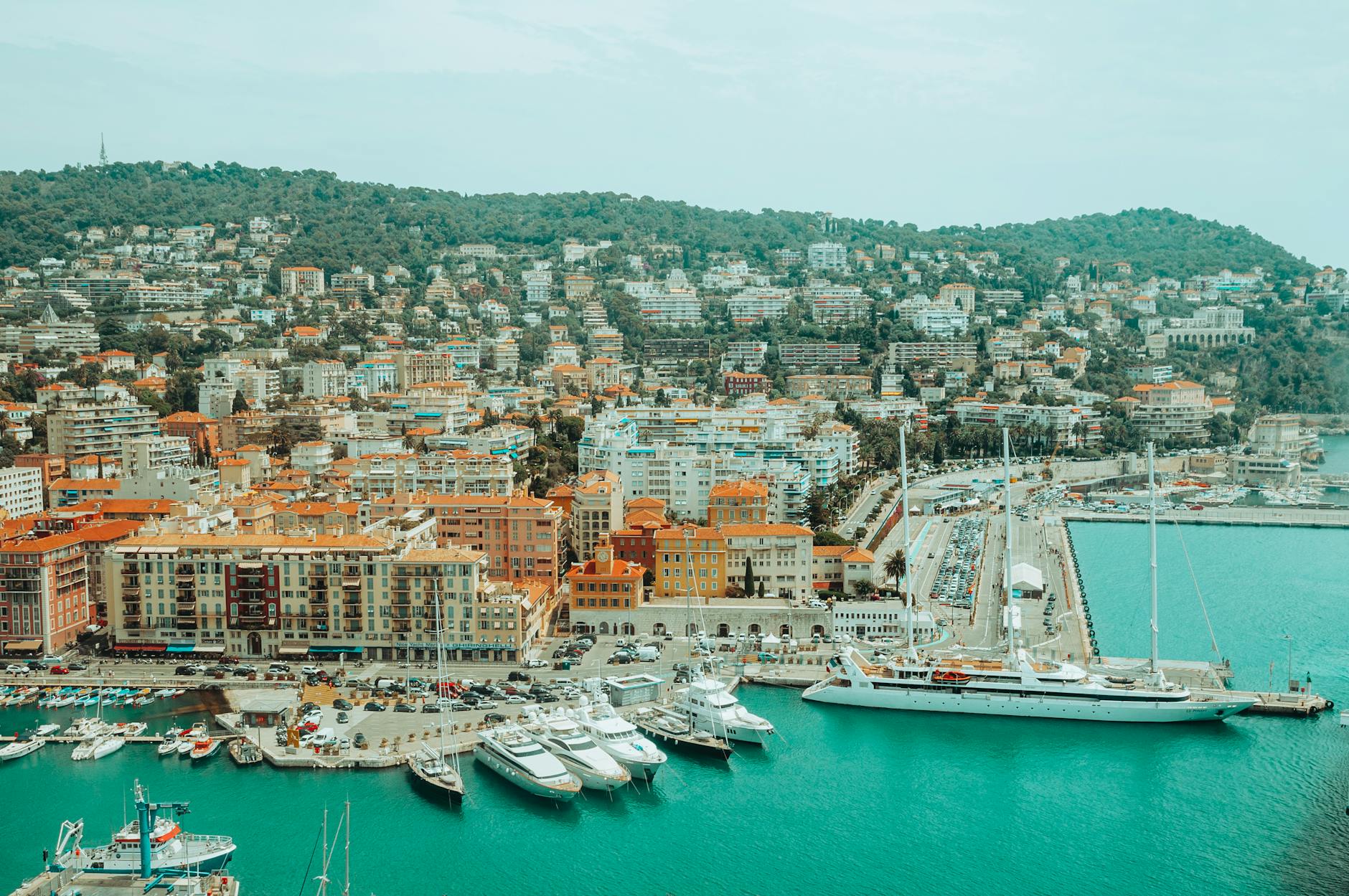
Choose lodging for show-day reliability
Nice lodging should be chosen around the workday sequence. A waterfront hotel may be useful if it supports client dinners and an easy recovery routine. A tram-connected hotel may be better if the venue, airport, or station route matters most. A hotel near the old town may be pleasant but awkward if the attendee must move equipment or reach early setup.
The traveler should check taxi access, front-desk hours, breakfast timing, workspace, iron or laundry options, elevator reliability, bag storage, and whether late networking returns feel simple. The show day is already demanding; the hotel should reduce decisions, not add them.
- Compare waterfront, tram-connected, station-adjacent, and venue-proximate hotel choices by workday function.
- Check taxi pickup, breakfast, desk space, laundry, elevator access, and bag storage.
- Do not choose charm over reliability when early setup or late teardown is involved.
Protect arrival margin before the first obligation
Trade-show travel should not arrive on a fragile schedule. Nice's airport can be convenient, but delayed flights, baggage issues, tram confusion, traffic, a missed courier delivery, or a hotel check-in problem can still affect the first business obligation. If the attendee has setup, samples, or early meetings, arriving the day before may be the difference between professional calm and visible improvisation.
The first evening should be used to remove uncertainty: confirm the venue route, check materials, test devices, locate food, and understand the morning transfer. Riviera setting should not distract from the fact that the attendee is there to perform.
- Arrive with enough margin for luggage, materials, setup, registration, and route testing.
- Use the first evening to confirm logistics before adding leisure plans.
- Avoid scheduling client-facing obligations too close to arrival.
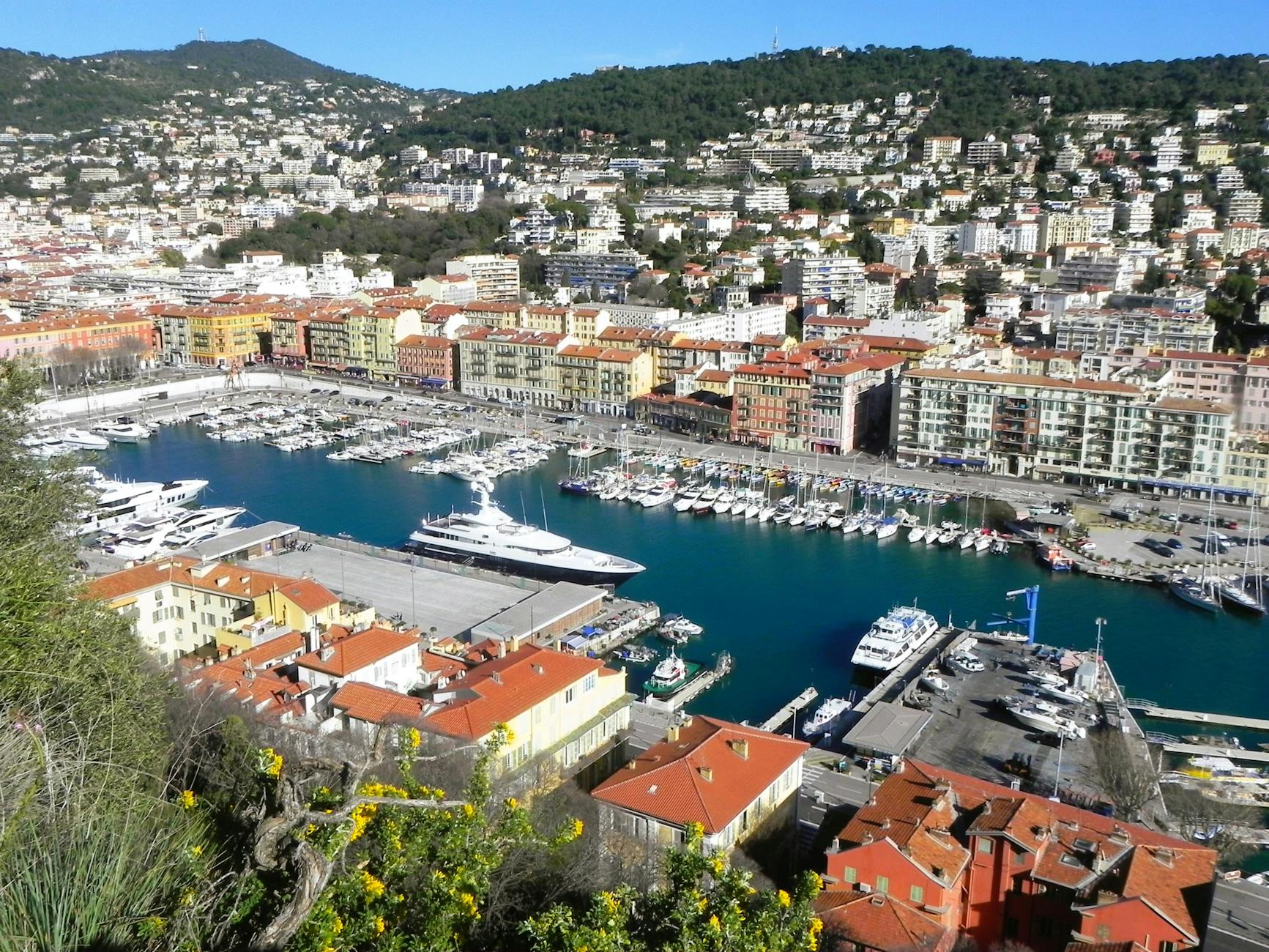
Keep materials, devices, and samples controlled
Trade-show attendees often carry visible and valuable items: laptops, tablets, samples, branded bags, badges, scanners, prototypes, product literature, and formal clothes. Nice is not unusually difficult, but stations, crowded waterfront areas, taxis, lobbies, and late returns still require ordinary city discipline. The traveler should know what must be carried, what can stay at the venue, and what should never be visible during casual movement.
Redundancy matters. Chargers, adapters, digital copies, presentation backups, a small repair kit, and emergency contact numbers can prevent a minor failure from becoming a show problem. The packing plan should support the booth or meetings as much as it supports the traveler.
- Separate essentials, backups, samples, chargers, adapters, and presentation files.
- Plan secure storage at the venue, hotel, or booth before evening events.
- Avoid carrying unnecessary business materials through crowded or late-night routes.
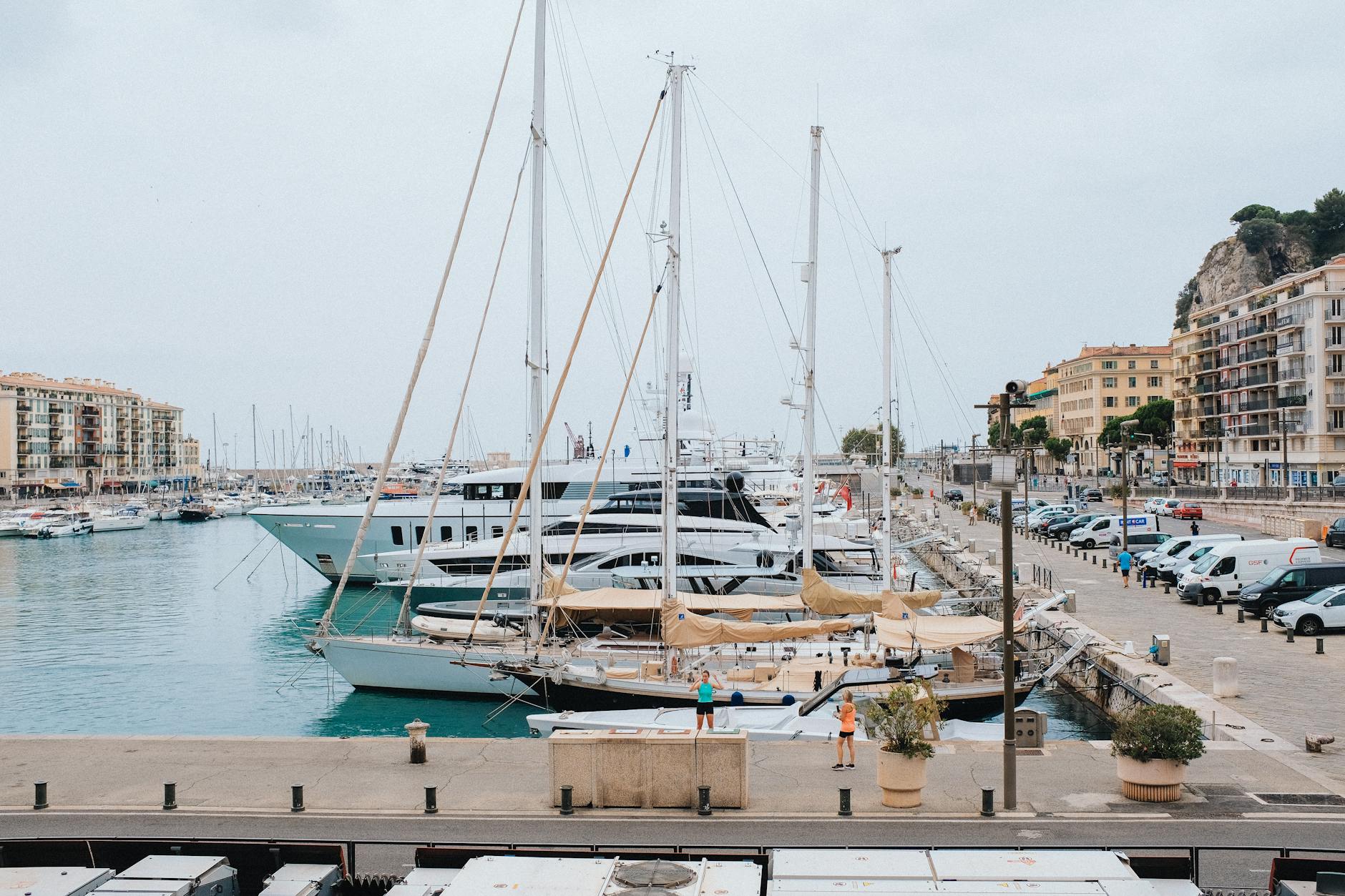
Plan client meals and networking routes
Nice can make client meals feel easy because the setting does some of the work. That can become a planning trap. A restaurant that looks attractive may be wrong for a mixed group, dietary needs, quiet conversation, transport after a long show day, or payment logistics. The attendee should identify a quick solo fallback, a reliable group dinner, and a quieter option for client conversation.
Evening networking should have a return plan. The Promenade, Old Nice, the port, and hotel bars can all work differently depending on distance, crowding, and the next day's start time. A strong business dinner ends with everyone getting back cleanly, not with a last-minute scramble for transport.
- Preselect solo meals, group dinners, quiet client options, and late-return routes.
- Account for reservations, dietary constraints, payment, noise, and taxi access.
- Do not let a scenic dinner weaken the next show morning.
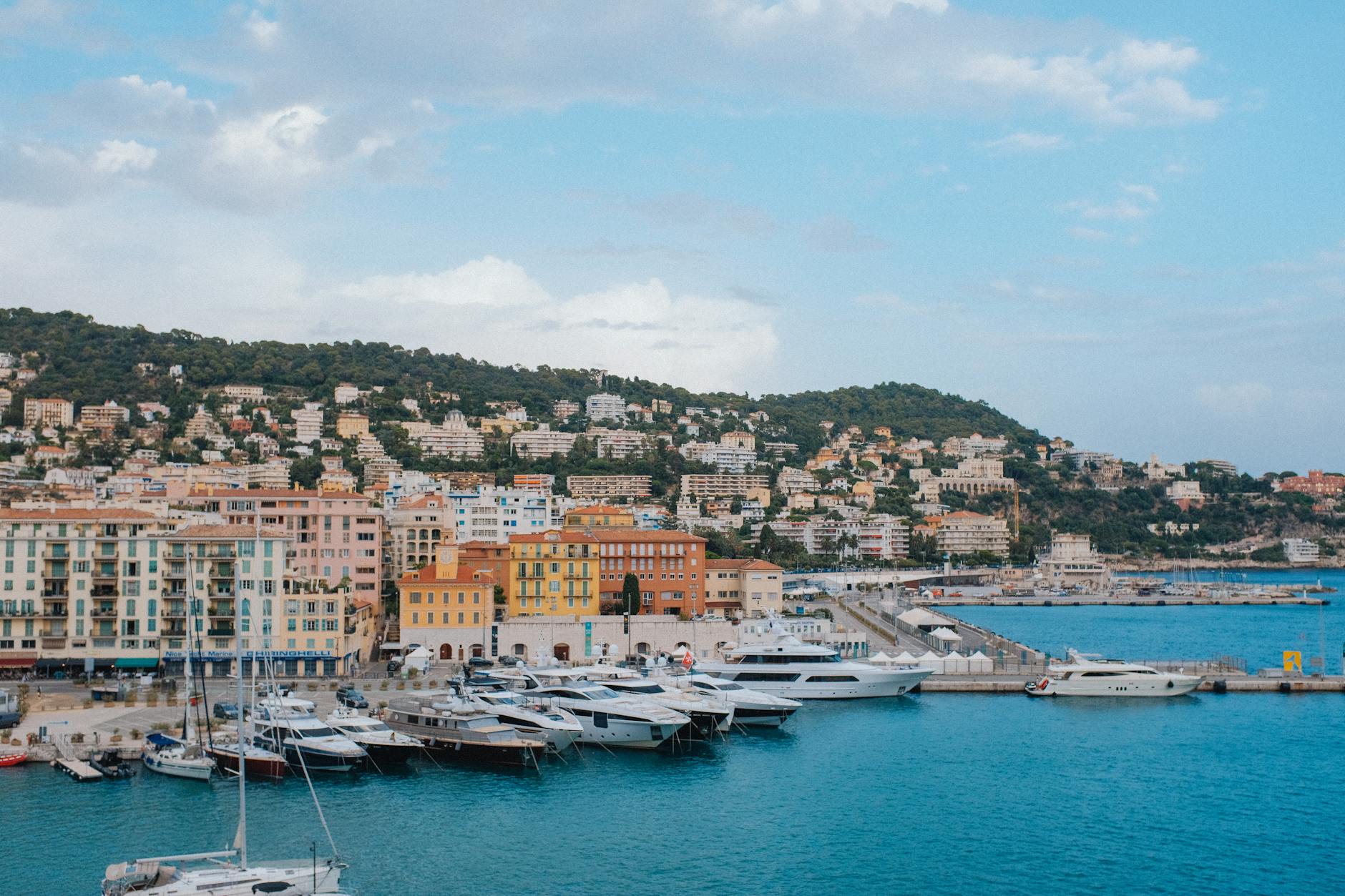
Be realistic about Riviera add-ons
Trade-show attendees often want to add Monaco, Cannes, Antibes, Villefranche-sur-Mer, or a coastal meal. Those add-ons can be valuable for clients or colleagues, but they need time, transport, and energy. A regional train plan may be simple for a leisure traveler and still awkward for an attendee carrying devices, wearing business clothes, or needing to be fresh the next morning.
The better move may be a short waterfront walk, a focused old-town dinner, or one protected post-show half day. If a regional add-on is part of the business purpose, it should be planned as a real movement with return timing, backup route, and group logistics.
- Separate true business add-ons from optional sightseeing.
- Check regional rail, taxi, and return timing before promising clients a Riviera outing.
- Use smaller Nice experiences when the show schedule is already full.
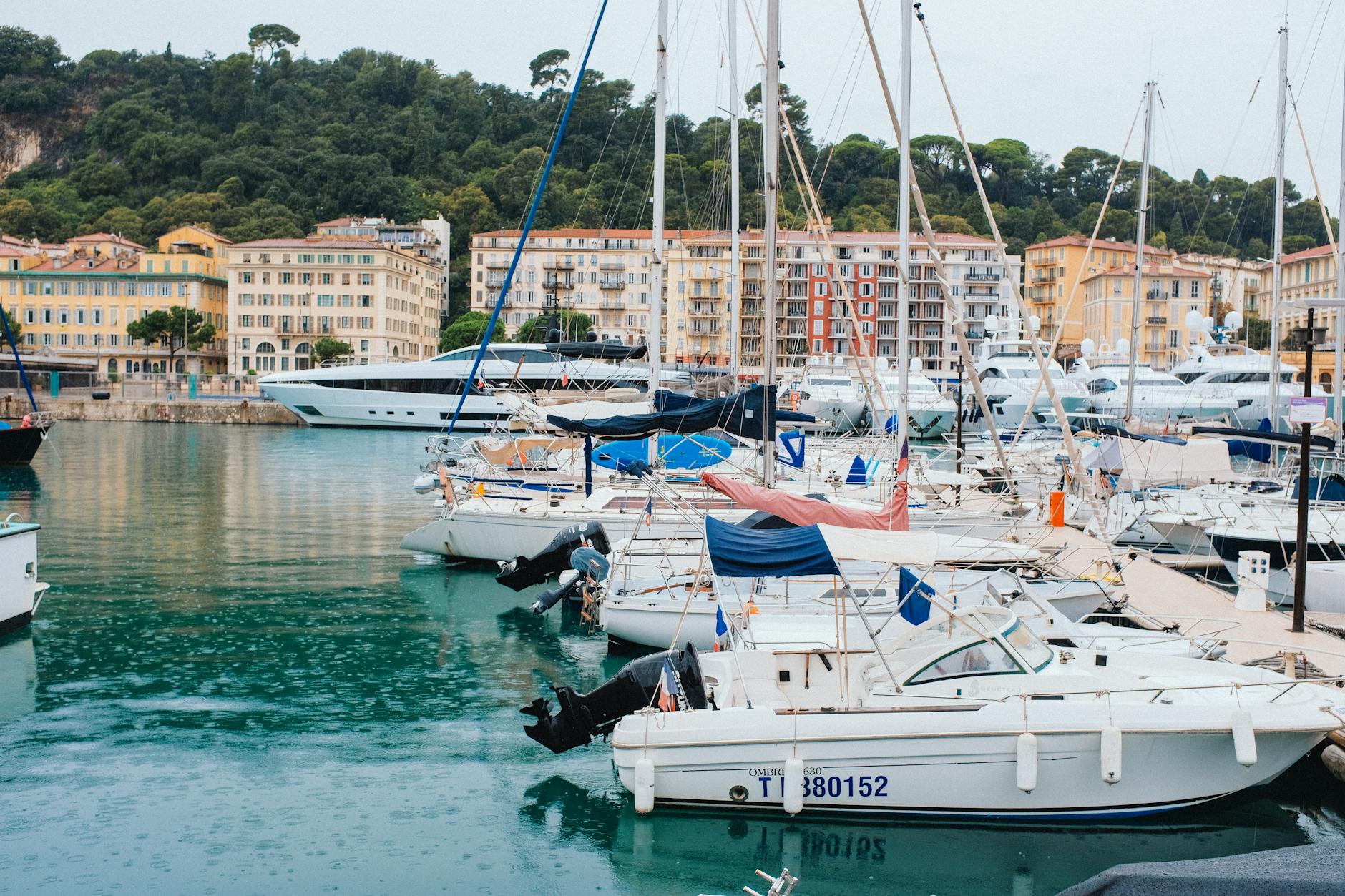
When to order a short-term travel report
A trade-show attendee with a venue hotel, no materials, and a simple badge-only schedule may not need a custom Nice report. A report becomes useful when the traveler is choosing between hotel zones, carrying or shipping materials, arranging client meals, using Nice as a base for a regional event, arriving late, or trying to add Riviera time without weakening business obligations.
The report should test venue access, hotel reliability, airport and tram options, material handling, daily transfers, meal zones, evening returns, regional add-ons, and what to cut. The value is a Nice trade-show trip that feels polished because the logistics were settled before the traveler arrived.
- Order when venue access, hotel choice, materials, meals, or regional add-ons need testing.
- Provide venue, show schedule, hotel options, materials, arrival time, and client plans.
- Use the report to protect the show purpose while still using Nice well.