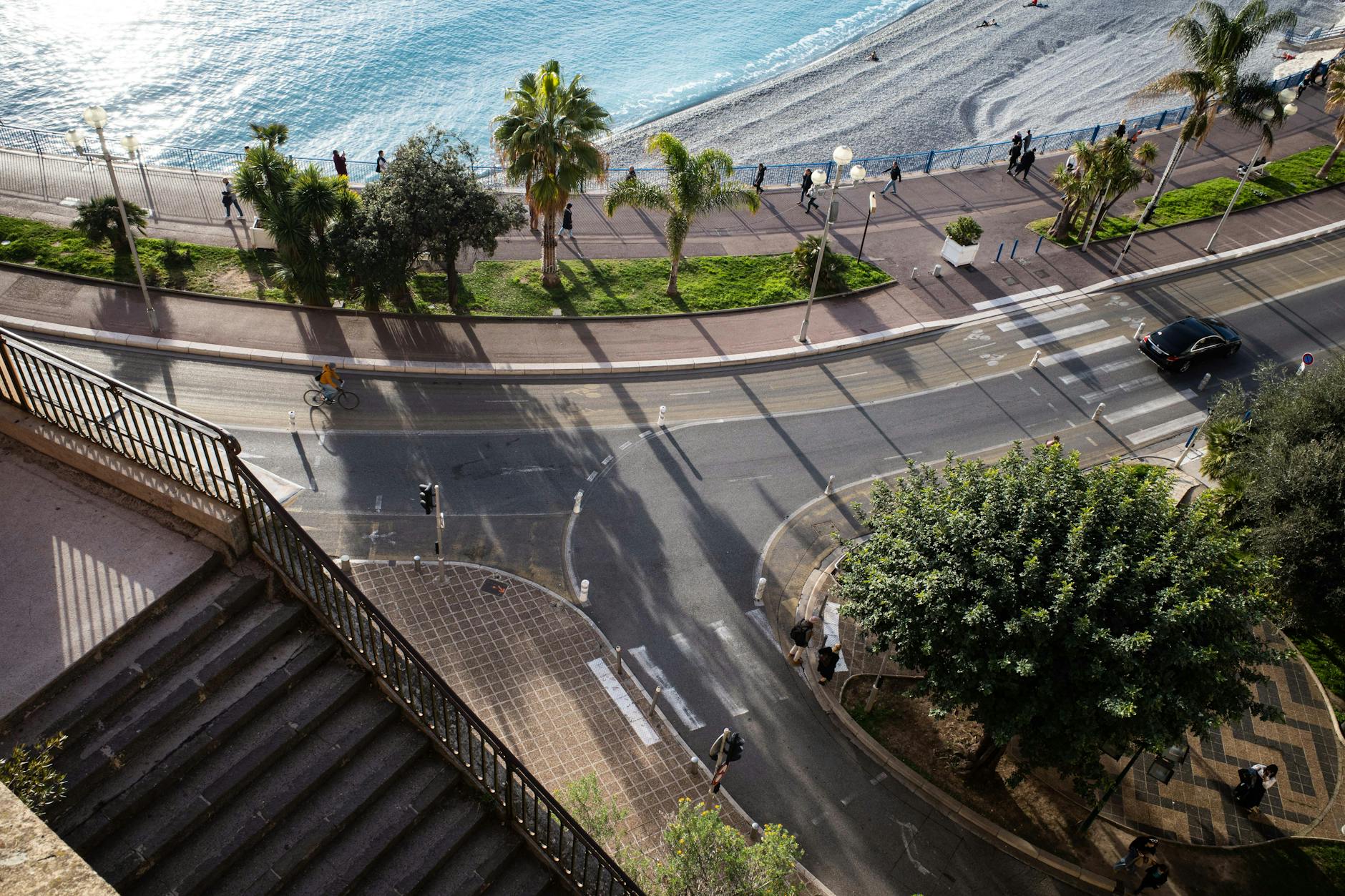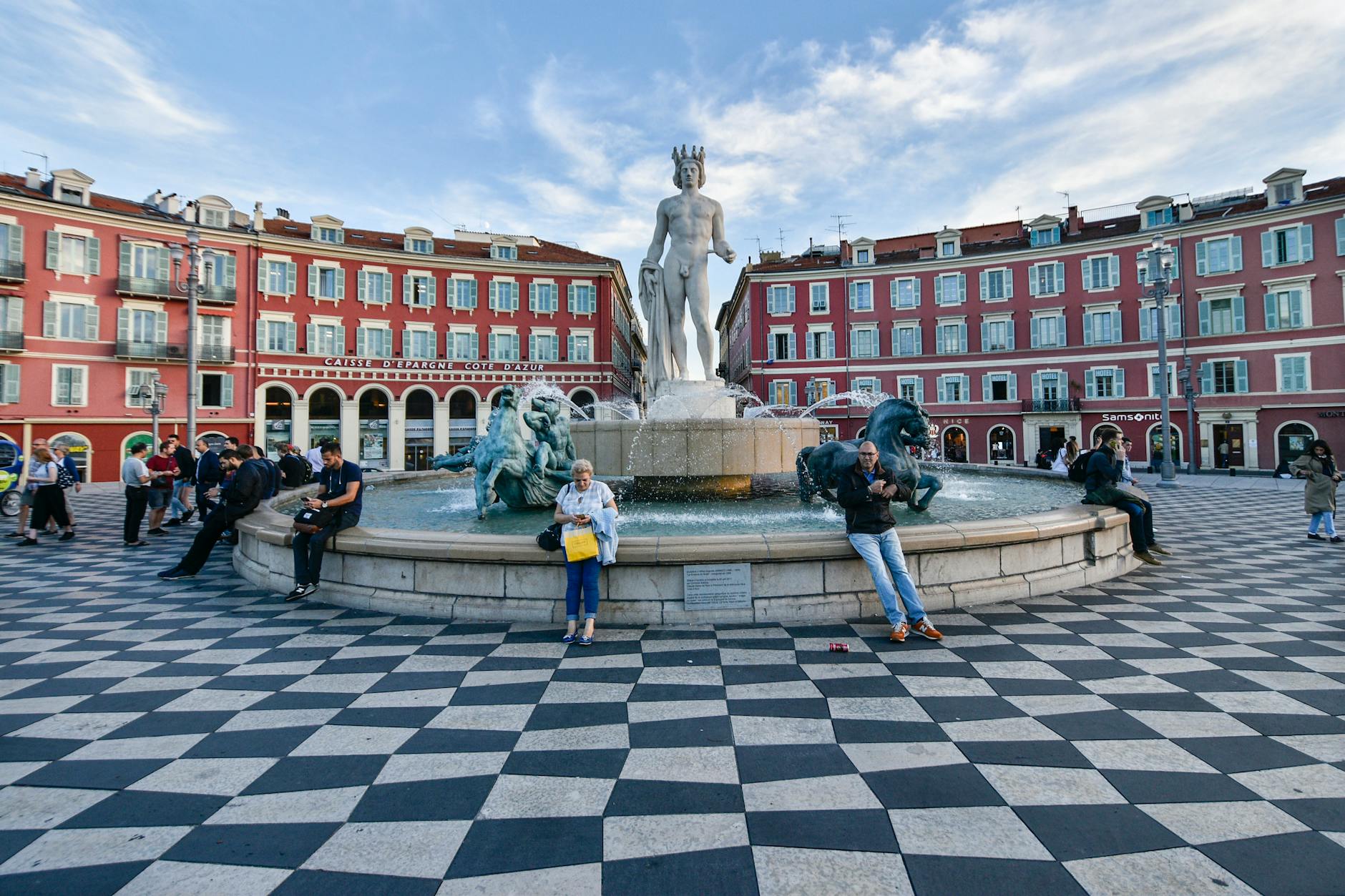
Nice is well suited to some short programs because it combines city access, waterfront, regional trains, French language exposure, museums, markets, and nearby Riviera day trips. That same appeal can distract students from the practical structure that makes a short program work. Housing, arrival, daily commute, group rules, budget, heat, beach logistics, and evening boundaries all need attention before the student is in the city. A short program is not a normal vacation. The student has limited time, a fixed academic or language anchor, possibly shared housing, and a group dynamic that can change every plan. Nice rewards students who treat the city as a temporary operating base rather than a loose backdrop for free time.
Start with the program anchor
A student should first locate the actual program site: language school, university classroom, studio, internship office, meeting point, or host institution. Nice is compact in the visitor imagination, but daily travel still changes the experience. A housing placement that feels fine on a map may create a tiring commute, late returns, or extra costs if the program starts early.
The student should know the daily schedule, attendance expectations, meal arrangements, supervision rules, and how far the housing is from the program door. The program anchor should decide the daily rhythm before beaches, day trips, and nightlife are added.
- Map the exact classroom, school, office, studio, or meeting point before arrival.
- Check housing distance, commute route, attendance rules, and daily start times.
- Let the program schedule control the trip rhythm before adding free-time plans.

Understand housing before treating Nice as easy
Short-program housing can be a residence, host family, apartment, hotel, or shared room. Each format changes independence. The student should understand check-in rules, curfew or quiet hours, visitors, kitchen access, laundry, air conditioning, elevator access, deposits, shared bathrooms, and how late returns are handled. Nice can be pleasant and still be uncomfortable if the housing is noisy, hot, isolated, or awkward after dark.
Students should also distinguish program support from personal responsibility. A coordinator may help with major problems, but the student still needs a practical plan for keys, phones, transport cards, meals, medication, and emergency contacts.
- Confirm housing rules, check-in, curfew, guests, kitchen, laundry, air conditioning, and access.
- Know what the program handles and what the student must manage alone.
- Avoid assuming a Riviera location makes weak housing easy to tolerate.

Plan arrival like a first test
Nice's airport is close to the city, and the tram can be useful, but a student arrival still needs a clear plan. The student may be tired, carrying luggage, using a foreign phone plan, arriving before housing is ready, or trying to meet a group. Ticketing, address format, check-in timing, and backup contact information should be settled before landing.
Parents, program leaders, and students should agree on what happens if a flight is delayed, luggage is missing, the phone does not connect, or the student reaches housing before someone can receive them. The first transfer sets the tone for the program.
- Preplan airport tram, taxi, or transfer route with luggage and check-in timing in mind.
- Keep housing address, program contact, backup phone numbers, and arrival instructions offline.
- Decide what to do if the flight, luggage, phone, or housing handoff fails.

Use trams and trains with group discipline
A short program in Nice may rely on trams, buses, walking, and regional trains. Students should know ticketing, validation, last practical return, station names, and what to do if separated from the group. The regional train network can make Villefranche-sur-Mer, Monaco, Antibes, Cannes, or Menton tempting, but day trips need more structure than a casual suggestion in a group chat.
Group movement is its own risk. A plan that works for two students can become slow, expensive, or unsafe for twelve students with different budgets, attention spans, and judgment. The group needs meeting points, return times, and a clear rule for splitting up.
- Learn tram, bus, and train ticketing before depending on them.
- Set meeting points, return times, and separation plans for group movement.
- Treat regional day trips as planned outings, not impulsive add-ons.
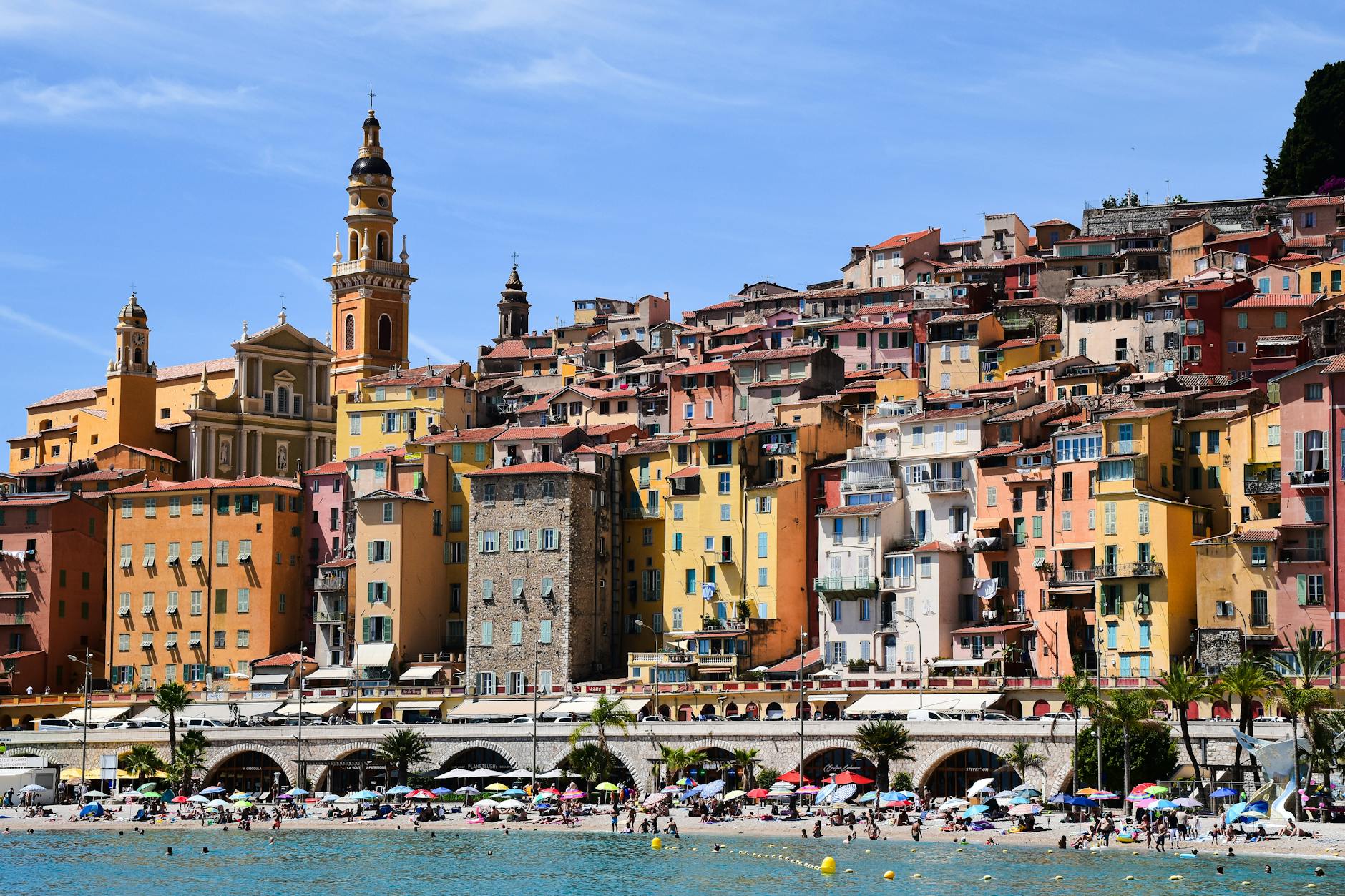
Treat beach time as practical, not automatic
The beach is part of Nice's appeal, but students should understand what it actually requires. The beach is pebbled, valuables need control, sun exposure can be intense, alcohol and swimming do not mix well, and late waterfront plans can change group judgment. A student who expects soft sand and effortless beach days may be surprised by how much small planning matters.
A good beach plan includes footwear, towel, water, sun protection, phone and wallet control, meeting point, and a return route. It should also leave enough energy for the program itself. The trip is weaker if the student is too tired, sunburned, or distracted to use the academic opportunity.
- Prepare for pebbles, sun, water, valuables, footwear, and return logistics.
- Keep swimming, alcohol, and late waterfront plans under control.
- Protect program energy instead of letting beach time consume the short stay.

Be realistic about budget and evenings
Nice can become expensive quickly if students rely on tourist-street meals, beach clubs, taxis, convenience snacks, and repeated regional outings. A short program budget should include groceries, simple meals, transit, laundry, phone data, museum fees, day trips, emergency taxi money, and one or two deliberate treats. Running short on money changes safety and judgment.
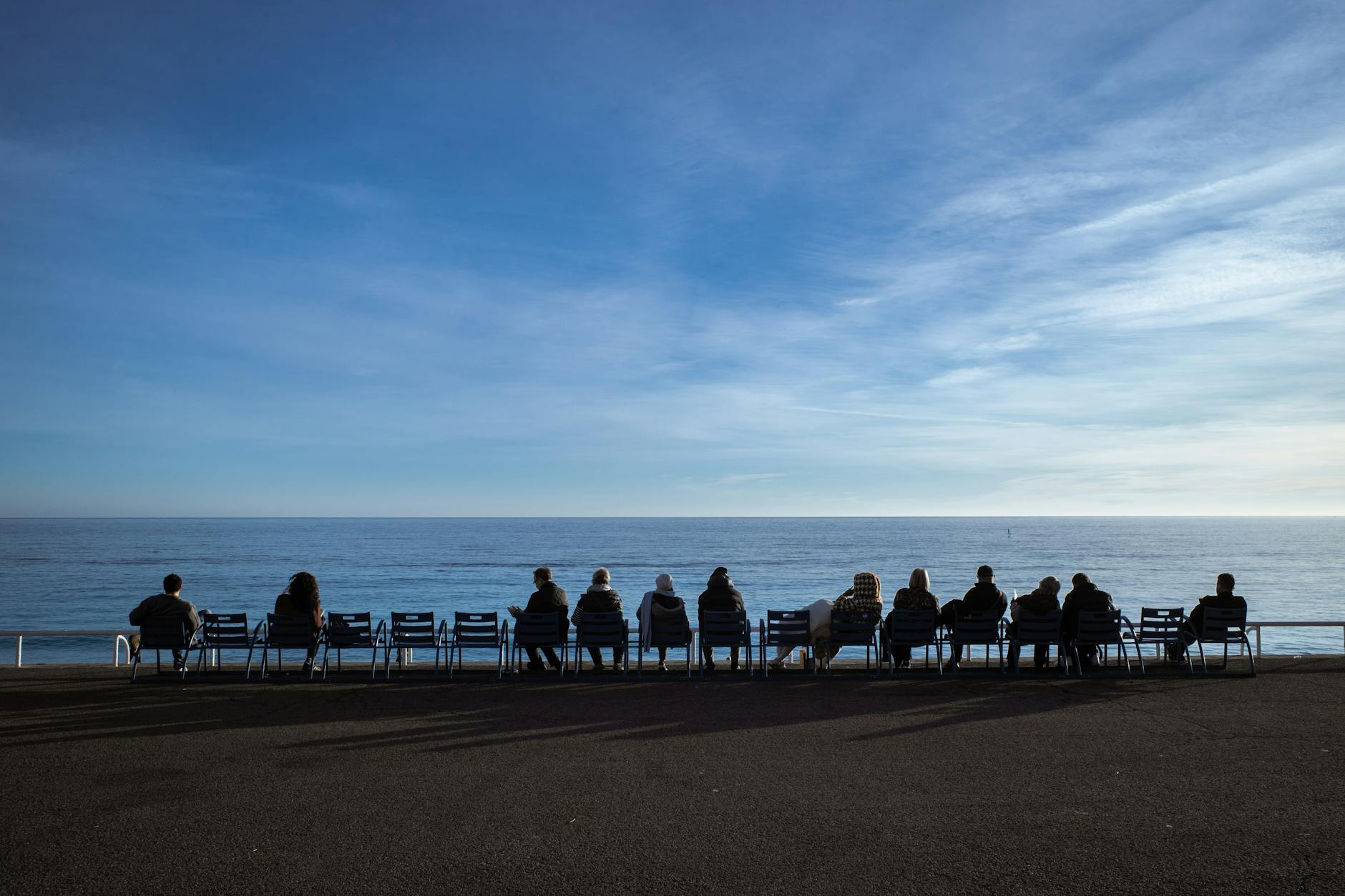
Evenings need boundaries. Old Nice, the Promenade, bars, and group dinners can be enjoyable, but students should know return routes, roommate expectations, local laws, program rules, and what changes after the last practical transit option. The safest plan is usually boring enough to repeat.
- Budget for meals, transit, laundry, phone data, day trips, fees, and emergency transport.
- Set evening return routes, group rules, roommate expectations, and spending limits.
- Avoid letting a few expensive nights damage the rest of the program.
When to order a short-term travel report
A student on a highly structured program with supervised housing and clear transfers may not need a custom Nice report. A report becomes useful when the student has independent housing, medical or mobility needs, a loose arrival plan, unsupervised regional travel, a tight budget, nervous parents, or uncertainty about how to balance program obligations with free time.
The report should test program location, housing access, airport arrival, tram and train use, beach logistics, budget pressure, evening boundaries, day-trip options, medical fallback, and what to cut. The value is a short program that feels exciting without leaving the student to solve basic operating problems alone.
- Order when housing, arrival, supervision, health needs, budget, or regional trips need testing.
- Provide program site, housing address, dates, arrival details, budget, student age, and constraints.
- Use the report to turn a short program into a workable daily plan.