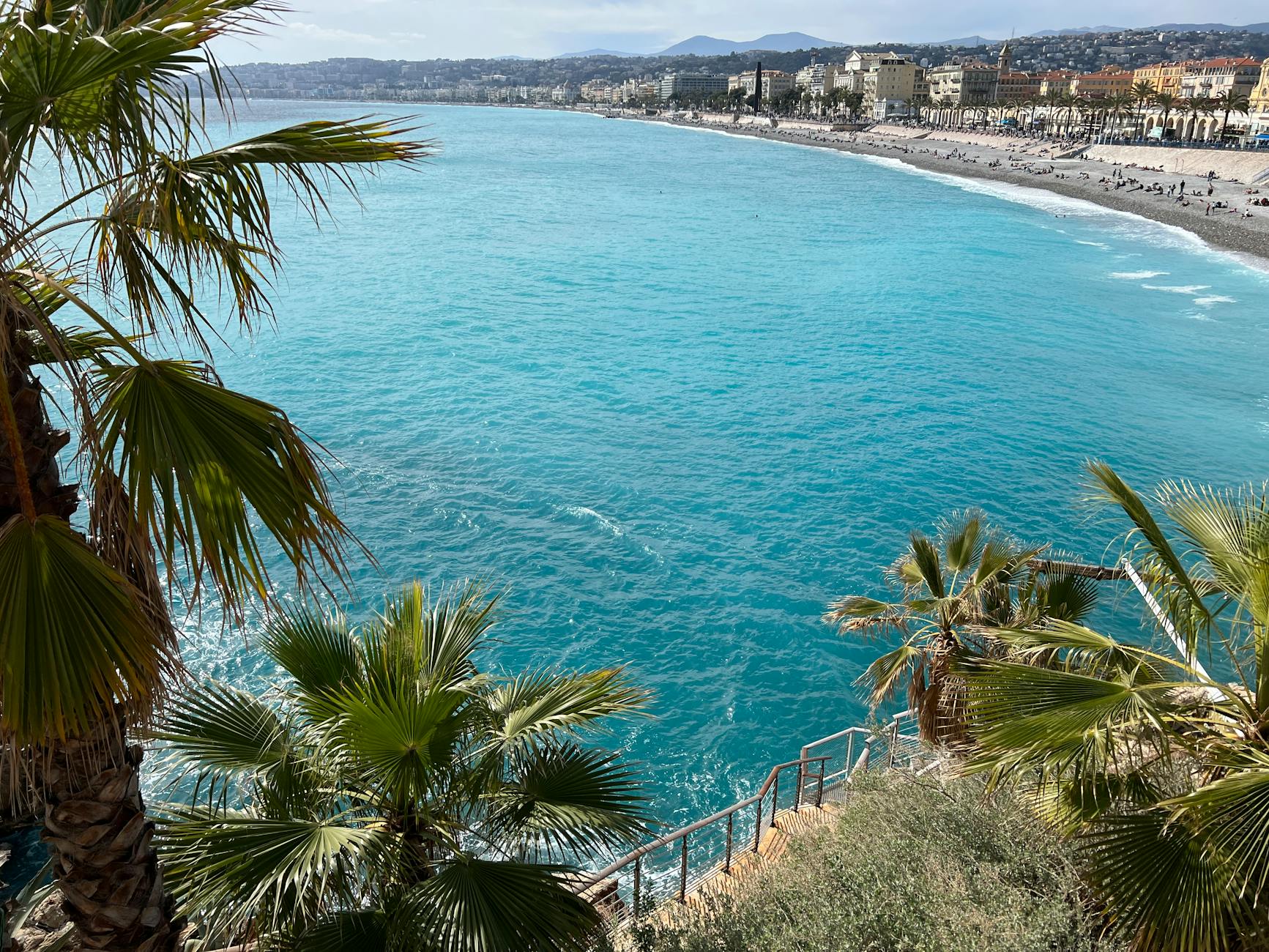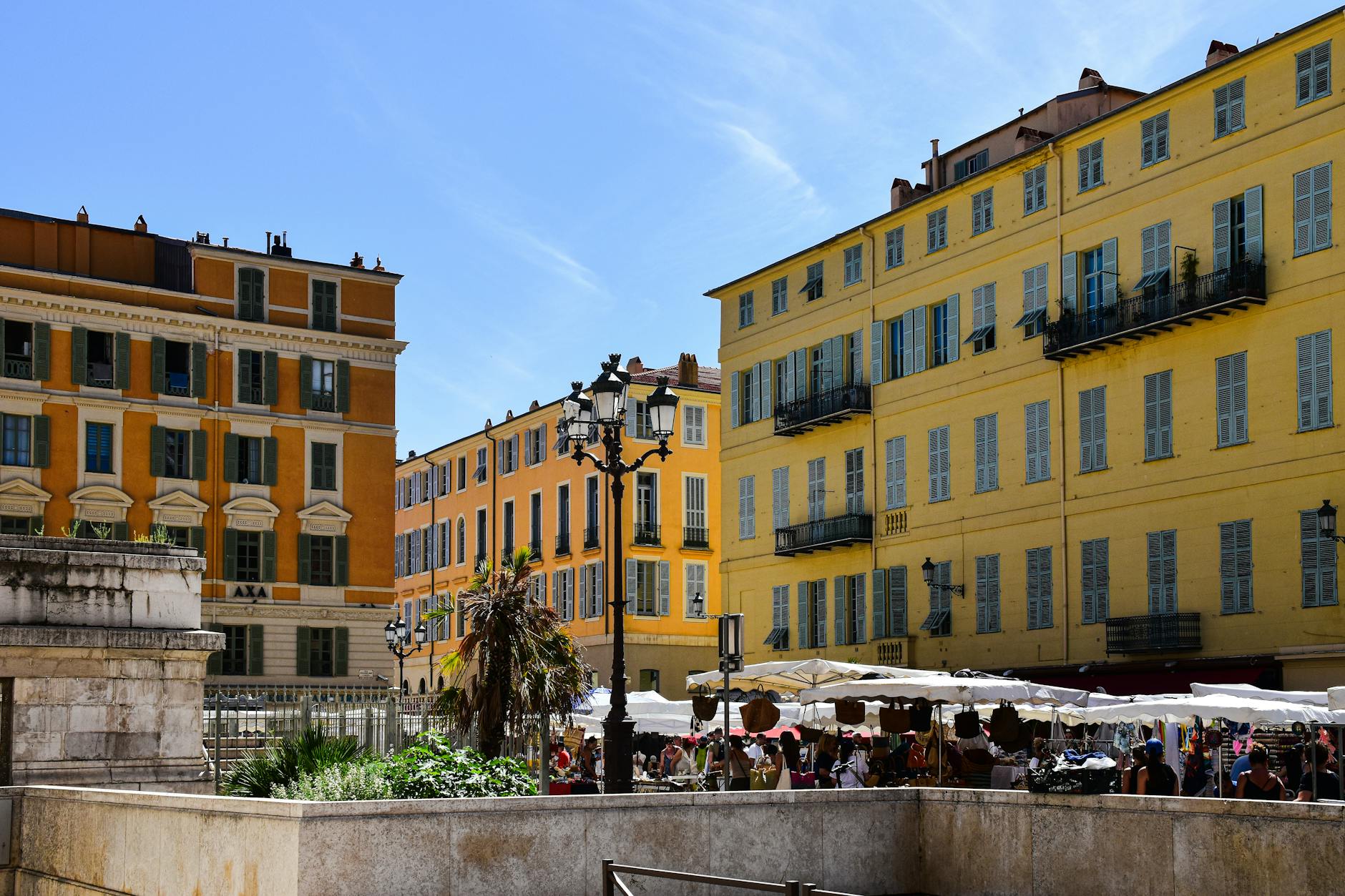
Nice can be a strong short trip for a solo traveler because it is visually rewarding, easy to reach from the airport, and full of manageable solo activities: the Promenade, Old Nice, markets, museums, cafes, viewpoints, beaches, and coastal train trips. The same ease can make a solo visitor too casual about arrival, hotel choice, belongings, night movement, and how much walking a day can absorb. A good solo Nice plan gives the traveler freedom without leaving every decision to the moment. The base should make daily movement simple, the first day should establish orientation, meals should feel intentional, and day trips should be chosen carefully. The traveler does not need a rigid schedule, but they do need a reliable frame.
Choose a base that makes solo movement easy
Solo travelers should choose a Nice hotel or apartment around repeatable movement. A base near the Promenade can make orientation easy and evenings calmer. Old Nice can be atmospheric and convenient for food, but it may bring noise, stairs, and confusing late-night lanes. Station access helps day trips, but the traveler should still check how the area feels after dinner.
The lodging should have clear reception or check-in, reliable locks, strong Wi-Fi, luggage storage, elevator access if needed, and an easy route from the airport. For solo travel, a slightly better base can remove a large amount of daily decision friction.
- Choose lodging around repeatable routes, evening comfort, and arrival simplicity.
- Check reception, locks, Wi-Fi, luggage storage, elevators, and neighborhood feel.
- Avoid a charming base that makes every solo return more complicated.
Build first-day orientation before wandering
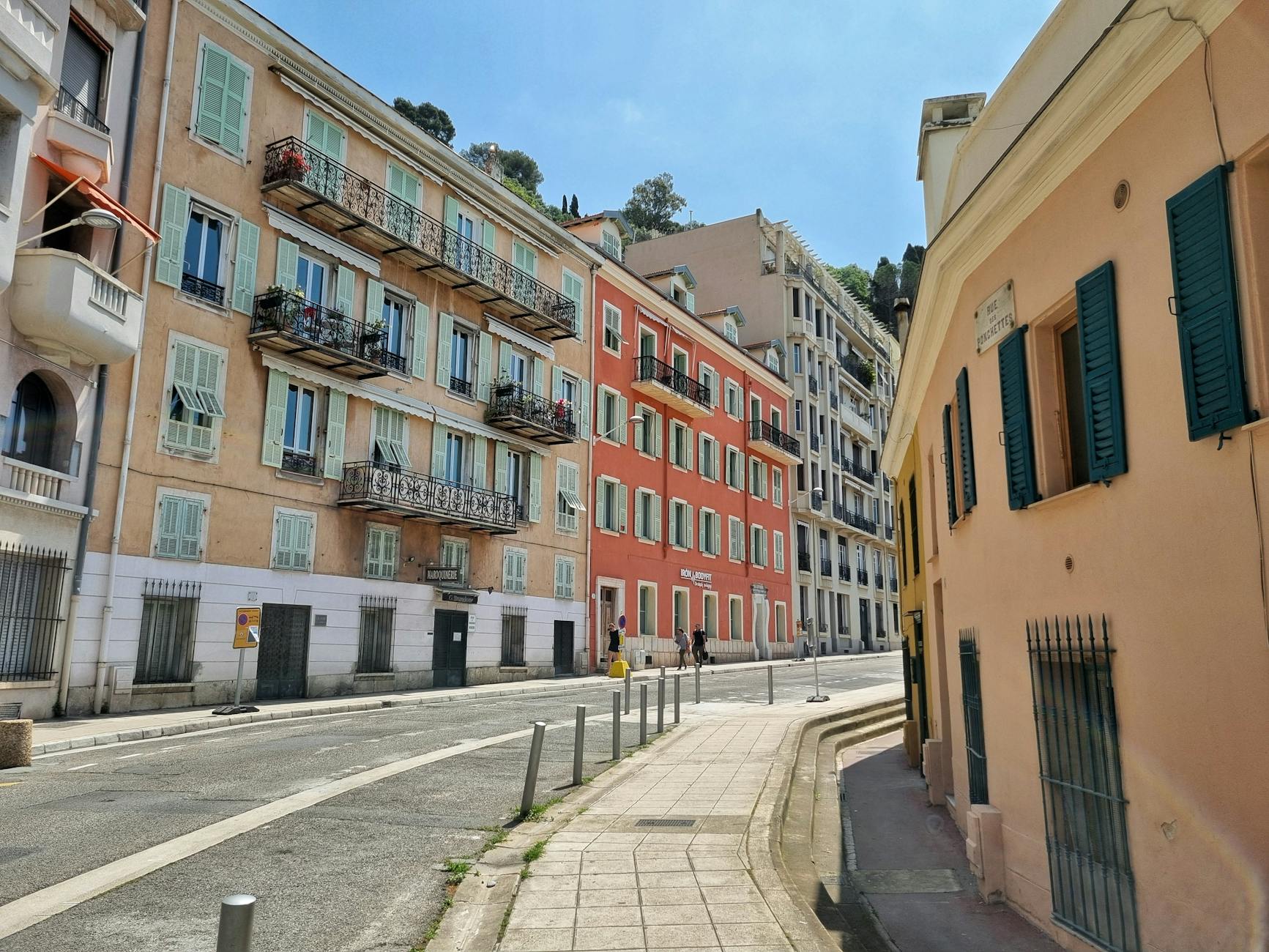
A solo traveler should use the first day to understand the city before getting too ambitious. The airport route, hotel area, nearest tram stop, safe-feeling evening streets, food fallback, pharmacy, waterfront route, and return landmarks should all become familiar quickly. This is especially important after a late arrival or long flight.
Nice rewards wandering, but wandering works better after the traveler knows how to get back. A short orientation walk, a saved offline map, a written hotel address, and a simple first meal can make the rest of the trip easier.
- Learn the hotel area, tram stop, waterfront route, food fallback, and return landmarks early.
- Save offline maps and keep the hotel address available outside the phone.
- Keep arrival day simple if tired or landing late.
Use Old Nice and the waterfront with timing discipline
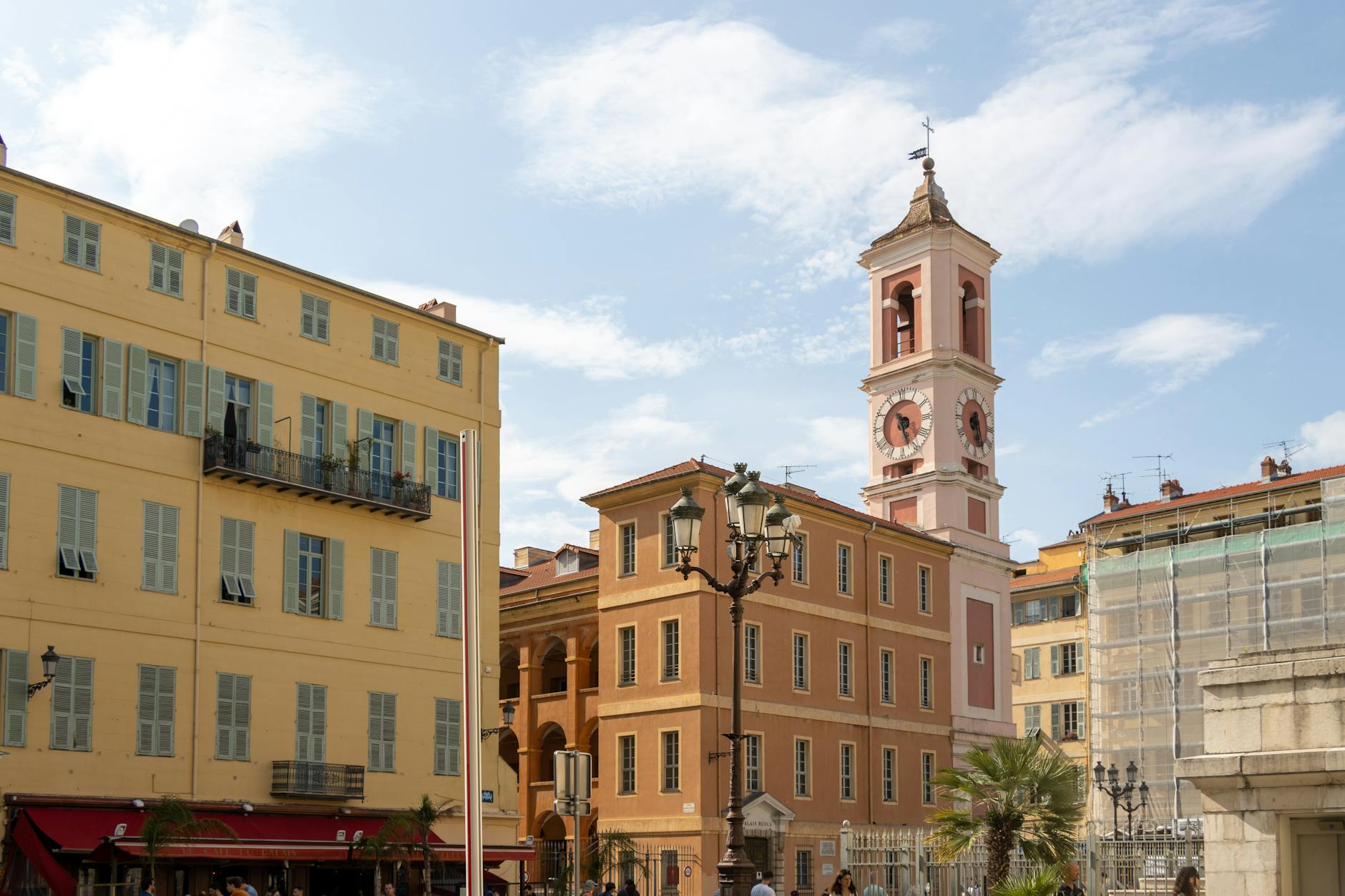
Old Nice, the Promenade, Castle Hill, markets, churches, shops, and cafes are well suited to solo travel, but the traveler should time them intelligently. Morning markets, midday heat, crowded beach routes, late-night streets, and stair-heavy viewpoints all feel different when alone. The traveler should choose when to be exploratory and when to keep the route direct.
Belongings deserve ordinary attention. A solo visitor has no companion watching the bag during photos, swims, payments, or restroom breaks. The best plan keeps valuables minimal and avoids situations where the traveler must choose between comfort and control.
- Visit Old Nice, markets, viewpoints, and the waterfront at times that match energy and crowds.
- Keep valuables controlled during photos, meals, beach stops, and payments.
- Use direct routes after dark when tired or unfamiliar with the area.
Eat well without making meals awkward
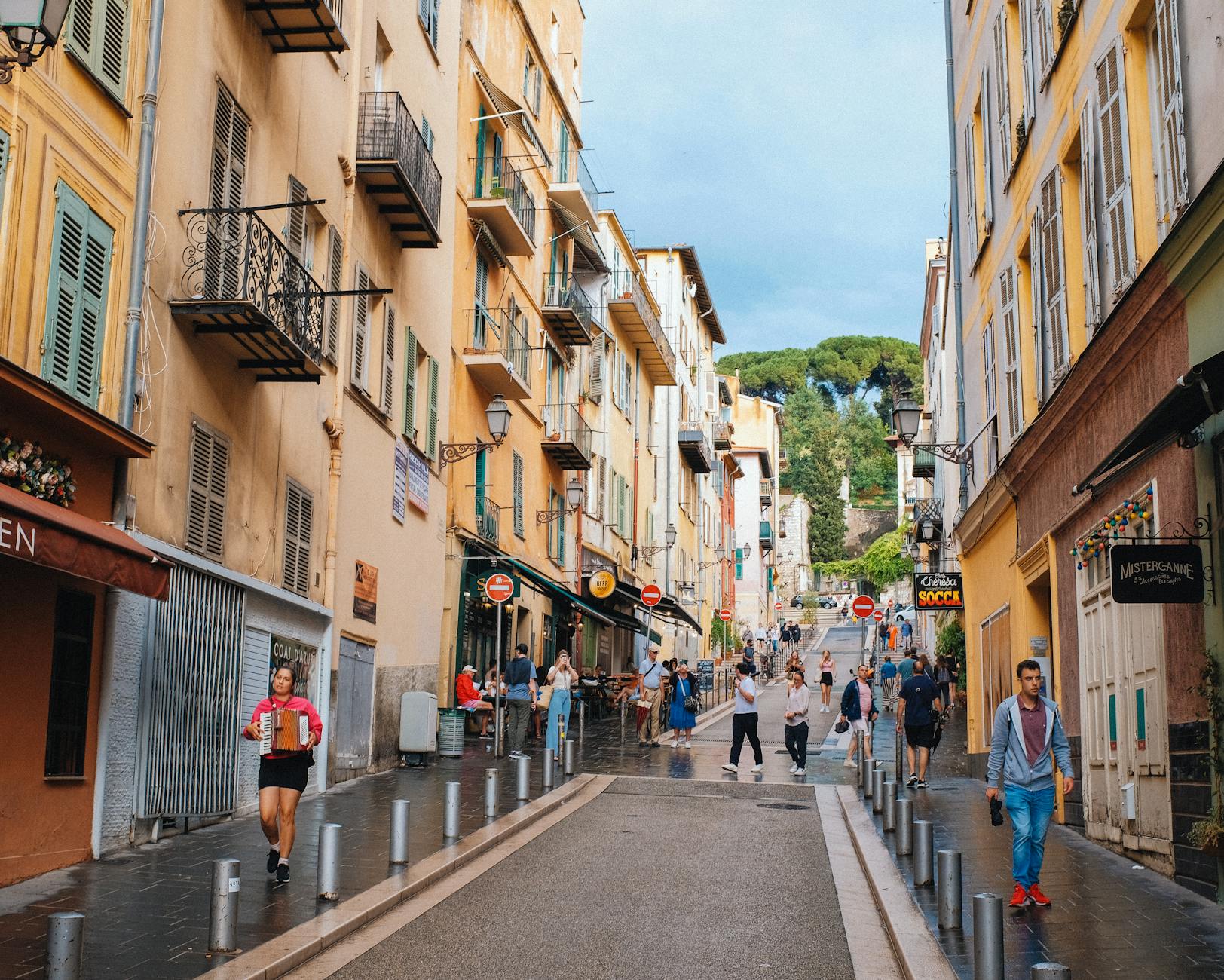
Nice is a good city for solo meals if the traveler plans them with confidence. Cafes, markets, casual restaurants, hotel bars, old-town tables, and seafront lunches can all work. The traveler should decide which meals deserve reservations and which can be flexible. A solo dinner is easier when the route back is known and the restaurant style fits the mood.
The traveler should also avoid letting food plans drift until late hunger makes the decision poor. A saved list of nearby options, one or two important reservations, and a hotel-area fallback can make solo evenings feel intentional rather than improvised.
- Pick a mix of reservations, casual meals, cafes, and hotel-area fallbacks.
- Choose dinner locations with a clear return route.
- Do not wait until tired and hungry to decide the evening plan.
Be selective about beaches and day trips
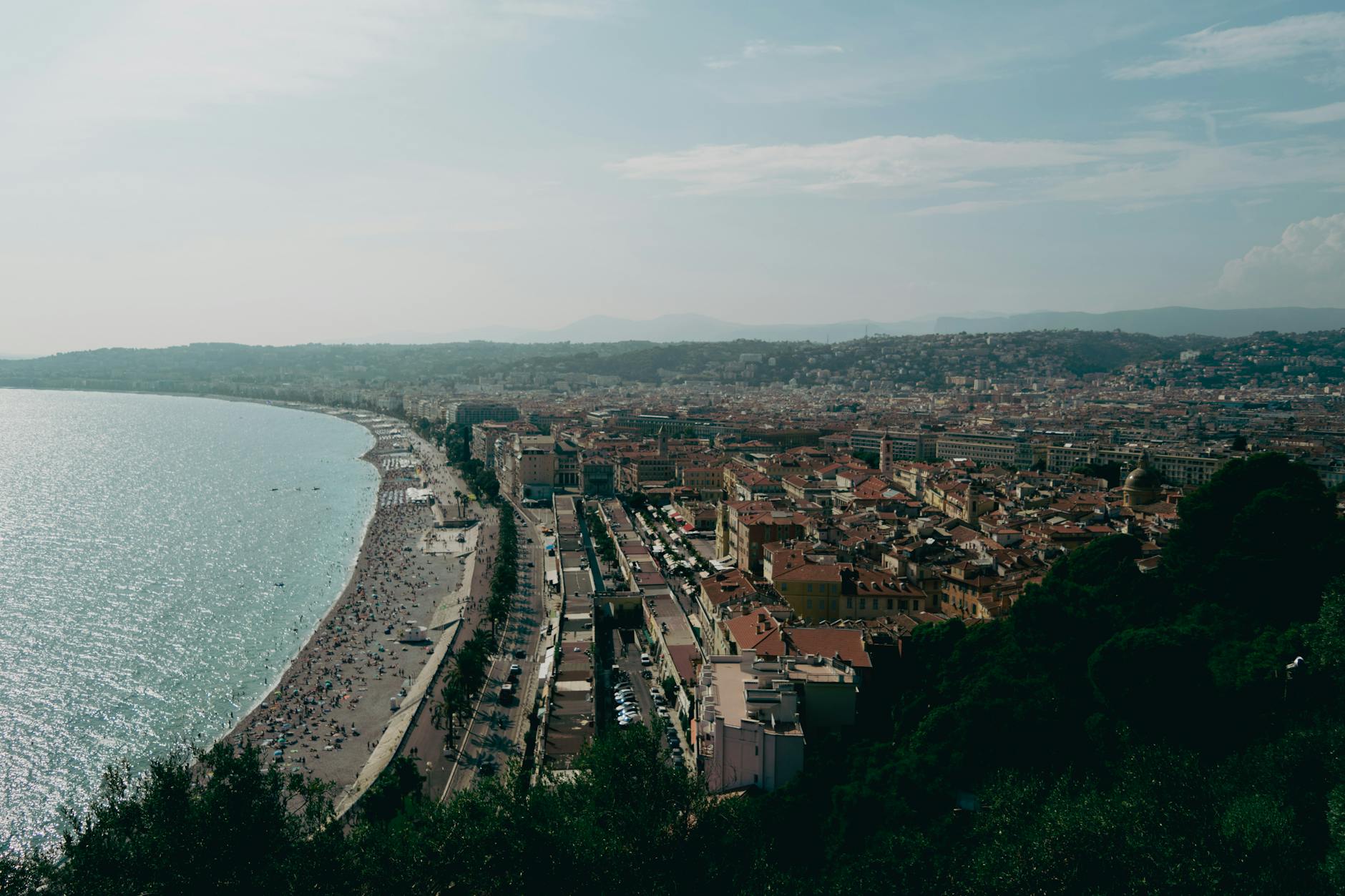
Solo beach time in Nice needs more thought than a quick stop with companions. The shore is often pebbly, paid clubs vary, and belongings are harder to manage while swimming. The traveler should decide whether they want a beach club, a short waterfront sit, or a proper swim, and plan valuables accordingly.
Day trips also deserve selectivity. Monaco, Antibes, Villefranche-sur-Mer, Eze, and Cannes can all be attractive from Nice, but solo travelers should check train timing, return options, walking demands, evening light, and how much energy the trip will take away from Nice itself.
- Plan beach time around pebbles, shade, valuables, swimming, and paid club options.
- Choose day trips by return reliability, walking load, and personal interest.
- Do not use every free day to leave the city if Nice is the main trip.
Keep communication and backup plans simple
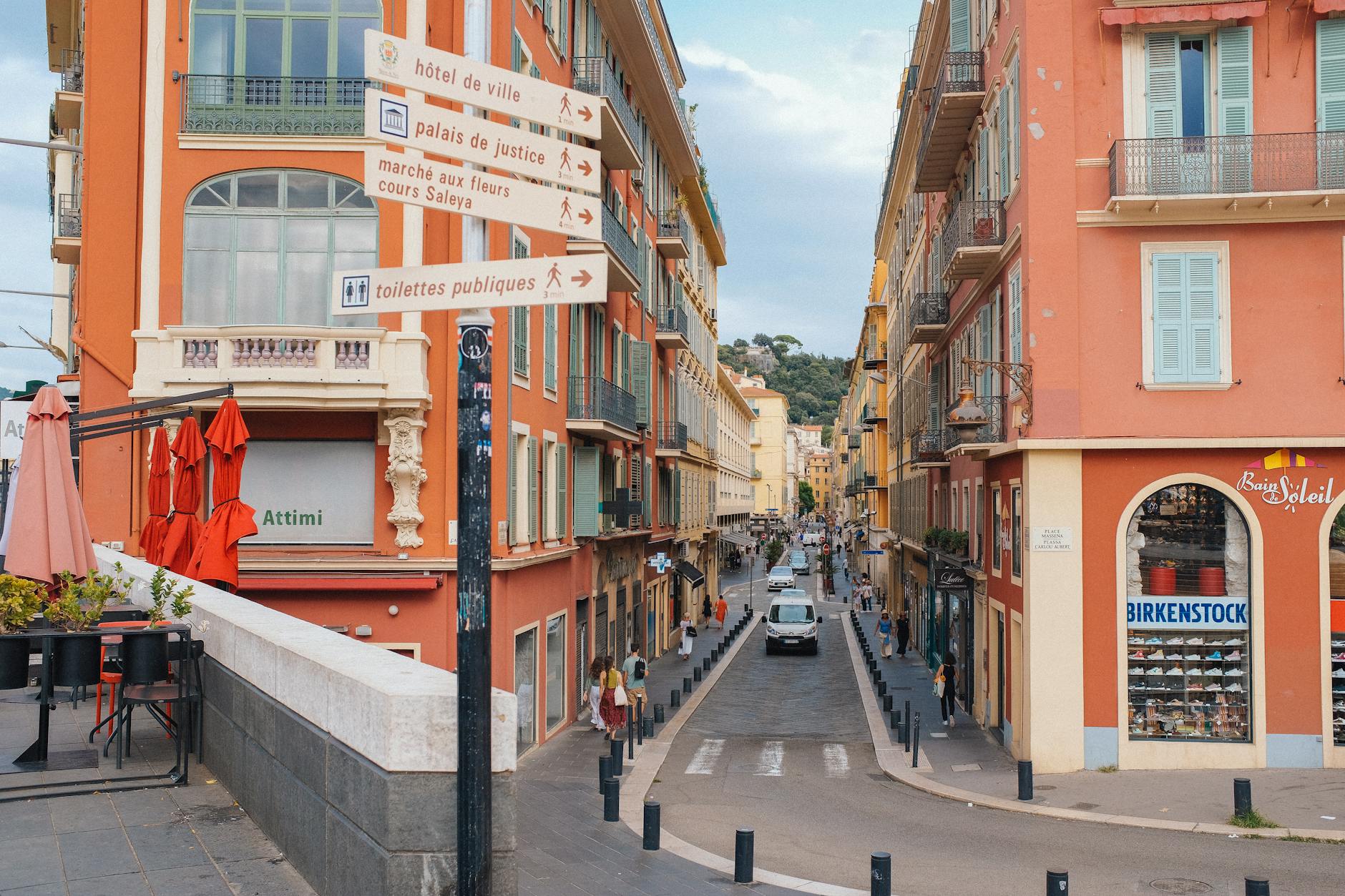
Solo travelers should make backup plans boring and reliable. That means phone charging, roaming or eSIM setup, offline maps, a written hotel address, emergency contacts, payment backups, and a shared itinerary if someone at home should know the plan. The traveler should also know when to call a taxi instead of optimizing the last mile.
This does not make the trip fearful. It makes the trip smoother. The more reliable the backup structure is, the more freely the traveler can enjoy Nice's slower moments.
- Set up roaming or eSIM, offline maps, charging, payment backups, and written hotel details.
- Share the itinerary where appropriate.
- Use taxis or direct routes when tired, late, or carrying purchases.
When to order a short-term travel report
A confident solo traveler with a simple Nice plan may not need a custom report. A report becomes useful when the traveler is choosing between hotel zones, arriving late, planning several day trips, worried about solo evening movement, managing budget or mobility constraints, or trying to build a flexible itinerary that still has enough structure.
The report should test hotel base, arrival route, first-day orientation, solo meal options, beach logistics, day-trip choices, evening movement, backup plans, and what to cut. The value is a solo Nice trip that keeps independence while reducing preventable friction.
- Order when hotel zone, solo arrival, evening routes, beach logistics, or day trips need testing.
- Provide dates, flights, lodging options, priorities, budget, comfort level, and constraints.
- Use the report to keep solo flexibility without relying on improvisation for everything.