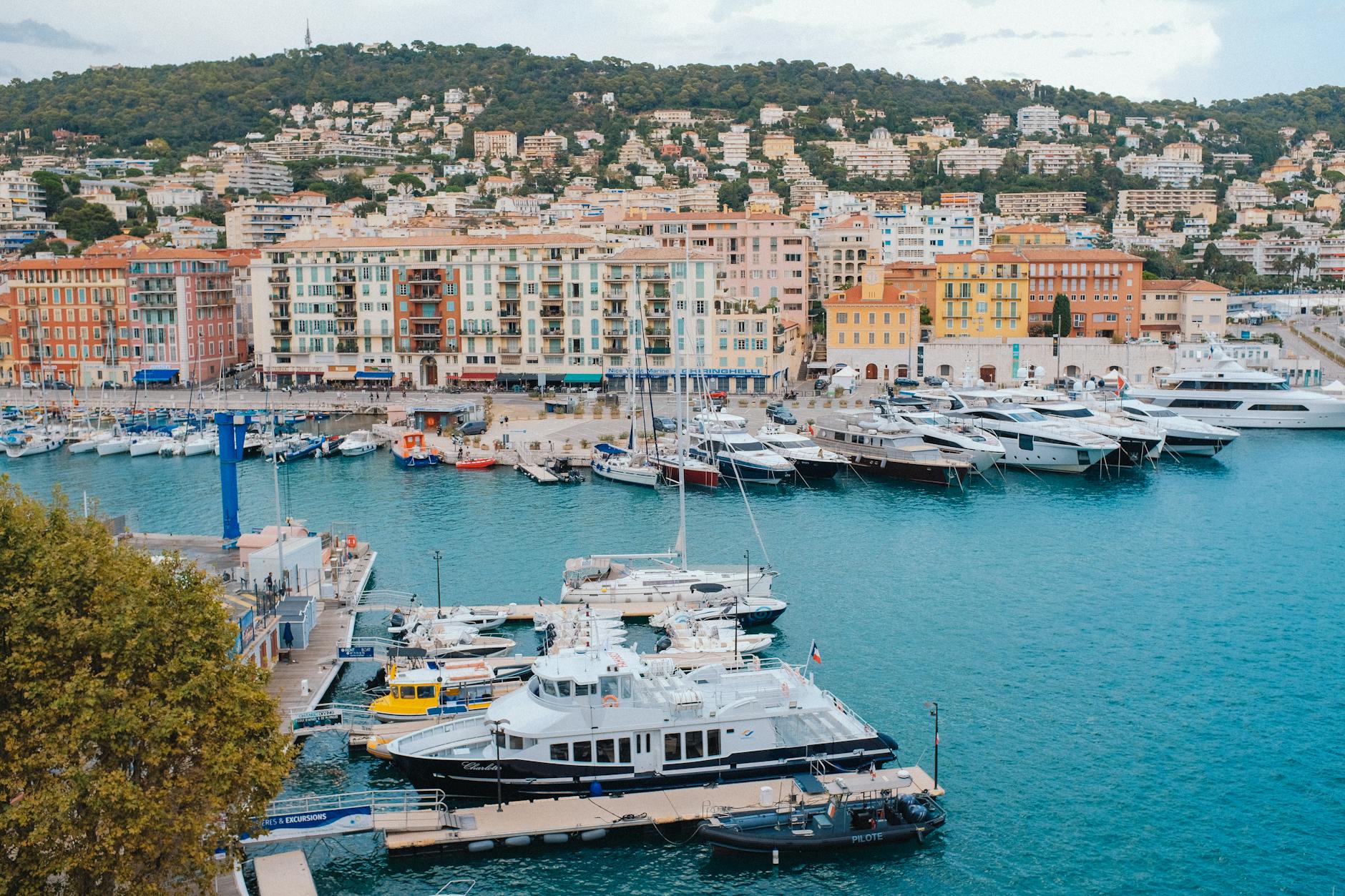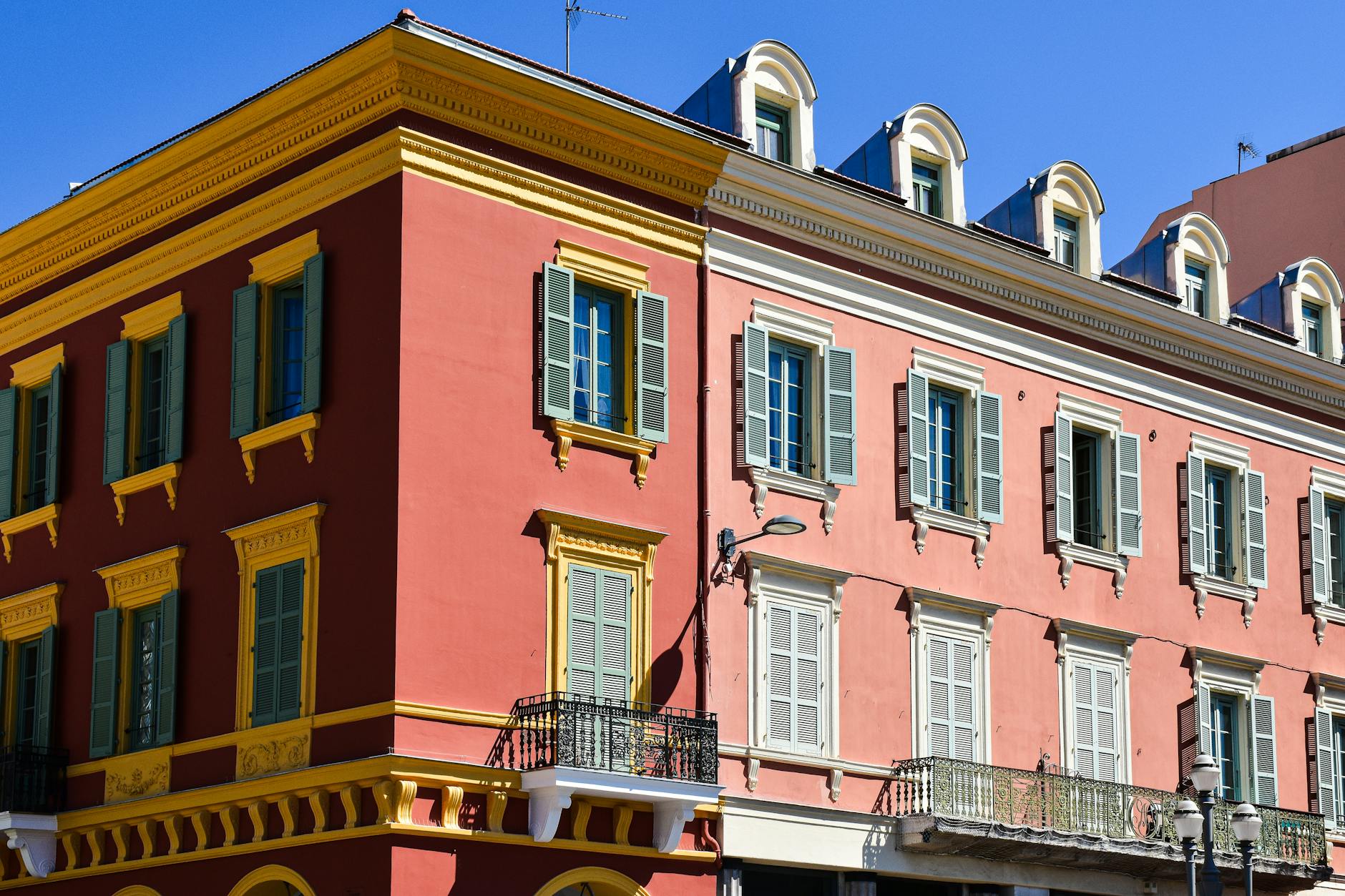
Nice can be an effective base for a short sales trip, but it should not be treated as a leisure weekend with meetings inserted. The city has real advantages: a close airport, useful tram lines, waterfront hotels, restaurants that can carry client meals, and access to Monaco, Cannes, Antibes, Sophia Antipolis, and other Riviera business nodes. Those same advantages create a planning risk. The traveler may overestimate how much can fit around appointments because the setting feels compact and attractive. A strong sales trip to Nice starts with the prospect map. Where are the meetings, how formal are they, what materials are being carried, where should a client meal happen, and how does the traveler return after a late dinner without weakening the next appointment? The sales purpose should control the trip structure.
Build the itinerary around prospect geography
A sales traveler should begin by mapping every prospect, customer, partner, and dinner location before choosing the hotel. Nice may be the right base for meetings in the city itself, but the same trip can also involve Monaco, Cannes, Antibes, Sophia Antipolis, airport-area offices, or private addresses that are awkward from a purely tourist hotel. The route sequence matters more than the brochure view.
The traveler should compare morning traffic, tram practicality, rail timing, taxi availability, and the amount of formal clothing or product material being carried. A meeting that looks close on a regional map may still need a protected movement block if the sales call has real commercial value.
- Map every prospect, customer, partner, and meal location before booking lodging.
- Check whether Nice, the airport area, Monaco, Cannes, Antibes, or Sophia Antipolis drives the route.
- Protect important sales calls from optimistic transfer assumptions.
Choose a hotel that supports selling
The right Nice hotel for a sales traveler is not automatically the prettiest one. It needs to support preparation, calls, sleep, formal clothing, sample storage, taxi pickup, and quick access to meals. Reliable Wi-Fi, a real desk, quiet call space, breakfast timing, laundry or pressing, elevator access, and a lobby that can handle a brief client pickup may matter more than a slightly better sea view.
The traveler should also decide whether the hotel needs to impress a client or simply keep the workday stable. Those are different requirements. A discreet, practical base can be better than a showcase property if the sales schedule is dense.
- Check Wi-Fi, desk space, call privacy, breakfast, laundry, taxi access, and storage.
- Decide whether the hotel must host clients or mainly protect the workday.
- Do not let the waterfront view outrank route reliability and preparation space.
Add margin around the first meeting
Nice's close airport can tempt travelers into same-day meeting plans. That may work for a low-stakes internal check-in, but it is risky for a real prospect meeting. Flight delay, baggage delay, tram confusion, taxi availability, hotel check-in, missing adapters, or a wrinkled jacket can all affect how the traveler shows up.
A sales traveler should arrive with enough margin to reset, review materials, test the route, and handle a practical meal. If the first meeting is outside central Nice, the route should be tested by time of day rather than by static map distance.
- Avoid putting the most important prospect meeting immediately after arrival.
- Leave time to check in, prepare materials, change clothes, and test the route.
- Use the first evening to remove operational uncertainty before selling starts.
Control presentation materials and devices
Sales trips often depend on small items: a laptop, charger, adapter, sample, deck, product sheet, contract draft, badge, or backup file. Nice is not unusually difficult, but crowded stations, waterfront areas, hotel lobbies, cafes, taxis, and late returns require ordinary discipline. The traveler should know what must be carried, what can stay in the room, and how backups are accessed if a device fails.
If samples or printed material are involved, the hotel and meeting sequence should support them. Carrying bulky materials through Old Nice or onto regional trains may look manageable until weather, crowding, stairs, or a late dinner changes the day.
- Pack redundant chargers, adapters, decks, documents, and sample plans.
- Separate what must be carried from what can remain secured at the hotel.
- Avoid moving bulky sales materials through fragile routes unless necessary.
Make client meals do business work
Nice can make client meals feel polished without much effort, but the meal still needs a purpose. A prospect dinner, renewal lunch, distributor conversation, or quick coffee each needs a different setting. The traveler should preselect options for quiet conversation, group size, dietary needs, reservation reliability, payment flow, and return route.
A scenic dinner that runs too late before a key appointment is not a good sales decision. The meal should reinforce the relationship without creating fatigue, transport uncertainty, or a rushed next morning.
- Choose meals by conversation quality, timing, group fit, diet, payment, and return route.
- Keep a quick solo fallback for nights when meetings run long.
- Use the Riviera setting to support the relationship, not to overextend the schedule.
Be selective with regional movement
Sales travelers often want to cover more of the Riviera because the towns are close together. That can be useful when prospects are clustered, but it can also create a weak day: too much rail timing, too many taxis, not enough preparation, and too little recovery between meetings. Monaco, Cannes, Antibes, and Sophia Antipolis each have different access patterns from Nice.
The traveler should decide whether a regional move is commercially necessary or simply tempting. One carefully sequenced regional day may be stronger than trying to claim every possible prospect within reach.
- Group regional meetings by route logic, not by optimism.
- Check rail, taxi, road, parking, and return timing before committing to multiple towns.
- Cut marginal calls when they weaken the highest-value sales opportunity.
When to order a short-term travel report
A sales traveler with one central meeting, a known hotel, and no client meals may not need a custom Nice report. A report becomes useful when the traveler is comparing hotel zones, managing several prospects, adding Monaco or Cannes, carrying samples, scheduling client meals, arriving close to meetings, or trying to keep a tight commercial itinerary from becoming a scenic but unreliable trip.
The report should test prospect geography, hotel fit, airport and tram options, rail and taxi movement, meal settings, device and material handling, evening returns, recovery time, and what to cut. The value is a sales trip that protects commercial outcomes first.
- Order when prospect routing, hotel choice, client meals, samples, or regional movement need testing.
- Provide prospect locations, meeting times, hotel options, arrival details, materials, and meal plans.
- Use the report to prioritize the calls that matter and remove fragile logistics.