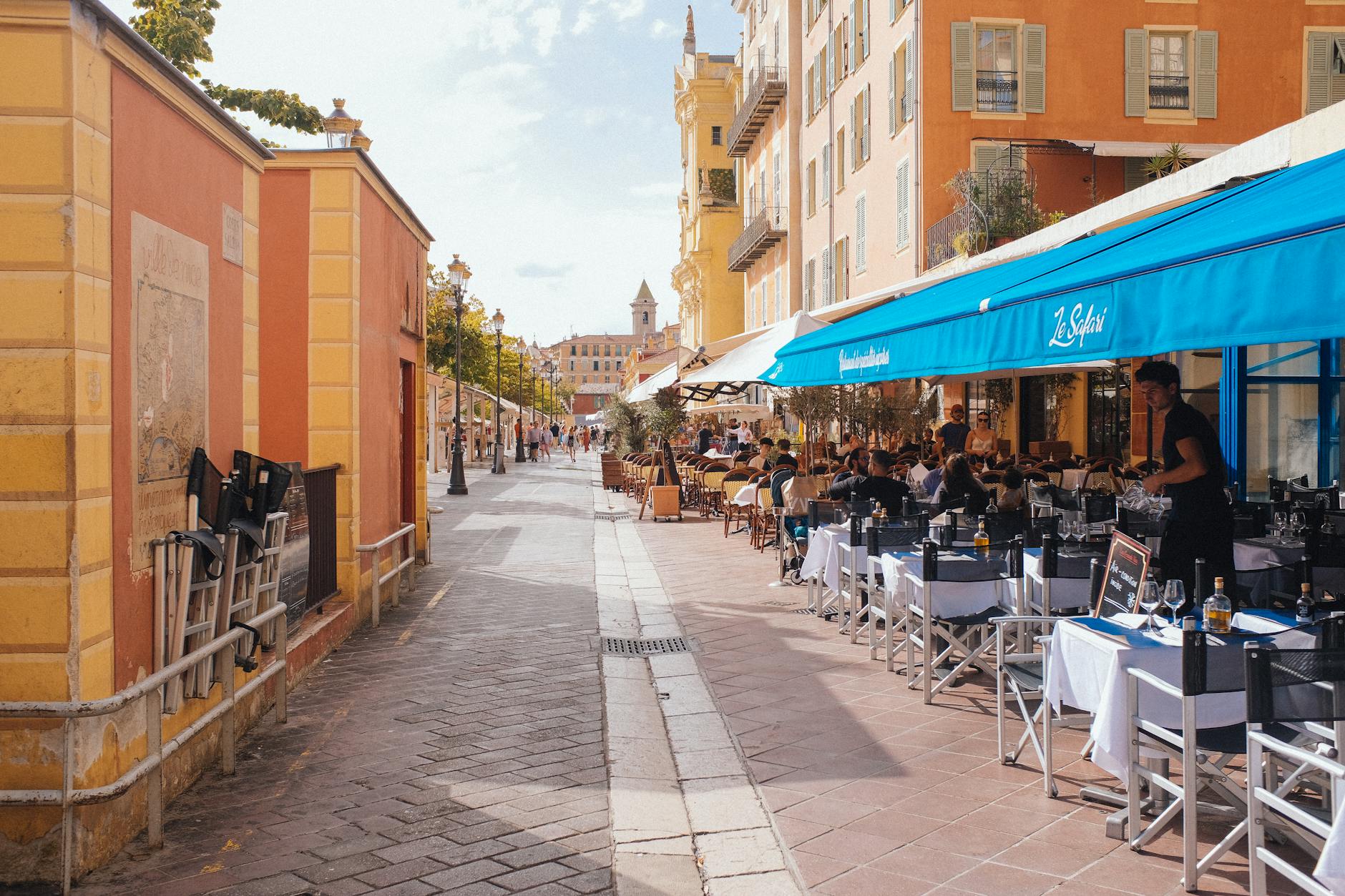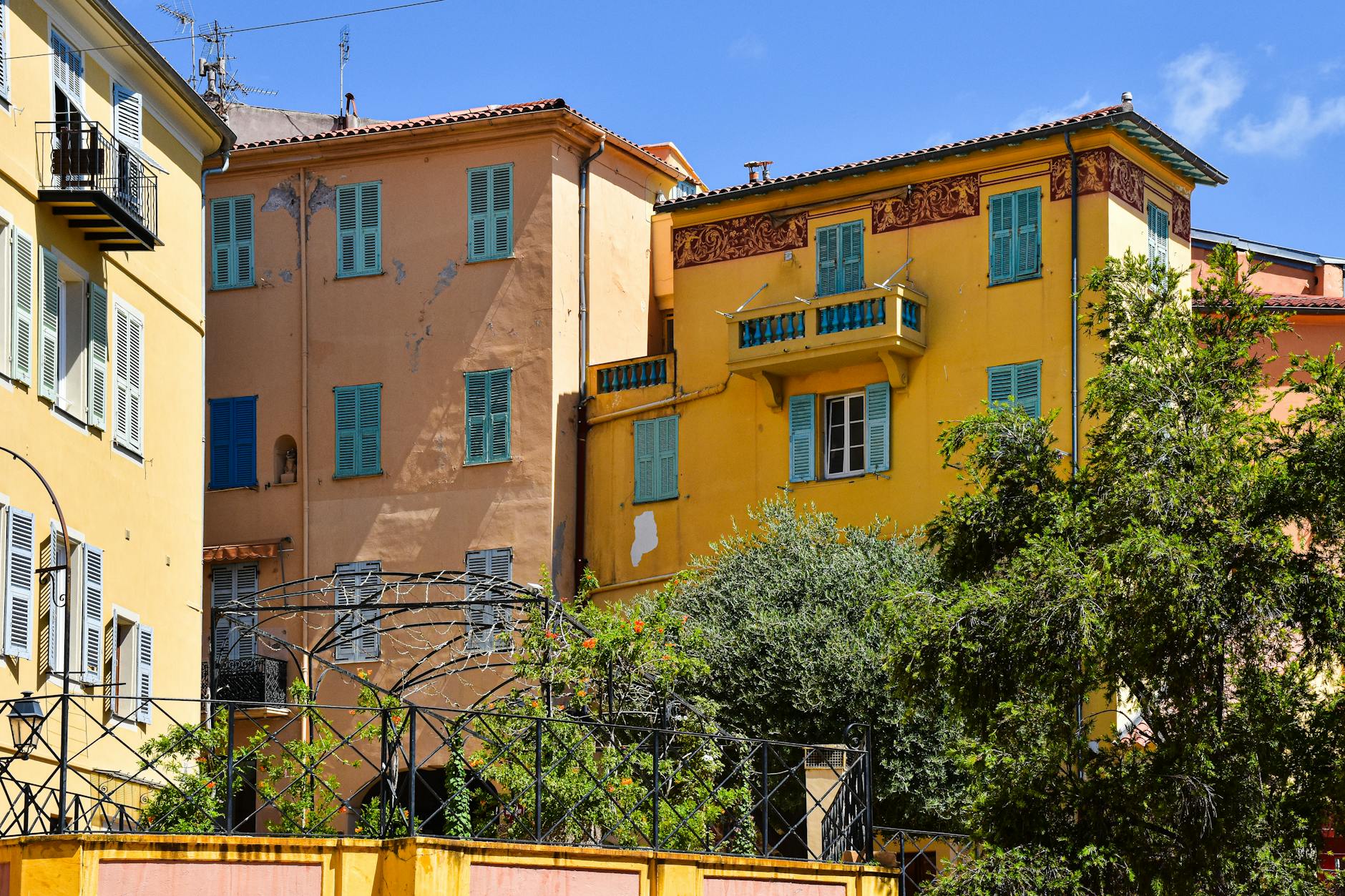
A repeat visit to Nice should not automatically repeat the first trip. The traveler may already know the Promenade, Old Nice, Castle Hill, and the basic airport route. That familiarity is useful, but it can also create a lazy itinerary where the traveler defaults to the same hotel, the same walks, and the same day trips without asking whether this return should be different. A strong repeat leisure visit uses familiarity as leverage. The traveler can slow down, choose a better base, revisit favorite places at better times, try different neighborhoods, refine meals, or make one more selective Riviera excursion.
Decide what the return visit should do differently
Repeat leisure visitors should decide whether this trip is for rest, deeper exploration, food, beach time, museums, shopping, a specific neighborhood, or a different Riviera excursion. Without that decision, the trip can become an automatic loop through places the traveler already knows.
The traveler should separate true favorites from habits. Some first-trip experiences are worth repeating; others were simply convenient.
- Choose whether the return is for rest, food, neighborhoods, museums, beach time, or a new excursion.
- Separate real favorites from first-trip defaults.
- Avoid filling the visit with repeats that no longer add much value.
Reconsider the hotel zone
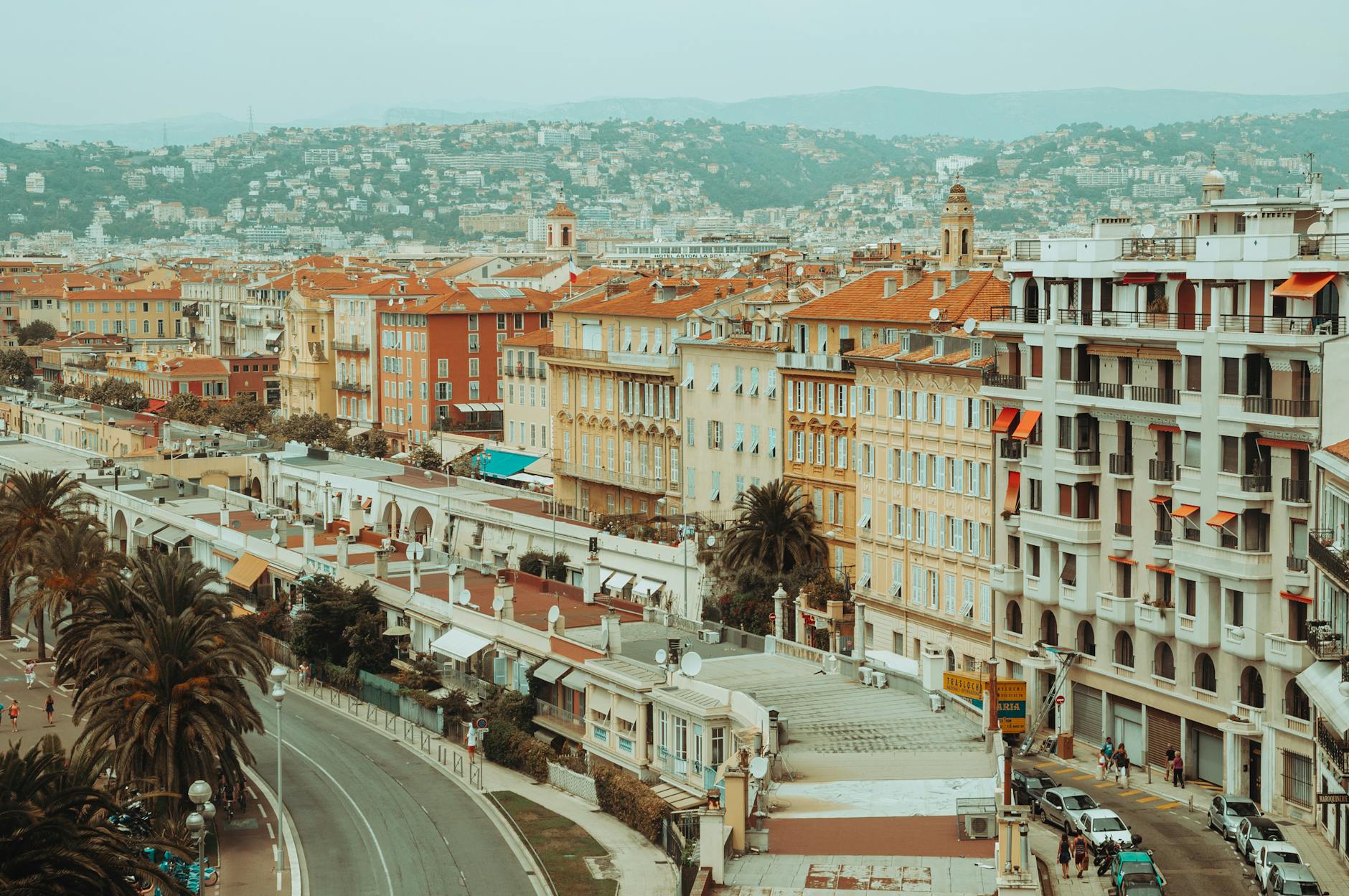
The hotel that worked on a first visit may not be right for a return. A traveler who already knows the Promenade may prefer a quieter base, a better food neighborhood, station access for day trips, a nicer room, or a hotel with more recovery value. A repeat visitor can choose with more precision because the city is no longer abstract.
The traveler should compare the old base against this trip's actual priorities. Familiarity is useful only if it still supports the plan.
- Do not rebook the same area without checking the new trip purpose.
- Compare seafront, Old Nice, station access, quieter streets, and food neighborhoods.
- Use past experience to choose more precisely, not automatically.
Go deeper instead of wider
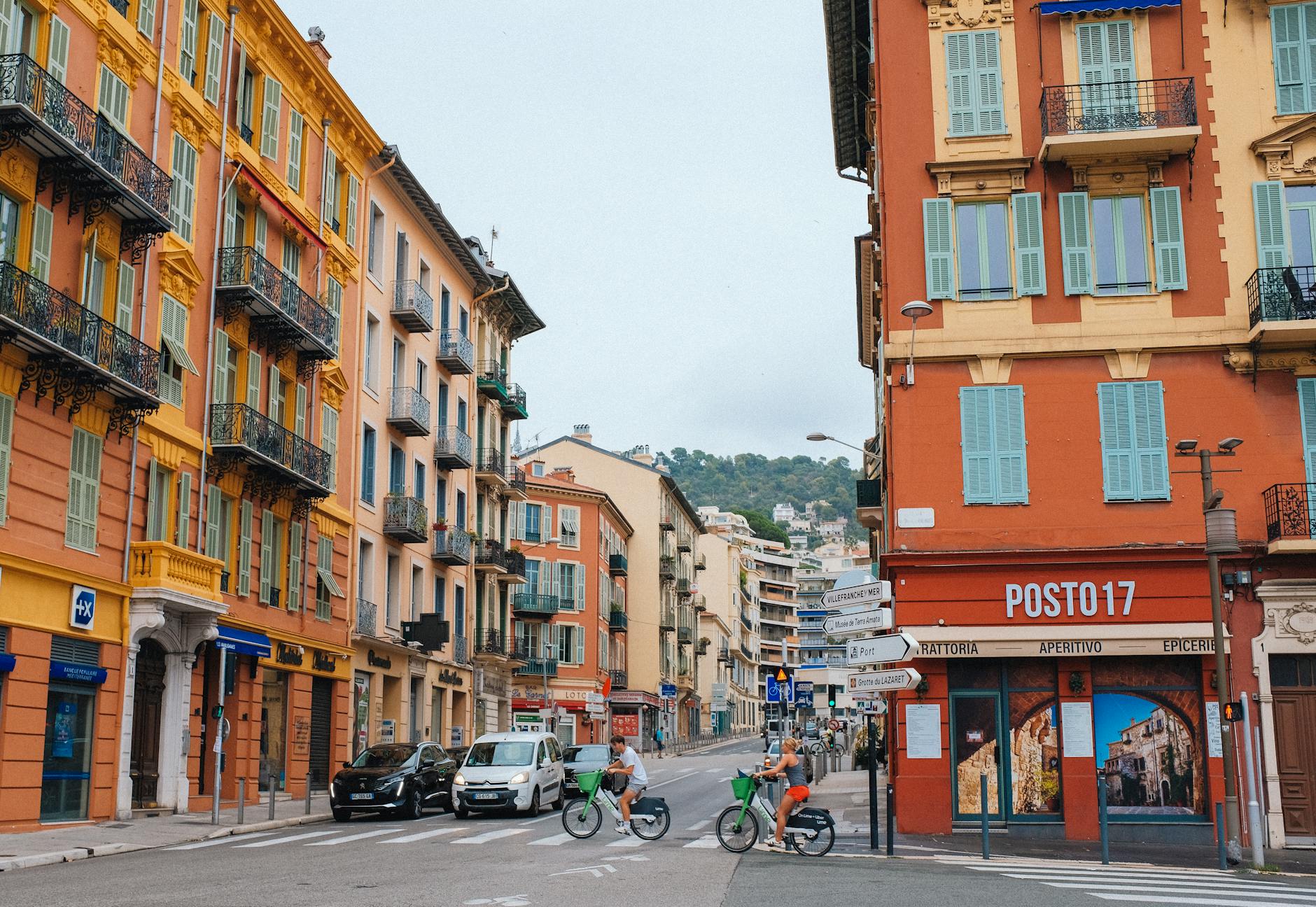
A repeat visitor has the advantage of not needing to prove they saw the basics. That can make space for smaller museums, slower markets, quieter streets, neighborhood cafes, harbor walks, gardens, galleries, or a better-timed Castle Hill visit. The trip can feel richer when it goes deeper rather than wider.
This is especially useful when the traveler has already done Monaco or Cannes. Another famous name may not improve the trip as much as a calmer day in Nice.
- Use the return trip for slower neighborhoods, cafes, gardens, galleries, and harbor walks.
- Revisit favorite places at better times of day.
- Do not add another famous side trip if a deeper Nice day would be better.
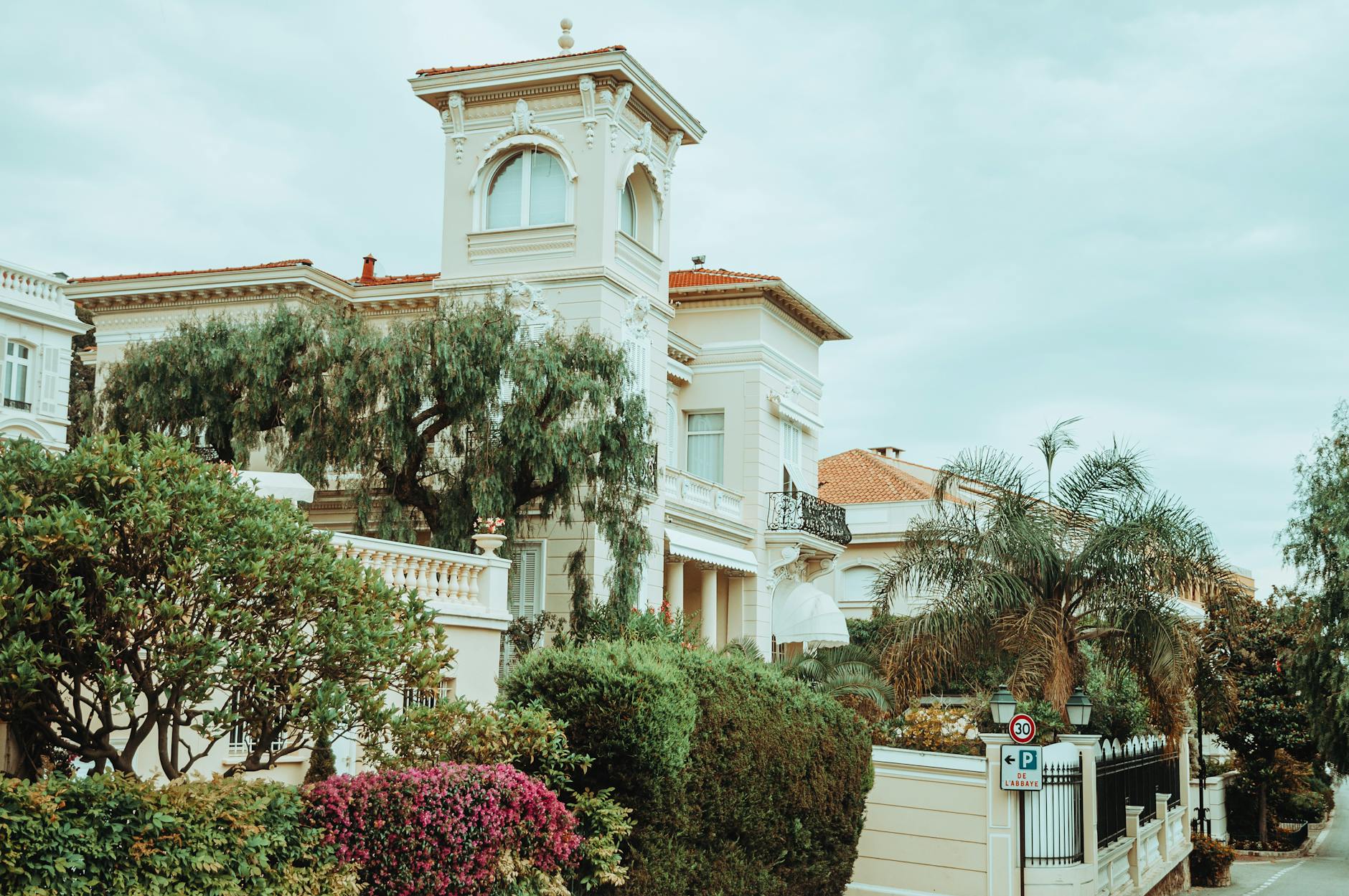
Refresh the food plan
Repeat leisure visitors should avoid eating from memory alone. A restaurant that was perfect once may not fit this trip's hotel, season, budget, or mood. The traveler should keep a few old favorites, add new options, and think about market timing, cafe stops, casual lunches, beach meals, and dinner routes.
Food is one of the easiest ways to make a return visit feel different without making it complicated.
- Keep a few old favorites but add new cafes, markets, lunches, or dinner areas.
- Match restaurant choices to hotel zone, season, budget, and return route.
- Avoid using past meals as the entire food plan.
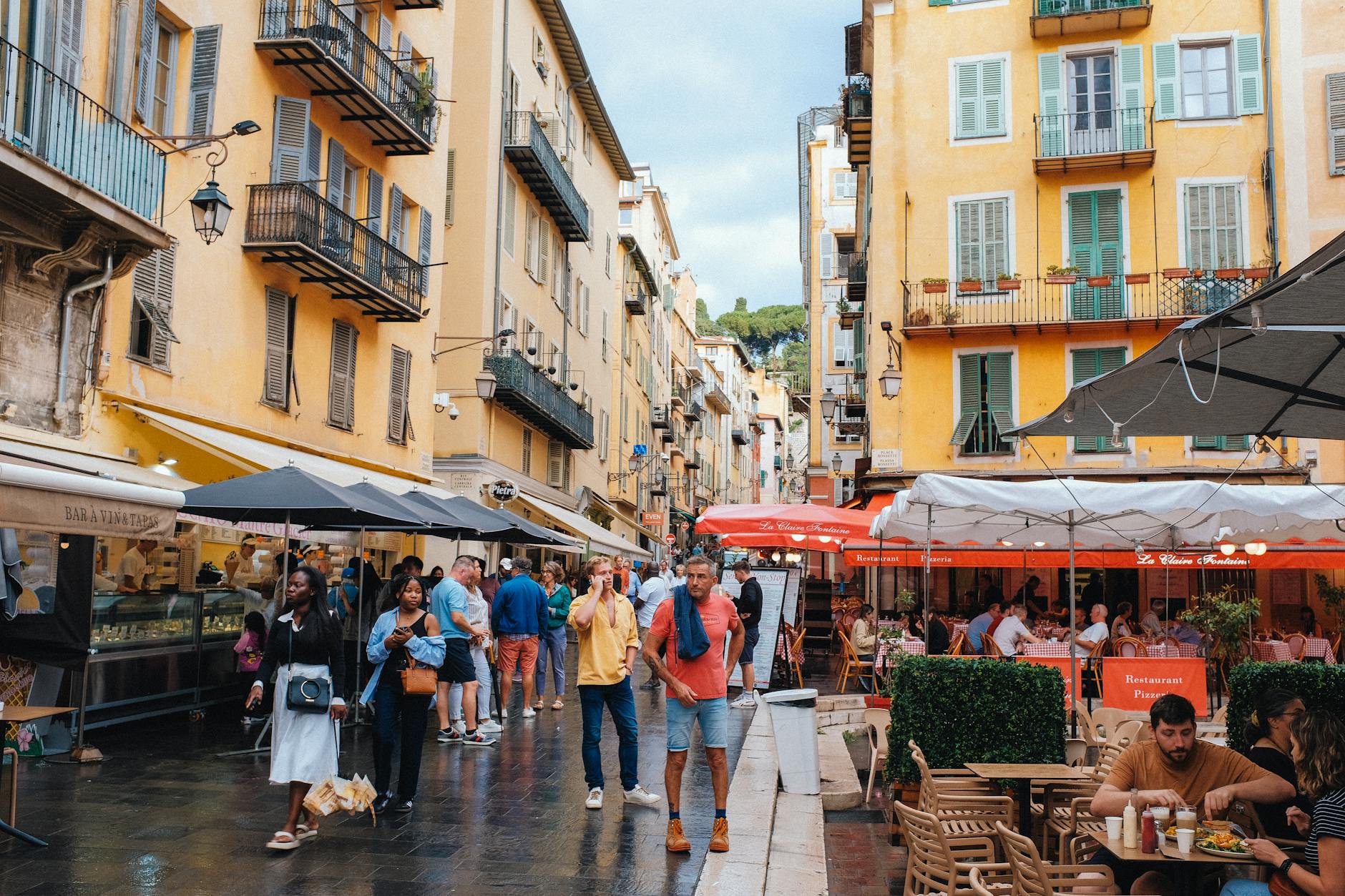
Be smarter about the beach and Promenade
A repeat visitor already knows whether Nice's pebbly beach works for them. That knowledge should shape the return. Some travelers may upgrade to a beach club, choose shorter swims, focus on waterfront meals, or shift beach time to a different hour. Others may decide the Promenade is enough.
The same applies to walking. The traveler can build a better route because they already understand distances, sun exposure, and where the day tends to get crowded.
- Use past beach experience to decide whether to swim, book a club, or skip beach time.
- Plan waterfront walks by time of day, heat, and crowd patterns.
- Keep the Promenade as an asset without letting it dominate every day.

Choose one sharper Riviera add-on
Repeat visitors often want a new excursion. That can be worthwhile, but the side trip should be chosen carefully. Antibes, Villefranche-sur-Mer, Eze, Menton, Cannes, Monaco, or a smaller coastal plan can all fit different moods. The traveler should choose by access, season, walking load, meal options, and how much novelty it adds.
A return trip is not automatically better because it leaves Nice more often. One sharper excursion may be enough.
- Choose one side trip by access, season, walking load, food, and novelty.
- Avoid repeating a famous excursion if it was not actually satisfying.
- Keep the return route and backup plan clear.

When to order a short-term travel report
A repeat leisure visitor who already has a favorite hotel and simple plan may not need a custom report. A report becomes useful when the traveler wants a different rhythm, is choosing a new hotel zone, adding a less familiar day trip, comparing beach clubs, traveling in a different season, or trying to avoid repeating the same itinerary by default.
The report should test what to repeat, what to skip, hotel zone, seasonal timing, food areas, beach choices, day-trip options, transport, and what to cut.
- Order when the return trip needs a different hotel, rhythm, side trip, or food plan.
- Provide what worked last time, what did not, dates, hotel options, budget, and priorities.
- Use the report to make the second or third Nice trip sharper than the first.