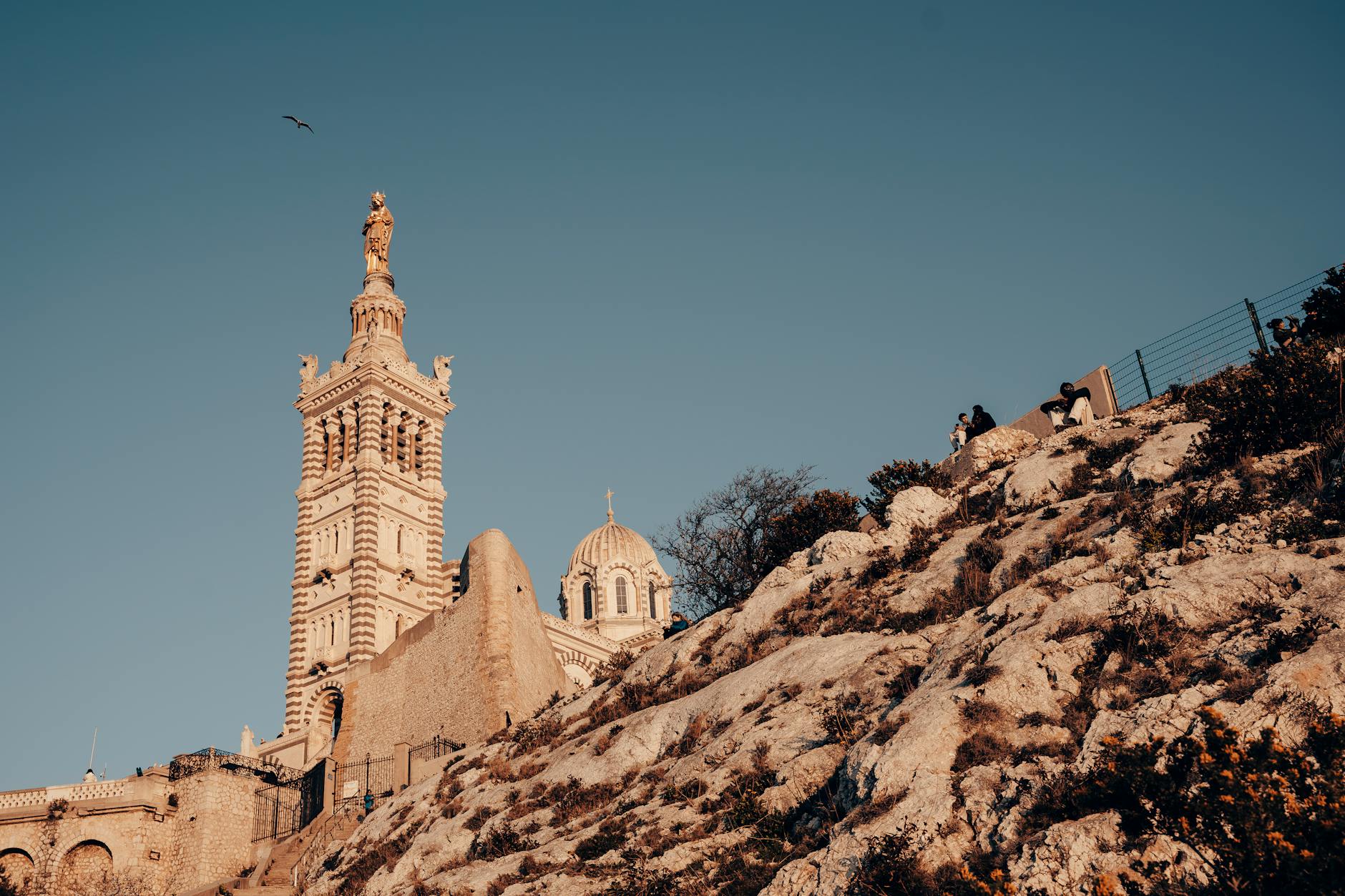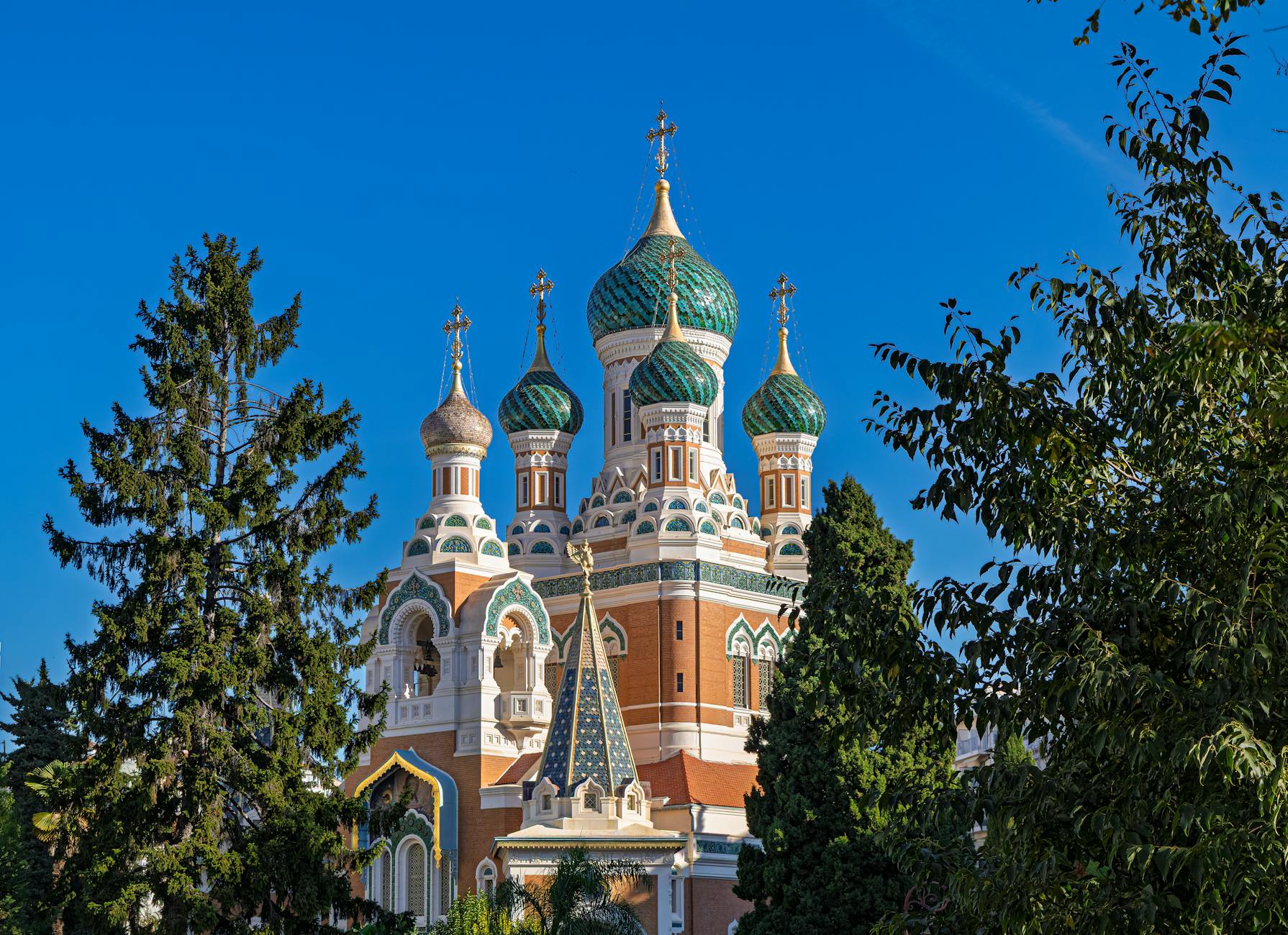
Nice can work well for a short religious or pilgrimage trip, but it should not be treated as a single-purpose pilgrimage city. The traveler may be visiting Catholic churches, the Russian Orthodox cathedral, Jewish heritage sites, cemeteries, chapels, processions, regional sanctuaries, or simply using quiet worship as part of a broader Riviera stay. Those are different trips. The right plan starts with the purpose: prayer, worship attendance, heritage, architecture, family memory, group travel, retreat time, or a regional faith itinerary. Nice can support each of those, but only if hours, access, transport, language, dress, heat, and group movement are tested before the traveler arrives.
Define the religious purpose before booking
The first decision is whether Nice is the central faith destination, a base for regional religious sites, or a leisure trip with worship and heritage added. A traveler attending Mass, visiting St Nicholas Cathedral, tracing family memory, joining a group, or building a Riviera church itinerary will need different lodging, timing, clothing, and transport.
This matters because Nice can feel easy until the trip depends on a specific service, priest, guide, opening window, cemetery visit, or regional connection. A spiritual purpose should not be left to whatever happens to be open after lunch.
- Name the main purpose: worship, pilgrimage, heritage, architecture, family memory, or retreat time.
- Decide whether Nice is the destination or the base for regional faith stops.
- Build the daily plan around the religious commitments before adding sightseeing.
Choose lodging around sites and mobility
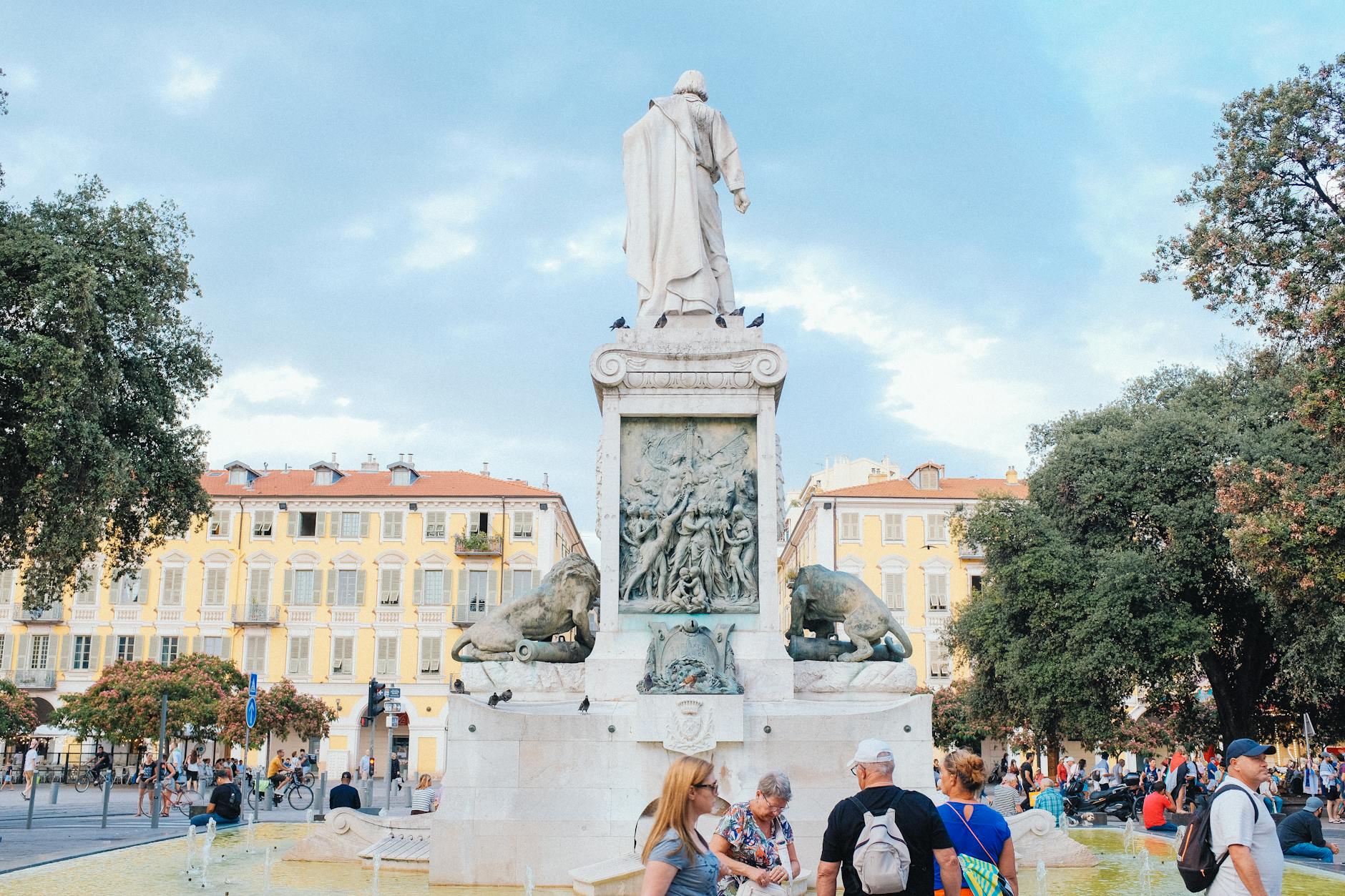
A traveler with religious priorities should choose lodging around the sites, services, and routes that matter most. Old Nice, the city center, the Russian Orthodox cathedral area, the port, the train station, and the airport corridor all solve different problems. A beautiful waterfront room may be a poor choice if the traveler needs early worship, step-free access, or repeated train movement.
Mobility should be checked carefully. Old streets, hills, stairs, cemetery access, uneven paving, summer heat, and taxi availability can turn a meaningful visit into a tiring one. For older travelers or groups, the distance from hotel door to site entrance matters more than the map distance.
- Choose the hotel by worship sites, train access, group pickup, and walking conditions.
- Check hills, stairs, paving, elevators, taxi access, and heat exposure before booking.
- Do not let a scenic room outrank the sites the traveler came to visit.
Verify services, hours, access, and language
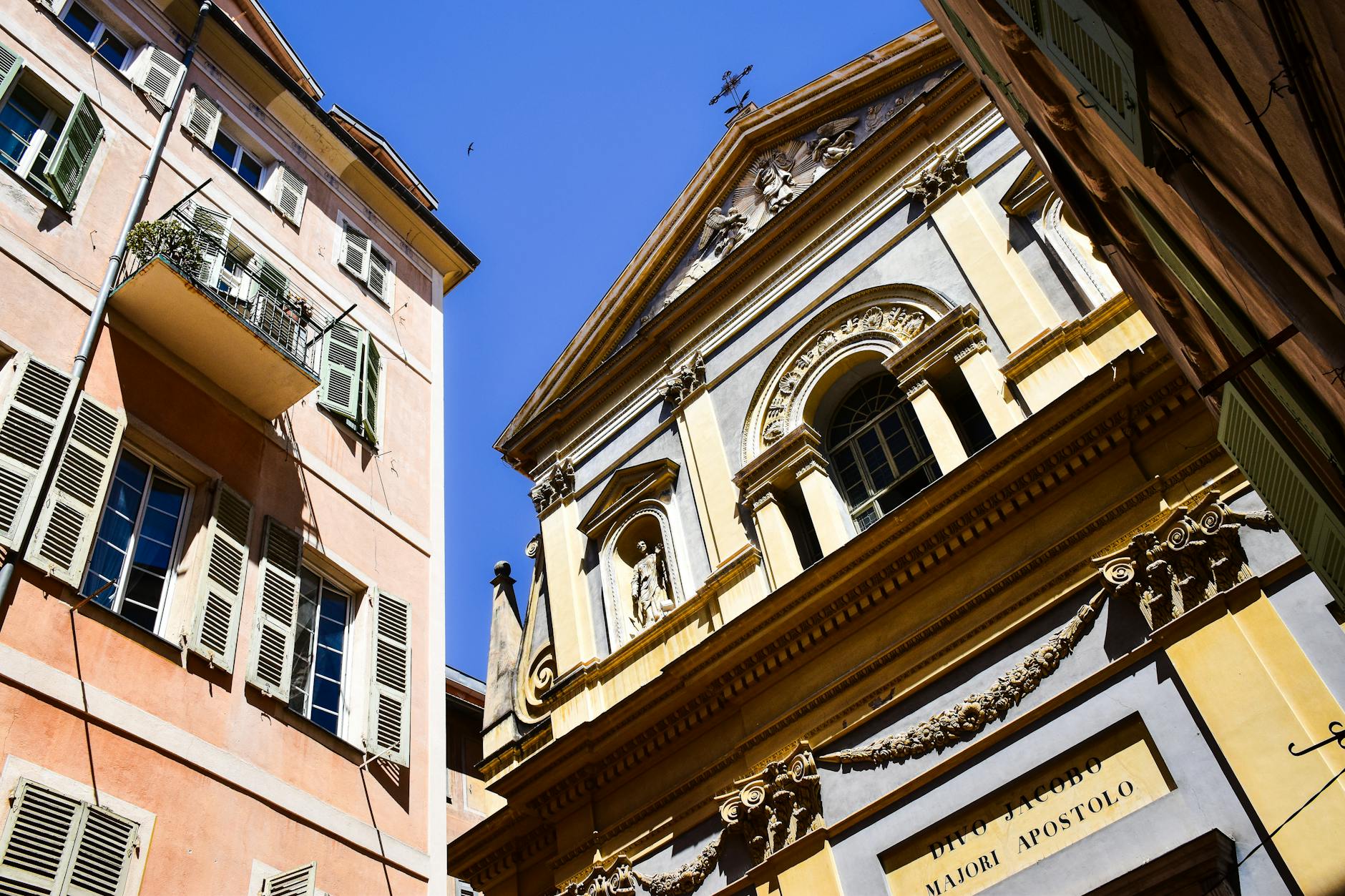
Religious travel depends on specifics. The traveler should verify service times, opening hours, confession availability, visitor rules, holiday schedules, language, group access, and whether a site is affected by restoration, security, private events, or seasonal closures. A church that is visible on the itinerary may not be available when the traveler arrives.
The traveler should also know whether they need advance contact. Groups, special blessings, guided visits, cemetery research, and heritage inquiries may require emails or calls before travel. Assuming every site can be handled at the door is a weak plan.
- Check service times, opening windows, holidays, visitor rules, and language before arrival.
- Contact sites in advance for groups, special visits, cemetery research, or heritage questions.
- Keep backup worship and quiet reflection options if the primary site is unavailable.
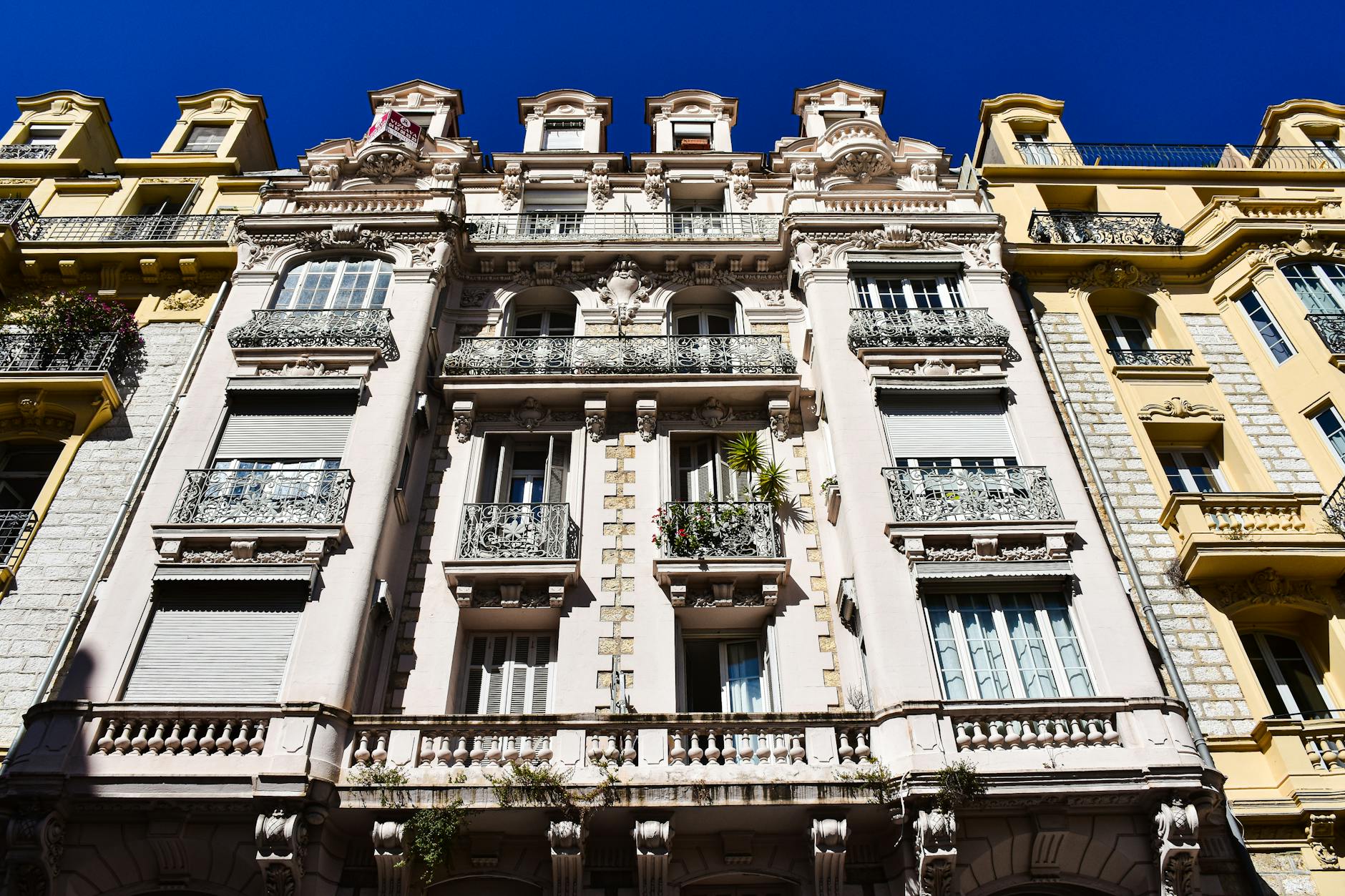
Handle dress, photography, and quiet behavior with restraint
A short faith-focused trip should treat sacred spaces differently from ordinary attractions. Dress, voices, phones, photography, bags, hats, candles, donations, and movement during services may all require restraint. Even when a site welcomes visitors, the traveler should remember that someone else may be there to pray, mourn, serve, or work.
Photography deserves special care. Some spaces allow architecture photos but not people, services, side chapels, graves, or interior details. A traveler who wants images should know the rules and be ready to put the phone away.
- Dress and behave for worship spaces, not only for warm Riviera weather.
- Treat photography rules, services, graves, and private prayer with care.
- Keep groups quiet, compact, and respectful in active sacred spaces.
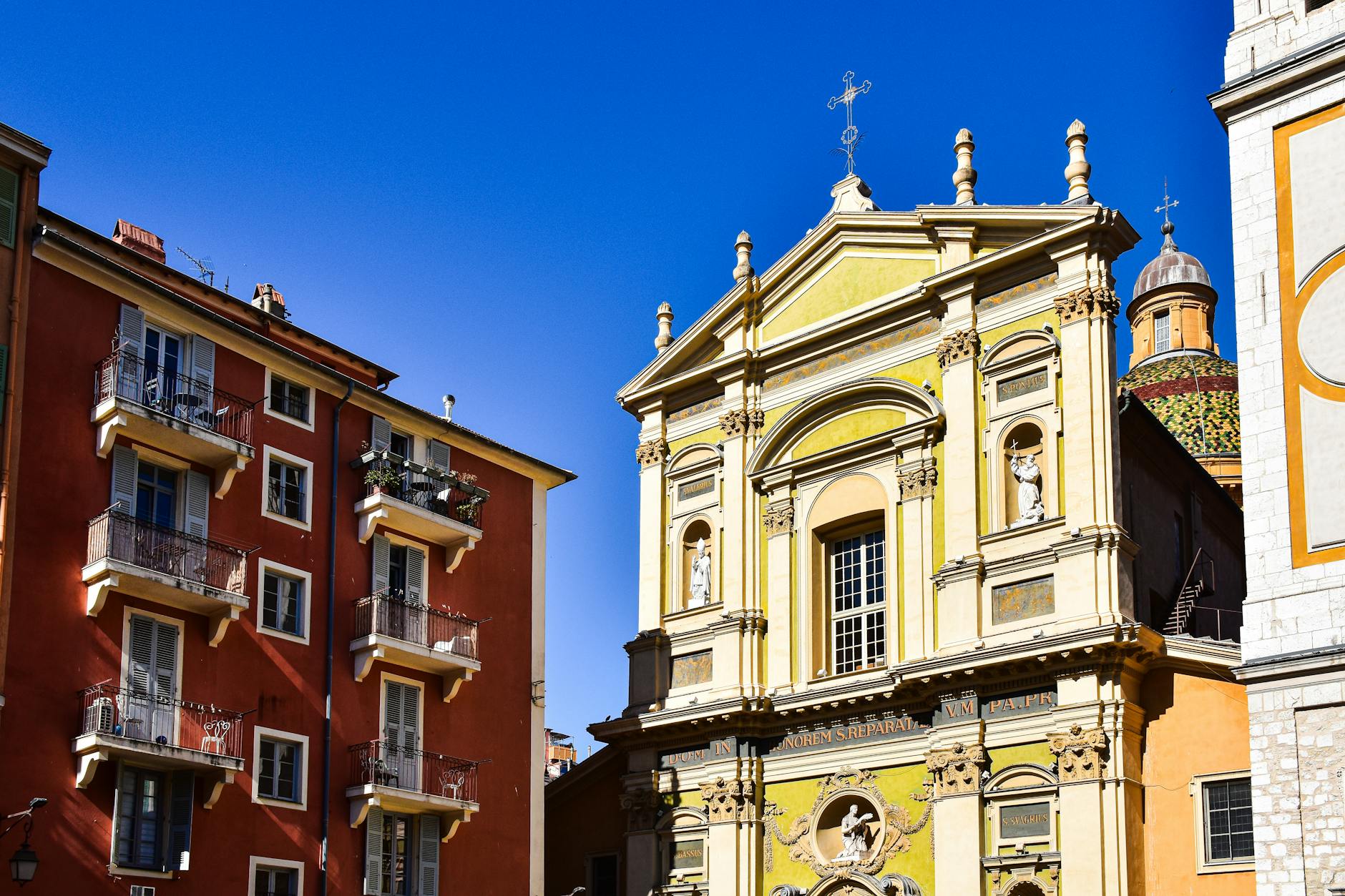
Treat regional faith stops as real logistics
Nice can be a base for regional religious and heritage travel, but regional stops should not be treated as casual add-ons. Monaco, Menton, Marseille, hill towns, cemeteries, chapels, and sanctuaries may require trains, taxis, opening-hour checks, uphill walks, language planning, and a return route that still leaves room for meals and rest.
One meaningful regional stop can be stronger than three rushed stops that reduce the trip to transport. The traveler should decide whether the regional visit is spiritually important, historically important, or simply interesting. That distinction helps decide what to cut.
- Plan regional churches, cemeteries, chapels, and sanctuaries with real travel time.
- Verify train, taxi, uphill access, opening hours, and return routes before committing.
- Choose fewer stops when the purpose is reflection rather than sightseeing volume.
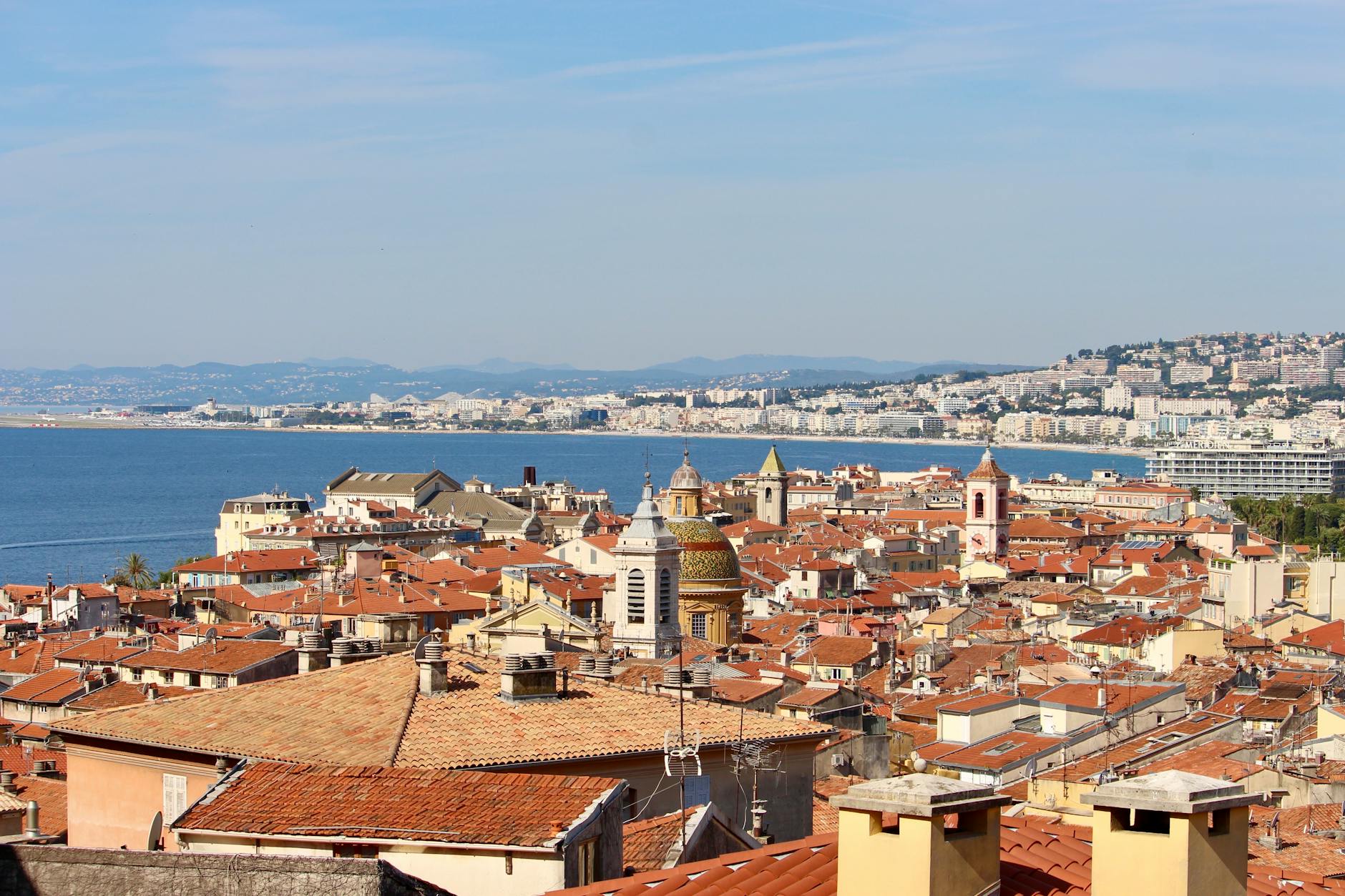
Protect heat, food, health, and recovery
A religious trip can be emotionally meaningful and physically demanding. Summer heat, long standing periods, stairs, fasting or dietary needs, medication timing, hydration, walking, and group expectations all affect the traveler. The plan should leave room for quiet recovery, simple meals, and practical medical fallback.
Food planning matters if the traveler has religious dietary requirements, medical restrictions, or a group schedule built around services. The traveler should not assume that meals will fit neatly around worship times, regional trains, or late arrivals.
- Plan hydration, shade, standing time, stairs, medication, and recovery blocks.
- Check religious, medical, or group meal needs before service-heavy days.
- Build the itinerary so reflection does not become physical strain.
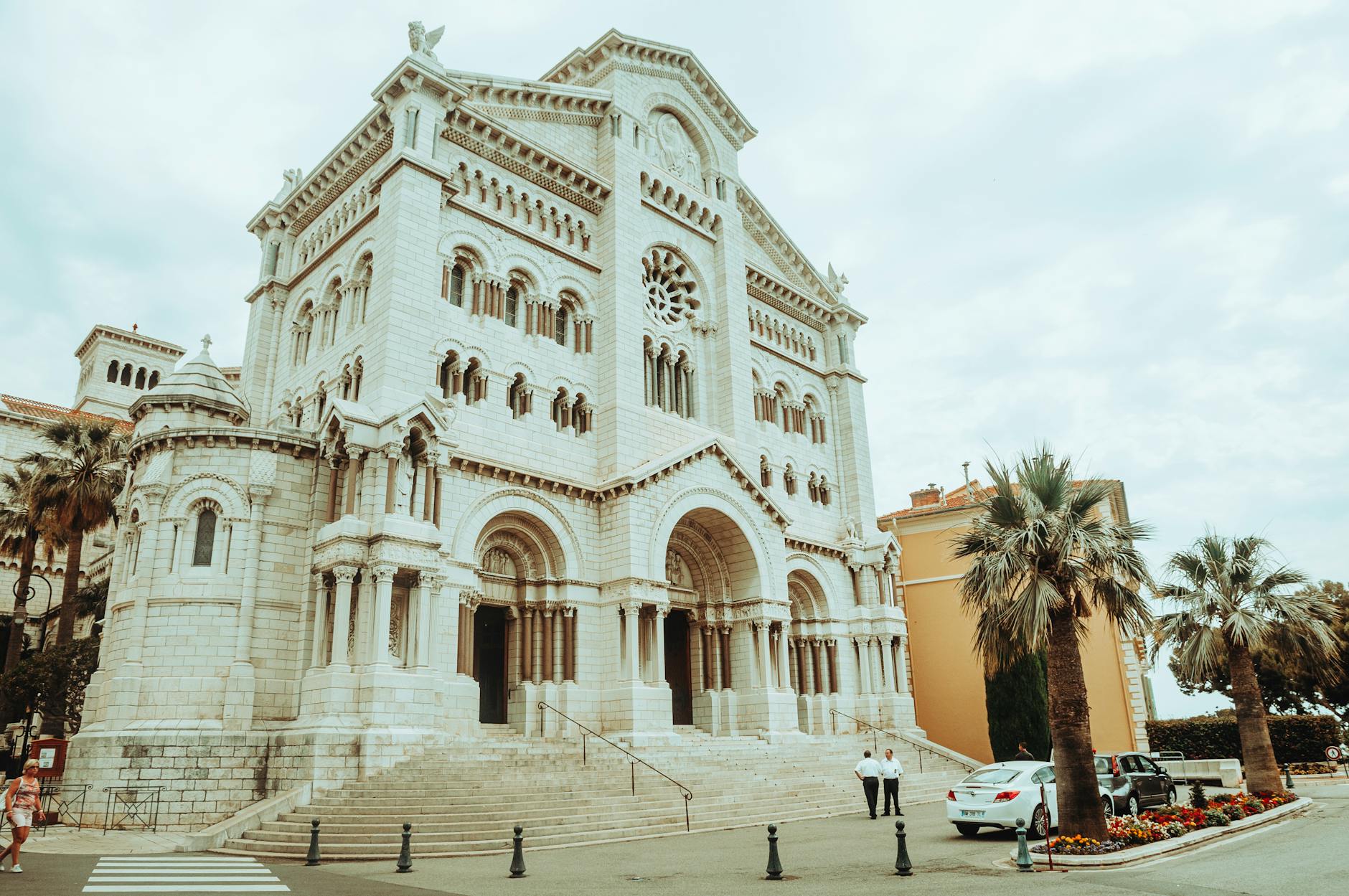
When to order a short-term travel report
A traveler with one flexible church visit during a leisure trip may not need a custom Nice report. A report becomes useful when the trip has fixed service times, older travelers, mobility constraints, regional faith stops, cemetery or heritage research, group movement, religious dietary needs, or uncertainty about where to stay.
The report should test worship sites, opening hours, language, lodging location, tram and train routes, step-free access, heat exposure, meal timing, regional stops, medical fallback, and what to cut. The value is a short religious trip that respects the purpose instead of leaving it to chance.
- Order when services, regional stops, mobility, group travel, diet, or heritage research need testing.
- Provide sites, service goals, dates, hotel options, mobility needs, group size, and dietary constraints.
- Use the report to protect the spiritual purpose and the practical daily plan.