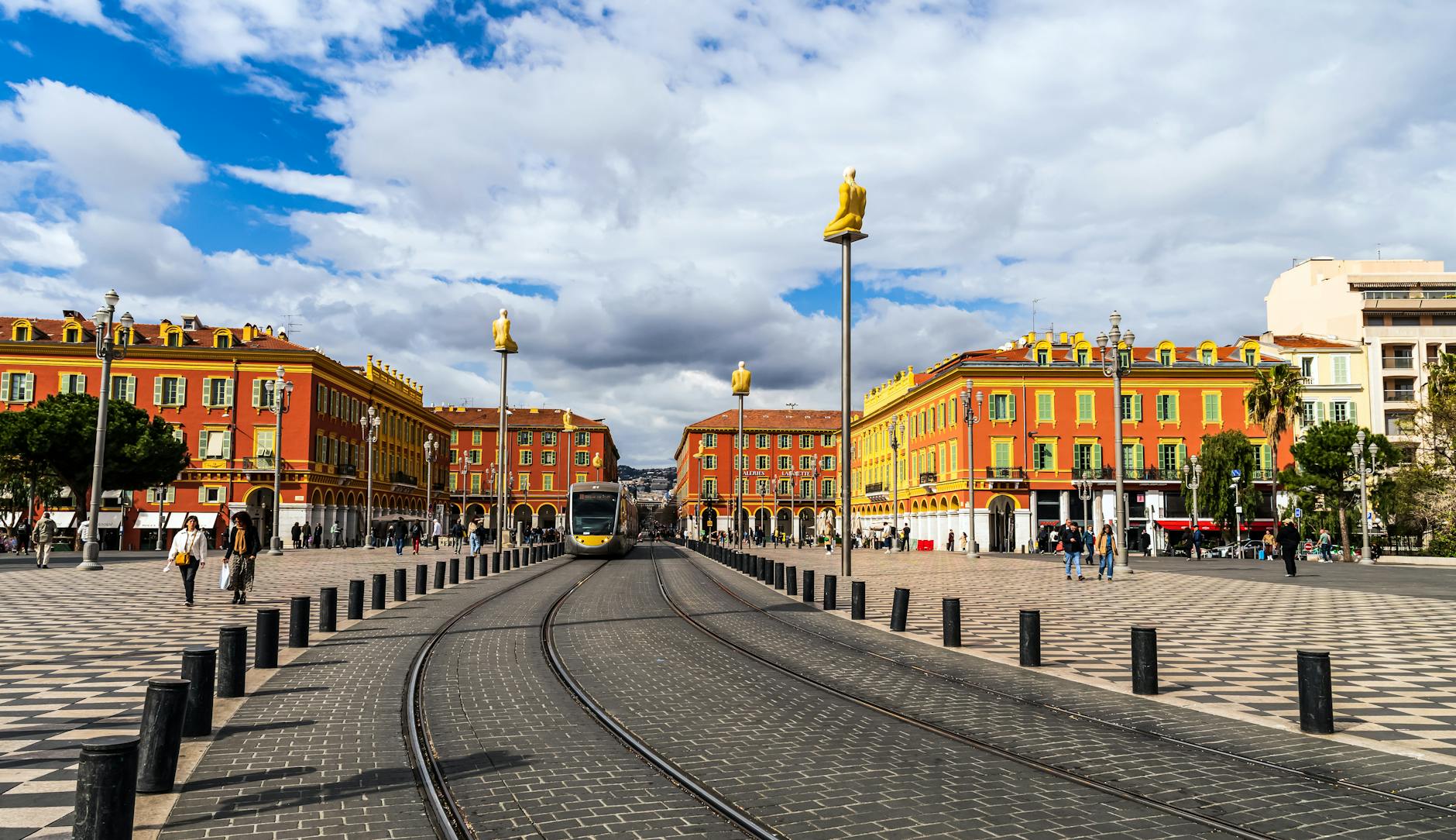
Nice can be a rewarding short trip for an older traveler because it offers sea views, hotels, restaurants, museums, flat waterfront walks, airport access, and regional excursions. It also requires more planning than the postcard suggests. Pebble beaches, old-town lanes, stairs, heat, crowded trams, uneven surfaces, and ambitious side trips can make a short stay tiring if the trip is built too casually. The best Nice plan for an older traveler protects comfort and independence first. That means choosing the right base, controlling daily walking, using transport without hesitation, managing meals and medication, and being selective about Riviera add-ons. The goal is not to do less by default; it is to spend energy where the trip is worth it.
Choose Nice lodging around comfort and movement
Hotel choice is the central decision for an older traveler in Nice. A beautiful base can still be wrong if it has difficult stairs, poor elevator access, loud nights, awkward taxi pickup, long walks to meals, or a complicated route from the tram. The traveler should confirm elevator reliability, room layout, bathroom setup, air conditioning, breakfast, luggage handling, and reception coverage before booking.
The best zone depends on the traveler's priorities. Seafront access can be calming and easy for walks. Old Nice can be atmospheric but more demanding. Station access may help day trips. Airport convenience may be useful for short stays, but it should not isolate the traveler from the experiences they came for.
- Confirm elevators, air conditioning, bathroom setup, luggage help, breakfast, and reception hours.
- Choose the zone around daily comfort, not just atmosphere.
- Avoid hotels that make every meal or outing start with a difficult route.

Use the Promenade without overdoing the day
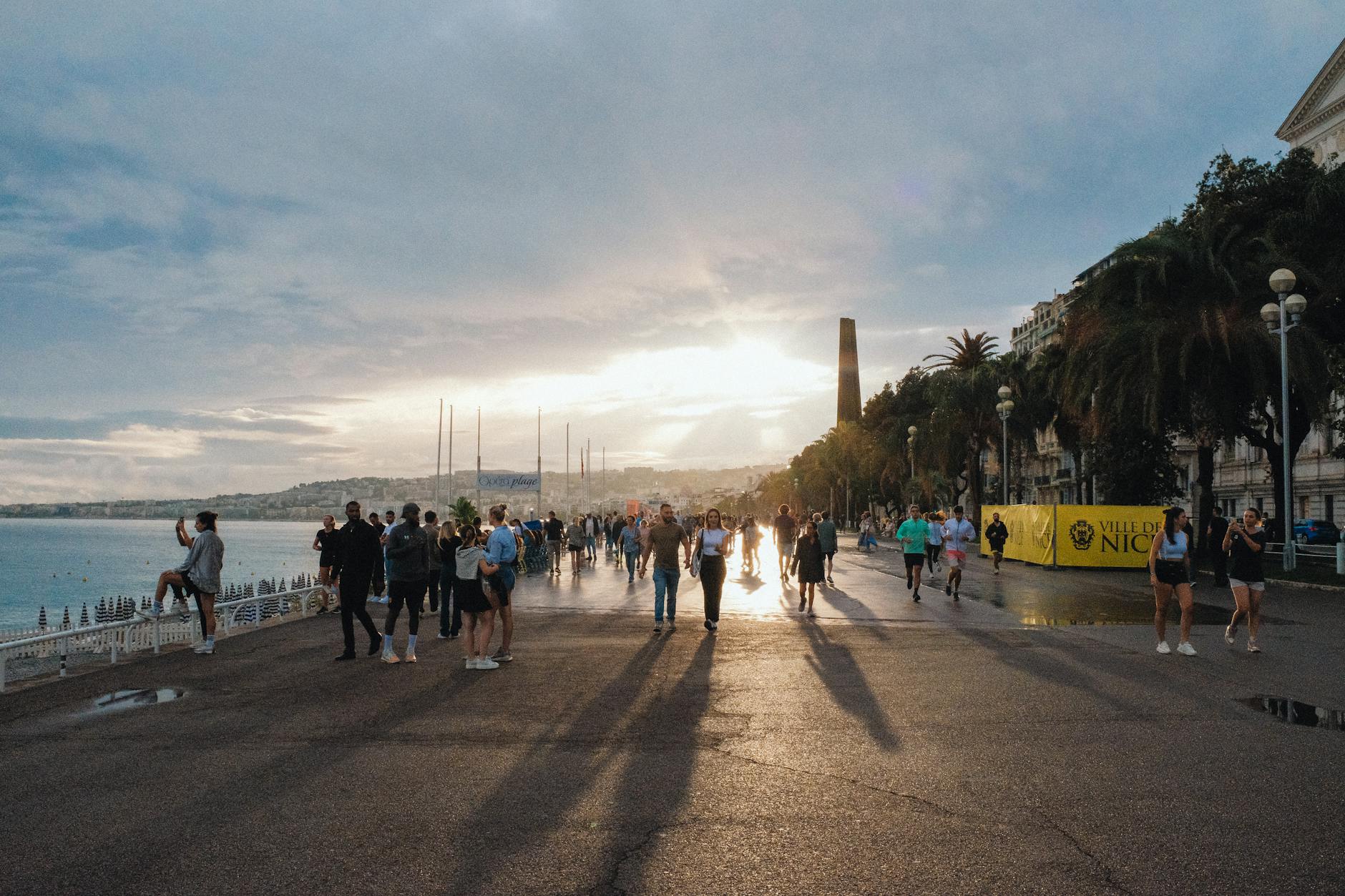
The Promenade des Anglais can be one of Nice's best assets for an older traveler because it offers sea air, broad views, and relatively straightforward walking. The risk is distance creep. A pleasant waterfront walk can become a long, exposed return if the traveler does not plan resting points, shade, water, toilets, and a return method.
The traveler should decide in advance how far the walk is meant to go and where to stop. A taxi or tram connection should be treated as a normal tool, not as a failure of the outing.
- Plan promenade walks with distance, shade, seating, toilets, water, and return route.
- Set a turnaround point before fatigue starts.
- Use taxis or transit to preserve the experience rather than forcing a long return.

Plan transport around fatigue, heat, and stairs
Nice's tram, taxis, airport access, and trains can make movement manageable, but the older traveler should use them deliberately. A tram route may be practical in the morning and crowded or tiring later. A train to a nearby town may be easy if the station route is simple and difficult if it requires stairs, long platforms, or a rushed return.
The traveler should identify taxi pickup points, hotel assistance, station routes, and backup options before the day begins. A short taxi ride can be the difference between a good outing and a day that becomes too long.
- Match tram, taxi, train, and walking choices to the time of day and energy level.
- Check station access, stairs, platform distance, and return timing for day trips.
- Use hotel staff and taxi pickup points as part of the plan.
Protect meals, hydration, and medical needs
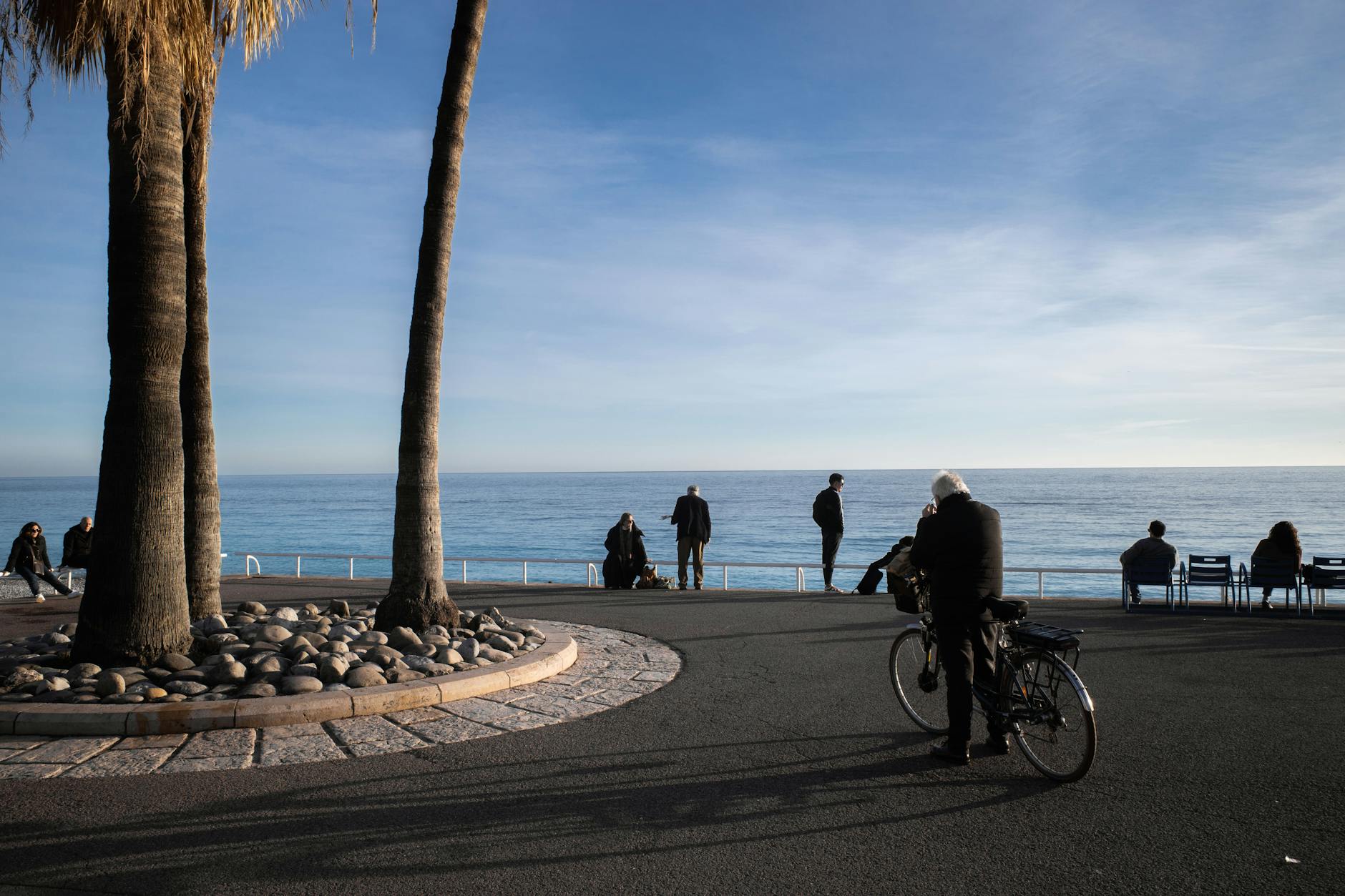
Older travelers should plan food and medical routines as part of the itinerary. Nice can involve sun, salt air, later dining, longer walks, and unfamiliar restaurant schedules. Medication timing, hydration, dietary needs, seating, bathroom access, and proximity to the hotel can matter as much as cuisine.
The traveler should also know the nearest pharmacy, how prescriptions and insurance information are carried, and what to do if heat, stomach trouble, or fatigue changes the day. A flexible meal plan keeps the trip pleasant when energy changes.
- Plan meals around medication, hydration, dietary needs, seating, and bathroom access.
- Know nearby pharmacies and carry prescriptions and insurance information clearly.
- Keep easier food options close to the hotel for low-energy evenings.
Keep day trips realistic
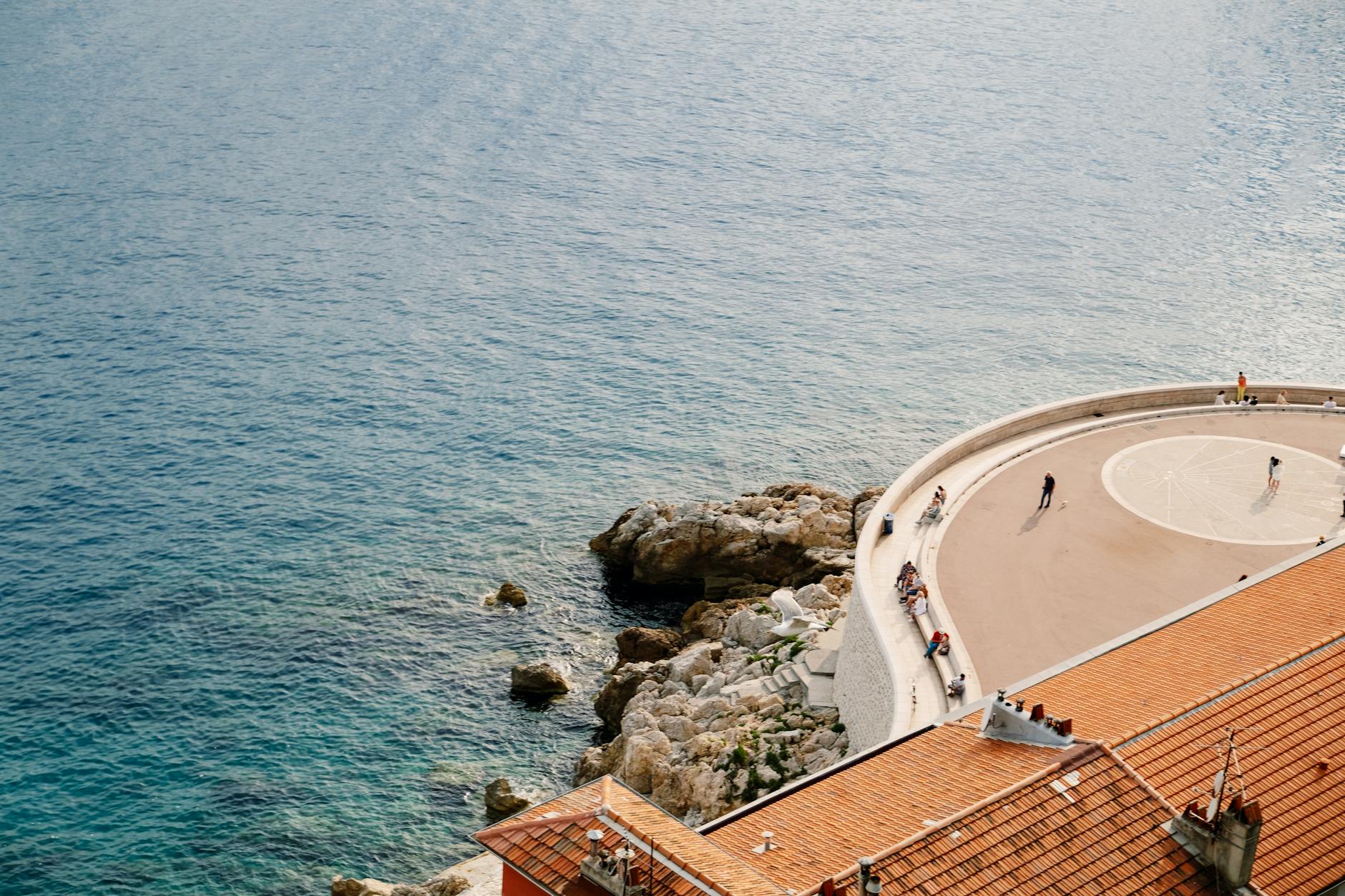
Nice can be a base for Monaco, Cannes, Antibes, Villefranche-sur-Mer, Eze, and other Riviera stops, but older travelers should compare side trips honestly. A famous destination may involve station stairs, hills, heat, crowds, or long walks after arrival. A less famous nearby stop may give a better day.
The traveler should choose day trips by access, toilets, seating, meal options, shade, and return reliability. One comfortable excursion is often better than multiple famous stops that leave the traveler depleted.
- Evaluate day trips by access, hills, stations, toilets, seating, shade, and return reliability.
- Choose one comfortable excursion instead of a crowded regional checklist.
- Keep a no-trip day available if weather or fatigue changes the plan.
Balance independence and support
An older traveler may value independence, but the plan should still make support easy to access. That can mean choosing a hotel with helpful staff, booking transfers, using restaurant reservations, keeping a written address card, sharing the itinerary with family, and avoiding routes that depend on perfect phone battery or perfect navigation.
Companions should also agree on pacing before the trip. Nice can work well for mixed-energy groups if the plan includes separate options, taxi returns, and hotel-based recovery time.
- Use helpful hotels, transfers, reservations, written addresses, and shared itineraries.
- Avoid plans that depend entirely on phone battery, apps, or last-minute navigation.
- Build companion plans with separate options and easy returns.

When to order a short-term travel report
An older traveler with a familiar Nice hotel and a relaxed itinerary may not need a custom report. A report becomes useful when the traveler is choosing between hotel zones, has mobility or medical concerns, is arriving late, wants a day trip, needs airport or station support, travels with mixed-energy companions, or is unsure how much walking the itinerary truly requires.
The report should test hotel comfort, elevator and taxi access, airport route, promenade pacing, meals, pharmacies, day-trip practicality, heat exposure, companion logistics, and what to cut. The value is a Nice trip that preserves independence while reducing avoidable strain.
- Order when hotel comfort, walking load, medical routines, day trips, or transfers need testing.
- Provide dates, flights, hotel options, mobility needs, medications, companions, and priorities.
- Use the report to preserve the best parts of Nice without overloading the traveler.