Nice can be an excellent short luxury trip because it combines grand hotels, sea views, private transfers, beach clubs, fine dining, galleries, shopping, and quick access to Monaco, Cannes, Antibes, and smaller Riviera towns. The weakness is that the setting can make travelers assume the trip will organize itself. It will not. High-end travel on the Riviera works best when the logistics are quiet, the schedule is selective, and the traveler knows which experiences deserve protected time. A luxury Nice itinerary should define comfort as control. That means choosing the right hotel zone, managing airport arrival, securing the right reservations, understanding beach and yacht expectations, planning regional movement carefully, and leaving enough space for the trip to feel elegant rather than overhandled.
Define luxury as control, not just expense
A luxury stay in Nice should begin with a clear definition of what the traveler wants controlled. Some travelers want privacy, quiet service, and a polished hotel. Others want beach club access, yacht time, a Michelin-level meal, designer shopping, Monaco links, or a villa-style rhythm. Those are different trips, and they require different reservations and geography.
The traveler should decide which parts of the trip must feel seamless and which parts can remain loose. Without that decision, the itinerary can become a costly collection of nice things that do not support each other.
- Decide whether the priority is privacy, hotel service, beach clubs, dining, yacht time, shopping, or regional access.
- Protect the few experiences that define the trip.
- Avoid filling a short luxury stay with expensive but disconnected commitments.
Choose the hotel around service and movement
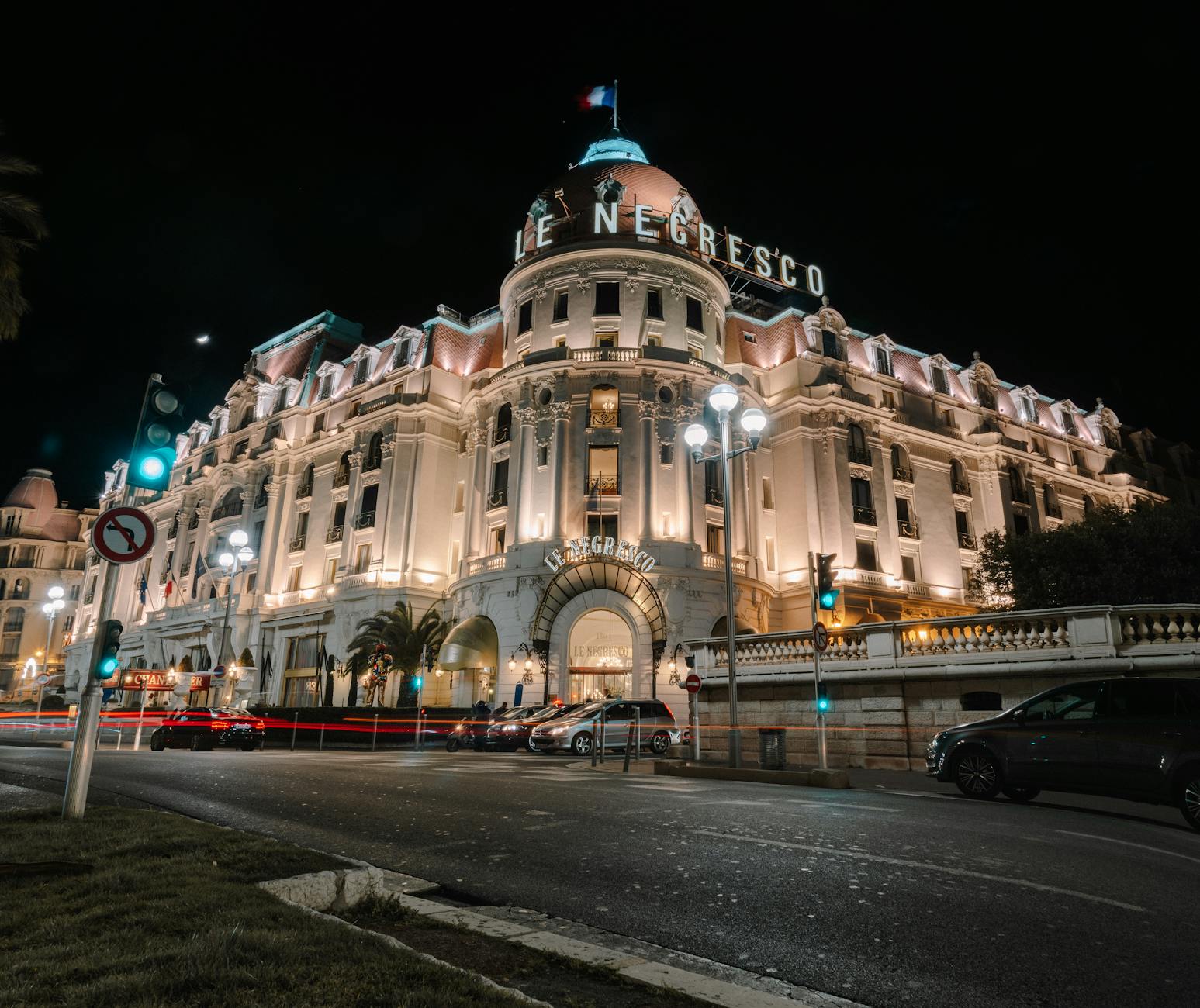
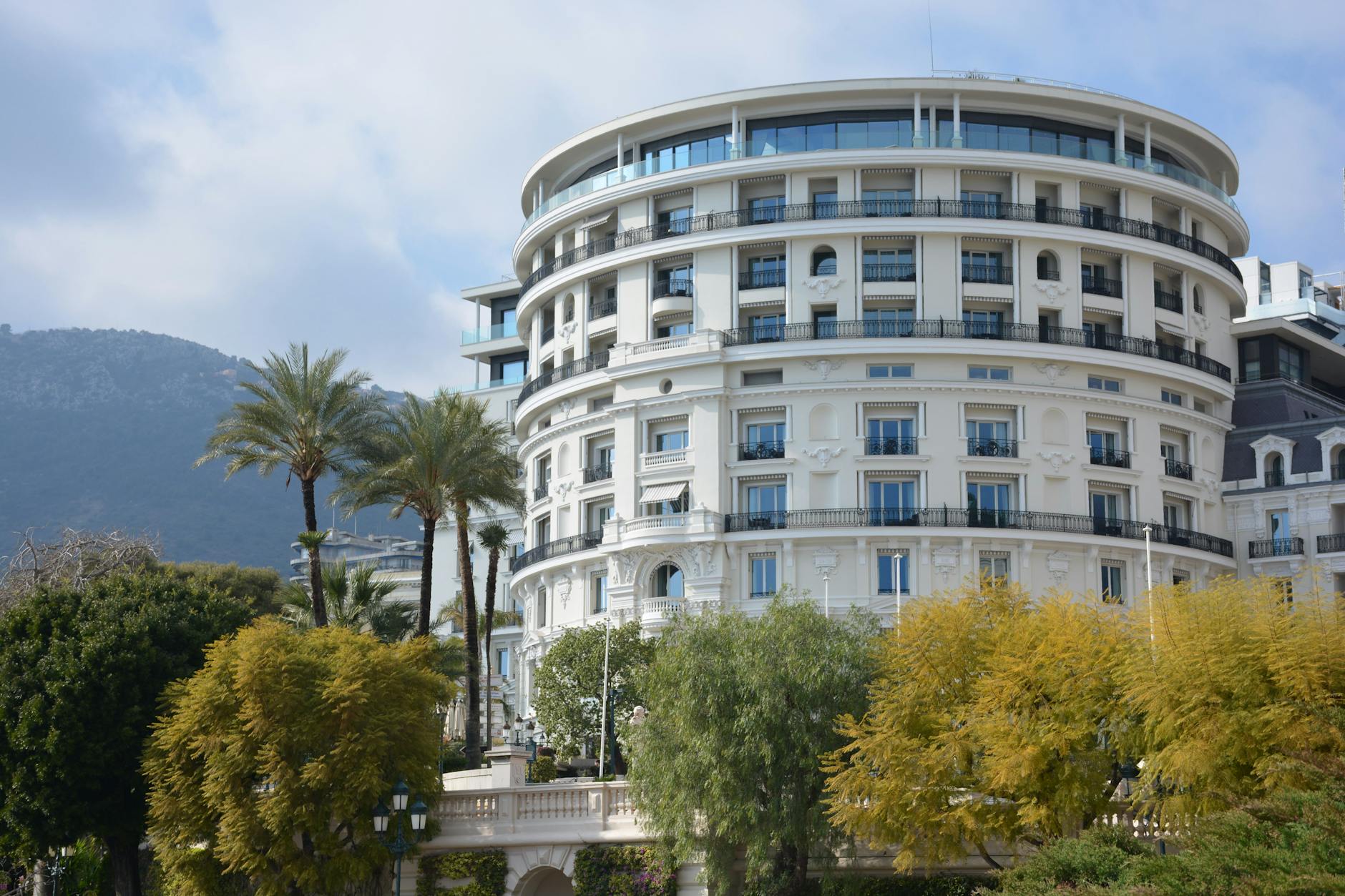
Nice hotel choice should be tied to the traveler's daily pattern. A grand seafront hotel may be right for promenade access, beach clubs, and polished service. A smaller high-end stay may work better for privacy or old-town dining. An airport-adjacent base rarely feels luxurious unless the trip is built around a late arrival, early departure, or regional onward movement.
The traveler should confirm room category, view, balcony, noise, spa access, concierge strength, valet or car handling, restaurant availability, elevator access, and beach arrangements before arrival. The visible star rating matters less than whether the hotel removes friction from the actual itinerary.
- Match hotel zone to seafront, dining, shopping, privacy, or regional transfer priorities.
- Confirm room category, view, balcony, noise, spa, concierge, and vehicle handling.
- Use the hotel as the operating base, not just the nicest address available.

Plan arrival and vehicle handling carefully
Nice Cote d'Azur Airport is close enough to make arrival feel easy, but luxury travelers should still plan the first movement precisely. A private transfer, hotel car, taxi, rental car, or chauffeured day vehicle can each be right depending on luggage, arrival time, villa or hotel location, and whether Monaco, Cannes, or Antibes is part of the trip.
The traveler should also decide when a car helps and when it becomes a burden. Nice streets, parking, coastal traffic, hotel pickup points, and event congestion can make private vehicles useful for some movements and inefficient for others.
- Arrange airport handling around luggage, arrival time, hotel location, and onward plans.
- Use private transfers where simplicity and privacy matter.
- Do not assume a car is always easier inside central Nice or along the coast.
Reserve the experiences that need real lead time
Nice luxury travel often depends on access: the right restaurant table, beach club setup, spa slot, private guide, boat time, driver, or hotel category. The traveler should not leave those elements to arrival if they define the trip. A short stay has too little time to recover from missing the one reservation that mattered.
At the same time, not every hour should be scheduled. A high-end Riviera trip needs enough open space for slow mornings, sea views, shopping, an unhurried lunch, or a change in weather. The art is reserving the scarce items while keeping the rest of the trip breathable.
- Reserve high-demand restaurants, beach clubs, spa times, guides, drivers, and boat plans early.
- Leave unscheduled space around the most important reservations.
- Avoid making the luxury trip feel like a sequence of appointments.
Keep Monaco, Cannes, and yacht add-ons honest
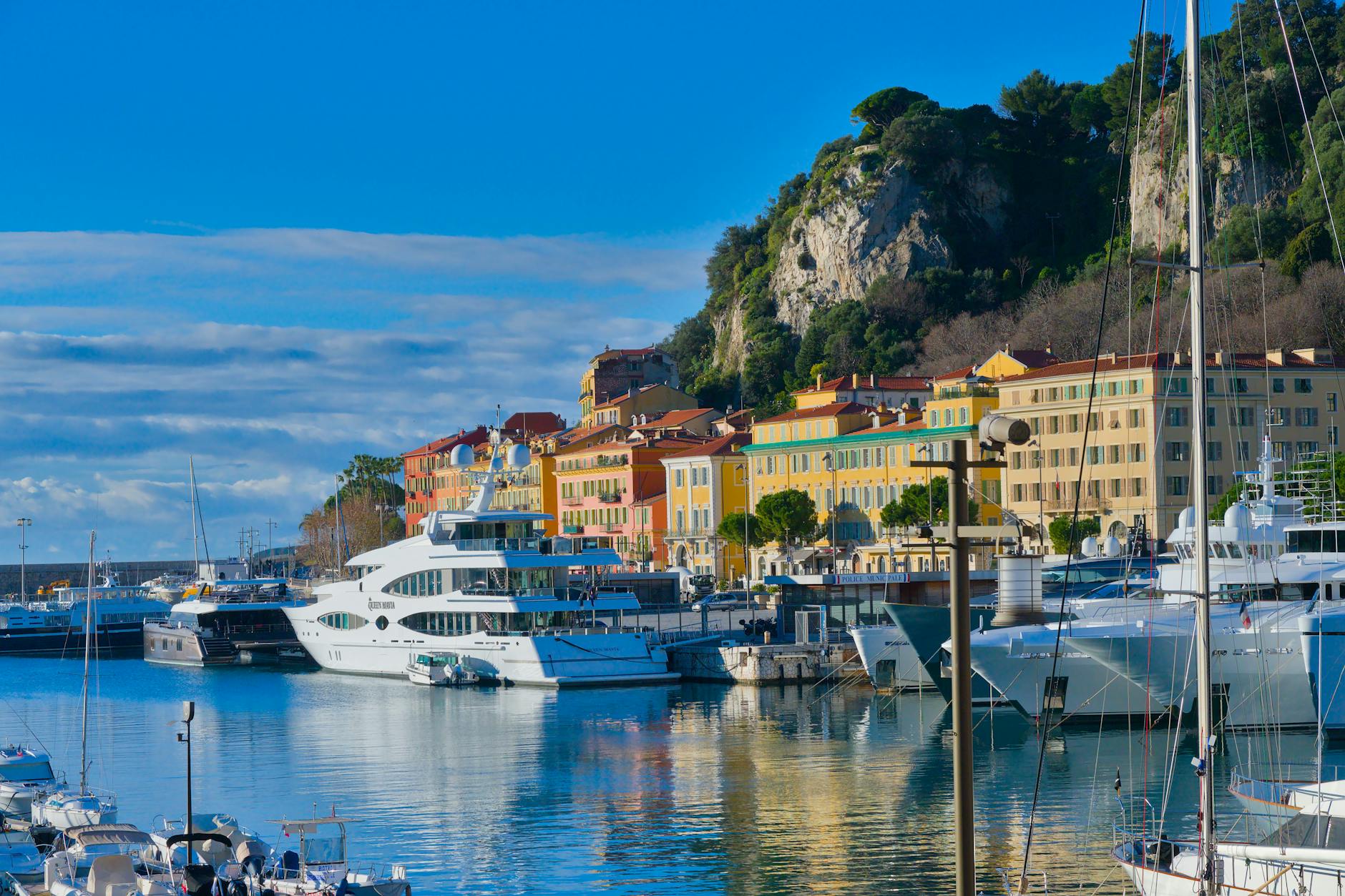
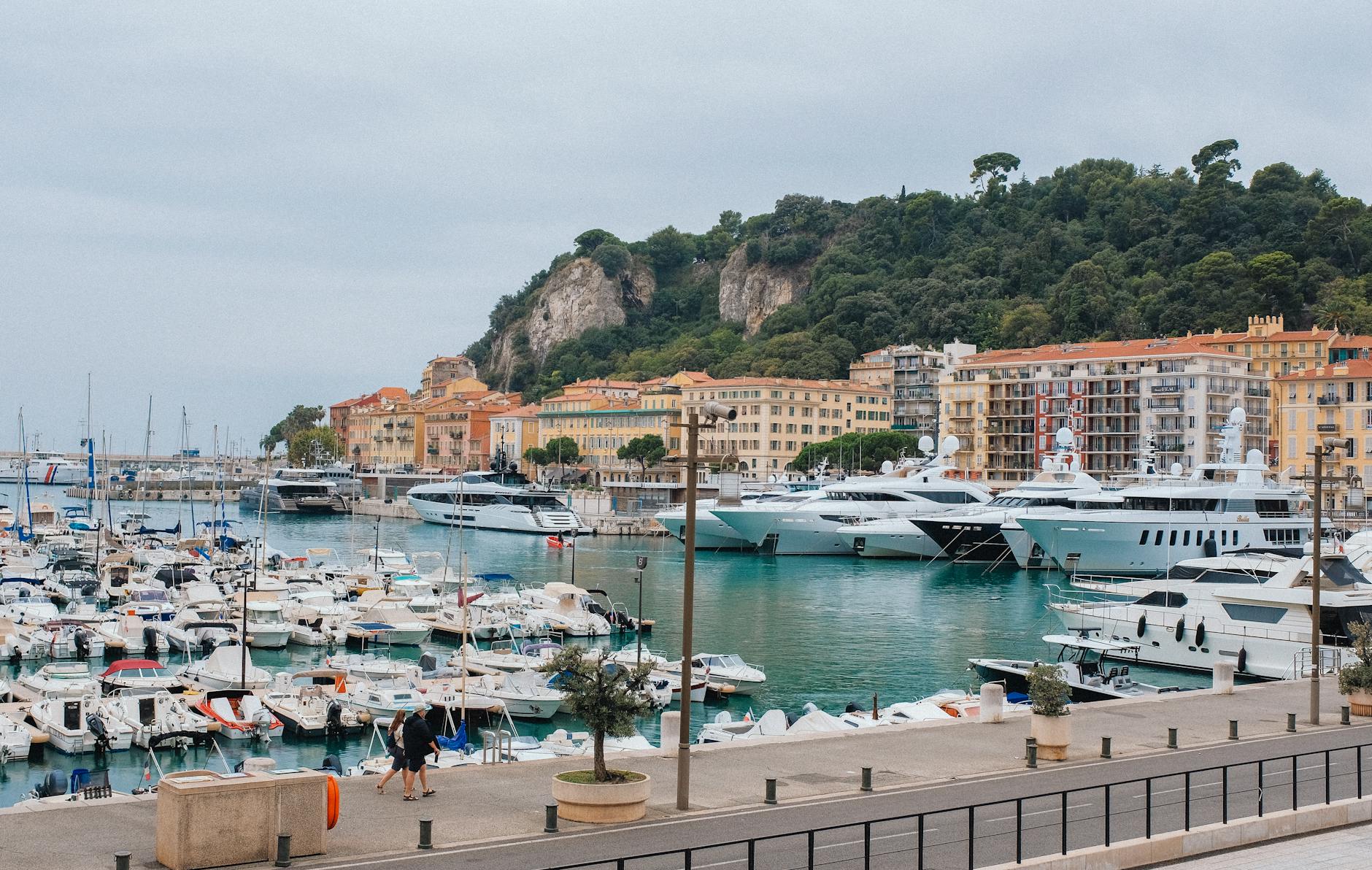
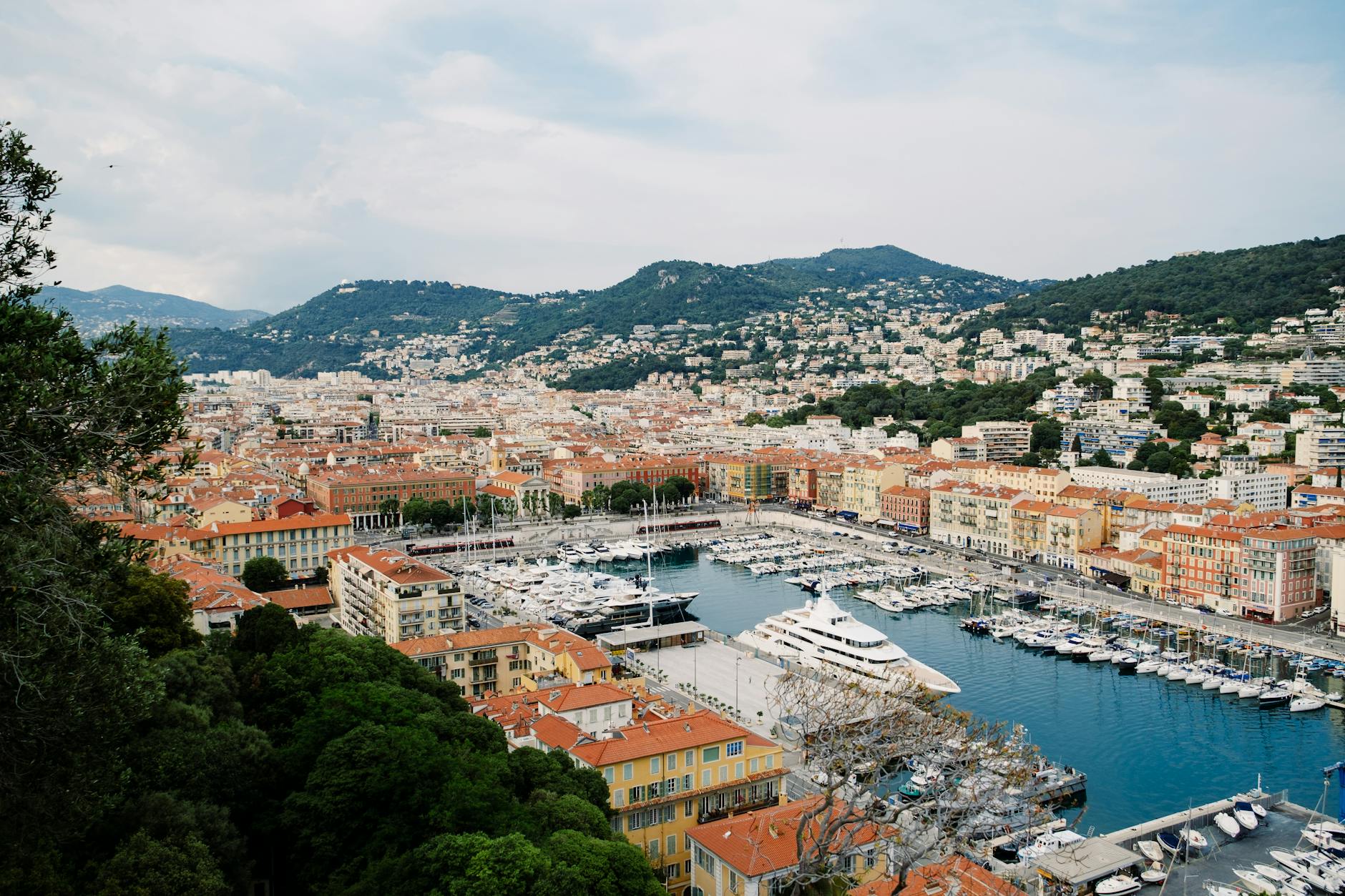
Nice makes high-end Riviera add-ons tempting. Monaco, Cannes, Antibes, Eze, private boat time, coastal drives, and villa visits can all fit a luxury itinerary, but they should be chosen for quality rather than status. A rushed Monaco dinner after a long arrival day may be less satisfying than a calm Nice evening done well.
The traveler should understand transfer timing, traffic, train alternatives, docking or pickup points, weather risk, cancellation terms, and dress expectations. Luxury add-ons are most successful when the schedule protects them instead of squeezing them in.
- Choose regional add-ons for fit, not just name recognition.
- Check transfer time, traffic, weather, pickup points, and cancellation terms.
- Protect a major add-on with margin or keep it off a fragile short stay.
Use beach clubs and dining deliberately
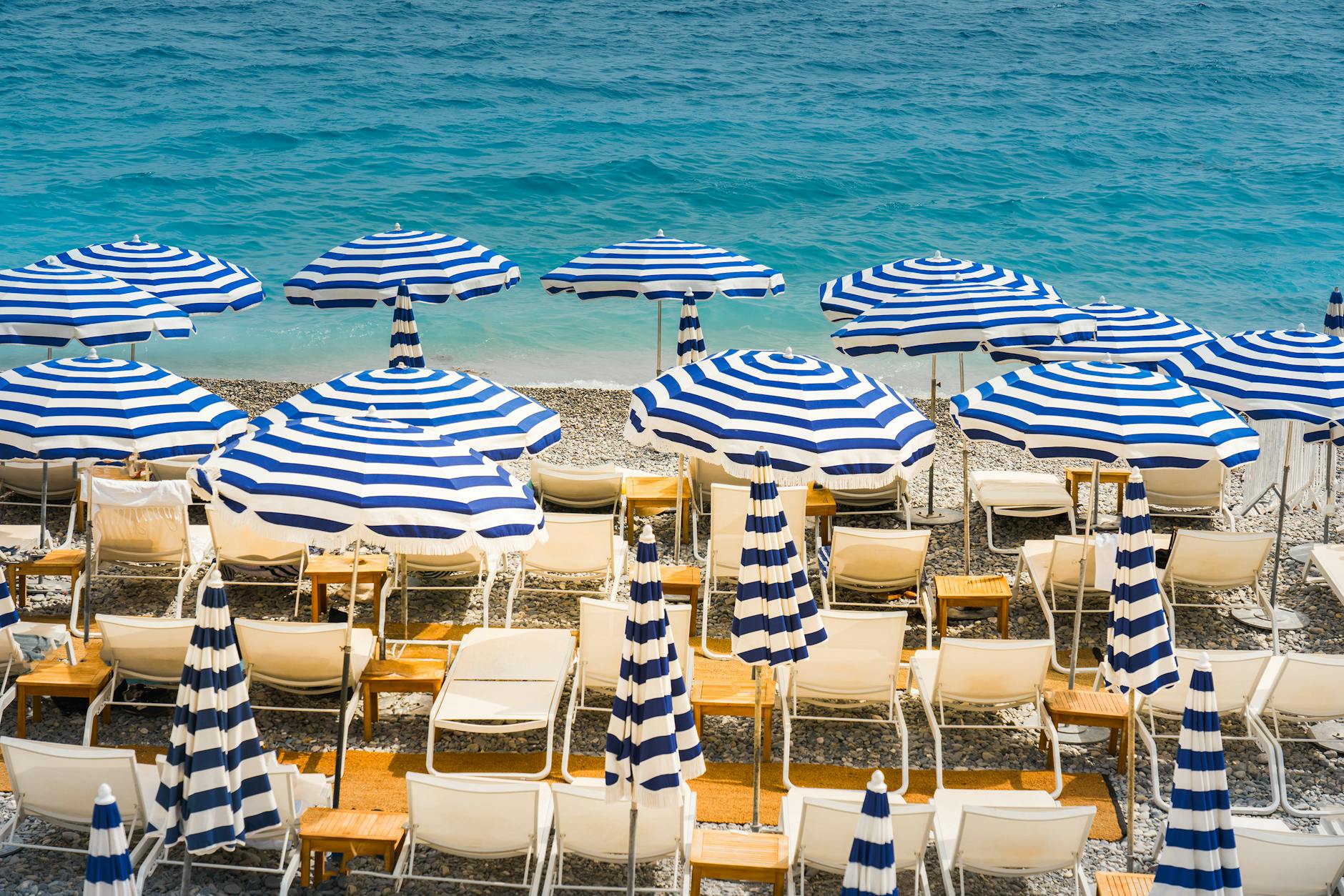
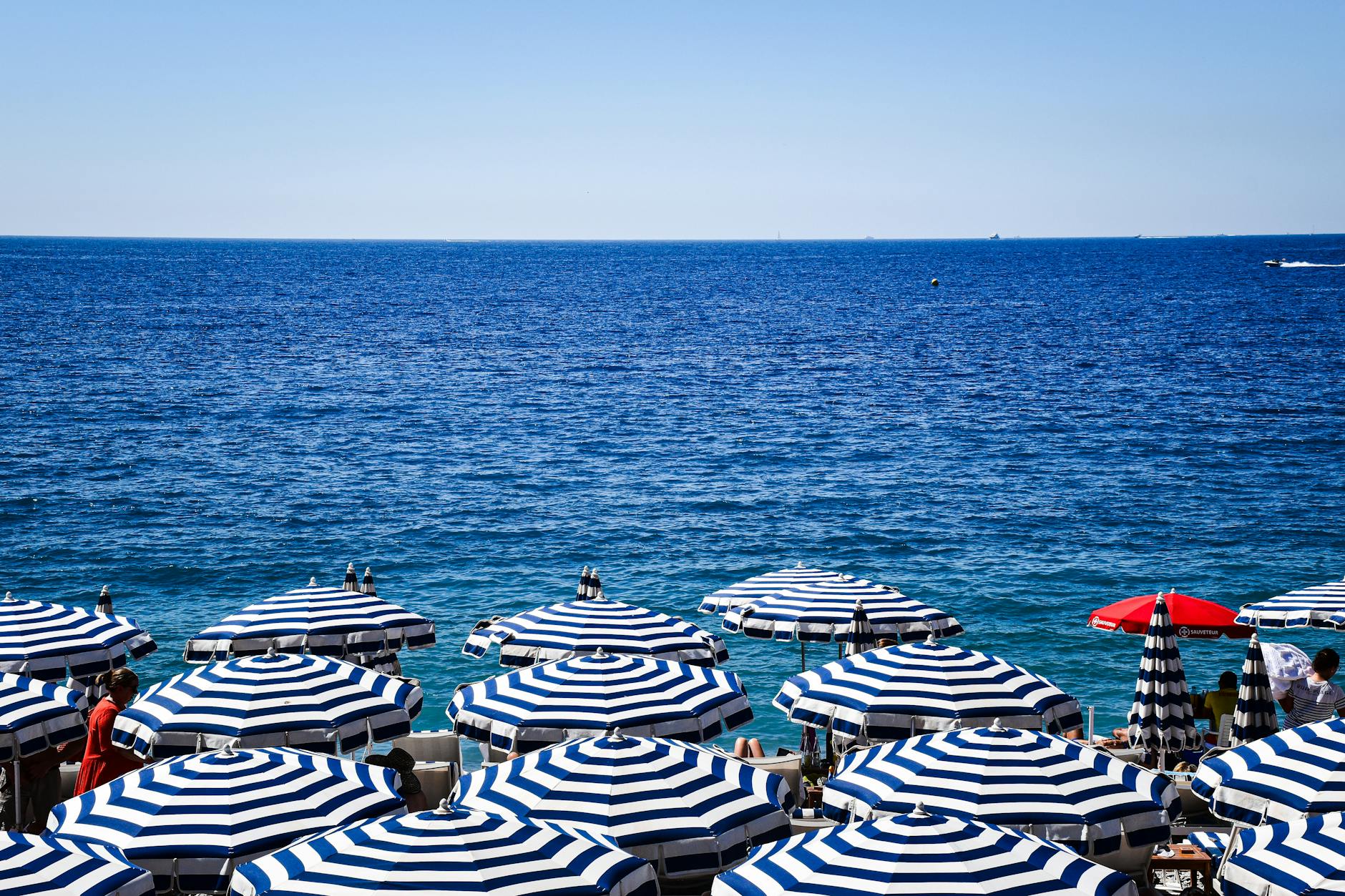
A luxury traveler should treat beach clubs and restaurants as designed parts of the day. Nice's beach setting is distinctive, but the shore is often pebbly, club styles vary, and the best setup depends on shade, service, privacy, swimming comfort, lunch plans, and proximity to the hotel. The right booking can create an effortless afternoon; the wrong one can feel expensive and exposed.
Dining needs similar discipline. A tasting menu, seafront lunch, old-town dinner, hotel meal, or Monaco reservation each creates a different evening. The traveler should consider dress, transport, noise, pacing, and whether the meal supports the next day's plan.
- Choose beach clubs by shade, service, privacy, swimming comfort, and hotel proximity.
- Plan dining around dress, route, noise, timing, and the next morning.
- Keep backup options for weather, fatigue, or changed appetite.
When to order a short-term travel report
A luxury traveler with one trusted hotel and a loose schedule may not need a custom Nice report. A report becomes useful when the traveler is comparing high-end hotels, arranging private transfers, adding Monaco or Cannes, planning yacht time, choosing beach clubs, booking important meals, traveling with family or staff, or trying to decide which costly elements are actually worth protecting.
The report should test hotel fit, arrival handling, vehicle strategy, beach club choices, restaurant geography, regional add-ons, privacy concerns, weather exposure, cancellation risk, and what to cut. The value is a Nice trip where the money supports calm decisions instead of covering for weak planning.
- Order when hotels, transfers, dining, beach clubs, yacht time, or regional add-ons need testing.
- Provide dates, hotel options, flight details, service expectations, reservations, and constraints.
- Use the report to make the trip controlled, selective, and worth the spend.