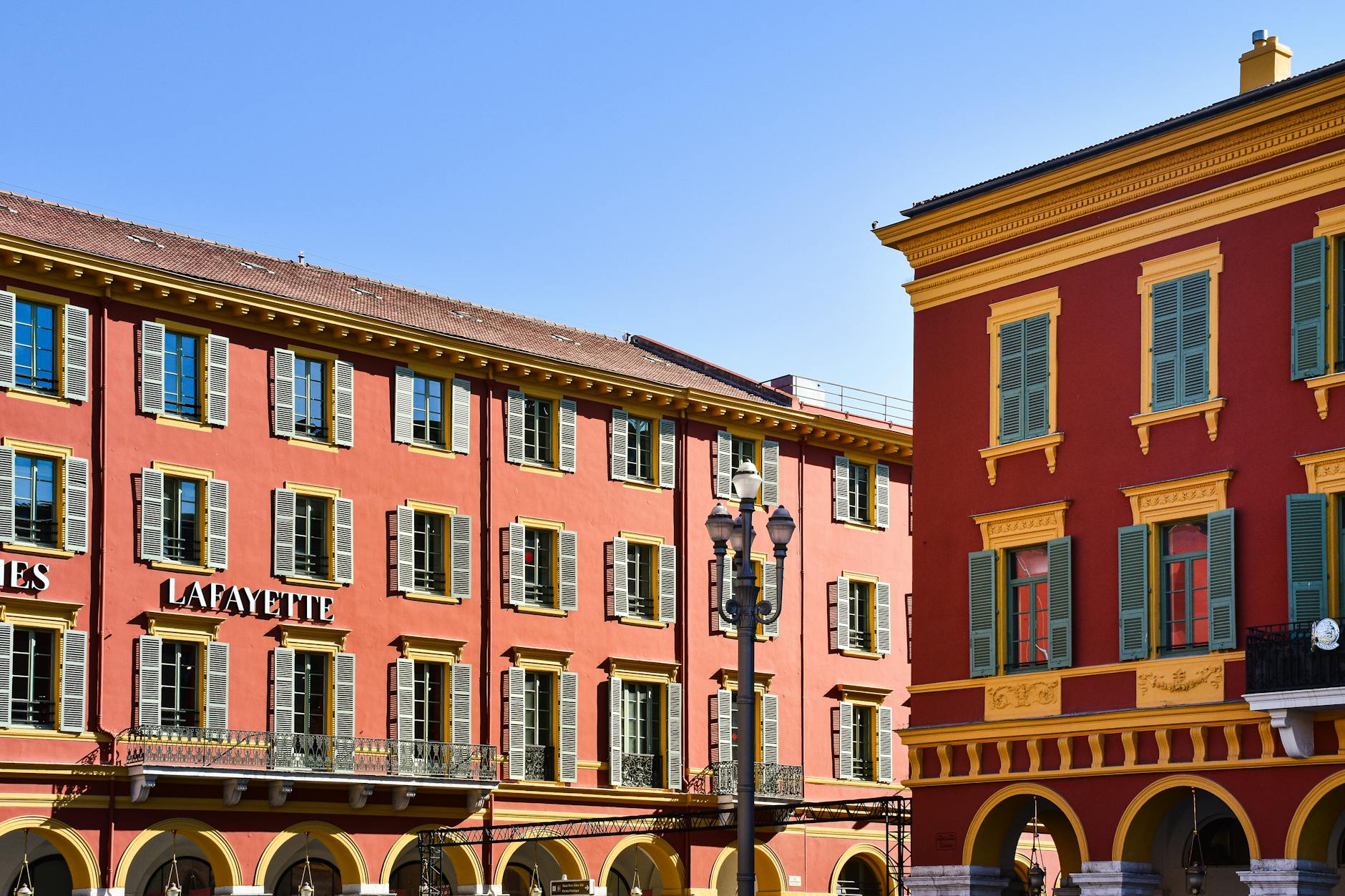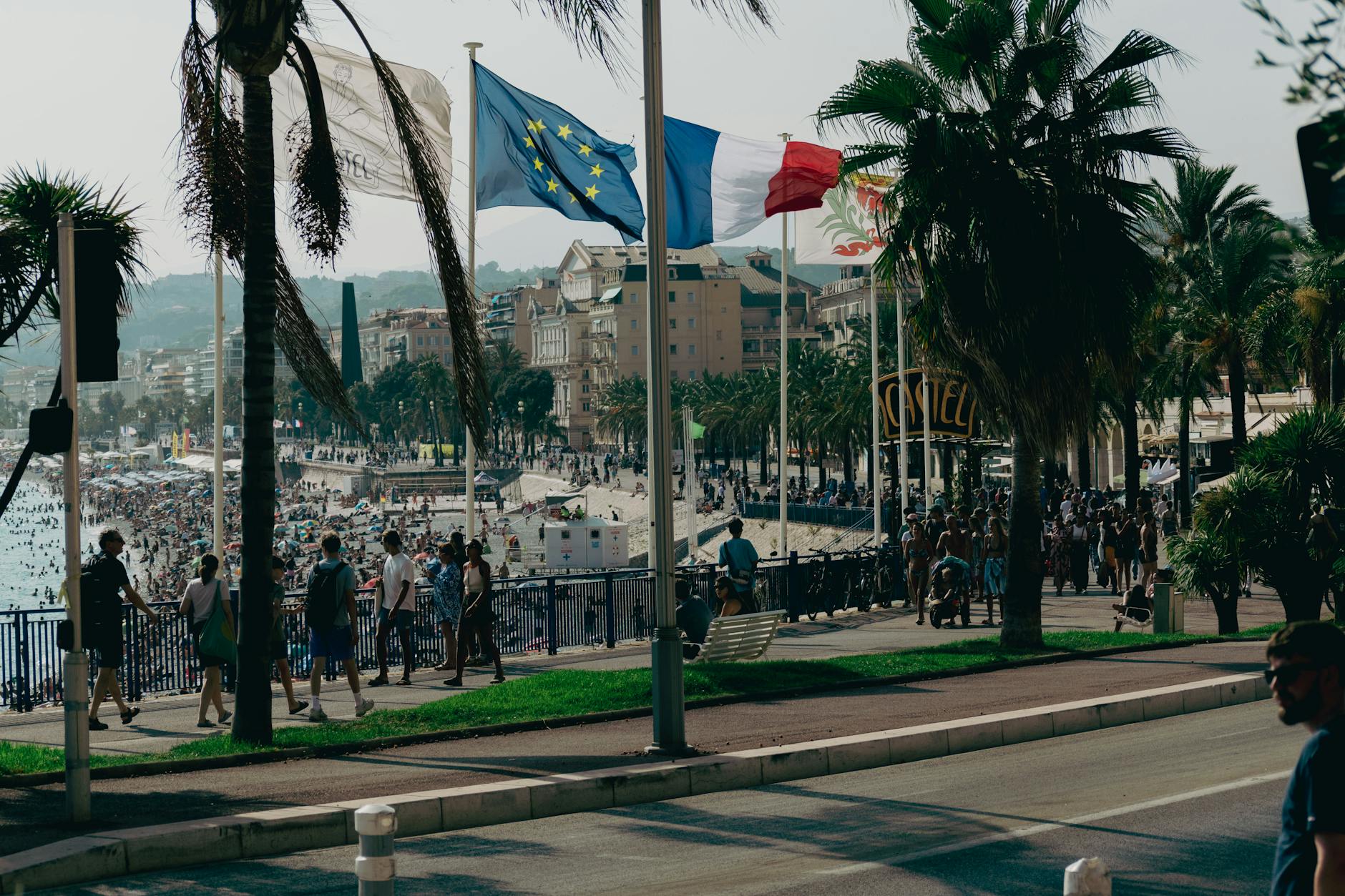
A journalist traveling to Nice needs more than a pleasant city plan. The assignment might involve tourism, migration, culture, climate, business, sport, film, port activity, local politics, social services, luxury markets, or the wider Riviera. The city can be visually accessible and logistically convenient, but journalism compresses time, equipment, interviews, deadlines, and risk into a short window. The central question is what kind of reporting trip this is. Nice may be the story location, the arrival gateway, the base for Monaco or Cannes, or the place where interviews and visuals are easiest to coordinate. Each version changes lodging, transport, equipment, language, and how much unscheduled wandering is sensible.
Define the assignment geography
A journalist should start by deciding whether the reporting target is central Nice, the Promenade, Old Nice, the port, airport-area development, community organizations, a court or public office, a cultural venue, an event, Monaco, Cannes, Antibes, or another Riviera site. The city can be a base for several stories, but a base is not the same as a reporting plan.
Each assignment site changes the right hotel, transport mode, shooting window, interpreter need, and backup plan. The journalist should map interviews, visuals, document-gathering, and filing deadlines before adding leisure time.
- Map assignment sites, interviews, visuals, document stops, and filing deadlines first.
- Decide whether Nice is the story location, the gateway, or the reporting base.
- Choose lodging and transport around the assignment, not the prettiest view.
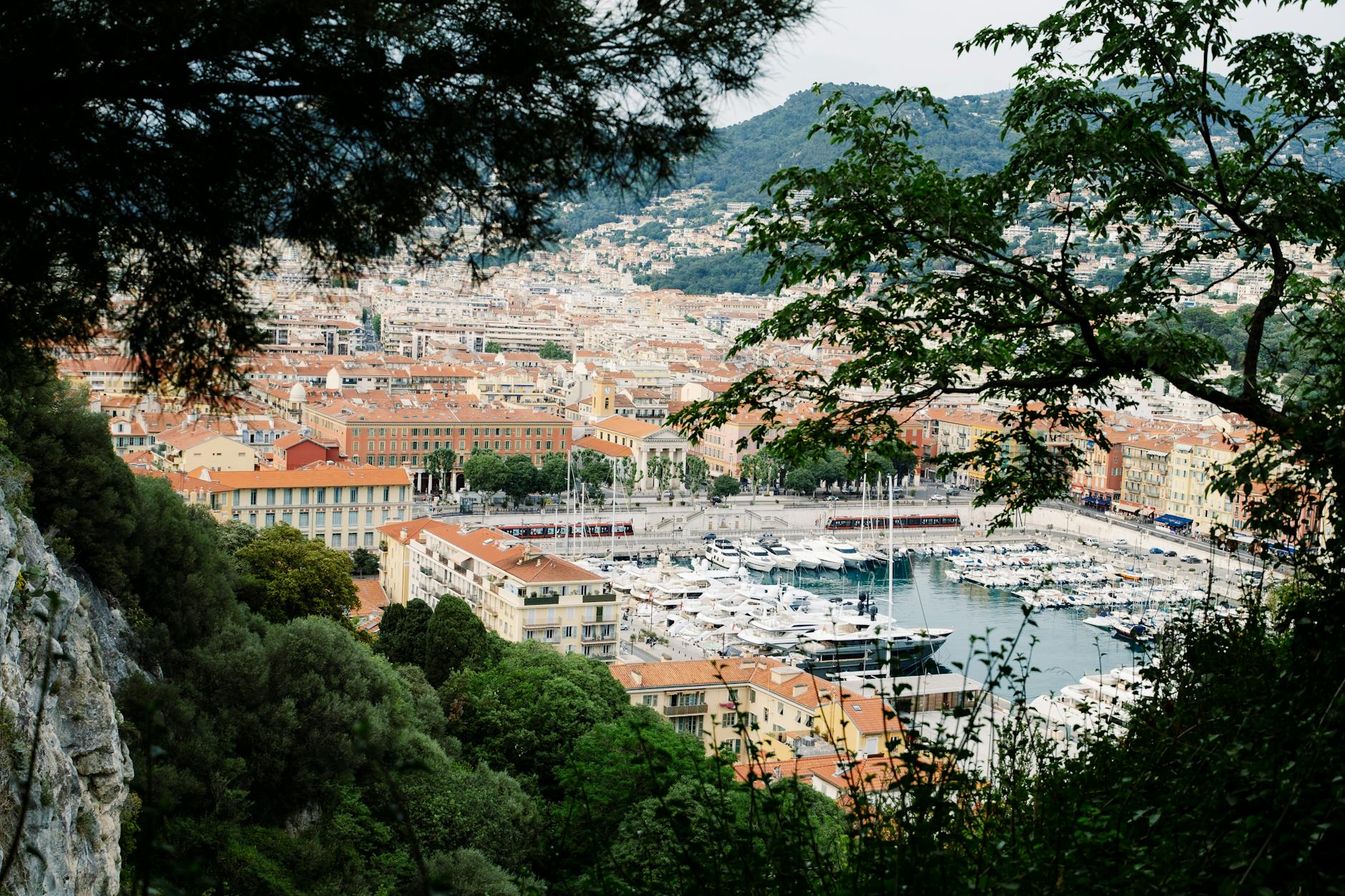
Choose a base that supports filing
A journalist's hotel or apartment should support work under deadline. Reliable Wi-Fi, quiet calls, a usable desk, late access, luggage storage, elevator access, nearby food, and a simple route back after interviews can matter more than charm. If the journalist needs to edit audio, upload files, charge gear, or join a remote editorial call, the room is part of the production setup.
A waterfront or old-town location may be useful for visuals and atmosphere, but it may not be ideal for station access, port access, airport movement, or late-night filing. The base should match the reporting rhythm.
- Check Wi-Fi, desk space, charging, quiet calls, food access, and late returns.
- Choose a base that matches interviews, visuals, station access, and filing needs.
- Do not let charm outrank work reliability when deadlines are tight.
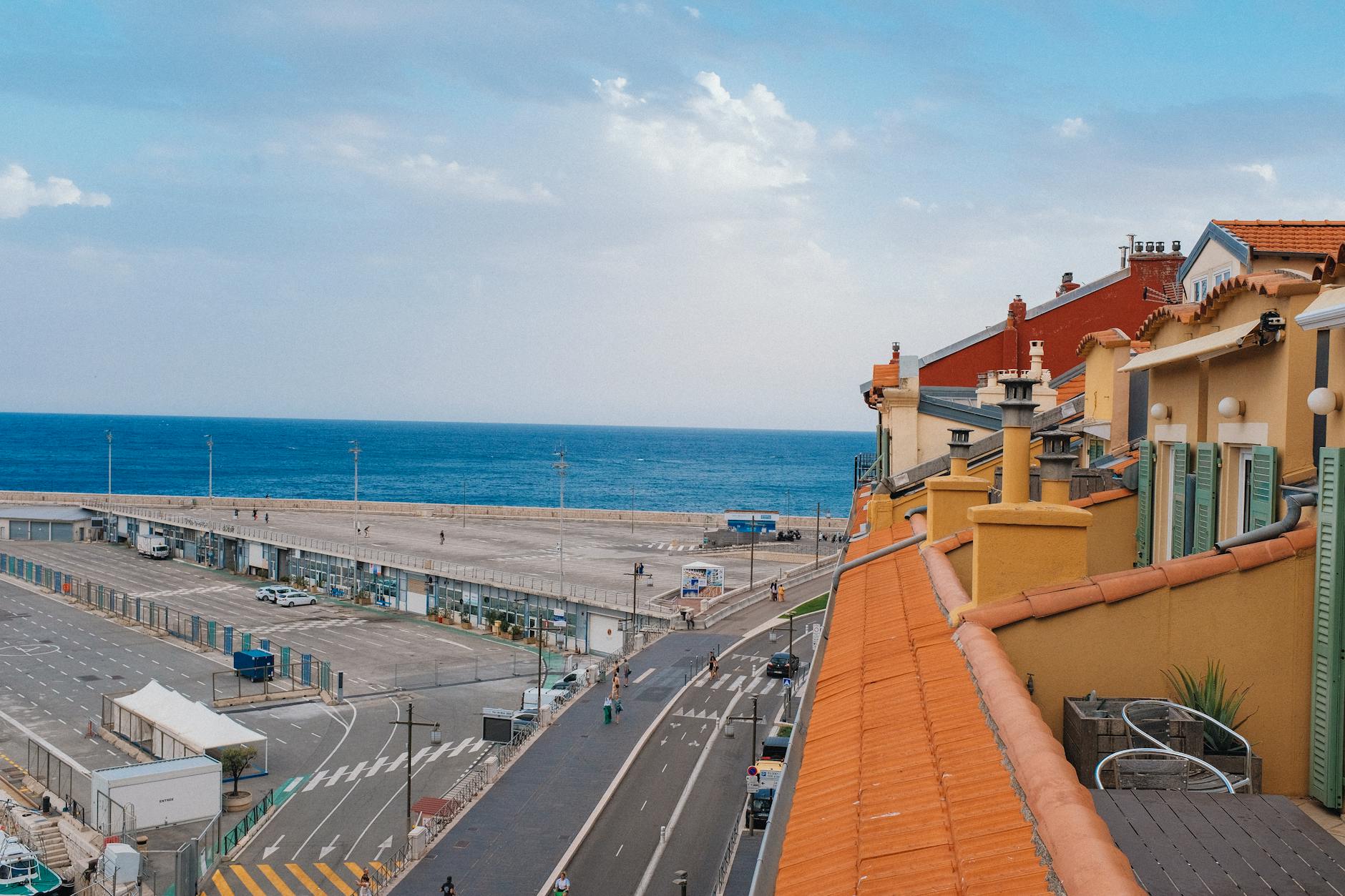
Protect equipment and source material
Journalists may carry cameras, audio gear, laptops, notebooks, credentials, drives, phones, batteries, adapters, and source material. Nice is manageable, but crowded promenades, stations, events, cafes, and late returns still require discipline. Gear should be minimized for each outing, backed up, and separated where possible.
Source protection matters too. Notes, contact names, unpublished audio, images, and sensitive messages should not be exposed in public spaces. The journalist should decide where sensitive calls can happen and how files are backed up before a long day in the field.
- Carry only the gear needed for the assignment block and keep backups separate.
- Protect notes, contacts, audio, images, and unpublished files from public exposure.
- Plan charging, storage, data backup, and secure connectivity before fieldwork.
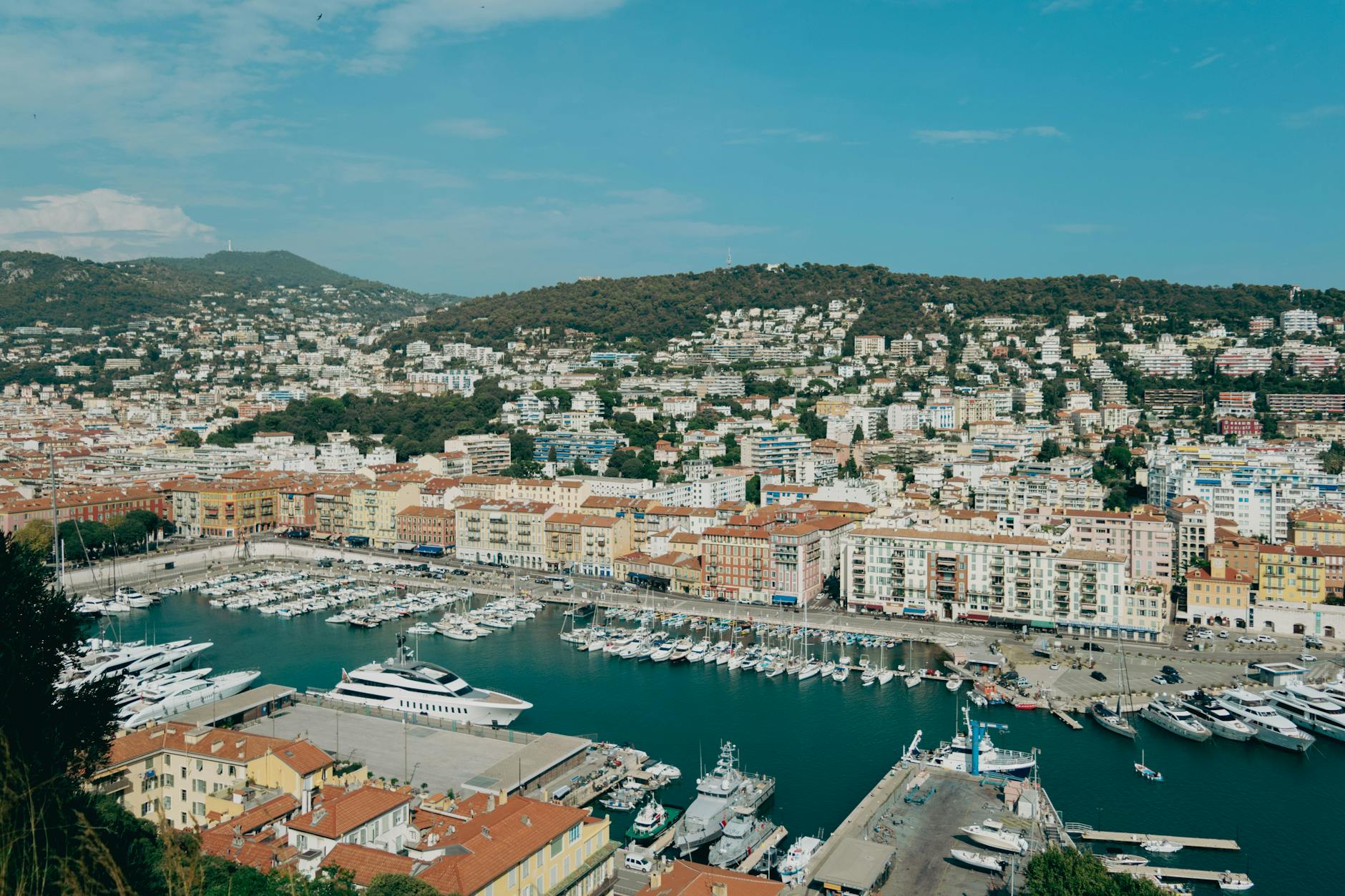
Plan interviews around language and trust
Nice is used to visitors, but reporting is not the same as casual conversation. The journalist should know when French is required, when an interpreter or local fixer is appropriate, where interviews can happen, and whether the subject needs privacy. Source access can be harder if the traveler assumes English and charm will do the work.
The plan should also distinguish public-facing interviews from sensitive ones. Community groups, public agencies, migrant services, workers, business owners, and event participants may each need different consent, context, and follow-up.
- Decide when French, interpretation, or local fixing support is needed.
- Choose interview locations for privacy, sound, accessibility, and source comfort.
- Treat consent and context as part of the reporting logistics.
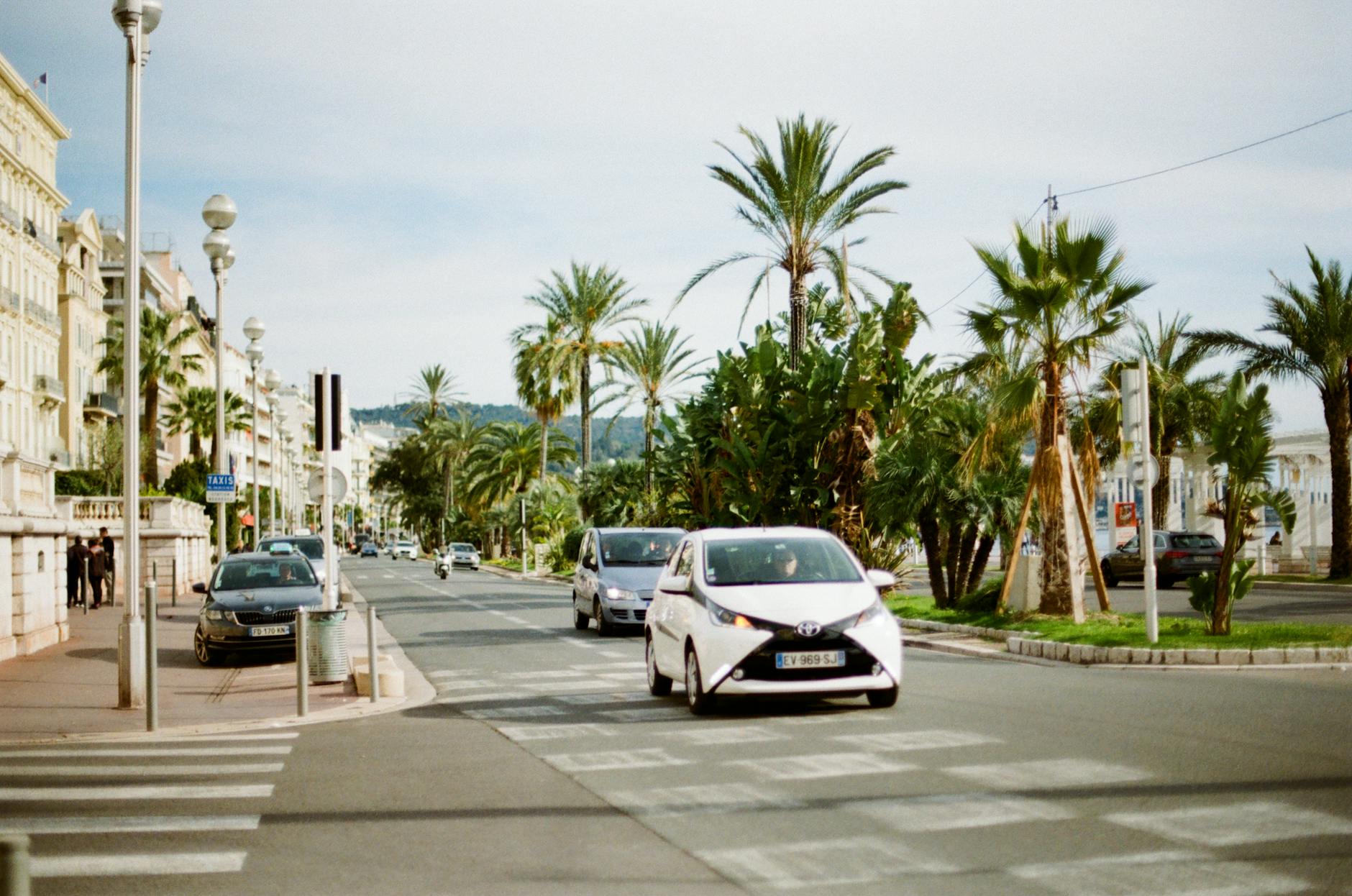
Handle events, crowds, and visible reporting carefully
Nice can include festivals, sporting events, tourism peaks, public gatherings, waterfront crowds, and regional spillover from Monaco or Cannes. A journalist covering an event should understand access rules, credential requirements, crowd movement, exit routes, and where gear can be used without attracting unnecessary attention.
If the story involves protest, policing, migration, labor, housing, or social conflict, the traveler should be more cautious. Static travel advice is not enough for live incidents. The journalist should verify current conditions, stay mobile, and keep an editor or trusted contact aware of movements.
- Confirm credentials, access rules, crowd routes, exits, and gear visibility before events.
- Use extra caution for protests, policing, migration, labor, housing, or conflict stories.
- Keep a live contact aware of field movements when the assignment is sensitive.
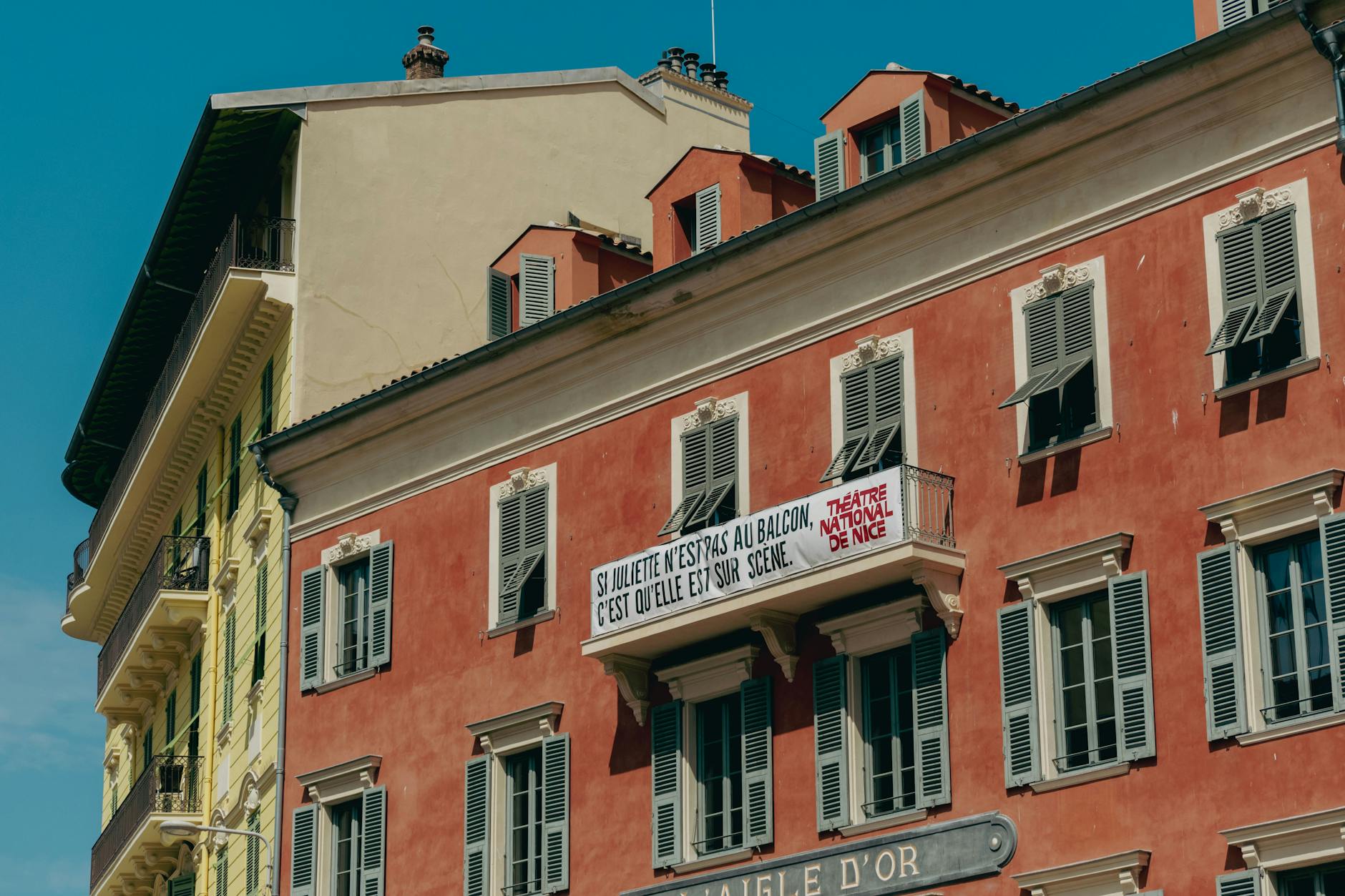
Protect the filing schedule
Nice makes it tempting to keep adding visuals, interviews, and regional movement. A journalist still needs time to file, fact-check, transcribe, back up files, eat, and sleep. A day that looks productive because it crosses several neighborhoods can fail if it leaves no time to turn material into usable work.
The journalist should separate reporting blocks from filing blocks. If Monaco, Cannes, Antibes, or another Riviera location is part of the story, that movement should be planned as production time, not as a scenic detour.
- Separate field reporting, transcription, editing, file backup, and filing blocks.
- Treat regional travel as production time when it supports the story.
- Cut extra visuals or interviews when they weaken the deadline.
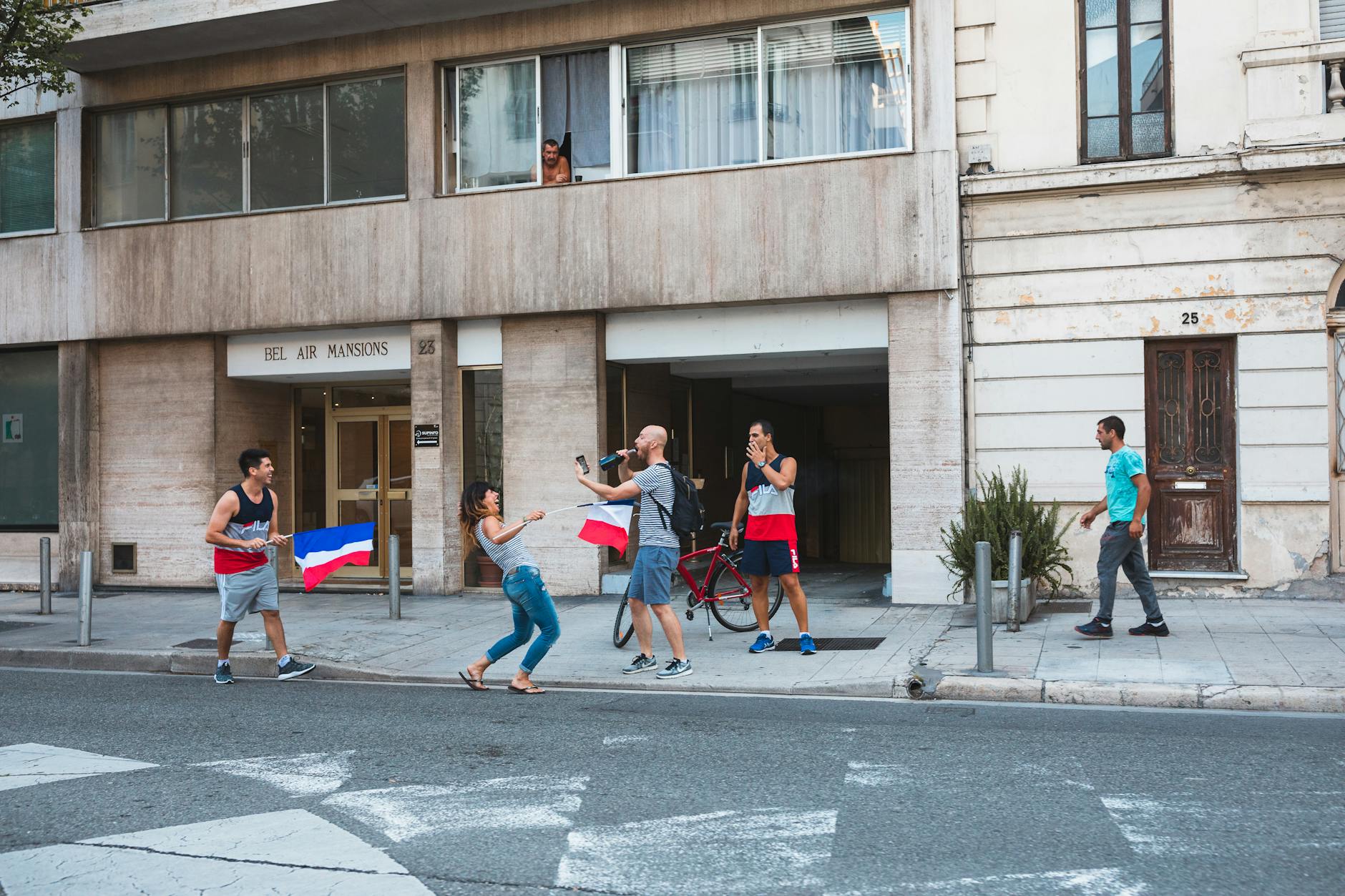
When to order a short-term travel report
A journalist with a simple culture assignment, central hotel, and clear interviews may not need a custom Nice report. A report becomes useful when the assignment involves multiple Riviera sites, sensitive sources, event access, unusual hours, heavy gear, language needs, community organizations, protest or disruption risk, or tight filing deadlines.
The report should test assignment geography, hotel work setup, airport and rail movement, source access, interview logistics, equipment handling, event routes, filing windows, medical fallback, and what to cut. The value is a reporting trip that protects the story and the journalist's ability to file it.
- Order when sites, sources, gear, language, events, or deadlines need operational testing.
- Provide assignment locations, interview schedule, hotel options, gear needs, filing times, and sensitivities.
- Use the report to keep the reporting trip from becoming a scenic but fragile itinerary.