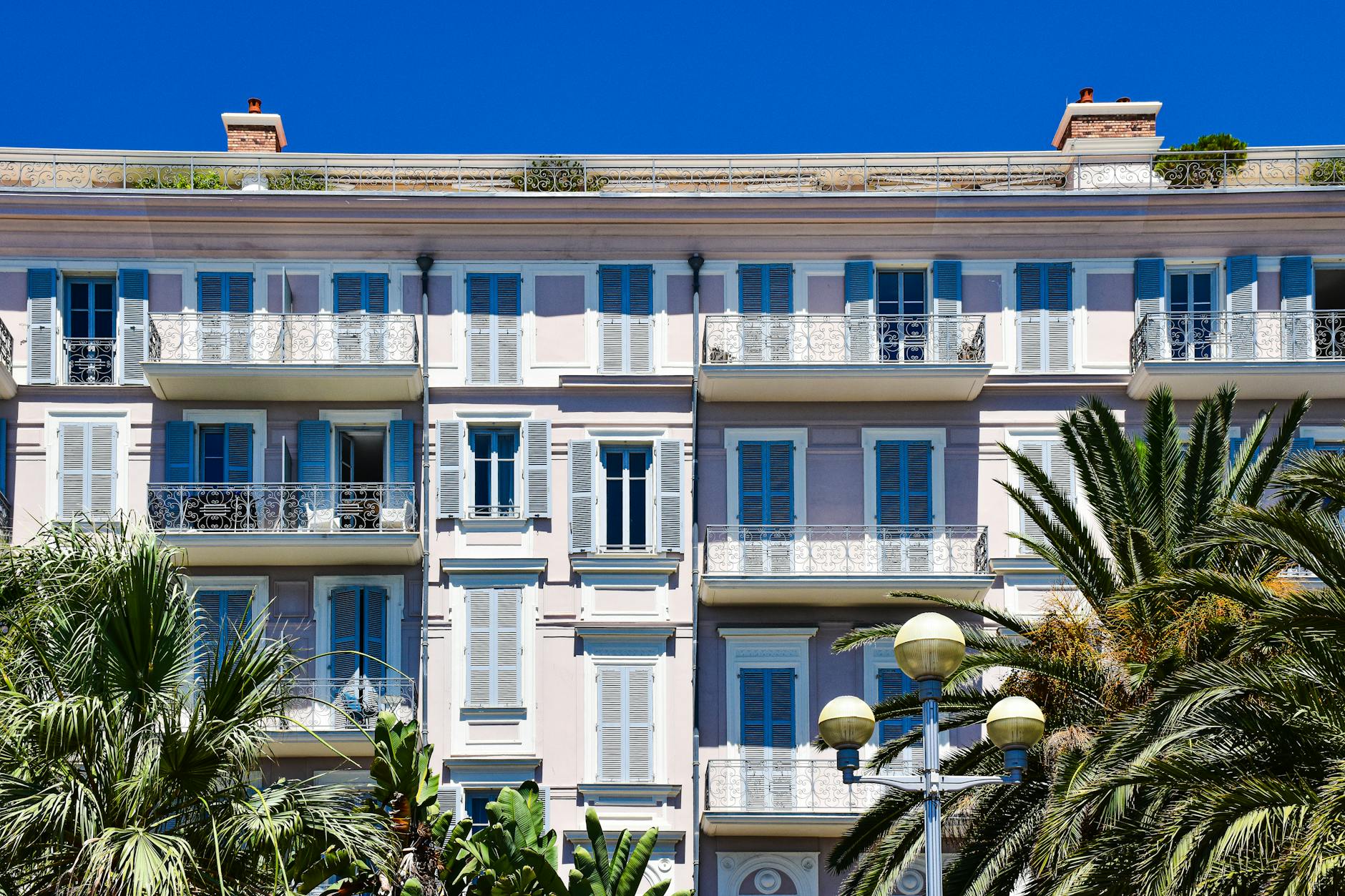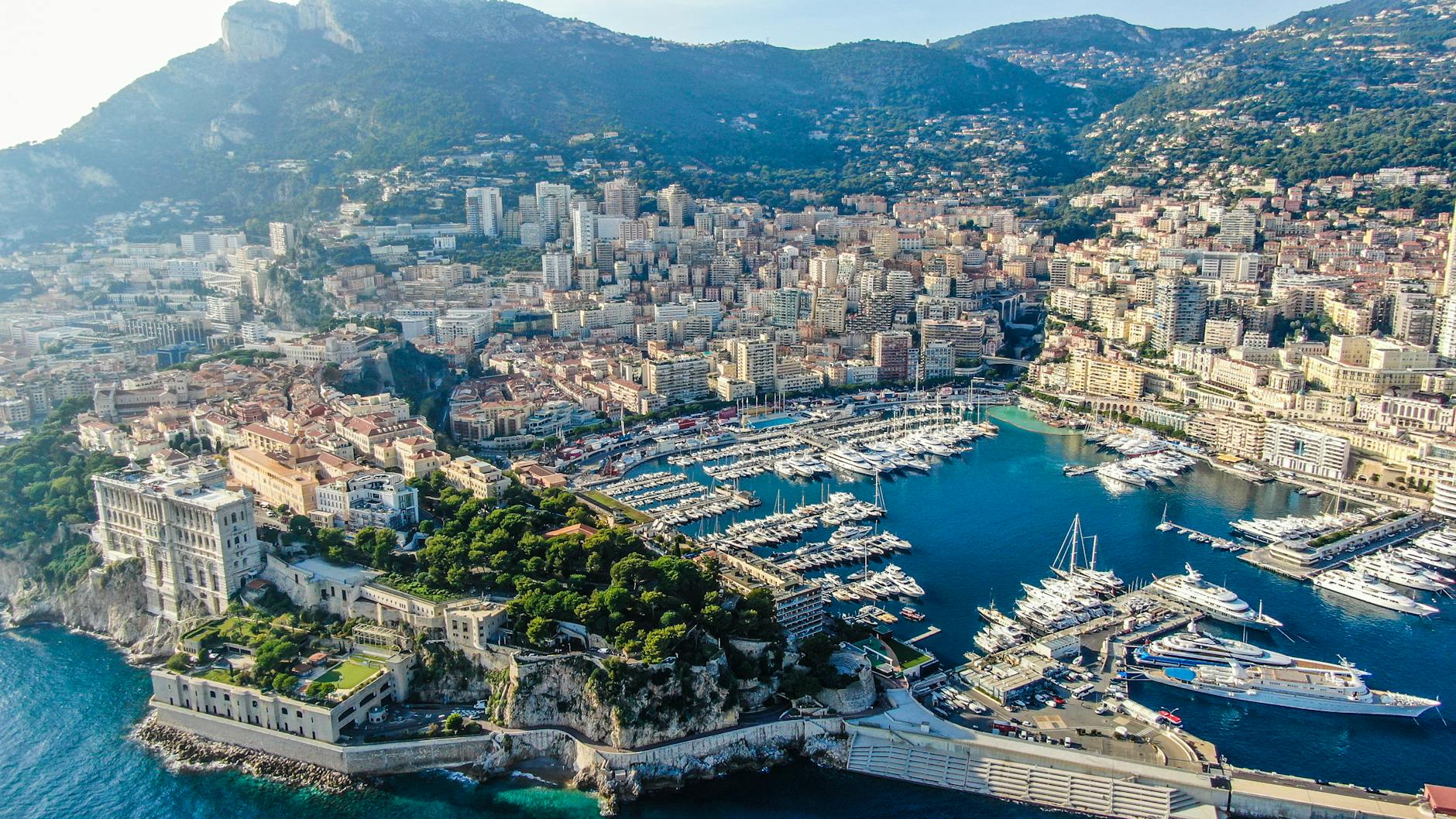
Nice can be a practical and attractive base for investors and deal teams working across the Riviera, but the trip needs sharper structure than a normal business visit. The actual deal geography may include Nice, Monaco, Cannes, Antibes, Sophia Antipolis, private residences, family offices, hotels, marinas, adviser offices, or event settings. A beautiful base does not automatically make those movements clean. The central question is whether Nice is the deal location, the hotel base, the arrival gateway, or the neutral ground for meetings and dinners. Each answer changes lodging, vehicle use, document handling, meeting order, confidentiality, and the amount of personal time that can safely be added.
Define the deal geography first
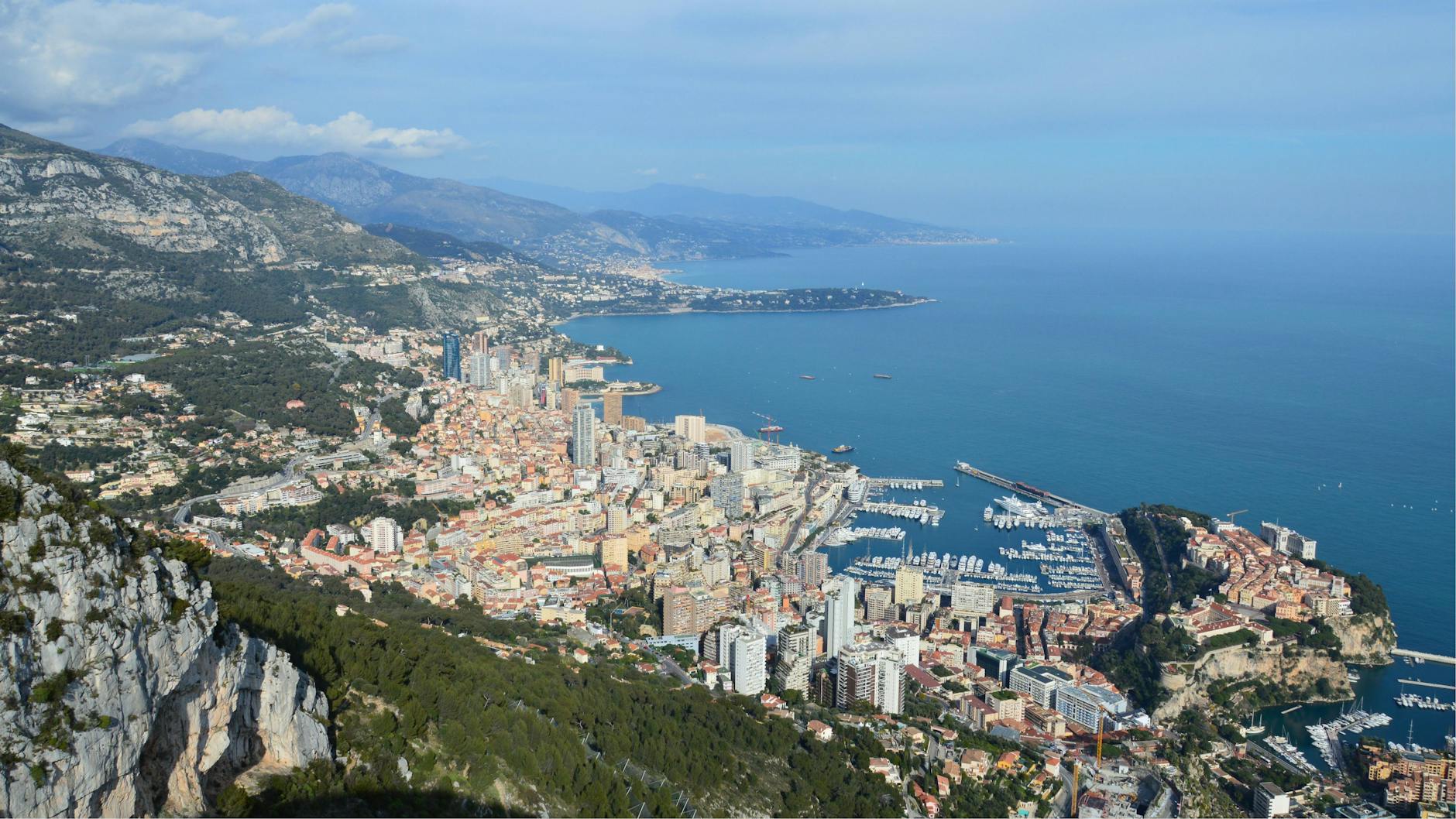
An investor or deal team member should not book around a vague idea of the Riviera. The relevant sites may be in Nice, Monaco, Cannes, Antibes, Sophia Antipolis, an airport-area office, a hotel suite, a private residence, a marina, or an adviser office. The difference between those points can determine whether the trip needs tram access, rail access, taxis, a driver, or a different hotel entirely.
The team should map every meeting and classify it by importance, confidentiality, timing, and movement burden. Nice may be the right base, but that should be proven against the actual sequence rather than assumed because the airport is convenient.
- Map every meeting, adviser office, private address, hotel, marina, and regional site.
- Decide whether Nice is the deal location, the base, the arrival gateway, or neutral ground.
- Choose transport and lodging after the deal map is clear.
Choose lodging for discretion and control
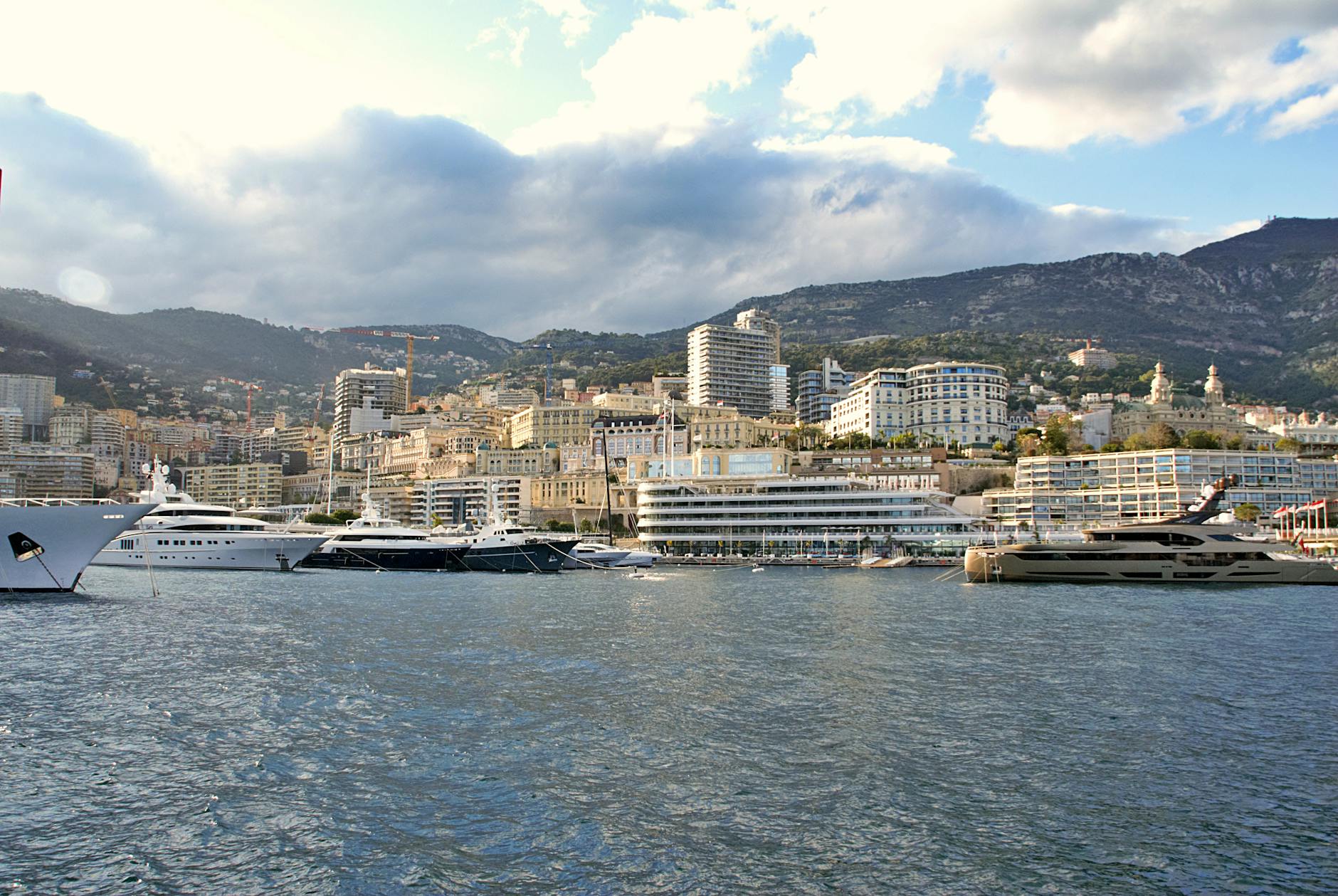
The best lodging for a deal trip may not be the most famous hotel. Investors and deal teams should evaluate privacy, meeting space, lobby exposure, elevator access, secure document handling, room work setup, late-night food, vehicle pickup, and distance to the first meeting. A hotel that attracts attention may be wrong if the team needs quiet movement and private preparation.
If the hotel will host adviser conversations or pre-meeting work, it should support confidentiality. If it is only a recovery base, it should protect sleep, preparation, and route reliability. Those are different lodging requirements, and the trip should be honest about which one matters.
- Check privacy, lobby exposure, meeting space, work setup, vehicle pickup, and document control.
- Decide whether the hotel is a meeting site or a recovery base.
- Avoid choosing prestige when discretion and route control matter more.
Protect airport timing and first contact
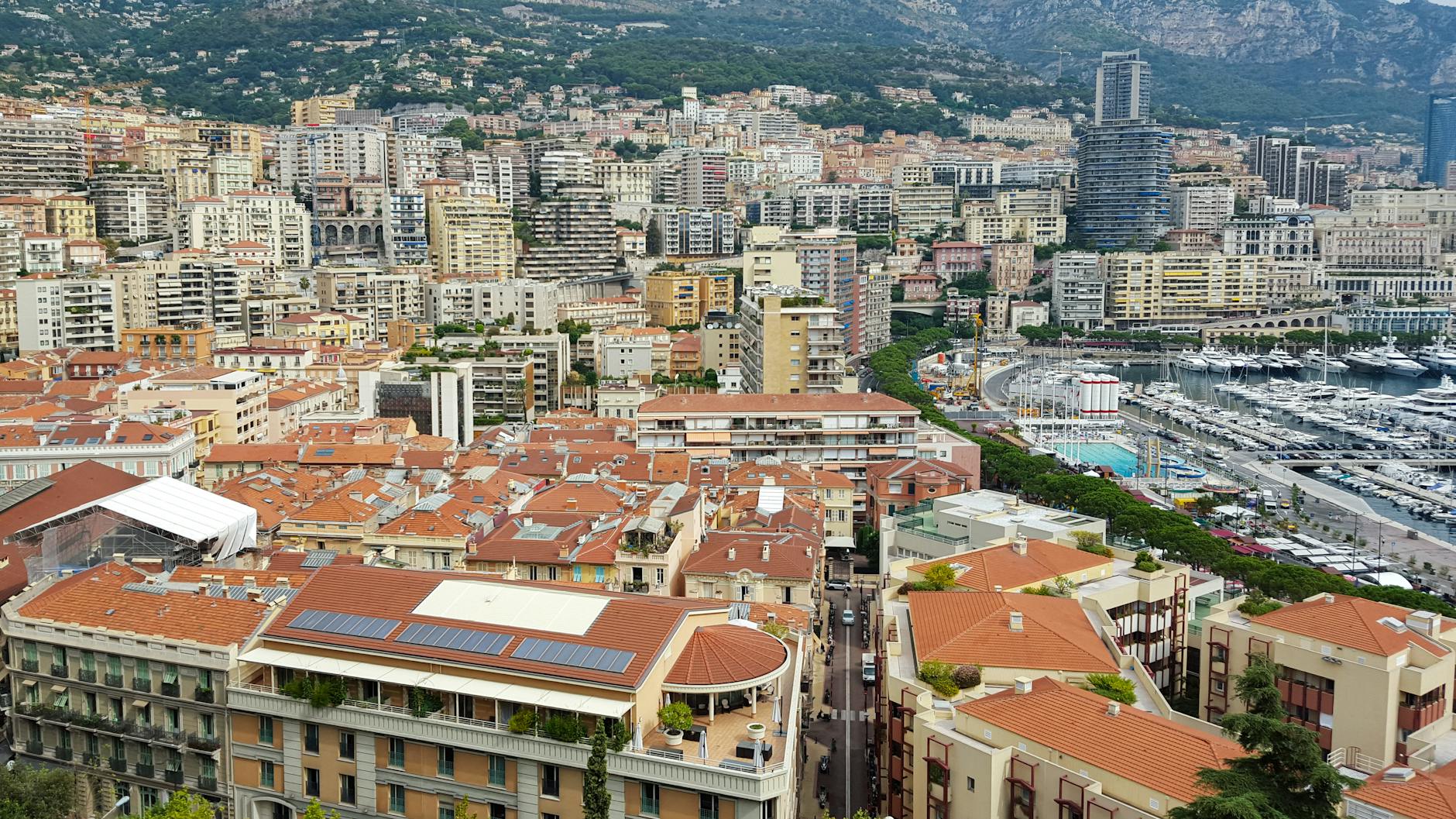
Nice airport is close to the city and useful for Monaco and the wider Riviera, but that convenience can encourage tight scheduling. A delayed flight, luggage issue, vehicle delay, hotel room problem, or document access issue can damage the first meeting if the schedule has no margin. Deal trips should avoid making first contact from a state of recovery.
The traveler should decide whether the first transfer is public, taxi, hired vehicle, or arranged pickup based on confidentiality, baggage, timing, and the importance of the first meeting. The cleanest movement is often the one with the fewest public decisions while tired.
- Add margin before the first adviser, seller, founder, partner, or investor meeting.
- Choose airport transfer by confidentiality, baggage, timing, and importance of first contact.
- Use arrival time to verify documents, devices, route, and meeting materials.
Sequence meetings by risk, not only geography
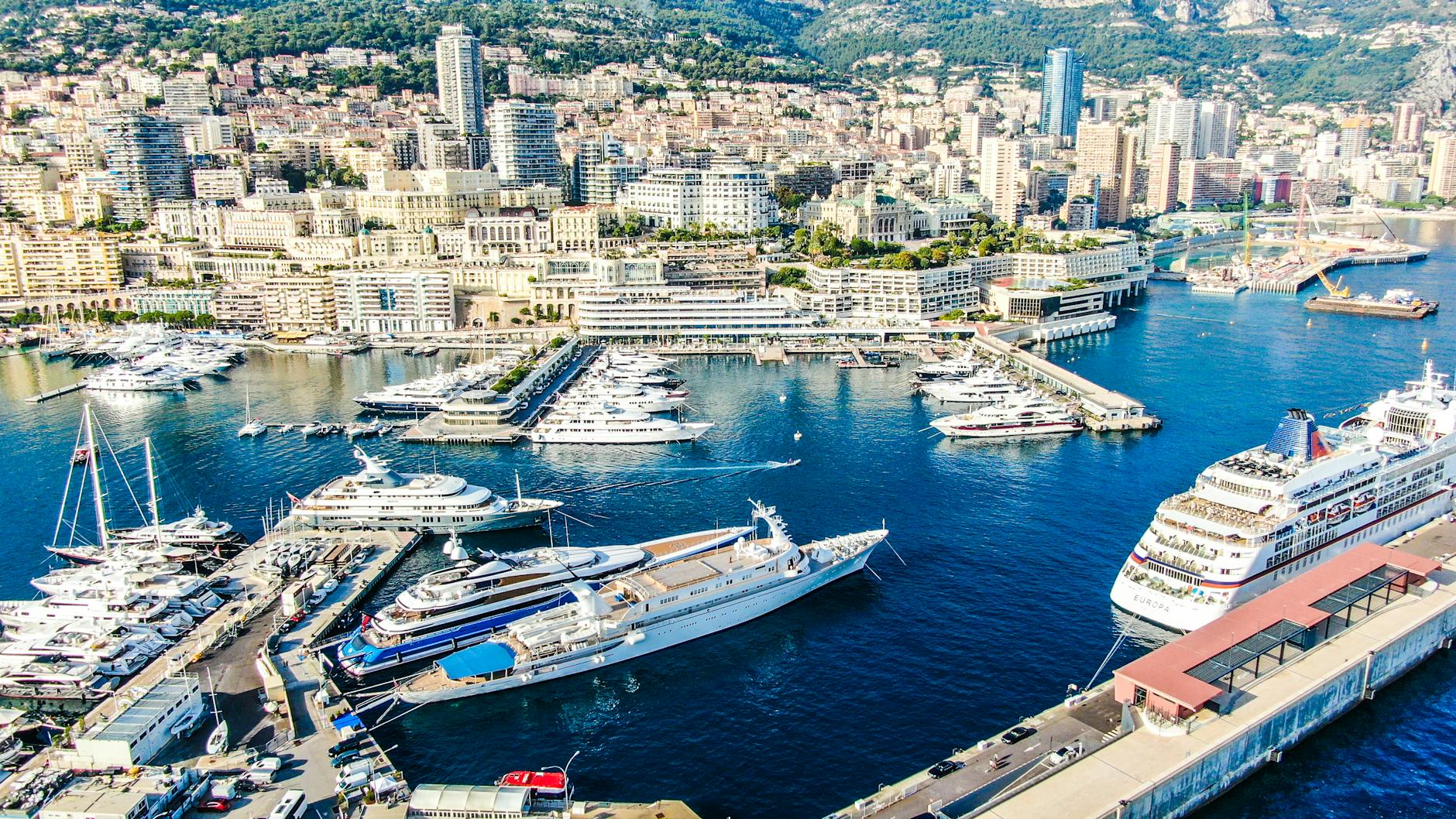
A deal team may be tempted to optimize the map and stack meetings tightly along the Riviera. That can work for low-stakes introductions, but higher-value meetings need preparation, decompression, and sometimes internal discussion before the next contact. A founder meeting, diligence review, adviser lunch, bank appointment, and family-office dinner do not all carry the same planning weight.
The schedule should include buffers for confidential calls, document review, route delays, and team alignment. A slightly less efficient map may produce better judgment than a day that is technically possible but cognitively overloaded.
- Sequence meetings by importance, confidentiality, preparation, and internal review needs.
- Build buffers for calls, documents, traffic, rail timing, and team alignment.
- Do not optimize the map so tightly that judgment quality declines.
Control documents, devices, and public conversation
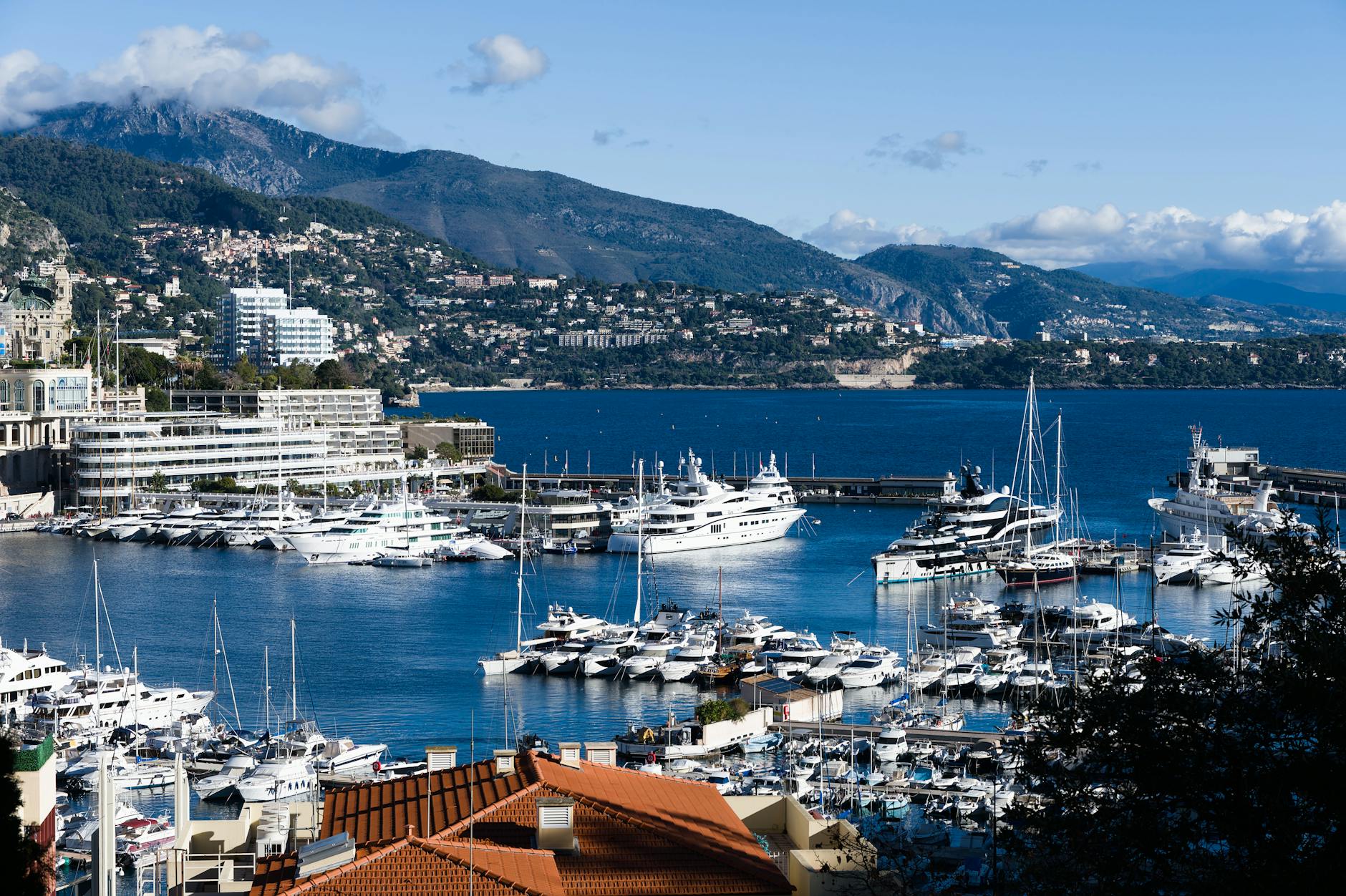
Deal travel often involves confidential names, valuations, term sheets, diligence notes, passwords, contracts, or strategy. Nice and Monaco have many polished public spaces where work can feel discreet because everyone looks professional. That is still not the same as privacy. Cafes, trains, hotel lobbies, waterfront terraces, and ride conversations should be treated as exposed.
The team should separate devices, backups, chargers, printed material, secure connections, and document access. It should also decide what can be discussed in transit and what requires a private room. The practical standard is simple: assume public spaces are public.
- Keep names, terms, valuations, documents, and strategy out of exposed public spaces.
- Plan secure device, backup, charger, and document access before moving between sites.
- Use private rooms for sensitive calls and internal deal discussion.
Use meals without letting them drive the deal
The Riviera can make lunches and dinners feel unusually persuasive, which is useful and dangerous. An adviser dinner, investor lunch, founder coffee, or partner meal should be chosen for conversation quality, privacy, timing, and return logistics. The view is a bonus, not the operating requirement.
Late meals can also affect the next morning's judgment. The team should know when the meal is relationship-building, when it is substantive, and when it is simply hospitality. Not every scenic invitation deserves a place in a compressed deal schedule.
- Choose meals by privacy, conversation quality, timing, payment, and return route.
- Separate relationship meals from substantive deal conversations.
- Protect the next morning when the schedule requires clear judgment.
When to order a short-term travel report
An investor or deal team member with one hotel meeting and no regional movement may not need a custom Nice report. A report becomes useful when the trip includes Monaco or Cannes movement, private addresses, adviser meals, confidential work, tight airport timing, multiple stakeholders, or uncertainty about whether Nice is the right base.
The report should test deal geography, hotel discretion, airport transfer, Monaco and Riviera movement, meeting sequence, document control, meal settings, recovery time, and what to cut. The value is a trip where the commercial purpose is protected from the distractions and false ease of the Riviera.
- Order when deal geography, lodging, confidentiality, Monaco movement, or stakeholder timing need testing.
- Provide meeting sites, hotel options, arrival details, document needs, confidentiality concerns, and meal plans.
- Use the report to keep the deal structure in control instead of letting the setting lead.