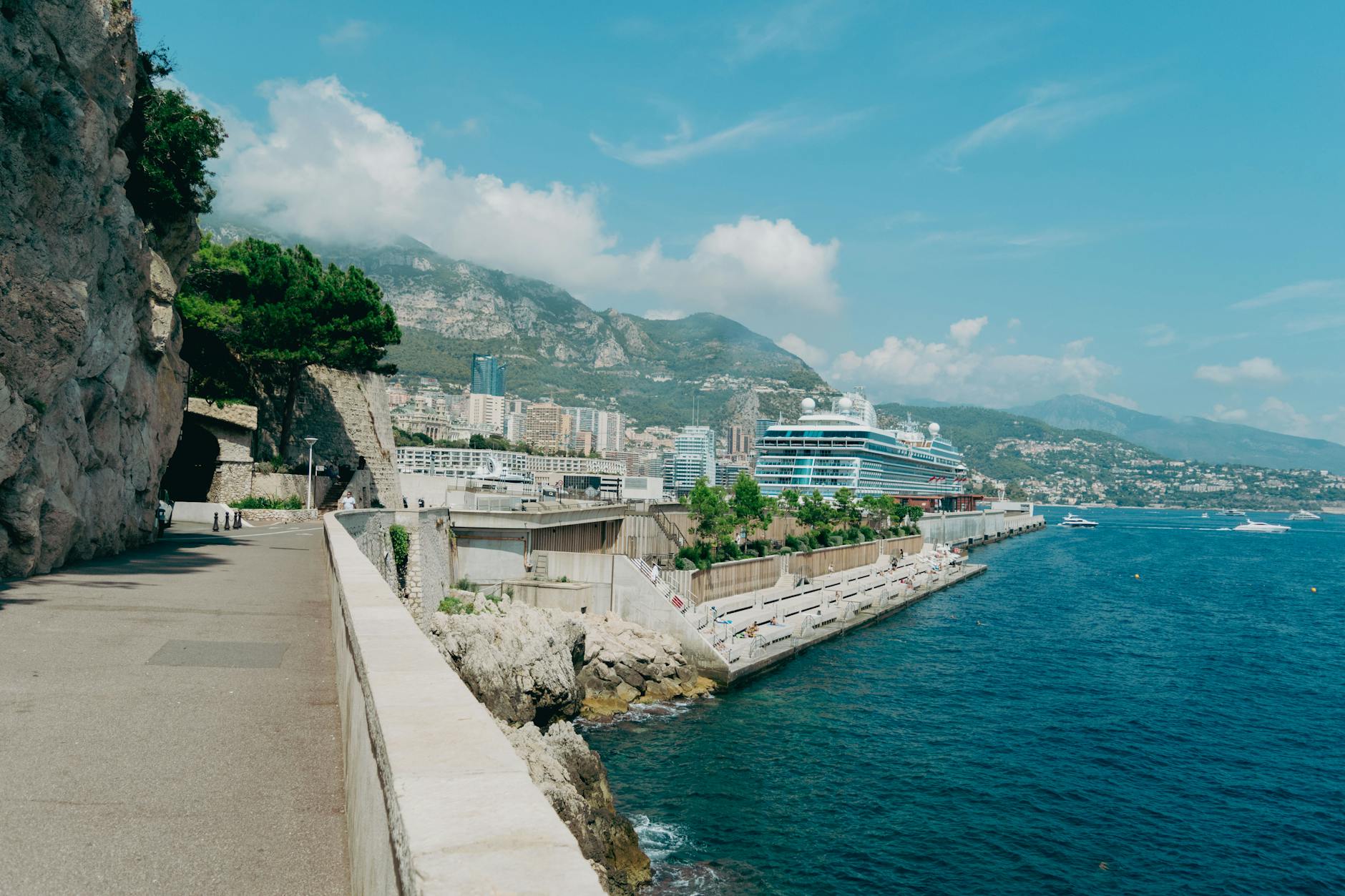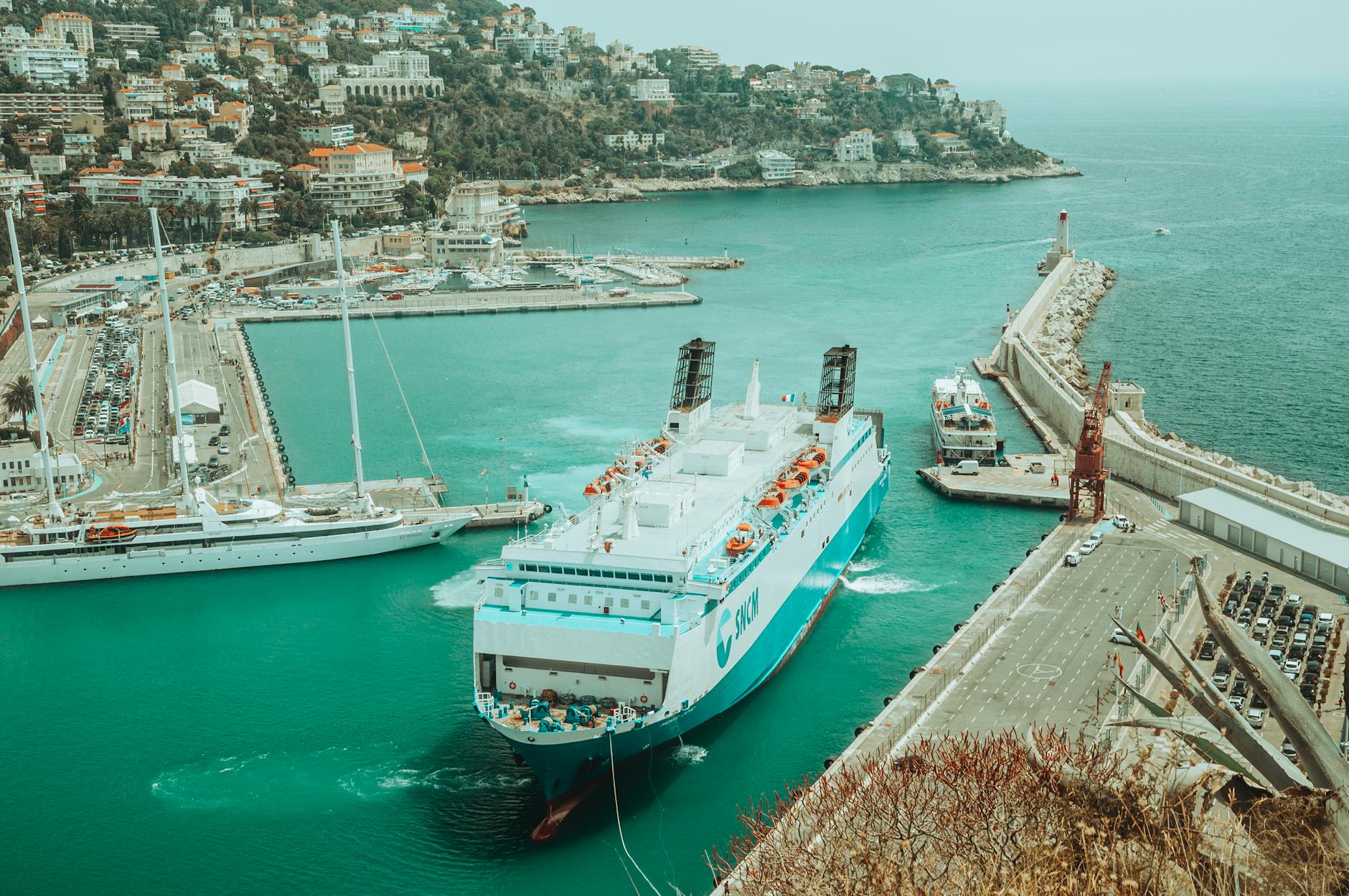
Nice can be a rewarding cruise or port-call stop, but the traveler has to start with the correct port reality. Some itineraries use Villefranche-sur-Mer, some use Monaco or Cannes as the practical gateway, and smaller vessels may put travelers closer to Nice itself. The label on the itinerary is not enough. A short port call should be designed backward from the all-aboard time, the tender or transfer process, and the traveler's tolerance for heat, hills, crowds, and uncertainty. Nice, Villefranche-sur-Mer, Monaco, Eze, Antibes, and Cannes may all look close. On a ship day, closeness is not the same as low risk.
Confirm where the ship actually puts you ashore
A cruise traveler should not plan from the word Nice alone. The ship may tender into Villefranche-sur-Mer, dock or tender near Monaco, use Cannes as a gateway, or place passengers near Nice's port on a smaller vessel. Each option changes the first hour, the last hour, and the amount of risk in the middle of the day.
The traveler should know the tender process, meeting point, shuttle rules, passport or ID requirements, accessibility limits, and whether private guides can meet passengers at the port or must meet elsewhere. A beautiful shore plan is weak if it starts from the wrong pier.
- Confirm the exact port, tender location, shuttle rules, and meeting point before planning.
- Ask whether private guides, taxis, or excursions meet at the pier or outside the port area.
- Do not assume a Nice itinerary means a simple walk into central Nice.
Build the day backward from all-aboard time
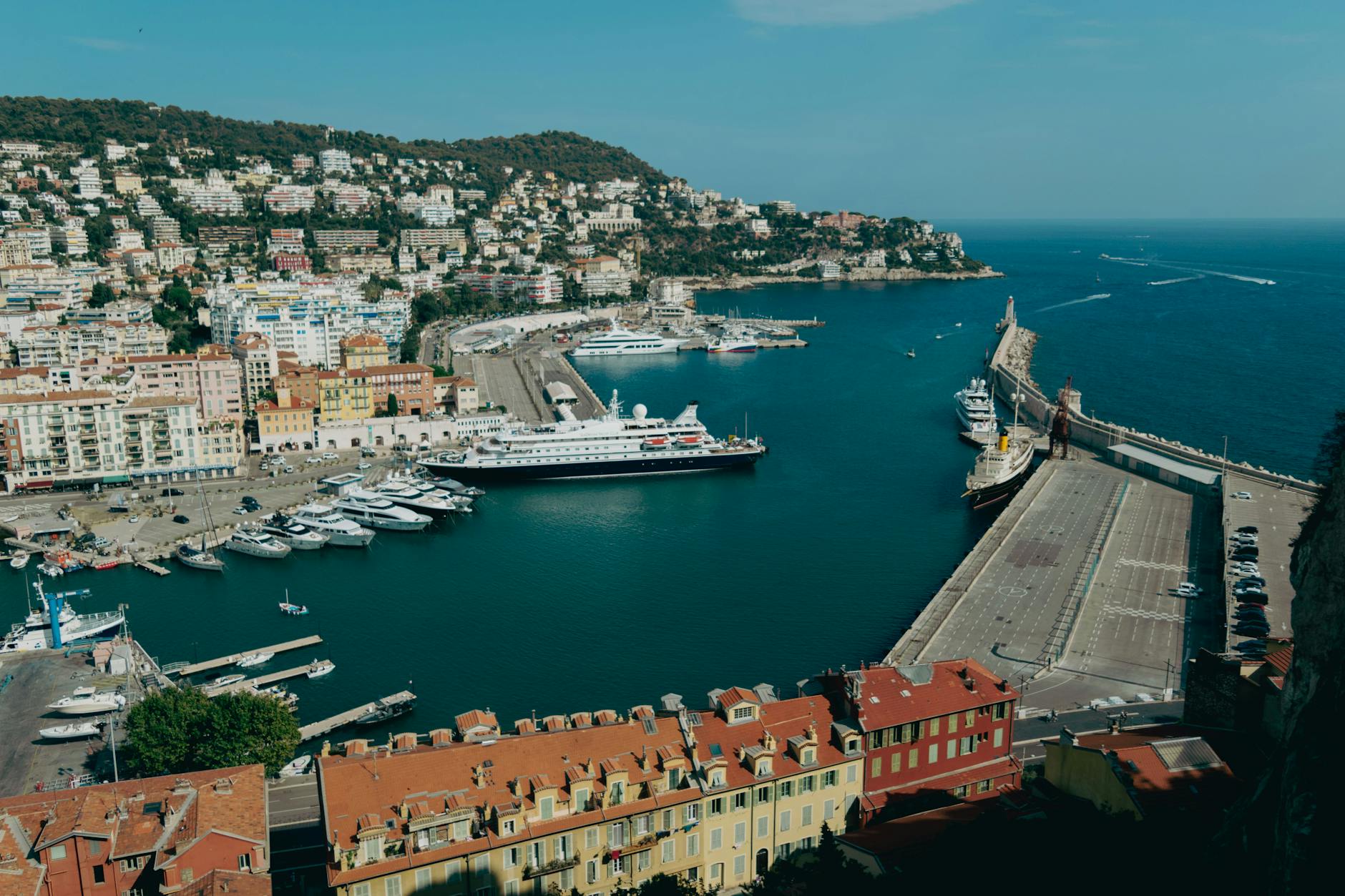
A port call is not a normal sightseeing day. The traveler should work backward from all-aboard time, then subtract tender queues, security, walking time, traffic, train delay, heat breaks, and the possibility of a changed ship schedule. The usable day may be much shorter than the published call.
This is especially important for independent plans. A ship excursion may feel conservative, but it usually carries return protection. An independent plan can be better and more personal, but only if the return buffer is explicit and large enough to absorb ordinary friction.
- Subtract tender time, security, traffic, walking, and return buffers from the published call.
- Compare ship excursions with independent plans by return risk, not only price.
- Keep the final stop close enough that a delay does not threaten the ship return.
Choose between Nice, Villefranche, and regional movement
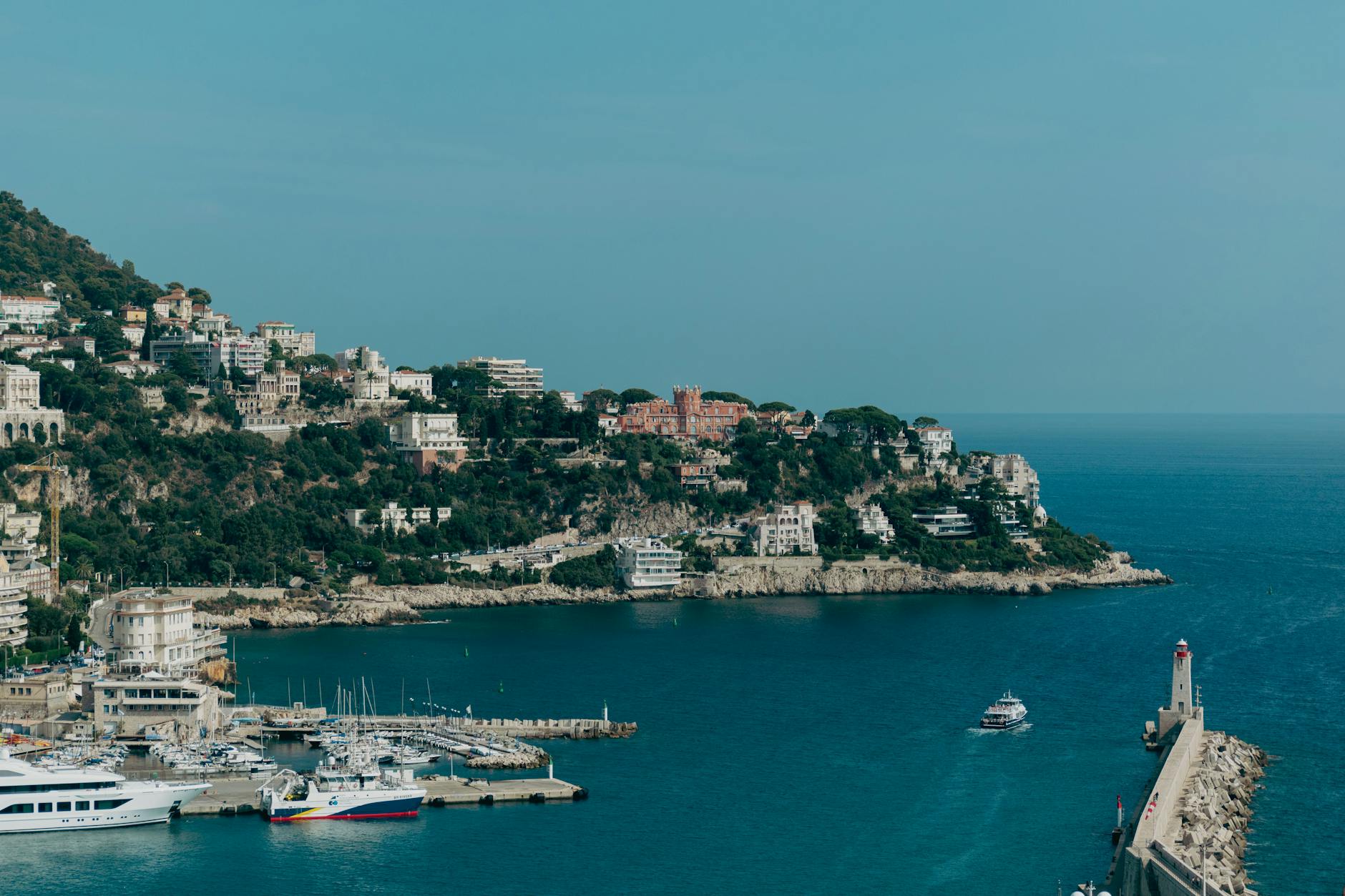
The traveler should decide whether the strongest day is a focused Nice visit, a quieter Villefranche-sur-Mer day, a Monaco or Eze excursion, or a broader Riviera loop. Trying to do all of it can turn the stop into a sequence of transfers. A short call usually rewards one clear priority.
A focused Nice day can cover the Promenade, Old Nice, market streets, a viewpoint, lunch, and a careful return. Villefranche can be easier and more scenic for some tender calls. Monaco or Eze can be worthwhile, but they require stronger timing discipline.
- Pick one primary shore objective instead of treating the Riviera as a checklist.
- Use Villefranche-sur-Mer when the tender location makes a local day stronger.
- Treat Monaco, Eze, Cannes, and Antibes as higher-logistics choices on ship time.
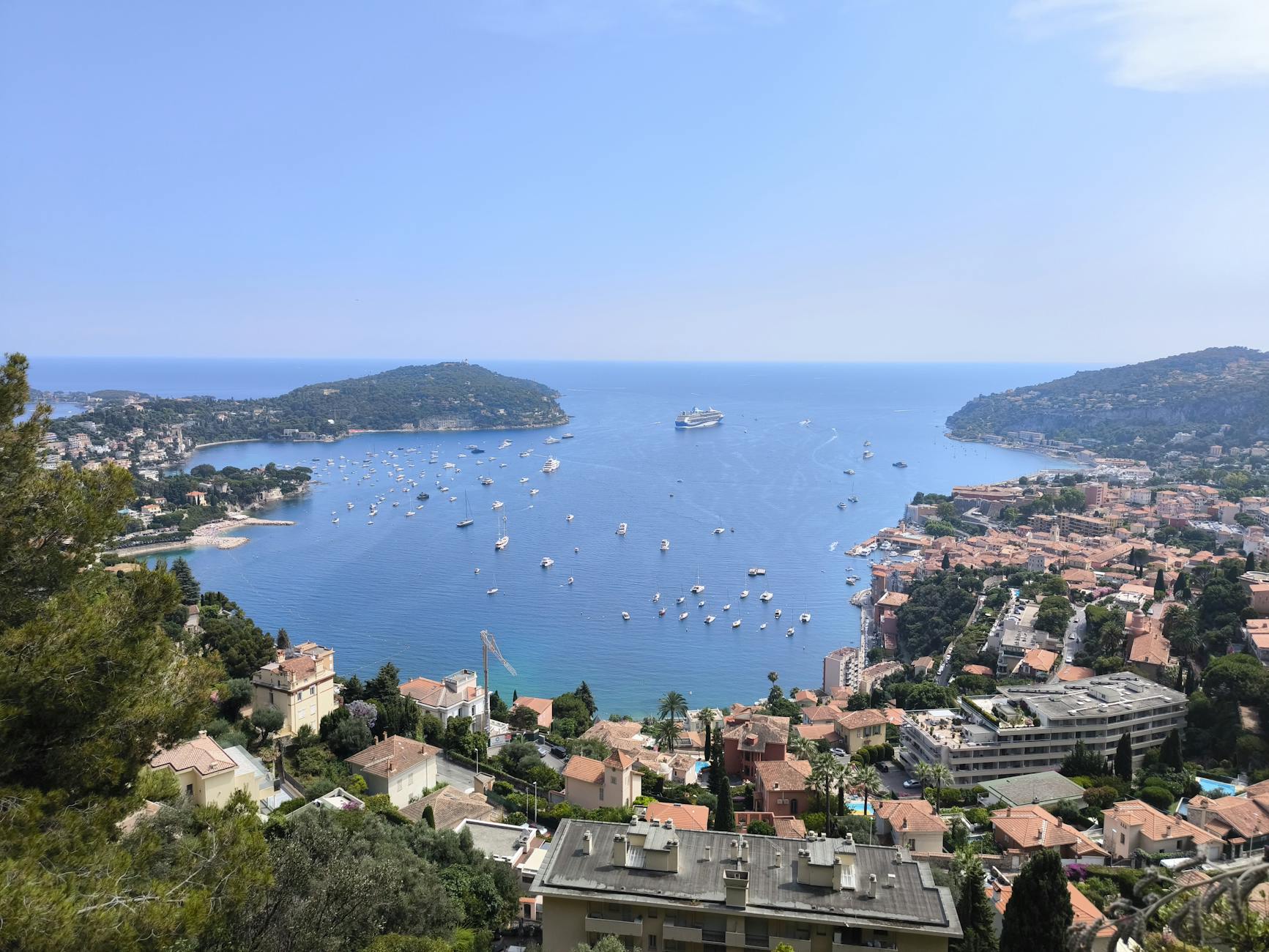
Plan mobility, heat, tenders, and stairs
Nice-area port calls can involve tenders, gangways, stairs, slopes, cobbled streets, train platforms, and hot exposed walking. Travelers with mobility limitations, canes, strollers, fatigue, balance issues, or heat sensitivity should not rely on map distance alone. The physical shape of the day matters.
Tender conditions can change with sea state and ship rules. A traveler who can manage a flat city walk may still find tender boarding, steps, or hilly village access difficult. The itinerary should be shaped around the least mobile member of the party.
- Check tender access, steps, hills, paving, shade, bathrooms, and resting points.
- Plan around the least mobile traveler, not the fastest walker in the group.
- Avoid hot midday uphill routes unless the traveler has realistic stamina.
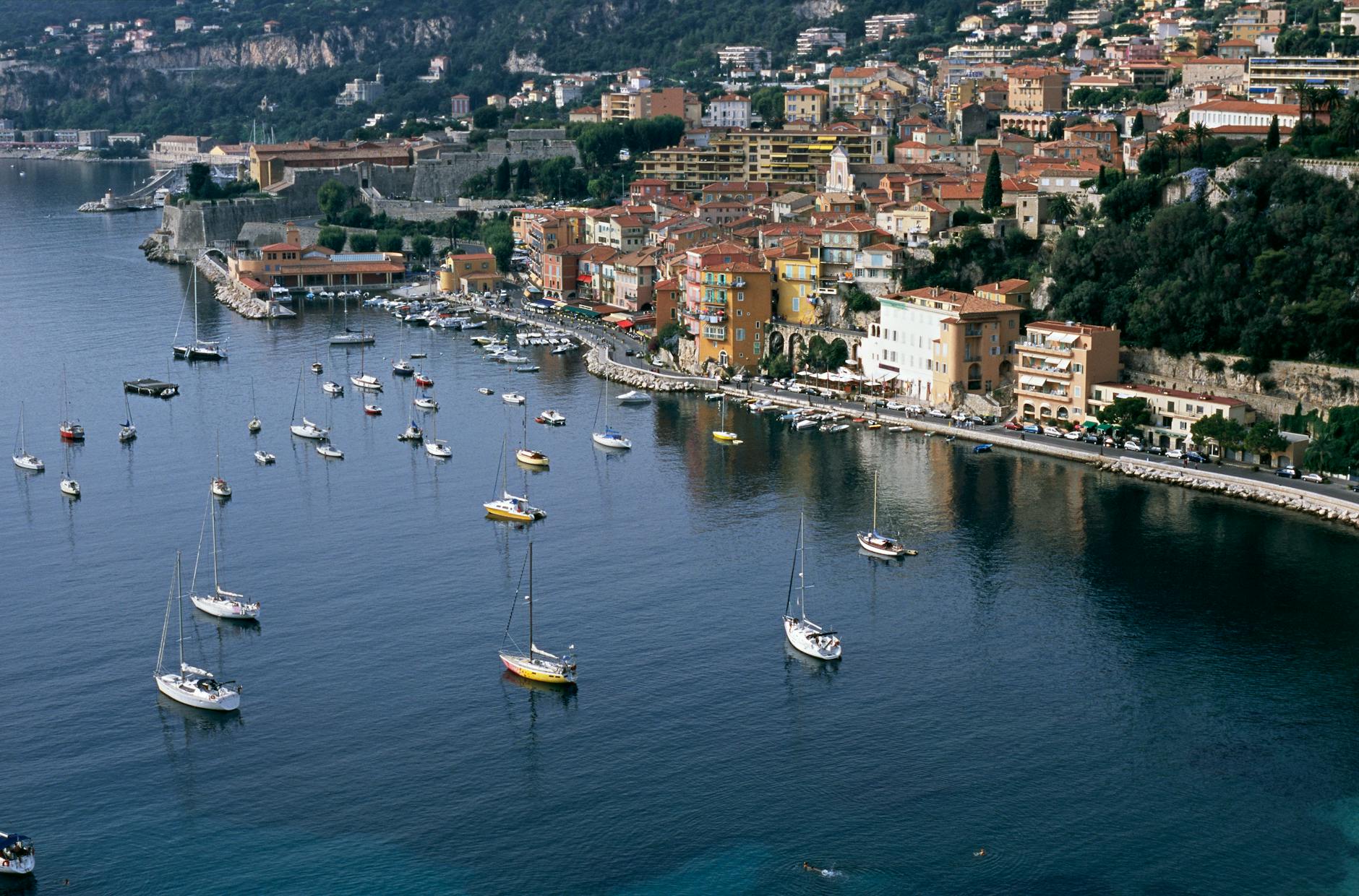
Handle lunch, payments, phones, and local friction
Small operating details shape a port day. The traveler should know whether phones work ashore, how to pay for trains or taxis, where to eat without losing an hour, where bathrooms are likely, and how to handle a delayed tender or crowded return. A short call leaves little room for administrative confusion.
Lunch should be placed deliberately. A long waterfront meal can be the point of the day, but it may also consume the only flexible buffer. The traveler should decide whether the day is about food, views, heritage, shopping, or a specific excursion before the clock starts.
- Prepare phone data, cards, cash backup, train tickets, bathroom options, and meeting points.
- Place lunch where it supports the day instead of consuming the return buffer.
- Keep ship contact details and the port return route offline.
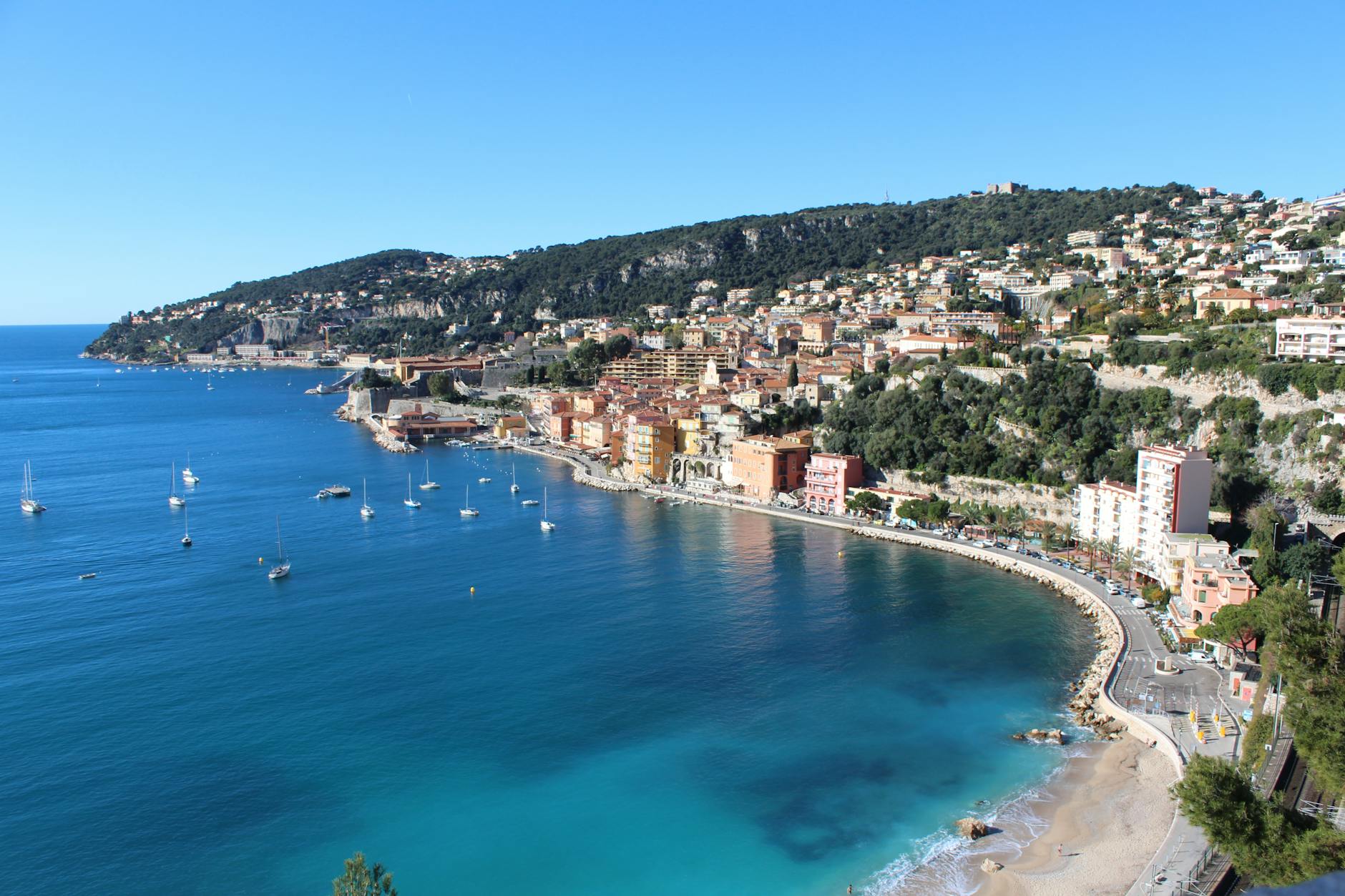
Be cautious with high-status side trips
Monaco, Monte Carlo, Cannes, and Eze are tempting on a Nice-area cruise call because the names feel close and impressive. They can be good choices, but they should be treated as time-sensitive moves with dress expectations, traffic risk, train dependence, crowds, and limited fallback options.
A traveler should ask whether the side trip is worth the risk compared with a strong day closer to the ship. The most famous option is not always the best port-call option. A relaxed, well-timed day can be better than a rushed regional badge.
- Evaluate Monaco, Monte Carlo, Cannes, and Eze by return risk and actual interest.
- Check train timing, taxi costs, dress expectations, crowd pressure, and backup routes.
- Choose the closer plan when the famous plan would make the day fragile.
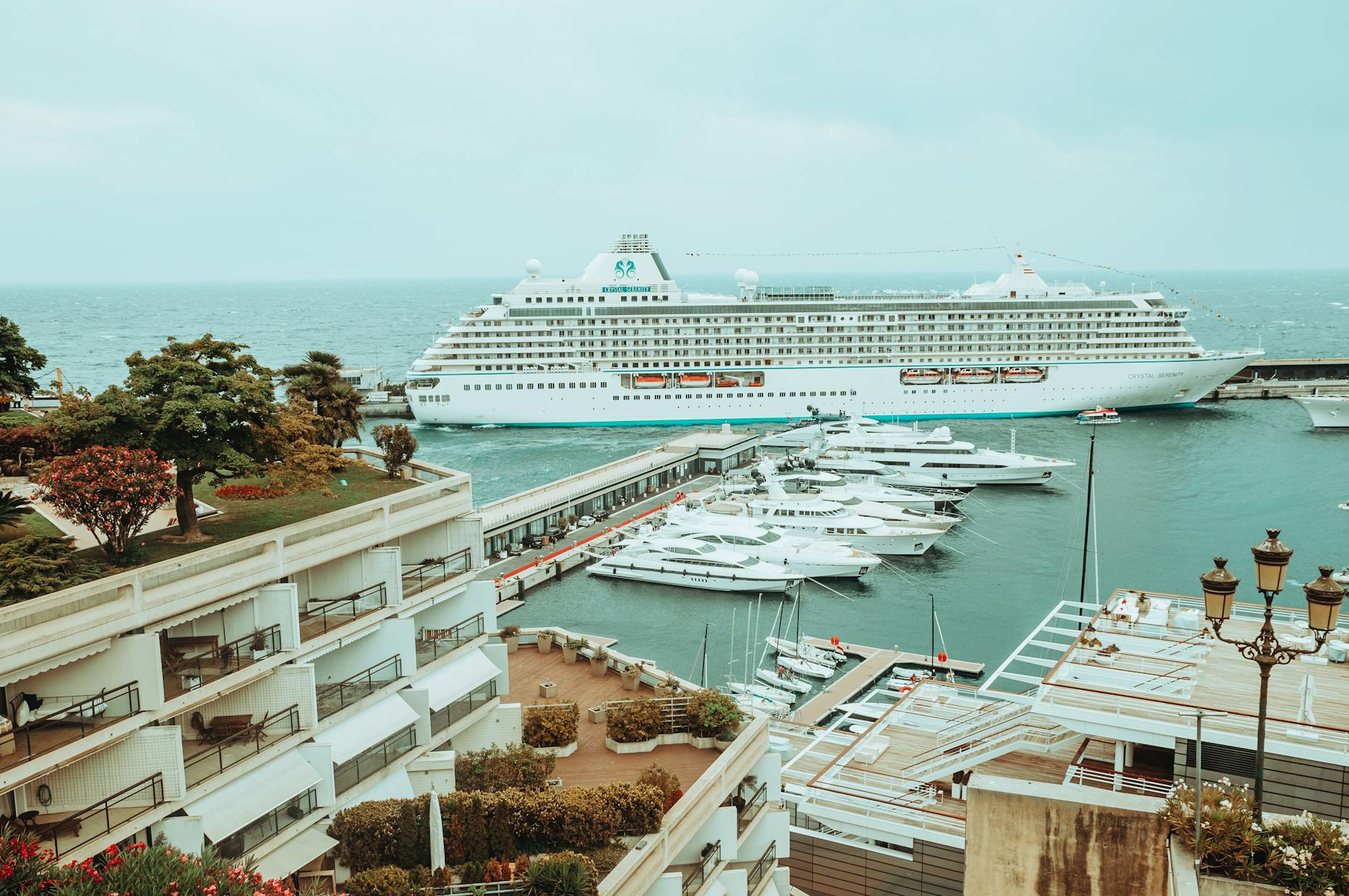
When to order a short-term travel report
A traveler taking a ship-managed shore excursion may not need a custom Nice report. A report becomes useful when the traveler wants an independent port day, has mobility limits, is unsure where the ship lands, wants to compare Nice with Villefranche or Monaco, or needs a realistic plan for a short call.
The report should test port location, tender timing, all-aboard buffer, return routes, mobility, heat, lunch placement, regional options, taxi and train risk, backup plans, and what to cut. The value is a shore day that feels intentional without gambling with the ship's departure.
- Order when port location, return timing, mobility, or regional options need testing.
- Provide cruise line, ship, port label, arrival and all-aboard times, party size, and constraints.
- Use the report to choose the strongest shore day that still protects the return.