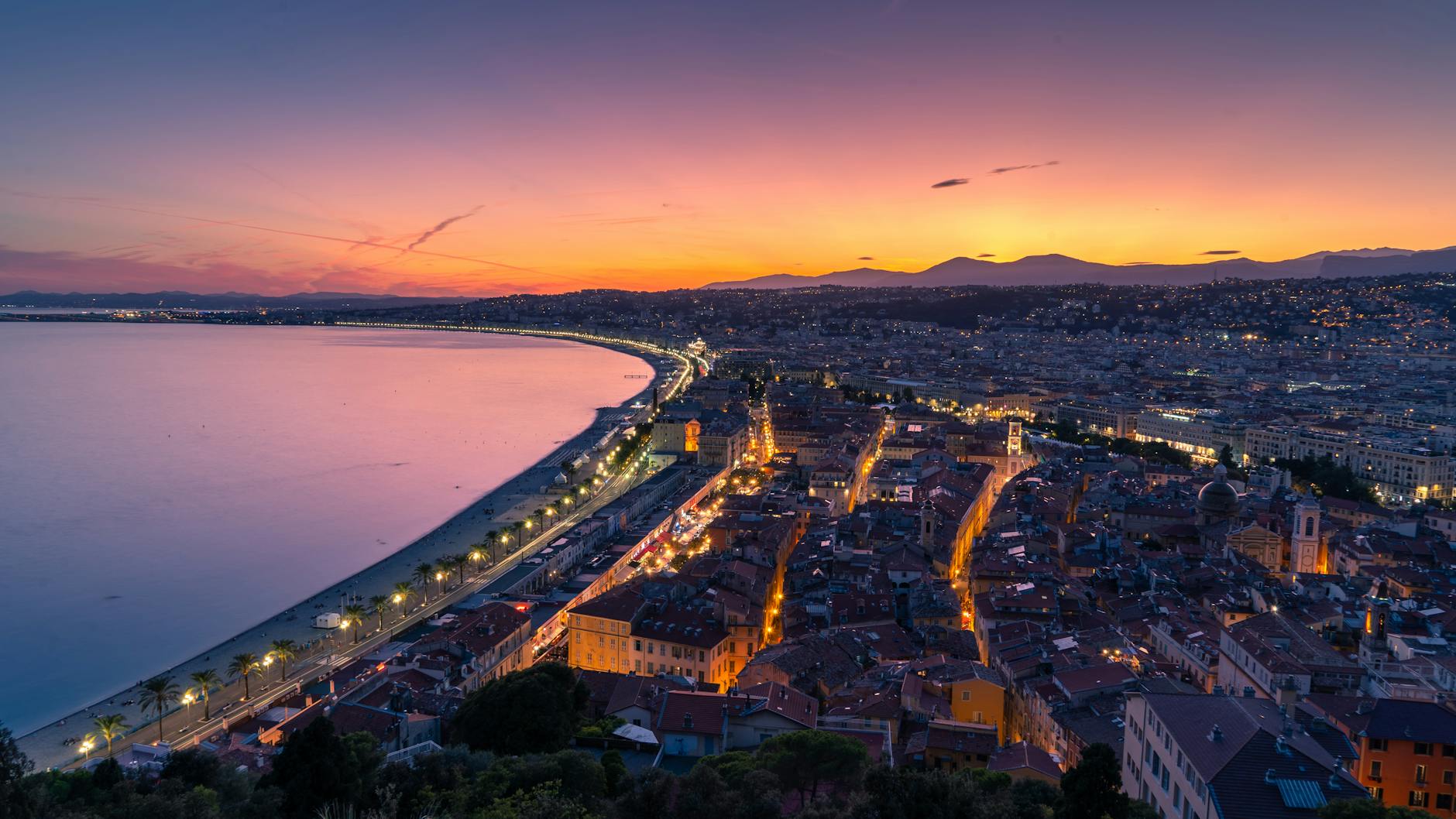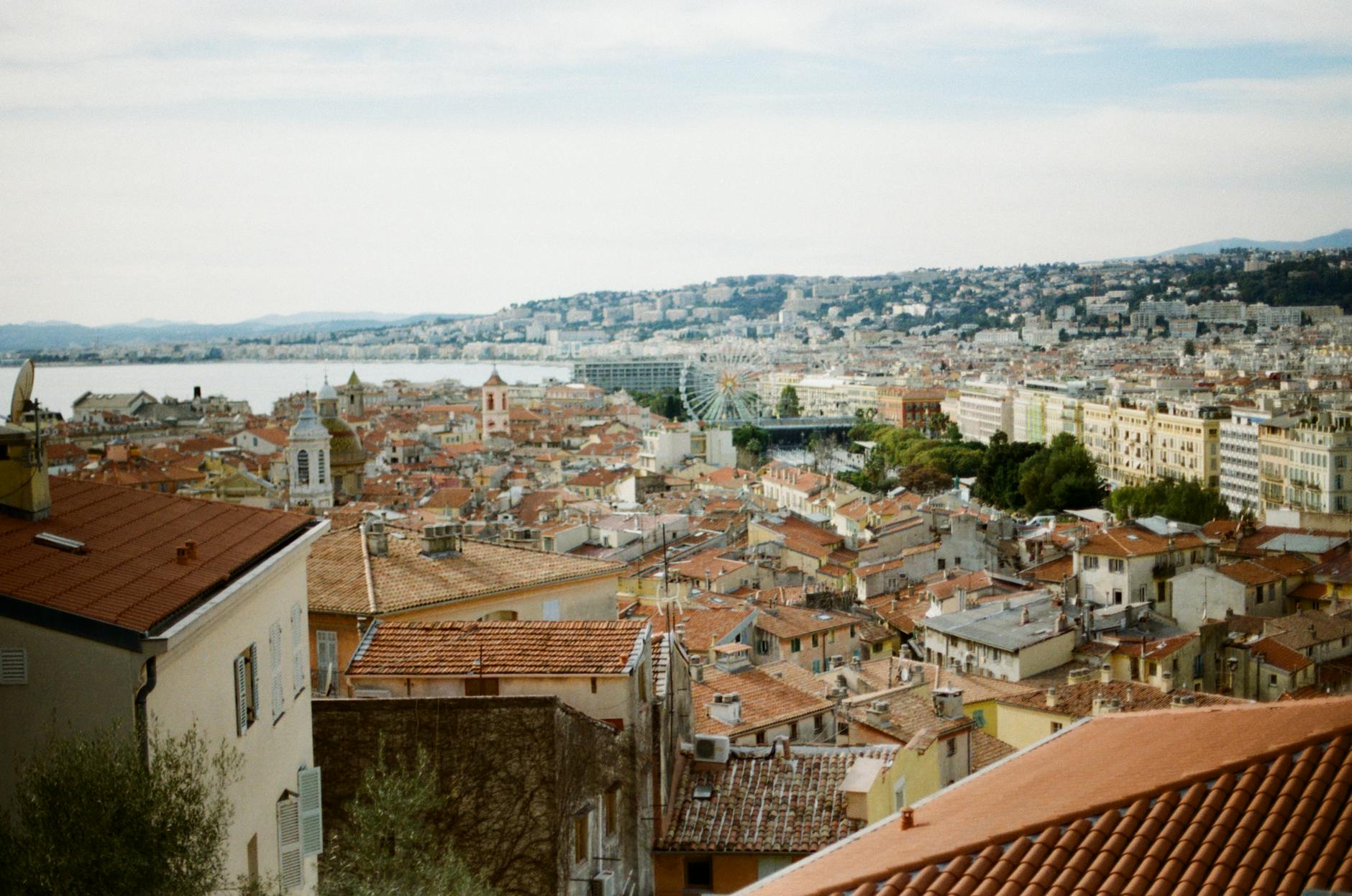
Nice is visually generous for a content creator: sea, pastel buildings, rooftops, old streets, markets, beach scenes, sunset, trains to Riviera towns, and a recognizable waterfront. That abundance can become a planning problem. A creator who tries to capture everything may end up with scattered footage, weak rest, missed light, full memory cards, and a trip that looks better online than it felt in real life. A strong creator trip starts with the content purpose. Is this about hotels, food, solo travel, luxury, budget travel, accessibility, student life, family travel, photography, short-form video, or a brand deliverable? The answer changes where to stay, when to shoot, how much gear to carry, and what to cut.
Choose the content angle before the hotel
A content creator should decide what the trip needs to produce before choosing lodging. A creator focused on seafront reels may need a different base from one covering Old Nice food, budget travel, accessibility, luxury hotels, student life, or day trips. Nice has enough visual material that a vague plan can look productive while still failing the actual brief.
The creator should list must-capture shots, deliverables, brand obligations, backup concepts, and no-film situations before arrival. The best base is the one that makes the highest-value content easy to capture at the right times.
- Define the content angle, deliverables, must-capture shots, and backup concepts first.
- Choose lodging around the content route, not just the nicest view.
- Separate personal travel goals from client or audience obligations.
Plan light, crowds, and repeat routes
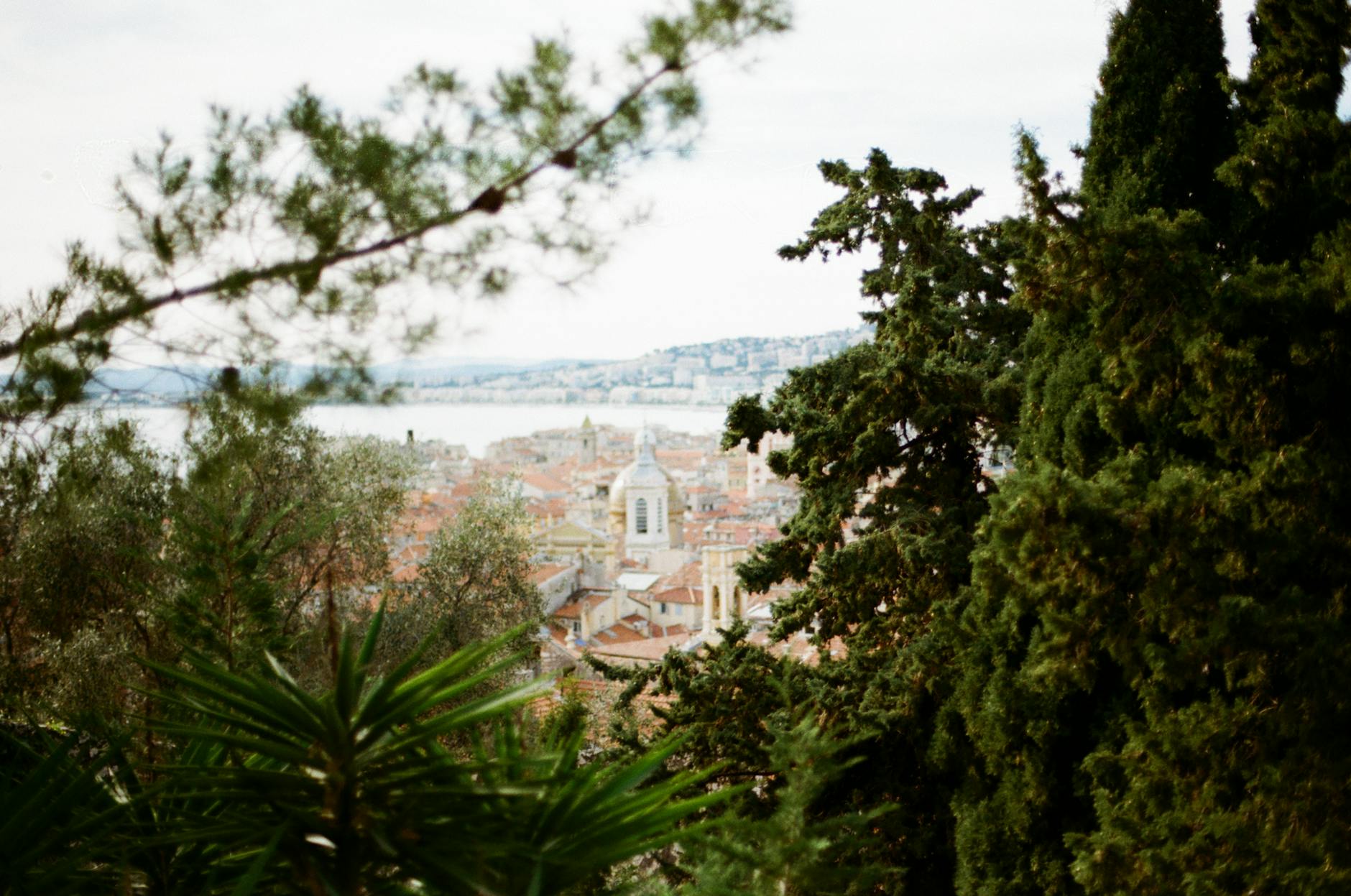
Nice's best visuals depend heavily on light and crowd timing. The Promenade, old-town streets, rooftops, cafes, markets, viewpoints, and beach scenes all change by hour and season. A creator should not leave all shooting to whenever the day happens to open. Morning, golden hour, blue hour, and midday heat each create different work conditions.
Repeat routes matter. A hotel that allows quick returns to the Promenade, Old Nice, or a viewpoint can make the difference between one usable shot and a strong sequence. The creator should plan short loops rather than trying to cross the city with gear every time the light changes.
- Schedule key shots by light, crowd level, heat, and season.
- Use repeatable loops from the hotel instead of carrying gear across town all day.
- Keep backup locations for rain, wind, crowding, or blocked views.
Make Old Nice useful without overloading it
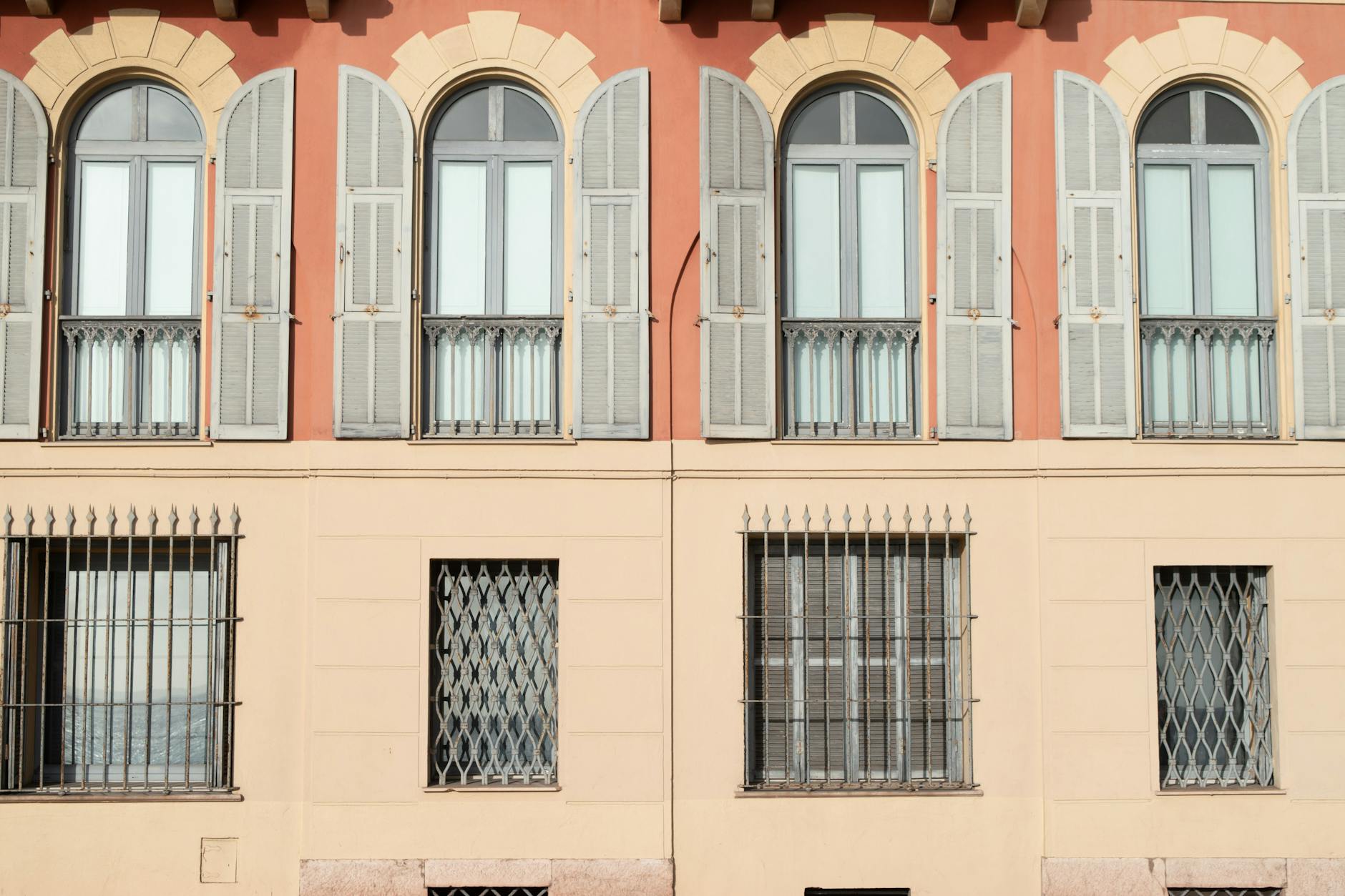
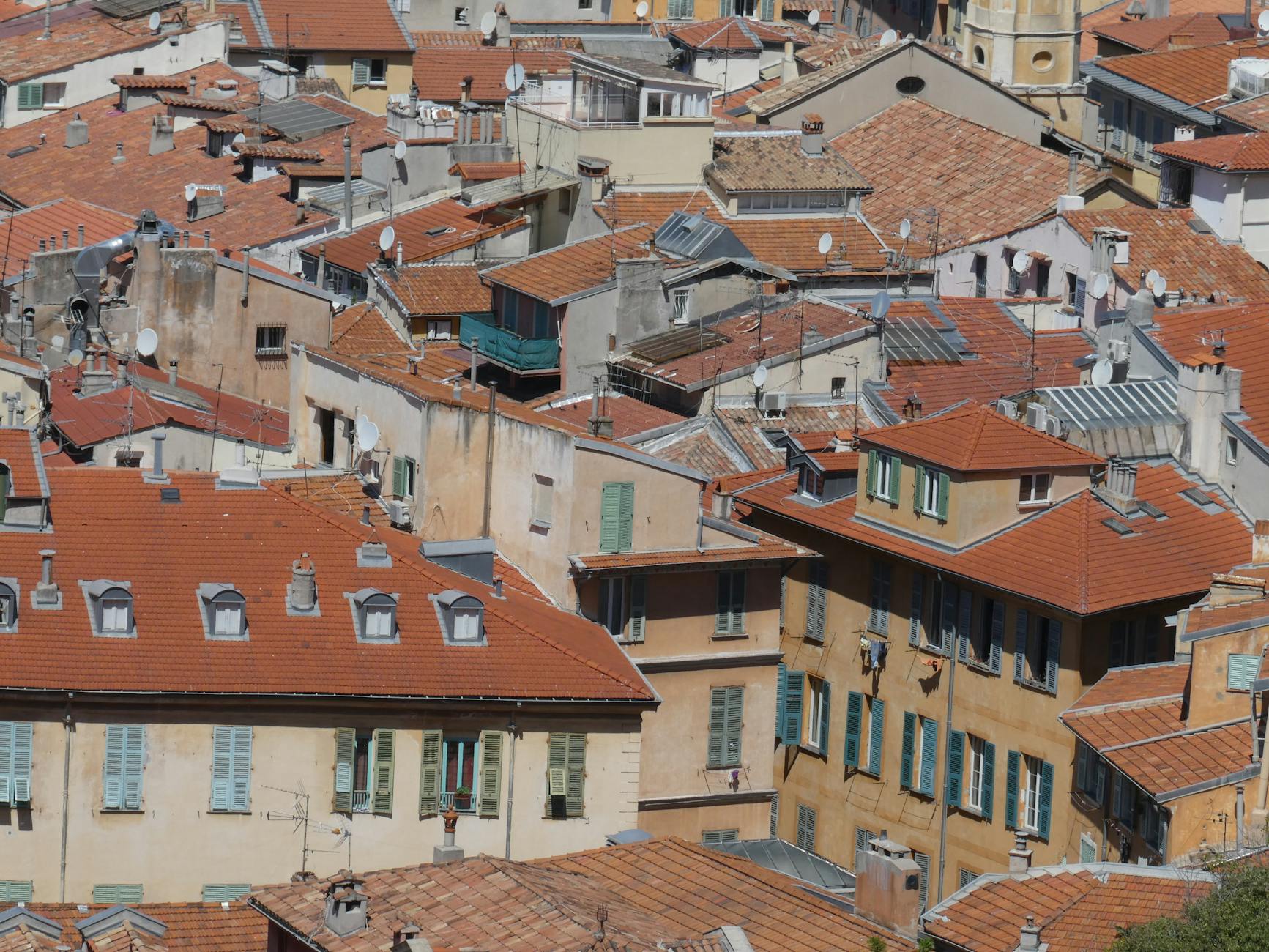
Old Nice can produce strong food, street, architecture, and walking content, but it is not effortless. Narrow lanes, restaurant crowds, deliveries, uneven paving, harsh light, low light, and other visitors can complicate filming. A creator should treat the area as a planned production zone rather than wandering through it with every piece of gear.
It is also important to avoid turning residents, shop staff, diners, and service workers into background props without thought. The creator should be sensitive about filming faces, private interiors, and situations where permission or discretion is appropriate.
- Use Old Nice for focused food, street, architecture, and walking sequences.
- Account for narrow lanes, uneven surfaces, crowds, deliveries, and difficult light.
- Be careful with identifiable people, shop interiors, diners, and service workers.
Treat the beach as a working environment
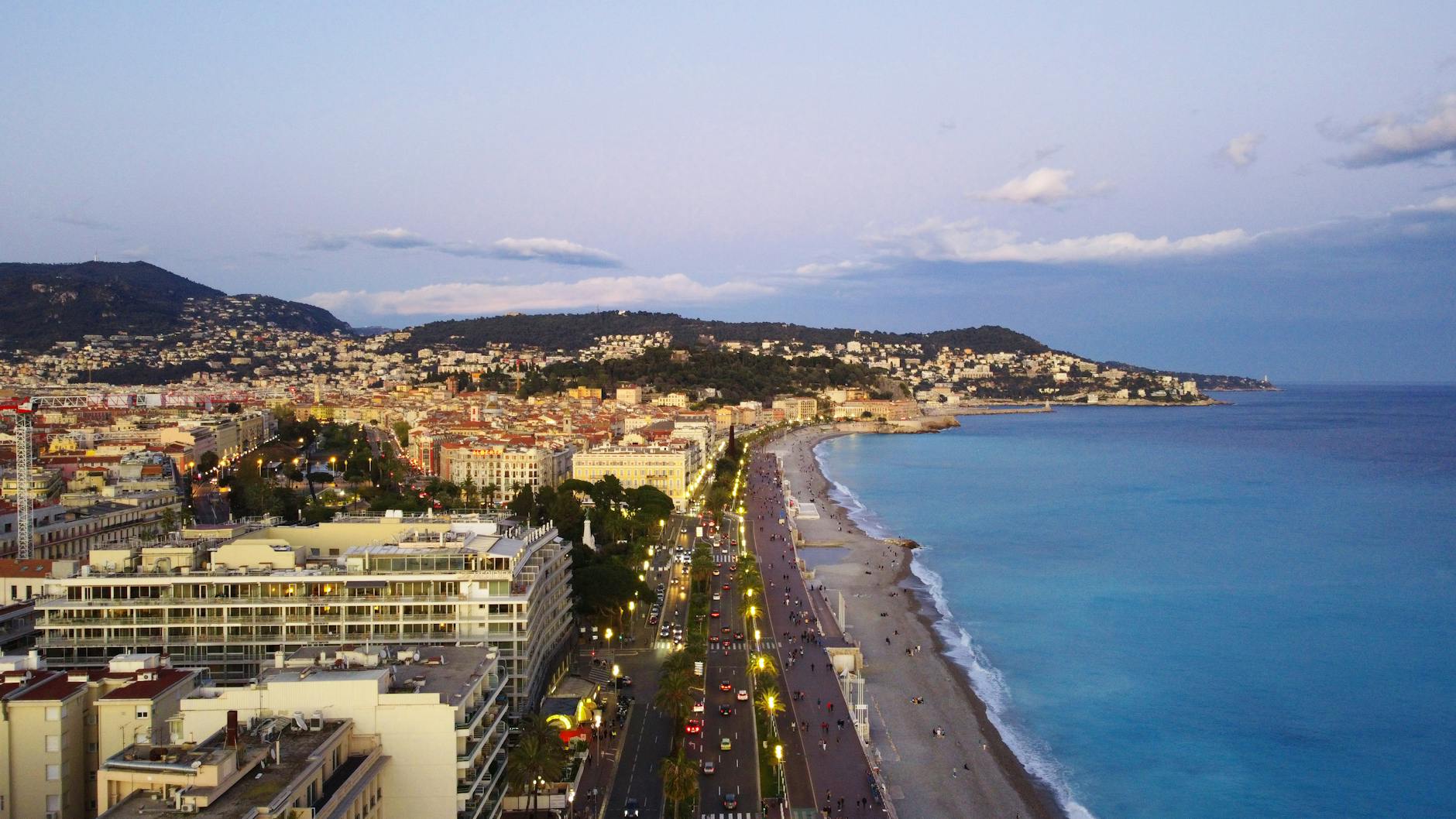
Nice's beach is photogenic, but it is also pebbled, exposed, crowded, and gear-sensitive. Sand is not the issue; hard surfaces, water, glare, wind, valuables, changing light, and people in swimwear are. A creator should decide whether beach content is central to the trip or just one controlled segment.
If water, drone, tripod, commercial filming, or brand work is involved, the creator should verify relevant rules and permissions before assuming a public setting is open for any use. A simple handheld personal shoot is different from a commercial setup.
- Protect gear from water, glare, wind, pebbles, theft, and heat.
- Plan beach shots around privacy, crowding, sunrise, sunset, and return route.
- Verify rules before drone, tripod, commercial, or permit-sensitive filming.
Protect gear, files, and workflow
Content trips often fail in small practical ways: dead batteries, missing adapters, no backup drive, weak upload speed, full memory cards, overheating phones, broken gimbals, or no quiet place to edit. A creator's Nice lodging should support charging, uploading, editing, and secure storage. The room matters more when it is also a production office.
Gear should be carried by the day's actual plan. Bringing everything to a crowded market, beach, train, or late dinner can create fatigue and security risk. The creator should separate capture gear, backup storage, documents, and personal valuables.
- Plan batteries, chargers, adapters, storage, backups, upload speed, and editing space.
- Carry only the gear needed for each route or shoot block.
- Keep backup files and essential devices separated where possible.
Use regional day trips deliberately
Nice makes Monaco, Villefranche-sur-Mer, Antibes, Cannes, Menton, and other Riviera locations feel close. For a creator, that can be useful or destructive. A day trip should add a specific visual or story that Nice itself does not provide. Otherwise, the creator may spend prime light in stations and trains while collecting redundant footage.
Regional movement also adds gear decisions, ticketing, bathrooms, meals, data use, battery drain, and return timing. One strong, planned day trip can outperform three scattered side trips with similar scenery.
- Choose regional trips by content value, not by name recognition alone.
- Protect light, batteries, files, meals, and return timing when leaving Nice.
- Cut side trips that duplicate the same visuals at higher effort.
When to order a short-term travel report
A creator with a flexible personal trip and no deliverables may not need a custom Nice report. A report becomes useful when the trip has brand obligations, a tight shot list, multiple regional locations, expensive gear, accessibility or medical constraints, a narrow weather window, or a need to balance production with actual travel.
The report should test hotel base, light windows, route loops, beach logistics, Old Nice filming, gear security, upload workflow, regional day trips, backup locations, and what to cut. The value is a Nice content trip that produces usable work without turning every hour into a fragile shoot.
- Order when deliverables, gear, light, routes, regional trips, or constraints need testing.
- Provide dates, hotel options, content goals, gear list, must-capture shots, and brand requirements.
- Use the report to protect both the content plan and the experience of being in Nice.