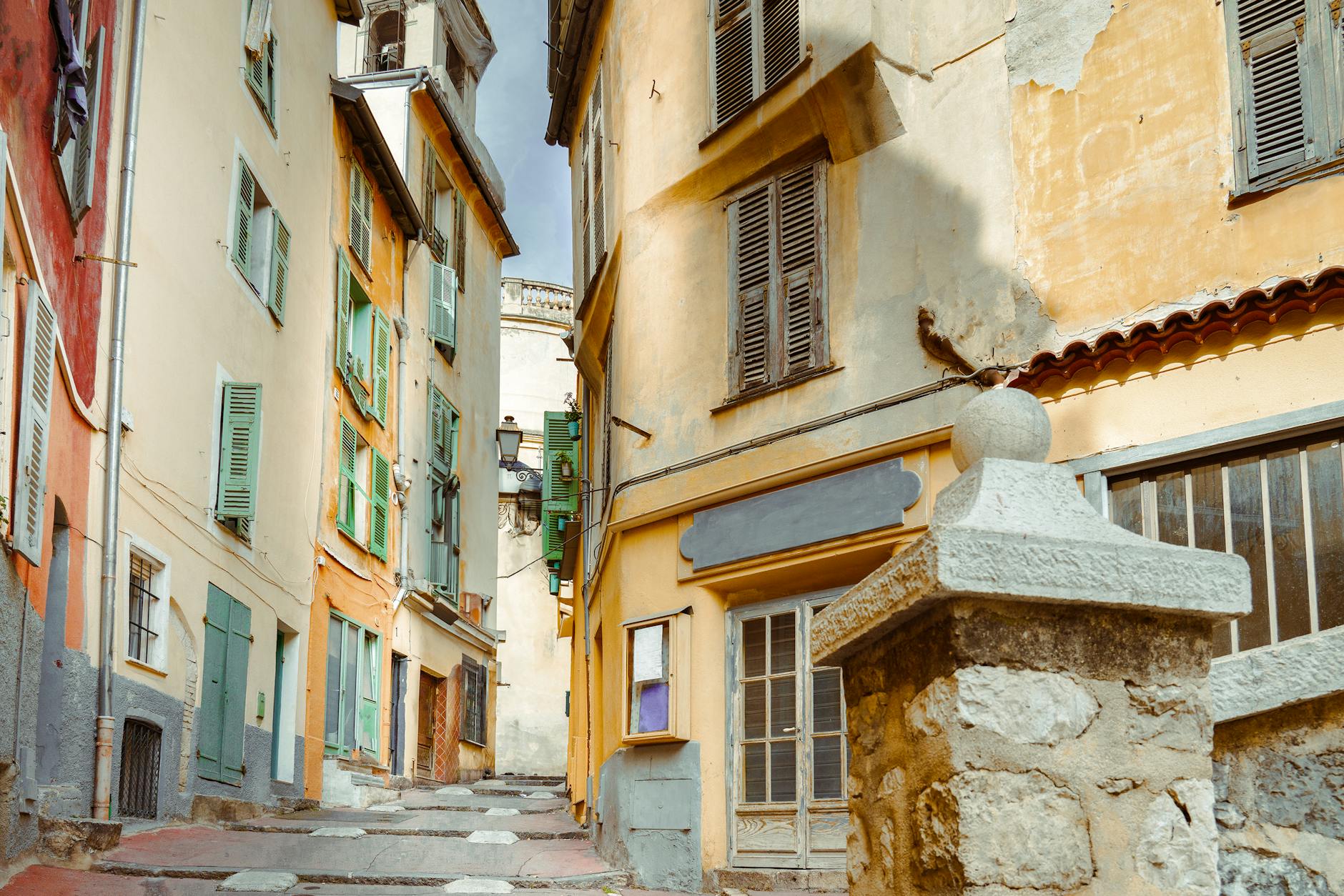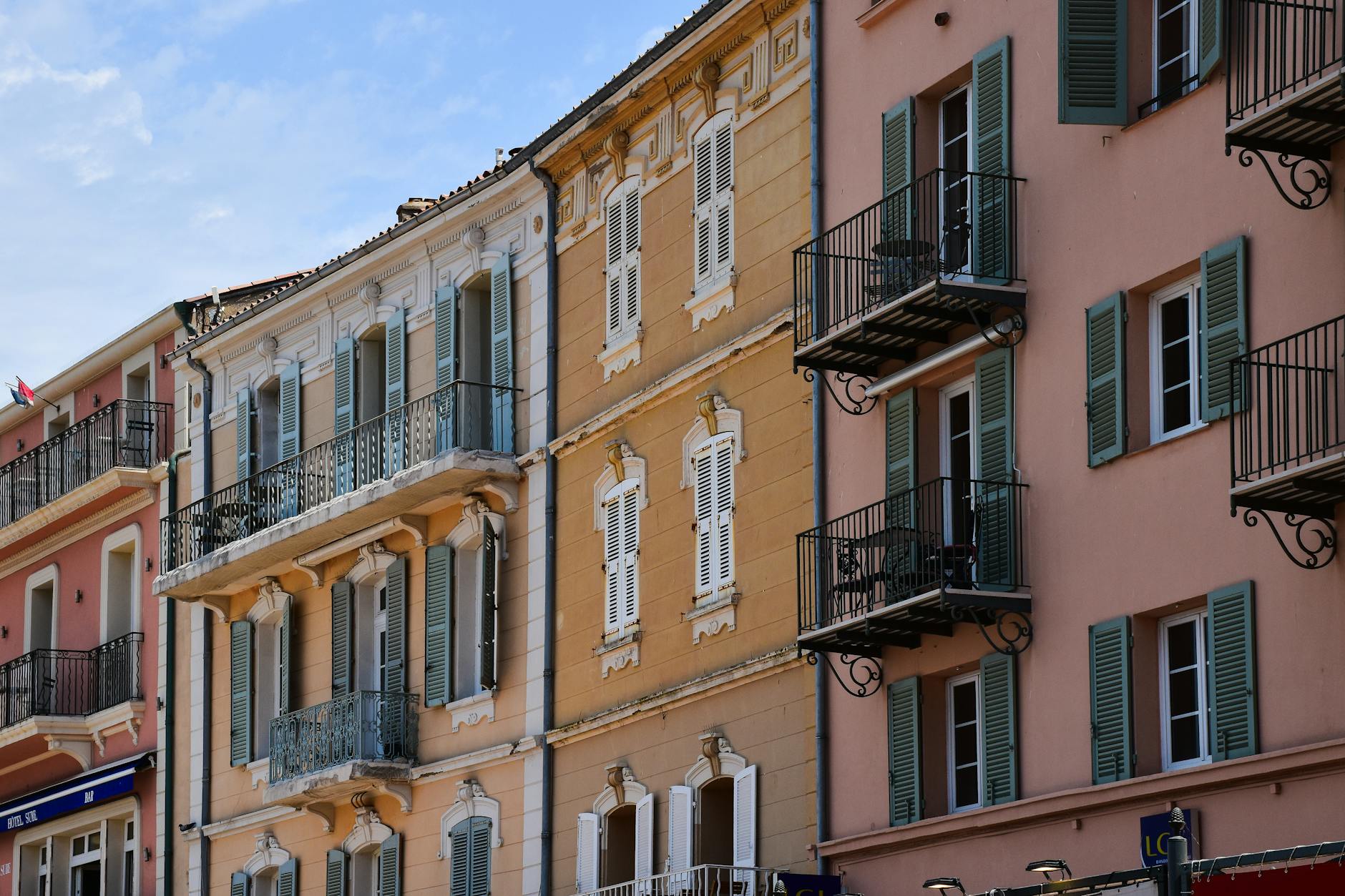
A consulting trip to Nice can look deceptively pleasant. The airport is close, the sea is visible, restaurants are appealing, and the city can feel easier than a larger business capital. But consultants do not travel only for atmosphere. They may need to reach client sites, prepare material, join calls across time zones, protect confidential documents, host or attend meals, and move between Nice, nearby business areas, hotels, stations, and the wider Riviera. The strongest Nice consulting plan starts with the work map and then adds city value around it. A hotel that is wonderful for a weekend may be poor for client access. A beautiful dinner may be wrong before an early workshop. A regional side trip may be worth it, but only if it supports the engagement or sits safely outside it.
Map the client geography before booking
A consultant should begin with the client locations, not with the prettiest hotel view. The engagement may be in central Nice, near the airport, around the Grand Arenas or western business areas, in Monaco, Antibes, Cannes, Sophia Antipolis, or another Riviera site that makes Nice a practical base rather than the actual work location. Those distinctions change the daily route.
The traveler should compare morning traffic, tram access, rail practicality, taxi reliability, formal clothing, equipment, and meeting sequence before choosing lodging. One poorly placed hotel can turn a short engagement into a string of rushed transfers and improvised calls from unsuitable public places.
- Map client sites, meeting sequence, and regional travel before choosing the hotel.
- Check airport, tram, rail, taxi, and road practicality for each workday.
- Avoid booking for atmosphere if the location weakens the engagement.
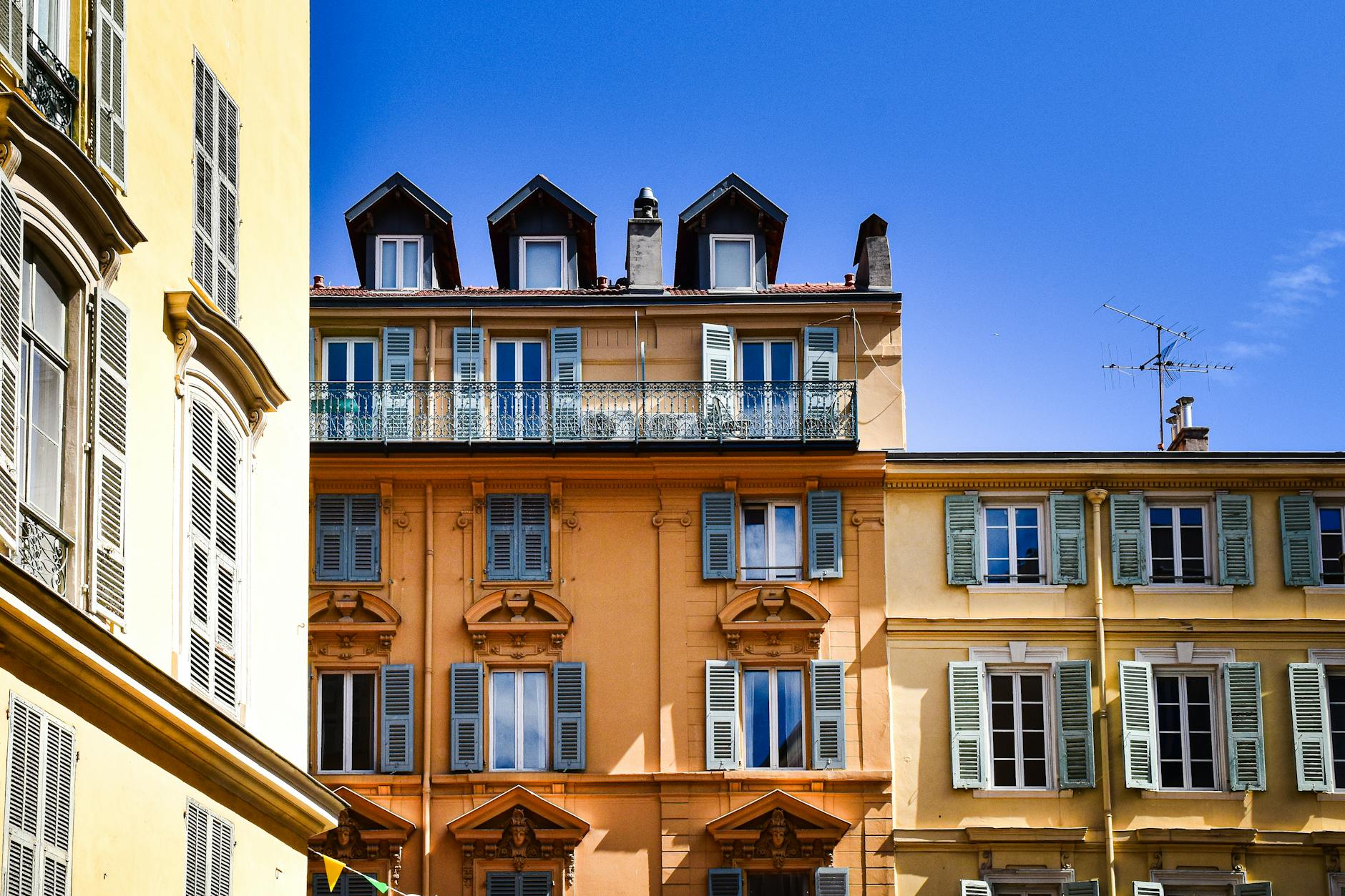
Choose a hotel that can function as an office
A consultant's hotel needs to support work, not just sleep. Reliable Wi-Fi, a desk or workable table, quiet call space, breakfast timing, laundry or pressing, elevator access, taxi pickup, luggage storage, and nearby meals can matter more than a slightly better view. If the consultant must revise slides, join a late call, or prepare for an early workshop, the room and hotel services are part of the deliverable.
Nice's leisure mood can hide this requirement. A charming room in a noisy area may be fine for a couple's weekend and wrong for a consultant who needs focus. The hotel should reduce friction before and after client contact.
- Check Wi-Fi, desk setup, quiet call space, breakfast, laundry, elevator access, and taxi pickup.
- Use nearby meals and easy returns to protect work recovery.
- Treat the hotel as a temporary work base, not only a Riviera lodging choice.
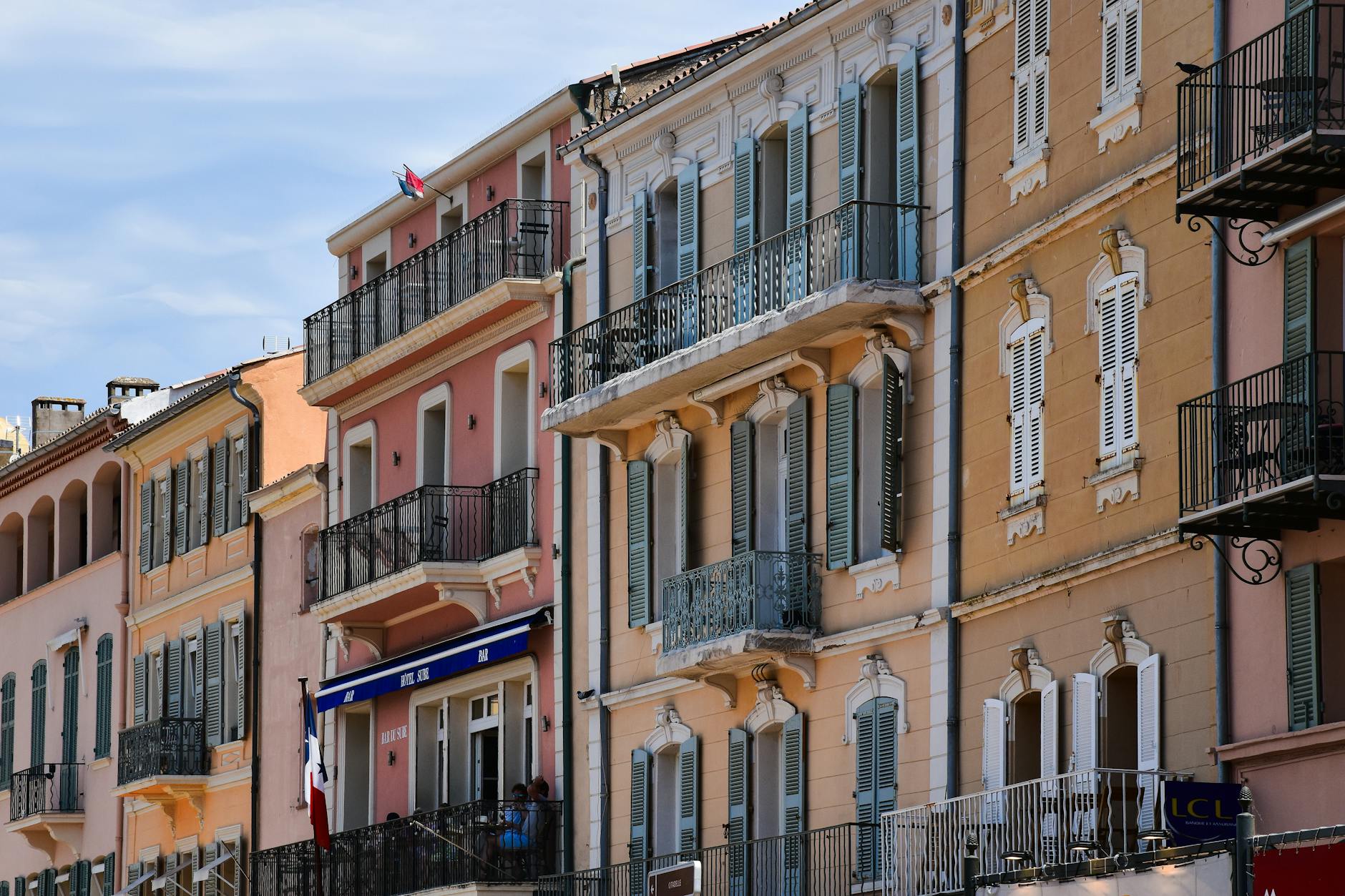
Protect the first morning
Nice's close airport can encourage tight scheduling. That is risky if the first obligation is client-facing. Flight delay, baggage delay, tram uncertainty, taxi availability, hotel check-in, adapter problems, or a badly timed call can all undermine the first morning. The consultant should arrive with enough margin to reset, test the route, prepare materials, and eat properly.
If the client day starts outside central Nice, the route should be tested against the actual time of day. A consultant arriving calm, early, and prepared makes a different impression from one who arrives overheated, late, or visibly solving transport issues between messages.
- Avoid placing the first client obligation too close to arrival.
- Test the route, devices, documents, and meeting timing before the first morning.
- Account for formal clothing, heat, traffic, and luggage in the workday plan.
Keep confidential work out of public drift
Consultants often travel with client documents, credentials, slide decks, notes, financial material, or internal strategy. Nice has plenty of pleasant cafes, hotel lounges, waterfront benches, and train routes where it can be tempting to work between commitments. That does not make those places appropriate for sensitive material.
The traveler should decide where confidential work can be done, what must be carried, what should stay locked away, and how backups are handled. Devices, chargers, adapters, privacy screens, secure connections, and document discipline matter more when the city encourages relaxed movement between meetings.
- Plan where confidential calls, documents, and deck revisions can happen safely.
- Separate backups, chargers, adapters, credentials, and essential files.
- Avoid reviewing sensitive client material in exposed cafes, trains, or lounges.
Use meals as part of the work plan
Meals in Nice can support the engagement if they are chosen deliberately. A client lunch, team dinner, solo recovery meal, and quick breakfast each serve different purposes. The consultant should know which areas are practical for the hotel, the client site, the station, and the evening return. A scenic restaurant is not necessarily the right restaurant for conversation, timing, dietary needs, or payment flow.
The meal plan should also protect the next day. Late dinners, long transfers, and heavy meals can make sense after the final workshop and less sense before the most important meeting.
- Identify client meals, solo fallbacks, quick lunches, and recovery options before arrival.
- Account for group size, dietary needs, reservations, payment, and return route.
- Choose meals that support the engagement rather than simply showcasing the city.
Be honest about personal time
A consultant may want the Promenade, Old Nice, Monaco, Antibes, Cannes, a museum, or one very good meal. Those plans should be placed where they will not compromise the work. A tired consultant carrying a laptop through crowded streets is not getting the best of Nice, and the city does not need to be forced into every spare hour.
If the engagement is tight, one waterfront walk, one protected dinner, or a post-work half day may be enough. Regional travel should be reserved for a real block of time or a client purpose, not squeezed between calls and travel fatigue.
- Protect personal time instead of scattering it through fragile gaps.
- Use smaller Nice experiences when workdays are full.
- Reserve Monaco, Cannes, Antibes, or other regional moves for real time blocks.
When to order a short-term travel report
A consultant with one central client site, a known hotel, and a simple schedule may not need a custom Nice report. A report becomes useful when the traveler is choosing between hotel zones, moving between regional client sites, arriving close to a meeting, hosting meals, handling confidential work, carrying equipment, or trying to add Riviera time without weakening the engagement.
The report should test client-site access, hotel work setup, airport and tram options, regional routes, device and document handling, meal zones, evening returns, recovery time, and what to cut. The value is a Nice consulting trip that supports billable work first and uses the city intelligently second.
- Order when client geography, hotel choice, regional movement, meals, or confidentiality need testing.
- Provide client locations, meeting schedule, hotel options, equipment needs, arrival time, and constraints.
- Use the report to keep the Riviera setting from distorting the work trip.