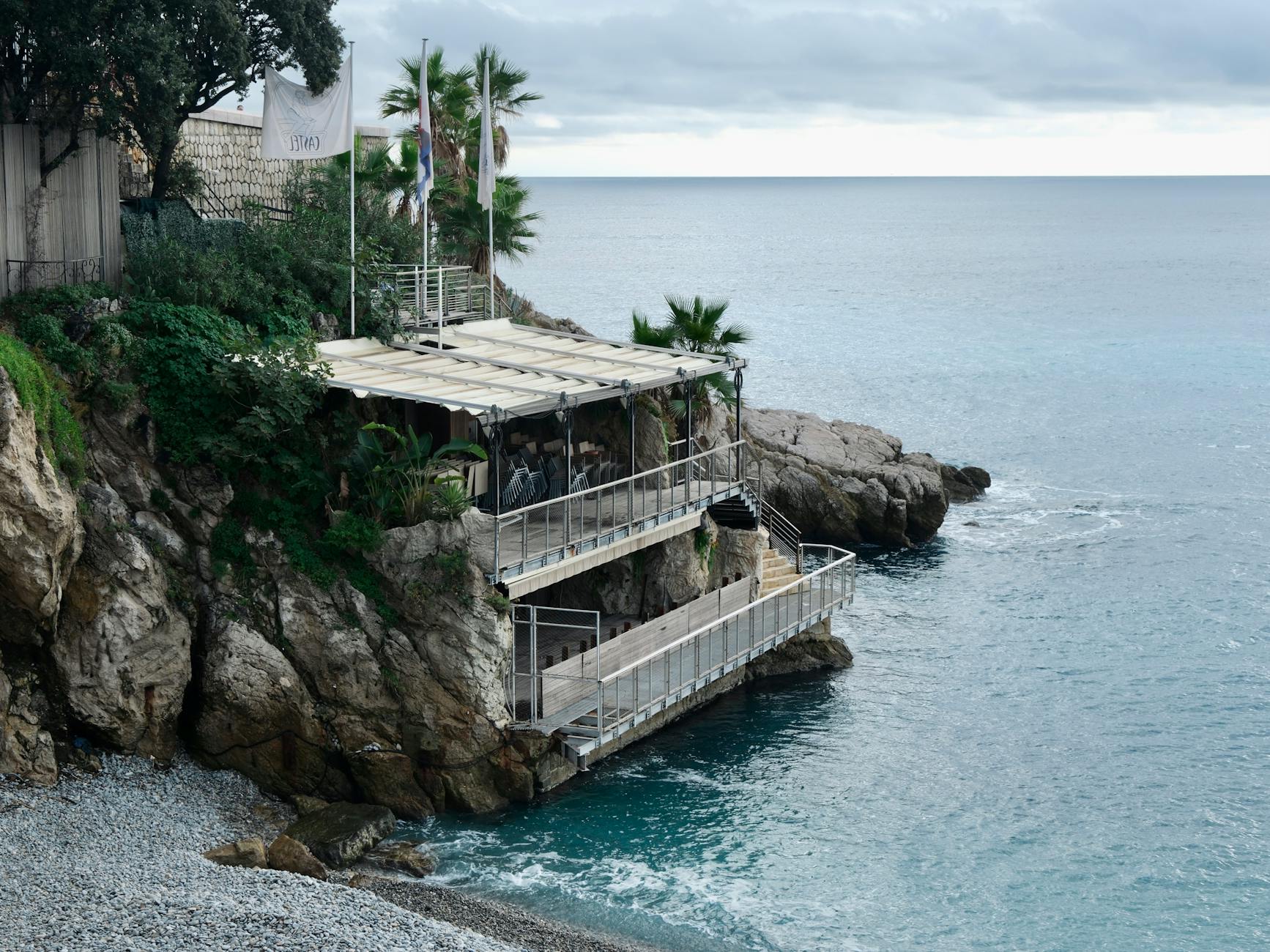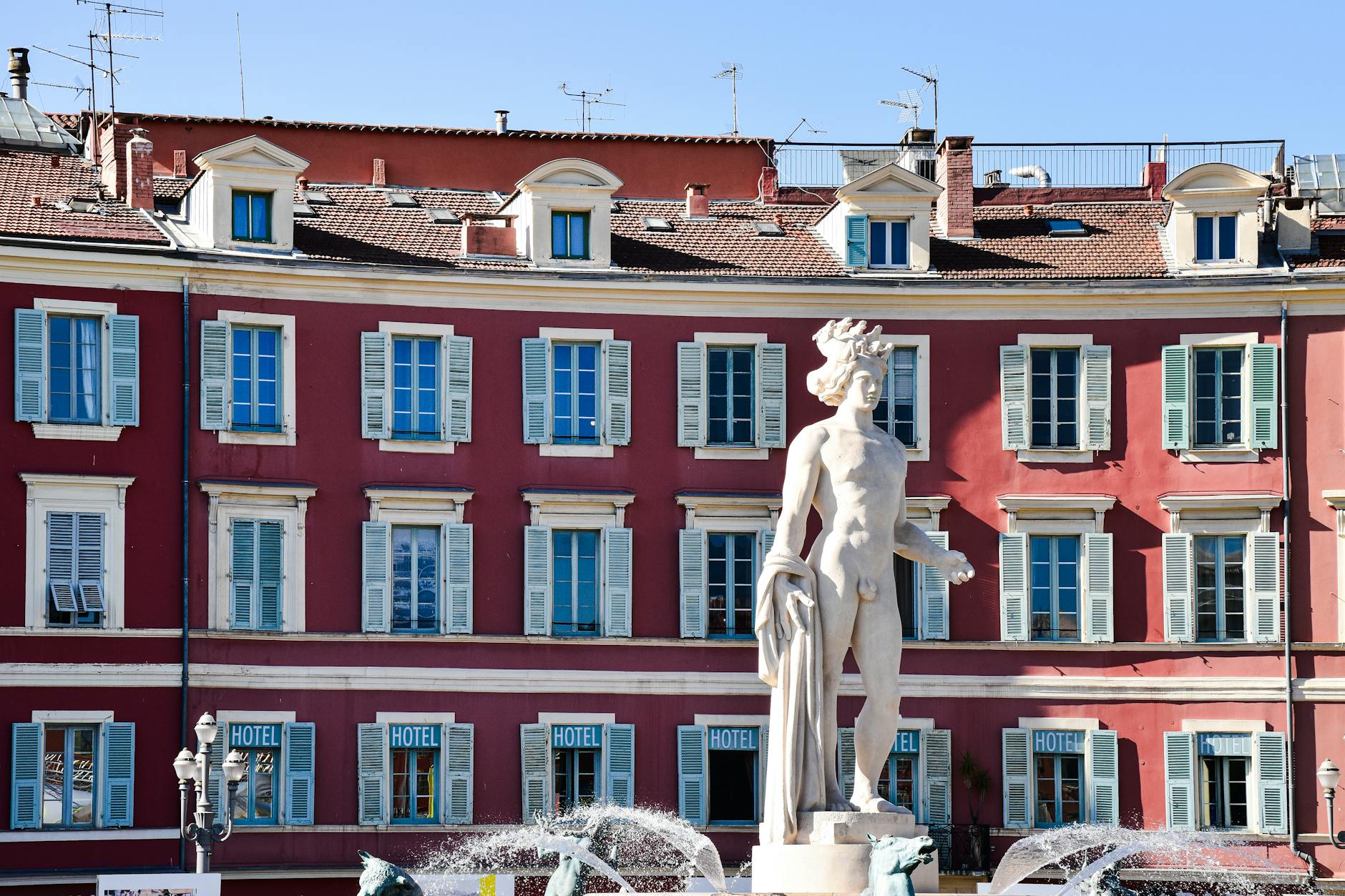
Nice is a strong conference destination because it gives attendees airport convenience, hotels, restaurants, waterfront settings, and access to the wider Riviera. Those advantages can also make the trip feel easier than it is. A conference attendee may need to move between a hotel venue, event hall, registration area, off-site reception, restaurant dinner, airport, station, and perhaps Monaco or Cannes in a short window. The conference should remain the organizing structure. Badge pickup, first session, meeting blocks, evening events, materials, clothing, meals, and recovery time need to be protected before the traveler adds beach time or regional side trips. Nice rewards attendees who keep the professional purpose clear.
Confirm the venue and event geography
A Nice conference plan should start with exact addresses. A hotel ballroom, waterfront venue, central event space, airport-area hotel, or off-site reception can create very different daily movement. The attendee should map registration, session rooms, sponsor meetings, dinners, receptions, and any partner events before choosing the hotel.
This matters because Nice is compact in some ways and stretched in others. A route that feels simple on a map may involve heat, traffic, tram timing, or a longer walk in formal clothing.
- Map the exact venue, registration point, reception sites, and partner events.
- Choose lodging after understanding the first and last required movement each day.
- Do not assume every Nice event address is interchangeable.
Choose the hotel around the conference day
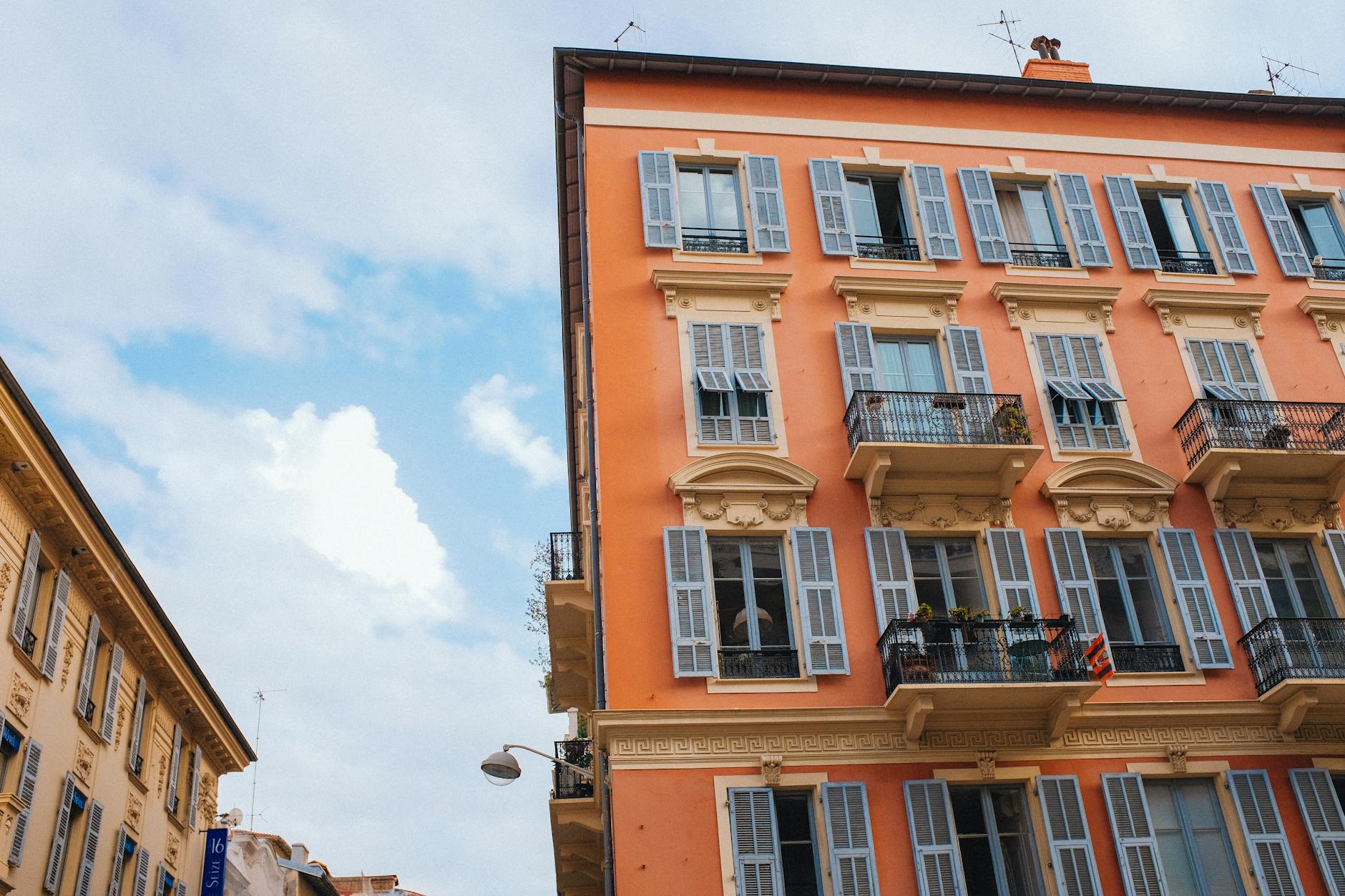
The best conference hotel is the one that protects the attendee's schedule. Wi-Fi, desk space, breakfast timing, quiet sleep, elevator access, taxi pickup, laundry, ironing, luggage storage, and route to the venue can matter more than scenery. If the attendee has meetings, presentation materials, or early sessions, the room needs to support work and recovery.
Staying at the conference hotel may be useful, but not always. A nearby seafront hotel, station-adjacent base, or quieter side street may work better depending on the event schedule and evening obligations.
- Check Wi-Fi, desk setup, quiet, breakfast, laundry, elevator, and luggage storage.
- Compare the official hotel with nearby bases by actual route and schedule.
- Avoid a scenic hotel that weakens the most important conference day.
Protect arrival, registration, and materials
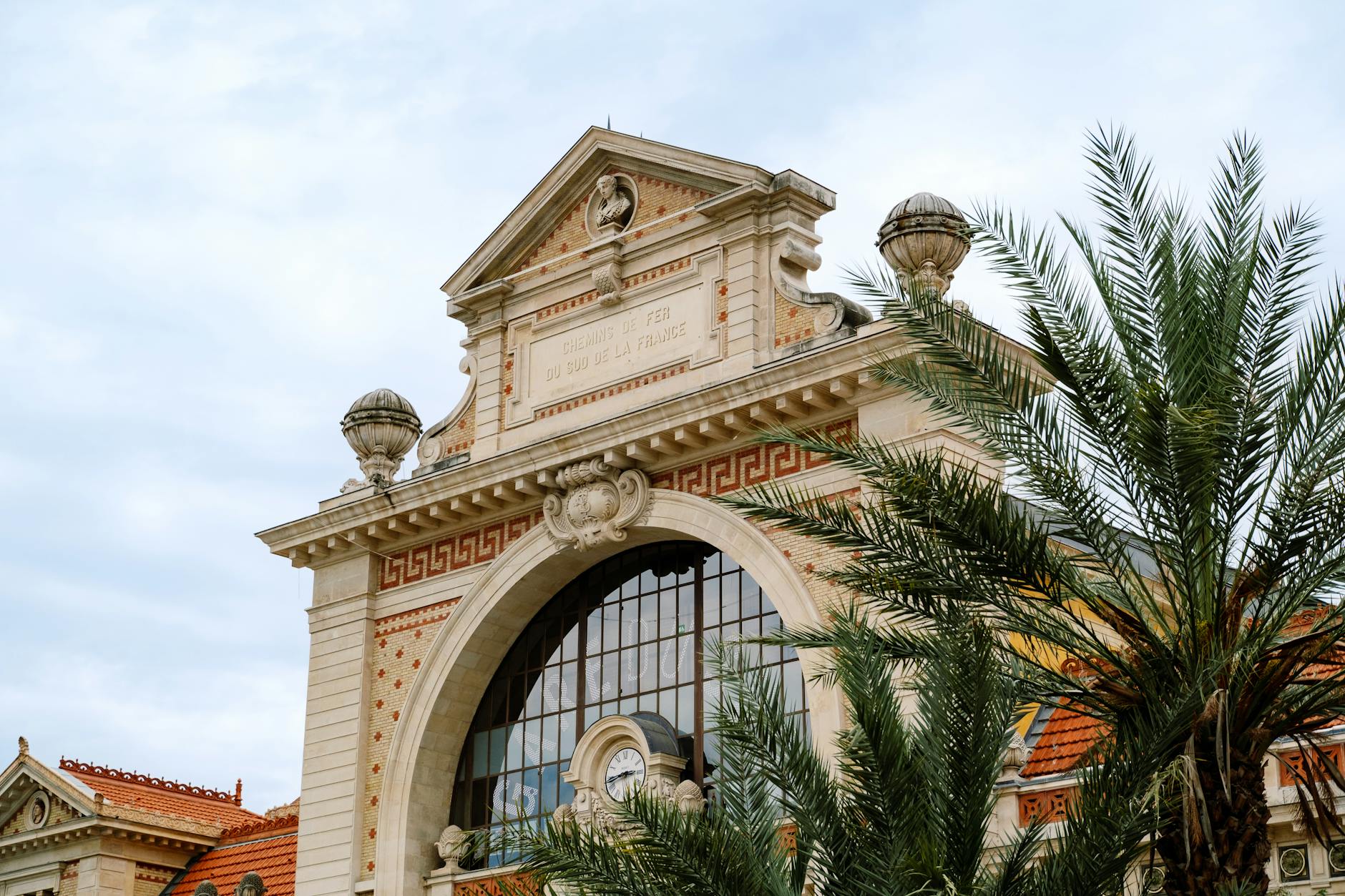
A conference attendee should not schedule arrival so tightly that a delayed flight threatens registration, badge pickup, first meetings, or presentation setup. Nice airport is convenient, but luggage, tram or taxi queues, hotel check-in, and event traffic still need margin.
Materials should be managed carefully. Laptops, chargers, adapters, samples, badges, formal clothing, business cards, printed material, and backup files should travel in a way that protects the purpose of the trip. The traveler should know what must stay in hand luggage and what can safely be stored at the hotel.
- Add margin for flight delay, luggage, transfer, check-in, and badge pickup.
- Keep critical materials, chargers, adapters, and backups under control.
- Avoid making the first conference obligation depend on a perfect arrival.
Use transport for the actual event pattern
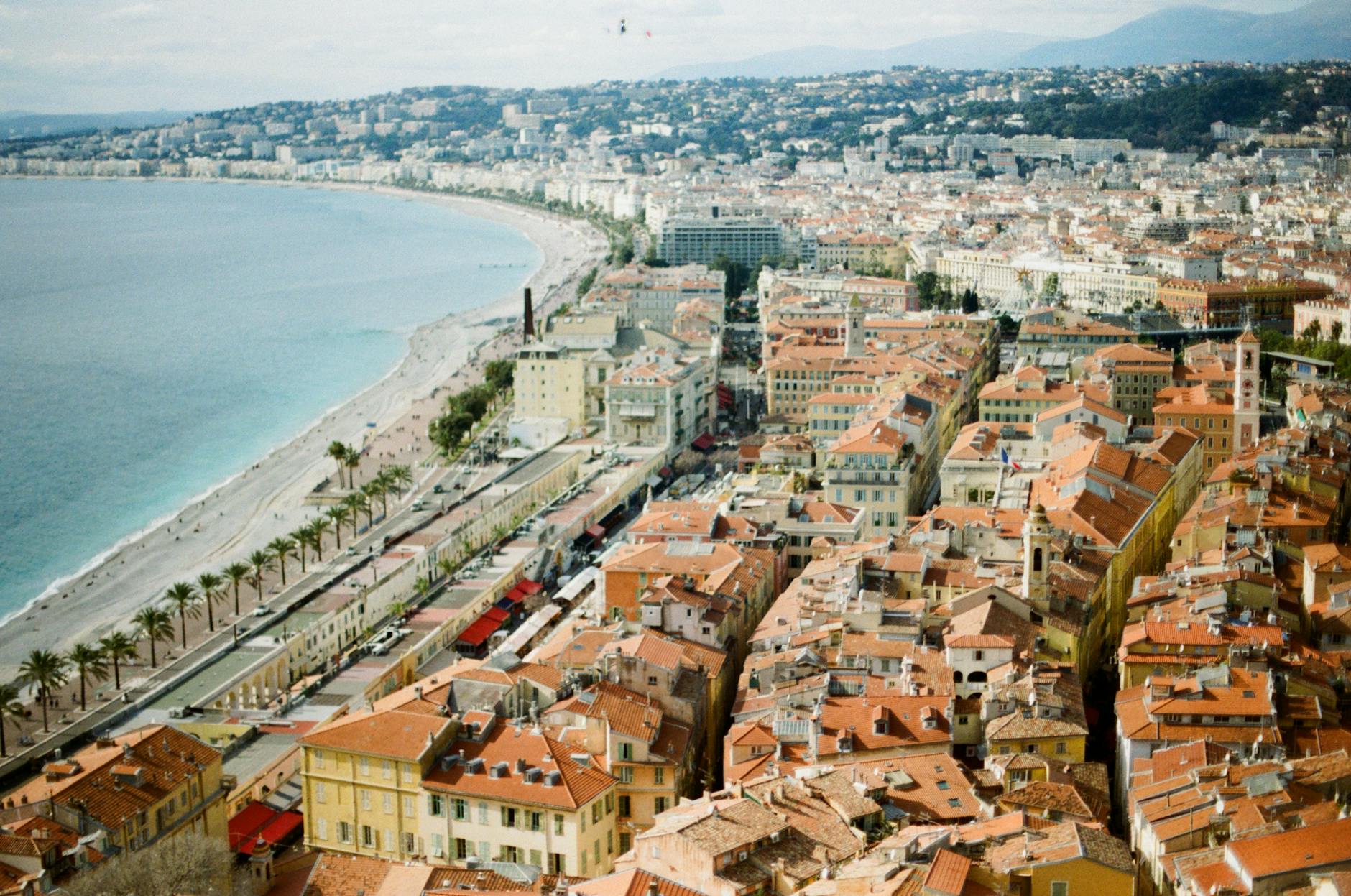
Nice's tram, taxis, walking routes, trains, and private transfers can all help, but they should be matched to the event pattern. A tram may be perfect for a casual first session and wrong for a formal dinner with materials. A taxi may be useful after a reception but inefficient during traffic near the waterfront.
If the conference includes Monaco, Cannes, Antibes, Sophia Antipolis, or another regional site, that transfer should be planned as its own event. Regional movement is not just a quick add-on when the schedule is tight.
- Match tram, walking, taxi, and private transfer choices to dress, materials, timing, and fatigue.
- Plan late returns from receptions before the evening starts.
- Treat Monaco, Cannes, Antibes, or Sophia Antipolis as separate transfer problems.
Plan networking meals without losing the schedule
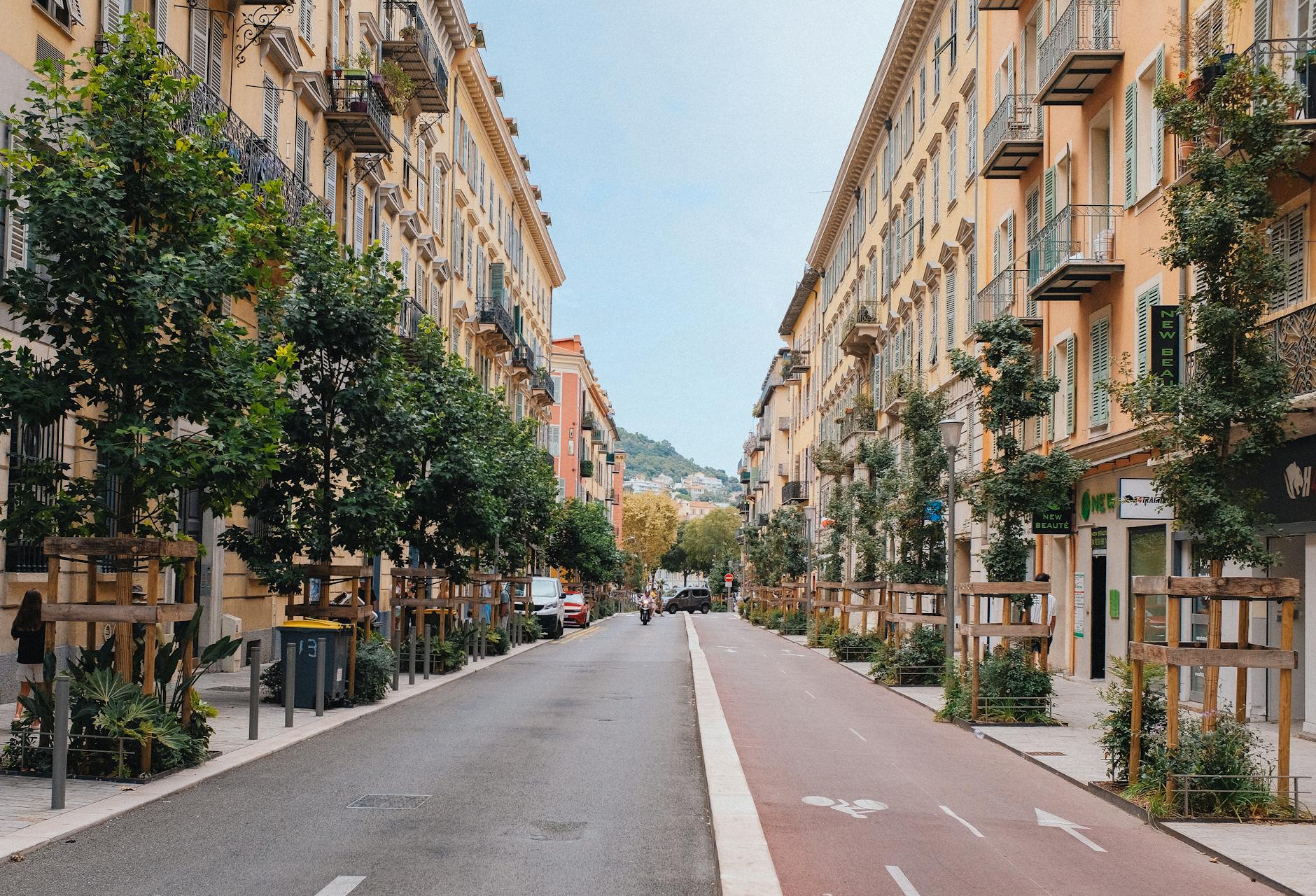
Conference meals can be valuable, but they can also stretch the day beyond the attendee's useful limit. A breakfast meeting, sponsor lunch, waterfront dinner, reception, or informal drink each has a different purpose. The traveler should decide which obligations matter and which can be skipped without harming the trip.
Reservations, dietary needs, noise, payment expectations, dress, and return route should be clear before the event day gets crowded. A good networking meal supports the conference; it does not steal the next morning.
- Separate essential networking from optional social pressure.
- Plan reservations, dietary needs, noise level, payment, dress, and return routes.
- Protect sleep before early sessions, presentations, or important meetings.
Keep Riviera distractions secondary
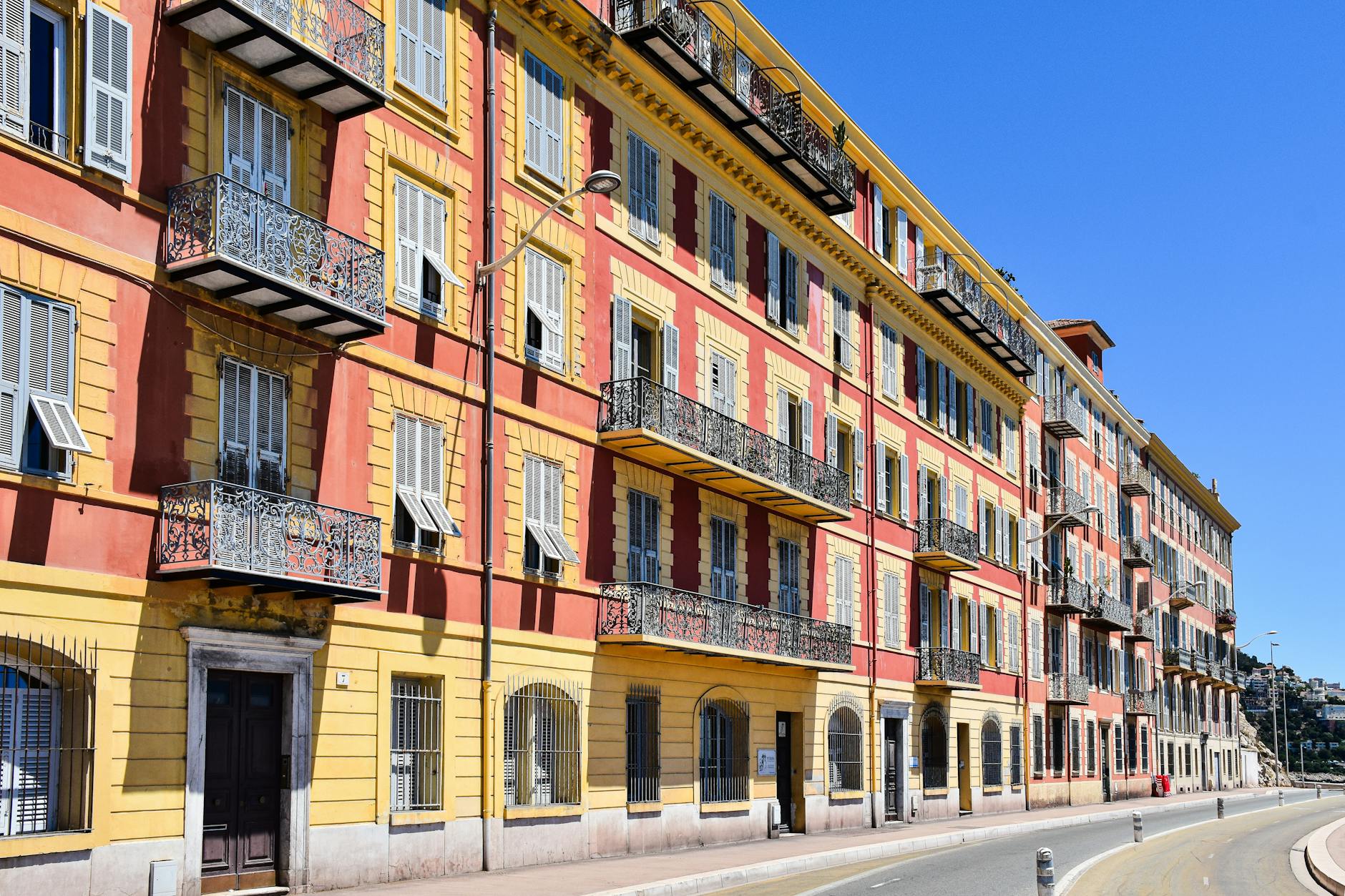
Nice tempts conference attendees with beach clubs, Castle Hill, Old Nice, Monaco, Cannes, Antibes, galleries, and long meals. Some of those additions may be worth protecting, but they should not compete with the conference itself. A short walk by the water may be more useful than a rushed regional outing between sessions.
The attendee should identify true free time, not just gaps between obligations. If the gap is too small to absorb delay and fatigue, it should not carry a major sightseeing plan.
- Choose one or two realistic Nice or Riviera add-ons.
- Do not mistake session gaps for protected free time.
- Use smaller local experiences when the event schedule is dense.
When to order a short-term travel report
A conference attendee with an included hotel and a light schedule may not need a custom Nice report. A report becomes useful when the attendee is choosing between hotels, arriving close to registration, managing presentation materials, attending off-site events, adding client or sponsor meetings, linking Nice with another Riviera city, or unsure whether leisure add-ons fit.
The report should test venue geography, hotel choice, arrival margin, registration timing, transport, networking meals, late returns, work materials, regional transfers, and what to cut. The value is a Nice conference trip that protects the event purpose while still using the destination well.
- Order when venues, hotels, arrival timing, off-site events, or regional add-ons need testing.
- Provide dates, flights, venue addresses, hotel options, event schedule, and constraints.
- Use the report to keep the conference schedule from being distorted by the Riviera setting.