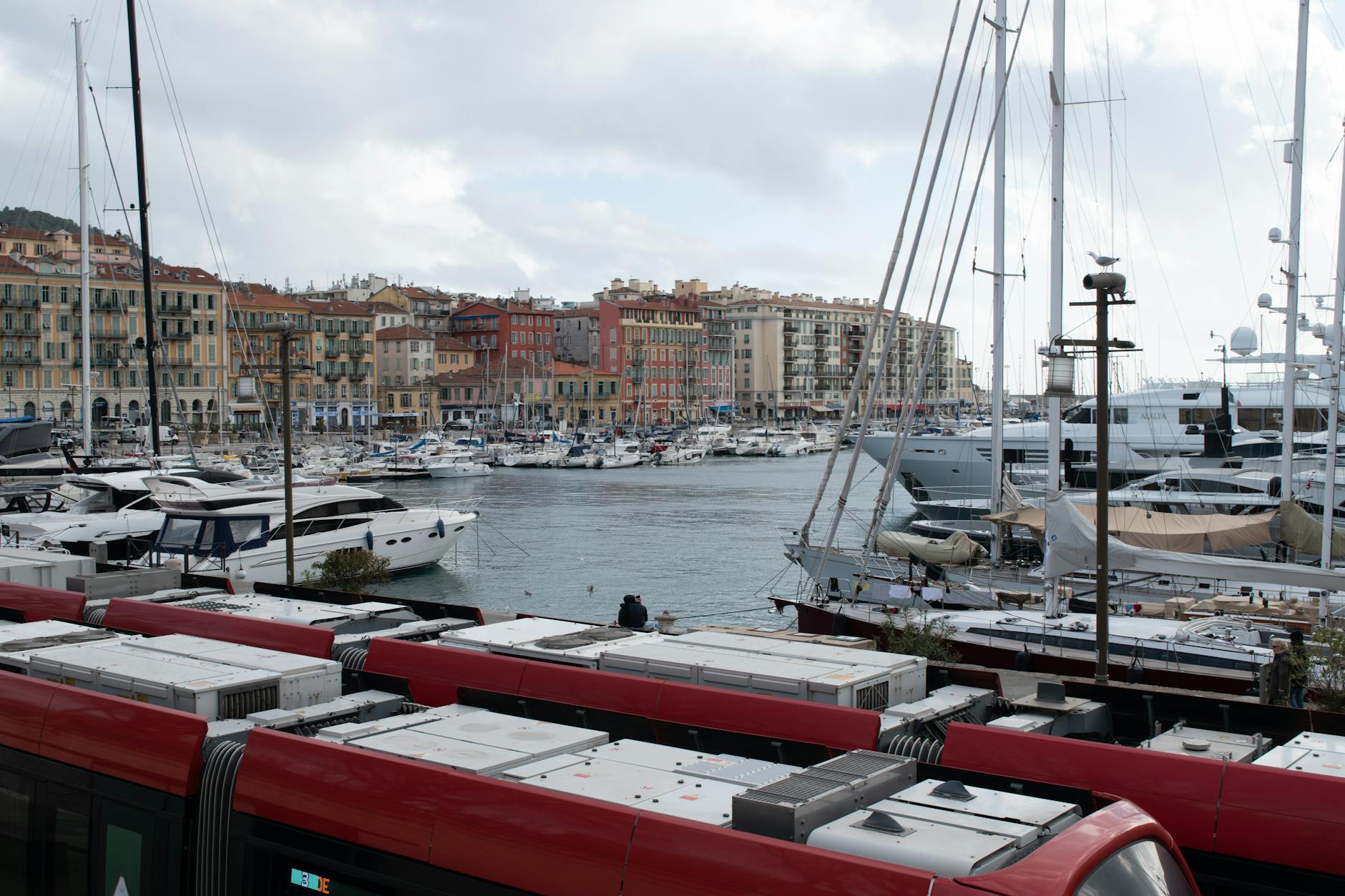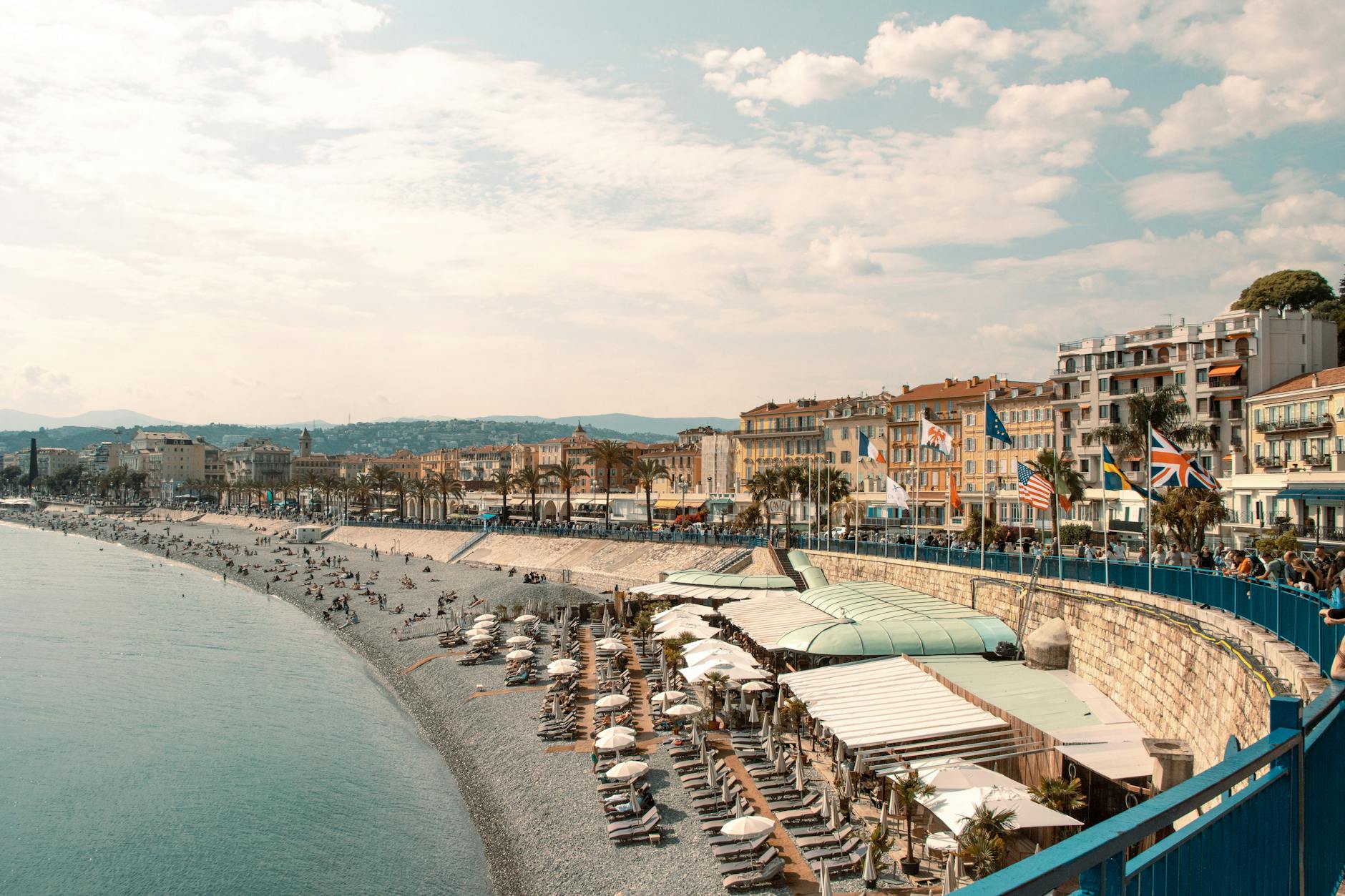
Nice can be an unusually pleasant business destination, which is exactly why it needs discipline. A traveler may be visiting clients in central Nice, using the airport as a Riviera gateway, attending meetings near the Promenade, continuing to Monaco, Cannes, Sophia Antipolis, Antibes, or a coastal hotel, and trying to preserve one good meal or waterfront walk. The setting can make the trip feel easier than it is. A short business visit should start with the work map. Nice's airport is convenient, the tram can help, and the city is compact in places, but client locations, coastal traffic, event schedules, hotel choice, and regional transfers can still turn a simple trip into a rushed one.
Map the meeting geography before booking
Nice business travel often extends beyond a single office. The traveler may need to reach the airport district, central Nice, the Promenade, Old Nice, a hotel meeting room, Monaco, Cannes, Antibes, or Sophia Antipolis. Those places are not interchangeable, and coastal travel can be slower than the map suggests.
The hotel should be chosen after the meeting sequence is clear. A beautiful seafront base may be excellent for one schedule and inefficient for another. The first fixed meeting of each day should decide the traveler's morning route.
- Map meetings in Nice, the airport area, Monaco, Cannes, Antibes, or Sophia Antipolis before booking.
- Choose the hotel around the first and most important meeting route.
- Do not assume Riviera distances behave like ordinary city distances.
Use the airport advantage without getting casual
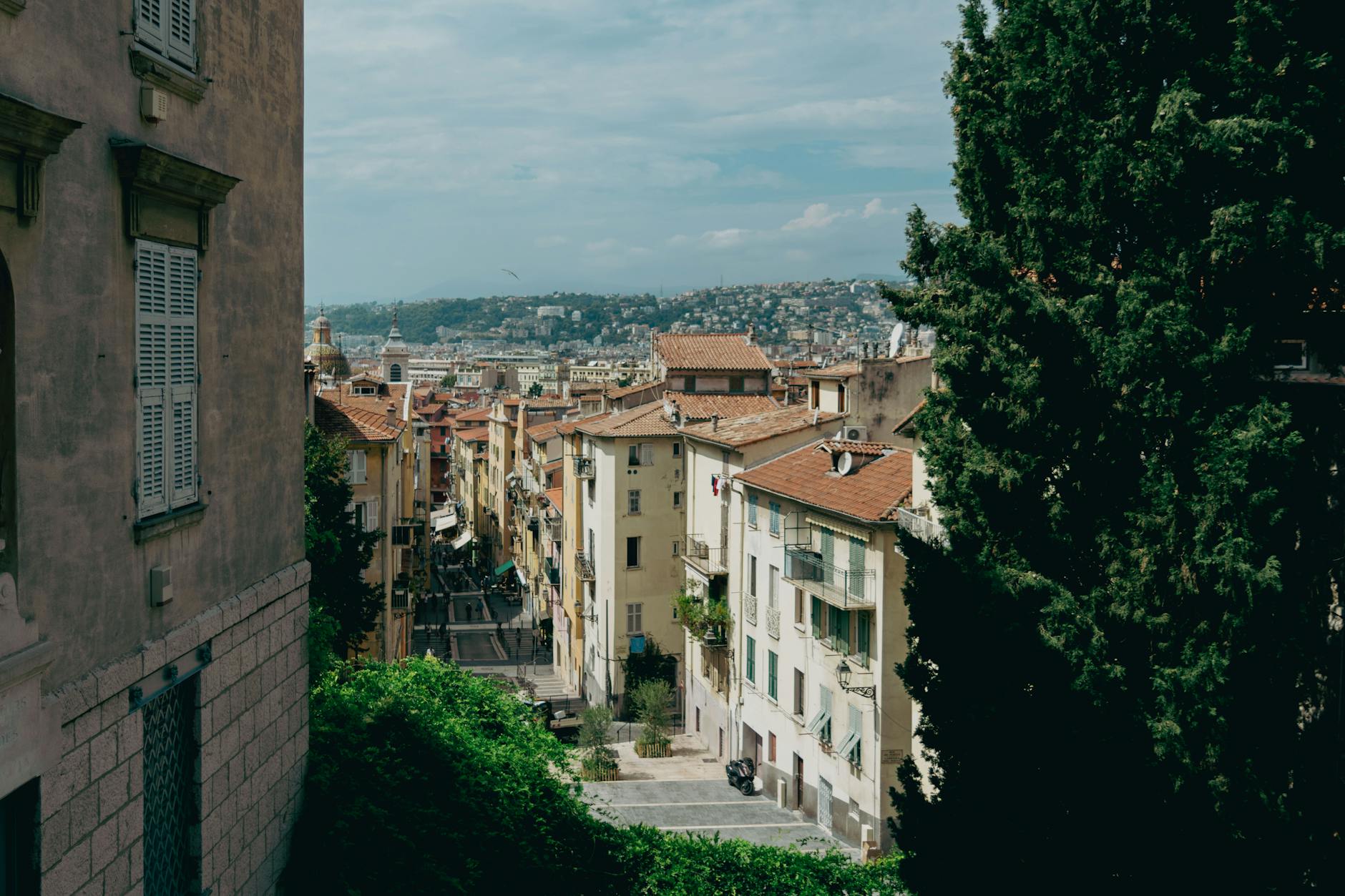
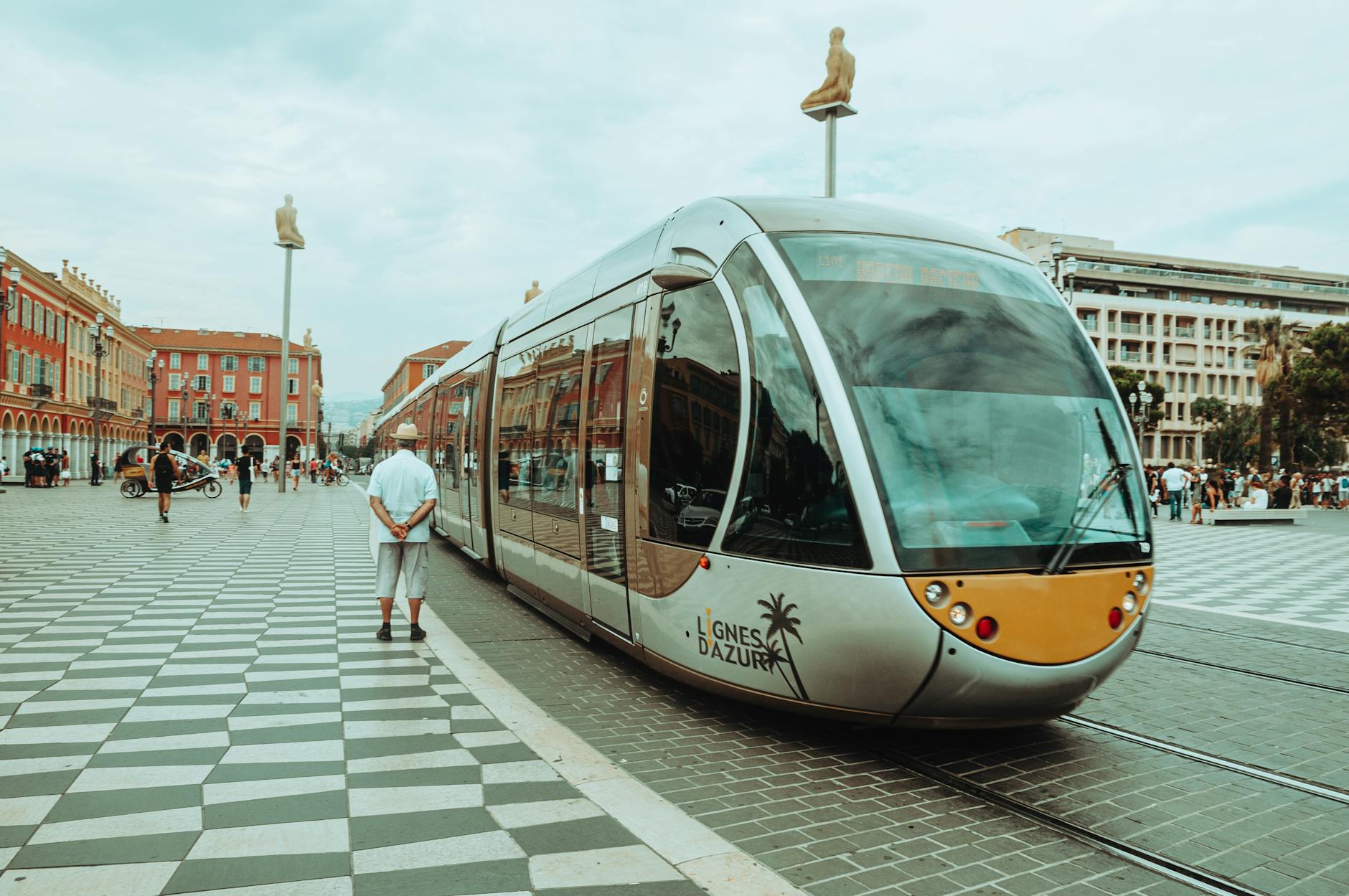
Nice Cote d'Azur Airport is one of the city's strengths for business travel. The proximity to central Nice can make a short trip efficient, but arrival and departure still need margin for luggage, taxis, tram timing, rental cars, security, and event traffic. A late arrival followed by an early meeting can still feel rough.
If the traveler is using Nice as a gateway to Monaco, Cannes, or a client site outside the city, the airport advantage may disappear unless transfer timing is planned carefully.
- Add margin for luggage, tram or taxi timing, rental cars, and security.
- Avoid scheduling first meetings too close to flight arrival.
- Treat onward travel to Monaco, Cannes, or Sophia Antipolis as a separate transfer problem.
Choose a hotel that supports work and movement
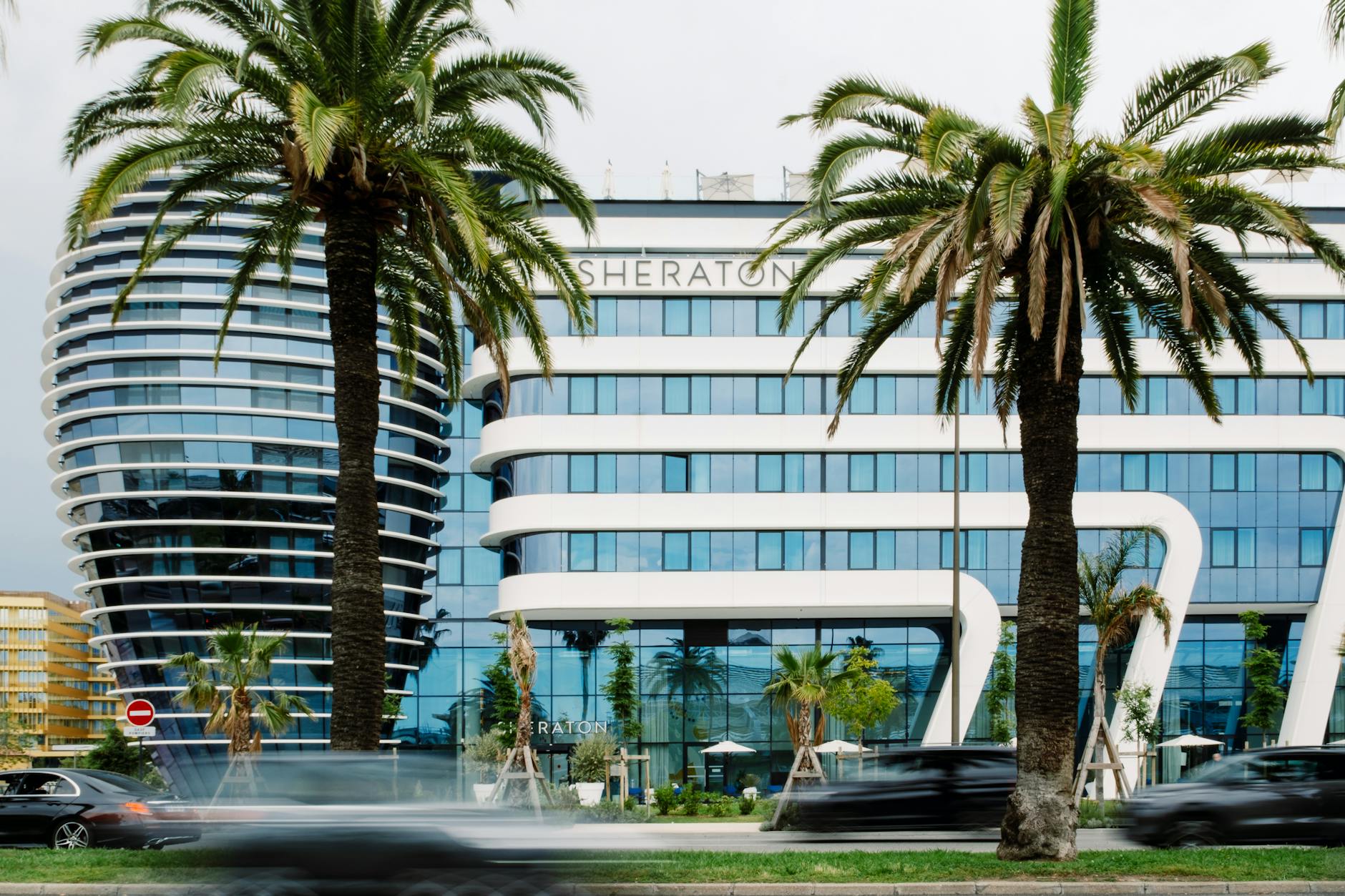
A Nice business hotel should support more than a pleasant view. Reliable Wi-Fi, quiet call space, desk setup, breakfast timing, taxi pickup, tram access, luggage storage, laundry, and a practical route to meetings matter. If the traveler has calls with another time zone, the room and lobby setup can affect the workday.
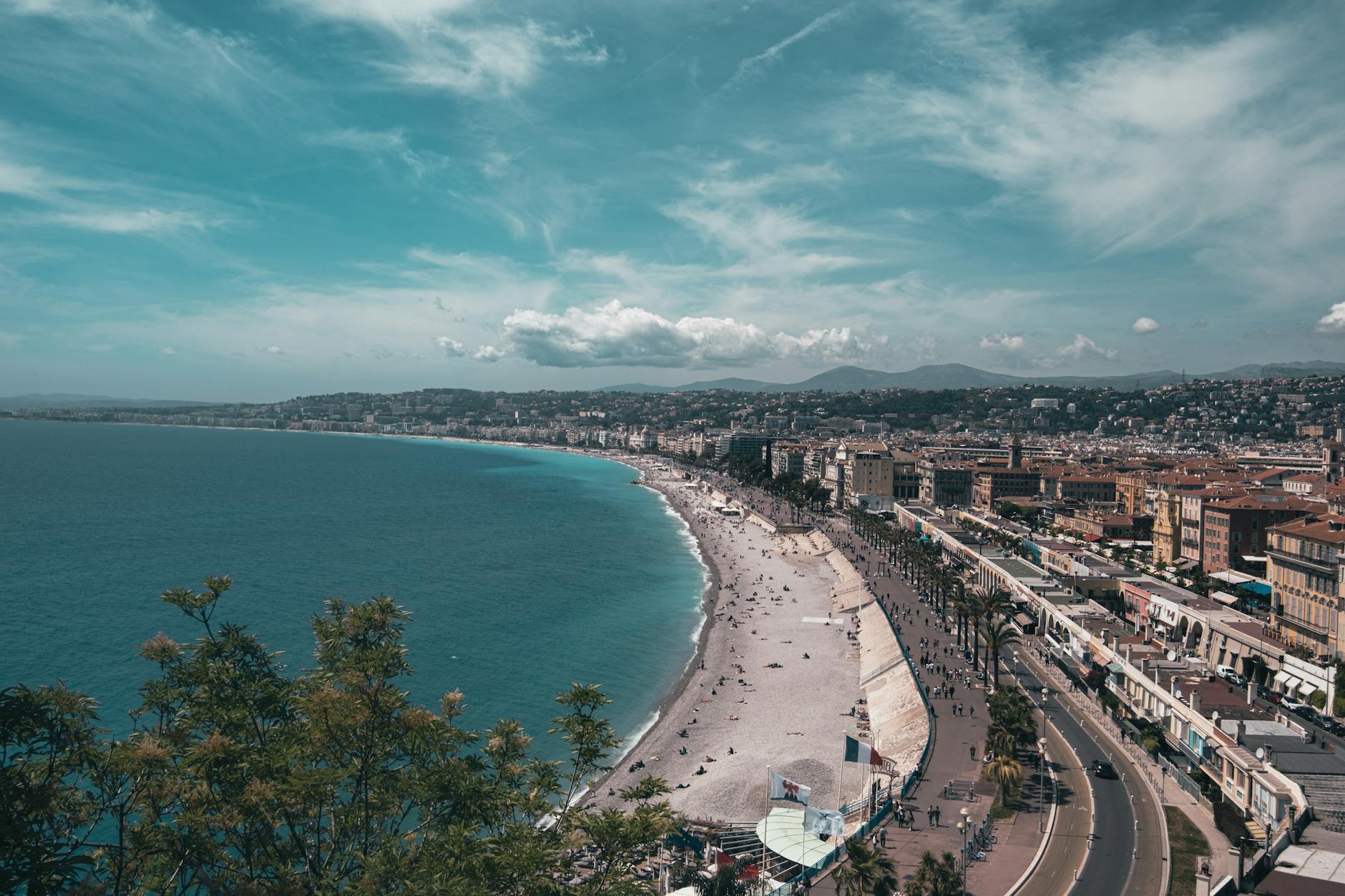
A seafront hotel, airport hotel, old-town stay, or station-adjacent base each solves a different problem. The right choice depends on the schedule, not on the postcard.
- Check Wi-Fi, desk space, quiet calls, breakfast, taxi pickup, transit, and luggage storage.
- Choose seafront, airport, old-town, or station access based on the work sequence.
- Protect a reliable workspace if calls or preparation are part of the trip.
Plan client meals with the setting in mind
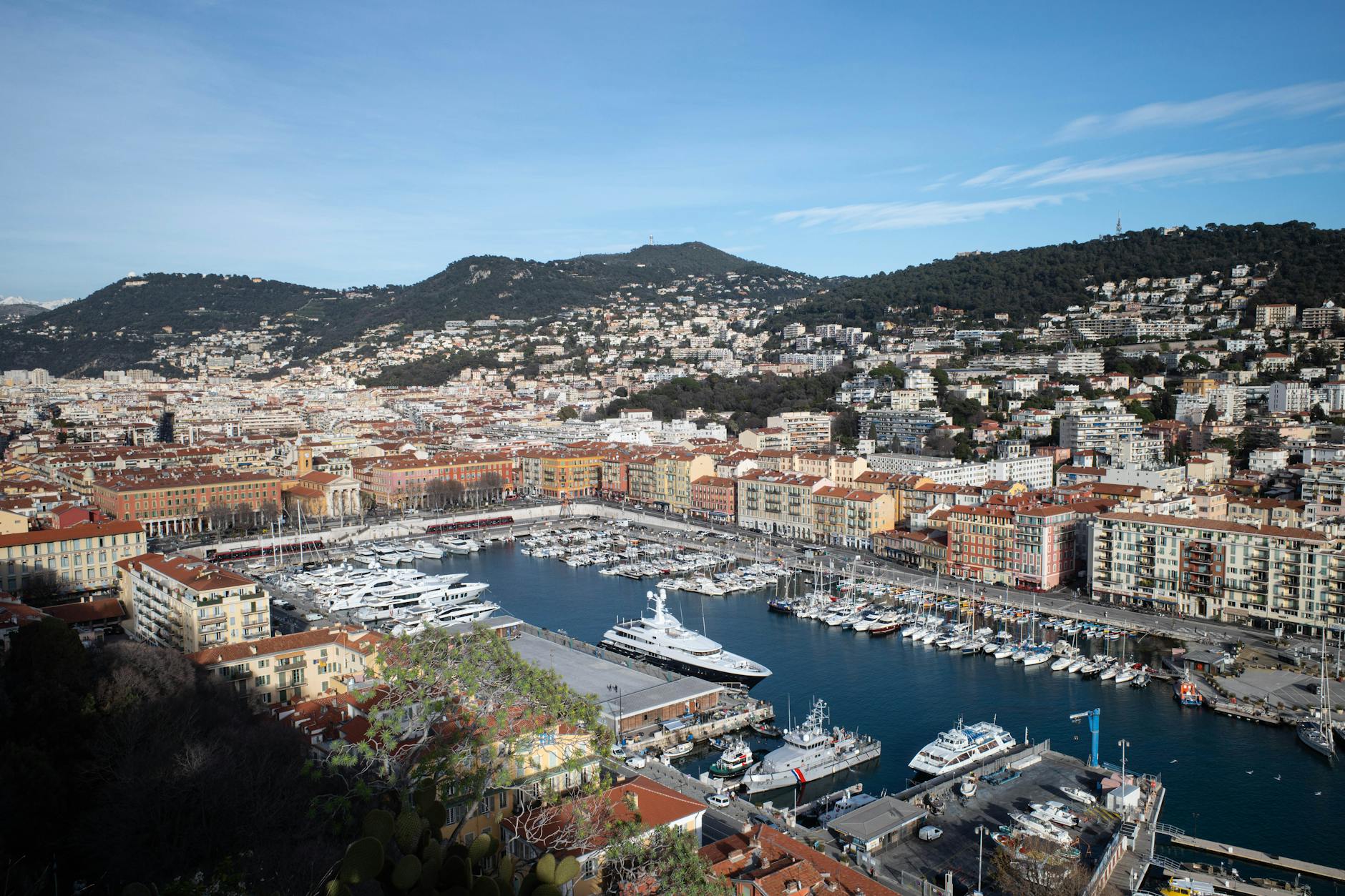
Nice can make client meals feel effortless, but the setting can distract from the business purpose. The traveler should decide whether the meal is for relationship-building, negotiation, informal discovery, or recovery after meetings. A waterfront restaurant, hotel meal, old-town dinner, or quick airport-area lunch each sends a different signal.
Reservations, dietary needs, noise, payment expectations, and return routes should be settled before the day gets crowded. A good meal plan lets the traveler use the Riviera setting without losing control of the schedule.
- Match meal location to the business purpose and relationship.
- Plan reservations, dietary needs, noise level, payment, and return route.
- Avoid letting a scenic meal create a late or unfocused next meeting.
Protect presentation materials and devices
A business visitor may be carrying a laptop, samples, contracts, slide deck, formal clothes, or confidential documents. Nice is generally manageable, but visible devices and bags still require ordinary discipline around airports, trams, stations, taxis, beaches, cafes, and hotel lobbies. The traveler should separate essentials and know what can stay secured in the hotel.
Connectivity and power should be checked before arrival. A missing adapter, weak roaming setup, or unreliable hotel workspace can become more damaging than the traveler's sightseeing choices.
- Secure laptops, documents, adapters, credentials, and presentation backups.
- Avoid carrying unnecessary business materials during leisure walks or meals.
- Confirm connectivity, roaming, and charging before the first work block.
Keep Riviera add-ons honest
Nice tempts business travelers into adding Monaco, Cannes, Antibes, coastal drives, beach time, or an extra dinner. Some add-ons make sense; others create avoidable stress. The traveler should decide whether the add-on supports the business purpose, a client relationship, or genuine recovery.
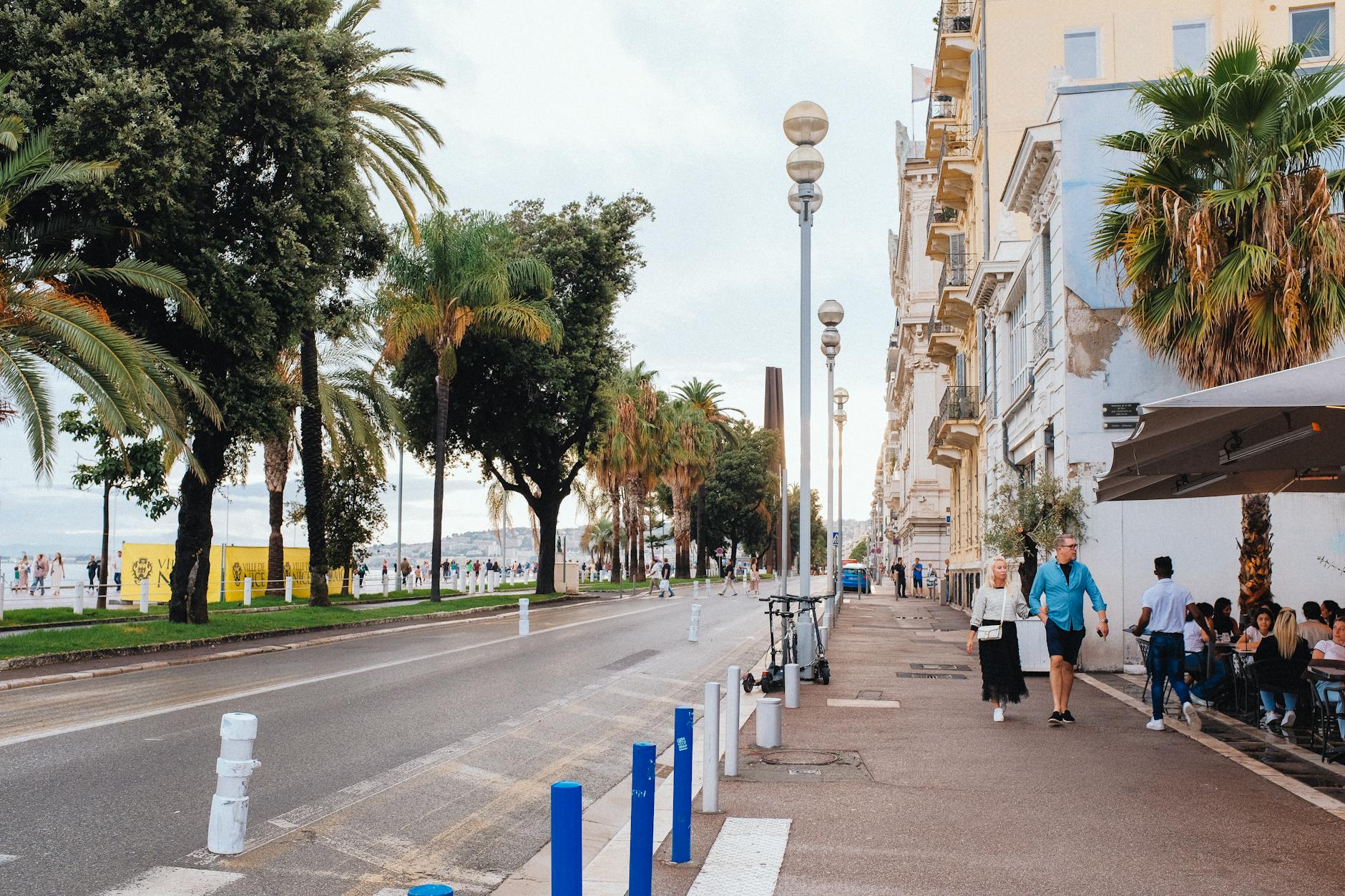
If the trip is short, one protected waterfront walk or meal may be better than a rushed regional loop. The Riviera setting should make the work trip better, not blur the reason the traveler came.
- Add Monaco, Cannes, Antibes, or beach time only with real schedule margin.
- Separate client-related add-ons from personal recovery time.
- Use smaller Nice experiences when the business calendar is tight.
When to order a short-term travel report
A business visitor with one central meeting and a known hotel may not need a custom Nice report. A report becomes useful when the traveler is choosing between airport, seafront, old-town, or station hotels; linking Nice with Monaco, Cannes, Antibes, or Sophia Antipolis; managing late arrival; planning client meals; or trying to preserve some Riviera time without weakening the work trip.
The report should test meeting geography, hotel practicality, airport transfer, regional movement, workspace, meal zones, device handling, recovery time, and what to cut. The value is a Nice business trip that stays decision-ready instead of being carried by the scenery.
- Order when hotel choice, regional transfers, meetings, meals, or arrival timing need testing.
- Provide meeting locations, hotel options, flights, client meal plans, and constraints.
- Use the report to keep the Riviera setting from distorting the work purpose.