Nice can work for a budget traveler, but it has to be planned honestly. The city offers public beaches, scenic walks, tram access, markets, budget meals, free viewpoints, and regional trains. It also has Riviera pricing, high-season hotel pressure, beach club temptation, paid museums, costly taxis, and restaurants that can turn a cheap trip expensive without much warning. A good budget Nice plan is not just about spending less. It is about deciding where money actually improves the trip and where the traveler can use the city well for free or low cost.
Control the biggest cost: lodging
For a budget traveler, lodging usually decides whether Nice stays affordable. A cheaper bed far from useful routes may create taxi costs, wasted time, or poor sleep. A slightly more expensive base near tram, food, and walkable sights may be the better value. The traveler should compare total cost, not just nightly rate.
Hostels, small hotels, simple apartments, and shoulder-season deals can all work, but the traveler should check cleaning fees, late check-in, air conditioning, luggage storage, kitchen access, noise, and transit before booking.
- Compare total lodging cost, location, transit, meals, fees, and sleep quality.
- Check air conditioning, luggage storage, late check-in, kitchen access, and noise.
- Do not save on the room if it creates daily transport costs or poor recovery.
Use the airport tram and public routes well
Nice's airport tram can be a major budget advantage, but the traveler should know the route before landing. Luggage, arrival hour, ticketing, hotel location, and fatigue still matter. A budget plan that relies on public transport should be simple enough to execute after a flight.
Inside the city, walking and tram routes can cover much of the trip. The traveler should avoid spending small taxi fares repeatedly because the hotel, meals, and side trips were chosen without a route plan.
- Plan the airport tram or other public route before arrival.
- Choose lodging and meals near repeatable walking or tram routes.
- Reserve taxi spending for moments when it genuinely protects the trip.
Treat the public beach as an asset
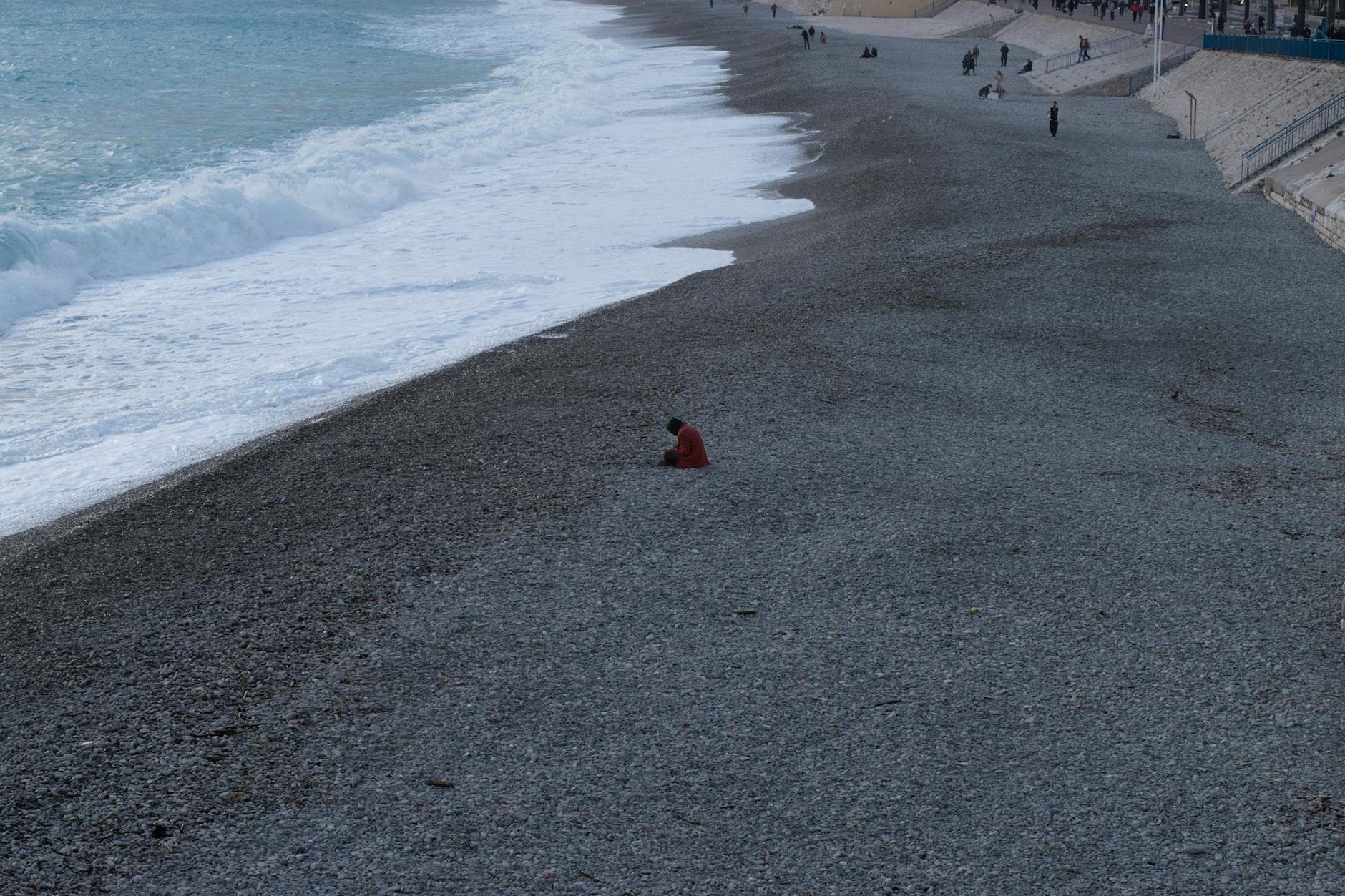
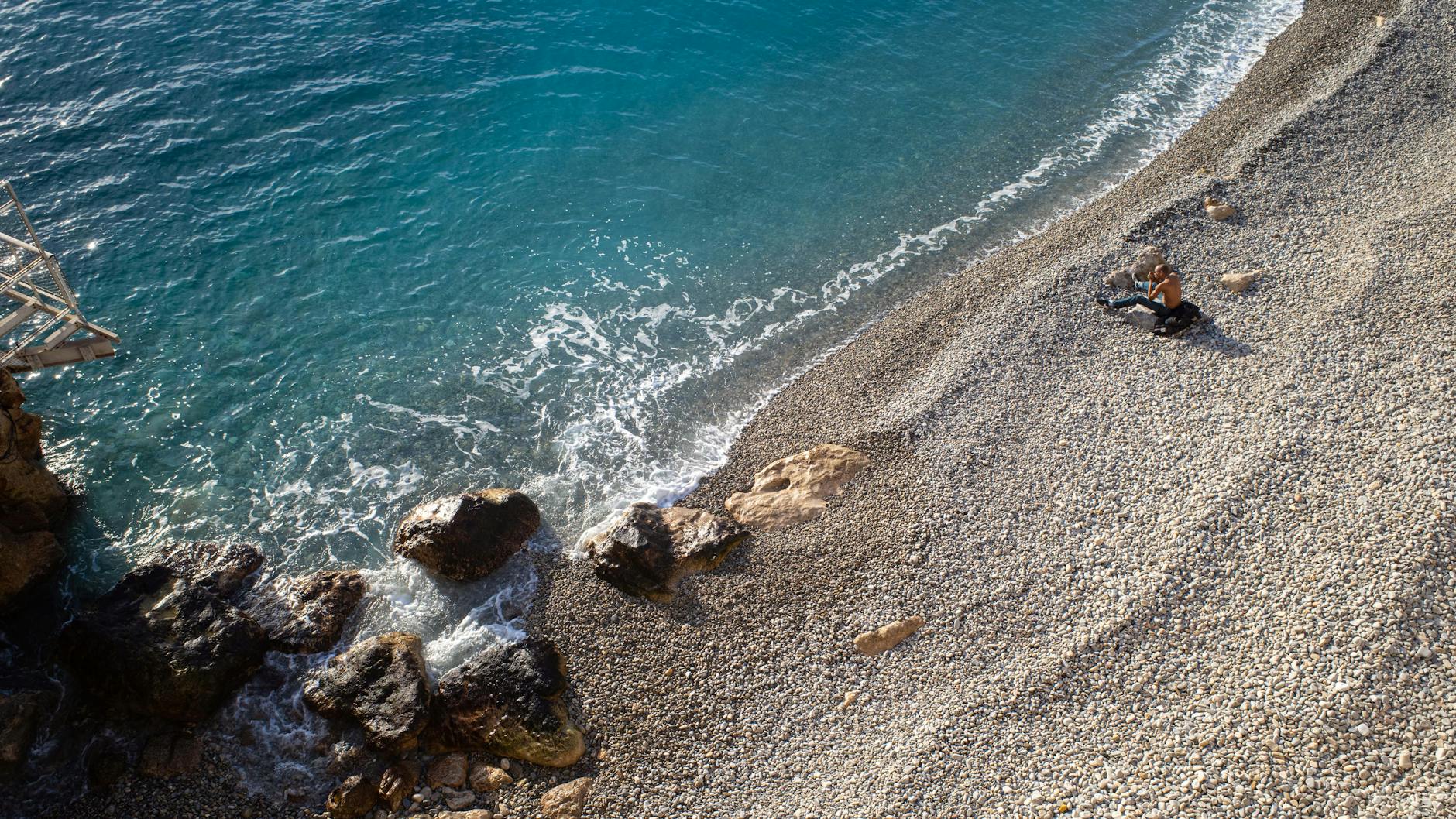
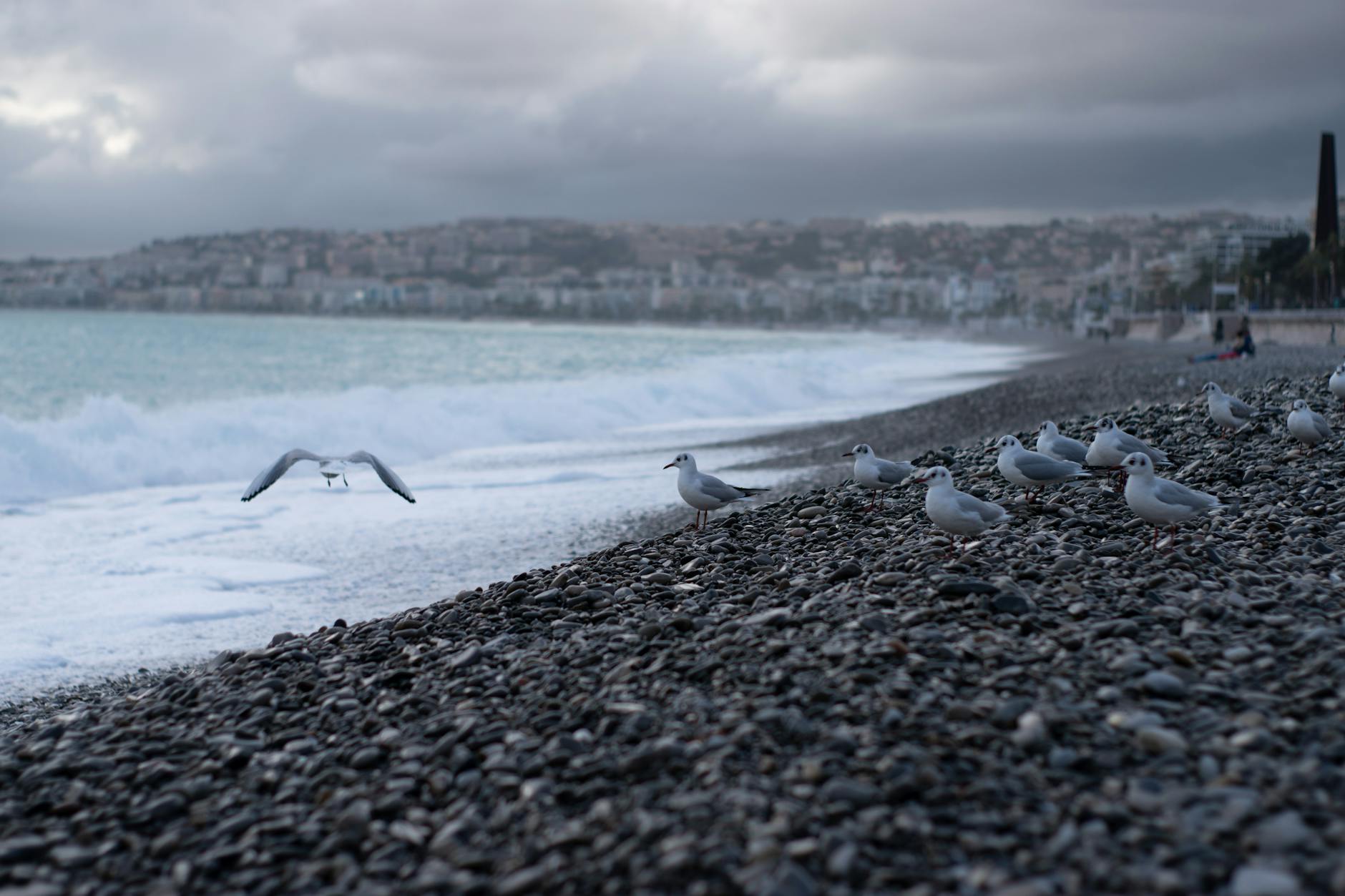
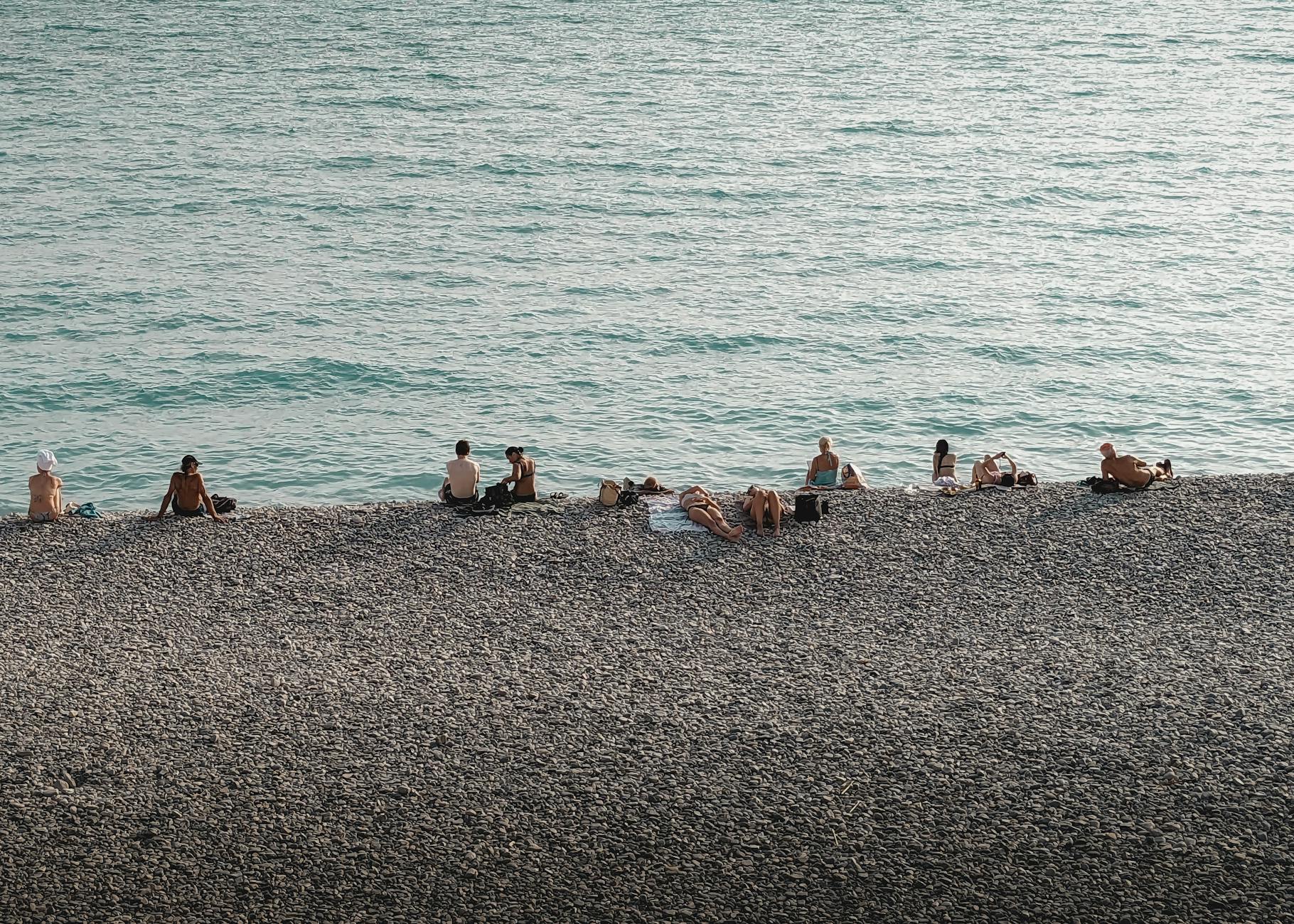
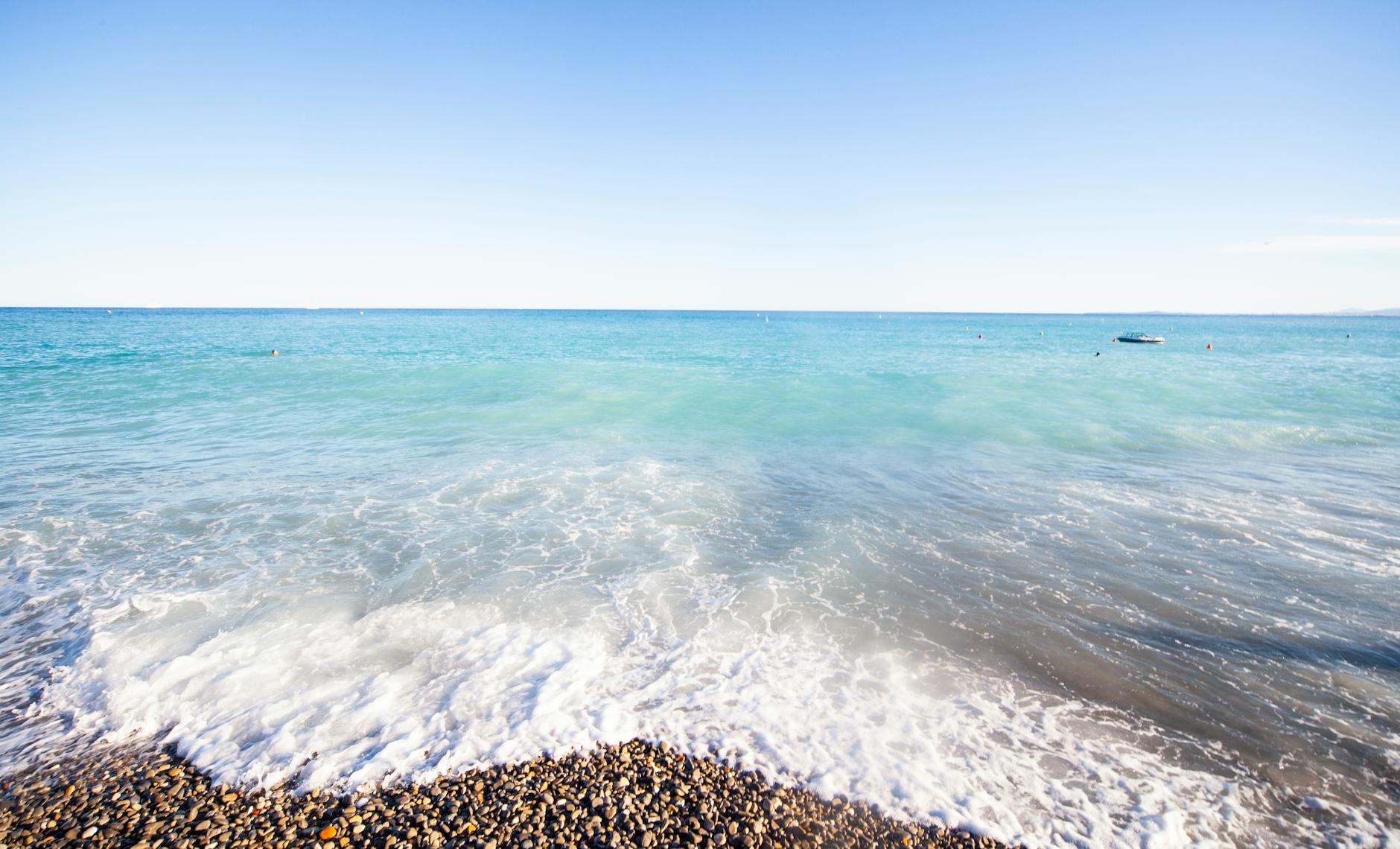
Nice's public beach can make a budget trip feel generous, but it still needs practical planning. The pebbles, footwear, towels, shade, water, valuables, changing needs, and snack plan all matter. A traveler who arrives unprepared may end up paying for convenience that could have been planned cheaply.
A public beach plan works best as one part of the day, not the whole strategy. Pairing a waterfront sit with a market lunch, old-town walk, or free viewpoint can create a strong low-cost itinerary.
- Prepare for pebbles, water shoes, towel needs, shade, snacks, and valuables.
- Use public beaches instead of paid clubs when the goal is a simple waterfront day.
- Pair beach time with markets, viewpoints, or walks to keep the day low-cost.
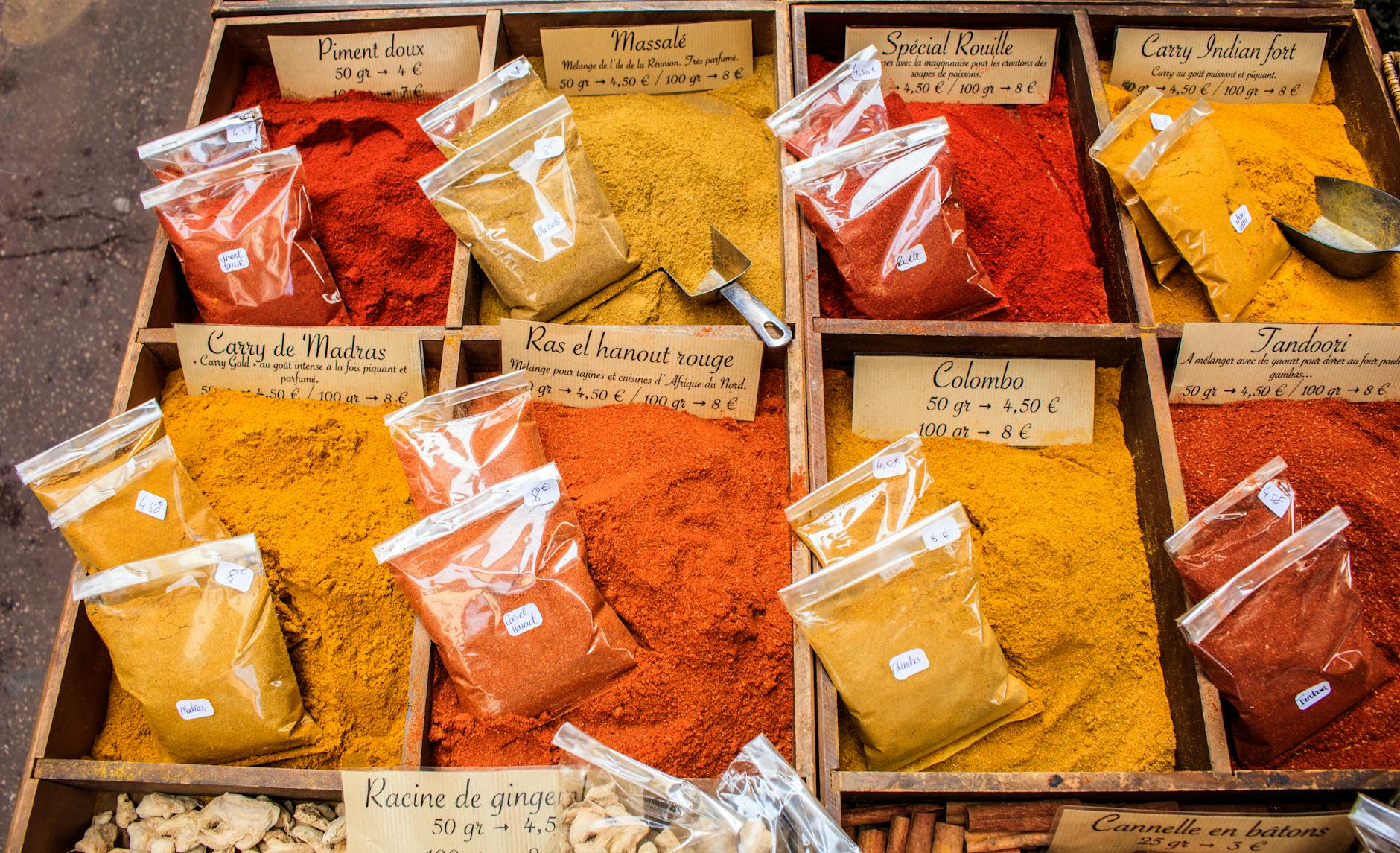
Build food around markets and simple meals
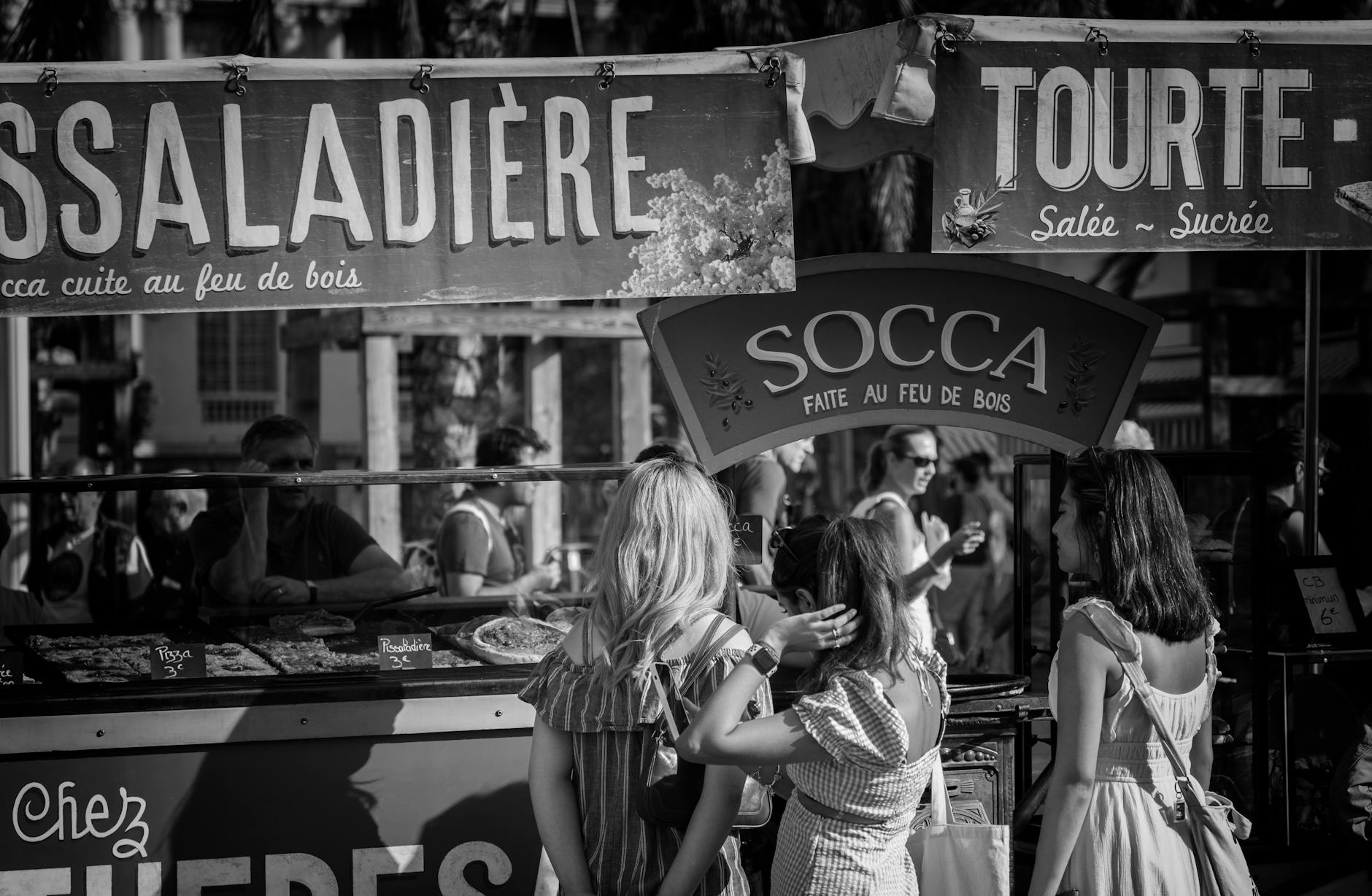
Nice can be expensive if every meal is chosen from the most obvious tourist streets. A budget traveler should plan around markets, bakeries, grocery stops, casual cafes, takeaway food, and a few selected sit-down meals. The goal is not to avoid restaurants completely; it is to spend restaurant money where it improves the trip.
Breakfast and lunch often provide the easiest savings. A simple market lunch or bakery stop can free budget for one better dinner or a day trip.
- Use markets, bakeries, groceries, casual cafes, and takeaway meals deliberately.
- Save restaurant spending for meals that matter.
- Avoid drifting into expensive tourist-street meals because no fallback was planned.
Choose free and low-cost sights first
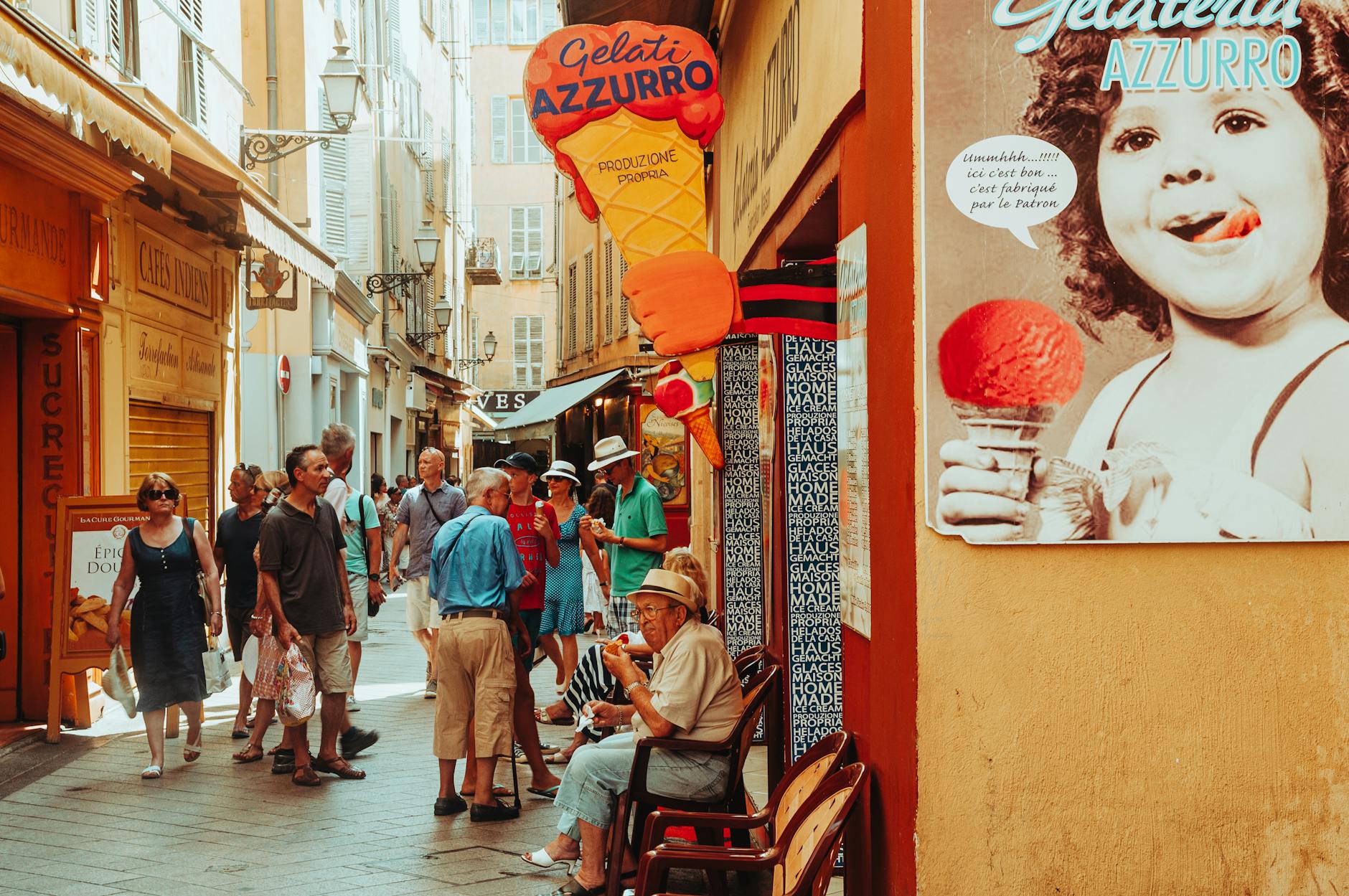
A budget traveler can fill meaningful time in Nice without paying constantly. The Promenade, Old Nice, markets, harbor views, public beaches, churches, viewpoints, neighborhood walks, and people-watching can all carry the itinerary. Paid museums and tours may still be worth it, but they should be chosen intentionally.
The traveler should also watch hidden costs: drinks in expensive locations, repeated snacks, lockers, taxis, beach gear, and last-minute convenience spending.
- Use the Promenade, Old Nice, public beaches, harbor views, churches, and viewpoints well.
- Choose paid museums or tours because they are priorities, not fillers.
- Watch small convenience costs that quietly raise the daily spend.
Be disciplined with Riviera day trips
Regional trains can make Nice a strong budget base, but day trips are not free once meals, snacks, tickets, transfers, and fatigue are counted. Monaco, Antibes, Villefranche-sur-Mer, Eze, Cannes, and Menton can each be attractive, but the traveler should choose by fare, walking load, free sights, and return reliability.
One affordable excursion may be better than several expensive partial days. The traveler should protect the main Nice experience before spending budget outside the city.
- Compare train fares, food costs, walking load, free sights, and return timing.
- Choose one strong affordable day trip instead of several scattered ones.
- Do not let regional travel consume the budget needed for Nice itself.
When to order a short-term travel report
A budget traveler with a simple hostel booking and flexible plans may not need a custom Nice report. A report becomes useful when the traveler is comparing lodging zones, traveling in high season, trying to keep taxis low, choosing day trips, managing a tight food budget, or deciding where spending actually improves the trip.
The report should test lodging value, airport tram route, walkability, low-cost meals, public beach logistics, free sights, regional train options, hidden costs, and what to cut.
- Order when lodging value, transit, food budget, day trips, or hidden costs need testing.
- Provide dates, flights, lodging options, daily budget, must-do sights, and walking tolerance.
- Use the report to spend deliberately and protect the parts of Nice that matter most.