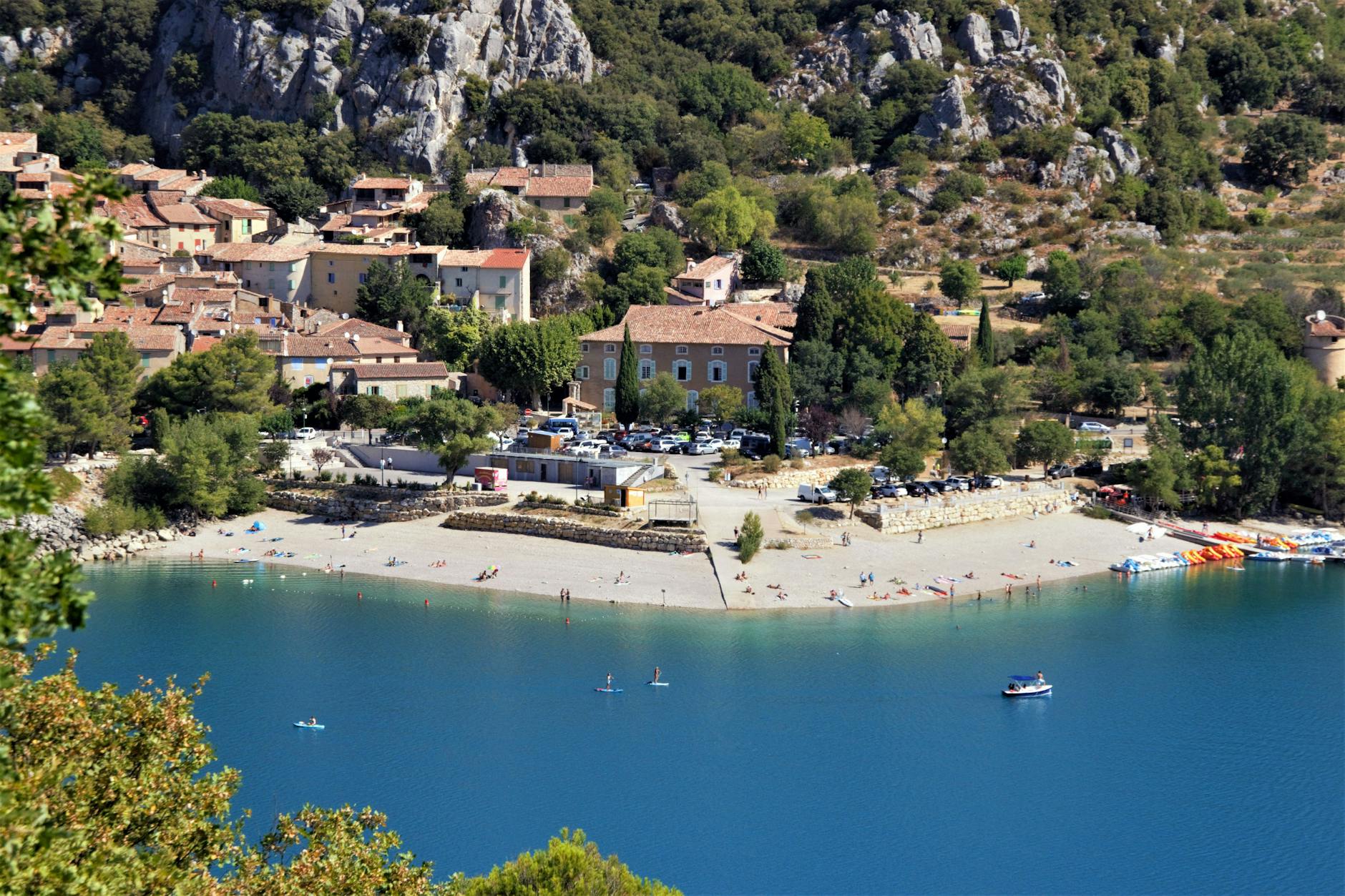
Nice can support a strong short outdoor trip because the city sits between the sea, hills, coastal roads, nearby villages, and mountain access. That does not make every outdoor plan easy. A traveler may be thinking about swimming, coastal walks, cycling, running, hiking, canyoning, paddleboarding, hill viewpoints, or a day toward the Mercantour. Each version changes the risk profile. The strongest plan starts by deciding what kind of outdoor trip this really is. A Riviera beach-and-walk trip, a mixed city-and-hiking trip, and a mountain-heavy trip should not use the same hotel, packing list, start times, transport, or recovery plan.
Decide whether the trip is coastal, mountain, or mixed
An outdoor traveler should define the trip before booking. Nice can mean swims from a pebbled beach, runs along the Promenade, coastal walks toward Villefranche-sur-Mer, hill viewpoints, regional cycling, canyoning, or mountain outings. Those trips may share a city name, but they do not share the same logistics.
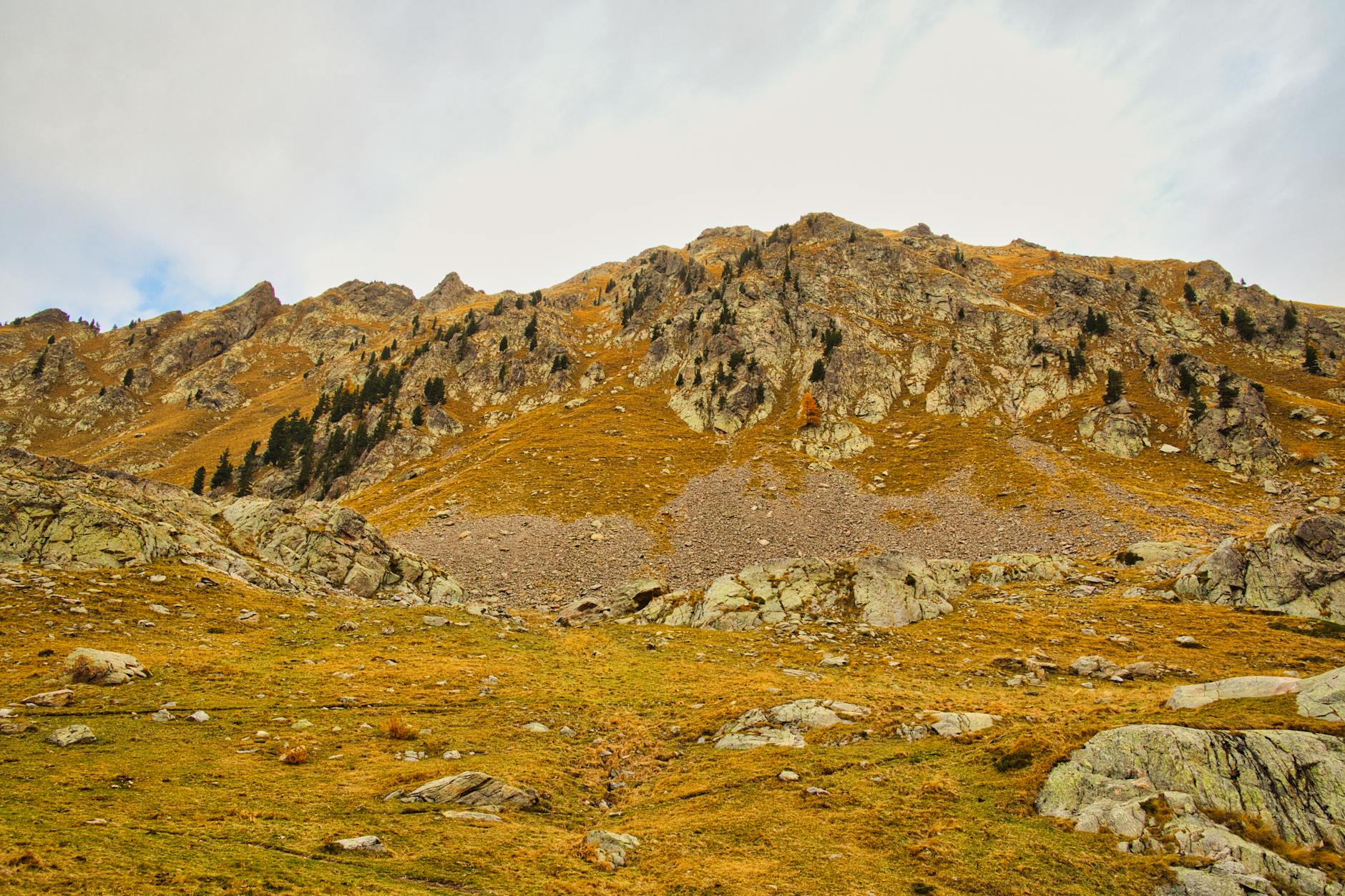
A coastal plan can stay closer to the sea and manage sun, footwear, valuables, and water access. A mountain or canyoning plan needs earlier starts, transfer reliability, equipment, guide vetting, weather checks, and a stronger backup plan. A mixed plan needs enough recovery time to avoid becoming an overstuffed checklist.
- Define the trip as coastal, mountain, water-based, cycling, hiking, or mixed.
- Choose lodging, transport, and gear around the highest-effort activity.
- Cut activities that require a different operating plan from the rest of the trip.
Choose lodging for early starts and recovery
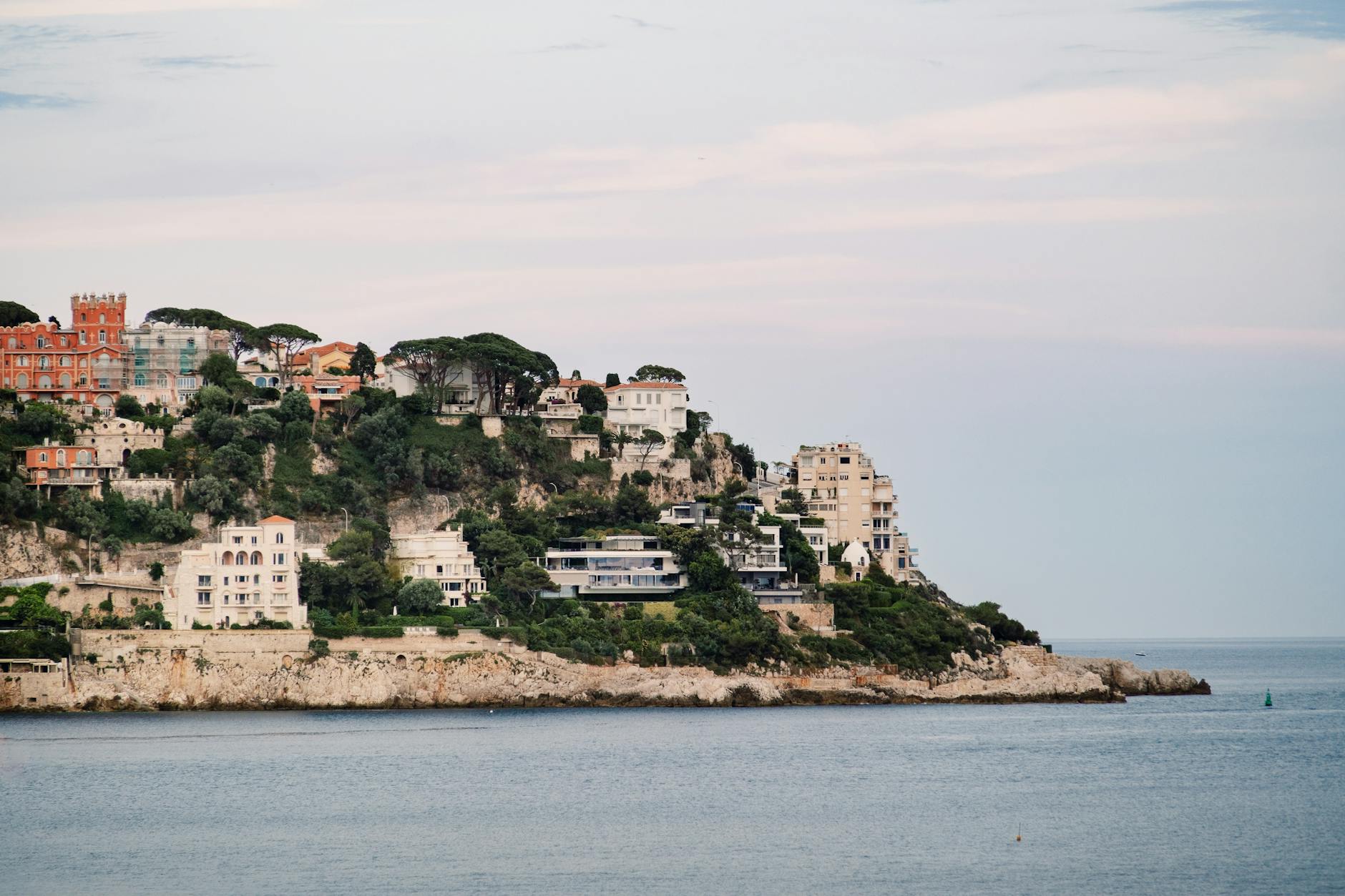
The right base depends on the outdoor rhythm. A traveler who wants sunrise water time, early trailhead transfers, bike pickup, or late returns from a regional outing should not choose lodging only by romance or nightlife. The hotel or apartment should make the first hour and the last hour of each activity simple.
Practical details matter: elevator access, air conditioning, gear storage, laundry, breakfast timing, pharmacy access, quiet sleep, taxi pickup, tram or train routes, and a place to dry shoes or swimwear. A beautiful room that fails those details can weaken the trip.
- Book around activity start times, pickup points, transit, sleep, and gear storage.
- Check air conditioning, elevator access, laundry, breakfast timing, and recovery space.
- Avoid a base that forces tired late returns or awkward early departures.
Treat sun, water, pebbles, and terrain as constraints
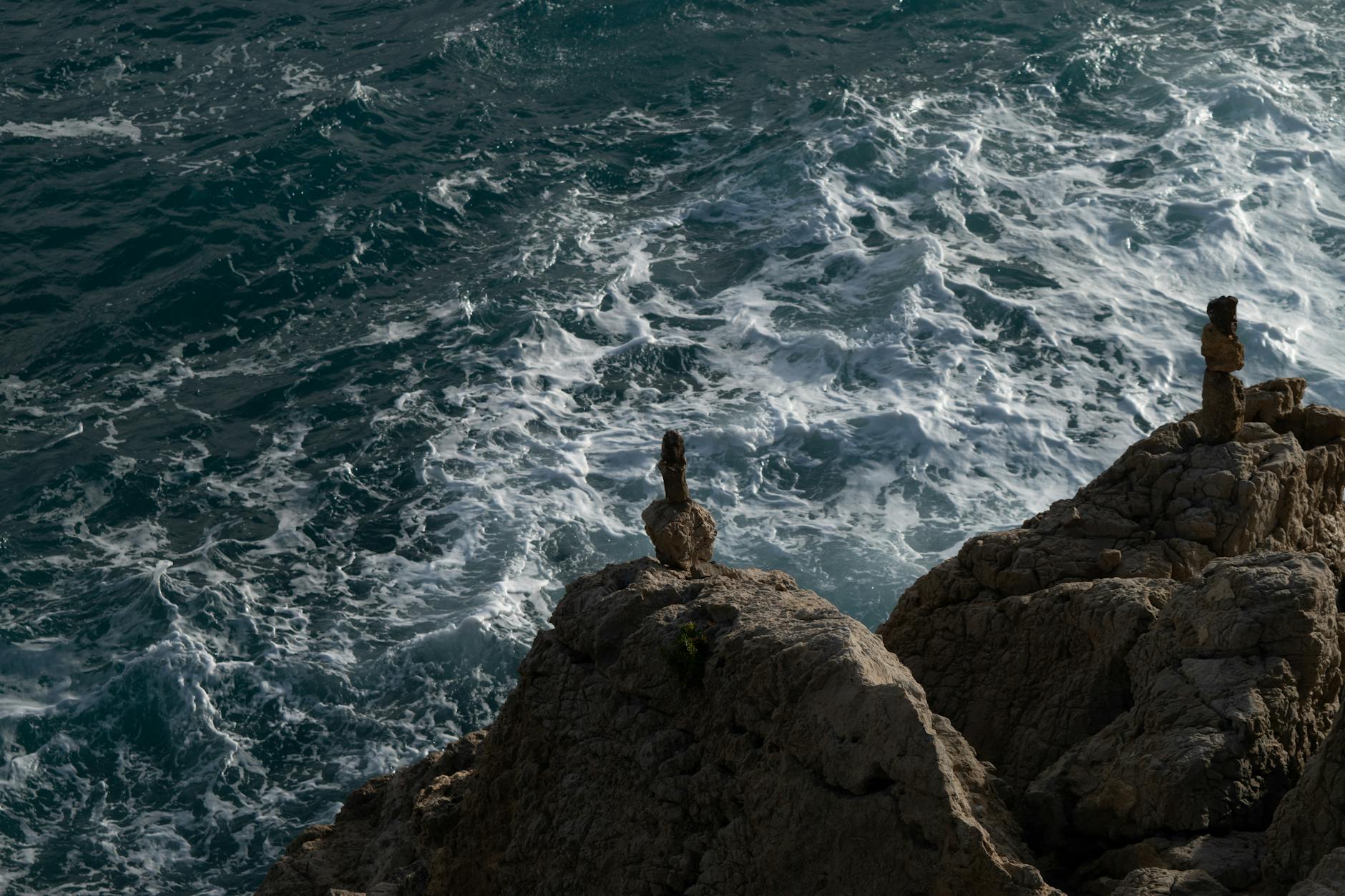
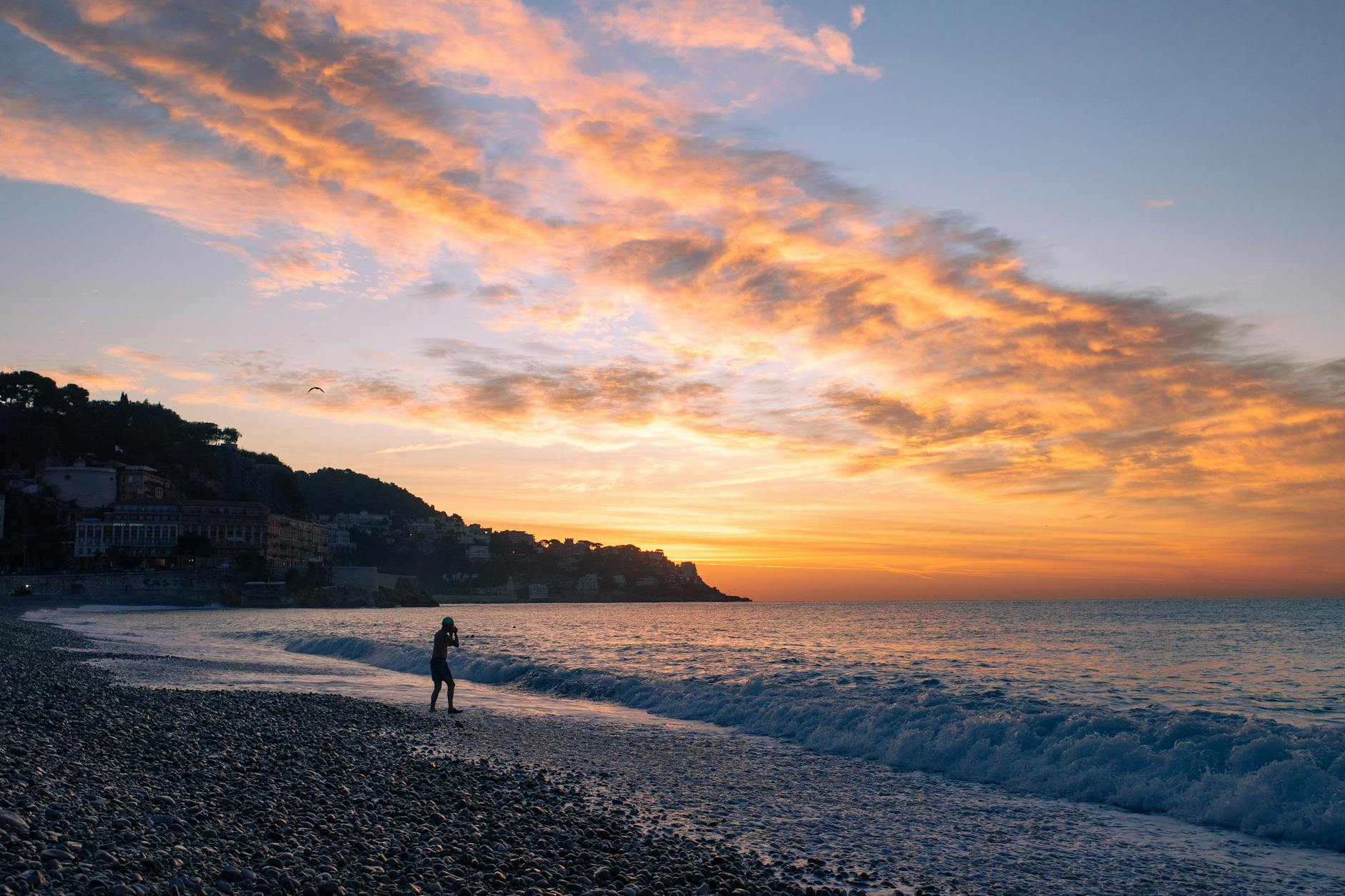
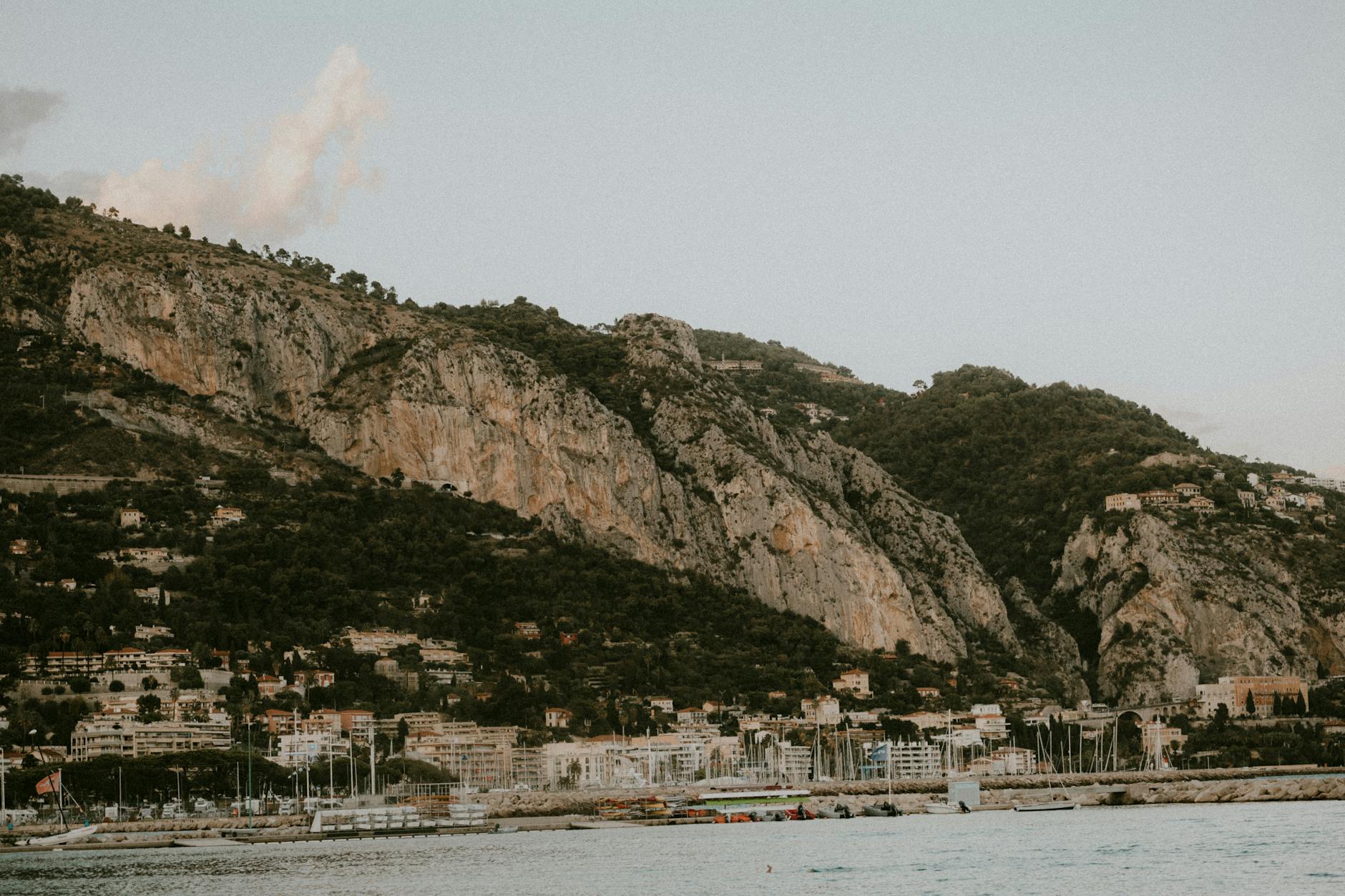
Nice is not a soft-sand beach destination, and the outdoor plan should reflect that. Pebbles, glare, heat, wind, waves, steep streets, stairs, rocky edges, and crowded waterfront areas all change the experience. A traveler should plan footwear, water, sun protection, valuables, swim timing, and emergency exits before treating the coast as effortless.
Heat is a real planning variable. A route that looks easy on a map may be punishing at midday in summer. Outdoor days should be timed around shade, hydration, transport, and realistic physical condition.
- Pack for pebbles, glare, heat, water access, stairs, wind, and rocky surfaces.
- Plan outdoor blocks around shade, hydration, and realistic summer effort.
- Know when to stop rather than forcing a scenic but uncomfortable route.
Be precise about transport to activity sites
Outdoor travelers often lose time on the connection, not the activity. Trailheads, coastal walks, guided pickup points, bike rentals, train stations, beach access points, and mountain routes should be mapped with actual schedules, not rough optimism. Regional movement may work well, but missed connections can consume the best part of the day.
If an activity requires a guide, shuttle, rental gear, or return transfer, the traveler should confirm the exact meeting point, cancellation policy, language, equipment, and what happens in bad weather. The plan should include a fallback activity that does not depend on the same fragile connection.
- Map trailheads, rental points, train stops, pickups, and return routes before arrival.
- Confirm guide language, gear, weather policy, meeting point, and cancellation rules.
- Keep a backup outdoor plan that works if the main transfer fails.
Match activities to ability, equipment, and insurance
Nice can tempt travelers to add adventure because the setting is beautiful. The traveler should still be honest about swimming ability, cycling confidence, hiking fitness, balance, heat tolerance, medical needs, and comfort with heights or water. A short trip is not the best place to discover that the activity level was misjudged.
Insurance and equipment should be checked before paid activities. Canyoning, cycling, water sports, mountain transport, rental damage, and guided outings may not be covered by ordinary assumptions. The traveler should know what is included, what is excluded, and what proof may be needed.
- Match each activity to real fitness, swimming ability, balance, and heat tolerance.
- Check insurance coverage for water sports, cycling, canyoning, rentals, and mountain activity.
- Confirm equipment quality, guide credentials, and medical disclosure requirements.
Protect recovery, food, and weather alternates
A good outdoor trip is not built from nonstop effort. Recovery time, simple meals, hydration, laundry, sleep, and low-effort evenings make the next day possible. Nice's restaurants and waterfront can help, but the traveler should avoid turning every evening into another activity after a demanding day.
Weather alternates should be chosen before the trip. Wind, heat, storms, rough water, trail closures, rail disruption, or wildfire risk can change outdoor plans. A strong itinerary has indoor, shaded, coastal-light, and low-energy alternatives that still feel worthwhile.
- Schedule meals, hydration, laundry, sleep, and low-effort evenings after demanding days.
- Choose weather alternates for wind, heat, rough water, storms, and transport disruption.
- Keep the trip enjoyable by cutting effort before the traveler is depleted.
When to order a short-term travel report
A traveler planning simple walks and flexible beach time may not need a custom Nice report. A report becomes useful when the trip includes guided activities, mountain movement, water sports, cycling, medical constraints, mobility concerns, expensive gear, a tight season window, or several regional outdoor locations.
The report should test hotel base, activity timing, heat exposure, coast and trail conditions, guide or rental logistics, insurance issues, transport, weather alternates, recovery blocks, medical fallback, and what to cut. The value is an outdoor trip that is ambitious without being brittle.
- Order when activities, guides, water, mountains, transport, insurance, or medical constraints need testing.
- Provide dates, hotel options, activities, fitness level, gear, medical needs, and budget.
- Use the report to keep the outdoor plan exciting and realistically executable.