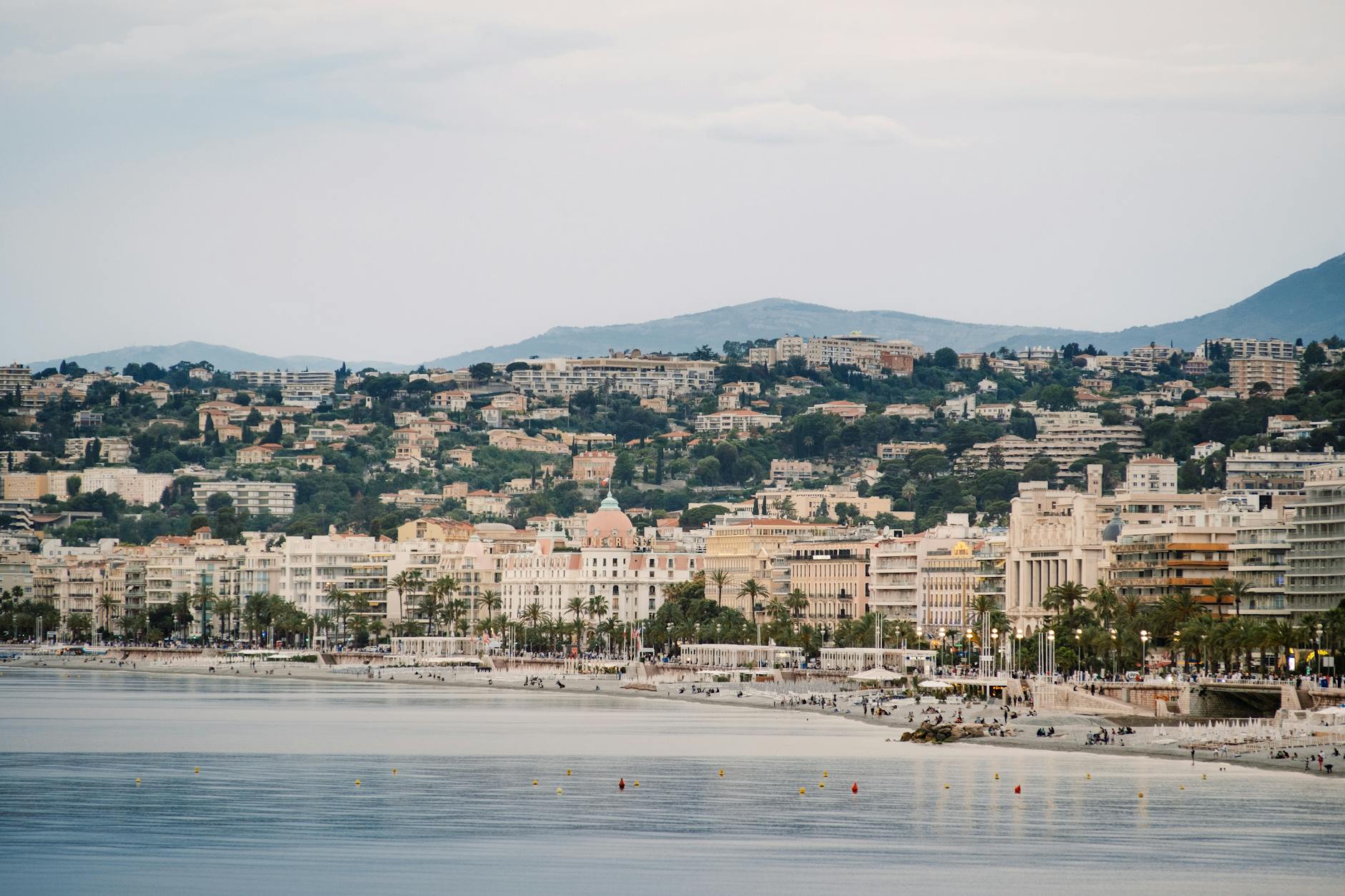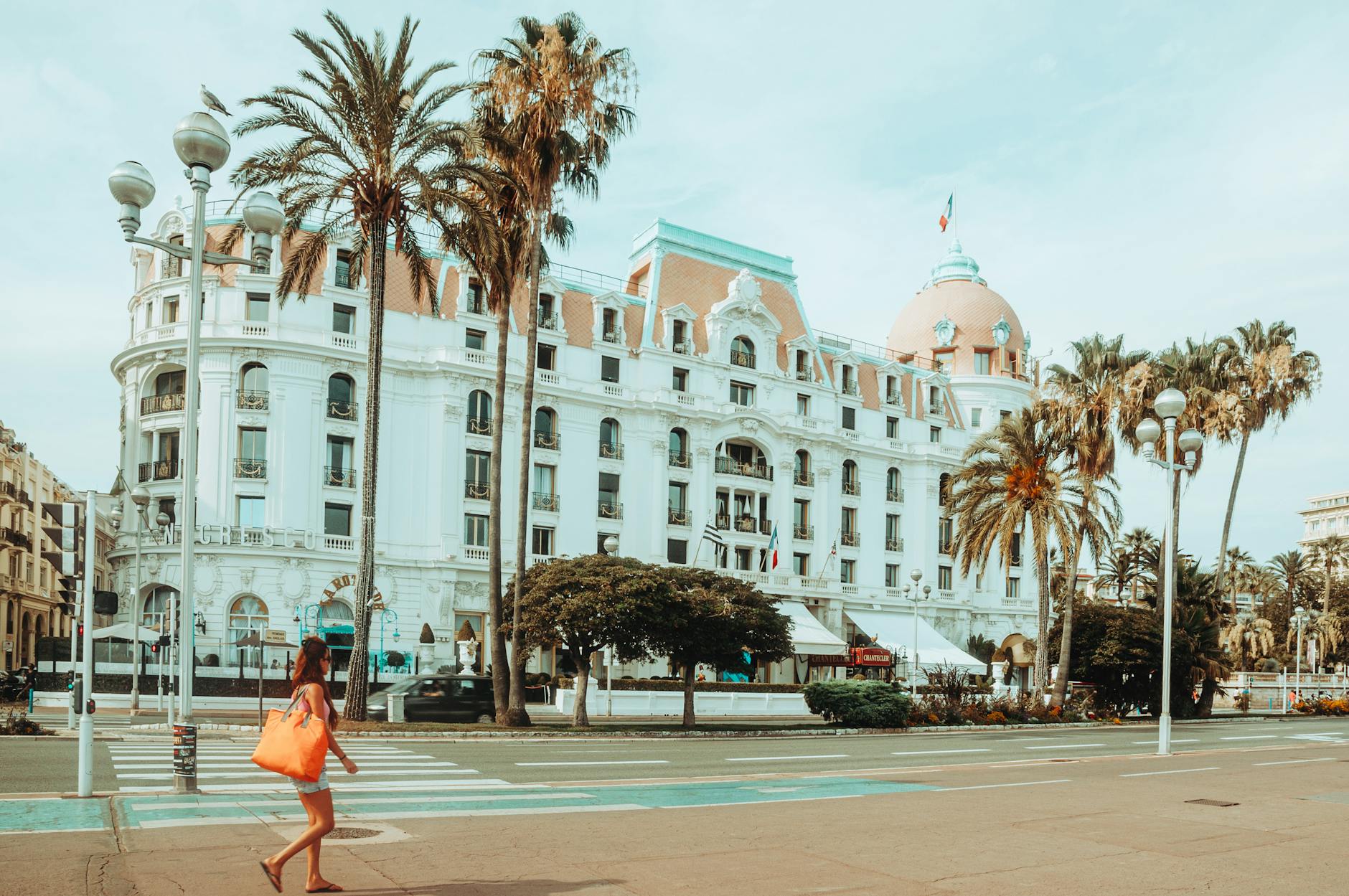
Nice can work very well for an academic conference because the airport is close, the city has strong hotel infrastructure, and the setting gives visiting scholars a memorable backdrop. That convenience can still create false confidence. A conference attendee may need to move between the airport, a university site, hotel meeting rooms, a seafront venue, the Acropolis area, Old Nice, receptions, dinners, and side meetings with colleagues. The trip should be planned around the conference program first. Presentation time, registration, poster setup, networking obligations, jet lag, local transport, and recovery windows matter more than the idea of a Riviera break. A good Nice plan lets the attendee participate fully without pretending every coastal possibility belongs in the same short trip.
Confirm the real conference geography
Nice conference travel should start with the exact address, not the city name. A meeting at a seafront hotel, university site, cultural venue, airport-area hotel, or regional campus can produce very different daily movement. The attendee should map registration, session rooms, poster areas, receptions, dinners, and any off-site workshops before choosing where to sleep.
This matters because Nice can feel compact in theory while still asking the traveler to cross busy streets, use tram connections, wait for taxis, or walk longer than expected in heat. The conference day is easier when the first movement of the morning is known and repeatable.
- Confirm the exact venue, registration point, reception site, and off-site events.
- Choose the hotel after mapping the first session and last obligation each day.
- Do not assume every Nice address is equally convenient from the same base.
Choose lodging around the conference day
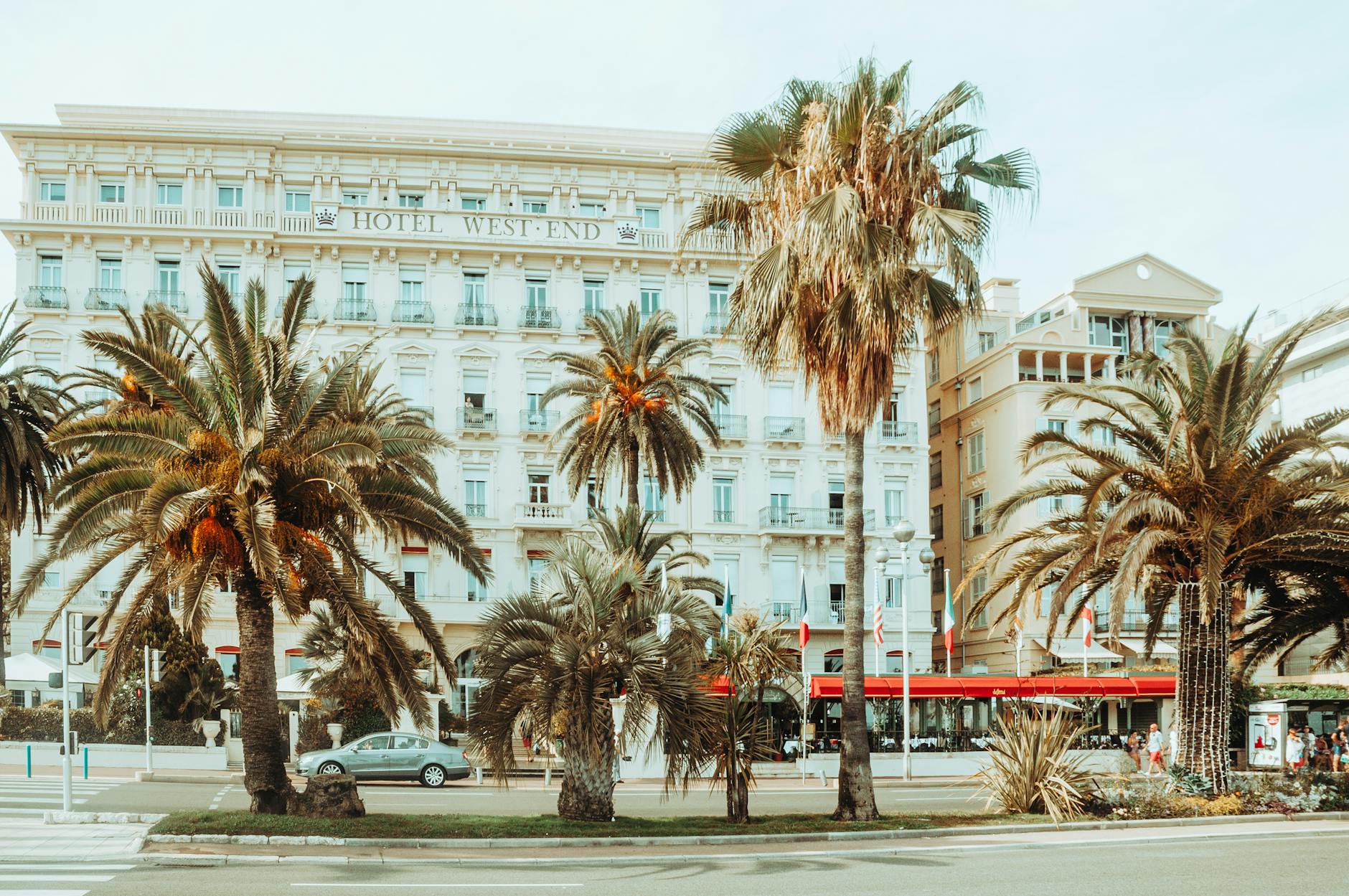
A conference hotel should be judged by the attendee's working rhythm. Early breakfast, reliable Wi-Fi, quiet space for calls, desk setup, elevator access, luggage storage, laundry, late arrival handling, and a predictable route to the venue can matter more than a sea view. If the attendee is presenting, chairing, or managing a poster, the room must support preparation and sleep.
Nice gives the traveler several lodging patterns: seafront hotels, old-town character, station access, airport convenience, and event hotels. The right option is the one that lowers friction on the most demanding conference day.
- Check Wi-Fi, desk setup, quiet, breakfast timing, elevators, and luggage storage.
- Prioritize the route to the most important conference day over scenery.
- Avoid lodging that adds a stressful commute before a presentation or panel.
Protect presentation and registration timing
The academic attendee should build the itinerary around fixed professional moments: registration, badge pickup, session start, technology checks, poster setup, speaker preparation, chairing duties, and meetings with collaborators. A delayed flight, late hotel check-in, or optimistic first morning can damage the whole purpose of the trip.
Slides, adapters, poster tubes, chargers, backup files, and printed material should be treated as operational items. The traveler should know what travels in hand luggage, what can be duplicated, and what must be checked before leaving the hotel.
- Add protected time for badge pickup, room finding, technology checks, and setup.
- Carry critical presentation materials and backups in a controlled way.
- Avoid scheduling arrival so tightly that a small delay threatens the academic purpose.
Use transport deliberately
Nice's tram and airport links can make conference travel efficient, but the attendee should still decide when transit is appropriate and when a taxi is worth the cost. Luggage, poster materials, formal clothing, rain, heat, early sessions, late receptions, and unfamiliar exits can change the best answer.
If the conference includes Monaco, Cannes, Antibes, or another Riviera site, that movement should be planned as a separate transfer rather than a casual extension. A regional train or car route can be simple, but not when it is squeezed between academic obligations.
- Use tram routes when they fit the venue, luggage, and timing.
- Reserve taxis or transfers for early, late, formal, or equipment-heavy movements.
- Treat Monaco, Cannes, and Antibes events as separate transfer plans.
Plan networking without losing recovery
Academic conferences can fill evenings quickly. A reception, dinner, informal drink, publisher meeting, or collaborator catch-up may be valuable, but Nice's restaurant and waterfront setting can stretch the day later than intended. The attendee should decide which social commitments are professionally useful and which ones only add fatigue.
Meal planning should account for reservations, dietary needs, noise level, walking route, payment expectations, and the next morning's first session. A good dinner can strengthen the trip; an uncontrolled dinner can weaken the next day.
- Separate essential networking from optional social pressure.
- Plan reservations, dietary needs, noise, cost, and return route before the day gets busy.
- Protect sleep before presentations, panels, and early sessions.
Keep Riviera add-ons realistic
Nice tempts conference attendees into adding beach time, Old Nice, Castle Hill, Monaco, Cannes, Antibes, museums, or a coastal dinner. Some additions make the trip richer, but they should not compete with the conference itself. The best short itinerary usually includes one or two strong local experiences rather than a rushed regional sweep.
The attendee should identify which free blocks are genuinely free. A two-hour gap between sessions is not the same as a free afternoon, and an evening after a presentation may be better used for a calm meal than a train trip.
- Choose a small number of realistic Nice or Riviera add-ons.
- Do not treat short session gaps as sightseeing windows.
- Save regional excursions for protected free time, not fragile conference days.
When to order a short-term travel report
An academic conference attendee with an included conference hotel and a simple schedule may not need a custom Nice report. A report becomes useful when the attendee is choosing between hotels, arriving close to registration, presenting early, carrying posters or equipment, linking Nice with another Riviera city, adding meetings, or trying to preserve leisure time without damaging the professional purpose.
The report should test venue geography, arrival timing, lodging choice, tram and taxi routes, meal zones, networking obligations, presentation logistics, recovery time, and what to cut. The value is a Nice conference trip that supports the academic work instead of distracting from it.
- Order when venue logistics, hotel choice, presentation timing, or add-ons need testing.
- Provide the program schedule, venue addresses, hotel options, flights, and constraints.
- Use the report to protect the academic purpose while still using the destination well.