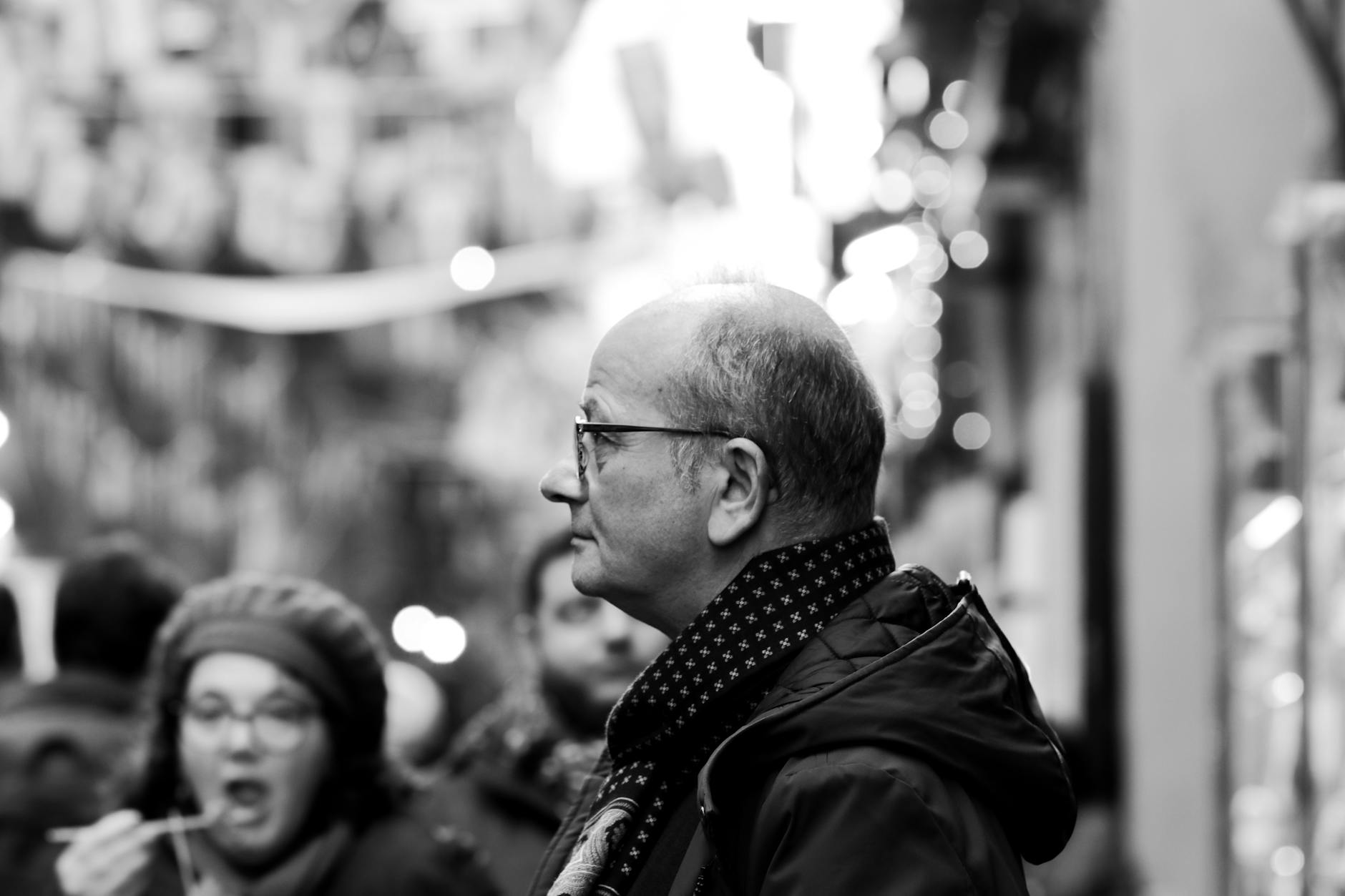
A volunteer or NGO trip to Naples is not just a low-cost city break with a service component. The traveler may be working with a local partner, faith group, school, clinic, community project, food initiative, migrant-support organization, environmental group, university program, or disaster-response adjacent effort. The trip can be meaningful, but only if the traveler understands who is responsible for what before arrival. Naples is dense, human, and highly local. A short-term volunteer should be careful about assuming that good intentions solve practical problems. The plan should clarify the host organization, neighborhood expectations, housing, daily movement, health needs, documentation, communications, and how to use free time without weakening the purpose of the trip.
Anchor the trip to a real host organization
The first question is not where the traveler wants to stay. It is who is receiving them, what work is actually needed, what supervision exists, and what the traveler is qualified to do. A credible short-term volunteer trip should have a named host, clear contact, arrival instructions, work schedule, emergency process, and limits on independent activity.
The traveler should understand whether they are serving, observing, training, fundraising, delivering materials, attending meetings, or joining a structured program. Those are different trips. Naples will be easier to navigate when the traveler knows the purpose before adding sightseeing or extra meetings.
- Confirm the host organization, local contact, work schedule, and supervision.
- Clarify whether the trip is service, observation, training, delivery, or meetings.
- Avoid independent volunteer activity that has not been requested by a local partner.
Choose housing for the workday, not just price
Volunteer and NGO travelers often try to reduce lodging costs. That is reasonable, but the cheapest base can create problems if it is far from the host site, difficult to reach after dark, weak on sleep, or poorly suited for group coordination. The traveler should evaluate the route to the project, building access, nearby food, laundry, pharmacy access, phone signal, and whether the host recommends or discourages specific areas.
If the traveler is part of a group, lodging should also support accountability. Meeting points, curfews, roommate expectations, bag storage, and return routes should be decided before the first workday.
- Evaluate lodging by route reliability, sleep, food, laundry, pharmacy access, and host guidance.
- Do not let a low nightly rate create daily transport and coordination problems.
- For groups, clarify meeting points, return rules, and shared-room expectations.
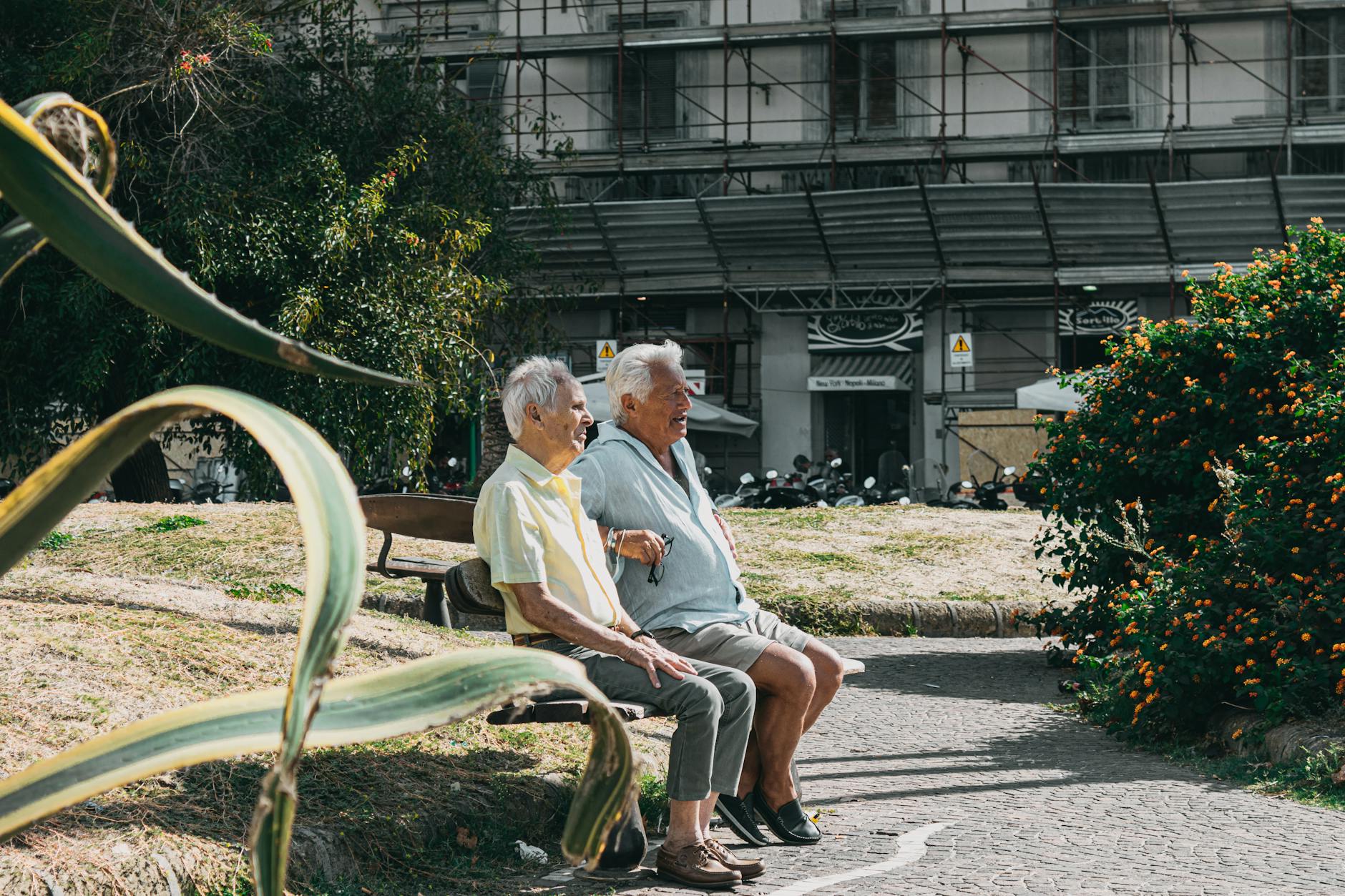
Plan daily movement with local context
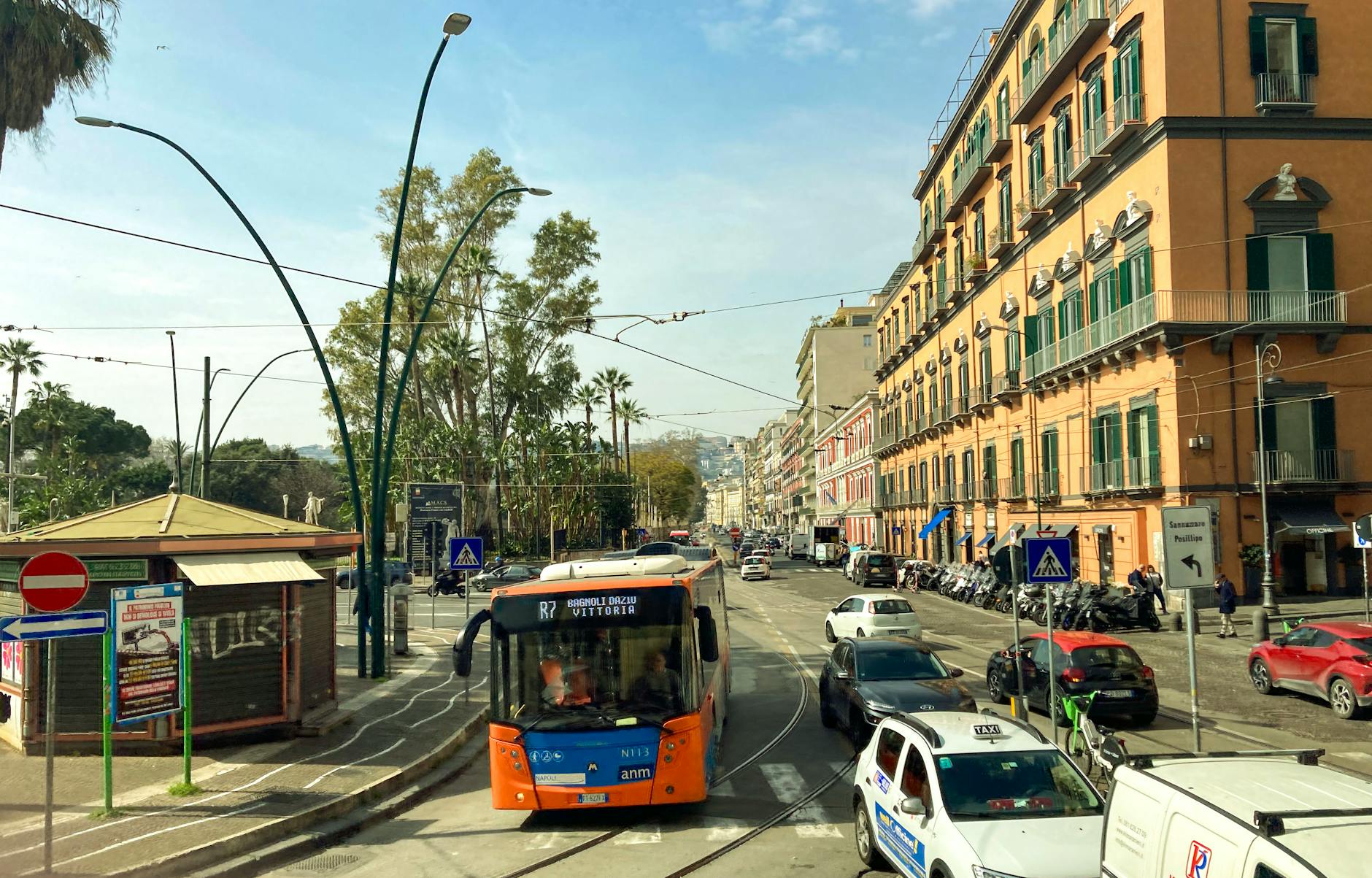
A volunteer may travel between housing, a partner office, a neighborhood site, a church, a school, a clinic, a market, a port area, or a meeting with local staff. The route should be tested for time of day, hills, crowded sidewalks, transit practicality, taxi availability, and whether the traveler will be carrying supplies or documents.
Naples is not a city where every useful place sits on a simple visitor corridor. The traveler should know when to move with the host, when to use a taxi, when walking is fine, and when independent movement would create unnecessary strain.
- Map housing, partner offices, project sites, meeting points, and backup routes.
- Account for supplies, documents, group size, hills, heat, and time of day.
- Follow local partner guidance about when to travel independently.
Respect community boundaries
Short-term service travel can create awkward moments when visitors treat communities as content or problems to solve. A Naples volunteer should understand what can be photographed, who can be named, whether social media is appropriate, and how the host organization wants visitors to talk about the work. The traveler should not assume that a meaningful experience belongs online.
The same applies to gifts, donations, interviews, religious activity, and offers of help. Local partners may have reasons for rules that are not obvious to a visitor. Respecting those rules is part of being useful.
- Ask before photographing people, sites, children, materials, or partner activities.
- Follow local guidance around donations, gifts, interviews, and social posts.
- Avoid turning community work into personal branding.
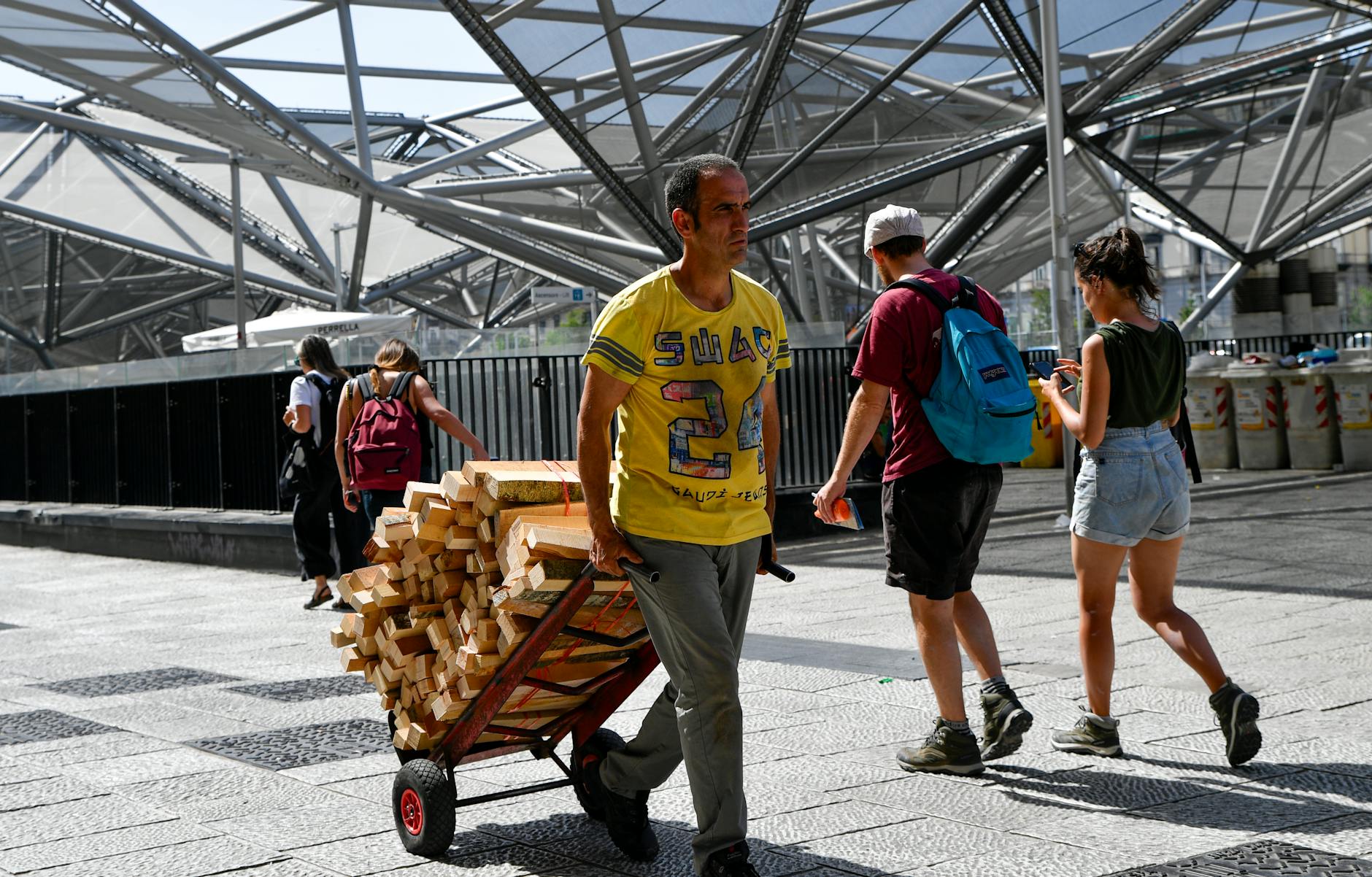
Protect health, documents, and communication
Volunteer trips can involve long days, irregular meals, heat, stairs, public transit, group movement, and emotional fatigue. The traveler should plan medications, prescriptions, allergies, hydration, comfortable shoes, insurance, emergency contacts, and pharmacy access. If the work involves food, children, health settings, or vulnerable groups, required documents or clearances should be handled before travel.
Communication should be simple: host contact, housing address, emergency number, group lead, family contact, and a working phone plan. Confusion becomes harder to solve when the traveler is tired or moving between unfamiliar sites.
- Plan medications, insurance, allergies, hydration, shoes, and pharmacy access.
- Confirm any host-required documents, clearances, training, or identification.
- Keep host, housing, emergency, and group contacts available offline.
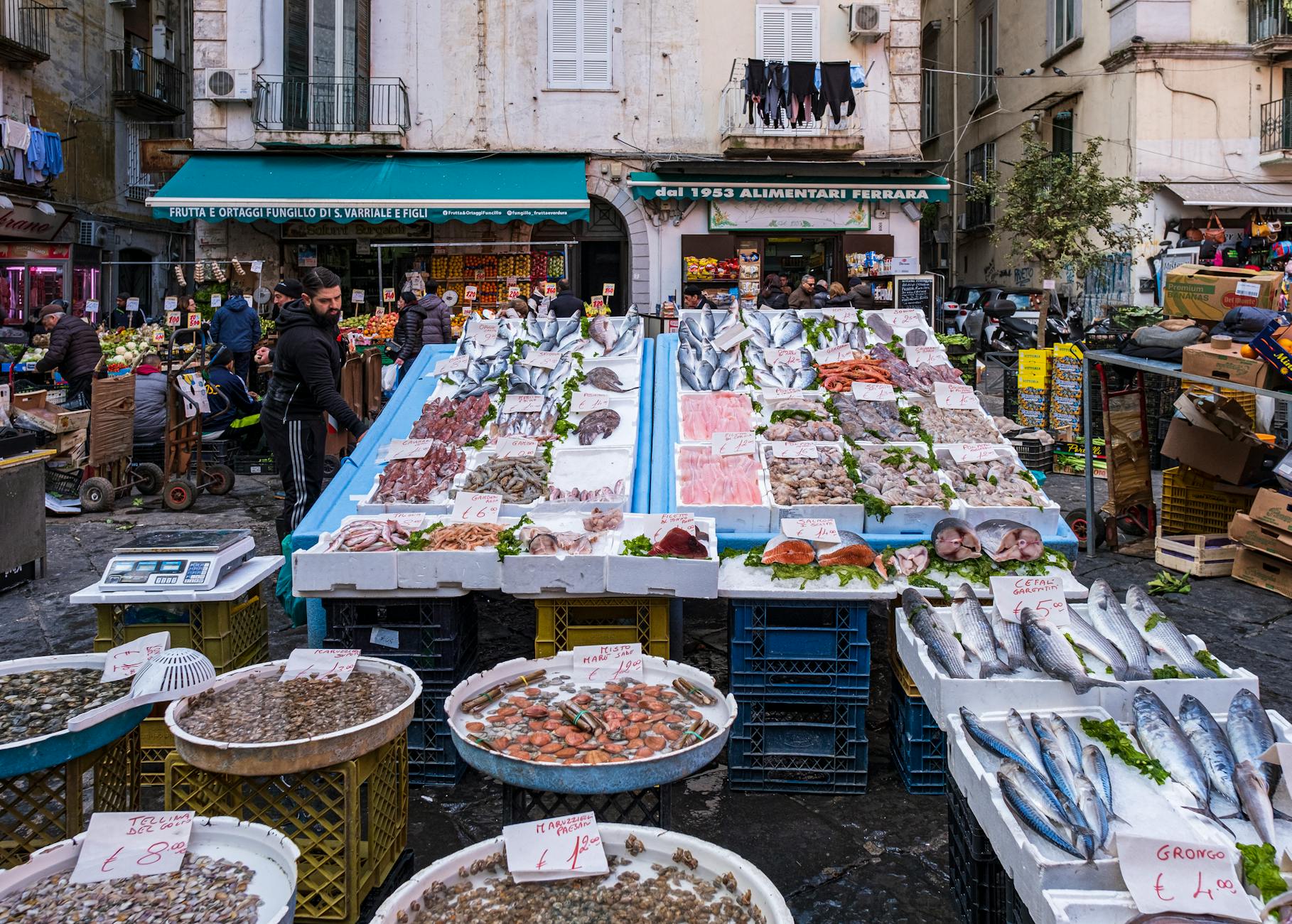
Use free time without pulling the trip off mission
A volunteer may want to see Pompeii, the waterfront, the islands, a museum, or the historic center. That is reasonable, but free time should not compromise the host schedule, group safety, rest, or the emotional weight of the work. A tired traveler who misses a morning or ignores group rules becomes less useful.
The best approach is to protect small, realistic experiences during workdays and save larger regional outings for a free day. Naples has enough food, views, churches, streets, and waterfront time that the traveler does not need to force every major excursion into a short service trip.
- Separate workday free time from protected excursion days.
- Avoid late returns or long outings before early service obligations.
- Choose Naples experiences that fit the group's energy and host schedule.
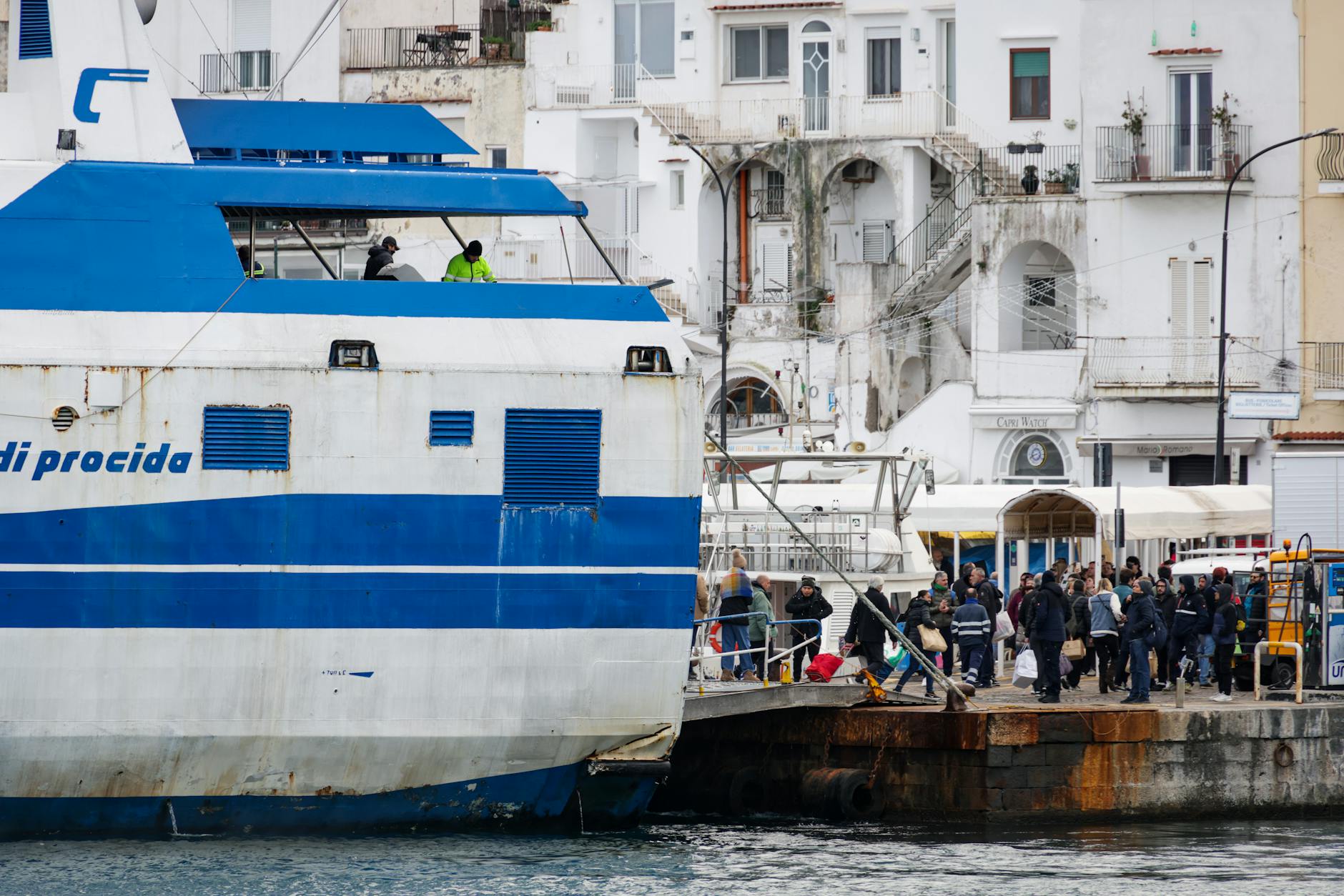
When to order a short-term travel report
A volunteer on a fully managed trip with known housing, transfers, supervision, and host support may not need a custom Naples report. A report becomes useful when the traveler is choosing housing, arriving independently, moving between sites, carrying supplies, managing medical needs, coordinating a group, adding Pompeii or the islands, or trying to understand whether the itinerary respects the local partner's reality.
The report should test host-site routes, lodging practicality, arrival timing, health and documentation needs, communications, group movement, free-time options, and what to cut. The value is a Naples volunteer trip that is useful, respectful, and less dependent on improvisation.
- Order when housing, routes, health, documents, group movement, or free time need review.
- Provide host details, project sites, housing options, arrival plan, constraints, and schedule.
- Use the report to support the local purpose instead of creating avoidable burden.