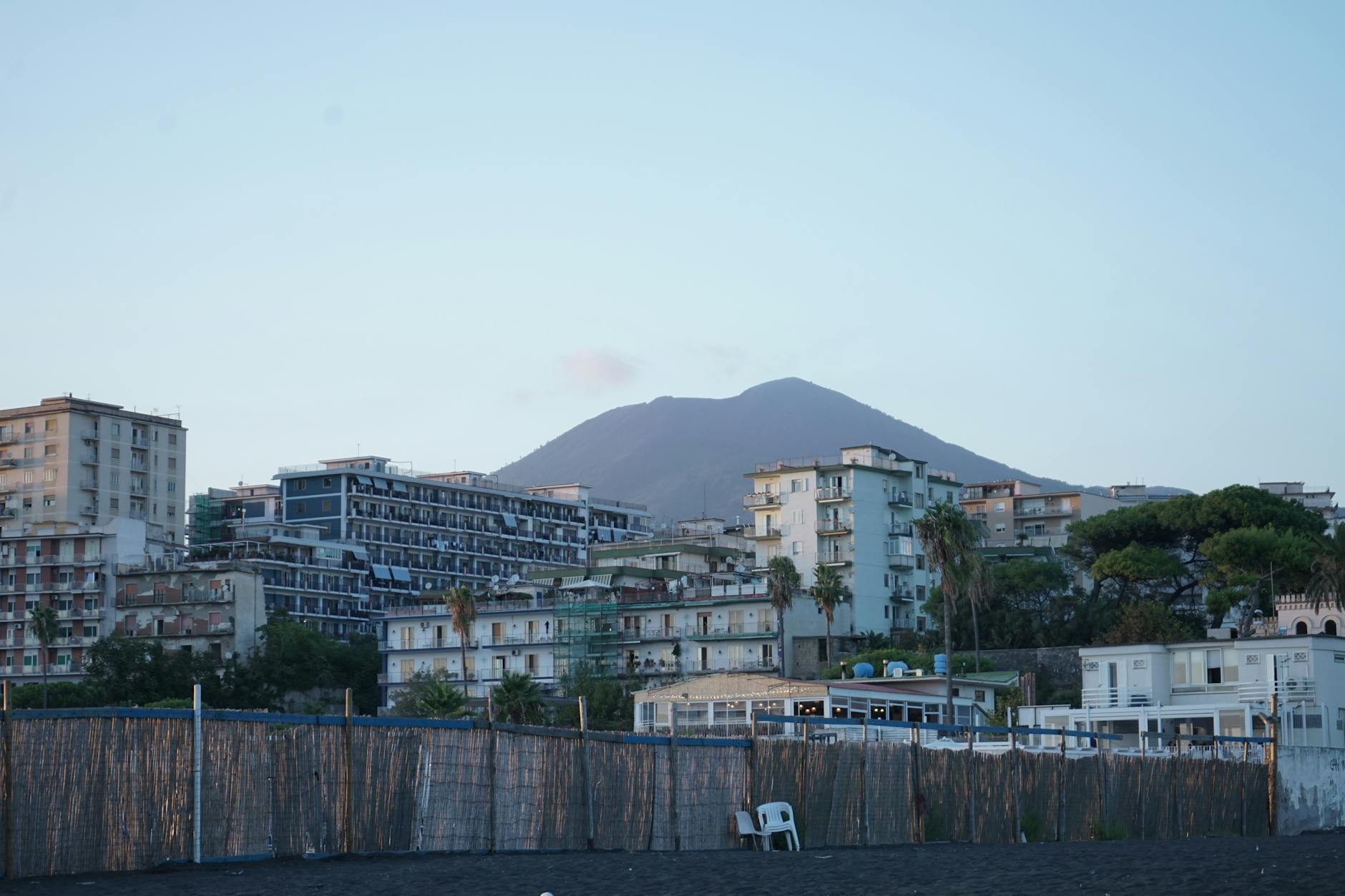
Naples can be rewarding for travelers with mobility limitations, but it is not a city to approach casually. The same qualities that make Naples vivid can create friction: uneven paving, stairs, hills, narrow sidewalks, scooters, crowded streets, older buildings, station complexity, heat, and day trips with exposed walking. A good trip depends on choosing the version of Naples that the traveler can actually use. This does not mean avoiding the city. It means making access the first planning question rather than the cleanup problem after hotels and attractions are already chosen. The right Naples plan can still include views, food, waterfront time, selected museums, and regional highlights, but it needs fewer assumptions and more address-level judgment.
Start with the exact building
For travelers with mobility limitations, Naples lodging should be assessed at the building level. The neighborhood name is not enough. The traveler needs to know whether there are entrance steps, how reliable the elevator is, whether the room floor is accessible, how the bathroom is configured, whether taxis can stop nearby, and whether the route from the street to the room is manageable after a long day.
Many Naples stays are in older buildings where charm and access do not always align. A slightly less atmospheric hotel with a clear entrance, elevator, front desk, taxi access, and nearby food can be a better choice than a beautiful apartment reached by stairs or a difficult lane.
- Confirm entrance steps, elevator reliability, room access, bathroom layout, and taxi pickup.
- Prioritize front-desk support and nearby meals when movement is limited.
- Do not rely on neighborhood labels when the building itself may be the problem.

Choose routes for surfaces, not only distance
A short route on a map may still be difficult in Naples. Uneven paving, steep streets, narrow sidewalks, curb cuts, scooters, parked vehicles, crowds, and stairs can make distance misleading. The traveler should evaluate how a route feels underfoot or with a cane, brace, rollator, wheelchair, stroller, or fatigue limitation.
This is where a waterfront route, piazza, taxi-supported stop, or one carefully chosen museum may outperform a dense historic-center sequence. The goal is not to remove walking completely. It is to spend the traveler's movement budget where the experience is worth the cost.
- Assess routes by surface, slope, stairs, crowds, and curb conditions.
- Use waterfront, piazza, and taxi-supported routes when they preserve energy.
- Treat movement capacity as a limited resource to spend deliberately.

Make arrival and departure low-risk
Arrival through the airport, Napoli Centrale, the ferry port, or a cruise terminal should be planned before travel. A mobility-limited traveler should not have to work out stairs, taxis, payment, luggage, and hotel access while tired and exposed to the city's first burst of traffic and noise. The first transfer should be the simplest movement of the trip.
Departure matters too. A hotel that works on arrival may not work if the traveler has an early train, heavy bags, rain, or reduced energy after several days. A planned taxi or transfer can be cheaper than losing control of the final morning.
- Preplan airport, rail, ferry, or cruise-terminal transfers.
- Account for luggage, stairs, curb distance, and early or late timing.
- Keep departure movement as simple as arrival movement.
Use taxis and transit selectively
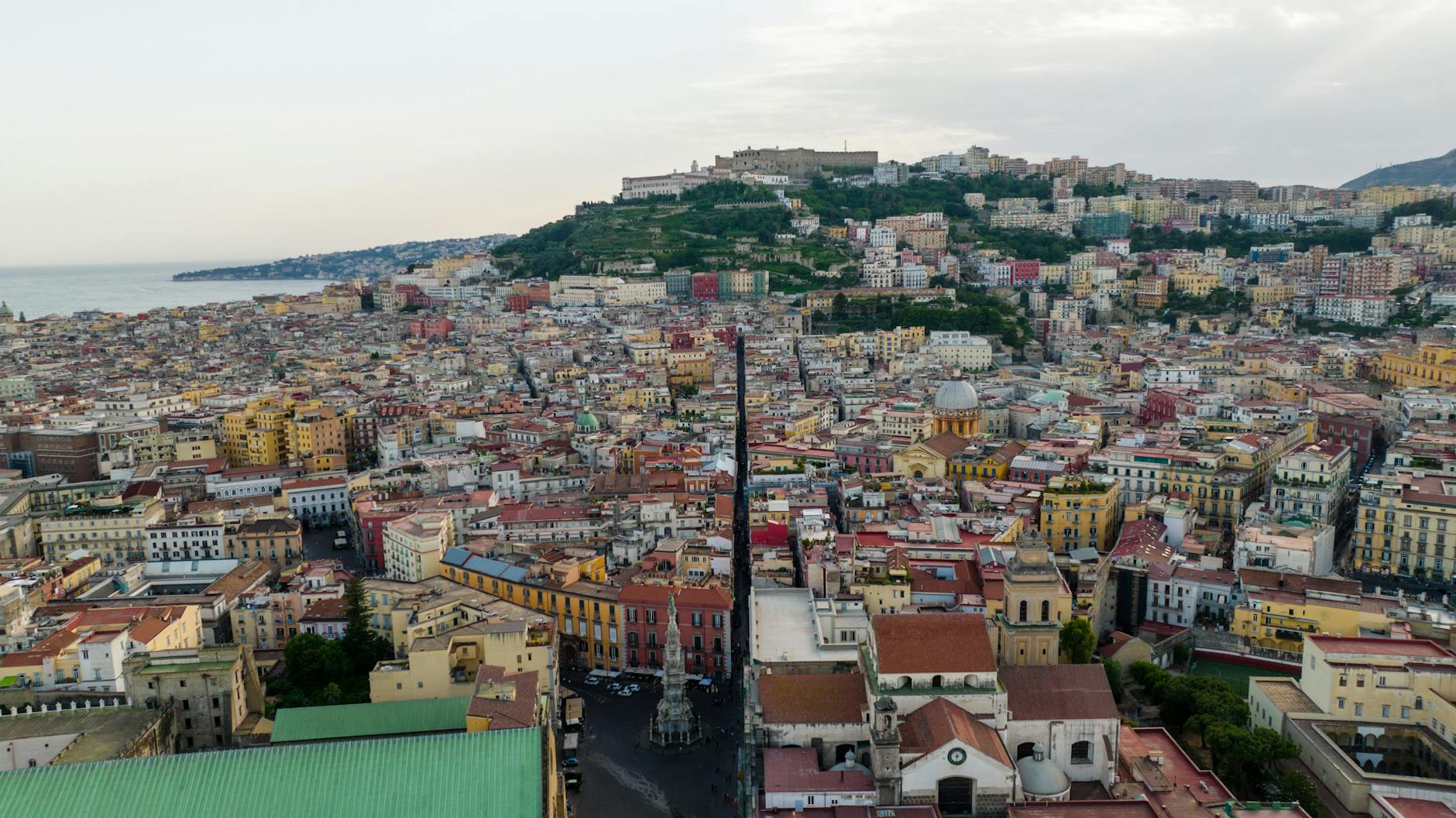
Public transport in Naples may be useful for some travelers and impractical for others. The question is not whether a station exists near the route, but how the traveler gets into it, moves through it, exits it, and handles crowds or outages. A transit plan that depends on multiple stairs or long station corridors may not be a real plan for this traveler.
Taxis or arranged transfers may be worth using for arrival, evening returns, hillier sections, or days when the traveler wants to spend energy at the destination rather than on the journey. The best plan usually mixes walking, taxis, and limited transit rather than treating one mode as morally superior.
- Check station access, stairs, walking distance, crowds, and backup options.
- Use taxis or transfers when they protect the purpose of the day.
- Avoid making every movement depend on the cheapest or most complicated route.

Be careful with Pompeii, Vesuvius, and the coast
Regional highlights need close scrutiny. Pompeii and Herculaneum can involve uneven ancient surfaces, heat, limited shade, and long standing time. Vesuvius adds slope and exposure. Capri, Procida, Sorrento, and the Amalfi Coast introduce ferries, steps, dock movement, crowds, and return timing. A famous add-on is not automatically a good match.
The traveler may still choose one major excursion, but it should be designed around mobility: earlier starts, shorter routes, private transport, guides who understand limitations, cooler weather, and a clear permission to stop early. A trip that preserves dignity is better than one that proves endurance.
- Test each excursion for surfaces, stairs, heat, bathrooms, transfers, and exits.
- Use guides, drivers, shorter routes, or cooler timing when needed.
- Choose one realistic outing instead of several famous but punishing ones.
Plan food, bathrooms, shade, and recovery time
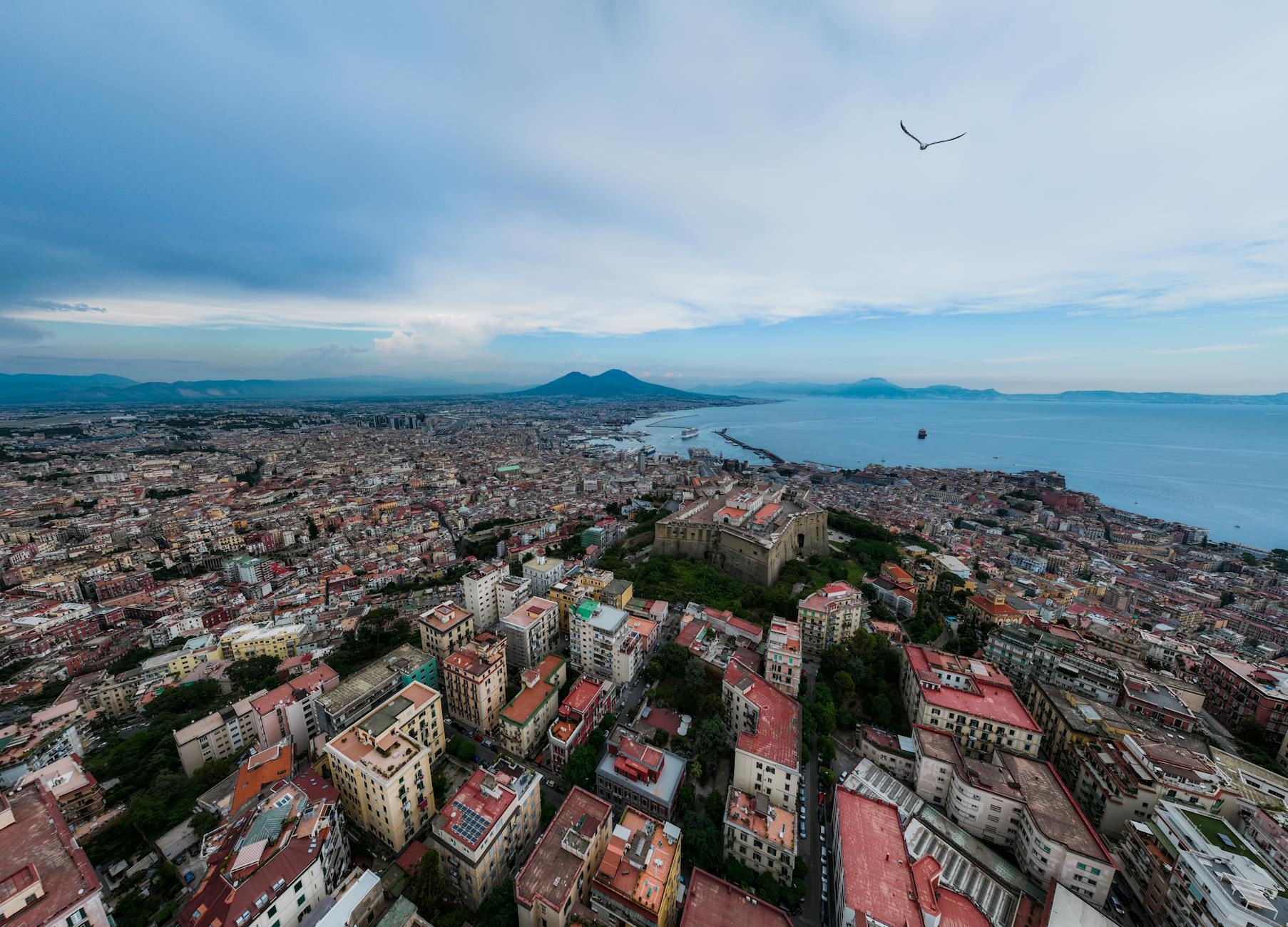
Mobility planning is not only about walking. Meals, bathrooms, shade, sitting opportunities, hydration, medication timing, and recovery blocks can determine whether the day works. A traveler should know where practical food is near the route and avoid long waits at famous places when standing or heat would make the wait costly.
Bathrooms should be treated as part of route design. So should rest. A Naples day that looks modest on paper may still require a hotel break, taxi return, or a simplified evening. The better plan allows the traveler to recover before the day becomes difficult.
- Build in meals, bathrooms, shade, hydration, and sitting opportunities.
- Avoid long food waits when standing, heat, or fatigue are likely issues.
- Use hotel breaks and shorter evenings as planned tools, not failures.
When to order a short-term travel report
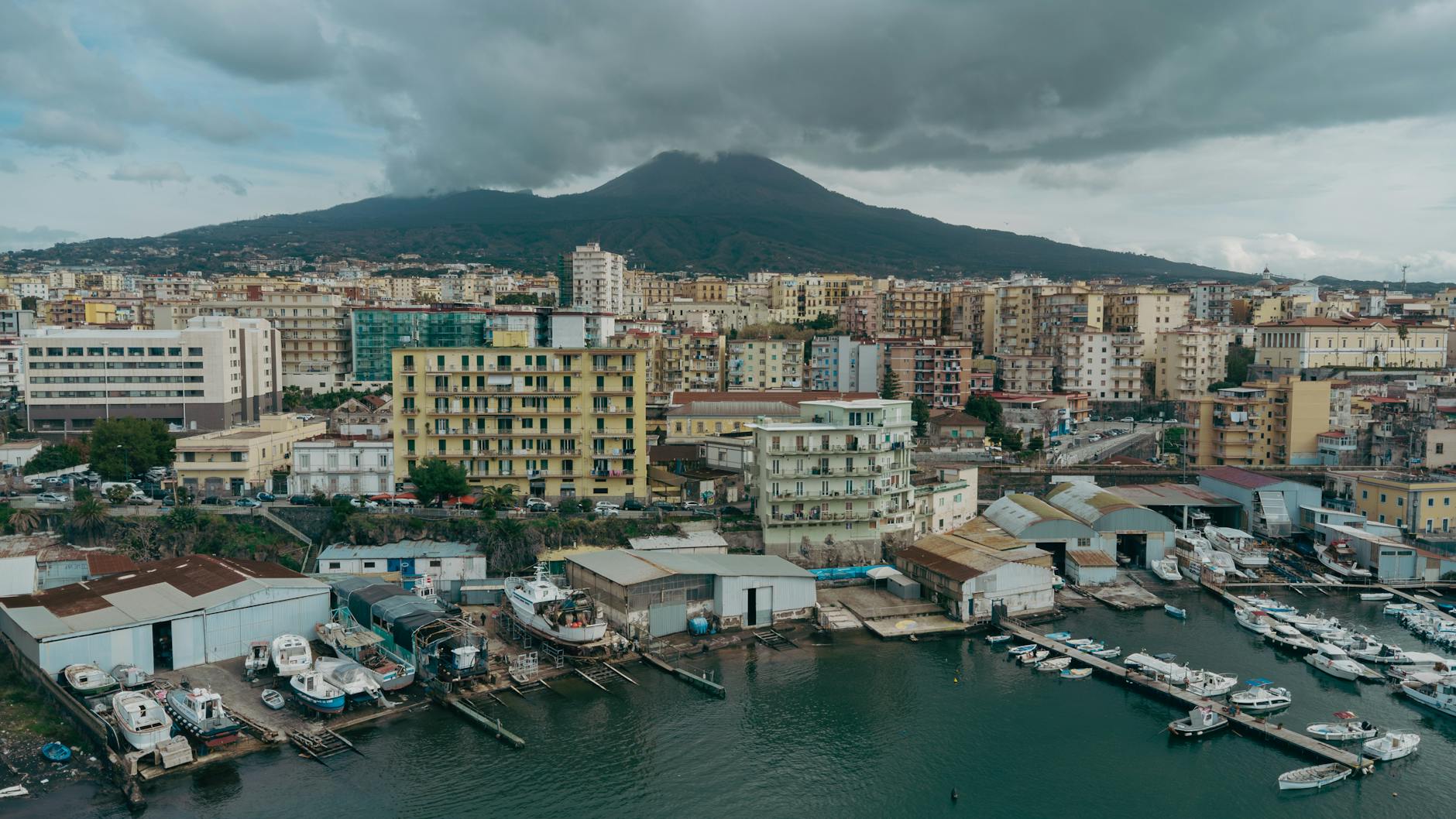
A traveler with mild limitations, a familiar hotel, and a simple waterfront plan may not need a custom Naples report. A report becomes useful when lodging access is uncertain, mobility aids are involved, stairs or surfaces are a concern, day trips are planned, the traveler is arriving late, or the group includes people with different walking speeds.
The report should test hotel access, arrival, route surfaces, taxi use, transit practicality, meal and bathroom anchors, heat, day-trip feasibility, and what to cut. The value is a Naples trip that gives the traveler real options instead of pretending access will work itself out.
- Order when lodging access, stairs, surfaces, taxis, transit, or day trips need testing.
- Provide mobility details, hotel options, arrival times, must-see places, and walking limits.
- Use the report to shape a Naples trip around actual movement capacity.