
Naples can work for travelers with medical constraints, but it is not a city where the traveler should rely on a vague hope that everything will be easy. The terrain, heat, stairs, scooters, dense streets, older buildings, crowded transit, meal timing, and long day trips can all interact with a condition that is otherwise manageable at home. This article is not medical advice. A traveler should follow clinician guidance and verify current local options before departure. The travel-planning issue is different: whether the Naples itinerary, lodging, transport, food rhythm, and backup plan are structured enough that a medical constraint does not turn every day into a stress test.
Start with the lodging, not the itinerary
For a traveler with medical constraints, the Naples base should be assessed before the sightseeing plan. The exact entrance, elevator reliability, room access, bathroom setup, air conditioning, noise, nearby food, nearby pharmacy, vehicle pickup, and route from arrival points can matter more than being close to a famous attraction. A beautiful stay that requires stairs or difficult returns may be the wrong stay.
The traveler should also consider whether the hotel can support rest days, cooling breaks, medication storage, early breakfast, room service, or taxi pickup when energy changes. A short-term Naples visit is easier when the base functions as a recovery point rather than merely a place to sleep.
- Check elevator access, room layout, bathroom setup, air conditioning, and vehicle pickup.
- Confirm nearby food, pharmacy options, and a simple return route.
- Choose a base that can support rest and recovery during the trip.

Protect medication and treatment continuity
Medication and treatment continuity should be planned before travel. The traveler should carry medicines in appropriate packaging, keep essential supplies in carry-on luggage, understand timing changes, bring documentation when needed, and know what cannot be easily replaced locally. If refrigeration, devices, dietary timing, or specialist contact matters, those details should be built into the trip structure.
It is also worth identifying nearby pharmacies, urgent-care possibilities, and hospital options before departure, then verifying current details close to travel. Naples has urban medical resources, but a visitor should not wait until a problem occurs to figure out language, location, opening hours, insurance process, or transport.
- Carry essential medication and supplies in a controlled, accessible way.
- Plan for refrigeration, devices, documentation, timing changes, or specialist contact if relevant.
- Identify and verify pharmacies, clinics, and emergency options before departure.
Treat heat, hills, and surfaces as real variables
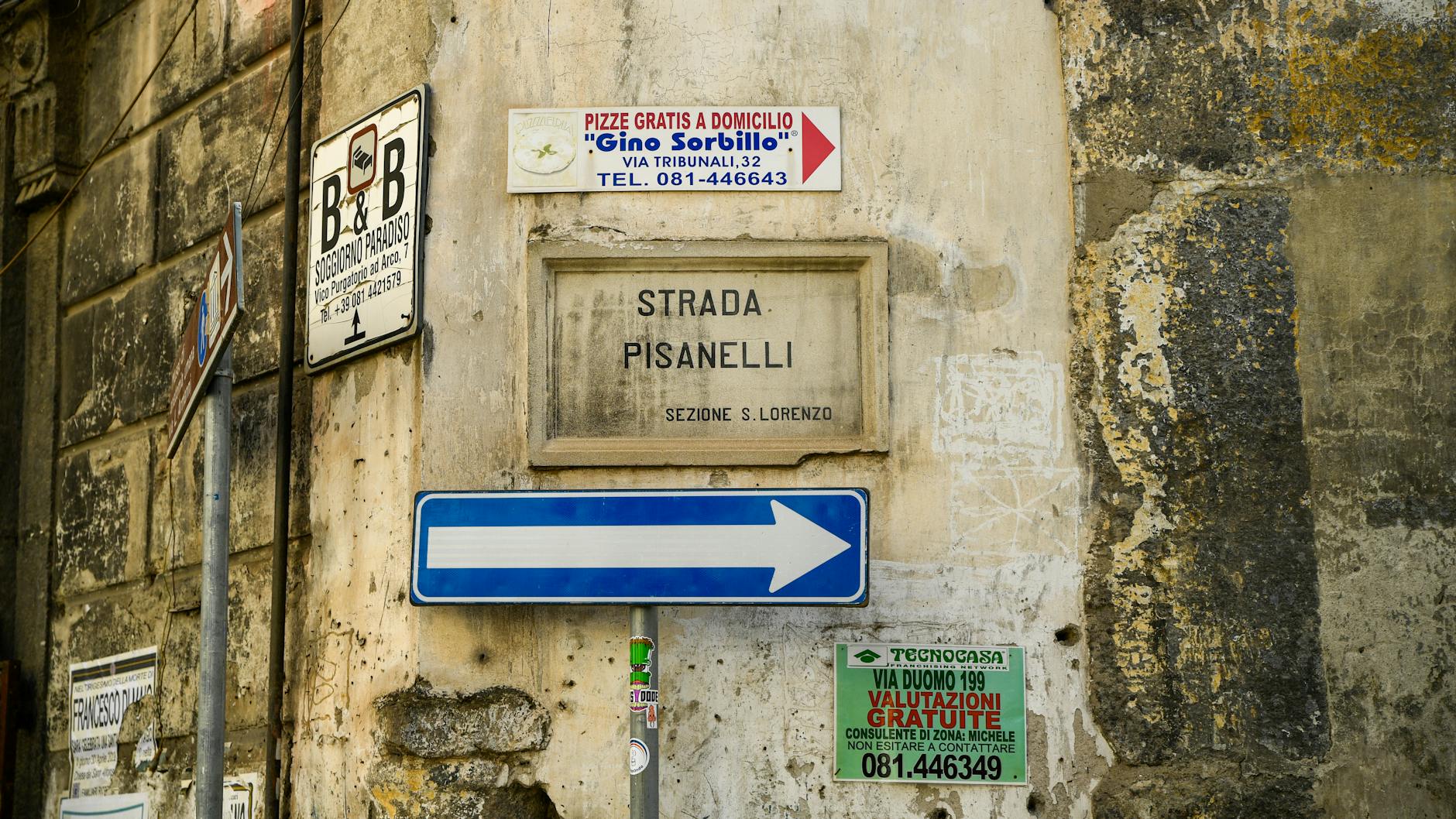
Naples can involve uneven paving, stairs, steep streets, dense sidewalks, scooter traffic, sun exposure, and long standing time. For some travelers, these are minor inconveniences. For others, they can affect symptoms, pain, fatigue, breathing, balance, hydration, or medication routines. The itinerary should be built around the least forgiving traveler, not the most ambitious version of the plan.
A practical day may pair one demanding block with one easy block, use taxis more often, schedule indoor cooling periods, and avoid long cross-city walks. Heat-sensitive travelers should be especially cautious about mid-day plans, exposed ruins, and long waterfront or hill routes without shade and water.
- Account for stairs, uneven paving, hills, scooters, crowds, and standing time.
- Use taxis, breaks, shade, and indoor stops when symptoms or fatigue could worsen.
- Avoid exposed mid-day plans when heat is likely to affect the traveler.

Keep food and hydration routines realistic
Naples is strongly food-driven, but travelers with medical constraints should not let famous meals override their routines. Timing, portion size, salt, sugar, alcohol, caffeine, allergens, digestive tolerance, and hydration may need attention. A traveler may still enjoy pizza, pastries, seafood, coffee, and long meals, but the day should include safe fallbacks and predictable timing.
The most useful plan identifies meals near the actual route, grocery or pharmacy stops if needed, and backup options near the hotel. This avoids the common problem of pushing too long, getting tired or hungry, and then making a poor choice because the famous place is crowded or the group has crossed into an inconvenient part of town.
- Build meals around the traveler's timing, hydration, allergens, and tolerance needs.
- Keep backup food options near the route and hotel.
- Avoid letting famous food stops disrupt medical routines or energy management.

Make transport less fragile
A traveler with medical constraints should avoid a Naples plan that depends on perfect transport timing. Airport transfer, rail arrival, ferry movement, taxis, station walking, and hotel pickup should all be evaluated for waiting time, walking distance, stairs, crowds, luggage, and the consequence of delays. A cheaper route may not be cheaper if it creates symptoms or recovery time.
For short stays, private transfers or taxis may be justified for arrival, departure, late returns, or excursion days. Public transport can still be useful, but the traveler should know where stations are, how much walking is involved, and what the backup is if the planned connection becomes too difficult.
- Assess transport by walking distance, stairs, crowds, waiting time, and luggage burden.
- Use taxis or transfers when they prevent medical strain or schedule risk.
- Keep a backup for late returns, ferry changes, and station-heavy days.

Be conservative with Pompeii, Vesuvius, and the coast
Nearby excursions can be the hardest part of a medical-constraints Naples trip. Pompeii, Herculaneum, Vesuvius, Capri, Sorrento, and the Amalfi Coast can involve heat, uneven surfaces, exposed walking, ferries, stairs, transfers, crowds, and limited opportunities to stop once committed. The traveler should choose one major outing at a time and design it around the constraint.
A guide, driver, earlier start, shorter route, cooler season, or decision to skip a famous add-on can be the difference between a good day and a medical setback. The goal is not to prove that every highlight is possible. The goal is to choose the version of Naples and the region that the traveler can actually enjoy.
- Test each excursion for heat, walking surfaces, bathrooms, transfers, and return timing.
- Choose one major outing at a time instead of stacking famous stops.
- Use guides, drivers, shorter routes, or cuts when they protect the traveler.

When to order a short-term travel report
A traveler with stable needs, a simple hotel, and local support may be able to plan Naples without a custom report. A report becomes useful when the traveler has medication timing, mobility limits, heat sensitivity, dietary restrictions, chronic pain, fatigue concerns, respiratory issues, medical devices, complex insurance needs, or day trips that could become difficult if conditions change.
The report should test lodging, arrival, pharmacies, clinic access, transport, route demands, meals, heat, bathrooms, day trips, rest periods, and fallback decisions. The value is not a medical judgment. It is a practical travel judgment about whether the itinerary respects the constraint instead of asking the traveler to absorb preventable risk.
- Order when medical routines, heat, food, mobility, excursions, or backup plans need close testing.
- Provide hotel options, conditions to account for, arrival details, medication needs, and planned outings.
- Use the report to make the trip practical without pretending the constraint does not exist.