
Naples is one of those cities where a tourist can have a remarkable trip and still feel overwhelmed if the plan is built only from famous names. Pizza, Pompeii, the historic center, churches, castles, the waterfront, Vesuvius views, and nearby islands all compete for time. The problem is not that Naples lacks things to do. The problem is that the city asks for more practical judgment than many short visitors expect. A strong tourist plan treats Naples as a real city, not only as a checklist. The traveler should decide where to stay, how to arrive, which routes are worth the intensity, when to eat, when to step back, and which regional add-ons genuinely fit the available time.
Choose a base before choosing every sight
A tourist's Naples base should be judged by arrival route, luggage handling, elevator access, nearby meals, evening return, and the routes the traveler will actually repeat. A short stay can be damaged by a hotel that looks central but creates friction every time the traveler leaves or comes back tired.
Some tourists will want the historic center for density and atmosphere. Others may be better served by the waterfront, Chiaia, or a more hotel-oriented address. The best choice depends on arrival time, mobility, day-trip plans, appetite for street intensity, and how much the traveler wants to walk after dinner.
- Evaluate the exact address, entrance, elevator, nearby food, and evening return.
- Match the base to arrival time, mobility, day trips, and walking tolerance.
- Choose convenience before romance when the stay is short.

Use the first day to read the city
Naples can feel fast on arrival. A tourist who immediately stacks the historic center, famous pizza, churches, waterfront, and a long evening may end the first day with noise rather than understanding. A better first day uses one or two strong anchors and leaves room to learn how streets, traffic, crowds, and meal timing feel.
This does not mean wasting time. Piazza del Plebiscito, the waterfront, Castel dell'Ovo, Galleria Umberto I, the historic center, or a focused food route can each provide a meaningful first impression. The key is to avoid making the first day carry the whole trip.
- Use one or two clear anchors instead of trying to do everything immediately.
- Leave space to understand street rhythm, crowds, food timing, and walking effort.
- Treat the first day as orientation as well as sightseeing.

Respect the historic center's intensity
The historic center is a major reason to visit Naples, but tourists should not treat it like an open-air museum with predictable movement. Narrow streets, scooters, crowds, shopfronts, churches, food stops, tour groups, and phone navigation all compete for attention. A traveler should know the route, step aside to check maps, and avoid carrying valuables loosely.
It helps to enter the historic center with a purpose: a church cluster, a food route, a museum, a walking tour, or a specific street sequence. Wandering can be rewarding, but it is better when the traveler still knows how to exit, where to eat, and how to return.
- Plan a route through dense streets instead of relying entirely on wandering.
- Keep phone, bag, and payment backup controlled in crowded areas.
- Know the exit route before fatigue or hunger changes the mood.

Make food a plan, not a scramble
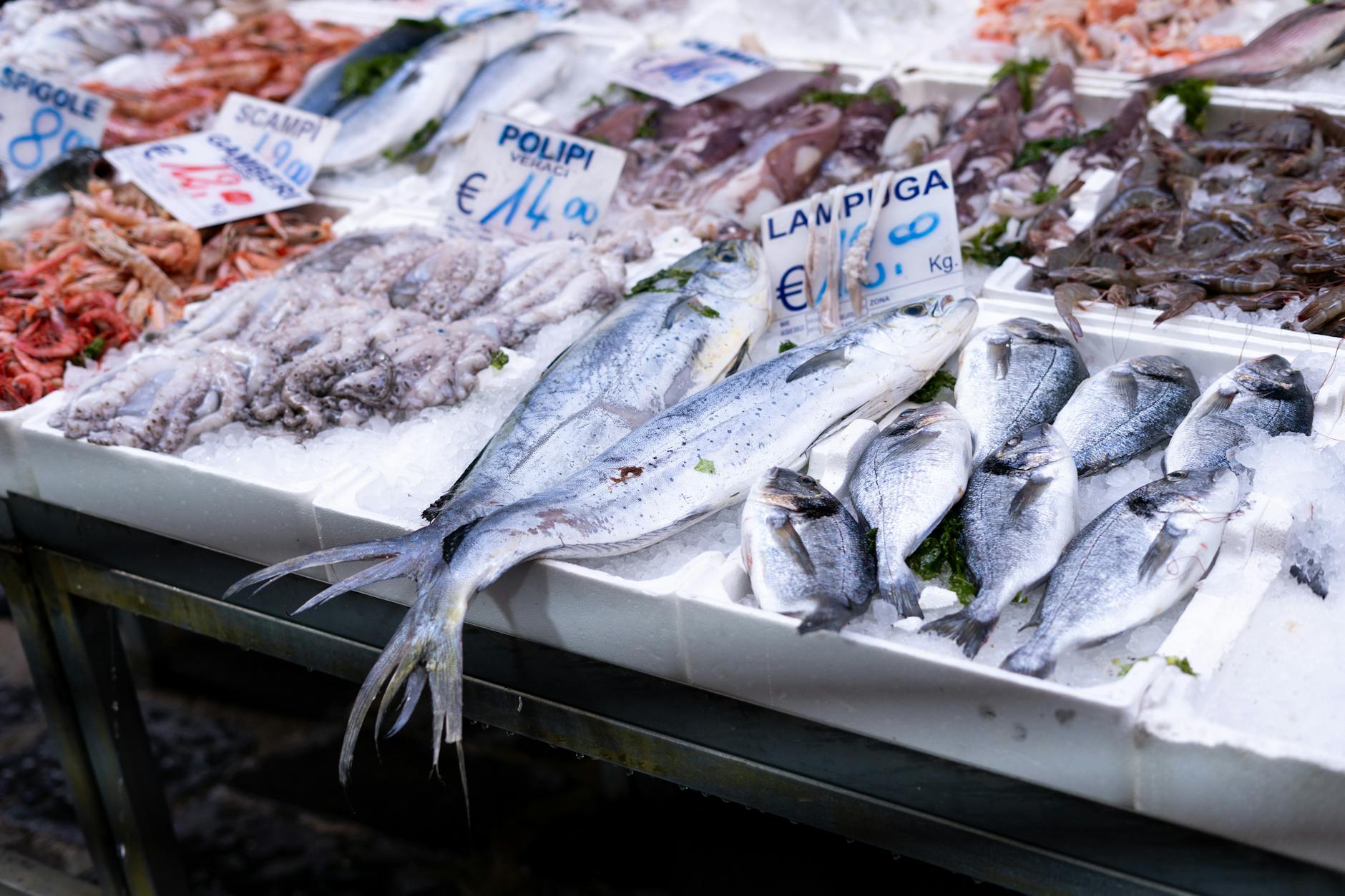
Tourists often come to Naples for pizza, pastries, coffee, seafood, markets, and street food. The mistake is assuming that famous food will solve itself. Popular places can involve waits, inconvenient timing, or routes that pull the day apart. A tourist should choose a few food anchors and a few backup options near the actual route.
A food-focused day can be excellent, but it should still respect heat, crowds, digestion, and the return to the hotel. A tourist does not need every famous pizza stop to understand Naples. One strong meal, a pastry, a coffee, and a practical dinner may produce a better short trip than chasing every list.
- Pick realistic food anchors near the day's route.
- Keep backups for waits, closures, heat, or tired legs.
- Avoid turning every meal into a cross-city mission.
Pick day trips with discipline
Pompeii, Herculaneum, Vesuvius, Capri, Procida, Sorrento, and the Amalfi Coast are all tempting from Naples. They are not interchangeable. Each has different transport, walking, weather, ticket, crowd, and return-time demands. A tourist should choose based on the actual day available, not only the name that feels most famous.
Pompeii and Vesuvius can be hot and exposed. Islands require ferry timing. The coast can absorb a full day. Herculaneum may be more manageable for some travelers. A short Naples trip usually improves when the tourist chooses one major outing well instead of attempting a regional sampler.
- Compare day trips by transport, walking, heat, tickets, and return timing.
- Avoid stacking too many regional highlights into one short stay.
- Use the outing that fits the traveler, not only the one with the biggest reputation.
Keep evenings simple enough to enjoy
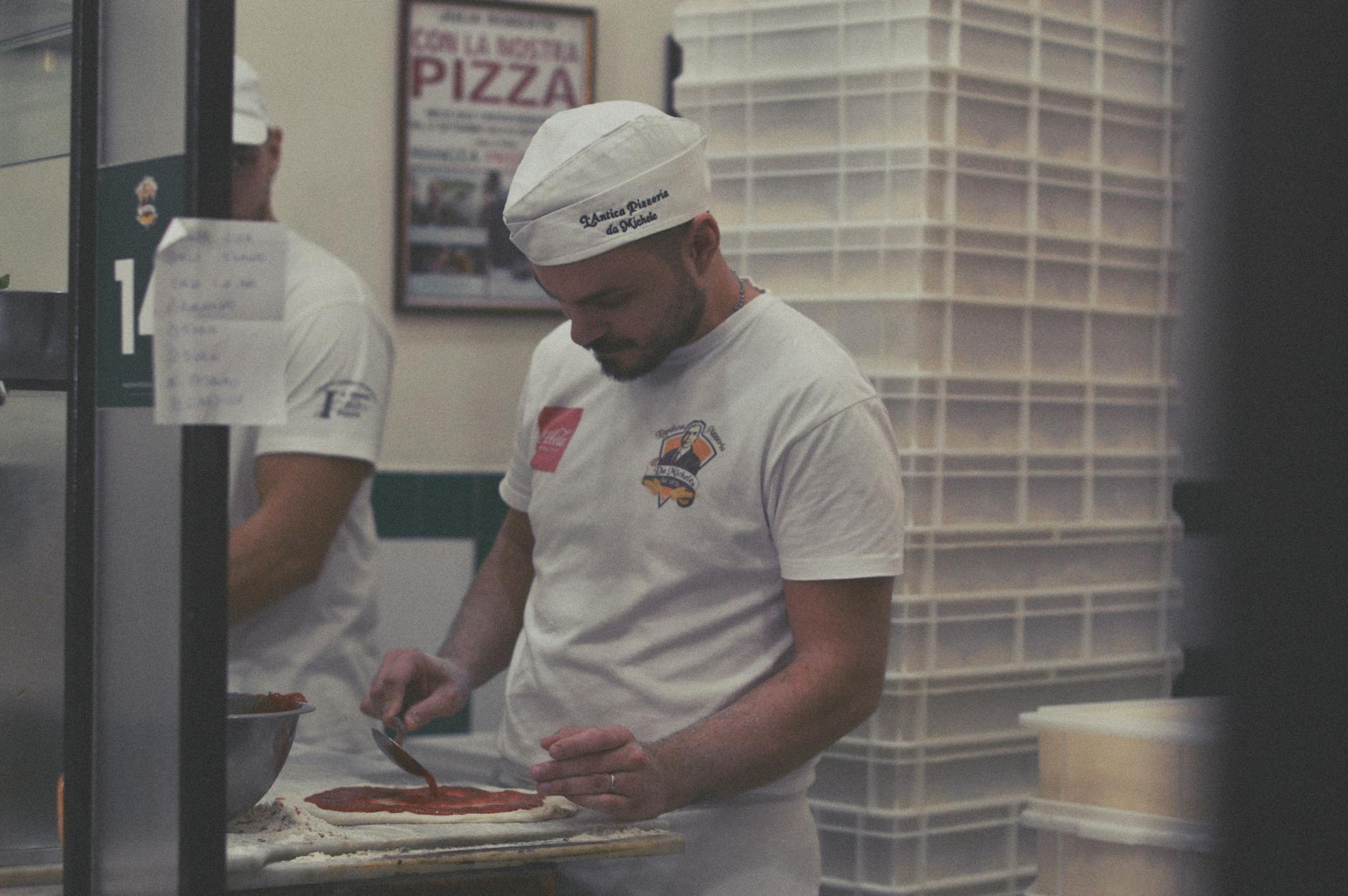
A tourist evening in Naples might mean dinner, a waterfront walk, gelato, a performance, or simply watching the city settle. It should not require a complicated return route after a long day. Before committing to a late meal or distant bar, the traveler should know whether the return is a short walk, taxi, or transit connection.
Evenings are also when fatigue changes judgment. A tourist who has been walking through dense streets all day may be better served by a nearby dinner and waterfront view than by another cross-city plan. Naples does not have to be consumed all at once.
- Plan the return before making late dinner or evening plans.
- Keep tired-night options close to the hotel.
- Use the waterfront, nearby meals, and simple walks when the day has already been full.
When to order a short-term travel report
A tourist with a simple hotel, generous time, and flexible expectations may not need a custom Naples report. A report becomes useful when the traveler is choosing between neighborhoods, arriving late, trying to combine Naples with Pompeii or the coast, managing mobility or medical constraints, traveling with family, or wanting a vivid trip without unnecessary overload.
The report should test lodging, arrival, route clusters, food anchors, day-trip feasibility, evening returns, street awareness, and what to cut. The value is a Naples tourist plan that feels full without becoming chaotic.
- Order when lodging, arrival, route design, food, day trips, or pacing need judgment.
- Provide dates, hotel options, must-see sights, mobility needs, food goals, and excursion ideas.
- Use the report to turn a crowded Naples wishlist into a workable trip.