A short academic program in Naples can be rich: language study, archaeology, art history, public health, food systems, marine work, urban studies, business, or a university partnership. It can also be disorienting if housing, classroom routes, supervision, meals, money, excursions, and evening movement are treated casually. Students usually have less margin than other travelers. They may be younger, on a tighter budget, traveling in a group, managing family expectations, or balancing class obligations with a strong desire to see Naples, Pompeii, the coast, and local neighborhoods. The plan should protect both learning and independence.
Understand the program structure before booking around it
A student short program should start with the academic schedule, classroom location, housing location, orientation support, attendance rules, group-meeting points, and excursion calendar. Naples can be easy to enjoy badly if the student books or plans around imagined free time rather than the actual program rhythm.
The student should know which days are fixed, which evenings are genuinely open, where supervision begins and ends, and how much independent movement is expected. A clear structure reduces anxiety for the student and anyone supporting them from home.
- Confirm classroom location, housing, orientation, attendance rules, and excursion days.
- Separate fixed program obligations from real free time.
- Understand how much independent movement the student is expected to manage.
Check housing and daily routes carefully
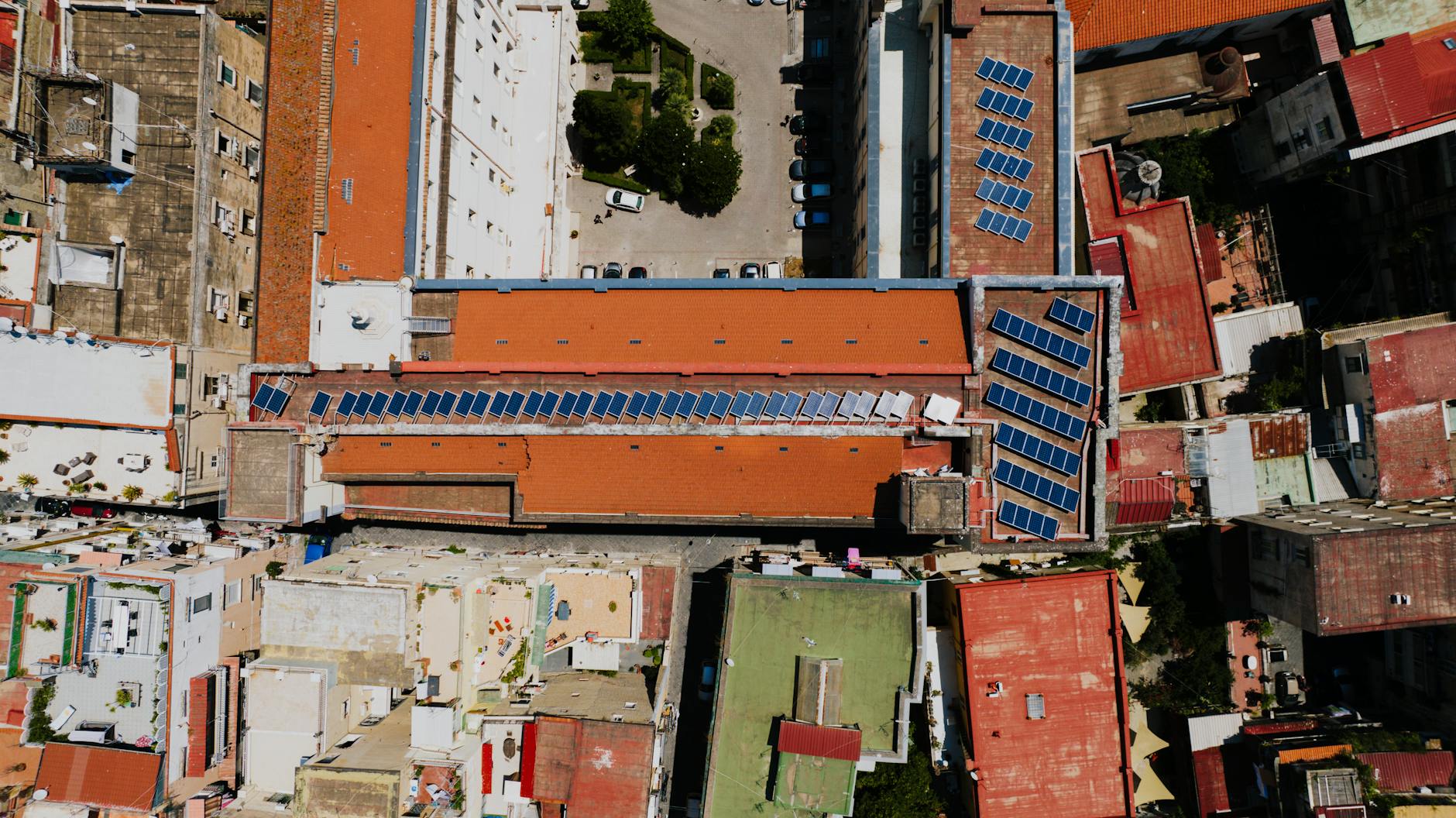
Student housing in Naples should be judged by daily practicality, not only price or charm. The student should understand the route to class, hills, lighting, transit, walking conditions, building access, elevator reliability, nearby food, laundry, pharmacies, and how late returns will work. A route that feels fine once may feel different after a long class day or group dinner.
If the student has roommates, curfews, host-family rules, or shared apartment expectations, those details matter. Housing is the base for learning, sleep, budget control, and safe independence.
- Evaluate housing by class route, building access, food, laundry, pharmacies, and lighting.
- Check hill gradients, transit, and late-return practicality before arrival.
- Clarify roommate, host-family, curfew, and apartment rules early.
Build a realistic student budget
Naples can be favorable for students compared with some major European cities, but a weak budget can still fail quickly. The student should estimate meals, snacks, transit, museums, laundry, SIM or roaming costs, group outings, coffee, emergency taxis, and excursions. Pompeii, the islands, the coast, or frequent nightlife can change the cost profile.
The budget should also include a backup plan: a card that works, some cash discipline, spending alerts, and a clear rule for when to use a taxi instead of forcing a cheaper but worse route.
- Budget for meals, transit, laundry, phone data, museums, outings, and emergency taxis.
- Treat Pompeii, islands, coast trips, and nightlife as separate cost categories.
- Carry a payment backup and clear spending rules.
Treat health and communication as part of the program
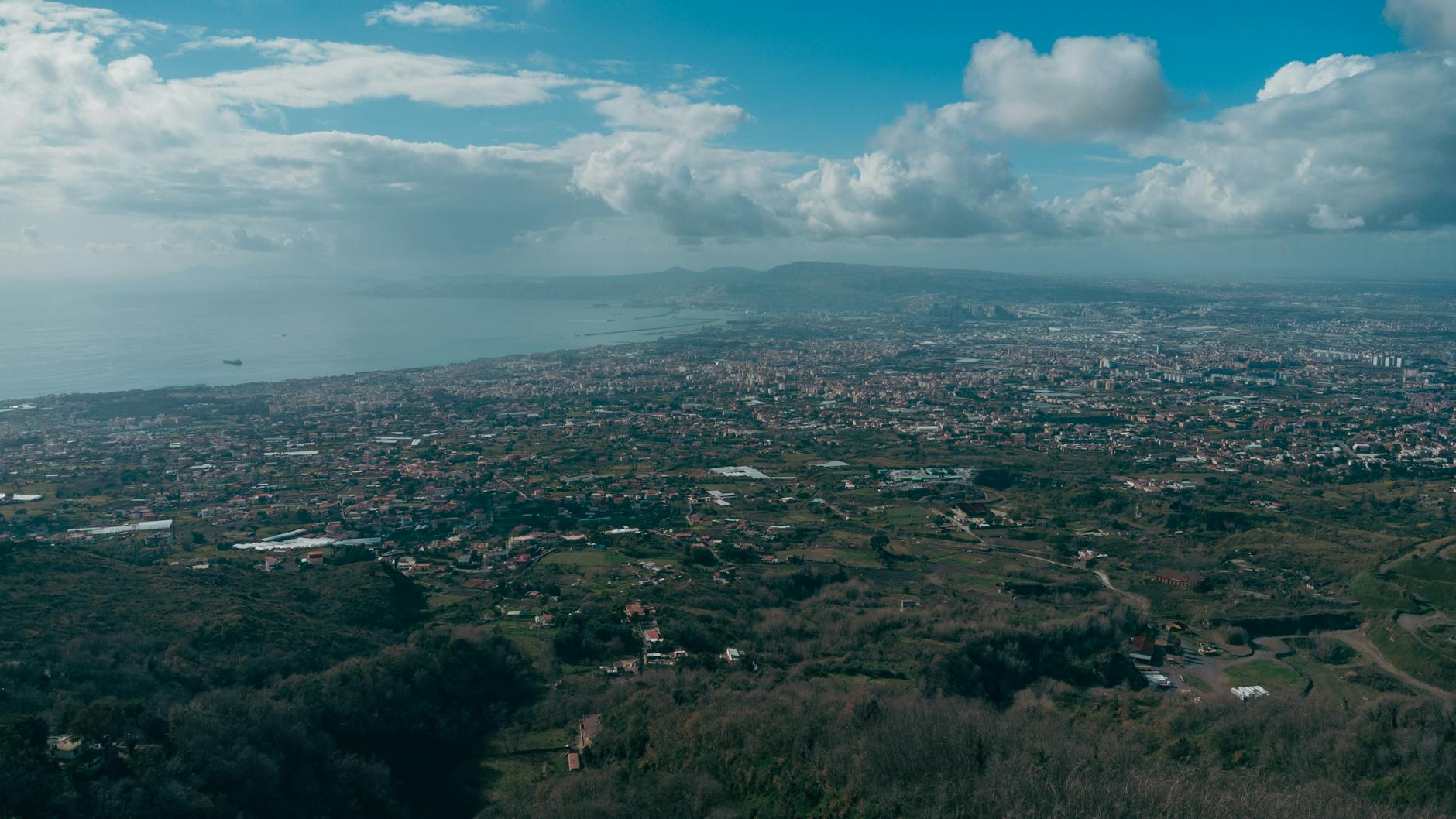
A student should know how to handle basic health needs before arriving. That includes medication storage, prescriptions, allergies, hydration, heat, walking fatigue, food sensitivity, insurance, pharmacy access, and who to contact if something goes wrong. Naples can involve long walking days, crowded transit, hot weather, and late meals, all of which can affect students who are still adapting.
Communication matters as well. The student should have working mobile data, emergency contacts, program contacts, housing details, and a simple plan for checking in with family or coordinators without making the trip feel over-monitored.
- Plan medications, allergies, insurance, pharmacies, hydration, and heat management.
- Set up mobile data, program contacts, housing details, and emergency numbers.
- Use check-ins that support independence without creating confusion.
Be deliberate about evenings and nightlife
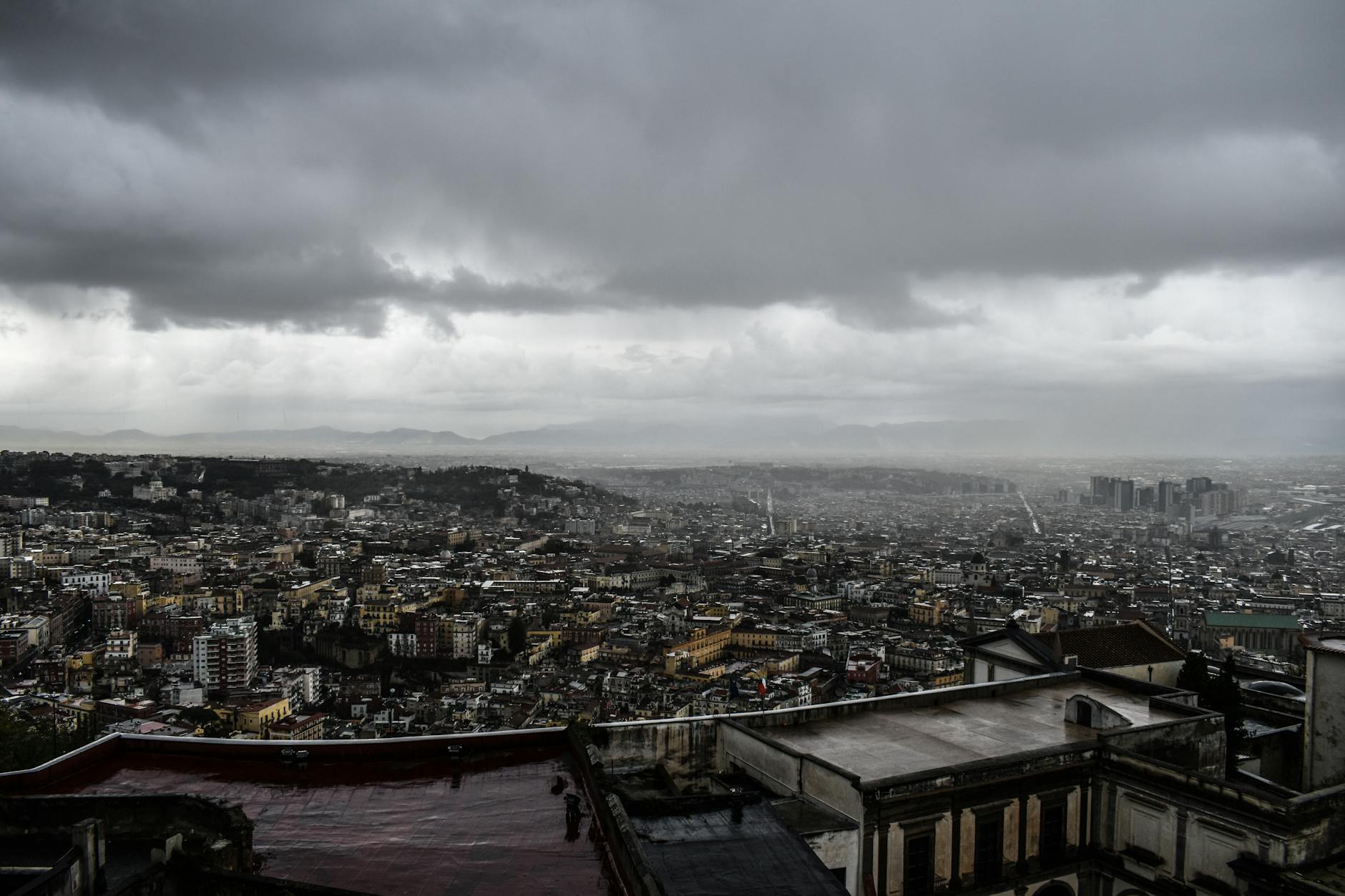
Students often experience Naples most intensely in the evenings: group meals, historic-center walks, waterfront time, cafes, music, or nightlife. The student should know the difference between a supervised group evening, a small independent outing, and a late return that creates unnecessary risk or next-day exhaustion.
The plan should include buddy expectations, return routes, phone battery, taxi options, alcohol limits, bag discipline, and what to do if the group separates. The goal is not to remove freedom. It is to make freedom less dependent on luck.
- Clarify buddy rules, return routes, phone battery, taxi options, and alcohol limits.
- Avoid late improvisation after class, excursions, or long walking days.
- Keep the next program day in mind when deciding how late to stay out.
Make excursions support the learning purpose
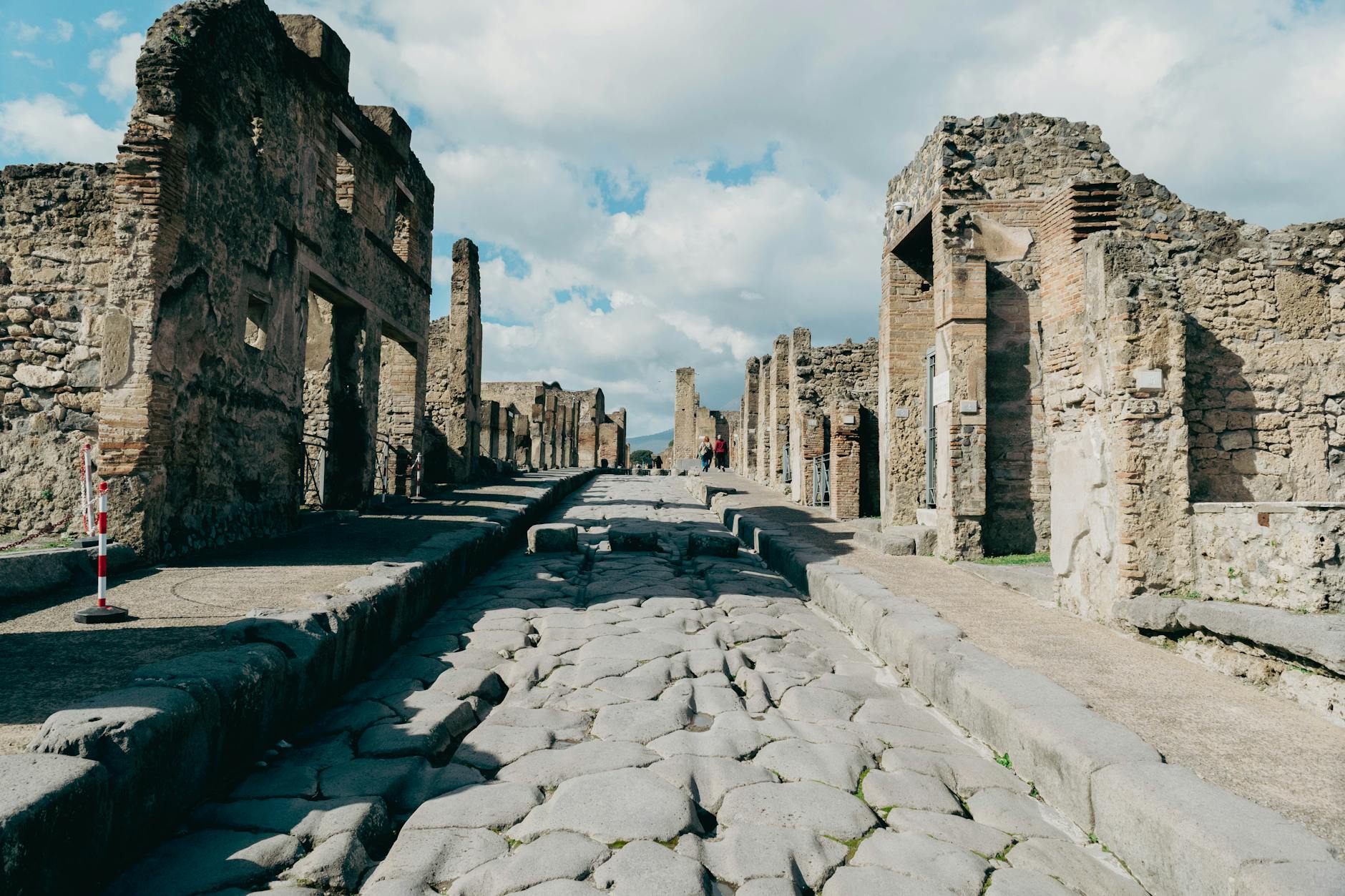
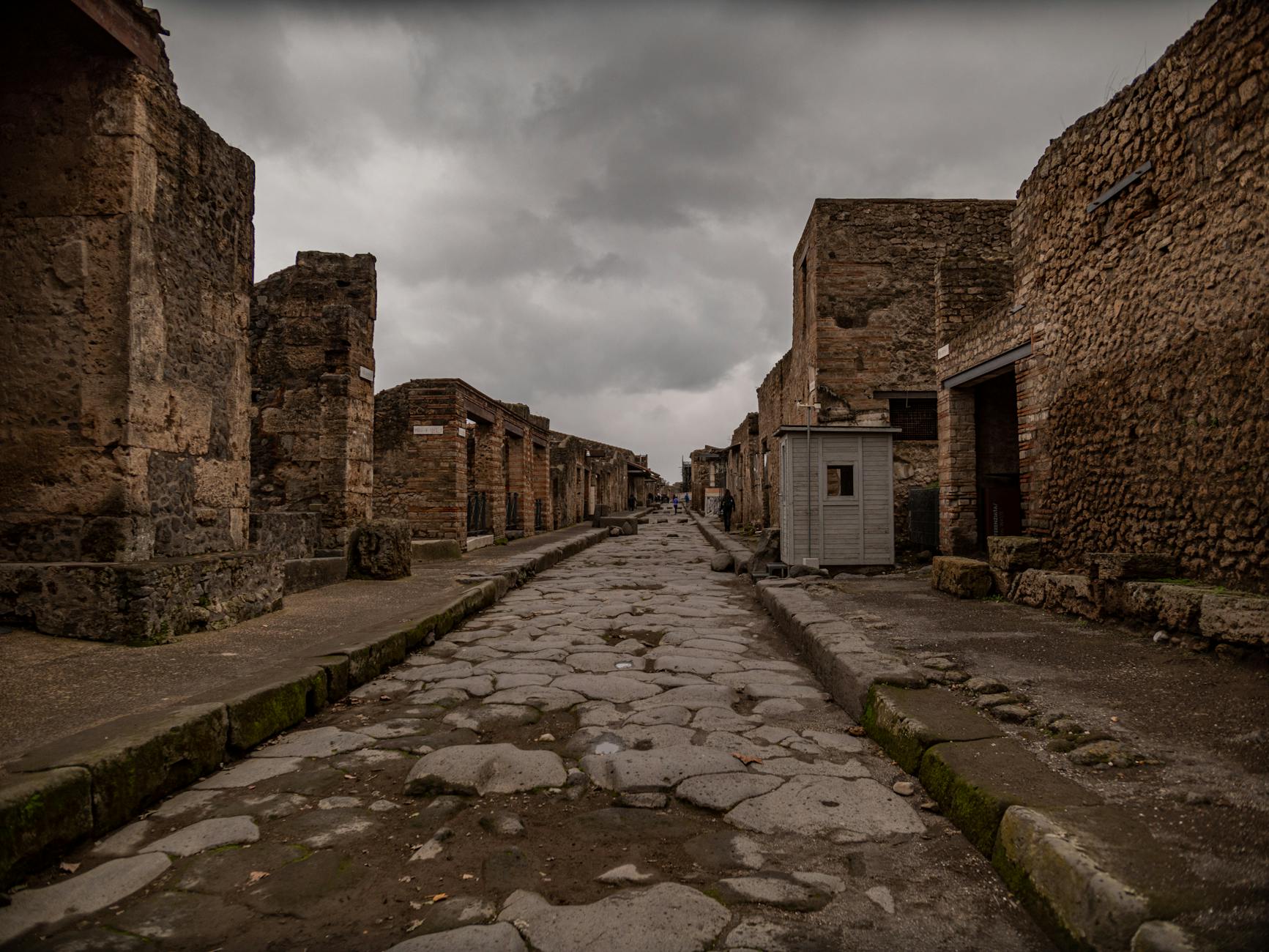
Pompeii, Herculaneum, Vesuvius, islands, museums, and coastal trips can be powerful parts of a Naples program. They should be planned with time, tickets, heat, walking load, meals, bathrooms, and return routes in mind. A poorly planned excursion can turn a learning day into a fatigue problem.
Students should also understand whether excursions are required, optional, supervised, or independent. The difference affects cost, safety, academic value, and whether the student needs to make their own transport decisions.
- Plan excursions around tickets, heat, walking load, food, bathrooms, and return routes.
- Clarify which trips are required, optional, supervised, or independent.
- Use Pompeii, Vesuvius, museums, and the coast to support the program's purpose.
When to order a short-term travel report
A student on a fully managed program with known housing, supervised transfers, and clear emergency support may not need a custom Naples report. A report becomes useful when the student or family is comparing housing, arriving independently, managing medical or dietary needs, planning free weekends, budgeting excursions, evaluating late returns, or deciding how much freedom is realistic.
The report should test housing location, class routes, arrival logistics, budget pressure, health needs, evening movement, excursion practicality, family communication, and what to cut. The value is a Naples short program that feels independent without becoming disorganized.
- Order when housing, arrival, health, budget, free time, or independent movement need review.
- Provide program schedule, housing options, arrival details, constraints, and excursion goals.
- Use the report to protect learning, safety, and student independence at the same time.