A sales trip to Naples can look simple on a calendar: arrive, meet prospects, host a meal, maybe add a short city walk, and leave. In practice, the city rewards sharper planning. Dense streets, limited parking, hills, waterfront traffic, formal meeting expectations, and the distance between client locations can all affect how confident and prepared the traveler appears. The goal is not to over-engineer the trip. It is to remove avoidable friction before the first conversation starts. A sales traveler should know where the day begins, how each meeting connects, what must be carried, where a client meal actually works, and when the schedule has become too ambitious for Naples.
Start with the client map, not the hotel map
A sales traveler should begin with the exact locations of the prospects, distributors, showrooms, ports, offices, factories, clinics, hotels, or hospitality venues involved in the trip. Naples can make short map distances feel longer because traffic, hills, one-way streets, parking limits, and pedestrian zones change the practical route. A hotel that looks central for sightseeing may not be central for the sales day.
If the traveler has meetings in Chiaia, the historic center, the port area, Centro Direzionale, the airport corridor, or surrounding towns, those should be sequenced before lodging is chosen. The right base is the one that makes the business day smoother, not the one that wins the tourism search.
- Map each prospect, office, venue, or site before choosing the hotel.
- Test routes by time of day rather than by distance alone.
- Choose lodging for appointment reliability, not only city atmosphere.
Leave more space between meetings than the calendar suggests
Sales travel fails when the calendar assumes every transfer will behave. Naples requires more spacing between meetings than a clean itinerary suggests, especially if the traveler is carrying samples, dressed formally, or relying on taxis. A late arrival can change the tone of a pitch before anyone has discussed the product or relationship.
The traveler should decide which meetings require maximum energy and which can be shorter, virtual, or grouped. A strong sales day in Naples may mean fewer meetings with better arrival discipline, better follow-up time, and enough recovery to stay persuasive at dinner.
- Build transfer buffers between client meetings, especially across districts.
- Avoid stacking the most important pitch after a fragile route.
- Protect time for notes, follow-up, and preparation between appointments.
Plan what must be carried and what should not be visible
Sales travelers often carry laptops, tablets, samples, branded bags, printed collateral, product documents, contracts, or demonstration equipment. In Naples, that gear should be managed with ordinary urban discipline around stations, taxis, crowded sidewalks, hotel lobbies, cafes, and evening returns. The traveler should know what must be carried to each meeting and what can stay secured at the hotel.
A smaller, better-organized kit often performs better than an overloaded bag. If the trip involves samples or sensitive pricing material, the traveler should also decide how to separate essential documents, backups, and client-facing items before arrival.
- Separate devices, samples, contracts, and backup material before the first meeting.
- Avoid carrying unnecessary sales collateral through crowded areas or late at night.
- Use a practical bag that supports formal meetings and secure movement.
Use meals as part of the sales strategy
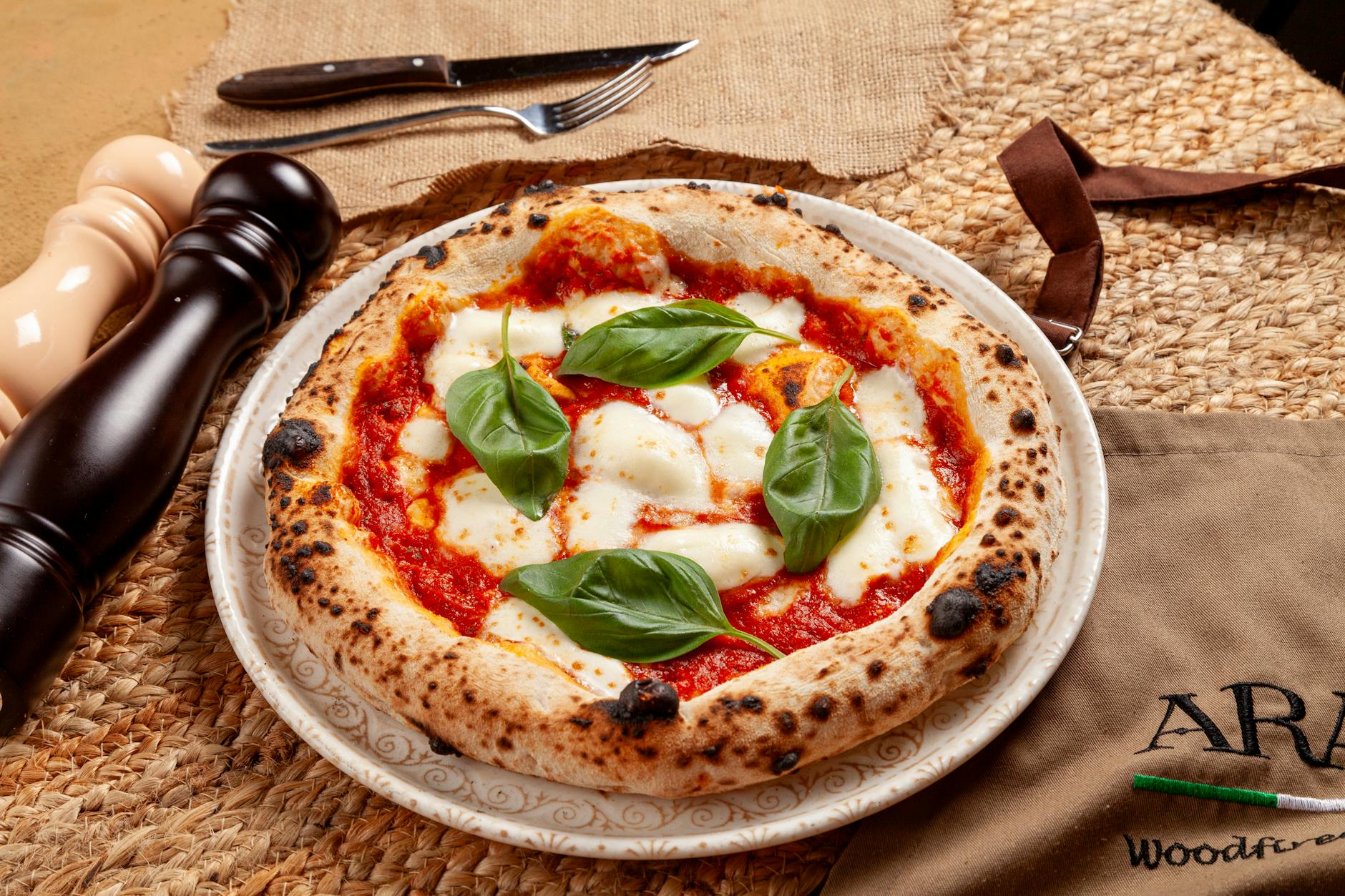
Naples can be excellent for client meals, but a sales meal should be chosen for conversation, timing, route, table comfort, and follow-through, not only reputation. A famous pizzeria may be perfect for some prospects and wrong for others. A quiet dinner, waterfront setting, hotel-adjacent meal, or quick lunch near the client site may do more for the relationship than a difficult reservation.
The traveler should consider dietary needs, noise, payment expectations, local timing, taxi availability, and whether the meal is for rapport, closing, discovery, or recovery. Naples food culture is a strength when it supports the commercial purpose.
- Choose client meals around conversation quality, route, timing, and table comfort.
- Match the meal to the sales objective rather than to tourist fame.
- Plan solo fallback meals for nights when meetings run long.
Treat evening movement as part of the workday
A sales traveler may finish the formal workday after dinner, a reception, or drinks with a prospect. The return route still matters. Naples has lively evening areas, but the traveler should avoid improvising late transport while carrying devices, documents, samples, or formal clothing. The hotel should be reachable without turning the end of the day into a problem.
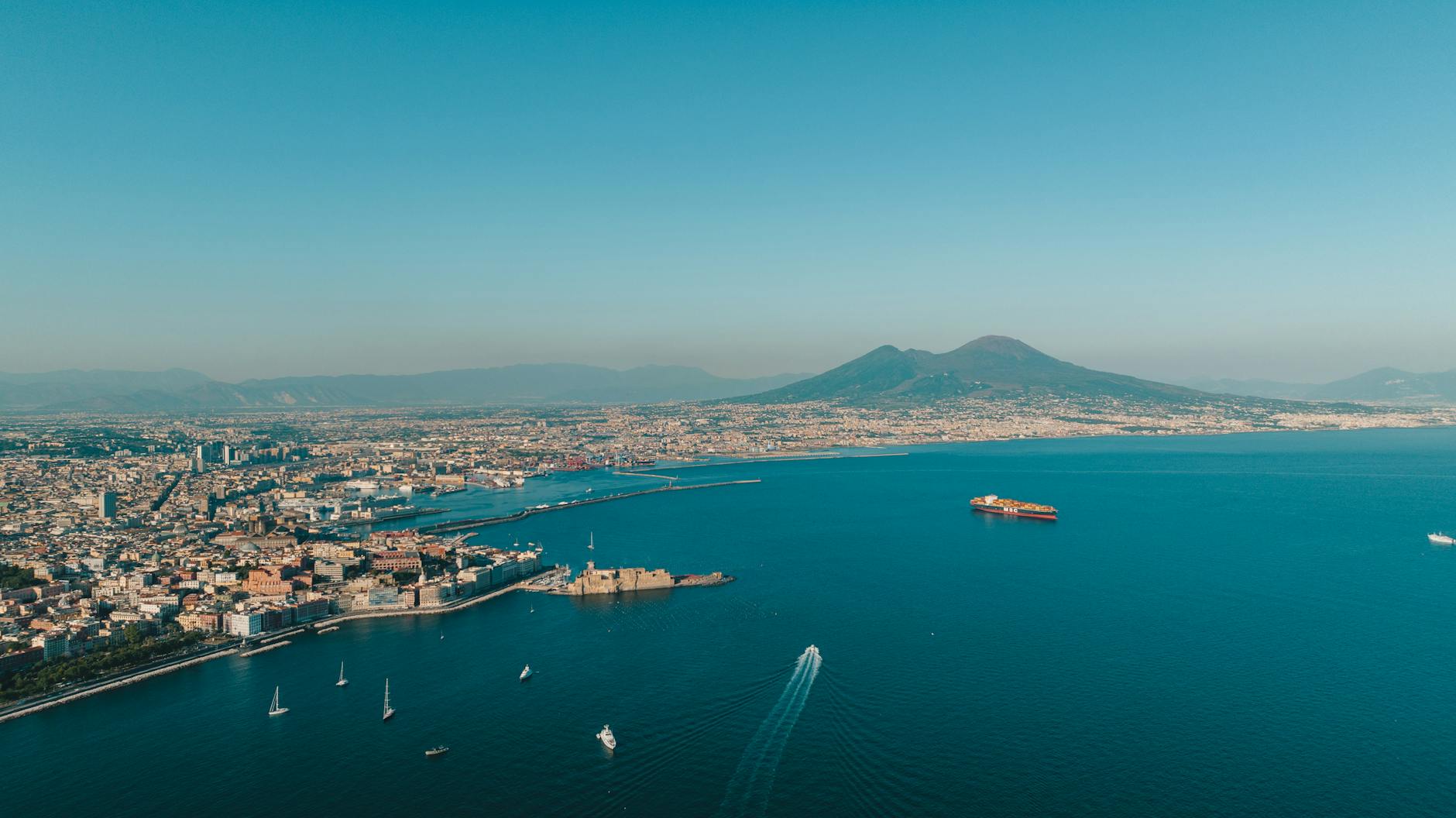
If the traveler wants to add a waterfront walk, a historic-center meal, or a late drink, the plan should include how to get back and what will be carried. A good evening can strengthen the trip, but a poor return can weaken the next morning.
- Plan dinner and reception returns before the day begins.
- Avoid late wandering with laptops, samples, or visible client material.
- Keep the next morning's first meeting in mind when choosing evening plans.
Be realistic about adding regional time
Sales travelers may be tempted to add Pompeii, the Amalfi Coast, Capri, or a long food route around a packed meeting schedule. Those add-ons should be protected with real time or cut. A rushed excursion before a pitch or after a client dinner can create more fatigue than value.
If the trip has only one spare evening, Naples itself offers enough: a focused meal, waterfront view, Galleria Umberto I, a short walk near the hotel, or one museum. If the traveler wants a major regional add-on, it belongs before or after the selling days, not inside the fragile middle of the schedule.
- Do not force Pompeii, Capri, or the coast into a sales-heavy day.
- Use smaller Naples experiences when meeting energy matters.
- Reserve major add-ons for protected pre- or post-business time.
When to order a short-term travel report
A sales traveler with one meeting, a known hotel, and a simple arrival may not need a custom Naples report. A report becomes useful when the traveler is juggling multiple prospects, uncertain hotel choices, samples or demos, client meals, evening events, late arrival, airport or rail connections, or a desire to add Naples time without weakening the sales purpose.
The report should test client-site routes, hotel practicality, meeting spacing, taxi assumptions, meal zones, sample handling, evening returns, and what to cut. The value is a Naples sales trip that protects persuasion, punctuality, and follow-through.
- Order when meetings, routes, samples, meals, and arrival timing need stress-testing.
- Provide prospect locations, schedule, hotel options, materials, and constraints.
- Use the report to preserve sales energy instead of spending it on logistics.