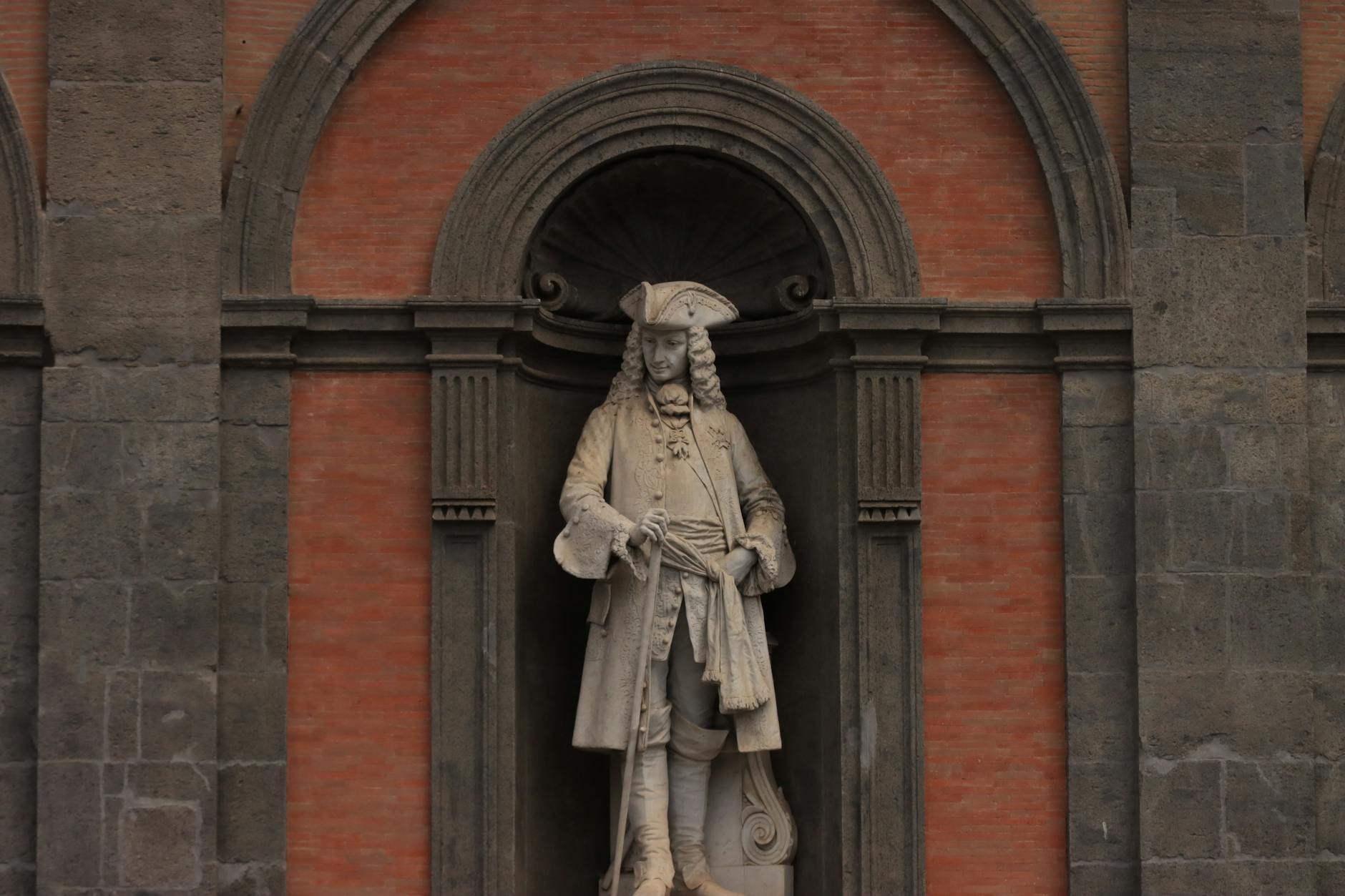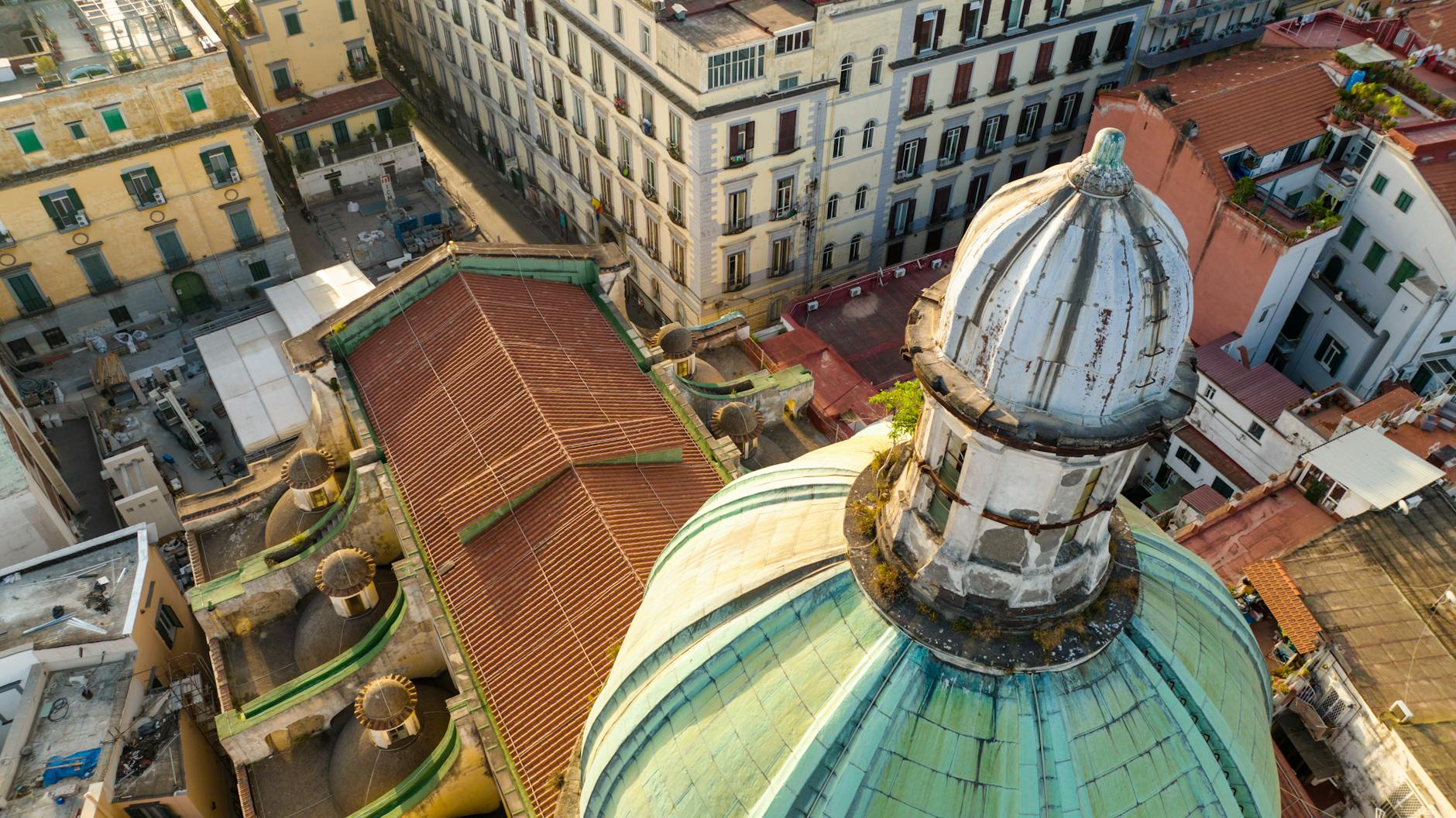
Naples can be a serious religious destination, not only a city break with churches along the way. A traveler may be coming for San Gennaro, Santa Chiara, the Duomo, Gesu Nuovo, historic chapels, neighborhood devotions, Catholic heritage, art, family faith traditions, or a pilgrimage route that connects Naples with Pompeii, Pozzuoli, or other Campania sites. The practical challenge is that sacred travel still depends on ordinary logistics. Opening hours, Mass times, feast-day crowds, modest dress, group movement, stairs, heat, narrow streets, and transport all affect whether the trip feels reflective or rushed. A short religious trip to Naples works best when devotion, heritage, and movement are planned together.
Separate devotion, heritage, and sightseeing
A religious traveler should decide which sites are spiritually important, which are art or history stops, and which are optional. Naples has enough churches, chapels, cloisters, relic traditions, and neighborhood devotions to overwhelm a short visit. Treating every sacred site as equal can turn a pilgrimage into a checklist.
The traveler should protect the places that matter most and leave room for quiet time. If Mass, confession, prayer, a feast day, or a particular saint is central to the trip, that obligation should anchor the itinerary before museums, restaurants, or regional excursions are added.
- Identify the sacred sites that matter most before filling the day with churches.
- Separate worship time from art, history, and architecture stops.
- Protect quiet time rather than treating every church as a quick attraction.
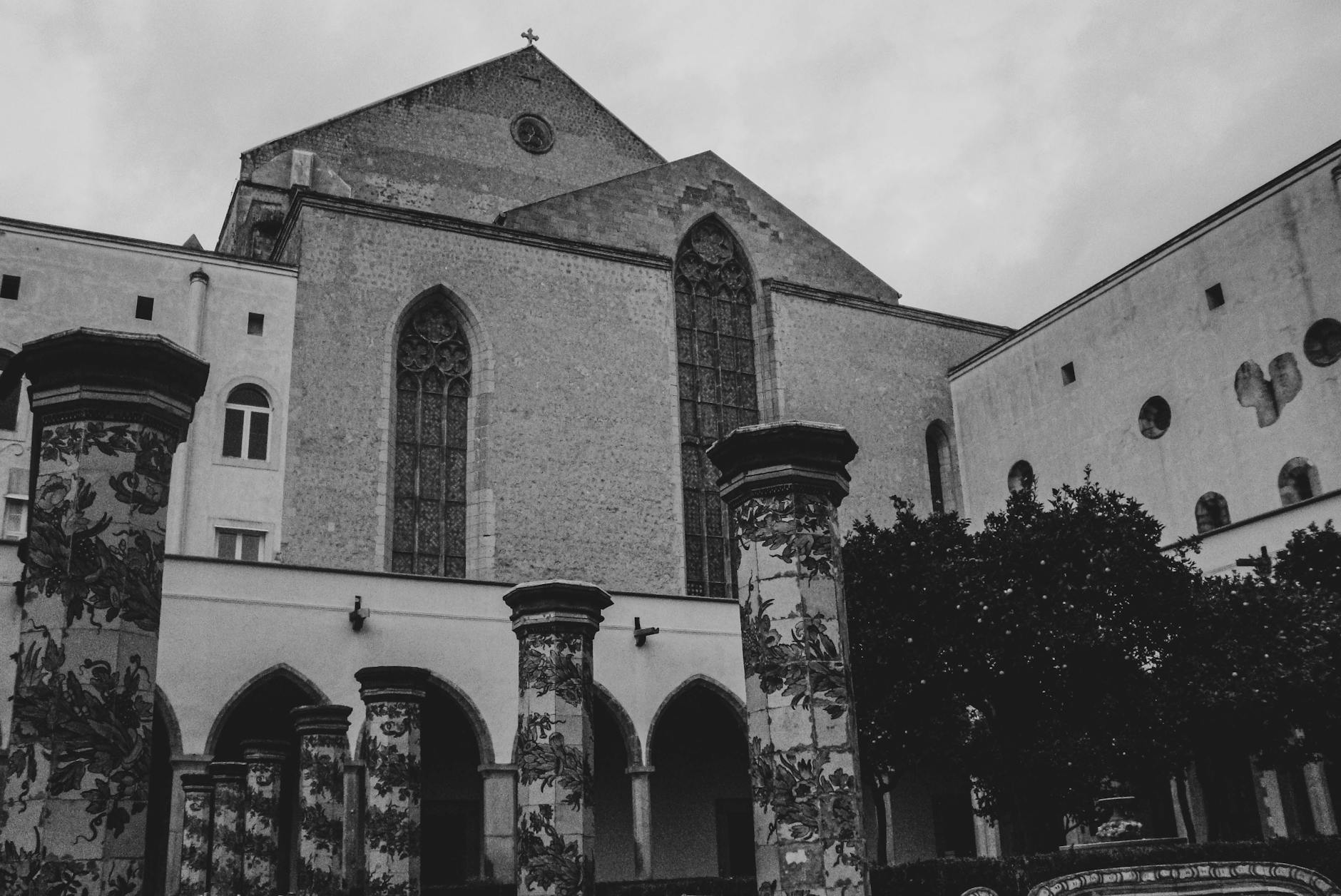
Check opening hours, services, and feast-day conditions
Churches in Naples may close midday, change access during services, restrict photography, host events, or become crowded around feast days and local devotions. A traveler should check service times, ticketed areas, cloister access, dress expectations, and whether the site is functioning primarily as a place of worship at the planned hour.
The same applies to San Gennaro-related travel, major liturgical dates, and neighborhood religious observances. The experience may be richer during a feast period, but movement, crowding, and hotel demand may become harder.
- Check church hours, Mass times, ticketed areas, and photography rules.
- Plan around midday closures and service-related access changes.
- Treat feast days as both spiritual opportunities and logistical constraints.
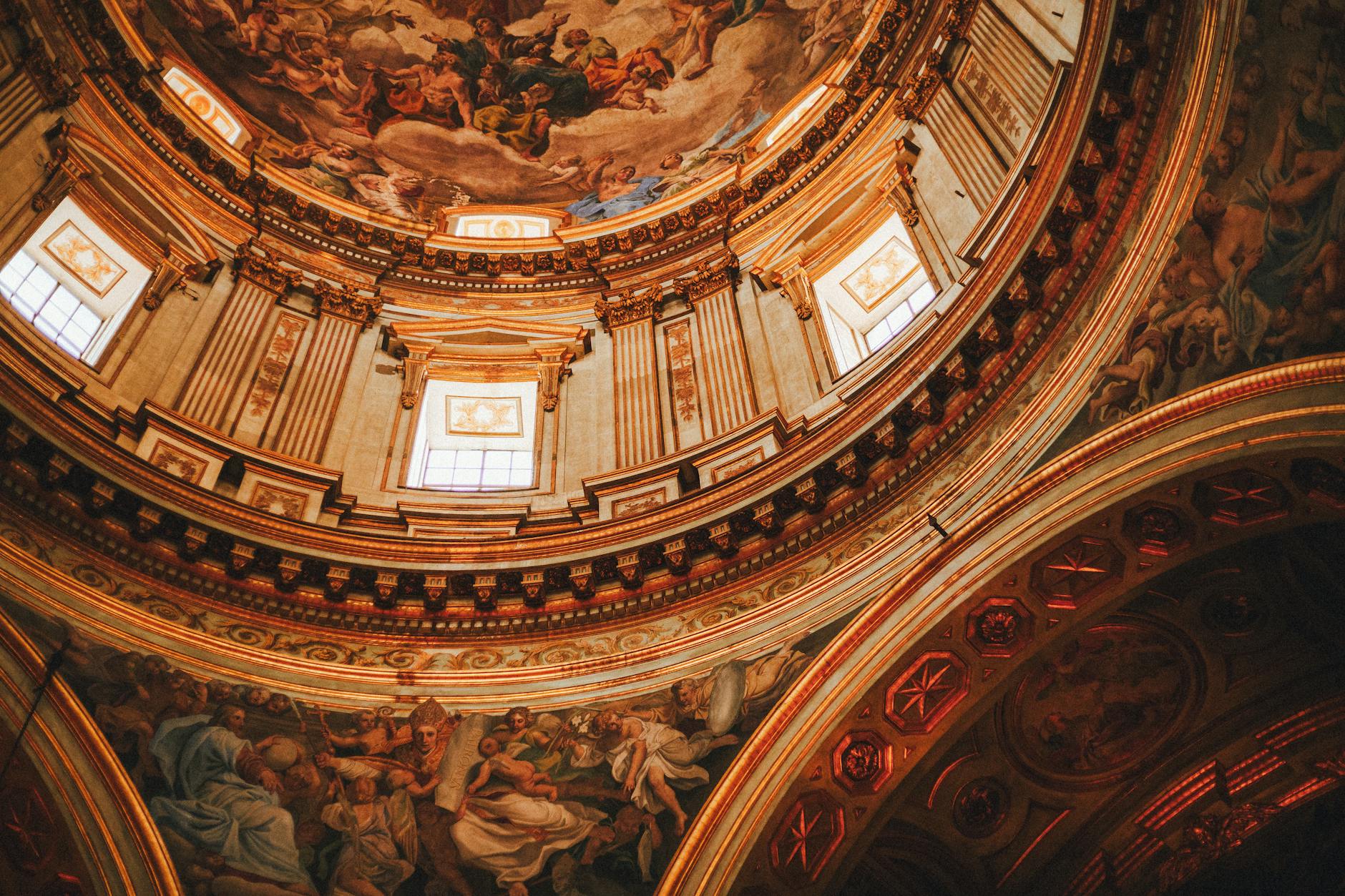
Choose lodging that supports the sacred route
A hotel for a pilgrimage or religious heritage trip should make the important sites reachable without exhausting the traveler. The historic center can be powerful, but it may involve narrow streets, noise, stairs, crowds, and uneven surfaces. A quieter base may support reflection better, while a more central base may reduce movement.
The right choice depends on the traveler's priorities: early Mass, late return from a group dinner, accessibility, budget, family members, or a sequence of churches and museums. The hotel should support the purpose of the trip rather than simply sit near the most famous attractions.
- Choose lodging around the sacred-route sequence and mobility needs.
- Balance central access against noise, stairs, crowding, and recovery time.
- Confirm building access and late-return practicality for groups or older travelers.
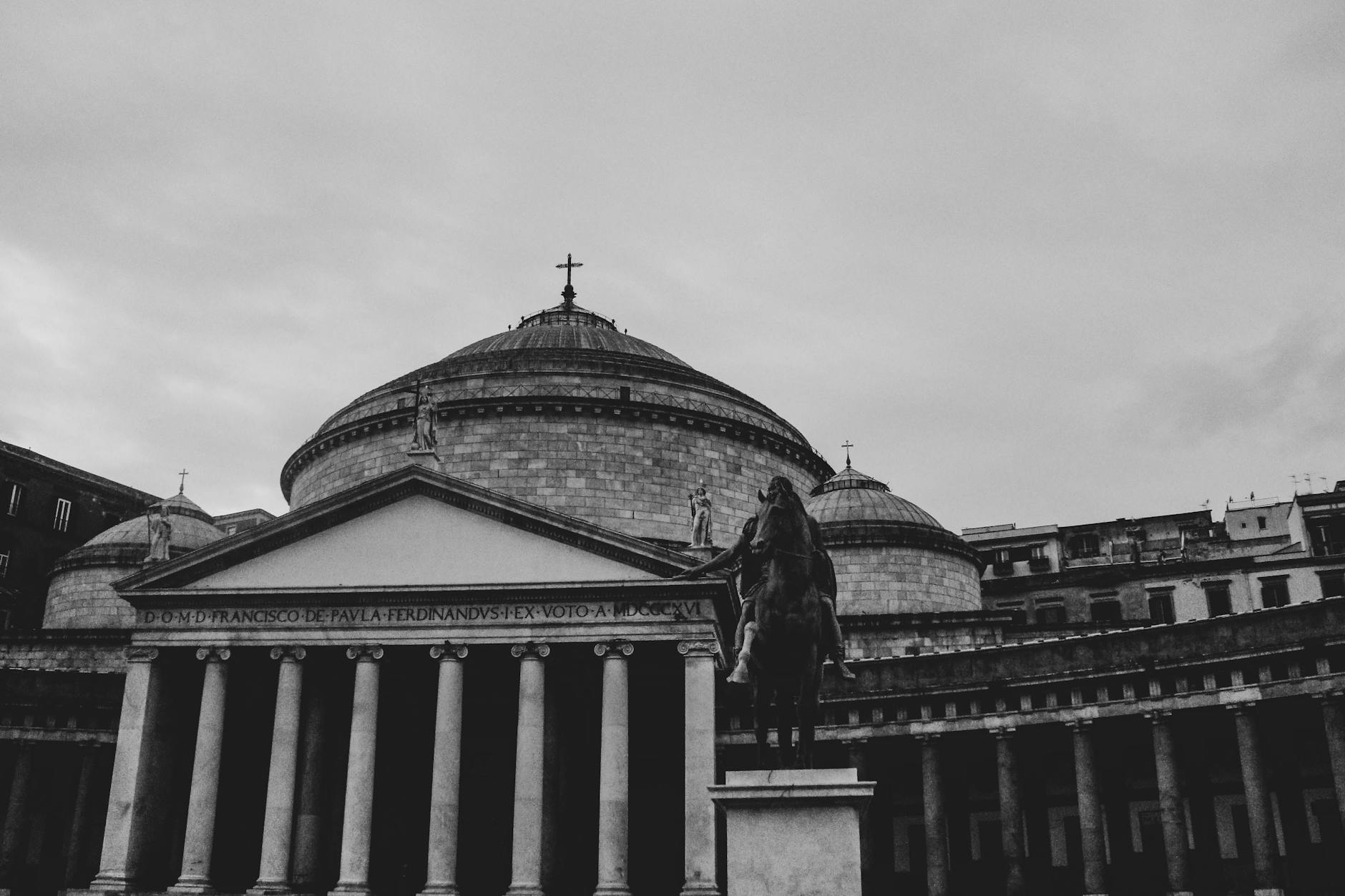
Plan modest pacing and respectful conduct
Religious travel can be physically tiring even when the intent is contemplative. Churches, cloisters, crypts, chapels, museums, and processional routes may involve standing, stairs, uneven stone, heat, and limited seating. The traveler should build rest into the day and avoid forcing too many sacred spaces into one route.
Respect also means knowing how to dress, when to lower the voice, where photography is inappropriate, and how to behave during services. The traveler should not let the camera, guidebook, or group conversation dominate a working church.
- Build rest into routes with churches, cloisters, stairs, and long standing time.
- Dress and behave for active worship spaces, not only heritage sites.
- Avoid photography or group noise where prayer or services are underway.
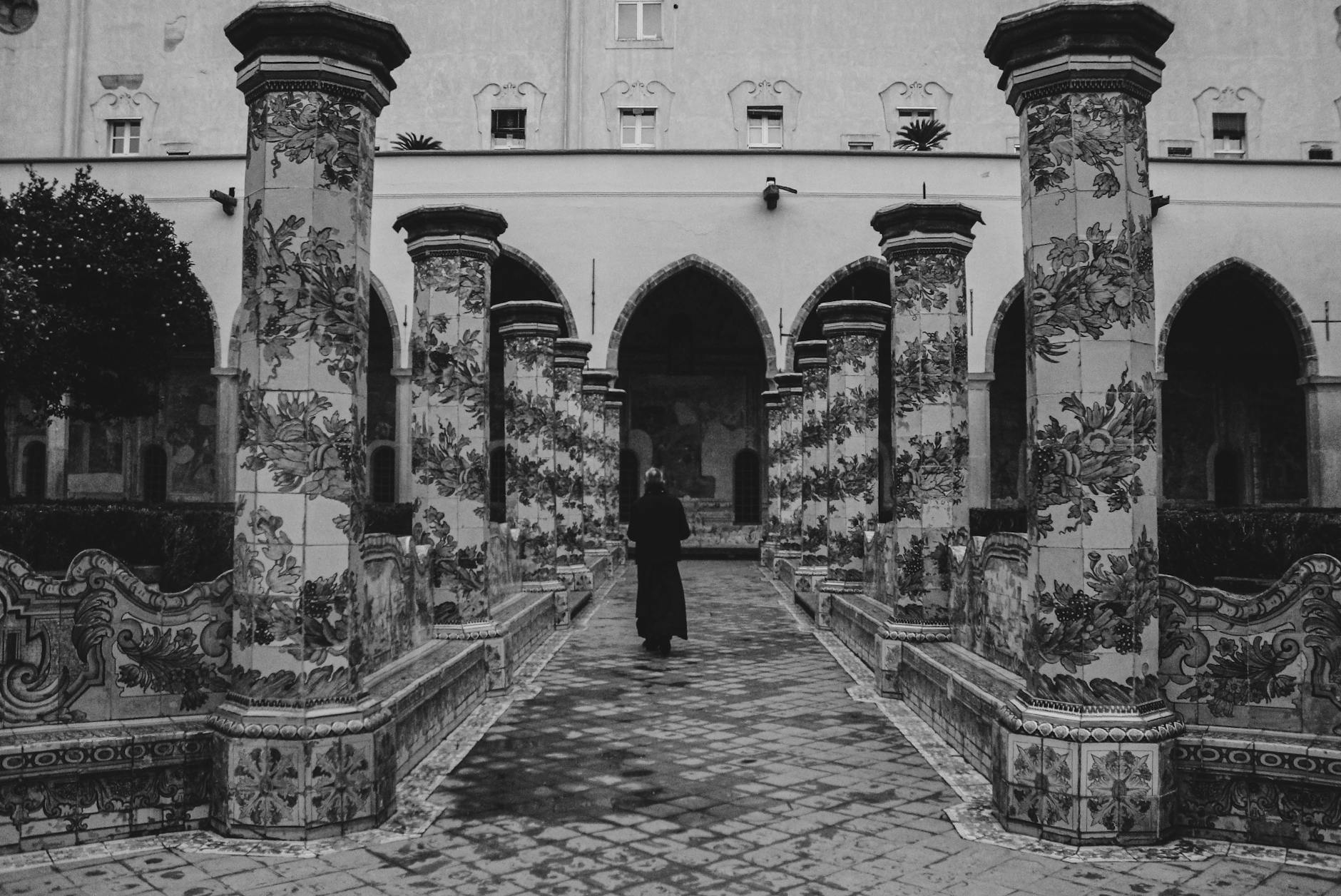
Be realistic about regional religious and heritage add-ons
A Naples-based religious trip may include Pompeii, Pozzuoli, nearby sanctuaries, family churches, cemetery visits, or coastal towns with devotional traditions. Those can be meaningful, but they require transport, time, walking capacity, and clear priorities. A short trip cannot honor every possible site well.
If Pompeii or a regional stop is included, the traveler should decide whether it is spiritual, historical, family-related, or simply tourism. That distinction changes how much time it deserves and how much energy should be reserved.
- Decide whether Pompeii, Pozzuoli, or coastal stops are central or optional.
- Protect transport time, walking energy, meals, and return routes for regional sites.
- Avoid adding heritage stops that crowd out the main purpose of the trip.
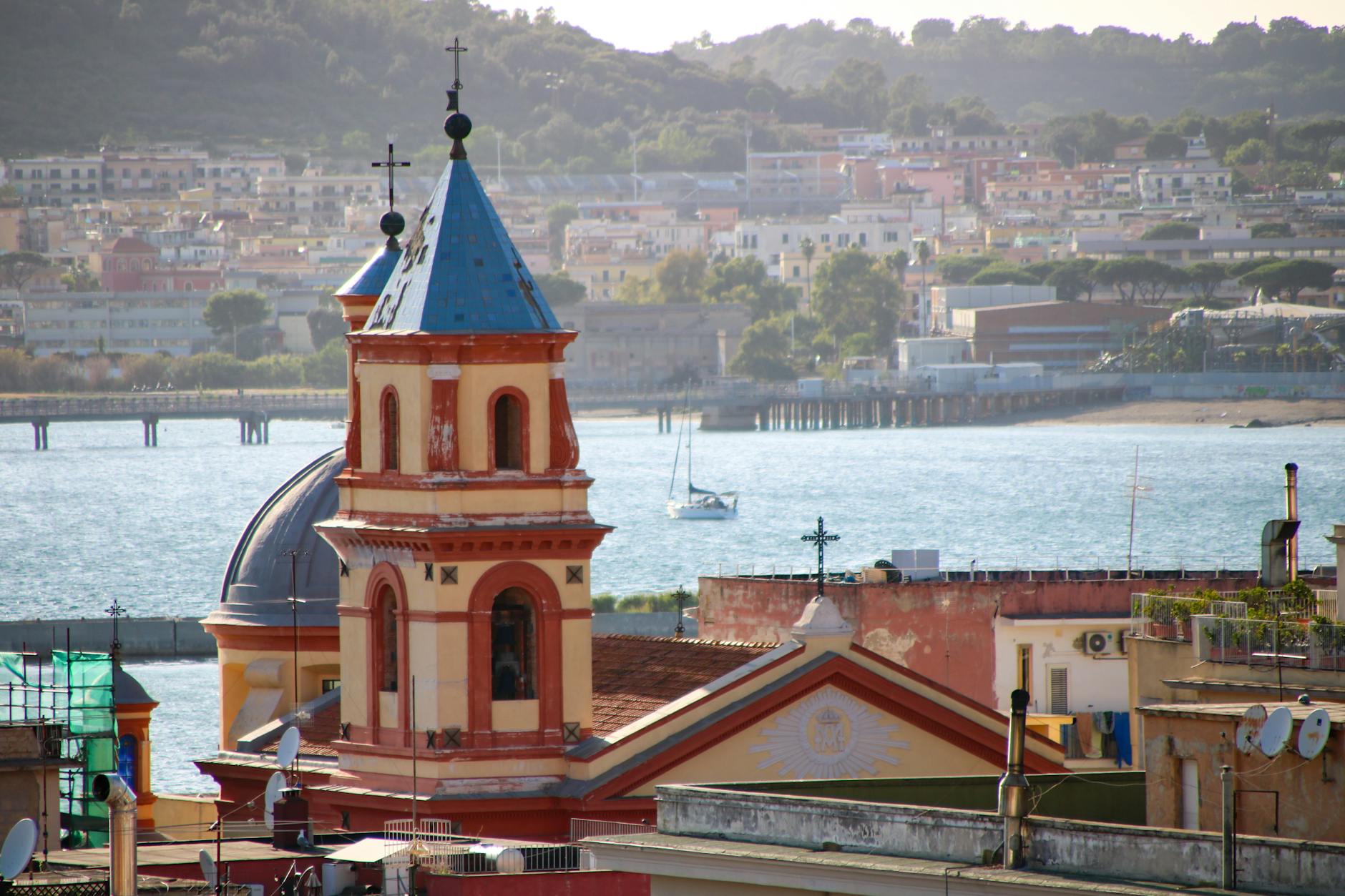
Account for group movement and accessibility
Pilgrimage travelers often move in families, parish groups, school groups, or older-traveler groups. Naples routes should be checked for pace, bathroom access, meal timing, stairs, hills, crowding, and where the group can pause without blocking narrow streets. One traveler with limited mobility changes the whole route, not just the final stop.
The group should know meeting points, phone numbers, taxi options, and what happens if someone needs to return early. Spiritual focus is easier when practical care has already been planned.
- Plan group pace around the slowest traveler, not the fastest walker.
- Check bathrooms, shade, seating, meal timing, and taxi fallback points.
- Set meeting points and emergency contacts before entering dense areas.
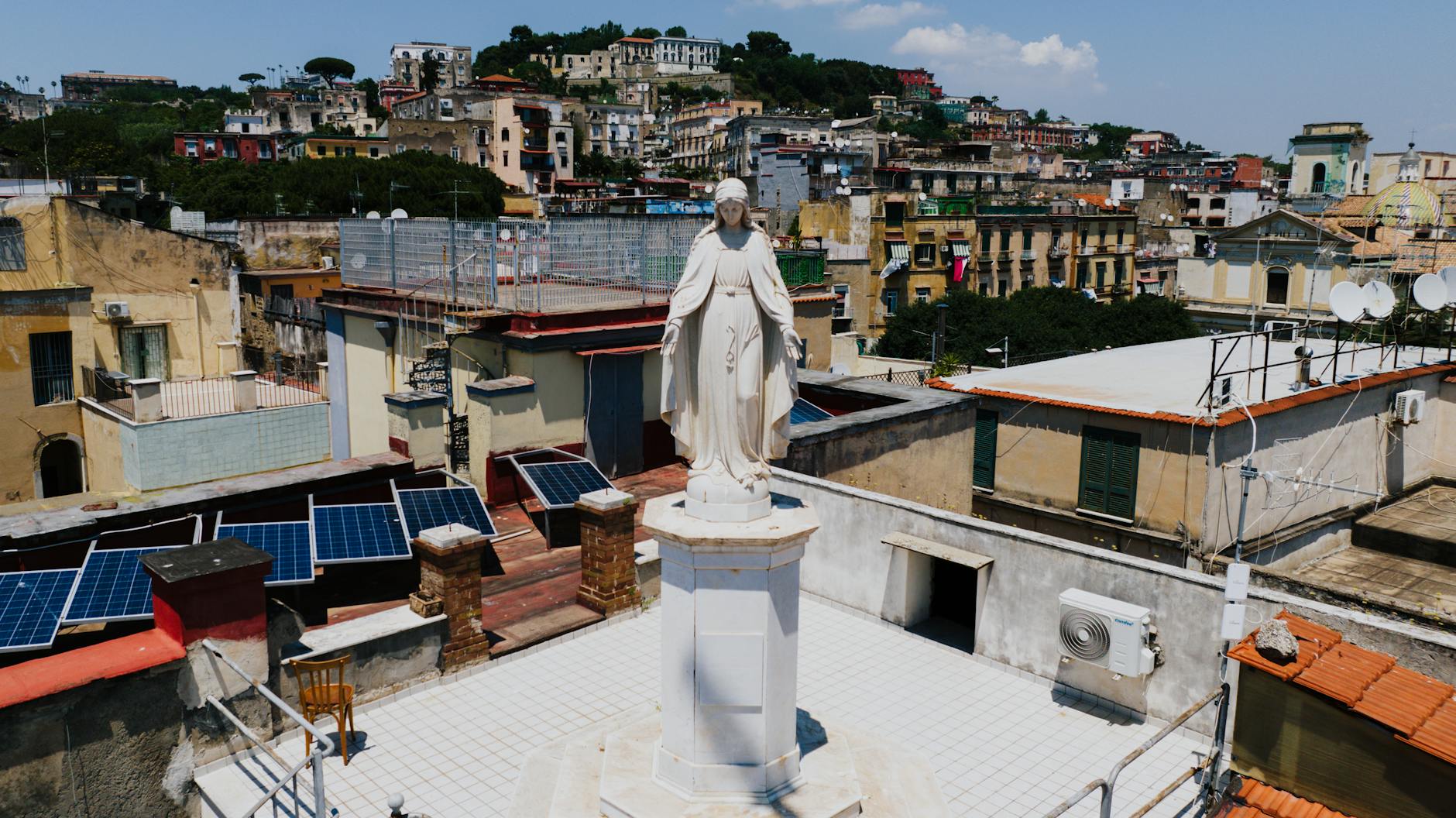
When to order a short-term travel report
A religious traveler with one known church and a simple hotel may not need a custom Naples report. A report becomes useful when the trip involves multiple sacred sites, feast days, older travelers, mobility constraints, group movement, family heritage, regional stops, service times, or a need to balance worship with museums, meals, and rest.
The report should test sacred-site sequencing, hotel practicality, opening hours, Mass or service timing, mobility, respectful pacing, group movement, meals, regional add-ons, and what to remove. The value is a Naples religious trip that feels intentional rather than crowded.
- Order when sacred sites, services, groups, mobility, or regional stops need testing.
- Provide the faith priorities, site list, hotel options, group needs, dates, and constraints.
- Use the report to protect reflection, access, and practical care.