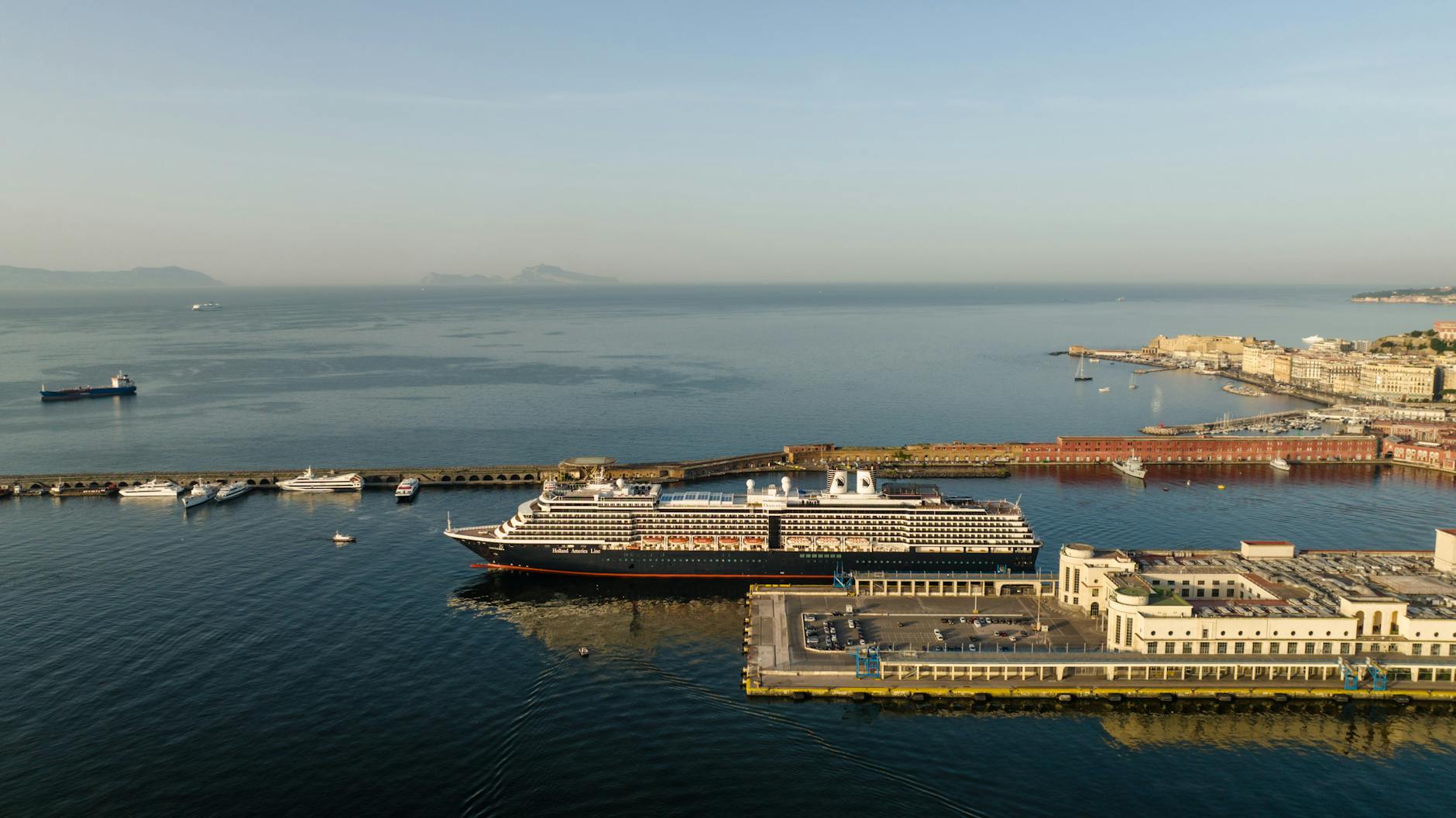
Naples can reward a luxury traveler with exceptional views, serious food, private guiding, coastal access, historic depth, art, hotels with strong character, and the ability to connect the city with Capri, Pompeii, Sorrento, or the wider bay. But luxury in Naples is not only about spending more. It is about controlling friction in a city where street texture, traffic, access, crowding, and timing can change the feel of a trip quickly. The right short luxury visit should protect comfort without sterilizing the city. That means choosing the hotel by exact location and access, using transfers where they create real value, reserving meals intelligently, deciding which cultural experiences deserve private handling, and avoiding a schedule that confuses luxury with constant motion.
Choose the hotel by access, not only prestige
A luxury hotel in Naples should be judged by more than brand, view, or room category. The exact street, vehicle access, lobby management, noise, restaurant proximity, waterfront connection, and return route after dinner all matter. A beautiful property can still create friction if every movement starts with an awkward pickup or a difficult walk.
For some travelers, a waterfront or Chiaia-oriented base may protect comfort and evening movement. For others, a historic property closer to cultural sights may be worth the extra street intensity. The important point is to match the hotel to the trip's real anchors rather than assuming the most expensive address is automatically the most functional one.
- Review the exact street, vehicle access, entrance, noise, and evening return conditions.
- Match the hotel to the traveler's dining, cultural, waterfront, or coastal priorities.
- Do not choose by room category before testing how the traveler will move from the property.
Use private transfers where they solve a real problem
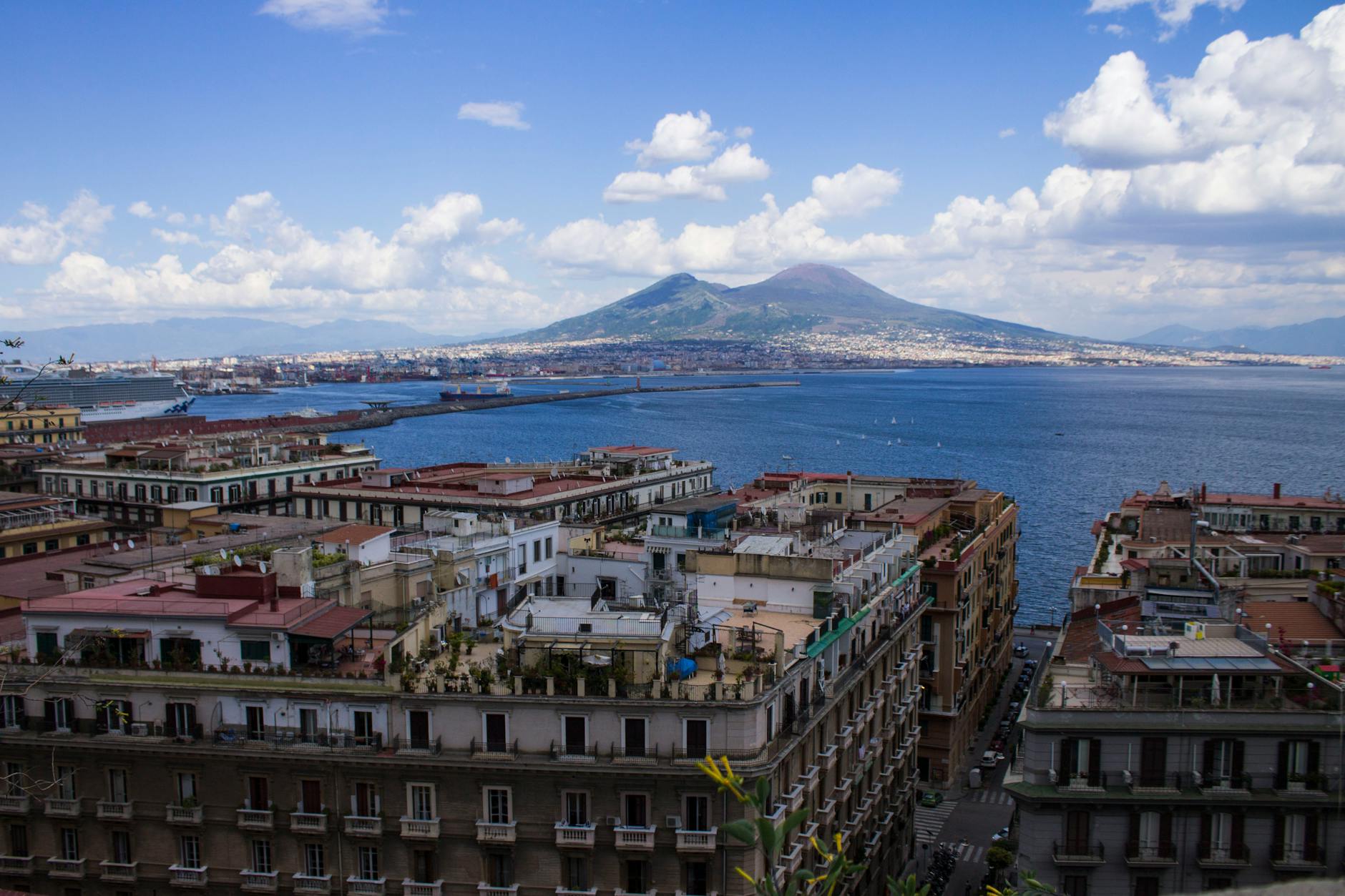
A private driver can be valuable in Naples, especially for airport arrival, luggage-heavy movements, dinner returns, coastal transfers, senior travelers, or routes where vehicle access and timing need to be controlled. But a car is not magic. Traffic, narrow streets, pedestrian areas, and pickup constraints still apply.
The best luxury movement plan combines modes. A driver may handle airport and dinner returns. A guide may manage historic-center walking. A ferry, boat, or rail movement may make sense for specific coastal or archaeological plans. The trip should use private support to reduce uncertainty, not to pretend the city has no constraints.
- Use drivers for arrival, luggage, dinner returns, coastal transfers, and time-sensitive movements.
- Confirm pickup points and access limits before relying on a car.
- Combine private transfers with walking, guiding, ferry, or rail where those modes fit better.
Reserve meals around the day's movement
Naples dining can be one of the strongest parts of a luxury trip, but meal planning should follow the itinerary rather than fight it. A famous restaurant across town may be the wrong choice after a long museum day. A waterfront dinner may be perfect if the return is simple. A private food guide can be more valuable than chasing several high-profile names without context.
The traveler should also decide how much informality belongs in the trip. Naples food culture is not only formal dining. The best luxury version may include one polished dinner, one excellent casual meal, and one guided food walk that keeps the experience controlled without making it sterile.
- Reserve meals around where the traveler will actually be, not only reputation.
- Balance formal dining with guided casual food experiences when appropriate.
- Keep return transport and next-morning obligations in mind before late dinners.
Decide how much city texture the traveler wants
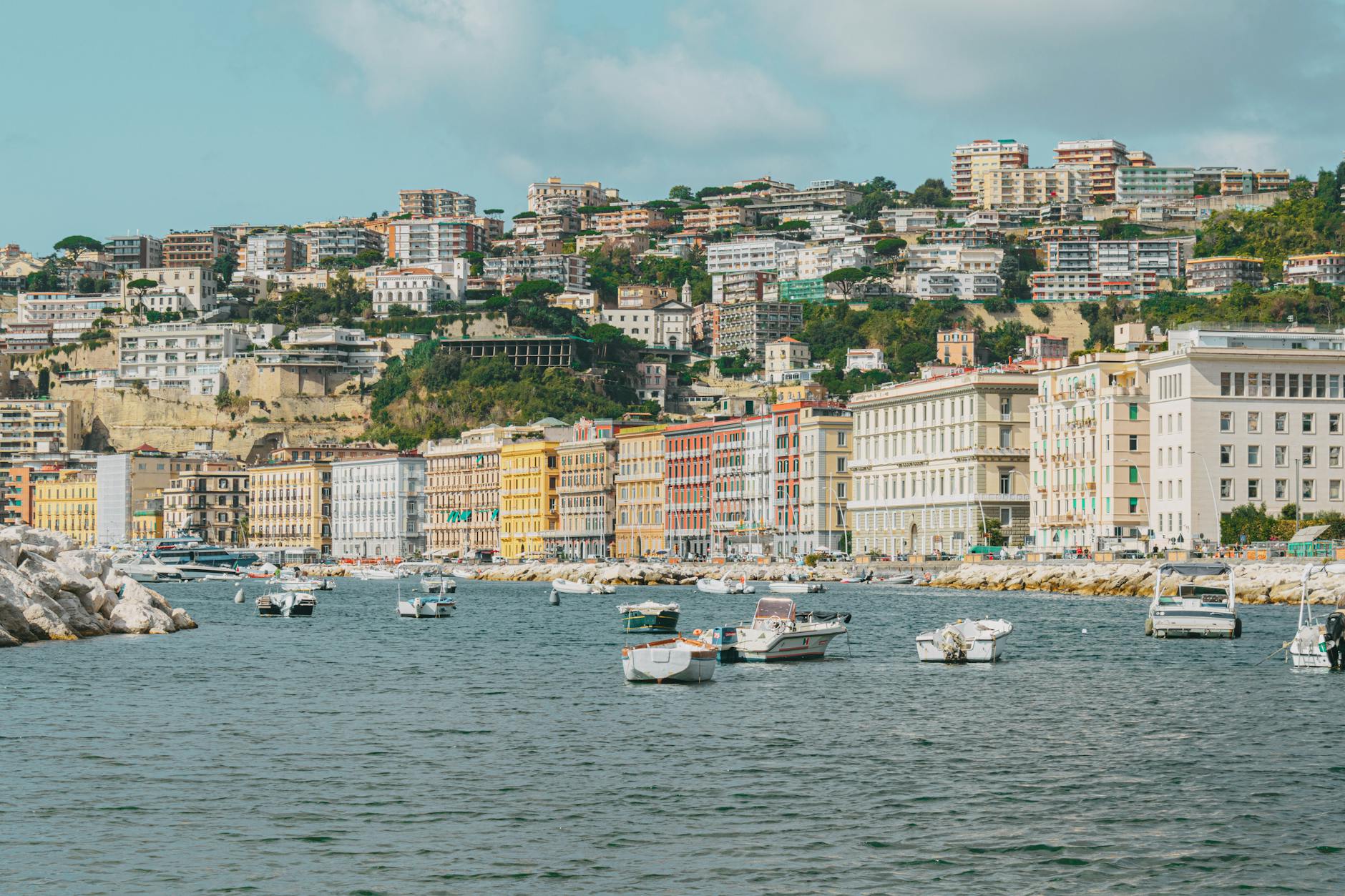
Some luxury travelers want Naples in full: street markets, historic lanes, churches, noise, food, and dense movement. Others want a more buffered version built around views, private guides, museums, waterfront meals, and controlled transfers. Neither is wrong, but the trip should be honest about the desired exposure level.
This matters because Naples can be vivid. A traveler who expects polished resort smoothness may be surprised by the city. A traveler who wants atmosphere may be disappointed if every minute is insulated. The best plan defines the amount of street-level Naples the traveler actually wants to use.
- Decide whether the trip should be immersive, buffered, or a mix of both.
- Use private guiding to make dense areas understandable and better paced.
- Avoid promising resort-style smoothness in a city whose value includes texture.
Plan coastal and island add-ons carefully
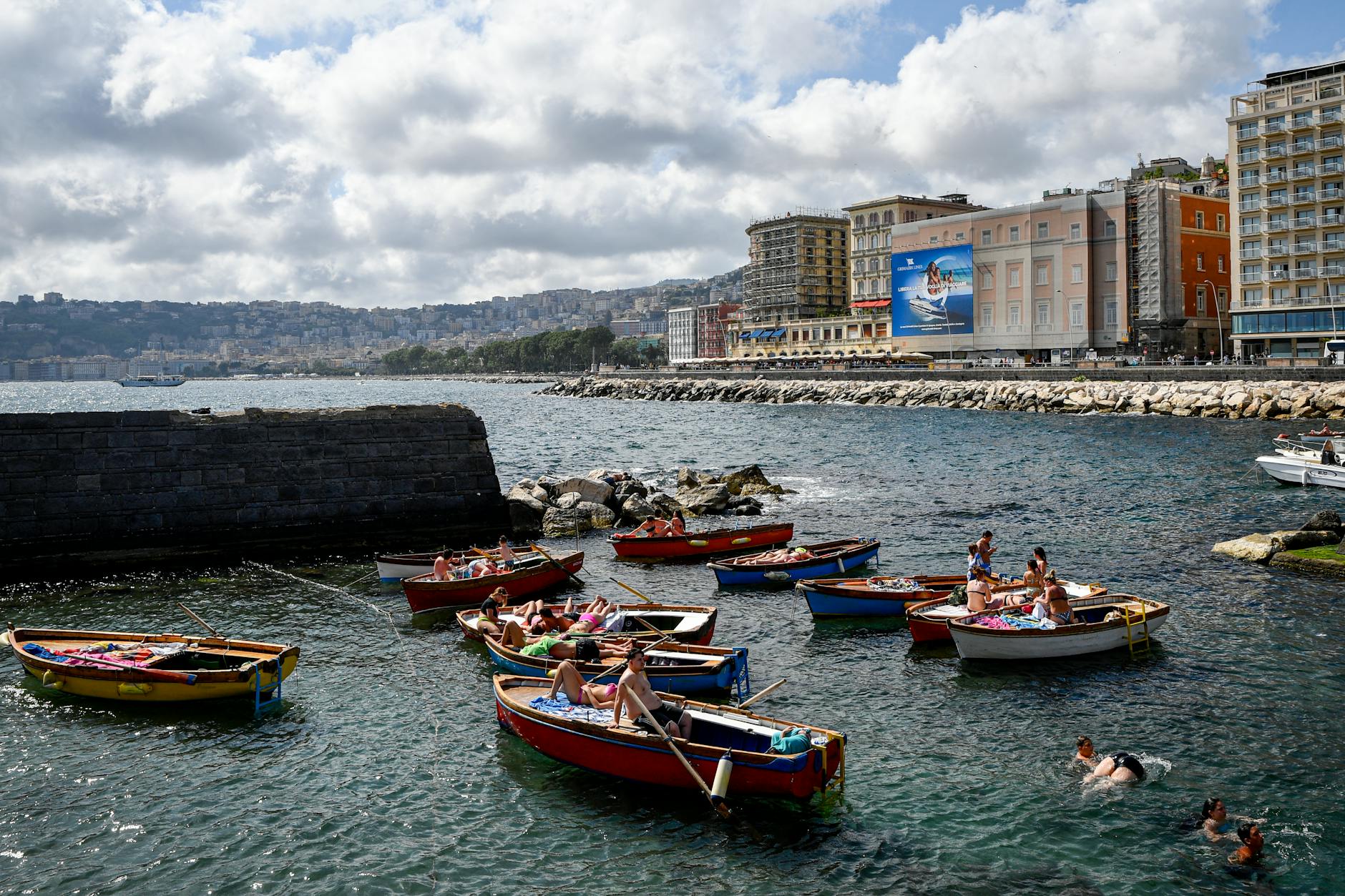
Luxury travelers often want to attach Capri, Sorrento, Pompeii, a yacht day, or the Amalfi Coast to a Naples stay. These can be excellent, but they need time, weather awareness, sea conditions, transfer planning, and realistic expectations. A short Naples trip can become weak if it tries to function as a full bay-and-coast itinerary.
The traveler should choose the add-on that matters most. A private boat day may be worth building the trip around. Pompeii with a strong guide may be more meaningful than a rushed coastal loop. The point is to make the add-on deliberate rather than using Naples as a hurried launchpad for everything nearby.
- Choose the highest-value coastal, island, or archaeological add-on instead of stacking several.
- Check weather, sea conditions, transfer timing, and return comfort.
- Use private support when it meaningfully protects time and experience quality.
Protect privacy and valuables without becoming rigid
Luxury travel often means better watches, jewelry, luggage, cameras, devices, and public visibility. Naples does not require paranoia, but it does reward discretion. Travelers should avoid obvious displays in crowded streets, keep bags controlled at terraces, use hotel safes intelligently, and handle phones carefully around stations and dense areas.
Privacy also matters at restaurants, hotel lobbies, and guided movements. A traveler with business exposure, a recognizable profile, or expensive equipment should make those facts part of the plan rather than improvising after arrival.
- Use discretion with jewelry, watches, cameras, luggage, and devices.
- Keep bags controlled in terraces, lobbies, stations, and busy streets.
- Plan privacy needs in advance when the traveler has visibility or expensive equipment.

When to order a short-term travel report
A luxury traveler with a simple hotel stay and local concierge support may not need a custom Naples report. A report becomes useful when the trip includes private transfers, yacht or island plans, senior travelers, high-value dining, multiple hotels, visibility, jewelry or equipment concerns, day trips, or a need to balance comfort with authentic city exposure.
The report should test hotel access, transfer strategy, dining geography, guide use, coastal add-ons, street exposure, privacy, weather, and what to cut if the schedule becomes too polished or too crowded. The value is a Naples luxury trip that feels intentional rather than merely expensive.
- Order when hotel access, private transfers, dining, coastal add-ons, privacy, or pacing matter.
- Provide hotel options, transfer preferences, dining goals, add-on plans, visibility concerns, and mobility needs.
- Use the report to make comfort and city texture work together.