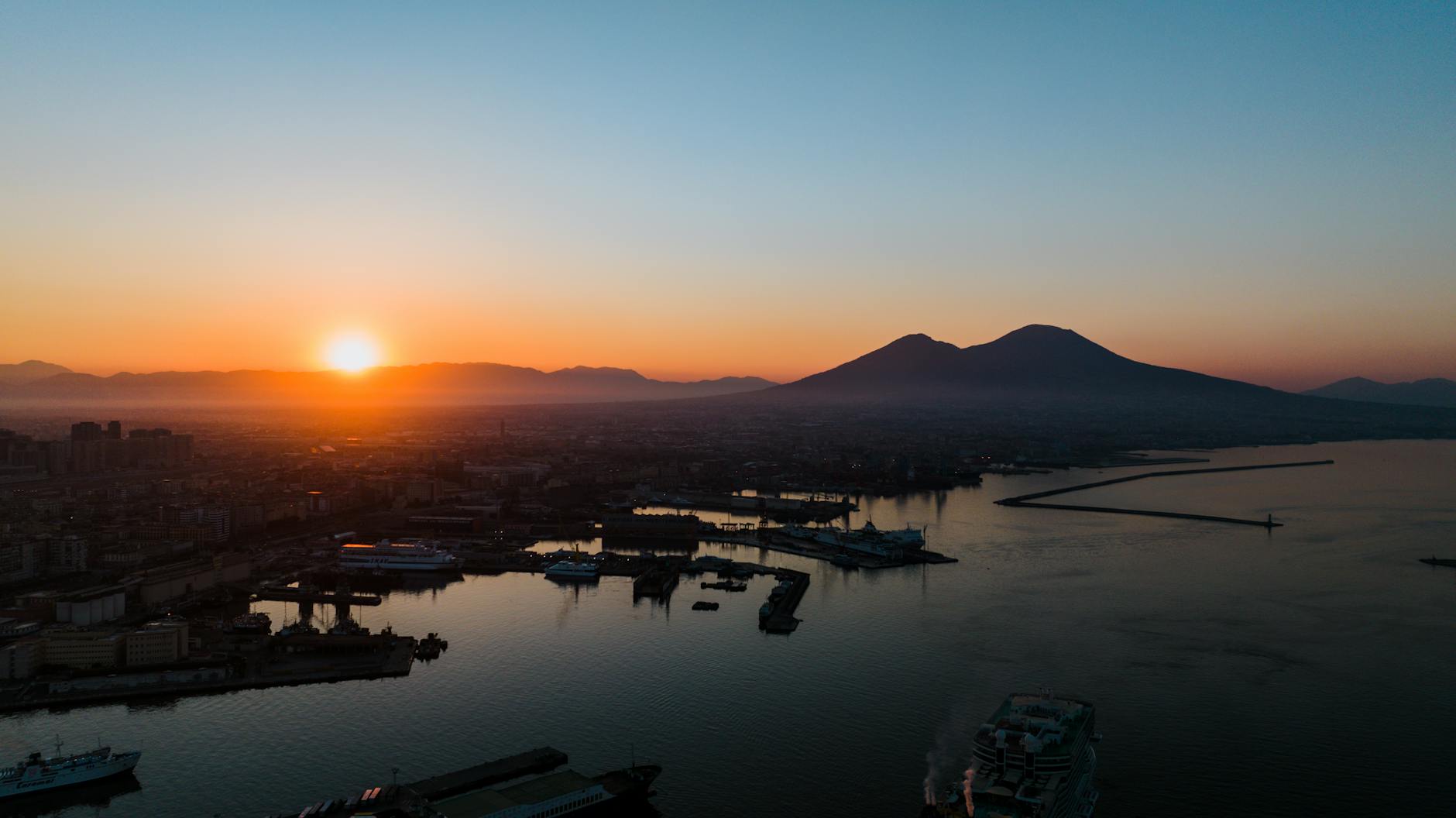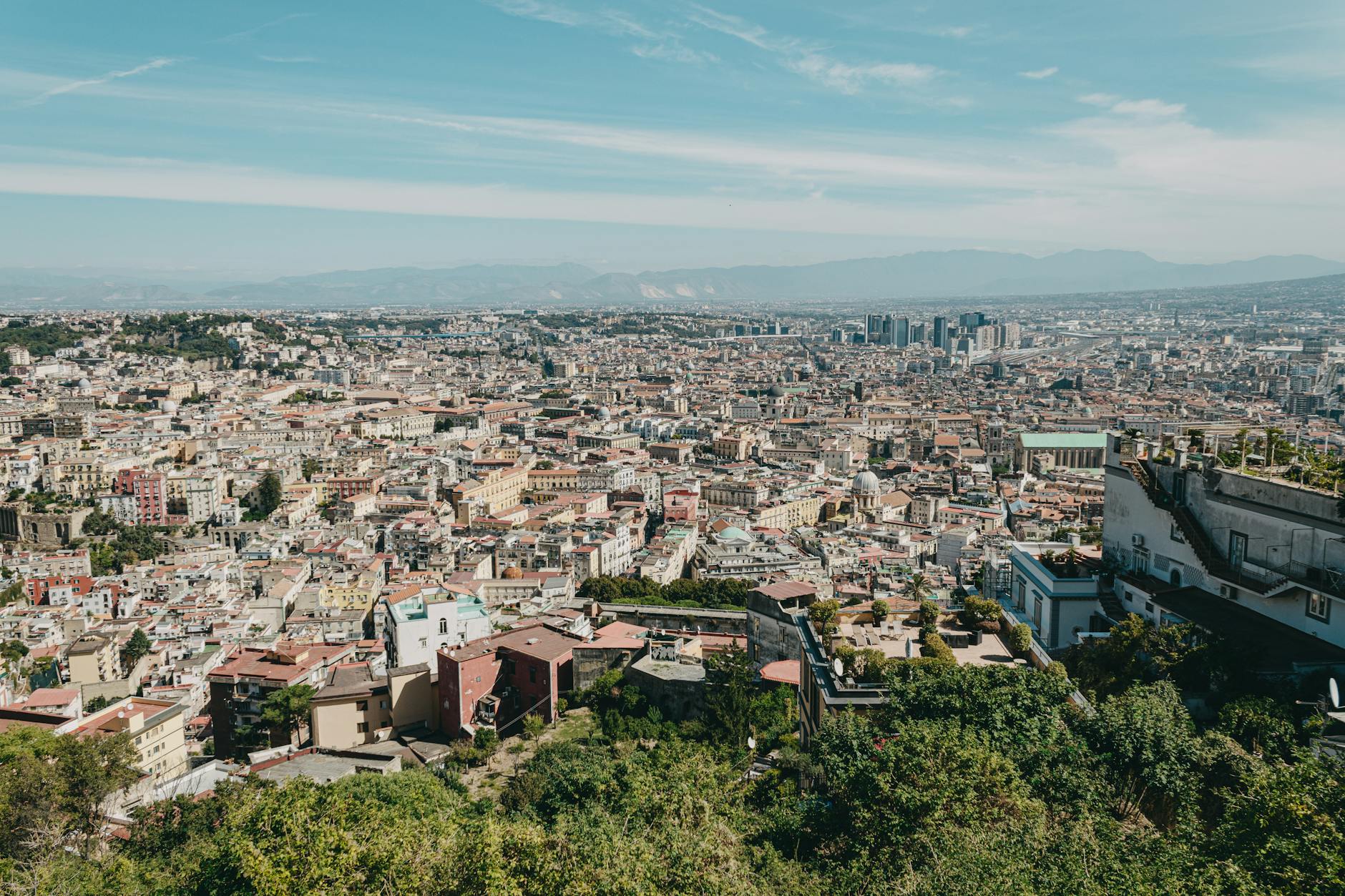
A journalism trip to Naples may involve politics, crime, culture, food, housing, migration, tourism, archaeology, sport, climate, port logistics, business, religion, or a human-interest assignment. The city can support strong reporting, but it is not a neutral backdrop. Naples is layered, local, proud, and easy to misread if the traveler arrives with a thin itinerary and a few visual cliches. The journalist should arrive with a reporting plan that separates access, safety, logistics, equipment, filing, source protection, and personal movement. The most useful question is not how to see Naples quickly. It is how to work in Naples without letting travel friction distort the reporting.
Define the assignment before defining the route
A journalist should begin with the reporting question, not the list of famous places. Naples can support very different assignments within a small geographic area, and each one changes the route, sources, base, gear, and timing. A food story, port story, crime-adjacent story, tourism story, archaeology story, football story, and housing story should not use the same plan.
The traveler should identify what must be observed, who must be interviewed, what needs permission, and what can be handled remotely. Without that structure, the trip can become visually rich but editorially thin.
- Start with the reporting question, source list, and required observations.
- Separate interviews, field reporting, photography, filing, and travel time.
- Avoid building the assignment around postcard locations unless they serve the story.
Be precise about neighborhoods and source access
Naples changes quickly by district, street, hour, and social context. The journalist should not treat the historic center, port, station area, Vomero, Chiaia, Spanish Quarter, suburbs, archaeological sites, or coastal towns as interchangeable. If the story involves vulnerable people, sensitive institutions, or local disputes, source access and local introductions matter more than raw confidence.
A fixer, interpreter, local producer, academic contact, NGO contact, lawyer, or community gatekeeper may be useful depending on the story. The traveler should know when they are observing public life and when they are entering a more sensitive space.
- Map the assignment by district, source type, and time of day.
- Use local support when language, sensitivity, or access requires it.
- Do not assume one Naples neighborhood can stand in for the whole city.
Choose a base that supports filing and fieldwork
A journalist's hotel or apartment needs to support both movement and work. Reliable Wi-Fi, quiet calls, desk space, secure storage, easy taxi pickup, late return practicality, breakfast timing, and proximity to first interviews can all matter. A beautiful location can be wrong if it makes filing or early fieldwork fragile.
If the journalist is moving between Naples, Pompeii, the port, the airport corridor, or nearby towns, lodging should be chosen around the reporting sequence. The base should make the hardest day easier, not just the evening more atmospheric.
- Check Wi-Fi, quiet calls, desk setup, secure storage, and late-return practicality.
- Choose lodging around interviews and fieldwork rather than generic tourism.
- Protect filing time in the schedule instead of hoping it appears.
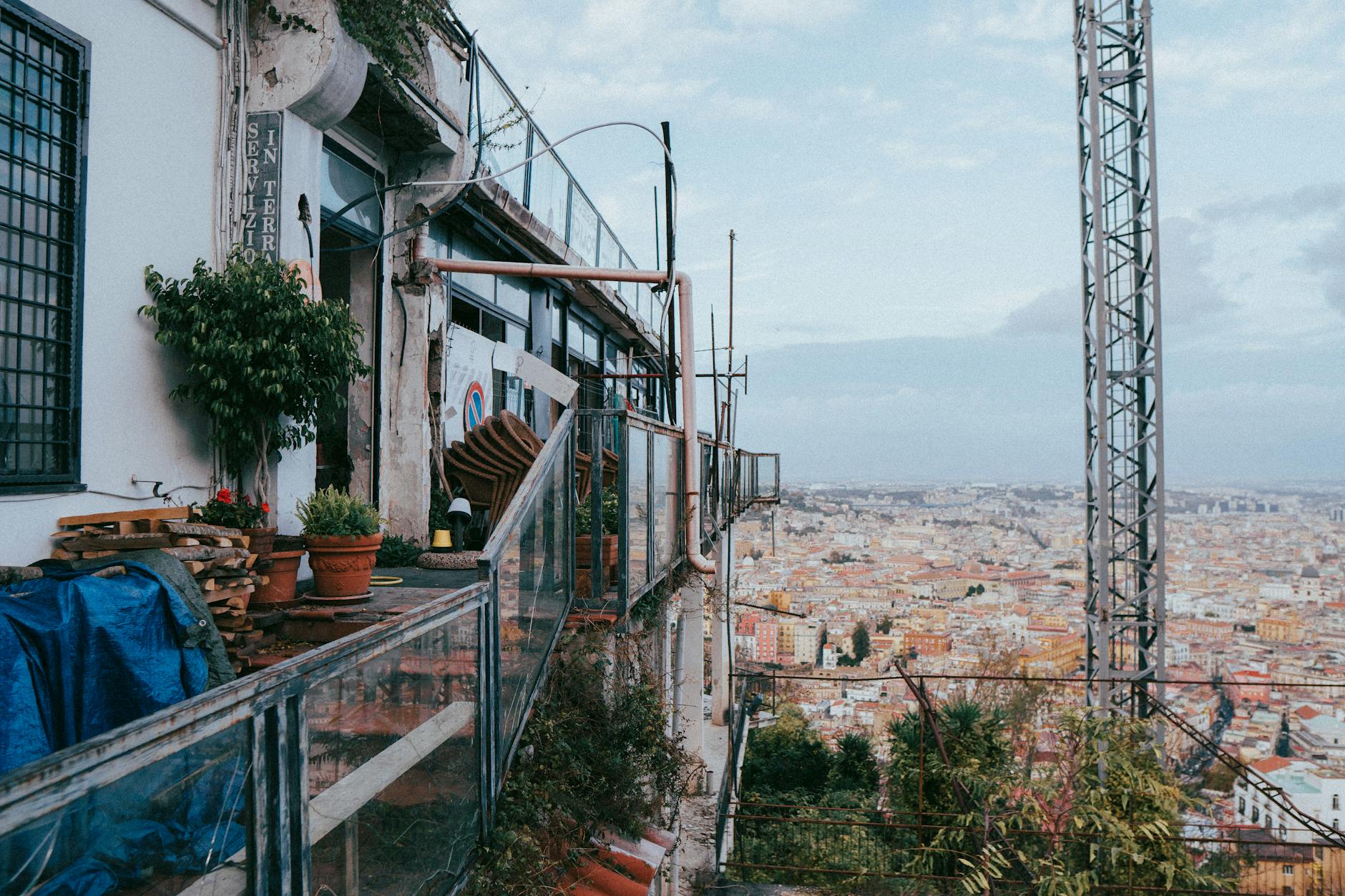
Manage equipment, data, and visibility
Journalists may carry cameras, microphones, laptops, drives, notebooks, credentials, lights, batteries, and phones. In Naples, visible equipment changes how the traveler moves and how others respond. The journalist should decide what to carry each day, how to back up material, where to store gear, how to charge devices, and how to avoid exposing sensitive notes or source information.
Data security is part of trip planning. A lost bag, full memory card, weak password, dead phone, or overheard call can damage the assignment. The travel plan should include redundancy without turning the journalist into a walking equipment case.
- Carry only the gear needed for each reporting block.
- Back up notes, photos, audio, and video before moving to the next day.
- Protect credentials, source information, drives, and devices in public spaces.
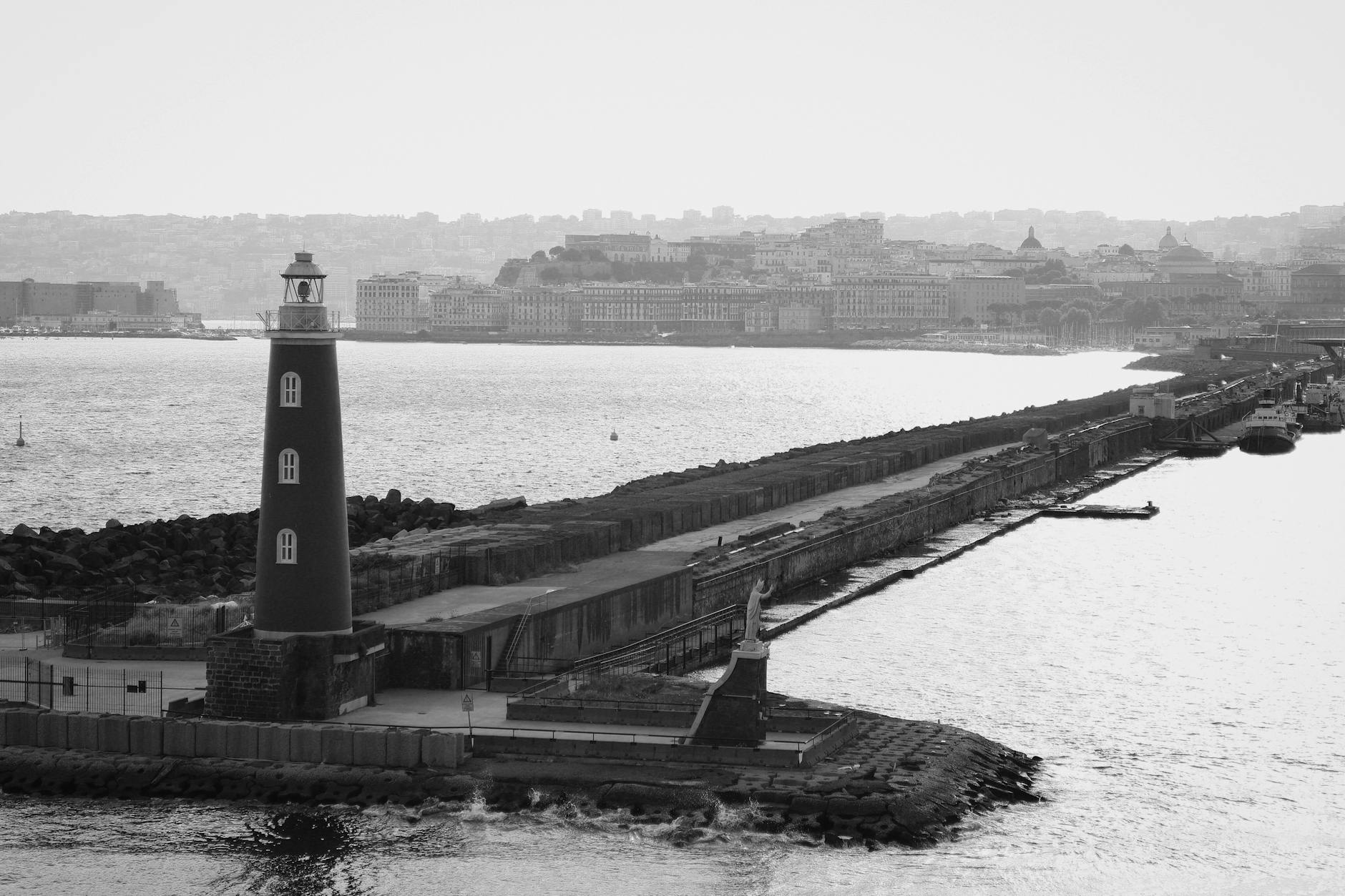
Build transport around reporting time
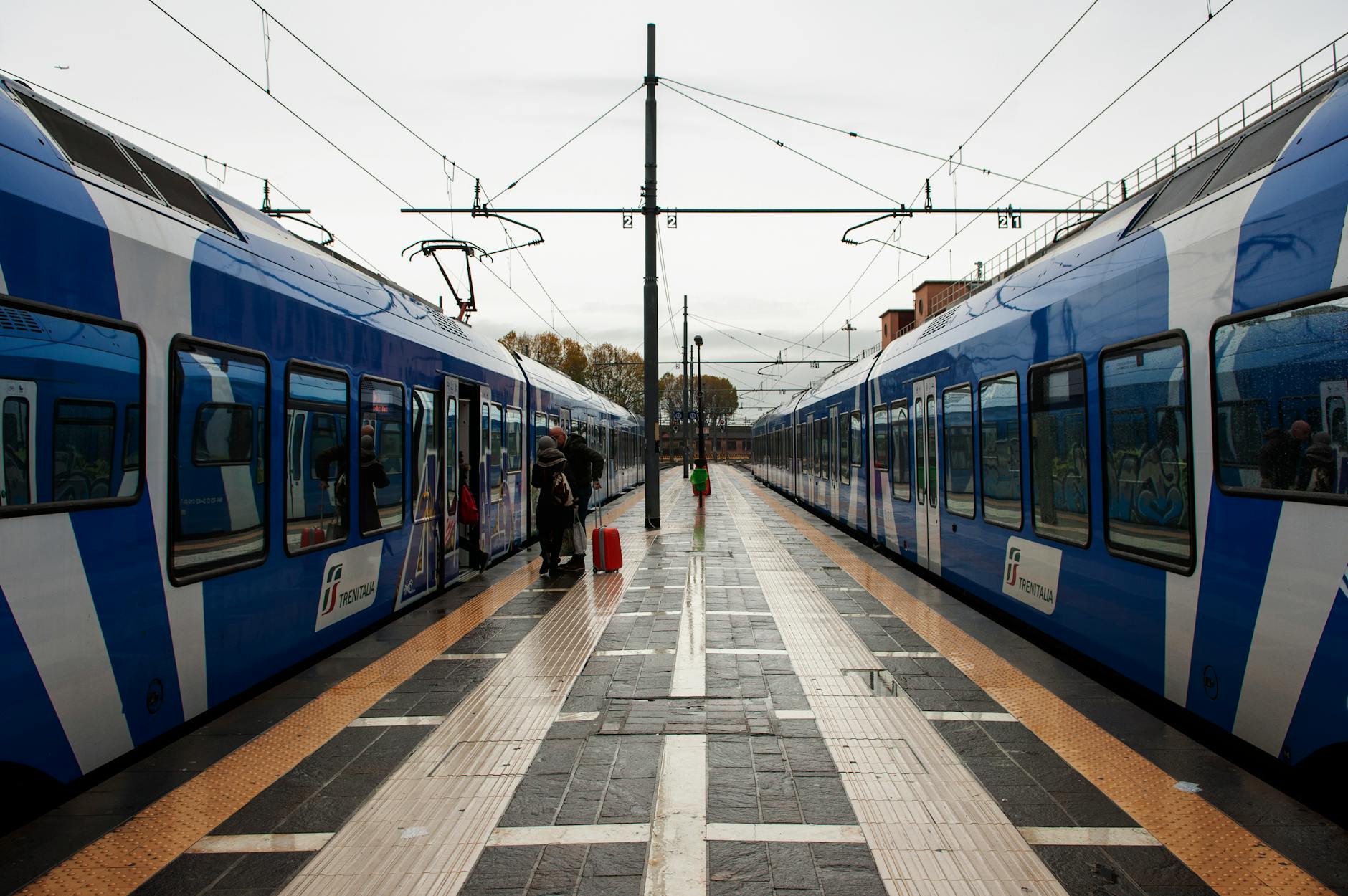
A journalist's schedule can be destroyed by small transport assumptions. Interviews may run long, sources may change locations, rain may shift street reporting, and an early train or ferry may set the whole day. The traveler should know which routes are walkable, which need taxis, which rely on trains or ferries, and which should be avoided when carrying visible gear.
The plan should include arrival and exit for each field block, especially around stations, ports, late dinners, and early starts. Time spent moving is not neutral; it affects energy, attention, and the quality of reporting.
- Map interview routes, station transfers, port movements, and backup transport.
- Avoid tight transfers when carrying cameras, audio gear, or luggage.
- Protect reporting energy by reducing unnecessary cross-city movement.
Handle meals, evenings, and regional add-ons carefully
Naples may offer meals with sources, evening street scenes, port visuals, Pompeii context, island images, or Vesuvius framing. Those can strengthen a story, but only when they serve the assignment. A journalist should not add major regional travel unless it answers a reporting question or provides necessary context.
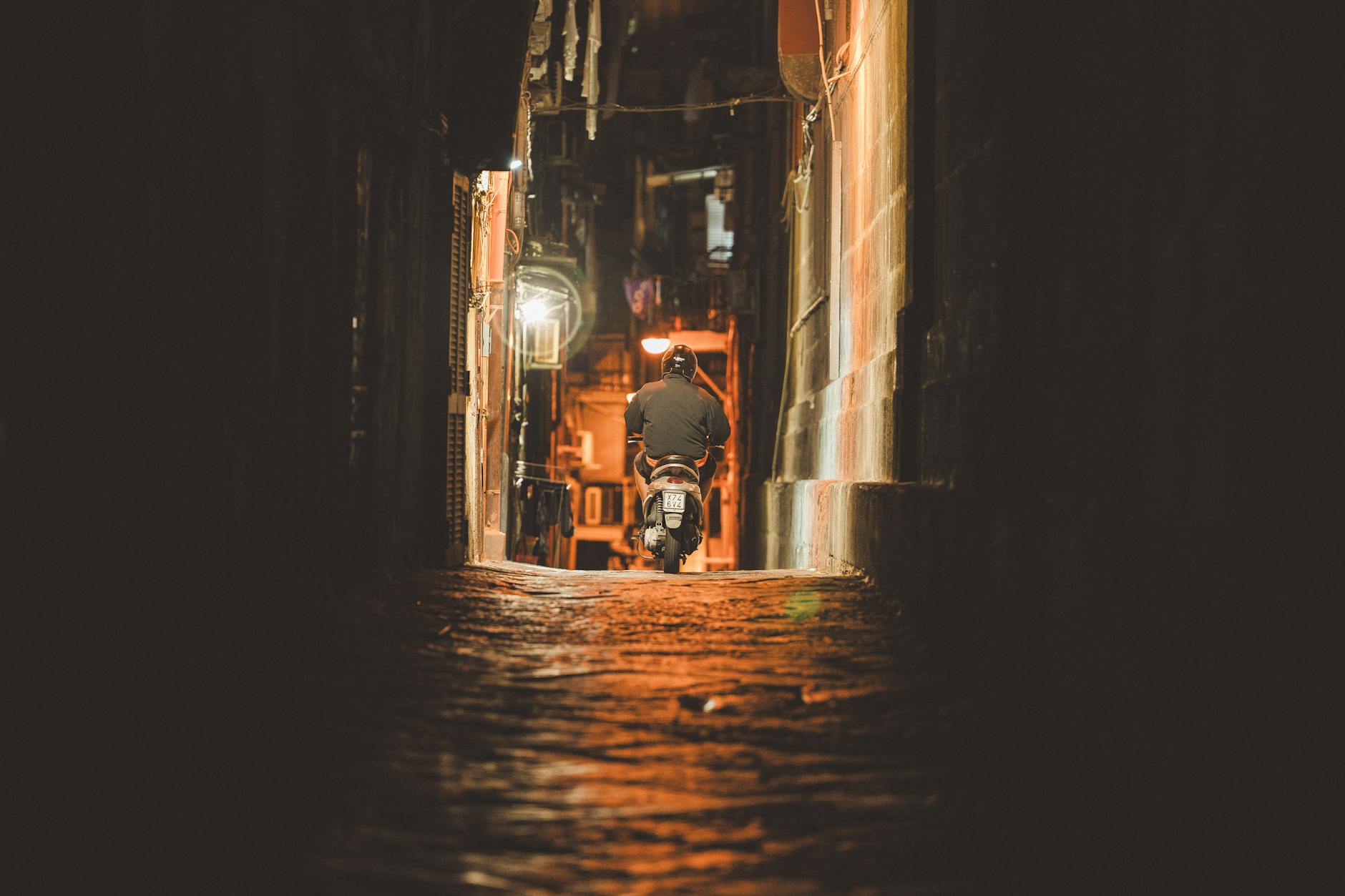
Evenings require discipline. A late source meal, nightlife observation, or street shoot should include a return route, gear plan, and next-day filing window. The journalist needs enough margin to think, not just enough time to gather material.
- Use meals and evening reporting only when they serve the assignment.
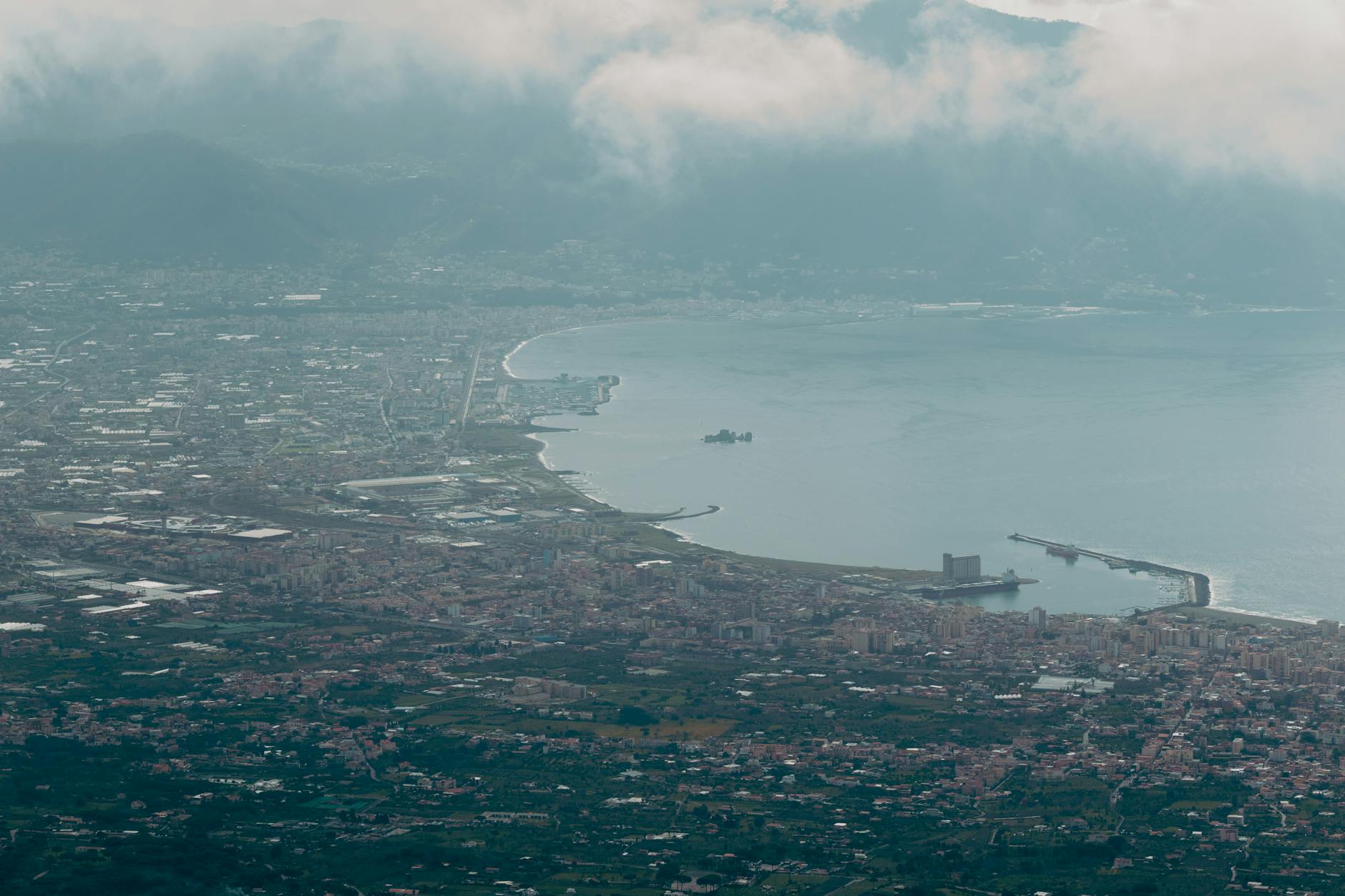
- Add Pompeii, Vesuvius, the coast, or islands for context, not filler.
- Plan late returns and next-day filing before extending the night.
When to order a short-term travel report
A journalist with one simple interview and a known hotel may not need a custom Naples report. A report becomes useful when the assignment includes multiple neighborhoods, sensitive sources, visible equipment, late movement, uncertain lodging, regional reporting, health constraints, or a tight filing schedule.
The report should test field routes, base selection, source access assumptions, gear exposure, data handling, transport, meals, evening movement, regional add-ons, and what to cut. The value is a Naples reporting trip that gives the journalist more usable attention for the story.
- Order when sources, neighborhoods, gear, transport, filing, or regional context need testing.
- Provide assignment goals, source locations, gear needs, hotel options, and constraints.
- Use the report to protect reporting quality rather than just movement efficiency.