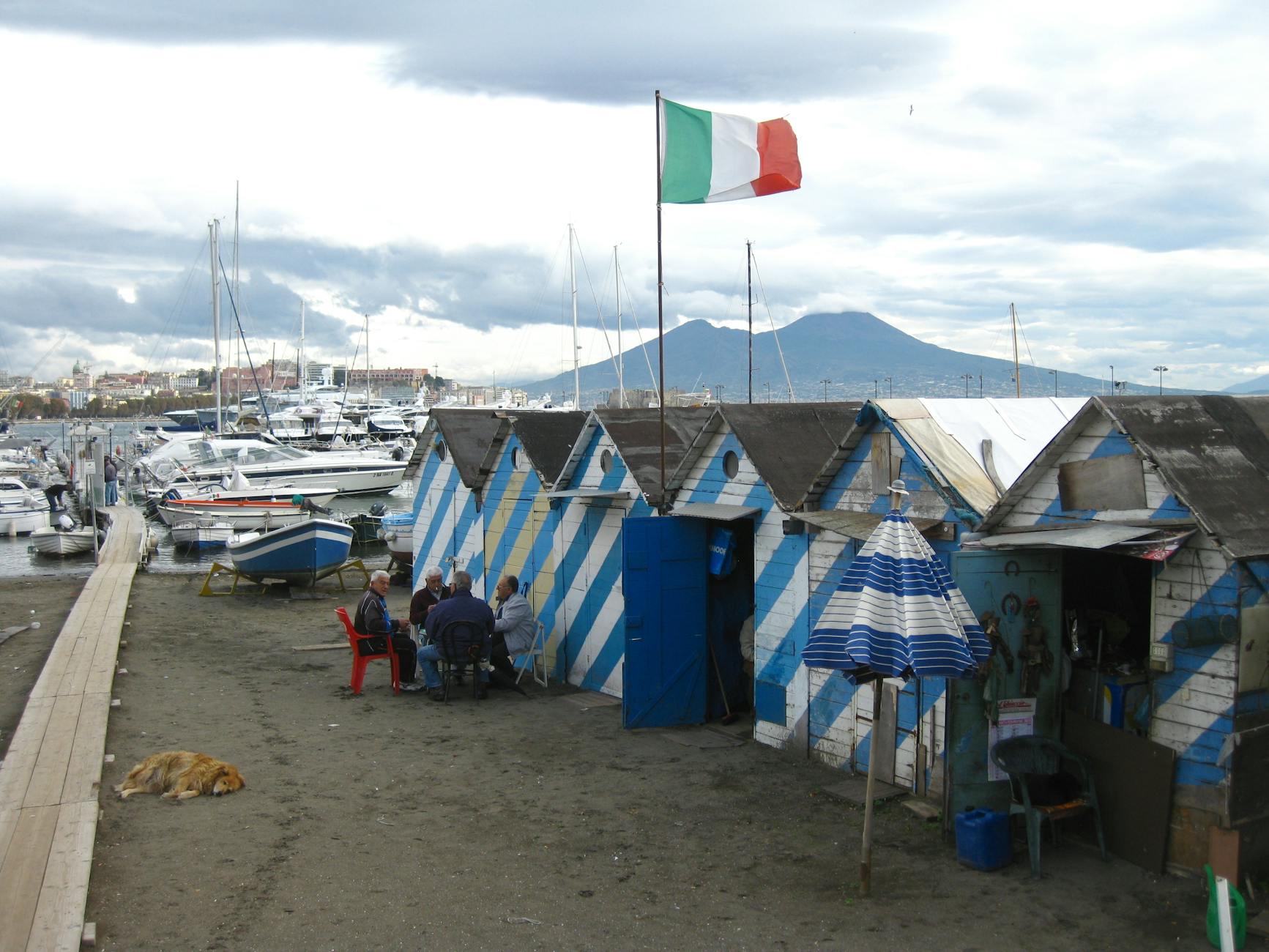
A Naples trip for an investor, lender, advisor, buyer, founder, or deal team member is not a normal business visit. The traveler may be evaluating a company, property, hospitality asset, logistics operation, family business, port-linked activity, healthcare provider, university partnership, or regional investment thesis. The schedule may combine formal meetings, site visits, legal or accounting conversations, meals, and confidential calls. Naples can support serious work, but the trip needs operational discipline. The city is dense, layered, and highly local. A deal traveler should know how each meeting connects, where sensitive work can be done, which movements are fragile, and what should be decided before arriving.
Separate diligence work from ordinary business travel
A deal trip often requires more than attending meetings. The traveler may need to see an asset, understand neighborhood context, inspect access, compare foot traffic, visit a port or logistics area, meet counterparties, speak with advisors, and still keep time for confidential calls. Naples makes that possible, but only if the trip is organized around diligence priorities rather than generic city convenience.
The traveler should define what must be observed in person, what can be handled remotely, and which meetings have decision weight. Without that discipline, the trip can become a sequence of polite conversations without enough hard evidence.
- List the diligence questions that require being physically in Naples.
- Separate asset visits, advisor meetings, counterparty meals, and private work blocks.
- Avoid filling the calendar with low-value meetings that crowd out observation.

Plan site visits with route and context in mind
In Naples, a site visit should include more than the address. The traveler should consider access, surrounding streets, parking, transit, foot traffic, delivery routes, hill gradients, port proximity, station links, and the time of day. A hospitality, retail, residential, healthcare, education, logistics, or real-estate asset can feel different depending on when and how it is approached.
If the diligence work extends to Pompeii, the coast, industrial areas, or nearby towns, the traveler should protect enough time for those movements. The route itself may reveal operational constraints that a meeting room cannot.
- Evaluate access, surroundings, foot traffic, parking, deliveries, and transit context.
- Visit important assets at relevant times of day when possible.
- Treat travel time between sites as part of the diligence evidence.
Choose a hotel that supports confidential work
An investor or deal team member needs a hotel that works as a private base. Reliable Wi-Fi, quiet call space, desk setup, secure luggage handling, taxi pickup, breakfast timing, and proximity to key meetings may matter more than atmosphere. If the traveler will review documents, take late calls, prepare investment committee notes, or handle sensitive negotiations, the room and hotel layout should support that work.
A beautiful but noisy or hard-to-access hotel can become a liability. Naples has excellent locations for atmosphere, but the deal calendar should decide whether those locations serve the work.
- Check Wi-Fi, desk space, private calls, secure storage, and taxi access.
- Avoid hotels that make confidential work or punctual movement harder.
- Prioritize the locations that reduce friction around the most important meetings.
Protect documents, devices, and discretion
Deal travel often involves sensitive documents, pricing discussions, board materials, financial models, nondisclosure obligations, and private calls. Naples requires the same discipline the traveler would use in any dense city: avoid visible confidential work in public spaces, keep devices controlled, separate backups, and do not carry unnecessary paper through stations, crowded streets, or late dinners.
Discretion is also social. The traveler should be thoughtful about where calls happen, who can overhear deal details, and whether visible branded material or conversation topics reveal more than intended.
- Secure laptops, documents, models, credentials, and backup files.
- Avoid sensitive calls or screen work in exposed cafes, taxis, and lobbies.
- Carry only what is needed for each meeting or site visit.

Use meals carefully
Meals can be central to deal travel in Naples. A client dinner, advisor lunch, founder meal, or informal counterparty conversation may reveal context that a formal meeting misses. The location should fit the purpose: private enough for business, easy enough to reach, appropriate for the relationship, and not so ambitious that the logistics dominate the conversation.
The traveler should account for payment expectations, dietary needs, noise, table spacing, late returns, and whether alcohol or long meals will affect the next diligence day. Good hospitality can help; careless hospitality can blur judgment.
- Choose meals for privacy, relationship fit, route, timing, and conversation quality.
- Plan payment, dietary needs, noise, and return transport in advance.
- Do not let a celebratory dinner weaken next-day diligence.

Do not let regional add-ons distort the purpose
A deal traveler may want to add Pompeii, Capri, the Amalfi Coast, or a longer food itinerary. Those can be worthwhile, but they should not compete with the work that justifies the trip. If the traveler is carrying sensitive devices or documents, a major leisure add-on may also create storage and security questions.
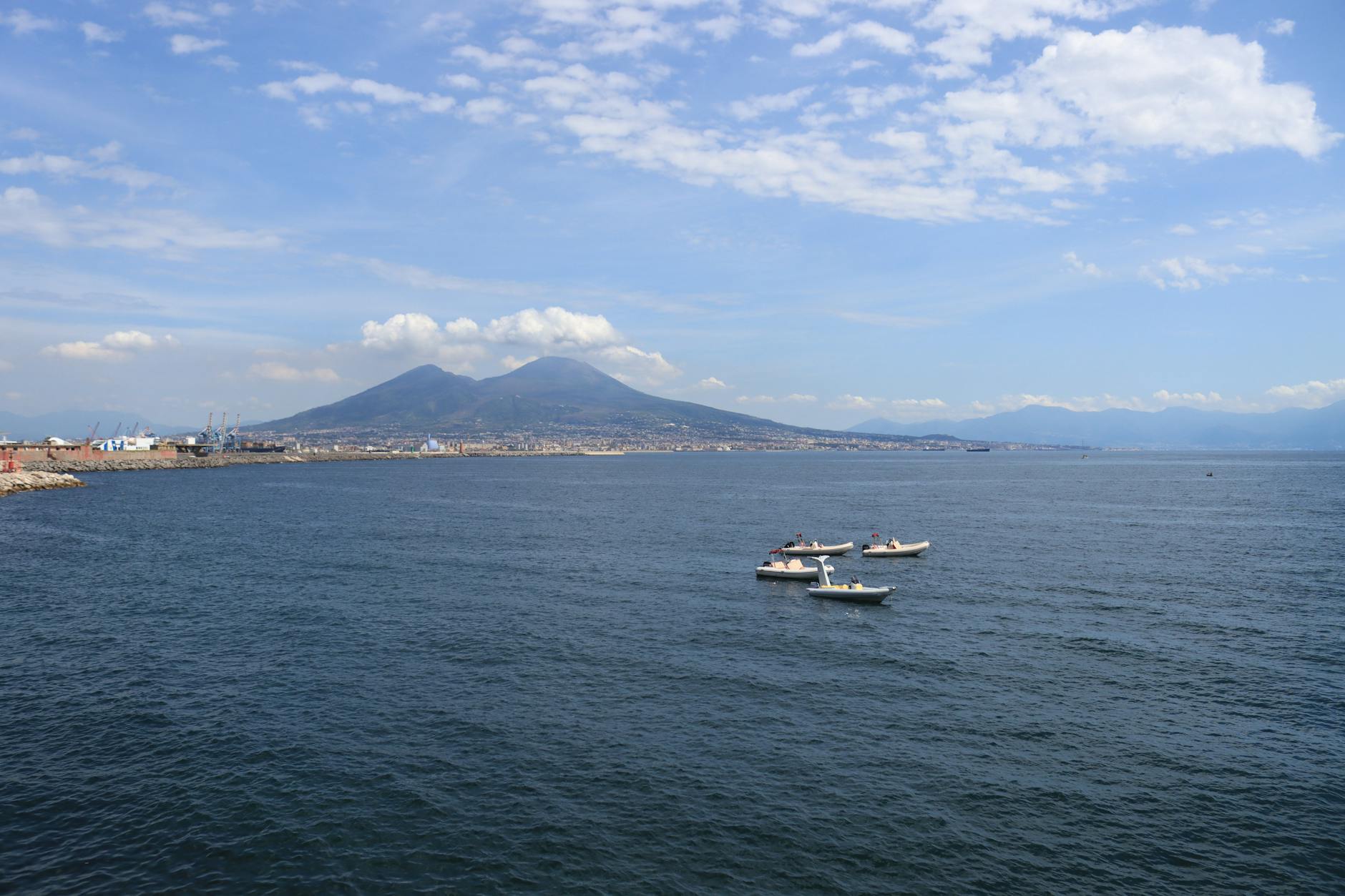
The better approach is to decide whether the add-on supports context, relationship-building, or recovery. If not, keep the Naples experience focused: a strong meal, waterfront view, short walk, or protected post-deal half day may be enough.
- Protect diligence and negotiation energy before adding regional sightseeing.
- Avoid excursions while carrying sensitive documents or devices.
- Use smaller Naples experiences when the deal schedule is tight.

When to order a short-term travel report
An investor or deal team member with one known meeting and a simple hotel choice may not need a custom Naples report. A report becomes useful when there are site visits, multiple counterparties, uncertain lodging, confidential work needs, late arrival, port or logistics exposure, asset inspections, client meals, or regional movements that need to be tested before the traveler commits.
The report should evaluate site access, meeting sequence, hotel work suitability, confidentiality risks, daily transport, meal settings, evening returns, add-on practicality, and what to remove. The value is a Naples deal trip that produces better judgment instead of just more motion.
- Order when site visits, meetings, confidentiality, meals, and routes need stress-testing.
- Provide asset locations, counterparty schedule, hotel options, call needs, and constraints.
- Use the report to protect decision quality during a compressed Naples trip.