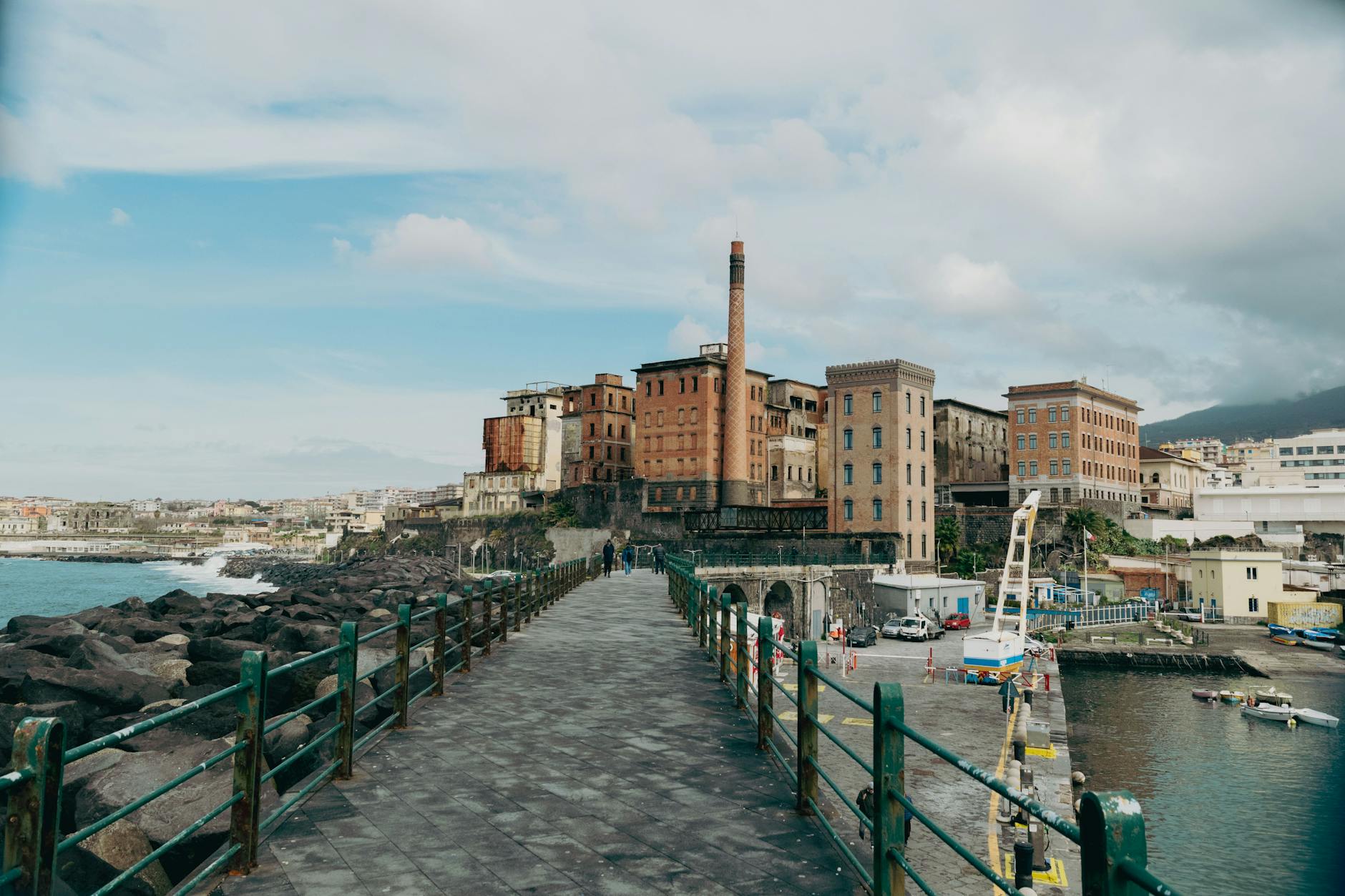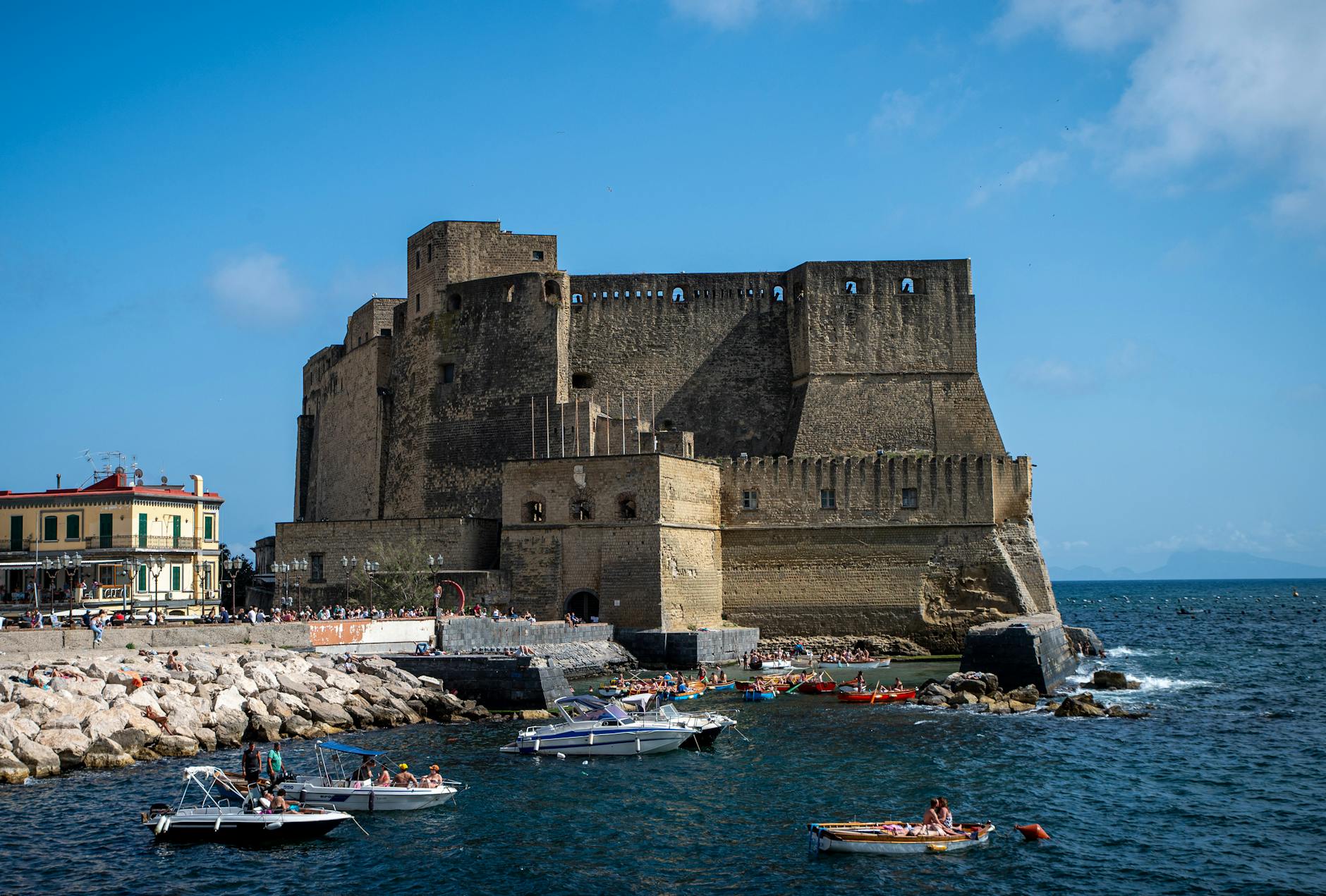
Naples can work well for families when the trip is built around pacing, food, views, castles, short routes, and practical recovery time. Children may respond strongly to the waterfront, boats, pizza, castles, street life, and the idea of Vesuvius or Pompeii. The same city can become difficult if parents ignore heat, uneven surfaces, scooters, crowds, stairs, bathroom timing, and the limits of moving as a group. A family trip to Naples should be planned around what the family can actually use, not what an adult-only itinerary would cover. The better plan usually has fewer sights, clearer meal anchors, easier returns, and one major outing at a time.
Choose lodging around family logistics
A family hotel in Naples should be judged by arrival ease, room layout, elevator access, stroller storage, nearby meals, noise, vehicle pickup, and the ability to return for a rest. A charming apartment with stairs or a hotel on a difficult street can make every outing harder than necessary.
Families should also think about the first and last movements of the day. Getting everyone out after breakfast, returning after dinner, and handling tired children or grandparents may matter more than being near one famous sight.
- Check room layout, elevator access, stroller storage, entrance, and nearby meals.
- Choose a base that makes mornings and evening returns easier.
- Avoid lodging that requires difficult stairs or awkward vehicle access unless the family is prepared for it.
Use the waterfront and castles as family anchors
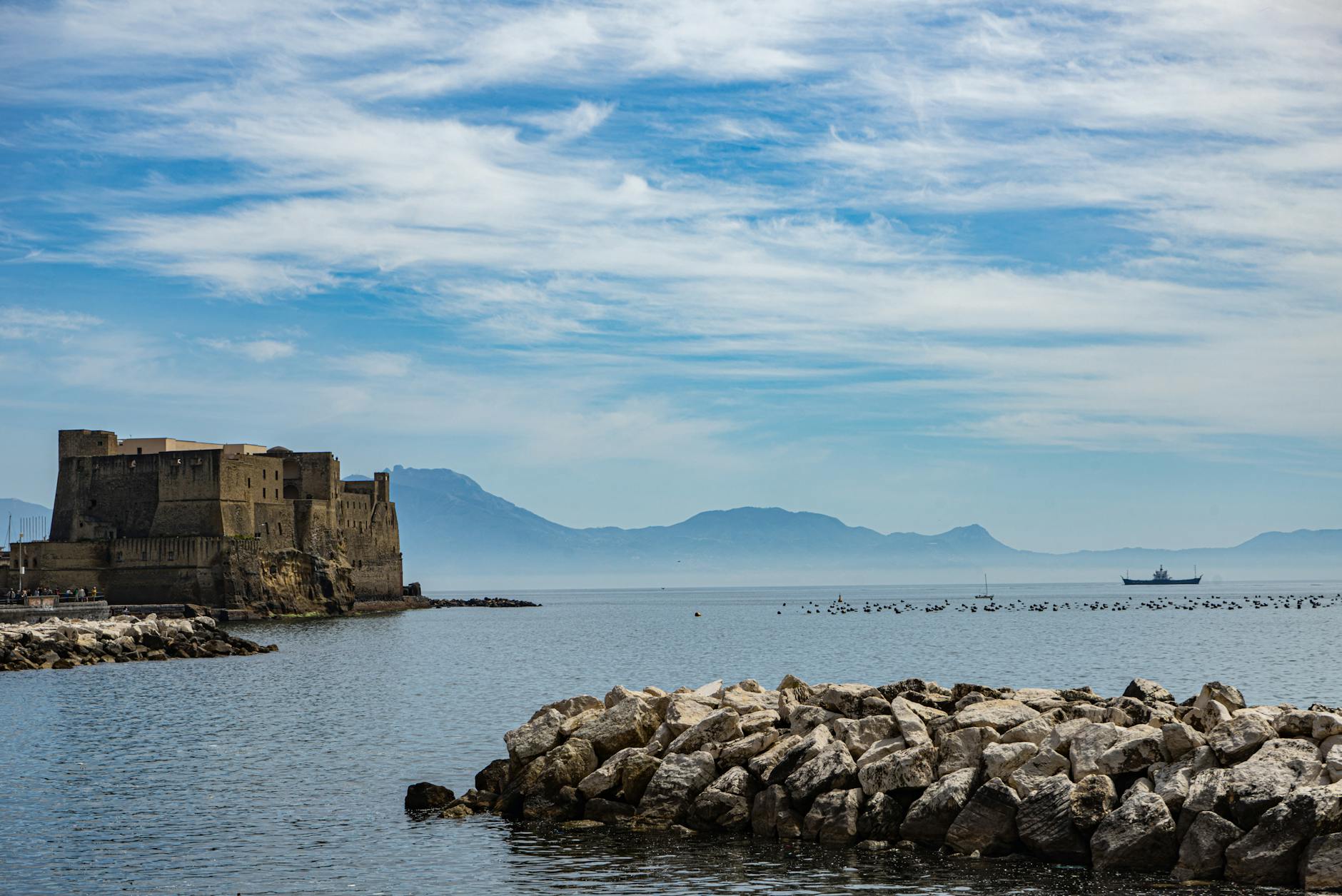
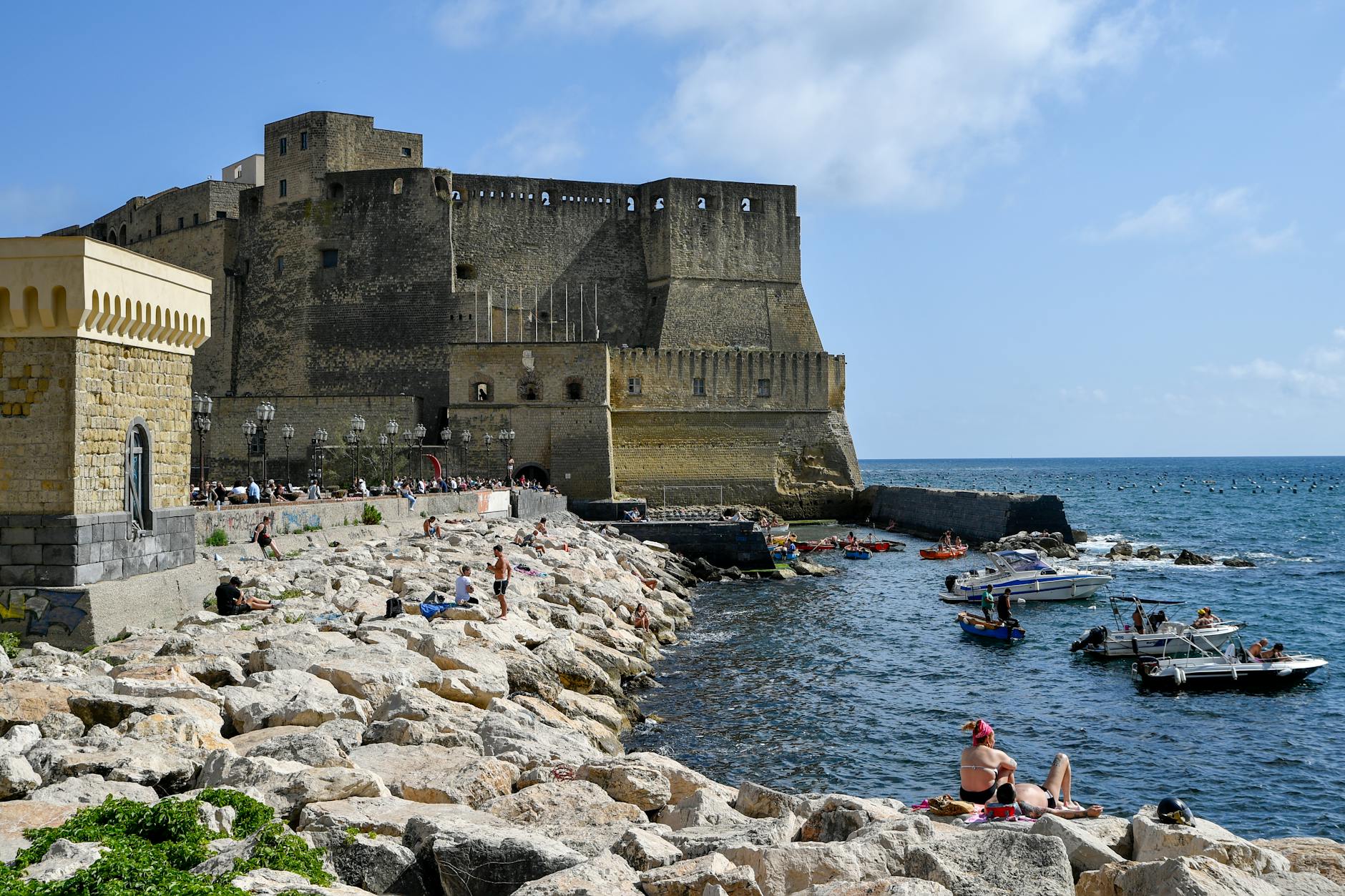
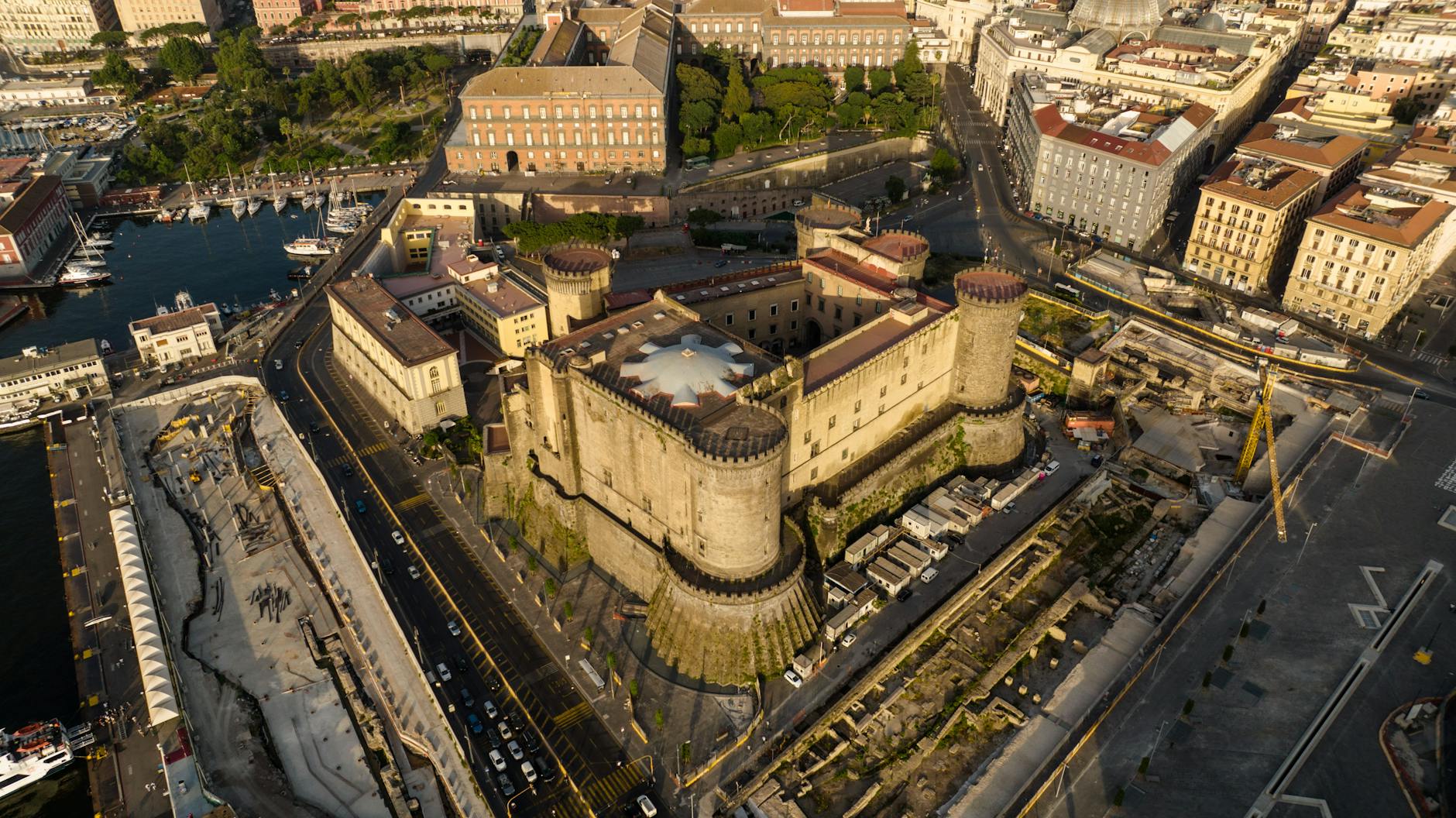
The Naples waterfront, Castel dell'Ovo, Castel Nuovo views, and open piazza routes can give families a strong first experience without forcing constant dense-street movement. These areas can provide views, space, boats, simple photo stops, and a clearer sense of orientation than some of the tighter historic-center lanes.
That does not mean families should avoid the historic center. It means using it in smaller doses, with a clear route, food plan, and exit. Naples works better for families when intensity is something parents choose rather than something the day imposes.
- Use waterfront, castle, and piazza routes for easier family orientation.
- Enter dense historic areas in shorter, planned blocks.
- Keep the route simple enough for children, strollers, and tired adults.
Plan food before the family gets hungry
Naples is a strong family food city because pizza, pastries, gelato, and casual meals can work well for children. But famous food stops can involve waits, crowds, and awkward timing. Families should identify realistic meals near the actual route and keep backups for tired children or weather changes.
Parents should also avoid turning every meal into a destination. One excellent food experience may be enough for a day. The rest of the meals can be practical, nearby, and timed before the group gets difficult.
- Plan meal anchors and backup options near the route.
- Avoid long waits when children are tired, hot, or hungry.
- Use Naples food as a strength without making every meal complicated.

Respect strollers, surfaces, and traffic
Families with younger children should be realistic about strollers. Uneven surfaces, stairs, narrow sidewalks, scooters, crowds, and traffic can make some routes frustrating. A carrier may help in some areas, while a stroller may be better on waterfront routes. The decision should match the specific day.
Older children still need planning. Long walks, heat, museum fatigue, and constant vigilance around scooters can wear down the group. The itinerary should include breaks, bathrooms, water, and low-pressure time.
- Match stroller, carrier, or walking plans to the actual route.
- Account for stairs, uneven surfaces, scooters, crowds, and heat.
- Build in bathrooms, water, shade, and rest before the group is worn out.

Be selective with Pompeii, Vesuvius, and the coast
Pompeii, Herculaneum, Vesuvius, Capri, and the coast can be memorable family experiences, but they are not effortless. Heat, walking distances, uneven ruins, stairs, boats, crowds, transport, and attention spans can make a famous outing harder than expected. The family should choose one major excursion and plan it carefully.
A guide, private transfer, shorter route, earlier start, or cooler season can make the difference between a good family memory and an endurance test. A family does not need to do every nearby highlight for the Naples trip to count.
- Choose one major excursion at a time and plan it around the youngest or least mobile traveler.
- Check heat, surfaces, tickets, transport, bathrooms, and return timing.
- Use guides or transfers when they reduce family strain rather than only adding cost.
Keep evenings close and easy
Family evenings in Naples should usually be simpler than adult-only evenings. A nearby dinner, waterfront walk, gelato stop, or early return may produce a better trip than crossing the city for a famous reservation after everyone is tired. Parents should know the route back before dinner begins.
This is especially important with strollers, sleeping children, older relatives, or mixed ages. The final movement of the day should be the easiest one, not the hardest. A short taxi or simple walk can be worth planning around.
- Choose evening meals with the return route in mind.
- Keep late plans near the hotel when children or older relatives are tired.
- Avoid making the final movement of the day complicated.

When to order a short-term travel report
A family with older children, local support, and a simple waterfront stay may not need a custom Naples report. A report becomes useful when the trip includes young children, grandparents, stroller needs, medical constraints, day trips, uncertain lodging access, late arrival, heat sensitivity, or a short schedule that still tries to include Pompeii, the coast, and Naples itself.
The report should test hotel access, arrival, stroller practicality, route clusters, food timing, bathrooms, day-trip feasibility, heat, evening returns, and what to cut. The value is a Naples family trip that feels vivid without asking the family to absorb avoidable stress.
- Order when lodging access, strollers, day trips, heat, meals, bathrooms, or mixed ages affect the trip.
- Provide ages, hotel options, arrival details, mobility needs, day-trip goals, and food constraints.
- Use the report to make Naples work for the whole family, not only the most energetic adult.