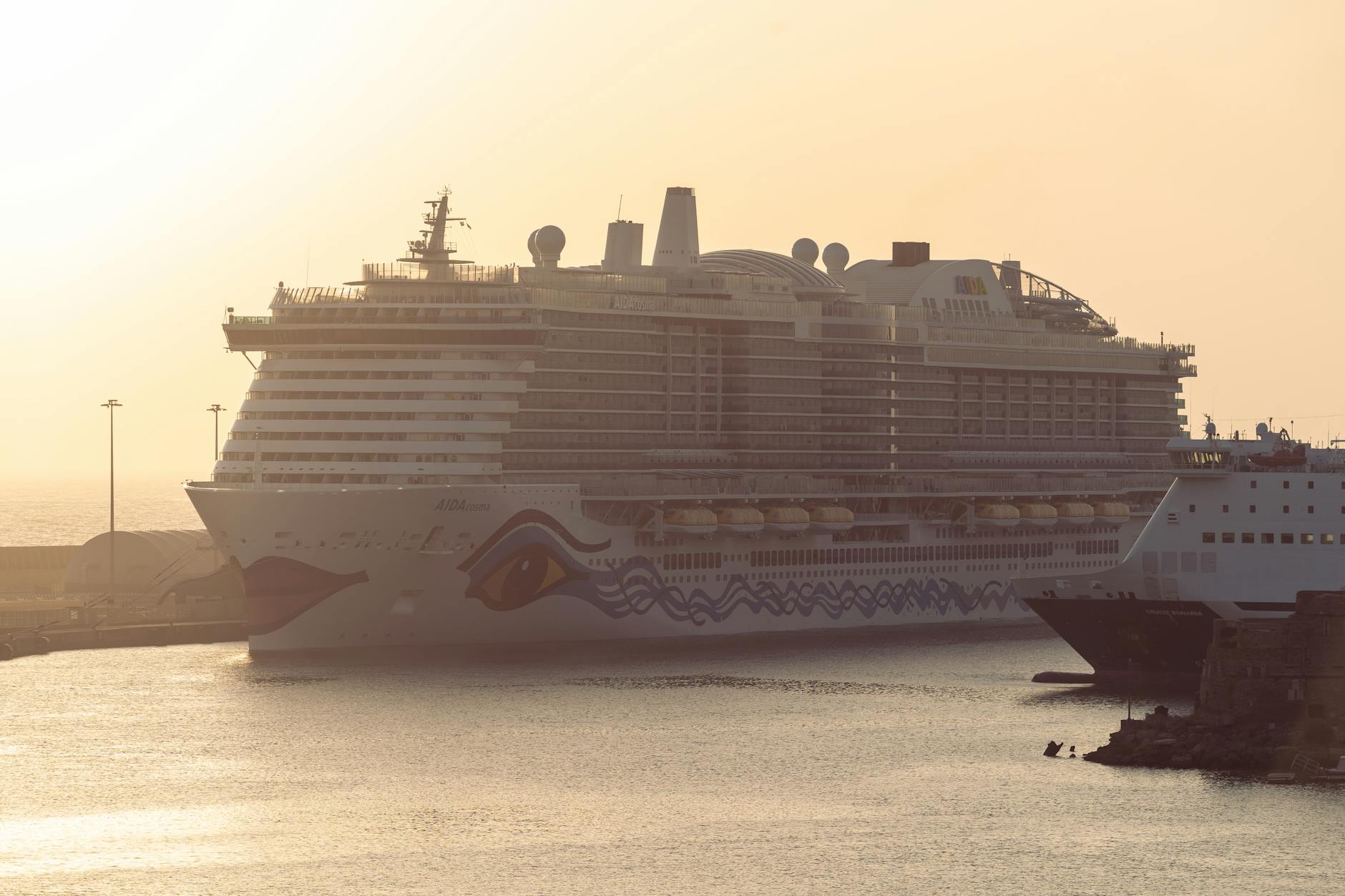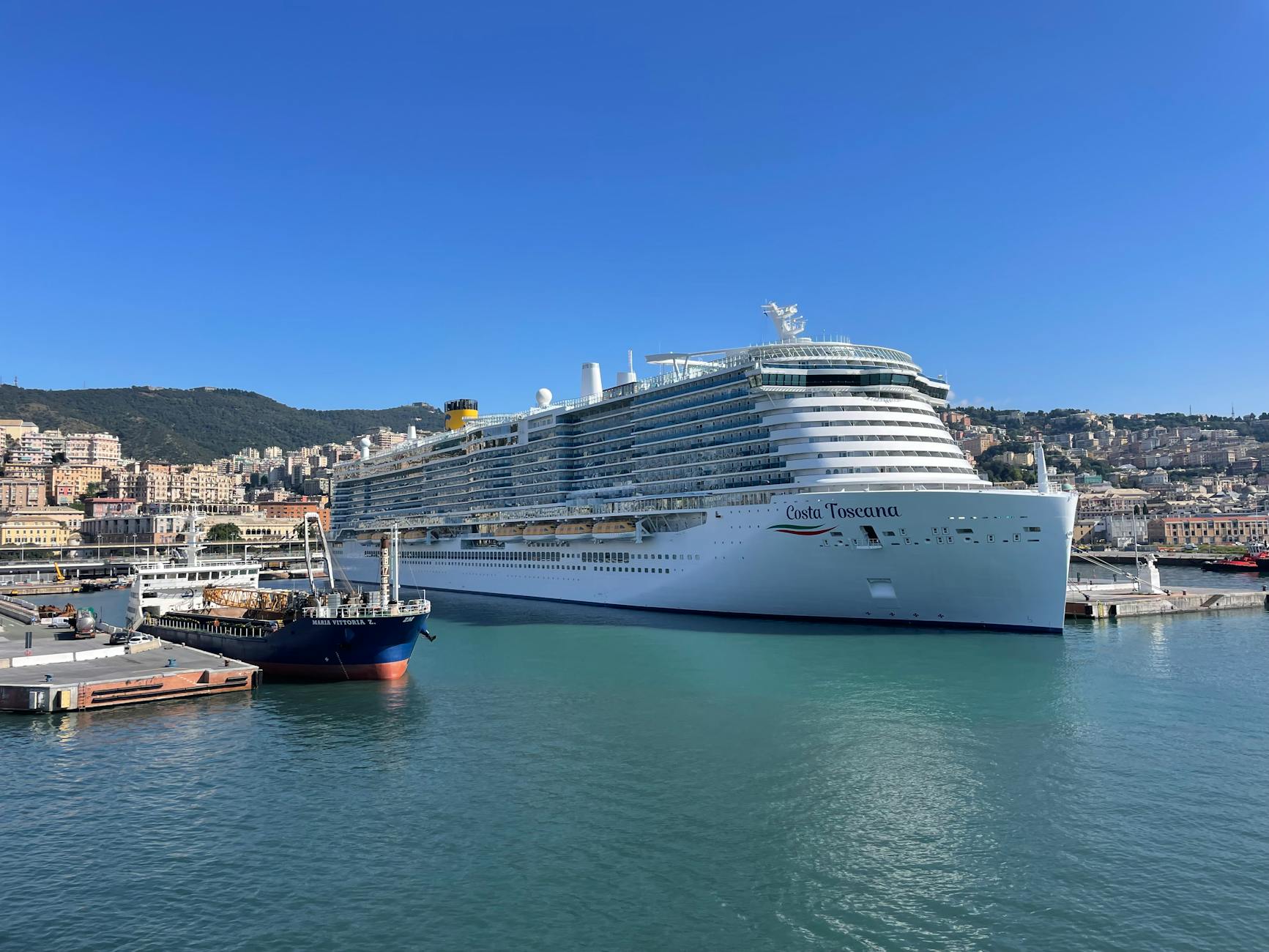
A Naples port call can look generous on paper. The ship is close to the city, Pompeii and Vesuvius feel reachable, the ferries tempt travelers toward Capri or Sorrento, and the historic center is full of food and churches. The hard part is not finding things to do. It is choosing the right amount to do before an immovable all-aboard time. A cruise or port-call traveler should plan backward from the ship. The route from gangway to taxi, tour bus, ferry, train, restaurant, museum, or meeting point matters. So do mobility, heat, queues, traffic, tendering rules if relevant, and the emotional cost of spending a short Naples day worried about whether the return will work.
Plan backward from the all-aboard time
A Naples port call should start with the exact arrival, clearance, gangway, and all-aboard timing. The traveler should not treat the published docking time as the beginning of usable sightseeing time. Disembarkation, port movement, crowds, tour departures, taxi pickup, and the walk out of the terminal can all reduce the real window.
The all-aboard time should control every decision. A good Naples shore day has a clear latest-return rule, a backup route, and a willingness to cut the last stop. The ship will not wait because Pompeii ran long or a ferry line was slower than expected.
- Use all-aboard time as the fixed point for the whole day.
- Account for disembarkation, terminal movement, crowds, and return margin.
- Set a latest-return rule before leaving the port area.
Decide whether the day is Naples, ruins, volcano, or coast
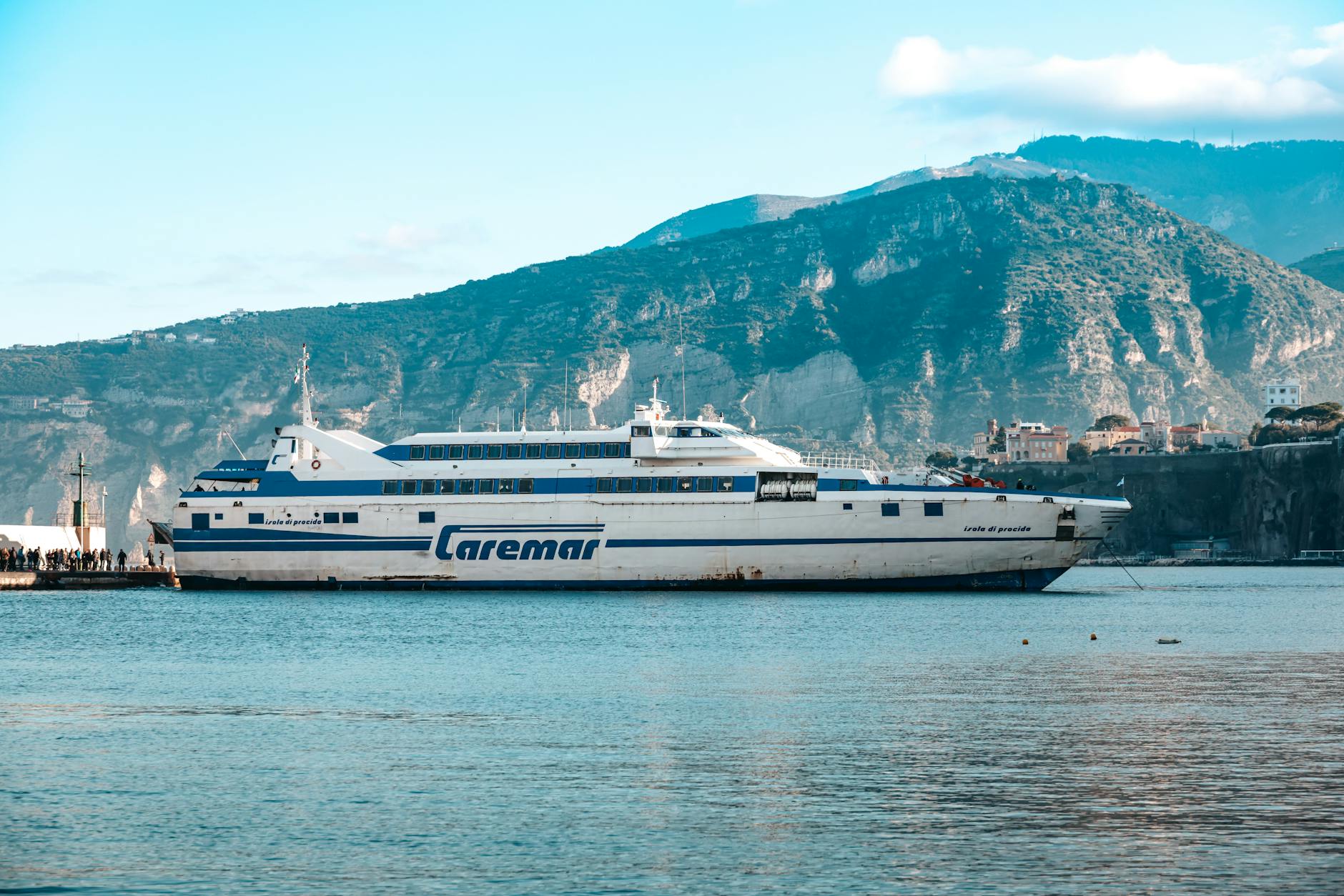
A cruise traveler often wants Naples food, Pompeii, Vesuvius, Capri, Sorrento, churches, and waterfront views in one port day. That is usually too much. Each choice has a different risk profile: city walking is flexible, Pompeii requires heat and walking capacity, Vesuvius depends on weather and transport, and ferry plans depend on schedules and sea conditions.
The traveler should choose the primary experience before adding secondary stops. A focused Naples food and historic-center day may be better than a rushed attempt to touch several famous places without enjoying any of them.
- Choose one primary shore-day objective before adding extras.
- Treat Pompeii, Vesuvius, ferries, and the city as different logistical days.
- Avoid mixing too many high-risk transport segments into one port call.
Be realistic about independent excursions
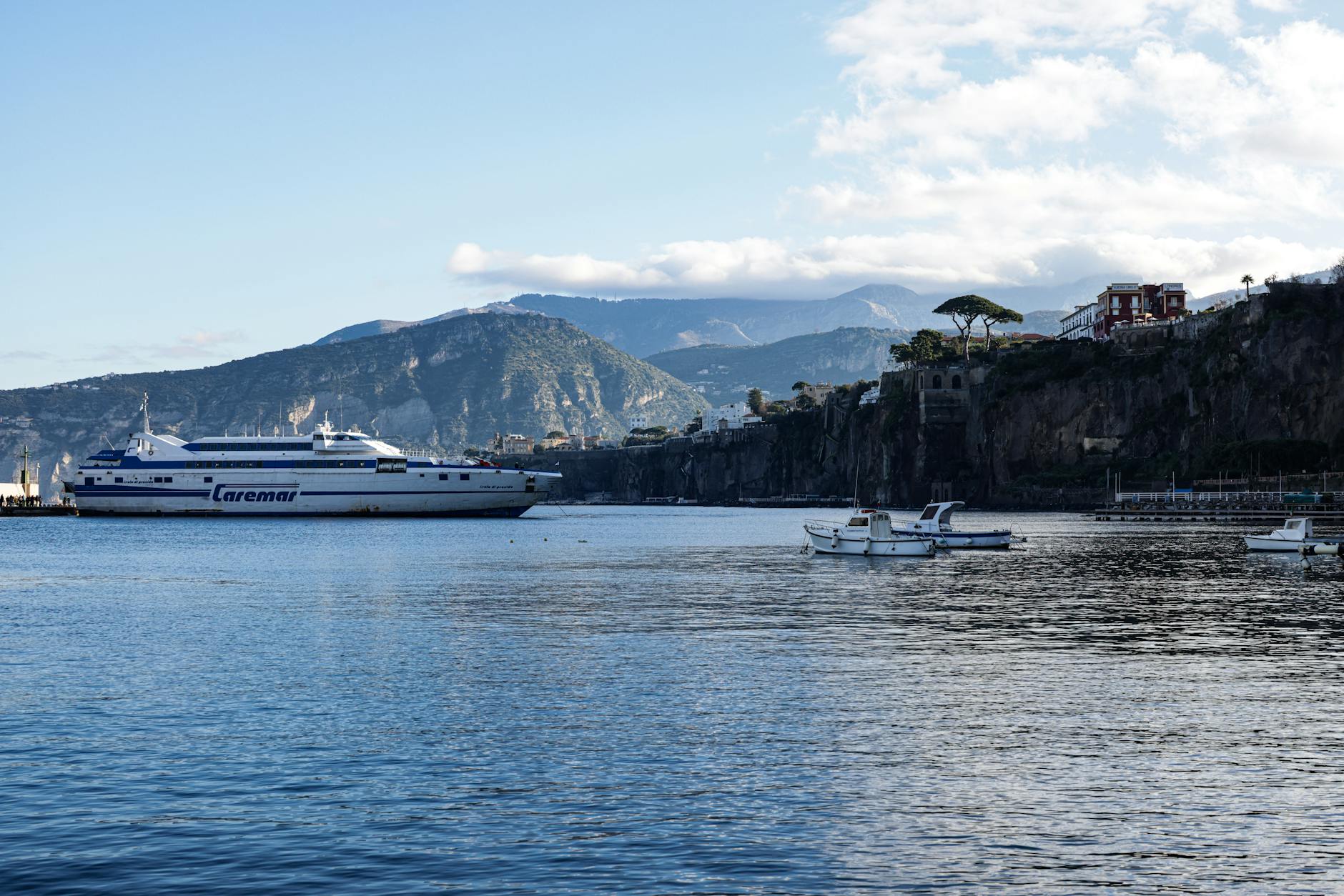
Independent travelers may save money or gain flexibility, but they also carry the return risk. Trains to Pompeii, private drivers, ferries, taxis, group tours, and cruise-line excursions each have tradeoffs. The right choice depends on the traveler's tolerance for uncertainty, mobility, language comfort, group size, and how close the ship's deadline is.
A private or cruise-organized excursion may be worth the cost when the destination is far, the traveler is new to Naples, or the group has mobility or timing constraints. Independence works best when the route is simple and the traveler is disciplined about turning back.
- Compare cruise-line excursions, private drivers, taxis, trains, and ferries by return risk.
- Use organized help when mobility, distance, language, or timing increases complexity.
- Only travel independently if the return route is clear and conservative.
Account for mobility and heat before choosing the route
Naples port-call days can involve stairs, uneven stone, crowded sidewalks, heat, sun exposure, standing, and long walks through Pompeii or the historic center. A traveler with limited mobility, medical constraints, young children, or older family members should choose the route around the slowest person in the group.
A day that looks easy for one traveler may be punishing for another. The plan should include bathrooms, shade, water, seating, taxi access, and a route back to the ship before everyone is exhausted.
- Plan around the slowest traveler, not the most energetic one.
- Check shade, bathrooms, water, seating, stairs, and uneven surfaces.
- Avoid long ruins or city-walking routes without recovery margin.
Keep documents, cards, and ship essentials simple
A shore day should not involve carrying everything from the cabin. The traveler should bring ship card, identification as required, payment methods, phone, charger, water, medication, and only the bag needed for the day's plan. Passports, valuables, and cruise documents should be handled according to ship guidance and port requirements.
The traveler should also know what happens if a phone dies, a card fails, or the group separates. A small, practical carry plan matters more than a large bag full of rarely used items.
- Carry ship card, required identification, phone, power, medication, and payment backup.
- Avoid bringing unnecessary valuables or large bags into crowded areas.
- Set a meeting point and contact plan in case the group separates.
Use food without losing the day
Naples food is a major reason to leave the ship, but a port-call meal must fit the return clock. The traveler should decide whether the meal is the point of the day or a supporting stop. A famous pizzeria, waterfront lunch, pastry stop, coffee break, or quick market snack each changes the timing.
Long waits can consume a short shore window. The traveler should have a primary food plan and a fallback close to the port or return route. The best Naples meal is not worth missing the ship.
- Decide whether food is the main experience or a shorter supporting stop.
- Avoid famous lines that threaten the return margin.
- Keep a port-adjacent or route-adjacent food fallback.
When to order a short-term travel report
A cruise traveler taking a ship excursion or staying near the port may not need a custom Naples report. A report becomes useful when the traveler wants to compare Pompeii, Vesuvius, Capri, Sorrento, private drivers, food routes, mobility constraints, family needs, or independent transport against a fixed all-aboard time.
The report should test port exit, excursion sequencing, return margin, ferry or rail risk, mobility, food timing, backup routes, and what to cut. The value is a Naples port call that feels chosen, not panicked.
- Order when excursions, ferries, ruins, mobility, or food plans need stress-testing.
- Provide ship timing, port details, priorities, group size, mobility needs, and budget.
- Use the report to protect the shore day and the return to the ship.