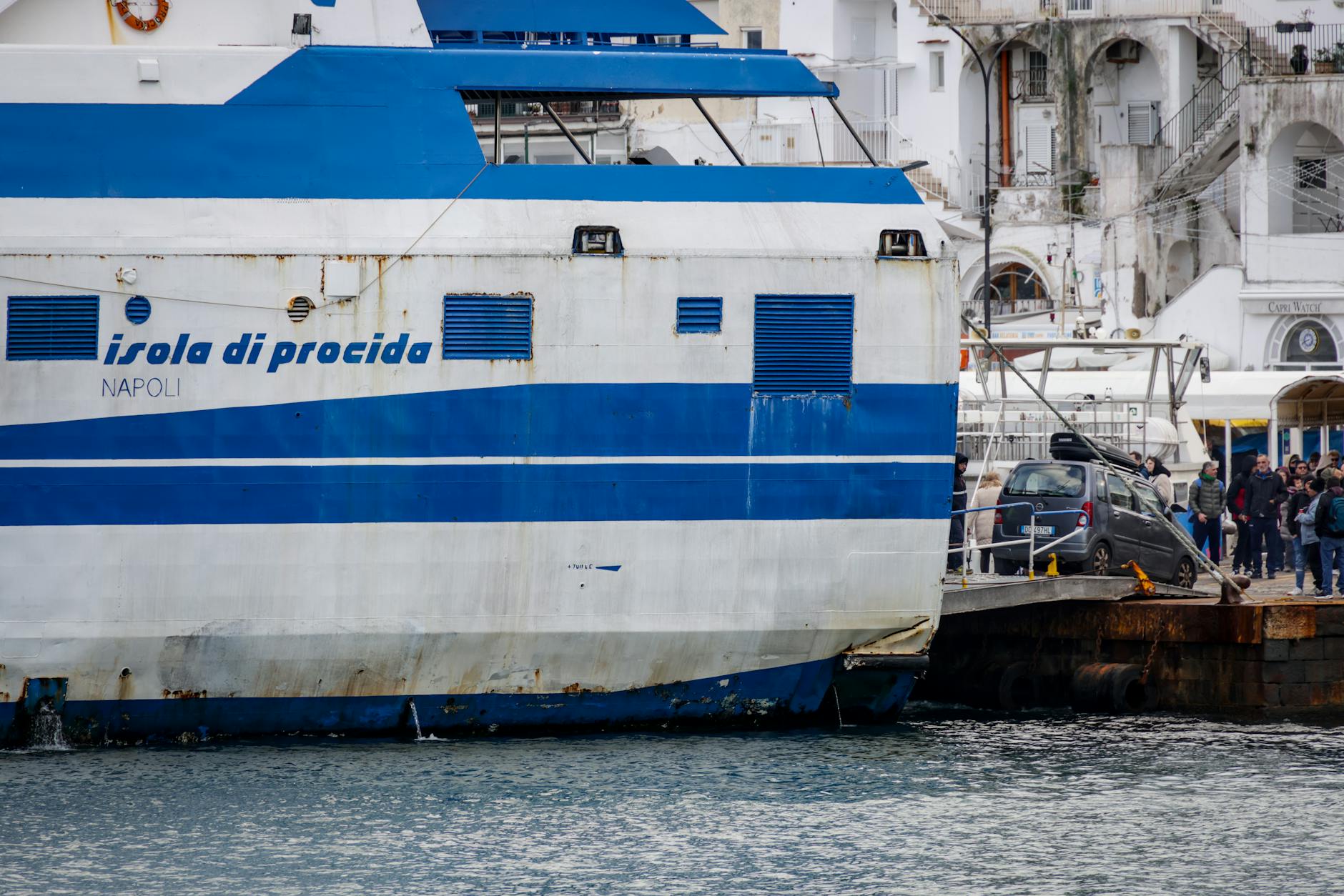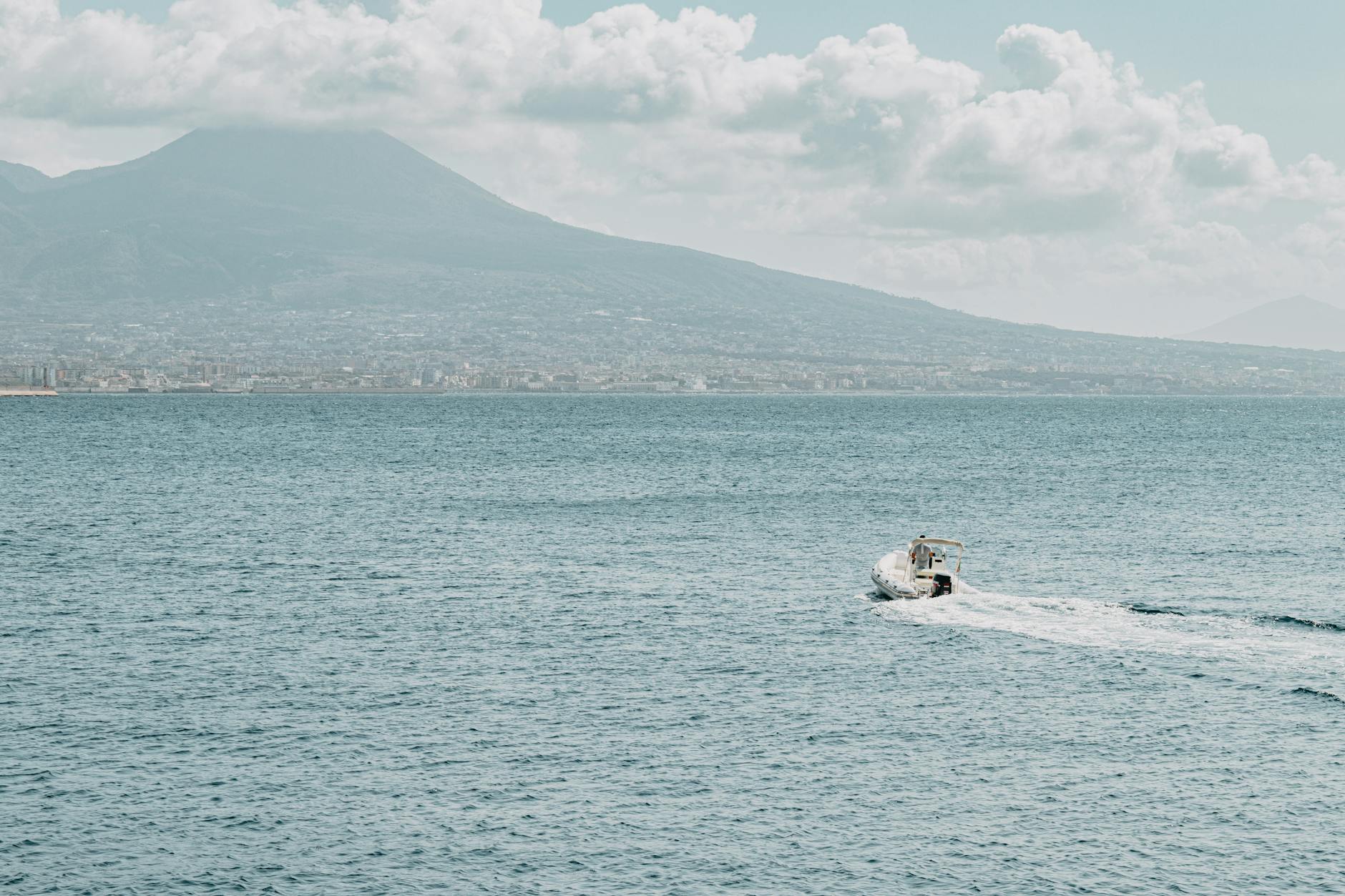
Naples is visually generous: Vesuvius, the bay, street life, food, churches, markets, scooters, balconies, ferries, Pompeii, and layered historic districts. That abundance can help a content creator, but it can also make the trip scattered. A short Naples production trip needs a sharper plan than simply chasing every famous view. The creator should know what the content is for, which shots actually matter, where equipment will be carried, how crowds and light affect timing, what can be filmed respectfully, and when a regional add-on is worth the travel cost. The strongest Naples content usually comes from a clear point of view, not from exhausting every location.
Build the trip around a real shot list
A content creator should decide what Naples story they are telling before choosing every location. Food, street life, heritage, luxury, budget travel, student life, slow travel, family travel, faith, architecture, and regional excursions all produce different plans. Without a shot list, Naples can become a collection of disconnected clips.
The shot list should include must-have scenes, nice-to-have scenes, backup indoor options, sunrise or sunset needs, audio needs, and which locations require permission or more discretion. The goal is to leave with usable material, not just a full memory card.
- Define the content angle before choosing locations.
- Separate must-have shots, optional shots, backup scenes, and permission-sensitive scenes.
- Plan for light, sound, crowds, and travel time between locations.
Choose a base that reduces production friction
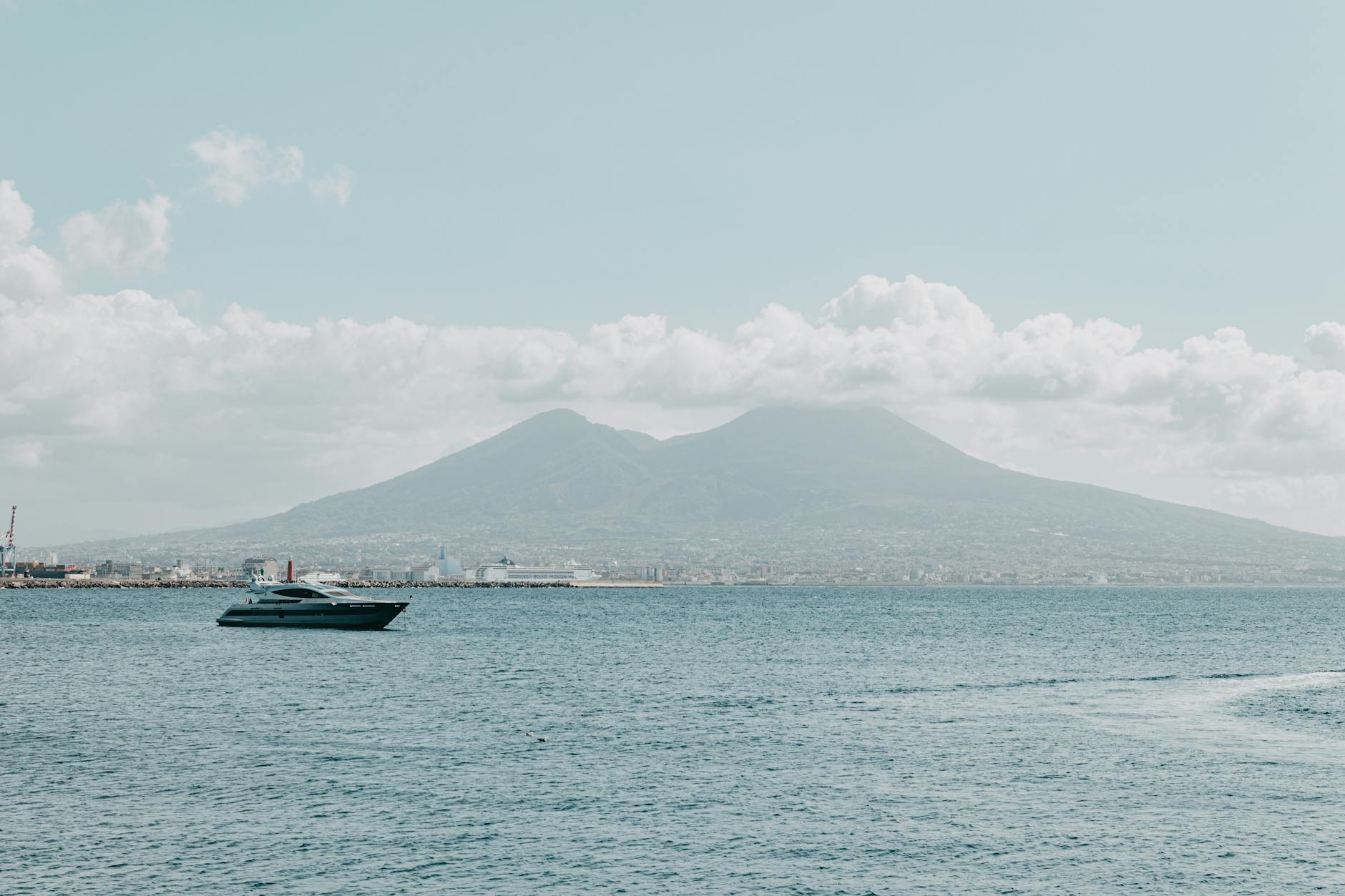
A creator's lodging should support the shoot. Reliable Wi-Fi, charging, quiet editing space, secure gear storage, easy morning exits, late return practicality, and proximity to the first location may matter more than pure atmosphere. If the creator plans sunrise footage, waterfront shots, historic-center reels, or ferry content, the hotel location should reflect that.
Naples can involve stairs, dense streets, and crowded transit. A base that reduces equipment carrying may preserve more energy than a prettier but awkward stay.
- Check Wi-Fi, charging, editing space, gear storage, and morning exit routes.
- Choose lodging around the shot sequence, not just neighborhood appeal.
- Avoid unnecessary equipment carrying across steep or crowded routes.
Manage gear, batteries, storage, and backups
A content creator may carry cameras, phones, microphones, gimbals, drones where lawful and appropriate, laptops, drives, chargers, lights, and wardrobe changes. Naples requires practical choices. Visible gear can attract attention, slow movement, and make casual meals or crowded streets harder. The creator should carry only what the day requires and know where backups happen.
Power and storage should be planned before arrival. A full card, dead battery, missing cable, or overloaded bag can cost more than a missed attraction. The best gear plan supports the content without turning the creator into a production mule.
- Carry only the equipment needed for that day's shot list.
- Plan charging, backup drives, cloud uploads, and file naming before shooting.
- Avoid visible gear overload in crowded streets, stations, ferries, and late returns.
Treat people and neighborhoods with care
Naples is not just scenery. Street scenes, markets, religious sites, children, residents on balconies, workers, and neighborhood rituals need judgment. A creator should avoid filming people in vulnerable, private, or misleading ways. When the content involves local life, the creator should think about consent, captions, context, and whether the final piece reduces the city to spectacle.
The same care applies to food content, faith spaces, and working markets. The creator can be visually ambitious without being careless.
- Use discretion when filming residents, children, workers, worshippers, and private moments.
- Avoid captions or edits that flatten Naples into stereotypes.
- Ask permission when the shot depends on a person, business, or controlled space.
Make food content practical
Food is central to many Naples creator trips, but food content has operational limits. The creator should plan which meals need filming, which can simply be eaten, when lines are acceptable, where lighting works, whether audio matters, and how to avoid disrupting a small restaurant or market stall. Famous pizza alone is not a full Naples food story.
A strong food plan may include one iconic stop, one neighborhood meal, one market or bakery moment, and one quiet recovery meal. The creator should also protect health, hydration, and next-day energy.
- Decide which meals need content and which meals are for recovery.
- Check light, lines, table space, audio, and business comfort before filming.
- Balance iconic pizza with broader Naples food context.
Protect regional add-ons from becoming chaos
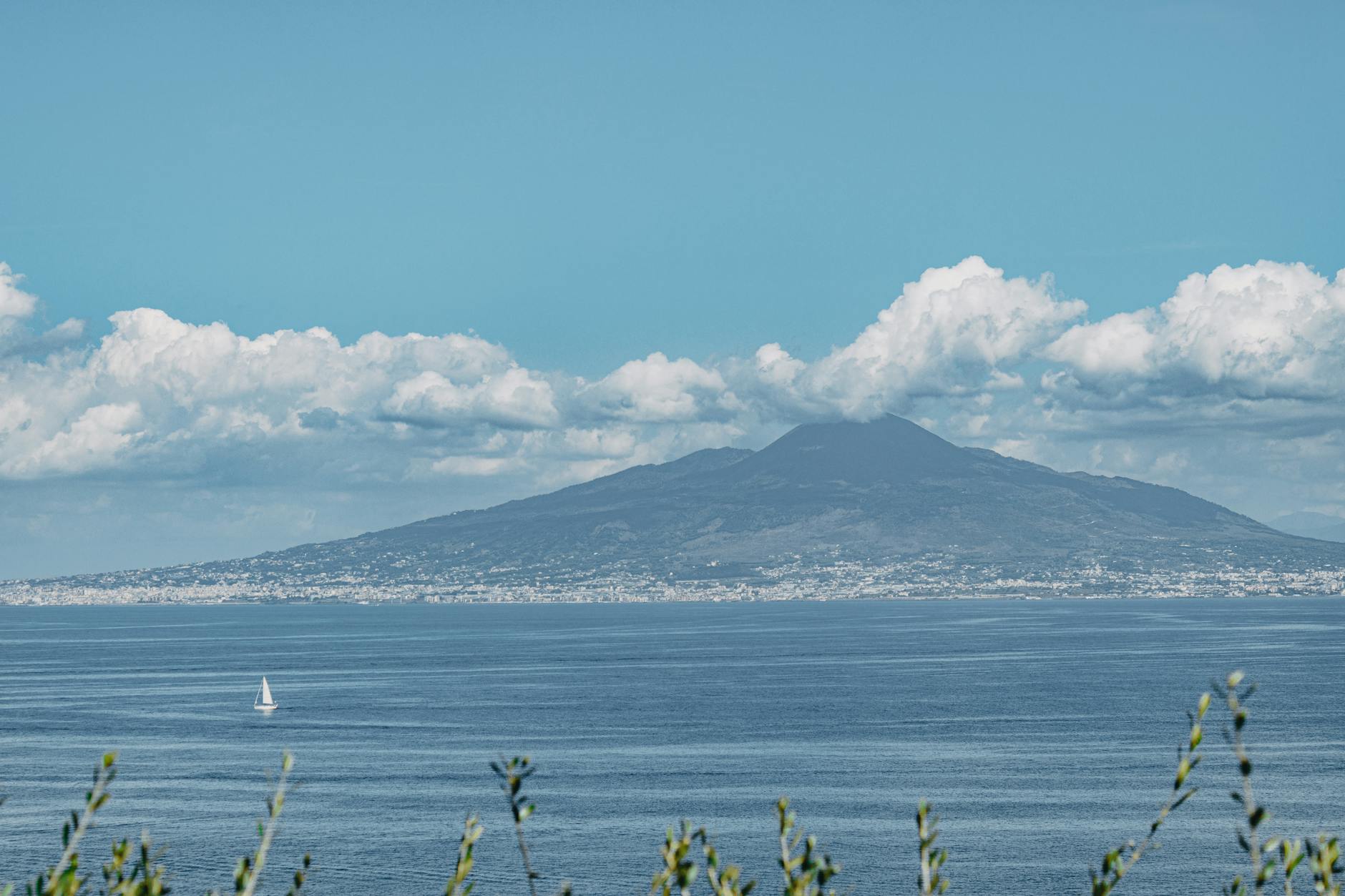
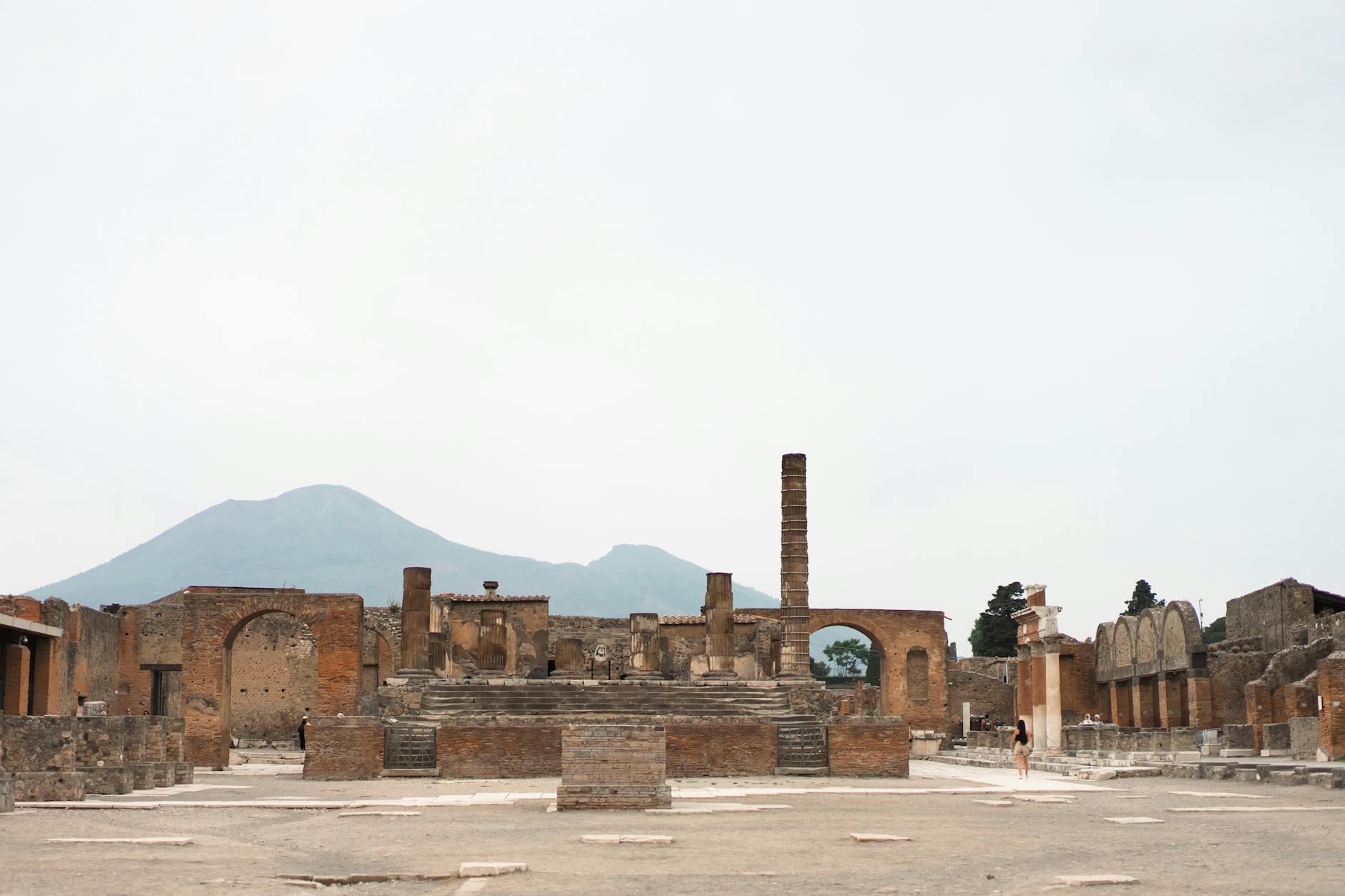
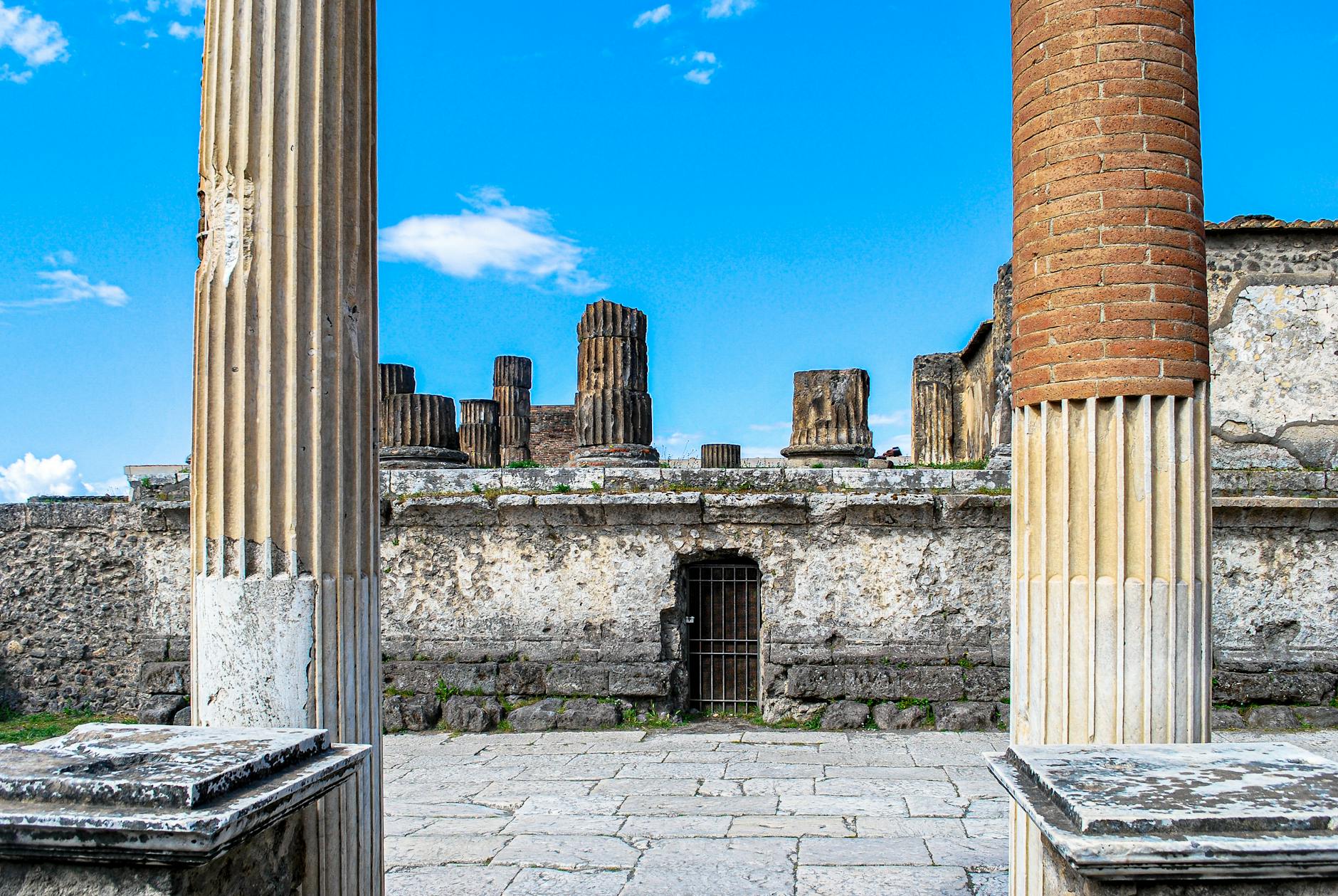
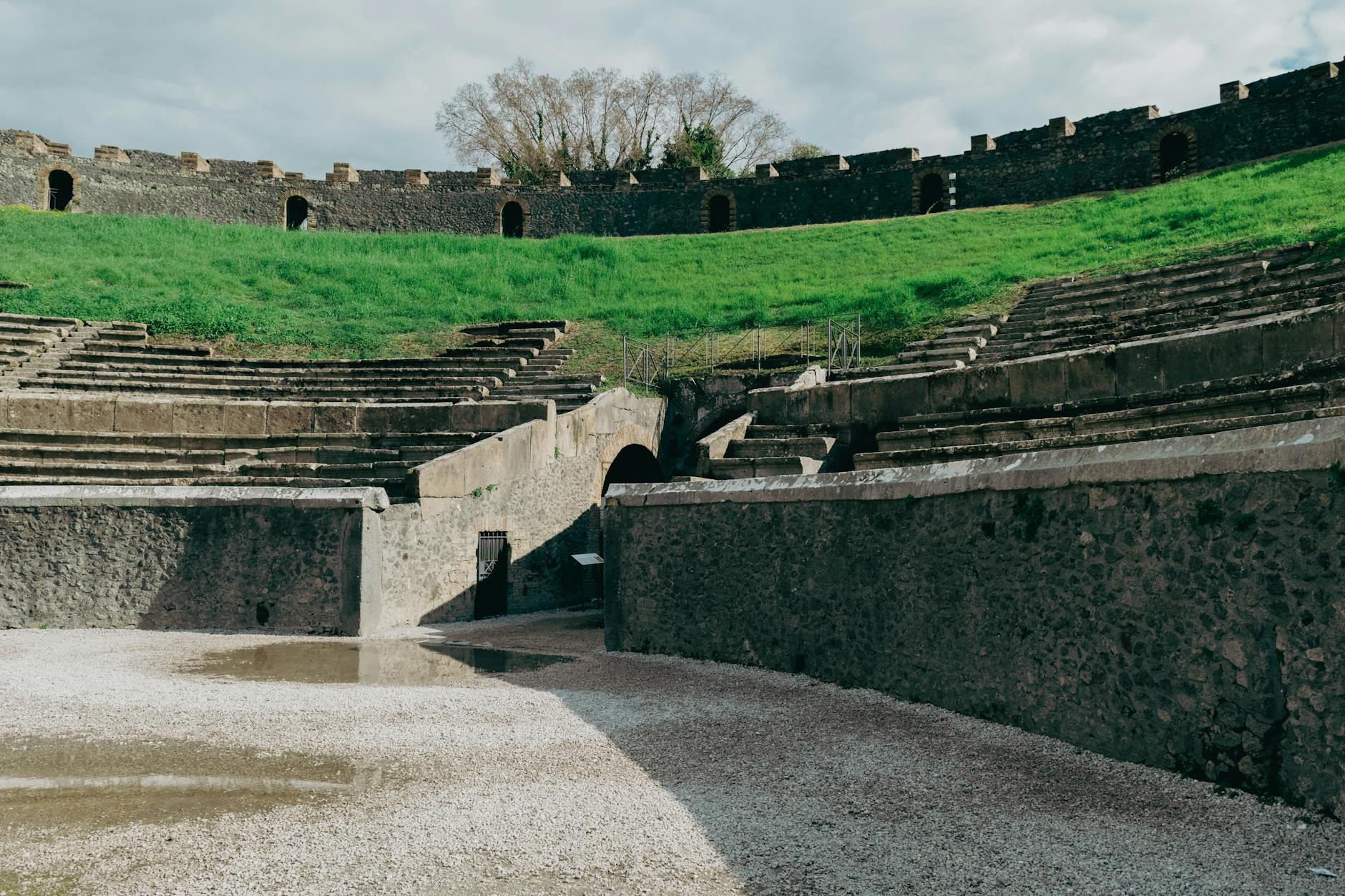
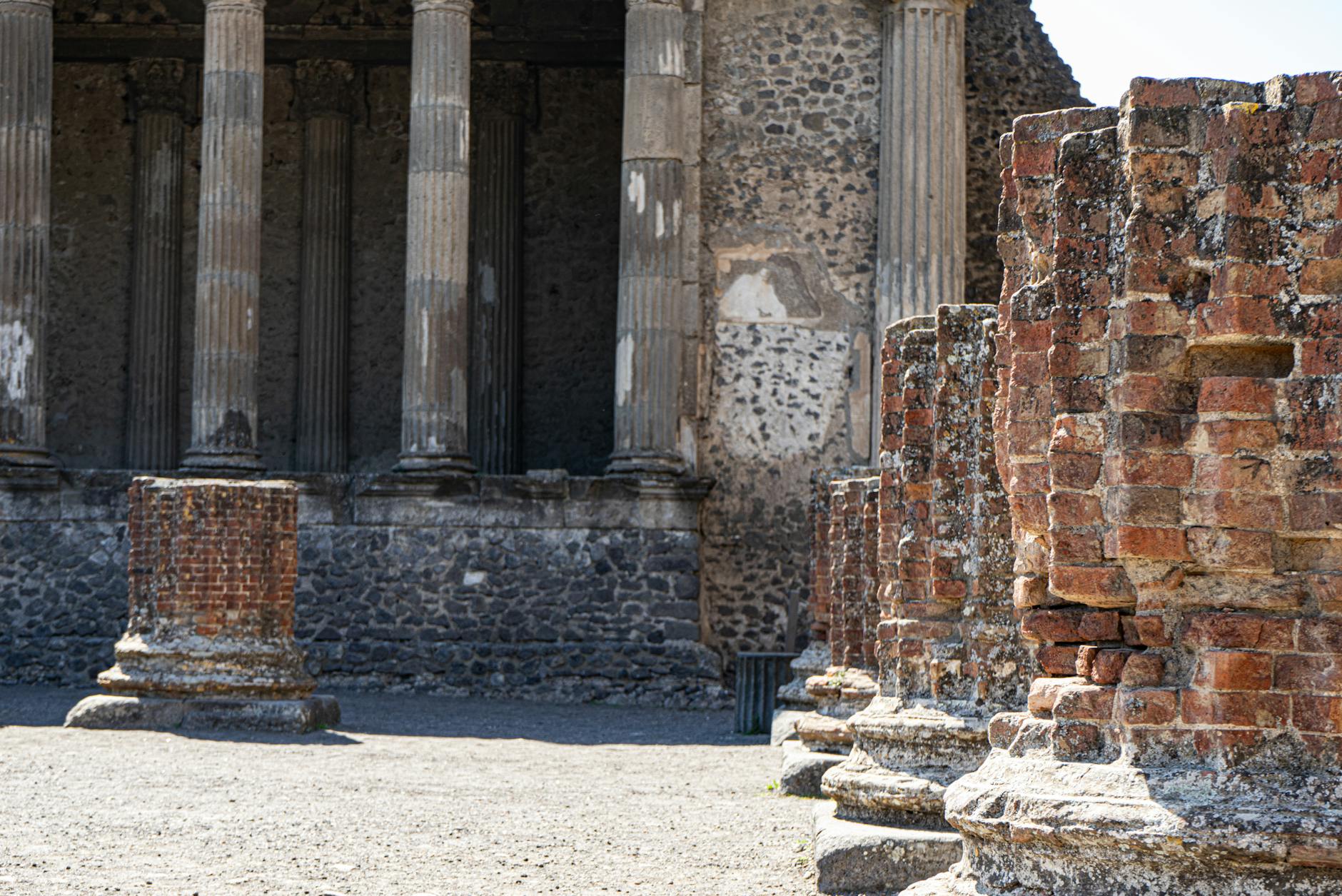
Pompeii, Vesuvius, Procida, Capri, Sorrento, and the Amalfi Coast can all be tempting for a Naples content trip. They are not interchangeable. Each add-on changes tickets, transport, daylight, walking load, gear carrying, battery needs, and weather risk. A creator should decide which location supports the story rather than trying to collect every recognizable image.
If the trip is short, one strong regional segment is often better than three rushed ones. Naples itself can carry a full content plan if the creator lets it.
- Choose regional add-ons because they serve the content angle.
- Plan tickets, transport, walking load, light, weather, and gear needs.
- Prefer one strong excursion over several thin location grabs.
When to order a short-term travel report
A creator with one simple Naples weekend and no production obligations may not need a custom report. A report becomes useful when the traveler has brand deliverables, a detailed shot list, multiple neighborhoods, visible gear, dietary or medical needs, ferry or rail plans, Pompeii or Vesuvius content, late shoots, or a need to decide which ideas are worth cutting.
The report should test shot sequencing, hotel base, light windows, transport, food stops, equipment exposure, backup time, regional add-ons, and what to remove. The value is a Naples creator trip with a clear production plan instead of a pile of unfocused footage.
- Order when shot sequence, gear, food, transport, and regional add-ons need stress-testing.
- Provide content goals, must-shoot locations, hotel options, gear list, and constraints.
- Use the report to protect creative focus and usable output.