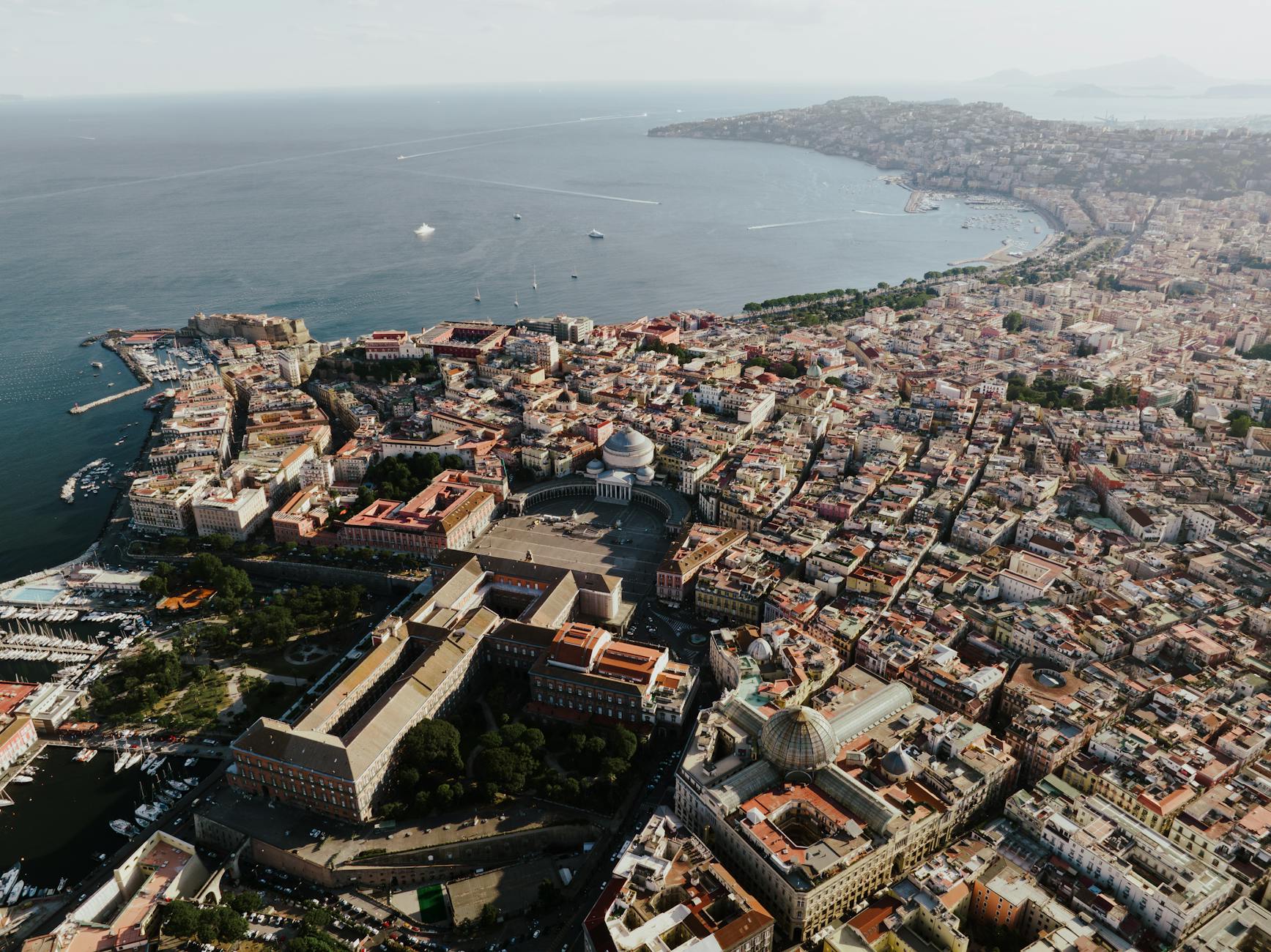
A consultant visiting Naples usually has a different problem from a leisure traveler. The trip may include client meetings, site visits, workshops, calls with another time zone, confidential documents, formal clothing, and a narrow window to see the city. Naples can be a memorable work destination, but only if the work logistics are not treated as secondary. The consultant's plan should begin with the client-site map, not the sightseeing map. Hotel choice, arrival timing, meal planning, equipment, late returns, and any personal time need to support the reason the traveler is in Naples in the first place.
Map the client work before the city plan
A consultant should start with the client's location, meeting times, workshop length, site-entry process, security requirements, and the route from the hotel. Naples traffic, hills, dense streets, and station movement can make a short distance less predictable than it appears. A hotel that is pleasant for tourism may be wrong for a client-heavy schedule.
If the trip includes multiple client sites, the consultant should compare the actual daily sequence before booking. One poorly placed hotel can create late arrivals, overheated walks in formal clothing, or unnecessary taxi dependence.
- Map client sites, entry rules, meeting times, and route reliability before booking.
- Choose lodging around the workday sequence, not only city appeal.
- Account for formal clothing, devices, traffic, and weather in daily movement.

Choose a hotel that can function as a work base
A consultant's hotel needs more than a bed. Reliable Wi-Fi, desk space, quiet calls, breakfast timing, laundry, iron or steamer access, taxi pickup, luggage storage, and a workable lobby or nearby cafe can matter. If the consultant must prepare decks, join calls, or handle confidential material, a noisy room or awkward workspace can become a real problem.
The hotel should also support recovery. Consulting days can be long, and Naples can be sensory-heavy after meetings. A base that makes it easy to reset before dinner or a next-day workshop may be worth more than a more atmospheric but difficult location.
- Check Wi-Fi, desk setup, quiet call space, breakfast, laundry, and taxi pickup.
- Confirm whether the room supports confidential work and preparation time.
- Use the hotel as a work base, not only a place to sleep.

Protect arrival margin and morning reliability
A consultant should avoid arriving in Naples so tightly that one delay affects the client relationship. Flight delays, rail confusion, late luggage, an awkward hotel entrance, or a missed taxi can all spill into the first meeting. The trip should include enough arrival margin to check in, test the route, eat, and prepare.
Morning reliability is equally important. If the client day starts early, the consultant should know how long the route takes at that time, whether taxis are easy to secure, and what the backup is if traffic or rain changes the plan. Being calm and early is part of the deliverable.
- Arrive with enough margin to recover, prepare, and test the client route.
- Check morning traffic, taxi availability, and backup transport.
- Avoid scheduling the first client obligation too close to arrival.

Handle devices, documents, and confidentiality
Consultants often travel with laptops, adapters, client documents, slide decks, credentials, and sometimes sensitive notes. Naples requires ordinary city discipline around stations, taxis, cafes, crowded streets, and hotel lobbies. The consultant should separate backups, secure devices, avoid visible confidential work in public spaces, and plan how to work between meetings without creating exposure.
The packing plan should include power, connectivity, document redundancy, and a secure carry method. The consultant should also know what can be left in the hotel, what must be carried, and what should never be reviewed in a busy public place.
- Secure laptops, documents, credentials, adapters, and backup files.
- Avoid working on confidential material in exposed public spaces.
- Plan what must be carried versus stored at the hotel.
Use meals for recovery and relationship-building
Meals can matter on a Naples consulting trip. A client dinner, working lunch, solo recovery meal, or late snack after a workshop each has a different function. The consultant should identify reliable meal options near the hotel and client site, plus one stronger Naples meal if the schedule allows. Famous food is less useful if it creates a late return before a demanding morning.
Dietary constraints, group size, reservations, payment expectations, and taxi routes should be settled early. A good meal plan lets the consultant focus on the conversation, not logistics.
- Identify client meals, solo fallbacks, quick lunches, and recovery options.
- Account for reservations, group size, dietary needs, payment, and return route.
- Avoid letting food ambition undermine the next workday.
Be honest about personal time
A consultant may want to add the waterfront, Pompeii, a museum, or a strong food route. Those plans should be protected rather than squeezed between calls and client dinners. A tired consultant carrying a laptop through dense streets is not experiencing Naples at its best.
If the schedule is tight, one focused evening, a waterfront walk, or a post-engagement half day may be enough. If the consultant wants Pompeii, Herculaneum, or the coast, the plan should include a real block of time after the work obligation, not a fragile gap between meetings.
- Protect personal time instead of forcing it into small gaps.
- Use smaller Naples experiences when calls and meetings dominate the trip.
- Reserve major excursions for a real pre- or post-work block.

When to order a short-term travel report
A consultant with one client site, a venue hotel, and a simple schedule may not need a custom Naples report. A report becomes useful when there are multiple meetings, uncertain hotel choices, late arrival, equipment or confidentiality concerns, client meals, medical or mobility constraints, or a desire to add meaningful Naples time without weakening the work trip.
The report should test client-site access, hotel work setup, arrival timing, daily routes, device and document handling, meals, evening returns, personal-time options, and what to cut. The value is a Naples trip that supports the engagement instead of making the consultant solve travel problems between billable obligations.
- Order when client routes, hotel setup, arrival, meals, confidentiality, or personal time need testing.
- Provide client locations, meeting schedule, hotel options, equipment needs, and constraints.
- Use the report to keep the trip aligned with the work purpose.