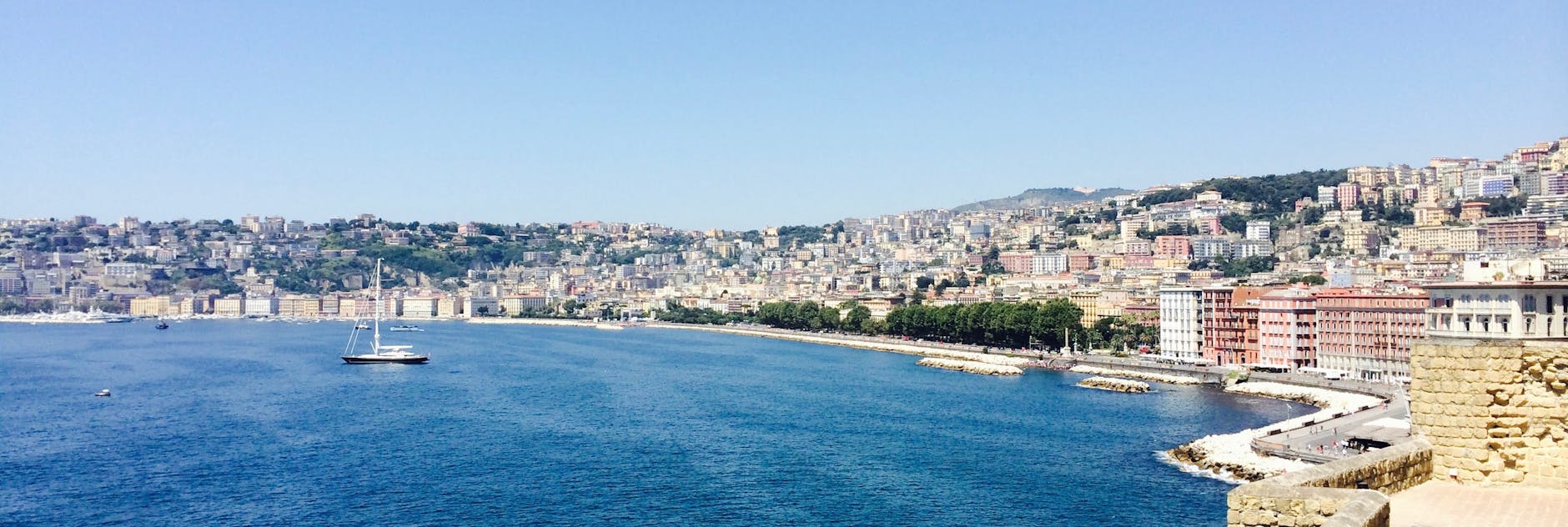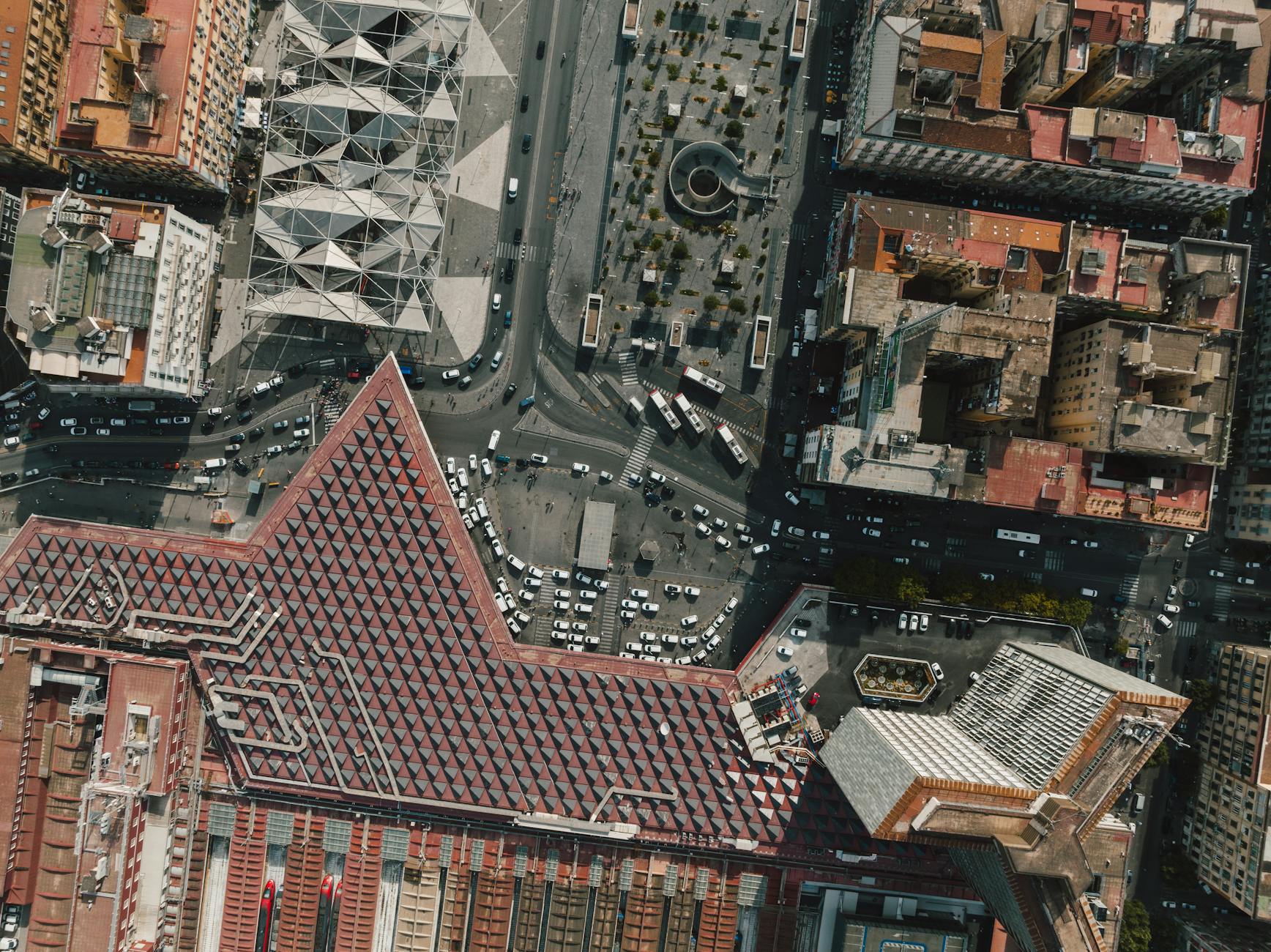
A Naples conference trip is different from a leisure visit because the city has to fit around fixed sessions, professional obligations, equipment, clothing, meals, and networking. The attendee may have only a narrow margin between arrival, registration, meetings, dinners, and departure. Naples can add value to the trip, but it can also punish vague logistics. The useful plan starts with the venue, not the sightseeing list. Whether the event is near the waterfront, a hotel, a university setting, a trade venue, or another meeting space, the traveler needs to know how each day will actually move. A short-term report is valuable when it separates the attractive Naples ideas from the ones that will not survive a conference schedule.
Let the venue decide the hotel shortlist
A conference attendee should choose lodging by the venue route, morning reliability, late-return comfort, work setup, and the ability to reset between sessions. The best hotel is not automatically the most atmospheric one. If a day begins with an early panel, a presentation, or a client breakfast, an awkward commute through traffic, stairs, or crowded transit can make the trip feel badly designed.
The attendee should map the exact route to the venue at the hours that matter. A short distance can behave differently with luggage, formal clothes, rain, heat, or a laptop bag. If the event has evening programming, the return route matters as much as the morning arrival.
- Choose lodging around the venue route, not only neighborhood appeal.
- Check morning reliability, evening returns, luggage, and formal-clothing logistics.
- Confirm whether walking, taxi, transit, or arranged transport is the practical default.
Do not make arrival fight the first session
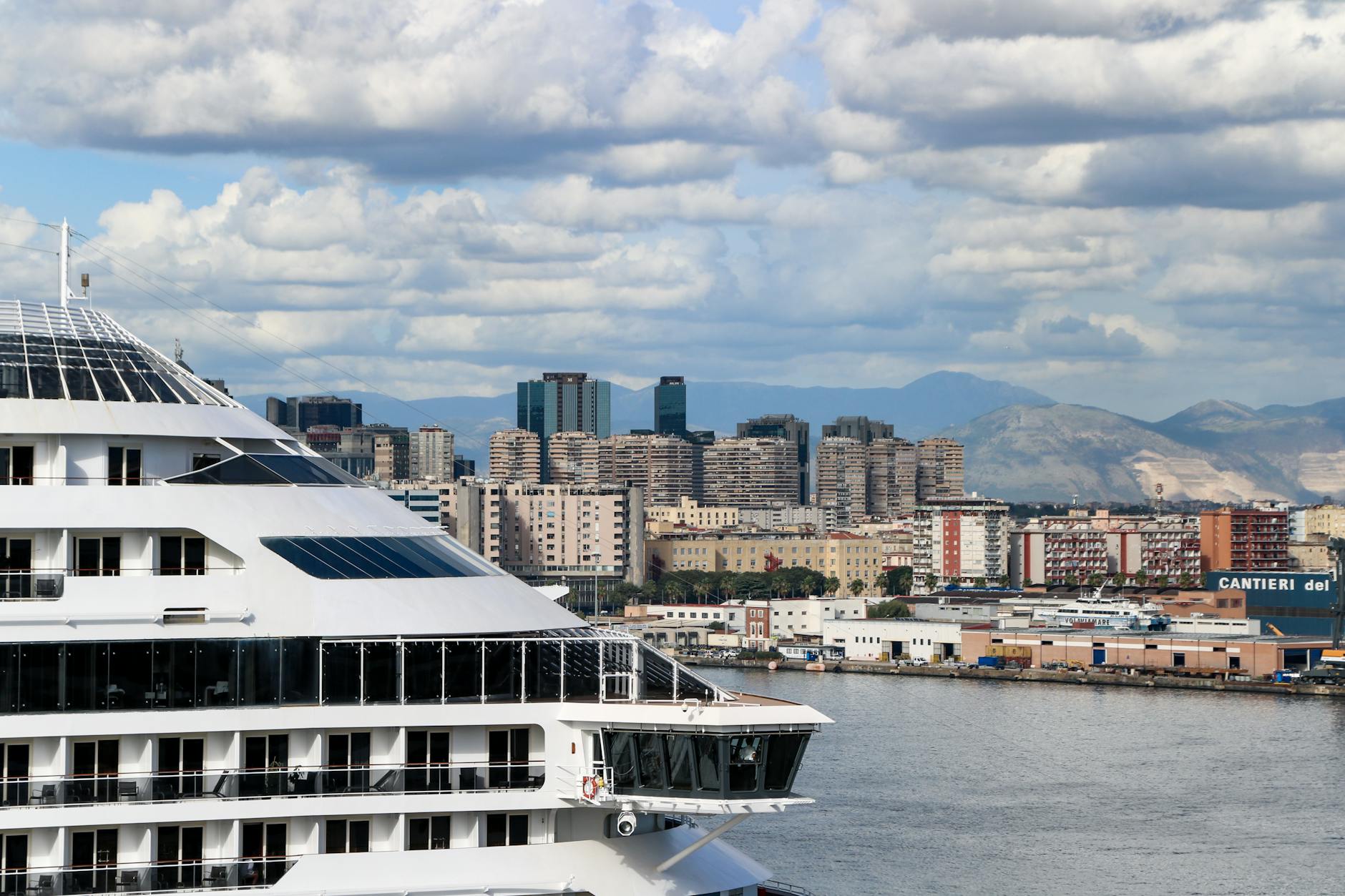
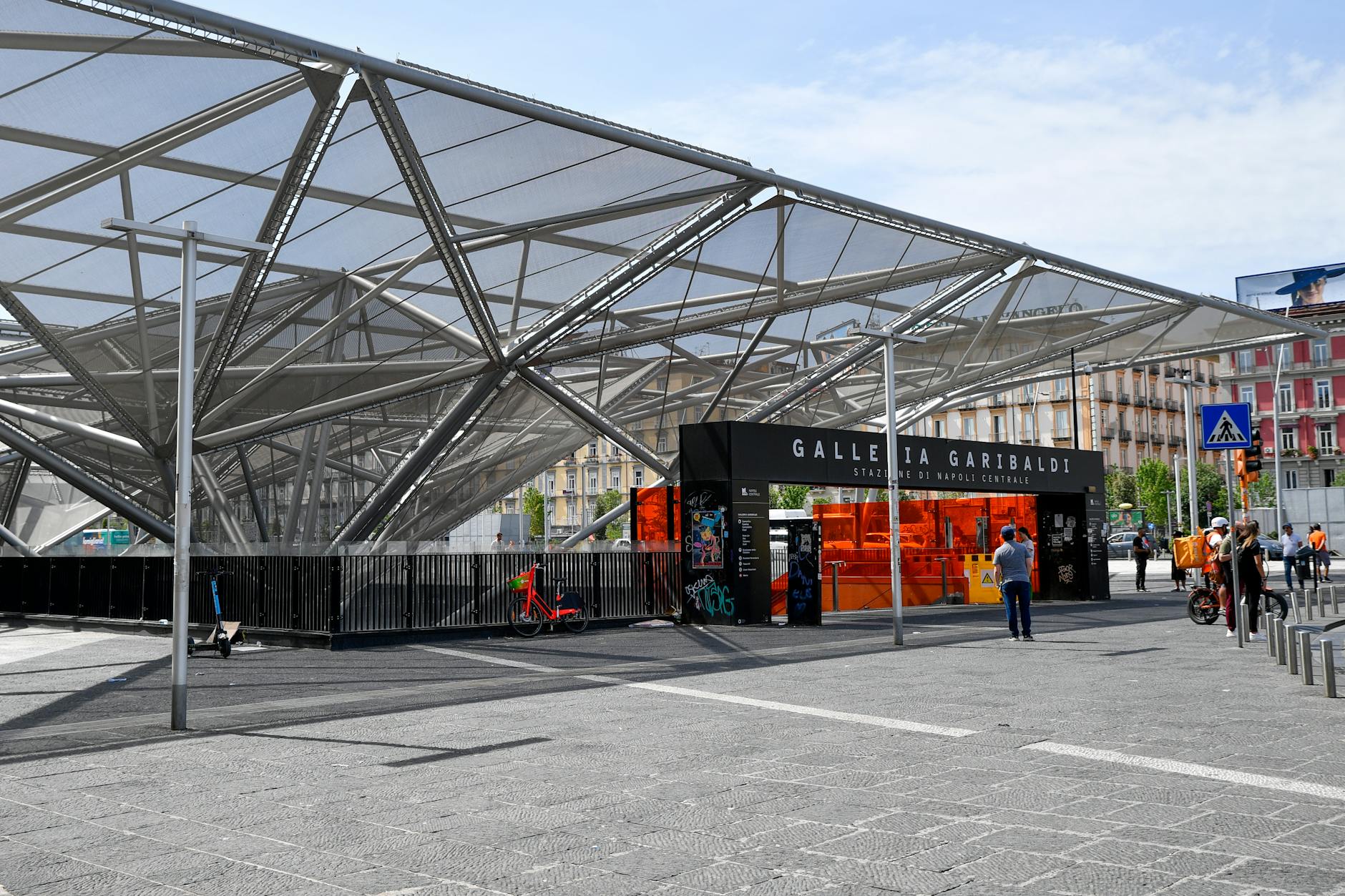
Conference trips often fail at the front edge. A traveler who lands late, arrives through Napoli Centrale with luggage, or reaches the city close to registration may not have much room for confusion. The arrival plan should include transport, check-in timing, bag storage, dinner, and a path to the first official obligation.
If the traveler is presenting, staffing a booth, or meeting clients, the margin should be larger. Lost sleep, delayed luggage, a tight transfer, or an uncertain hotel entrance can affect the professional part of the trip. The cost of arriving a little earlier may be lower than the cost of beginning the conference already behind.
- Plan transport, hotel check-in, bag storage, and food before arrival.
- Build extra margin before presentations, client meetings, or exhibit responsibilities.
- Avoid landing so close to registration that one delay disrupts the trip.
Plan session days around energy and equipment
A Naples conference attendee may need a laptop, charger, adapters, printed material, badges, business cards, medication, formal shoes, or backup clothing. The day plan should account for what has to be carried, where it can be stored, whether the hotel is close enough for a reset, and how reliable the work environment is for calls or follow-up.
Energy matters too. A full day of sessions followed by a long walk, a late dinner, and an early start can drain the value out of the trip. Naples offers plenty to do, but the attendee should decide in advance which city experiences are realistic on session days and which belong before or after the conference.
- List equipment, documents, chargers, adapters, and clothing needs before packing.
- Check whether the hotel or venue can support bag storage and mid-day resets.
- Separate session-day plans from pre- or post-conference sightseeing.

Use meals and networking deliberately
Conference meals can be the most useful part of the trip, but Naples requires planning around location, timing, and return. A spontaneous group dinner can work well if everyone is already near the venue or hotel. It becomes harder when the restaurant is across town, the group is tired, and nobody has thought through taxis, dietary constraints, or the final walk back.
The traveler should identify a few reliable meal zones before arrival: quick food near the venue, a professional dinner option, a solo fallback, and one stronger Naples meal if time allows. This keeps networking from turning into a logistical scramble.
- Identify quick meals, professional dinner options, solo fallbacks, and one stronger local meal.
- Consider dietary constraints, group size, reservations, and return routes.
- Avoid distant dinner plans when early sessions or late returns make them fragile.
Keep late returns and visibility in mind
Evening receptions, sponsor dinners, and informal drinks can push a conference attendee into late movement with a laptop bag, badge, formal clothes, or visible work materials. The traveler should know how the return will happen before the evening begins. A taxi, short hotel walk, or arranged group return can be a practical decision, not an indulgence.
The attendee should also avoid carrying more than needed after dark. If badges, documents, or devices can be left securely at the hotel, that may make the evening simpler. Naples is easier when the traveler does not look like someone trying to solve work logistics on the street at midnight.
- Plan late returns before evening receptions or networking dinners.
- Avoid carrying unnecessary devices, documents, or visible conference material at night.
- Use short routes, taxis, or group movement when the schedule runs late.
Be realistic about adding Pompeii or the coast
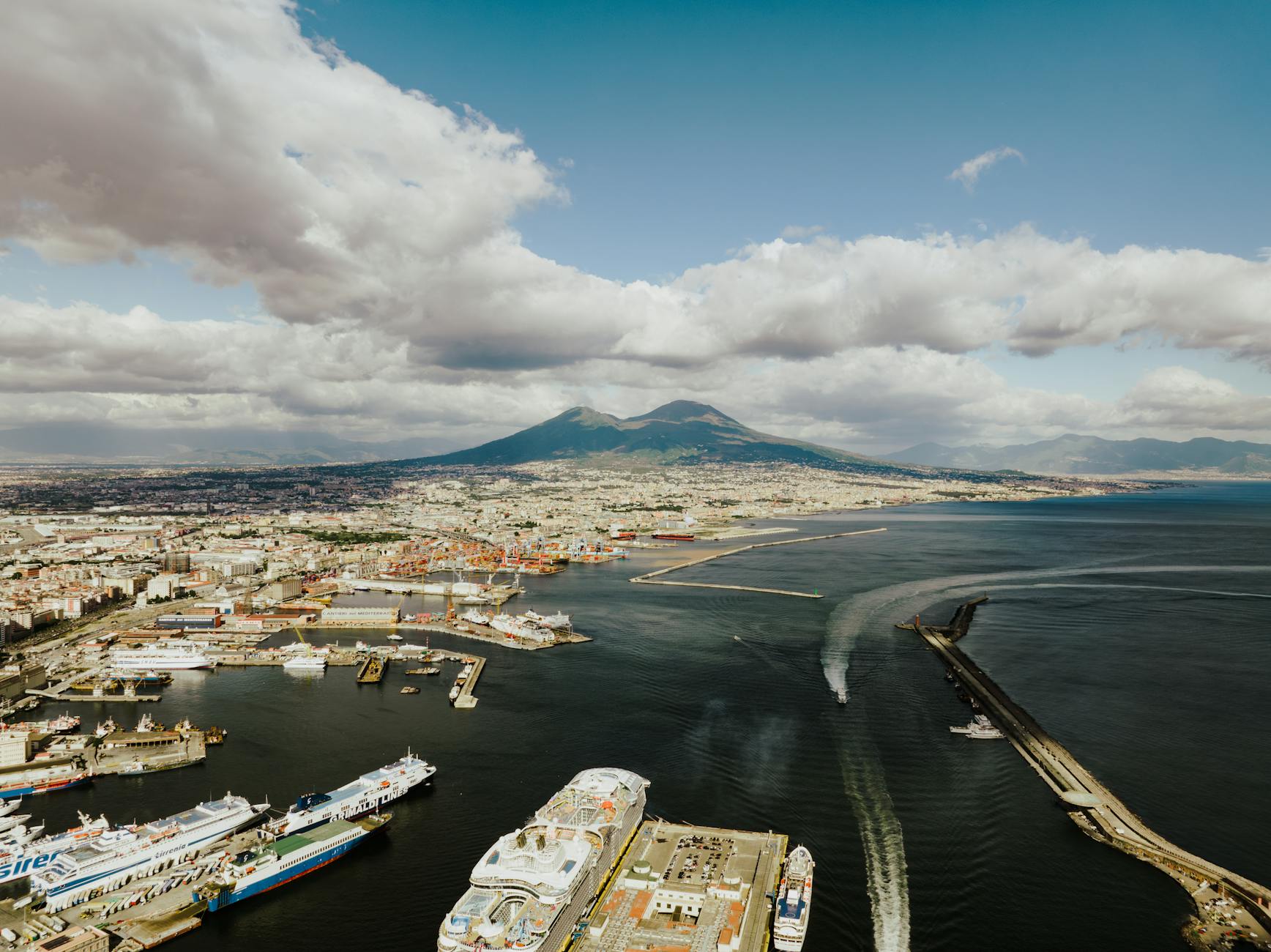
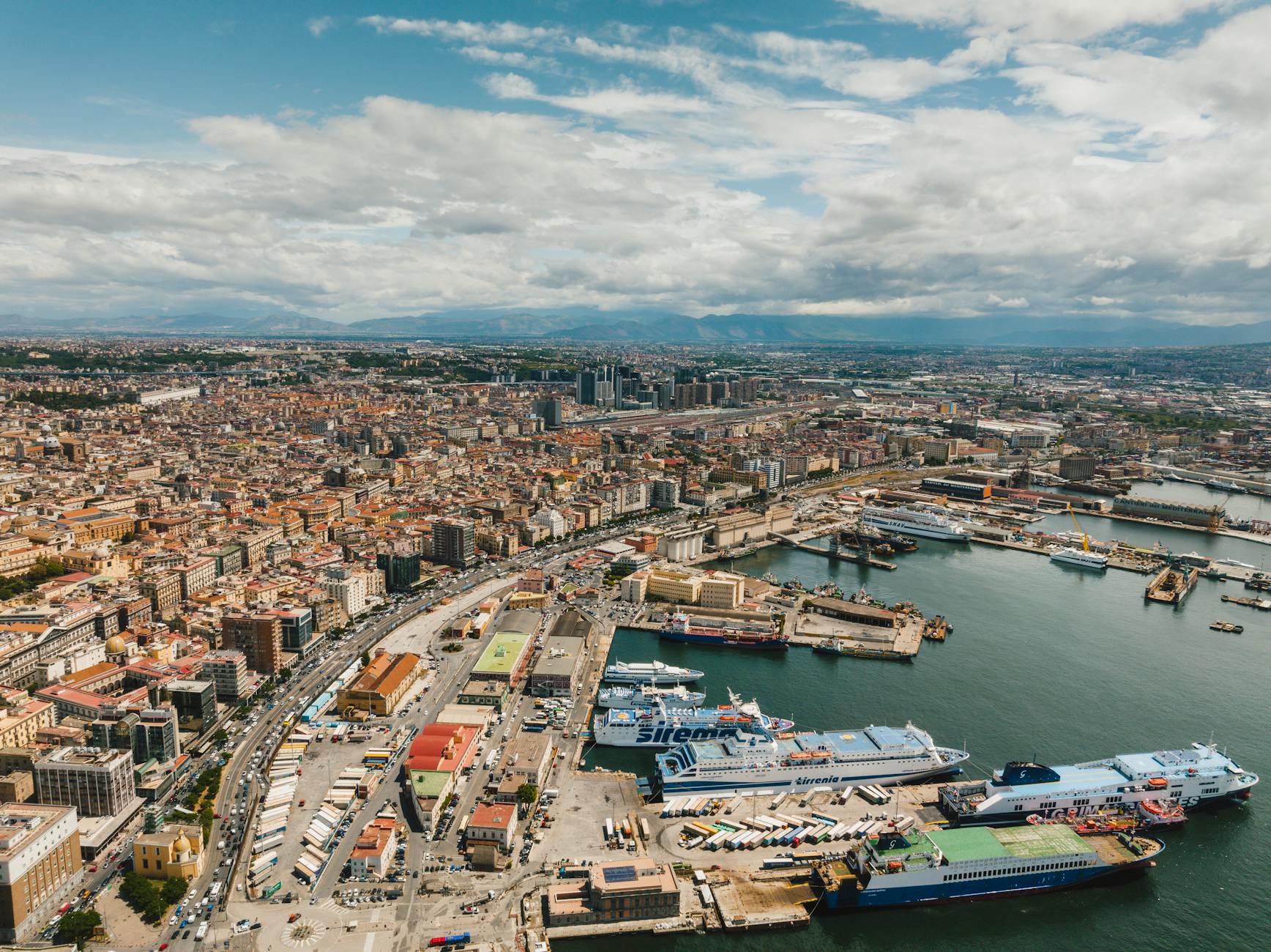
A conference trip to Naples often tempts travelers to add Pompeii, Herculaneum, Vesuvius, Capri, Sorrento, or the Amalfi Coast. Those add-ons can be worthwhile, but they should not be squeezed into a day already controlled by sessions, networking, and work follow-up. Excursions involve transport, walking, heat, tickets, timing, and a return that may not be flexible.
The best add-on may be a single half-day or one clearly protected day before or after the conference. If the traveler cannot create that margin, a waterfront walk, castle visit, or focused food experience inside Naples may be the smarter choice.
- Do not stack major excursions onto full session days.
- Choose one protected add-on if schedule, transport, and energy support it.
- Use Naples itself as the fallback when regional logistics are too tight.

When to order a short-term travel report
A conference attendee with a venue hotel, simple arrival, and no add-ons may not need a custom Naples report. A report becomes useful when the traveler is choosing between hotels, arriving late, presenting, carrying equipment, managing dietary or medical needs, planning client meals, adding regional excursions, or trying to make a short business trip feel controlled.
The report should test venue access, hotel context, arrival timing, session-day movement, equipment burden, meal zones, evening returns, possible excursions, and the safest cuts. The value is a trip that supports the conference purpose while still letting Naples add something worthwhile.
- Order when venue access, hotel choice, arrival, equipment, meals, or add-ons need testing.
- Provide venue, session schedule, hotel options, arrival times, work obligations, and constraints.
- Use the report to protect the professional purpose of the trip and the usable Naples time.