
Naples can be a strong budget destination because the city has excellent casual food, dense sightseeing, public transport, waterfront walks, markets, and access to major day trips without needing luxury spending. It can also become expensive in disguised ways if the traveler books poorly located lodging, relies on last-minute taxis, overcommits to paid excursions, or loses time to avoidable logistics. A good Naples budget trip is not about choosing the cheapest version of every decision. It is about spending where friction would otherwise damage the trip and saving where the city already gives the traveler a lot for little money.
Do not let the cheapest bed control the whole trip
Budget lodging in Naples should be judged by the total cost of using it. A cheaper room can become a poor value if it adds difficult stairs, late-night taxi dependence, noisy sleep, long walks with bags, weak air conditioning, or a return route the traveler dislikes. The lowest nightly rate is not always the lowest trip cost.
A budget traveler should compare address, transit access, nearby food, luggage practicality, and evening return before booking. Paying a little more for a better-positioned base may save money, time, and stress across the whole stay.
- Evaluate lodging by total trip cost, not only nightly rate.
- Check stairs, air conditioning, noise, transit, food, and evening return.
- Spend slightly more when the location prevents taxi dependence or wasted time.
Plan arrival and departure costs first
Arrival and departure can quietly break a budget. A traveler should know how to get from the airport, Napoli Centrale, ferry port, or bus stop to the lodging before reaching Naples. Public transport may work well for some addresses, while a taxi may be the wiser choice for late arrivals, heavy luggage, or confusing routes.
The key is to avoid improvising while tired. If the budget plan requires multiple transfers, stairs, or a long walk with bags, it may create enough friction that the traveler ends up paying more anyway. The best budget route is the one the traveler can actually execute.
- Price airport, rail, ferry, and lodging transfers before arrival.
- Use public transport when the route is simple and luggage is manageable.
- Budget for a taxi when late timing or heavy bags make it the practical choice.

Use Naples' food strengths without overspending
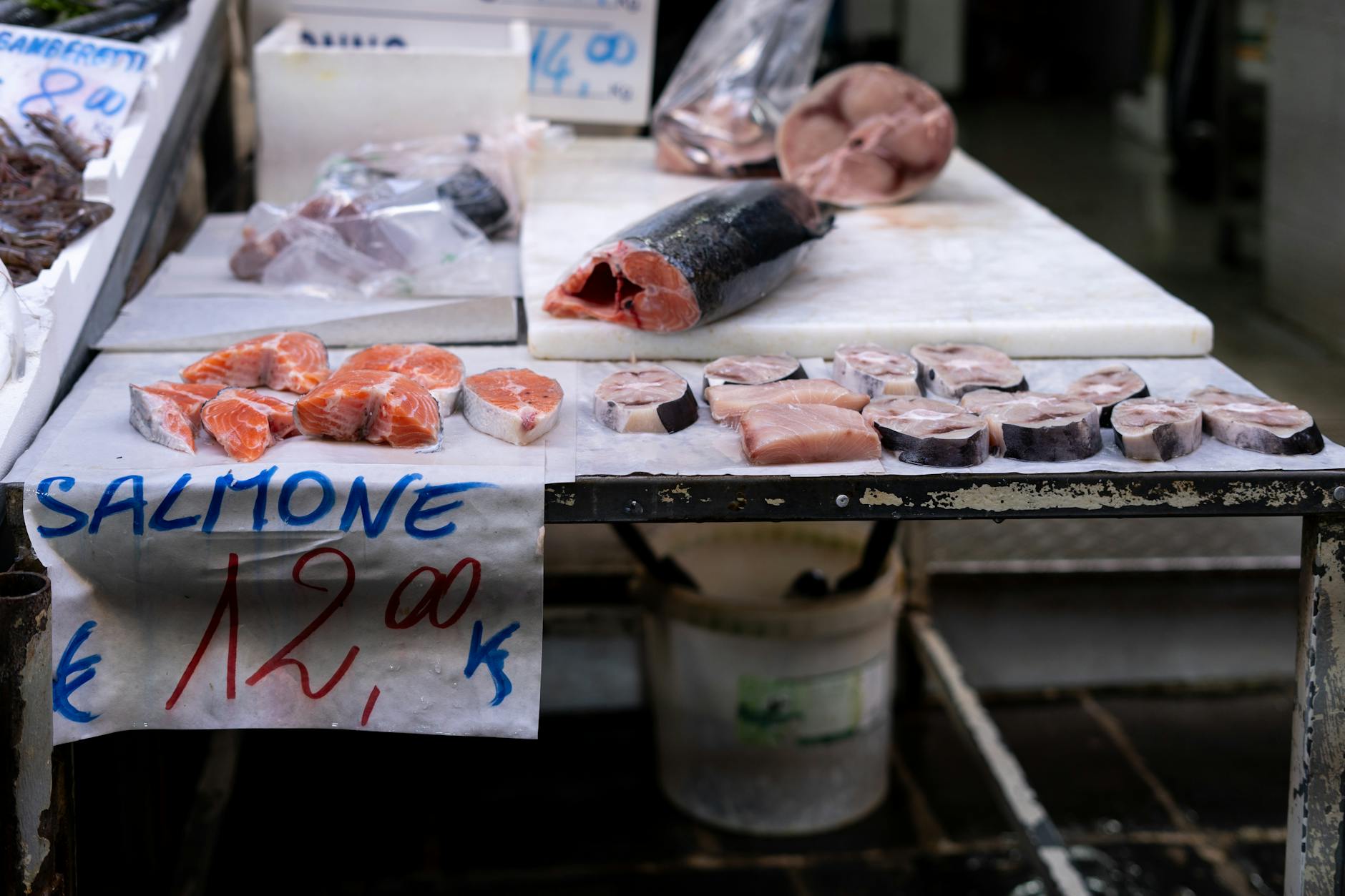
Naples is friendly to budget travelers because casual food can be excellent. Pizza, pastries, coffee, markets, small counters, bakeries, and simple seafood or pasta meals can make the trip feel rich without requiring expensive restaurants. The traveler should still plan meals by route and timing rather than buying whatever appears when hunger arrives.
A smart food budget mixes a few intentional meals with practical snacks and low-cost options near the hotel. Famous places may be worth it, but long waits can cost time. A budget traveler should value time as part of the trip currency.
- Use pizza, pastries, coffee, markets, bakeries, and casual counters as strengths.
- Plan meals near the actual route to avoid expensive convenience choices.
- Treat long waits as a cost when the stay is short.

Be realistic about walking and transit
Walking can save money in Naples, but it is not free if it drains the day. Uneven surfaces, hills, stairs, heat, scooters, and dense streets can make a cheap route more tiring than expected. The budget traveler should cluster sights and use transit or taxis selectively rather than turning every movement into a long walk.
Public transport can help, but station access, ticket rules, crowded times, and the walk from the stop to the destination still matter. A budget plan should include enough cash or card flexibility for the moments when walking is no longer the smart choice.
- Cluster sights so walking saves money without exhausting the traveler.
- Check transit access, ticket rules, stairs, and final walking distance.
- Keep a small transport buffer for taxis or unexpected changes.

Choose paid sights and excursions carefully
A budget traveler can spend very little in Naples and still have a full trip, but paid sights and day trips can add up quickly. Pompeii, Herculaneum, Vesuvius, ferries, guides, coast trips, museums, and taxis all need to be compared against the time available. A famous day trip is not automatically a good value if it consumes the whole stay.
The traveler should decide which paid experience is the anchor and then use low-cost Naples time around it. Waterfront walks, churches, views, markets, street life, and selected museums can fill the trip without constantly adding ticket costs.
- Pick one or two paid anchors instead of paying for every famous option.
- Compare excursions by ticket cost, transport cost, time, and energy.
- Use low-cost city routes to balance the budget.

Avoid false economies after dark
Some savings are not worth pursuing late at night. A very distant lodging choice, a long walk after dinner, or refusal to use a taxi when tired can turn a budget trip into a stressful one. The traveler should decide in advance where spending a little money protects the trip.
This is especially important after day trips, late meals, or long travel days. Naples can be affordable without requiring the traveler to squeeze every euro from every movement. A modest evening transport buffer can make the whole budget plan more durable.
- Keep late returns short, clear, and realistic.
- Budget for taxis when fatigue, luggage, or timing makes them sensible.
- Avoid lodging or dinner choices that force difficult nighttime movement.

When to order a short-term travel report
A budget traveler with a simple hostel, flexible dates, and low expectations may not need a custom Naples report. A report becomes useful when the traveler is choosing between cheap addresses, trying to include Pompeii or ferries, arriving late, managing mobility or medical constraints, traveling with family, or deciding where spending a little more will prevent a much worse trip.
The report should test lodging tradeoffs, arrival cost, transit, walking load, meal strategy, paid anchors, day-trip value, evening returns, and what to skip. The value is a Naples budget trip that saves money without wasting the traveler's limited time and energy.
- Order when lodging tradeoffs, transport, food, paid sights, or day trips need cost judgment.
- Provide dates, hotel or hostel options, arrival details, budget range, must-see items, and constraints.
- Use the report to identify where to save and where not to underpay.